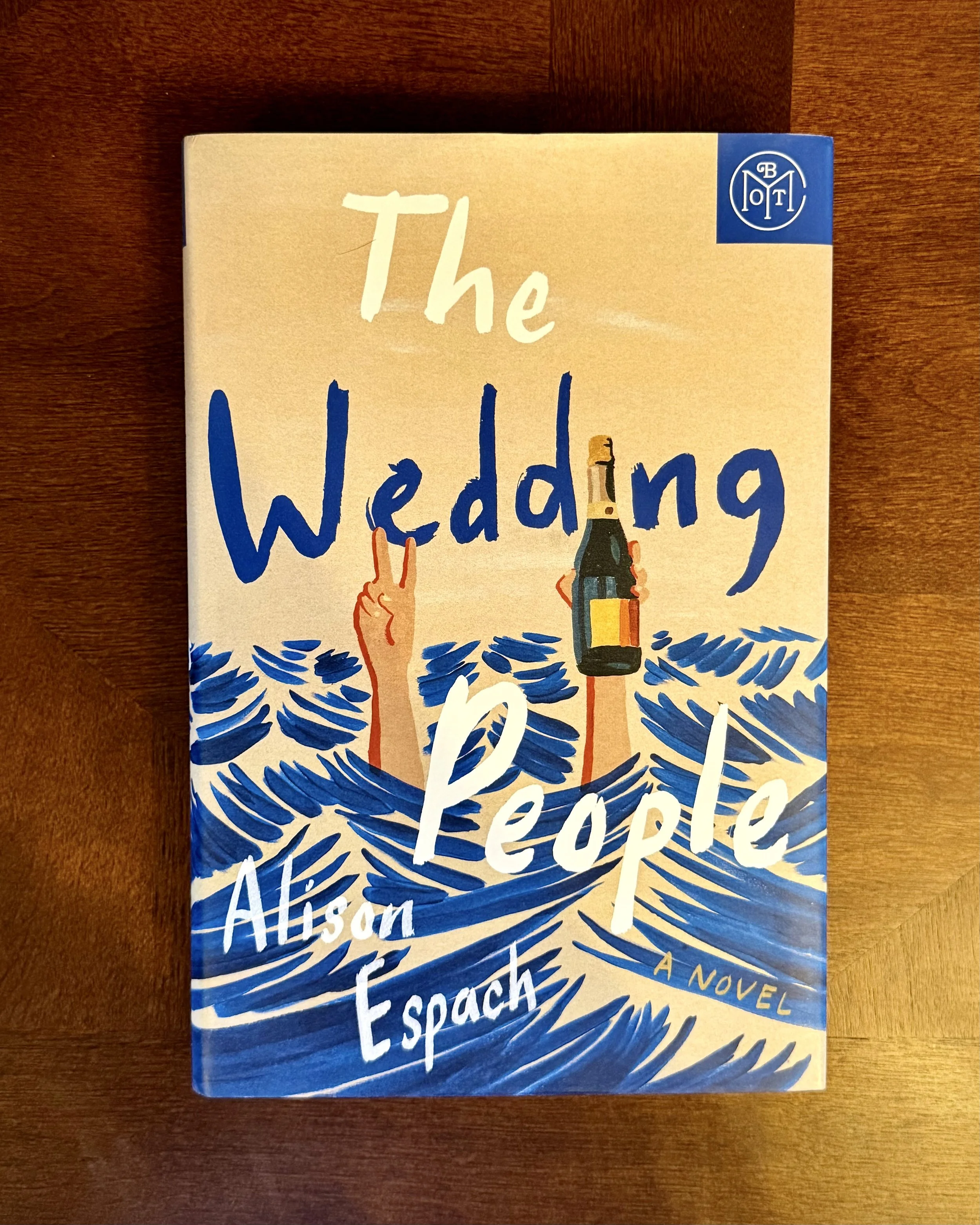

Alison Espach’s The Wedding People follows Hannah, a woman reeling from personal loss who checks into a seaside hotel hosting a lavish wedding, only to find herself drawn into the lives, secrets, and emotional turbulence of the guests around her. As the weekend unfolds, the novel blends sharp humor with quiet melancholy, exploring grief, connection, and the strange intimacy that forms among strangers in transitional moments. Intimate, observant, and character‑driven, it becomes a story about healing, vulnerability, and the unexpected ways people collide.
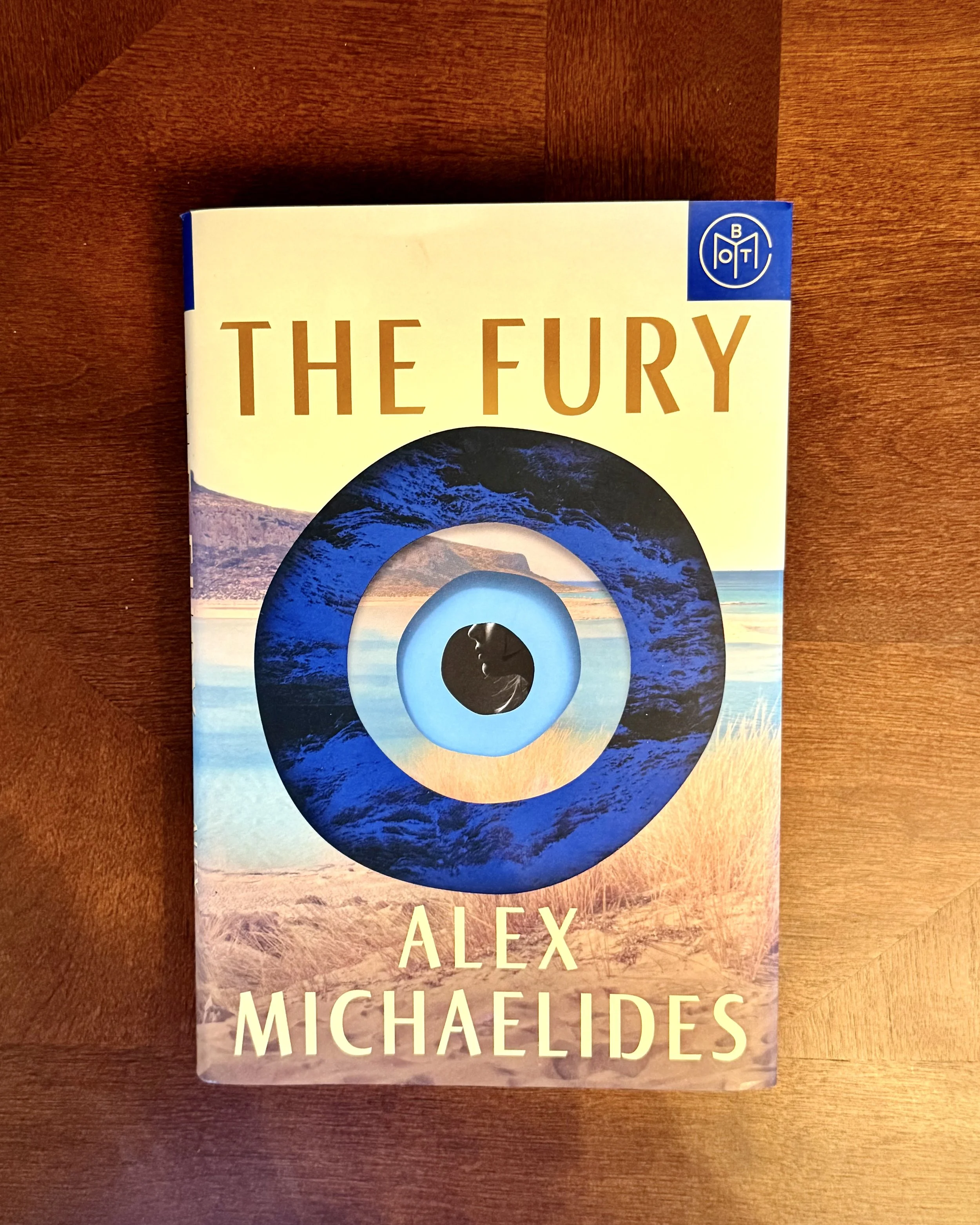

Alex Michaelides’s The Fury unfolds on a private Greek island where a famous actress invites a small circle of friends for a seemingly intimate getaway that quickly turns tense, claustrophobic, and dangerous. As old grudges surface and shifting alliances tighten, the narrator reveals the truth behind a murder that occurs during the weekend, peeling back layers of deception, ego, and obsession. Stylish, tightly plotted, and psychologically charged, the novel becomes a character‑driven mystery where glamour and menace collide.
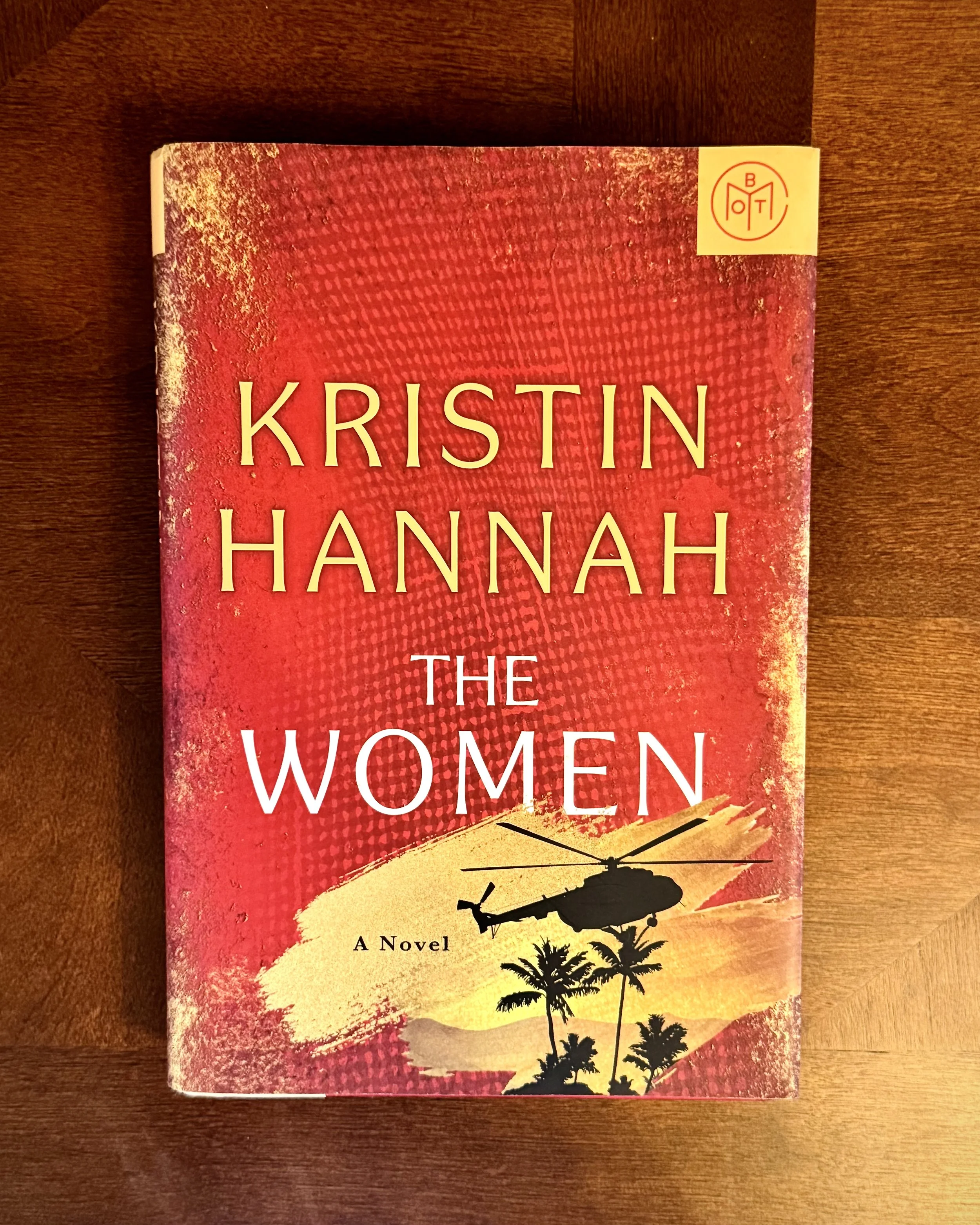
Kristin Hannah’s The Women follows Frances “Frankie” McGrath, a young nurse who volunteers for service in Vietnam and is transformed by the brutality, loyalty, and moral complexity she encounters there. Returning home, she faces a country unwilling to acknowledge women’s roles in the war, and the novel traces her struggle to rebuild identity, relationships, and purpose while carrying the weight of trauma and courage. Intimate, emotionally charged, and historically grounded, it becomes a story about friendship, sacrifice, and the fight to be seen.
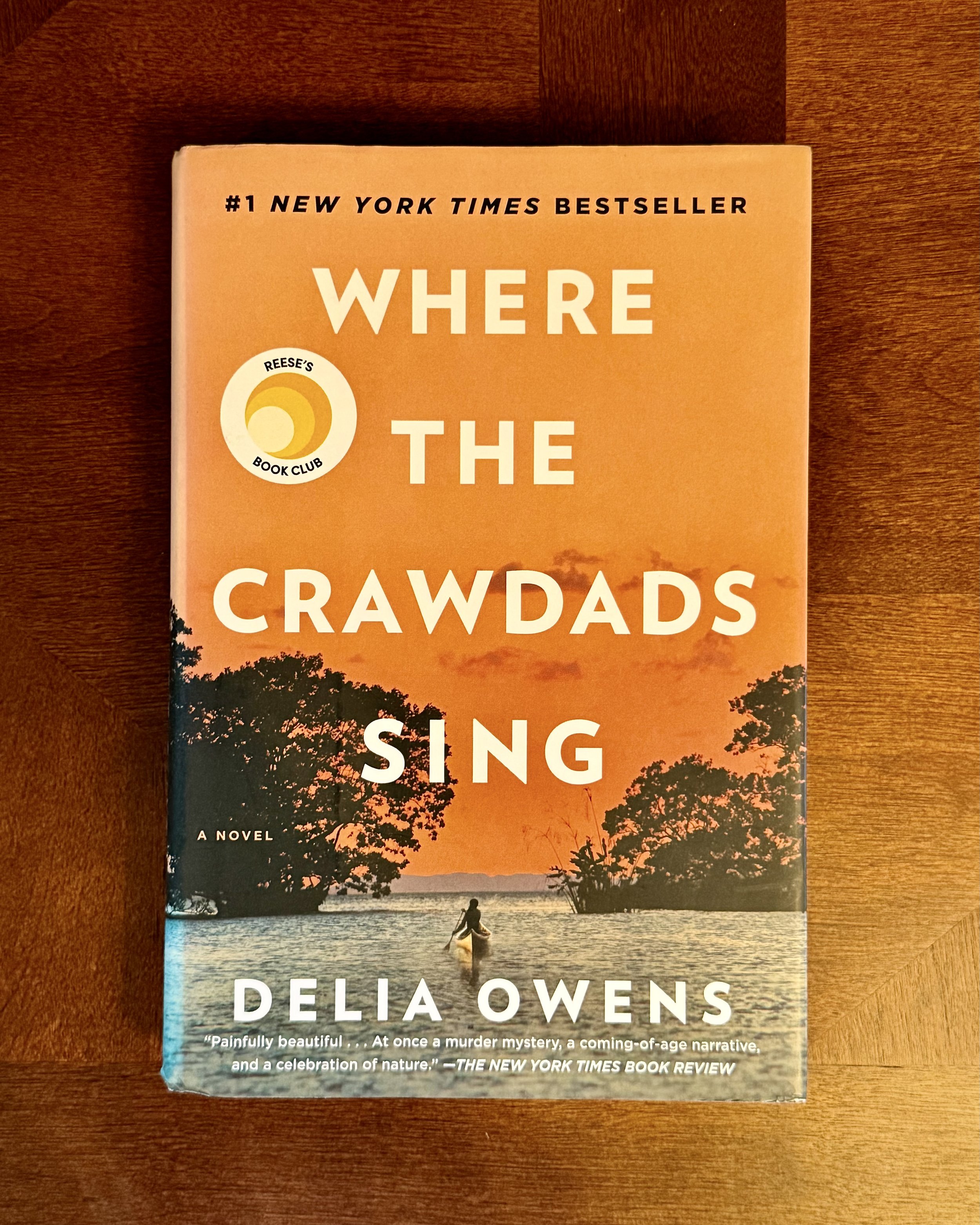
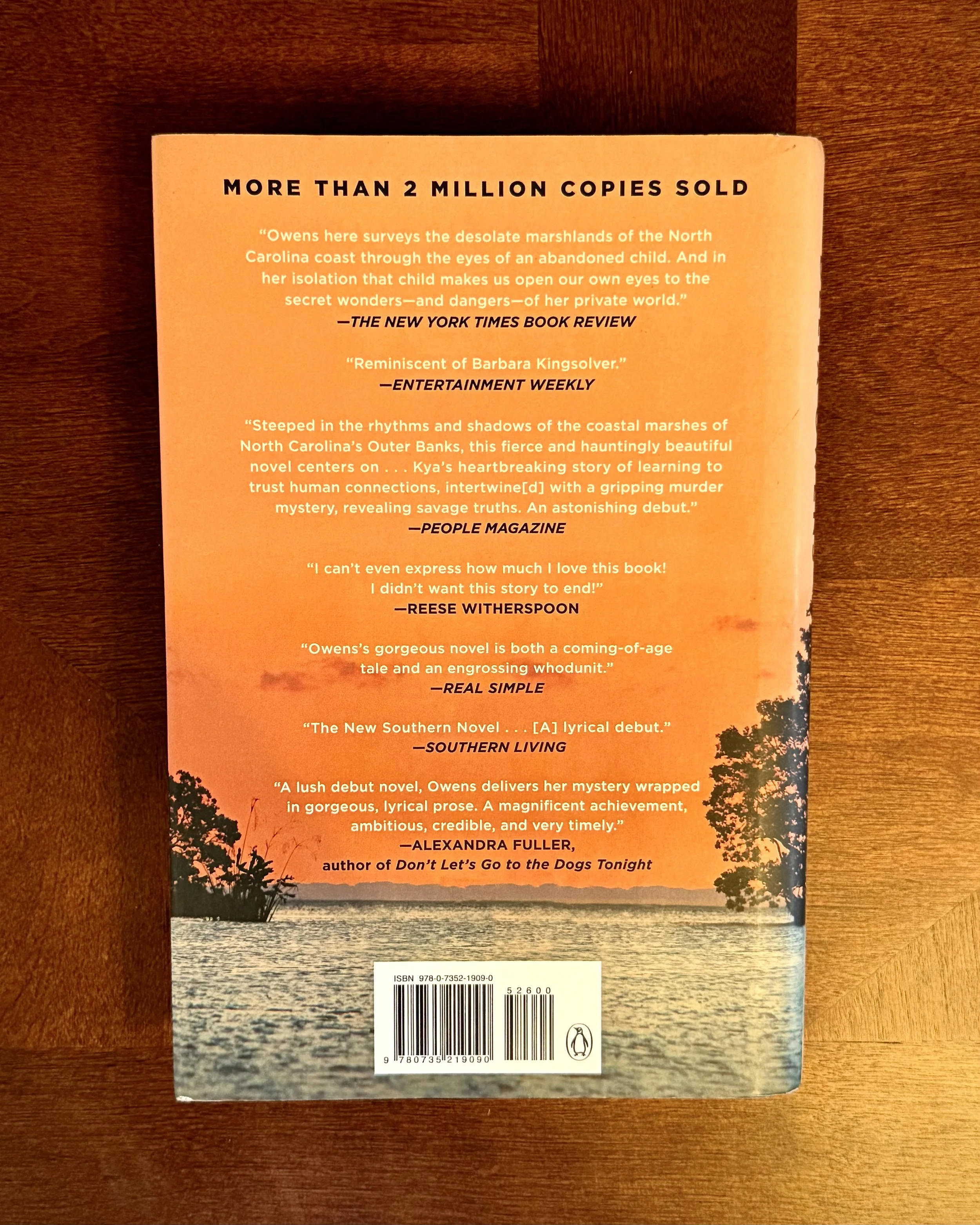
Delia Owens’s Where the Crawdads Sing follows Kya Clark, a young girl abandoned in the marshes of North Carolina, as she grows up isolated from the town around her and learns to survive through her deep connection to the natural world. When a local man is found dead years later, Kya becomes the prime suspect, and the novel intertwines a murder investigation with her coming‑of‑age story, exploring loneliness, resilience, and the ways communities shape — and fail — their outsiders. Atmospheric and quietly emotional, the book becomes a character‑driven blend of mystery and Southern nature writing.
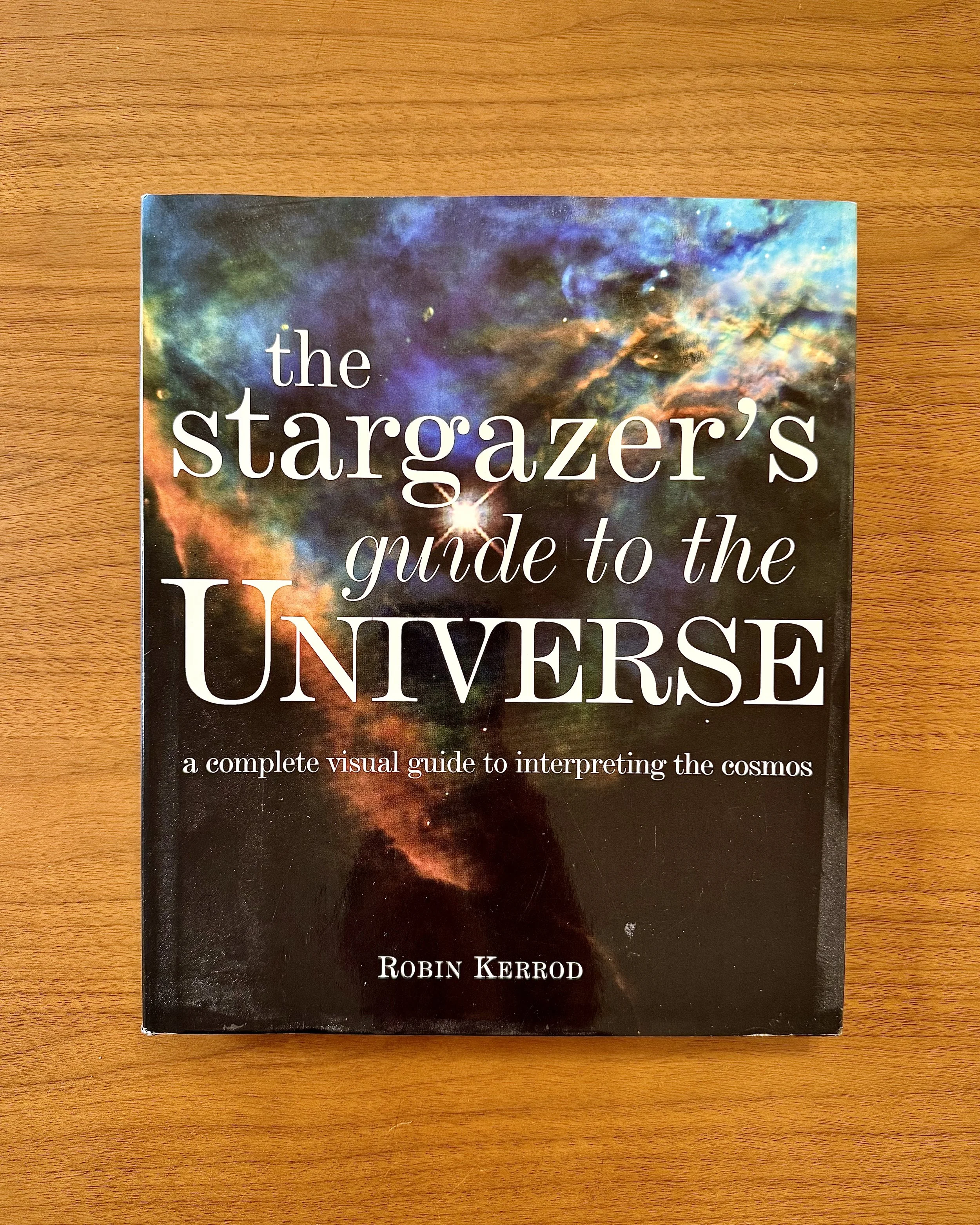
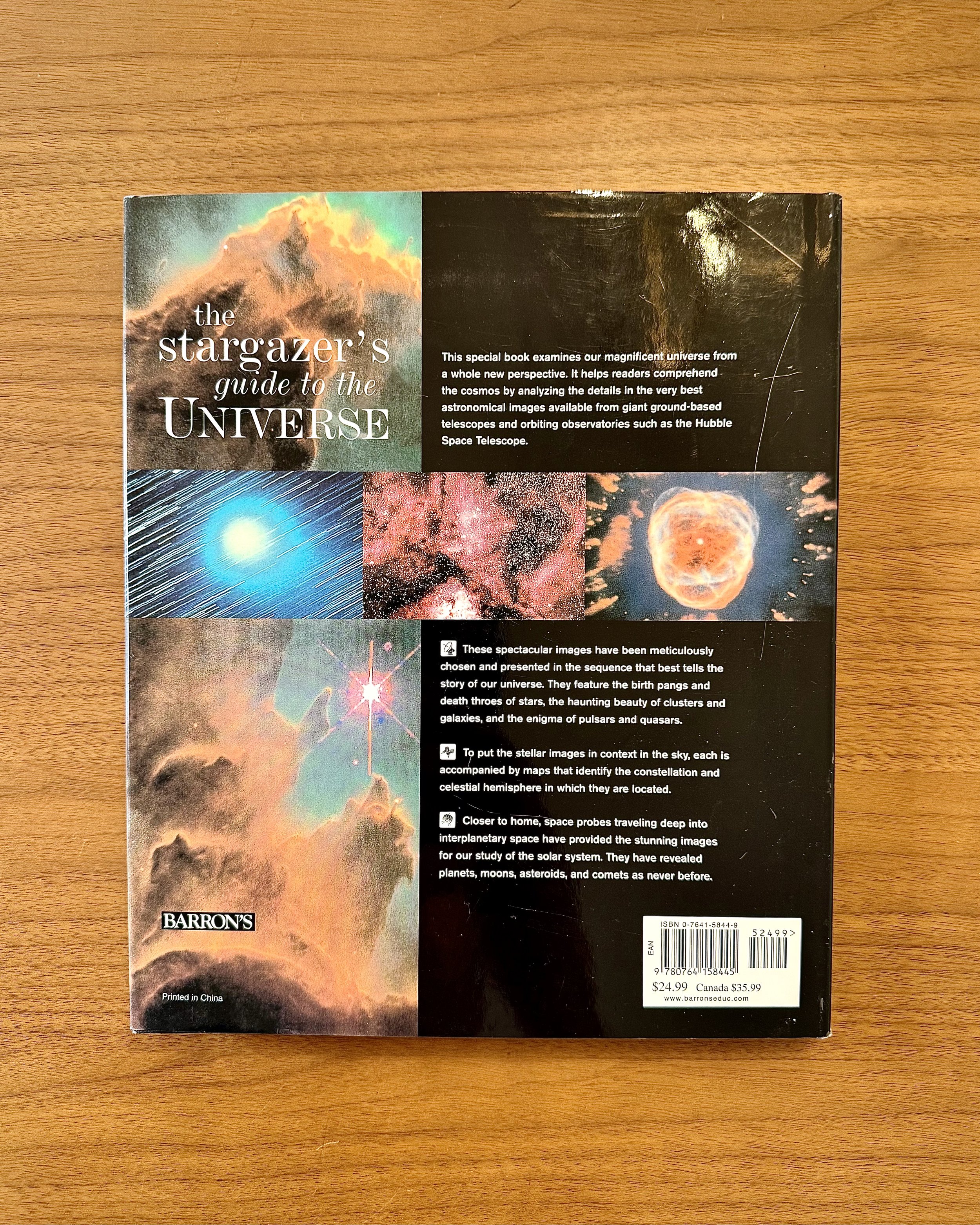
The Stargazer’s Guide to the Universe is an accessible introduction to observing the night sky, blending clear explanations of celestial objects with practical guidance on how to find them using the naked eye, binoculars, or a basic telescope. Organized around seasonal sky maps and straightforward observing tips, it helps readers identify planets, constellations, star clusters, and deep‑sky objects without requiring technical expertise. Simple, well‑illustrated, and designed for beginners, the book becomes a reliable companion for anyone looking to explore astronomy from their backyard.
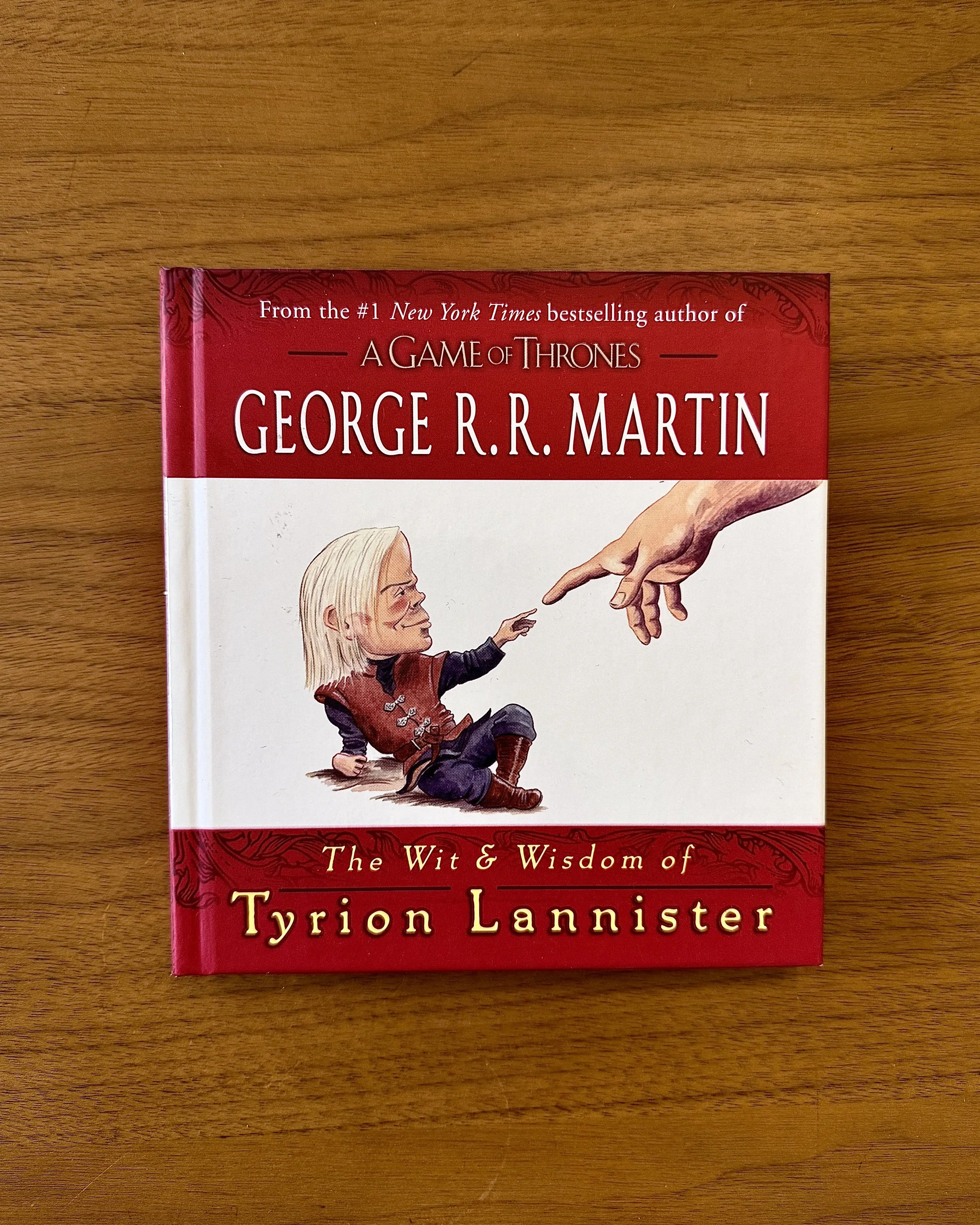
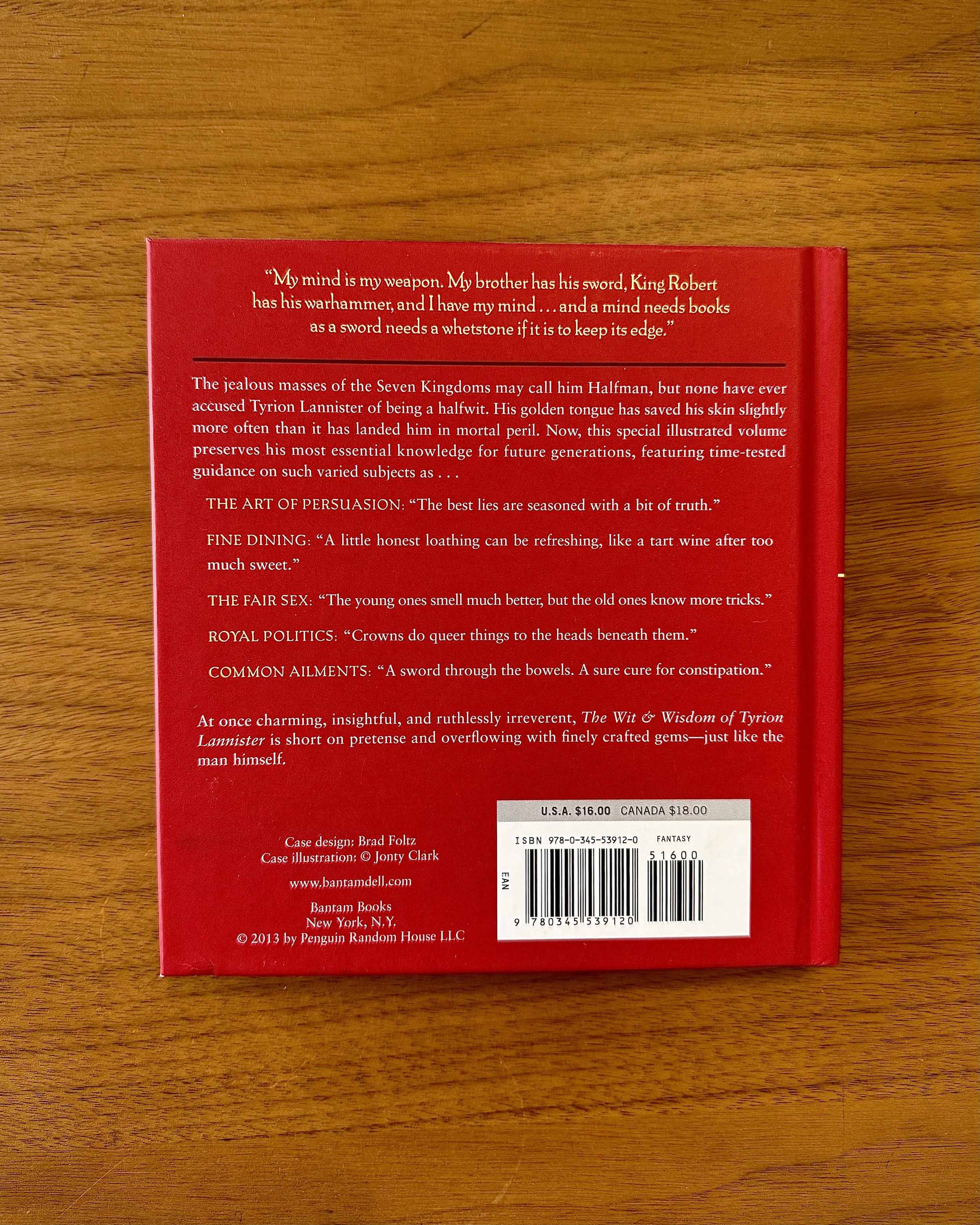
The Wit & Wisdom of Tyrion Lannister is a curated collection of Tyrion’s sharpest lines, observations, and barbed humor from George R. R. Martin’s A Song of Ice and Fire, paired with illustrations that highlight his role as the series’ most incisive commentator. Through quips on politics, power, family, and survival, the book showcases how Tyrion’s intelligence and self‑awareness cut through the brutality and absurdity of Westeros. Compact, character‑focused, and designed for fans, it becomes a light, entertaining companion that distills one of the saga’s most memorable voices.


Lonely Planet’s 100 Weekends in Europe is a practical, inspiration‑driven guide that highlights short, well‑planned trips across the continent—from classic city breaks like Paris, Rome, and Barcelona to quieter escapes in coastal villages, wine regions, and mountain towns. Each entry offers a concise itinerary, local recommendations, and essential logistics, making it easy for travelers to maximize a two‑ or three‑day getaway without feeling rushed. Clear, flexible, and designed for repeat use, the book becomes a reliable companion for anyone looking to explore Europe one weekend at a time.
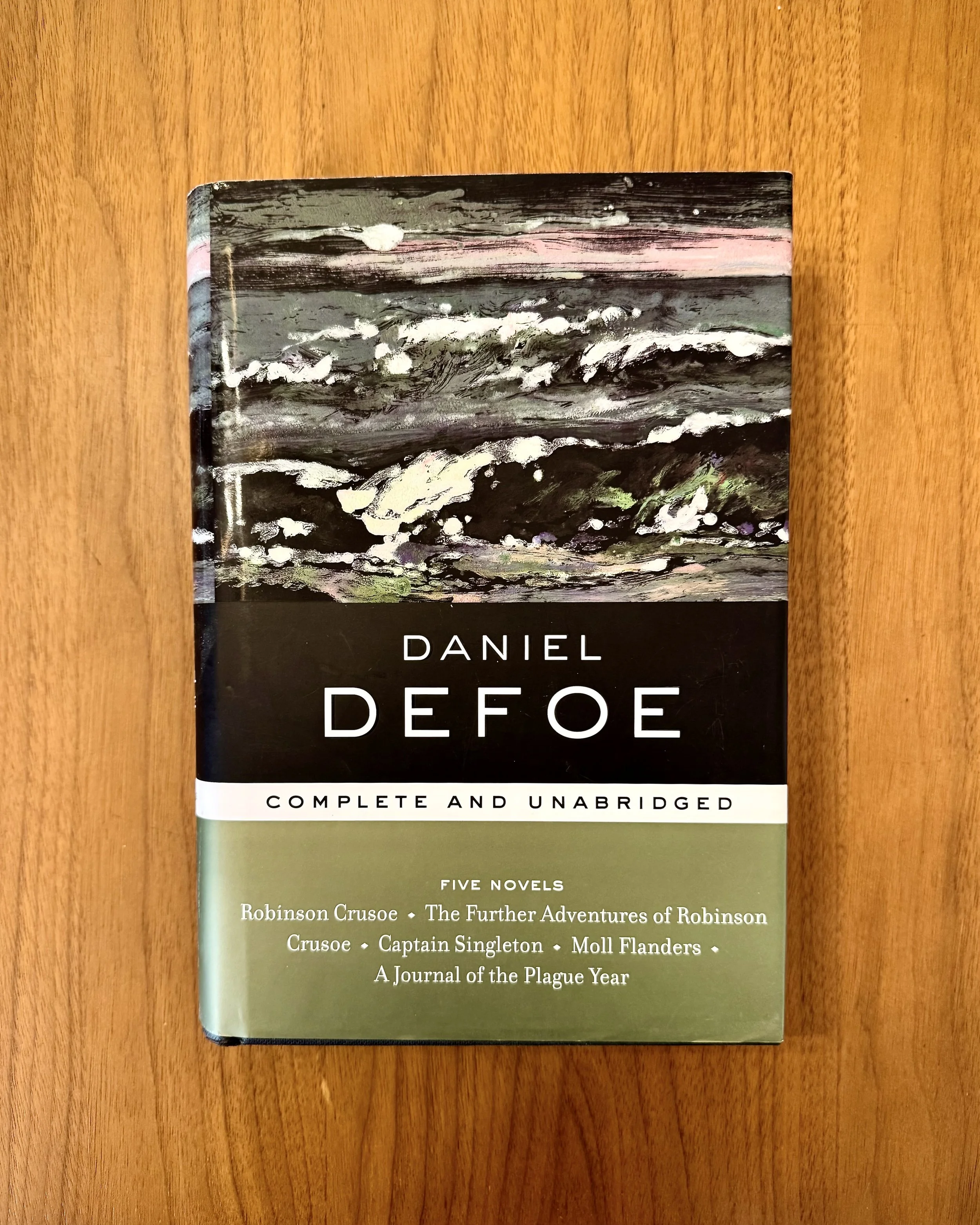
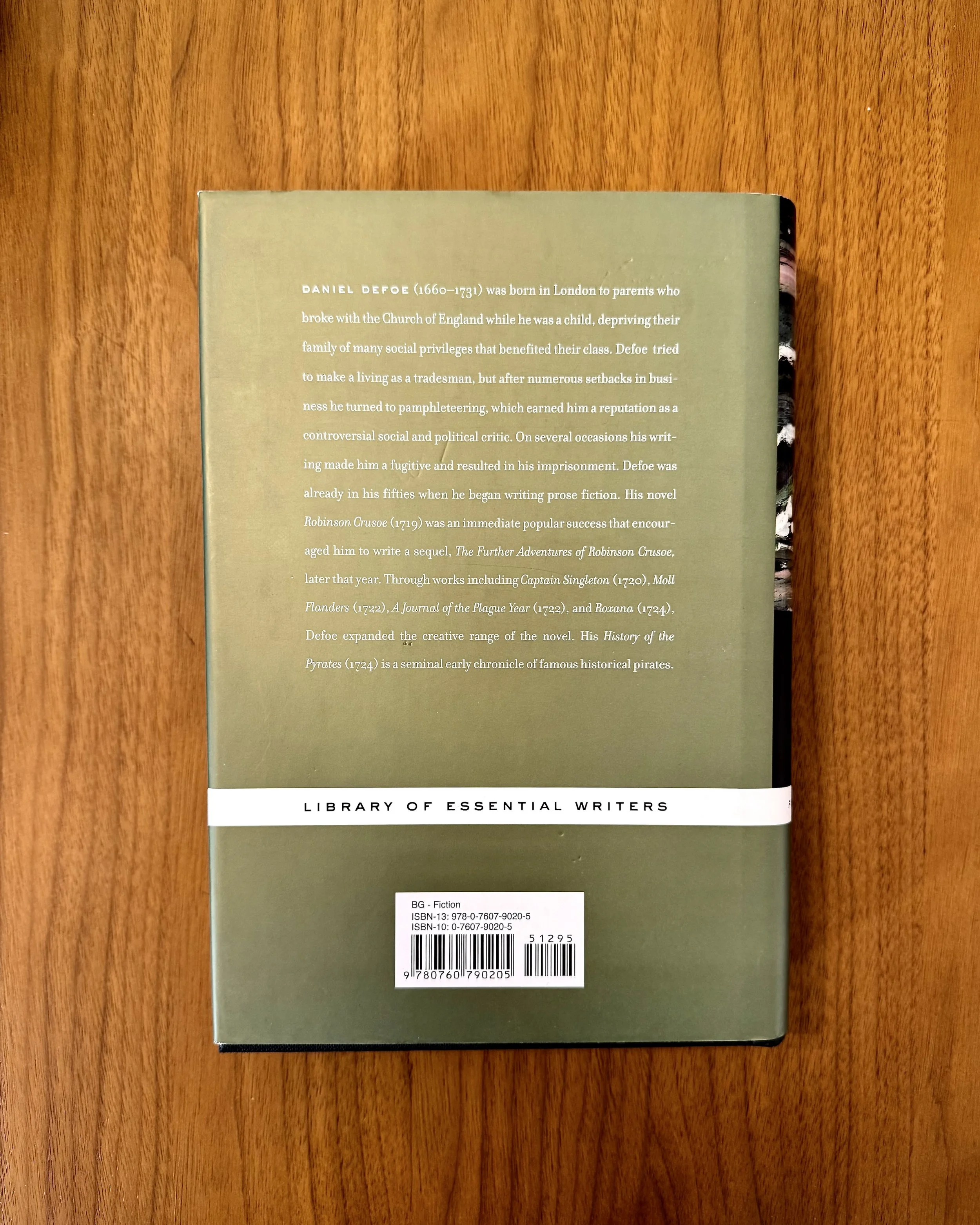
Daniel Defoe: Complete and Unabridged gathers Defoe’s most influential works into a single volume, presenting the full range of his storytelling—from the survival epic of Robinson Crusoe to the sharp social realism of Moll Flanders and the political insight of his essays and pamphlets. Read together, these texts reveal Defoe’s distinctive blend of adventure, moral complexity, and journalistic detail, showcasing how he helped shape the early English novel and modern narrative nonfiction.
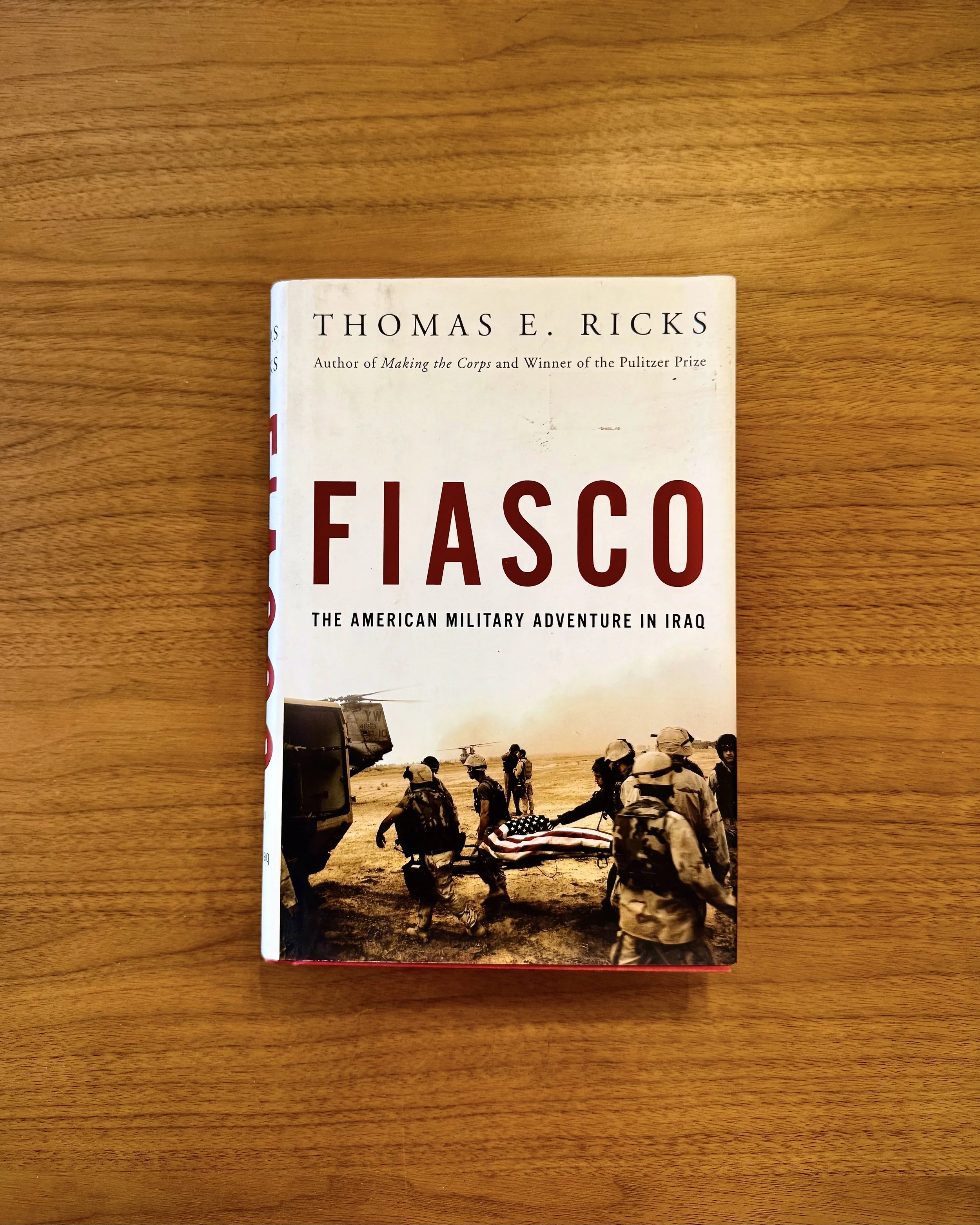
Thomas E. Ricks’s Fiasco is a deeply reported examination of how the United States entered and executed the Iraq War, tracing the strategic misjudgments, bureaucratic failures, and optimistic assumptions that shaped the conflict from 2003 onward. Drawing on military documents, interviews, and on‑the‑ground reporting, Ricks shows how flawed planning, inadequate postwar preparation, and internal disagreements within the Pentagon and military leadership contributed to escalating violence and a deteriorating occupation. Sobering, meticulous, and sharply analytical, the book becomes a definitive account of how a modern war can unravel when political aims, military strategy, and ground realities diverge.
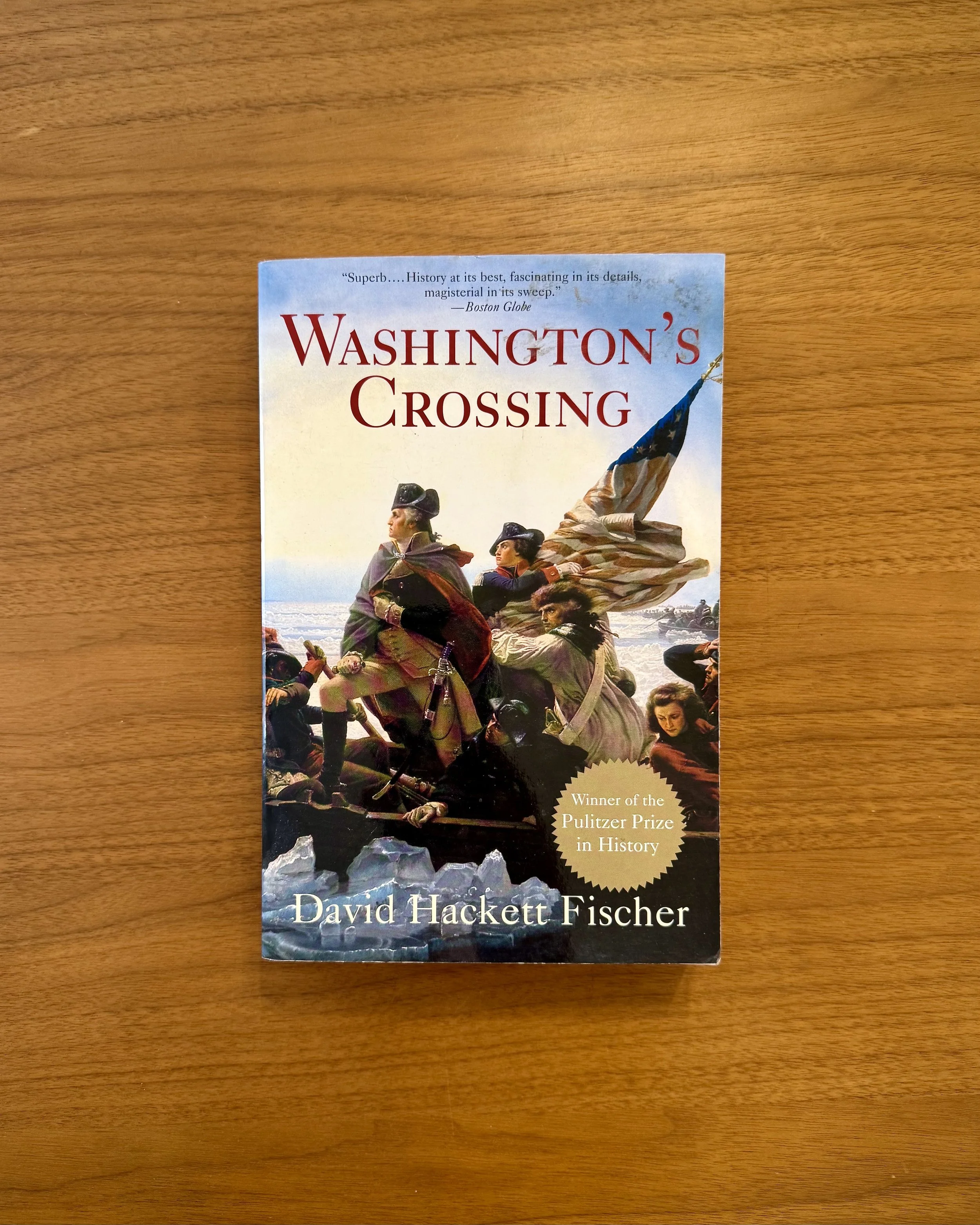
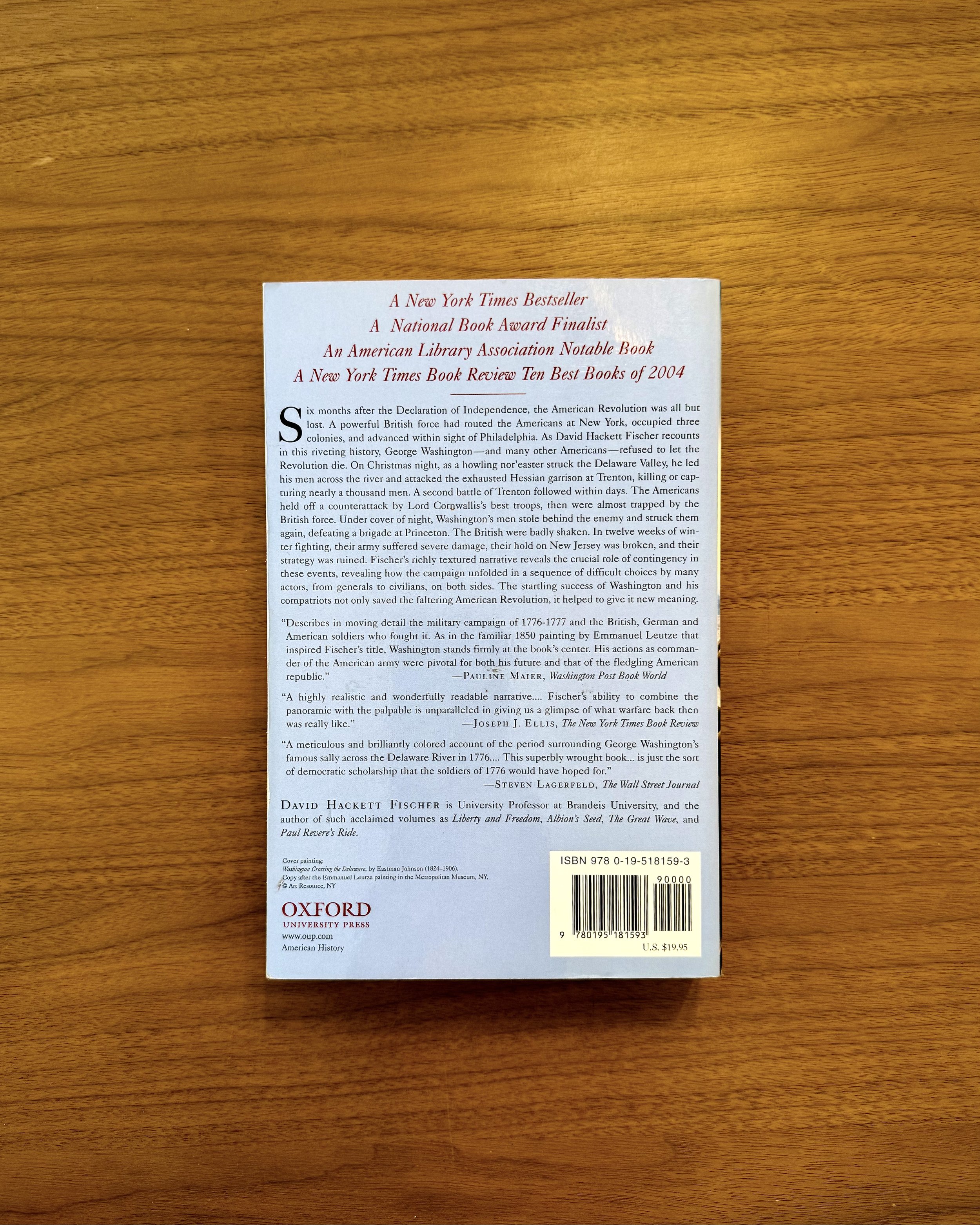
David Hackett Fischer’s Washington’s Crossing is a richly researched narrative that recounts George Washington’s daring 1776 winter campaign, beginning with the famous crossing of the Delaware River and culminating in the pivotal victories at Trenton and Princeton. Through detailed military analysis and vivid character portraits, Fischer shows how Washington’s leadership, the resilience of the Continental Army, and a series of bold strategic decisions reversed the Revolution’s early collapse and reshaped the war’s trajectory. Balanced, accessible, and deeply human, the book becomes a definitive account of how a moment of improvisation and resolve helped secure the survival of the American cause.
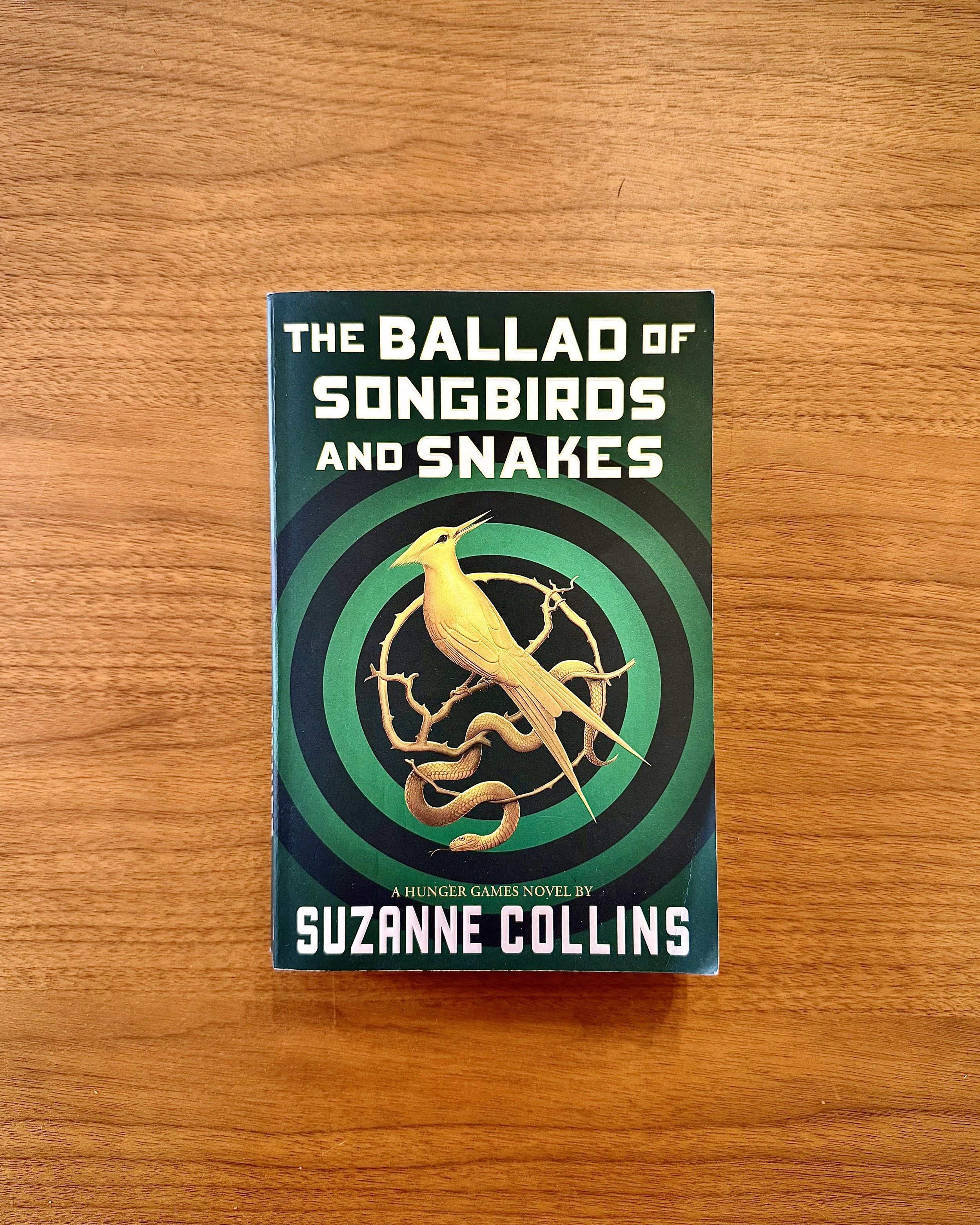
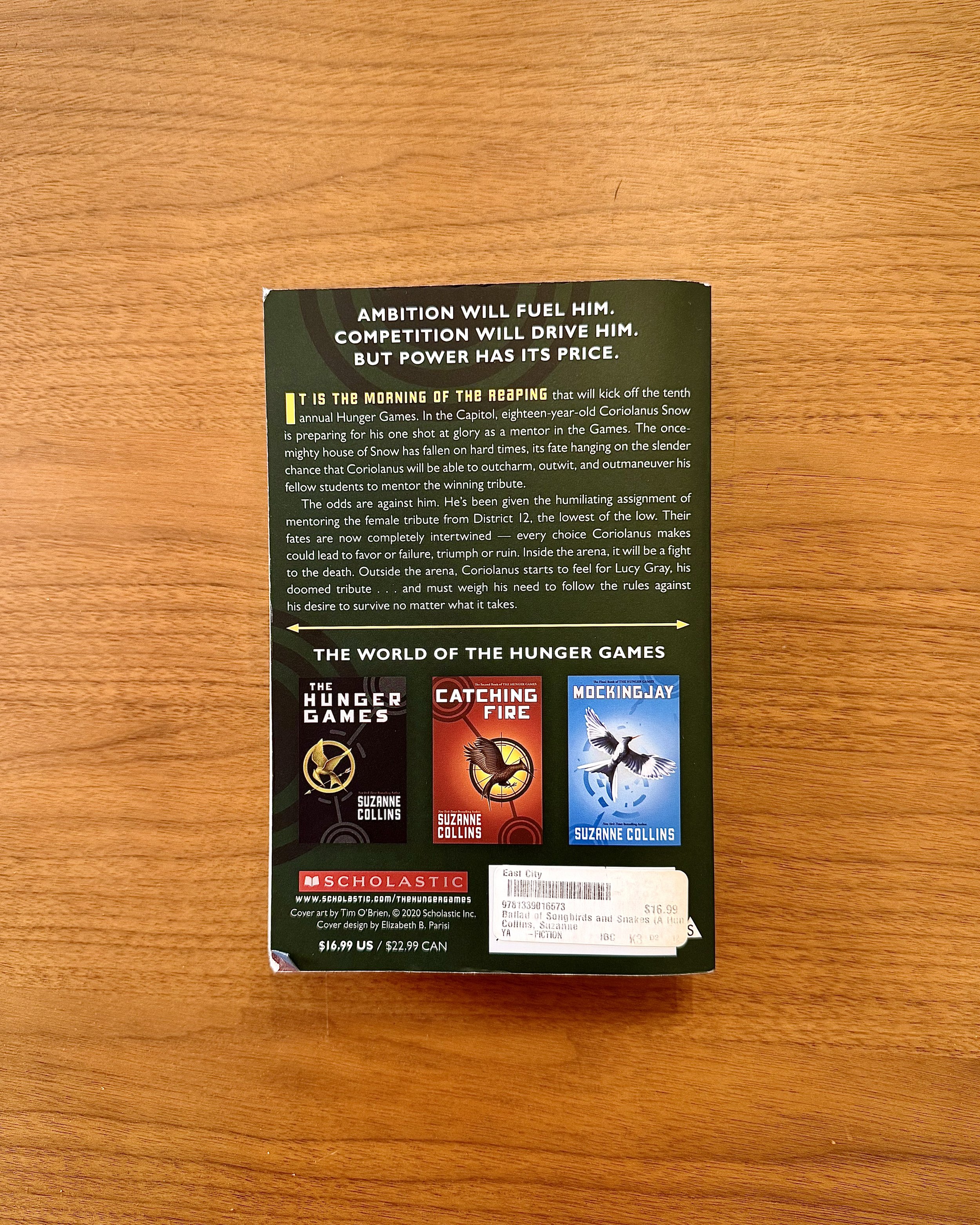
Suzanne Collins’s The Ballad of Songbirds and Snakes is a tense, character‑driven prequel that follows eighteen‑year‑old Coriolanus Snow as he becomes a mentor in the Tenth Hunger Games, desperate to restore his family’s fading status. Assigned to Lucy Gray Baird, the unpredictable tribute from impoverished District 12, Snow is drawn into a dangerous mix of ambition, performance, and survival as the early Games reveal their brutality and the Capitol’s appetite for control. Sharp, unsettling, and rich with political undercurrents, the novel traces the origins of Snow’s worldview and the slow, deliberate shaping of the future tyrant of Panem.
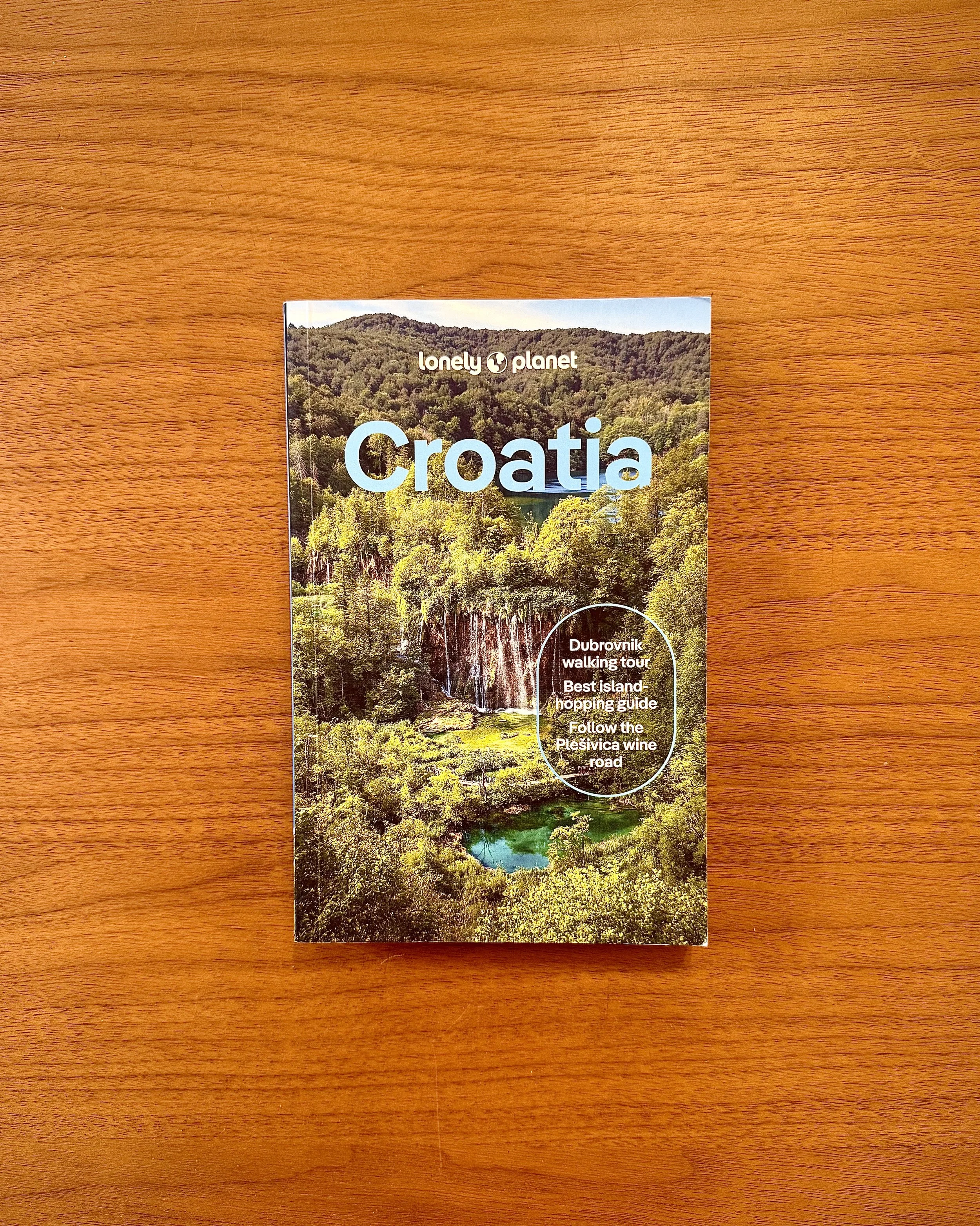
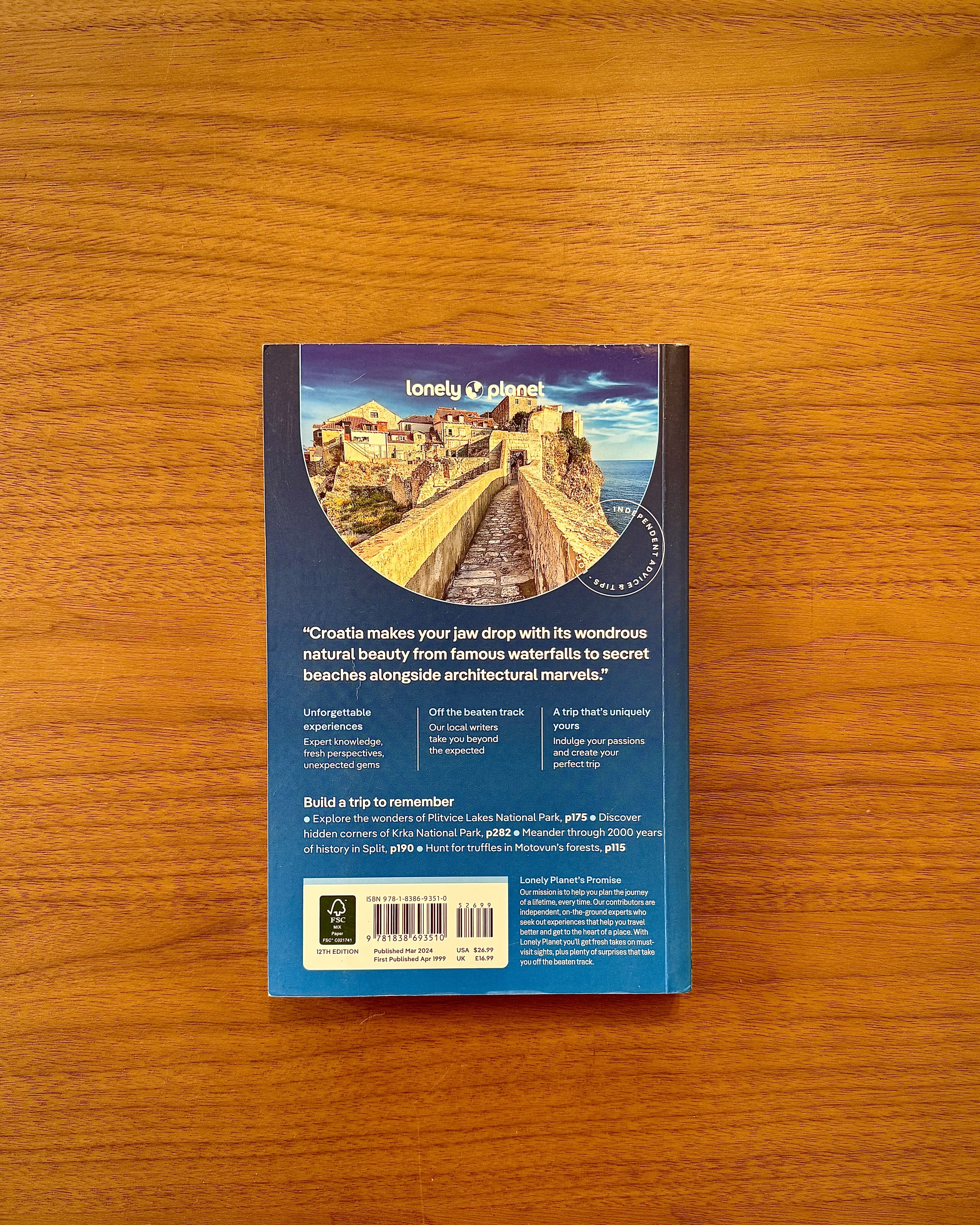
Lonely Planet’s Croatia is a comprehensive, easy‑to‑use travel guide that blends popular highlights with off‑the‑beaten‑path experiences, from Dubrovnik’s city walls and Diocletian’s Palace to Vis Island’s hidden coves and the Roman ruins of Salona. Organized with updated itineraries, regional chapters, and expert local recommendations, it helps travelers navigate Zagreb, Istria, Dalmatia, and the islands through practical advice on food, transport, day trips, walking tours, and cultural etiquette. Clear, detailed, and richly photographed, the book is a reliable companion for planning multi‑week adventures and connecting more deeply with Croatia’s history, landscapes, and everyday life.
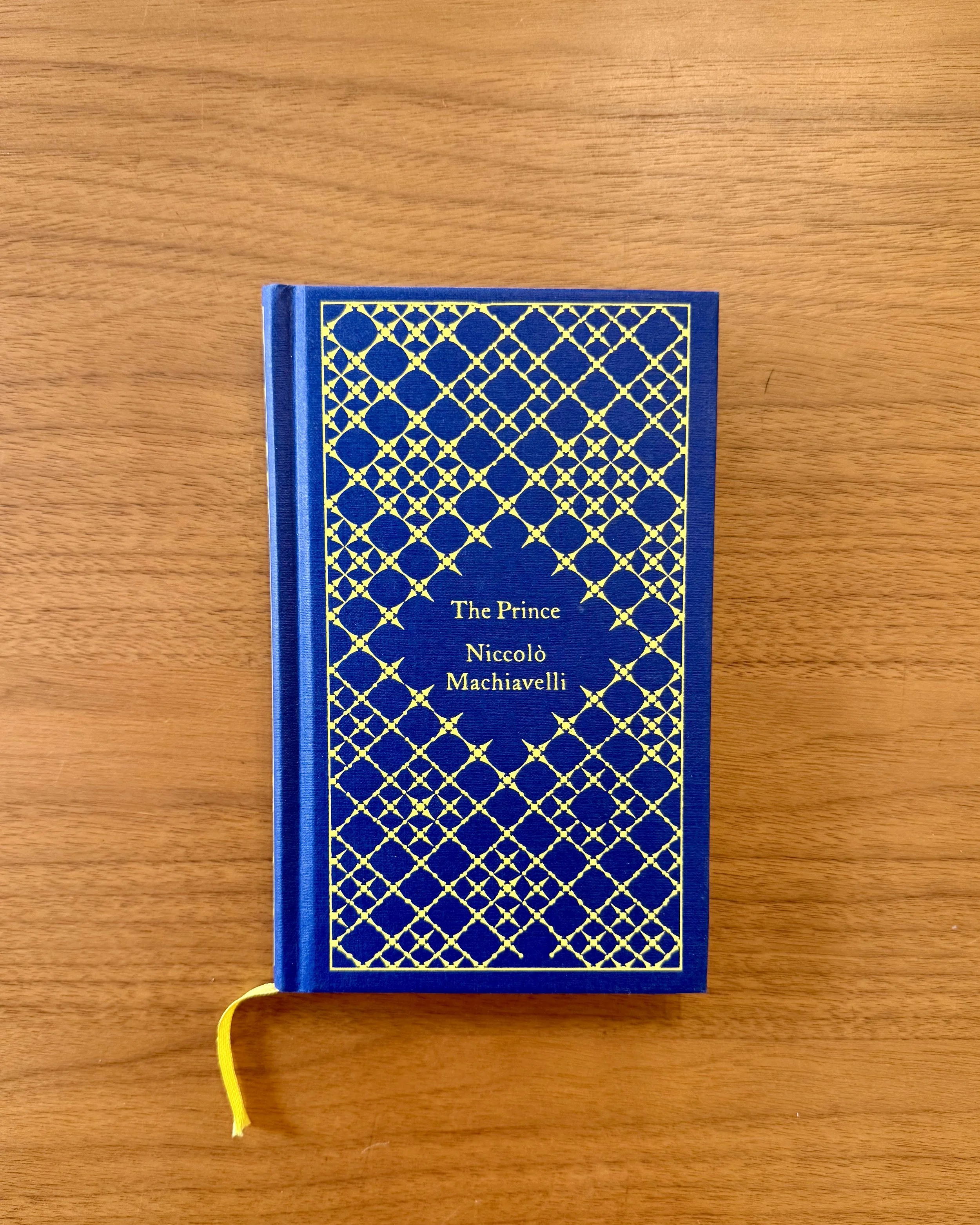
Niccolò Machiavelli’s The Prince is a concise, unsentimental guide to political power, outlining how rulers gain, maintain, and consolidate authority by focusing on practical realities rather than moral ideals. Drawing on examples from ancient and Renaissance leaders, Machiavelli argues that effective princes must master warfare, understand human nature, and be willing to use force, deception, and calculated ruthlessness when necessary to secure their states. Clear‑eyed and provocative, the treatise remains a foundational work of political thought, offering a stark examination of leadership stripped of illusion.
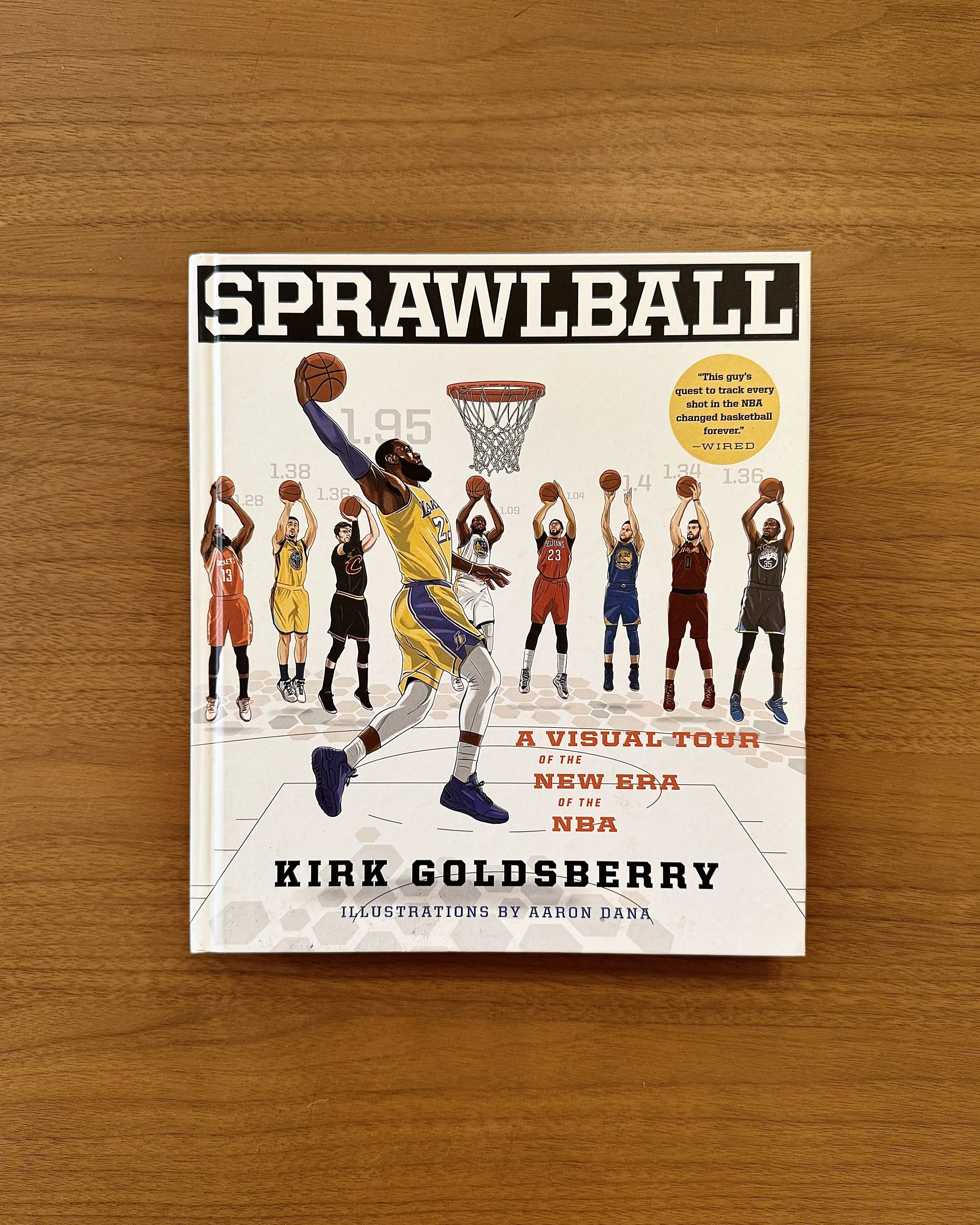
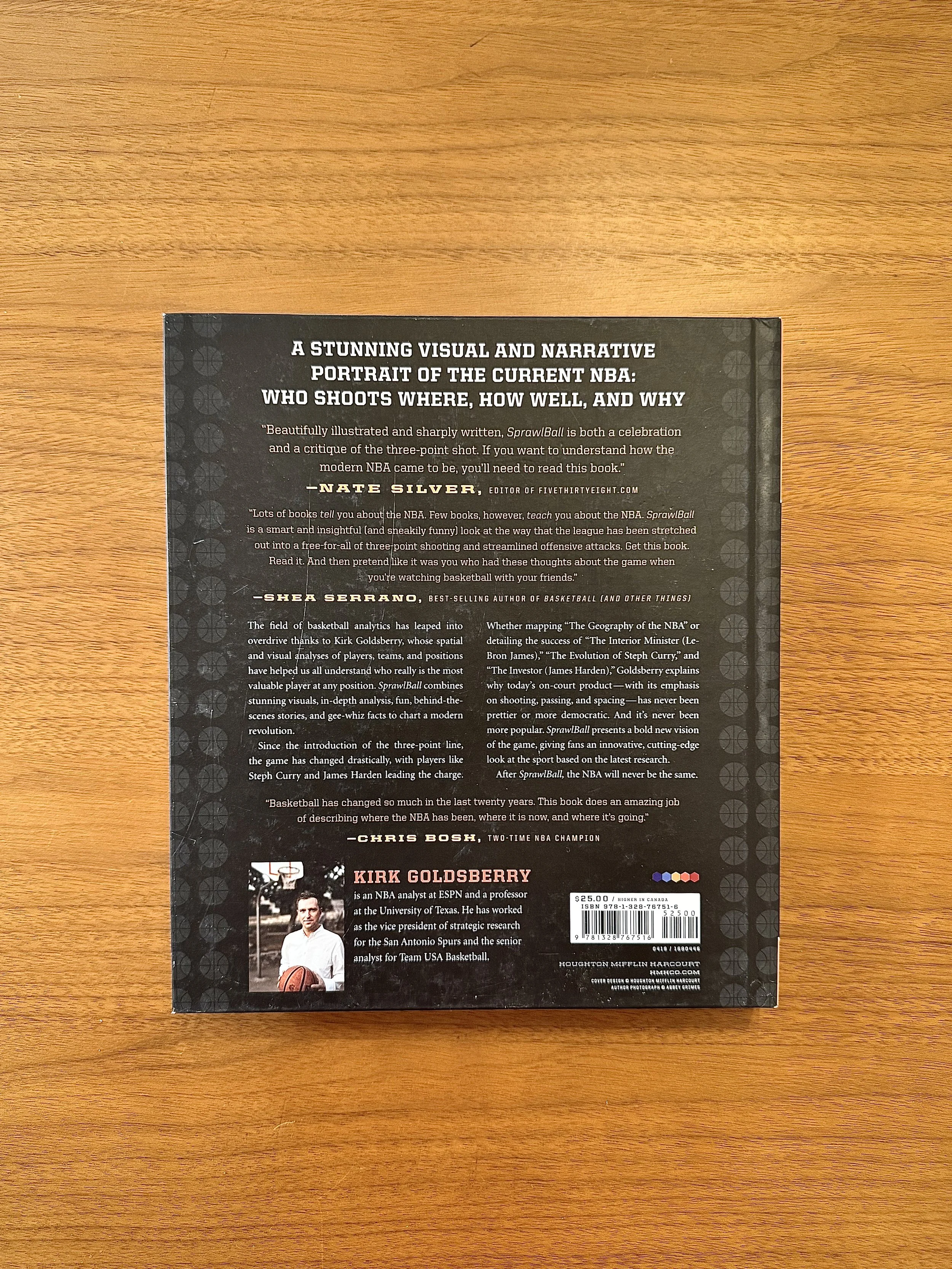
Kirk Goldsberry’s SprawlBall is a sharp, data‑driven look at how the NBA has transformed in the era of analytics, mapping how shot charts, efficiency metrics, and strategic innovation have reshaped the modern game. Blending visual analysis with clear storytelling, Goldsberry explains why the three‑point revolution emerged, how it changed player roles and team identities, and what it means for the league’s future. Insightful, accessible, and visually engaging, the book becomes a compelling guide to understanding basketball’s evolution and the forces pushing it further toward perimeter‑focused play.
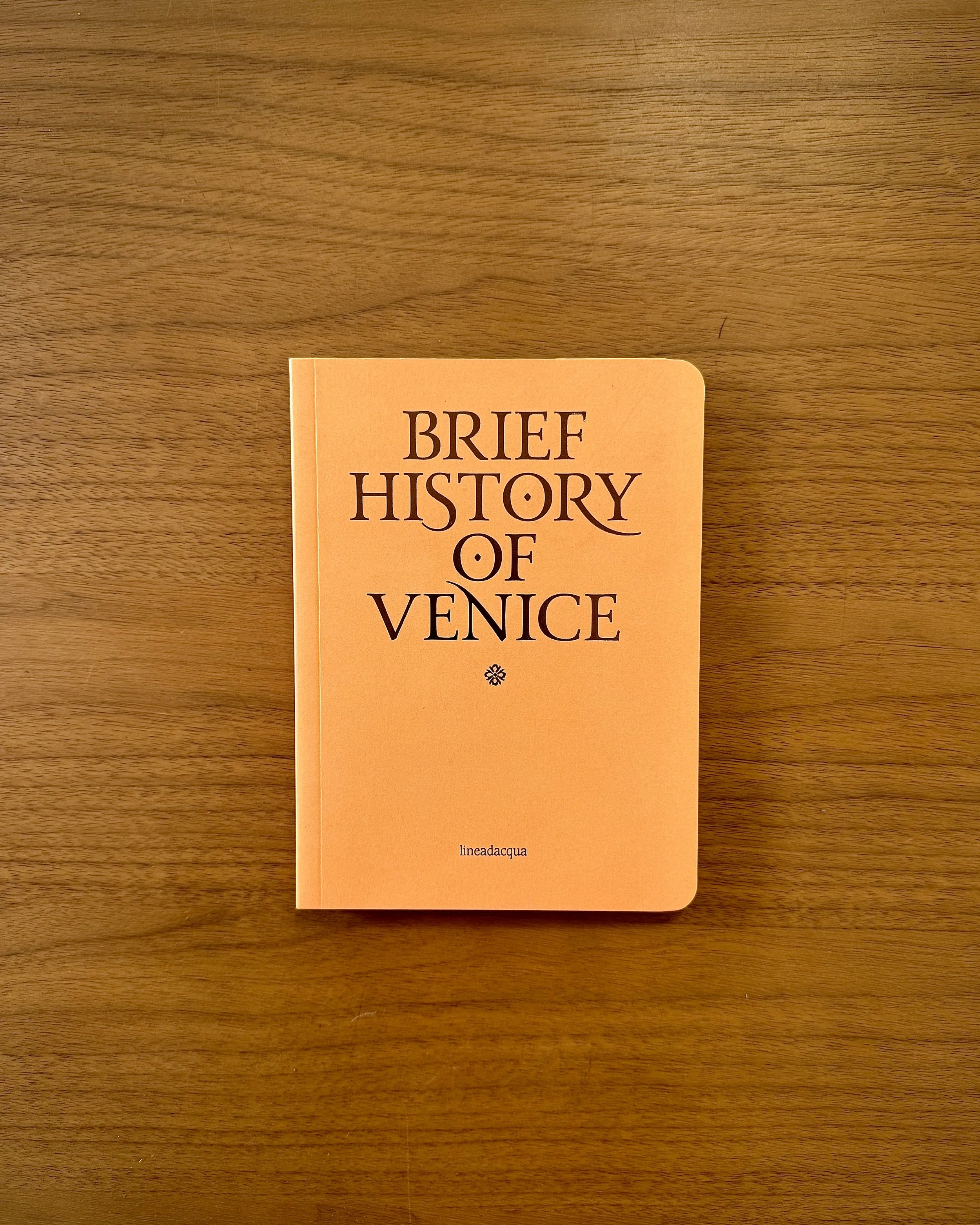
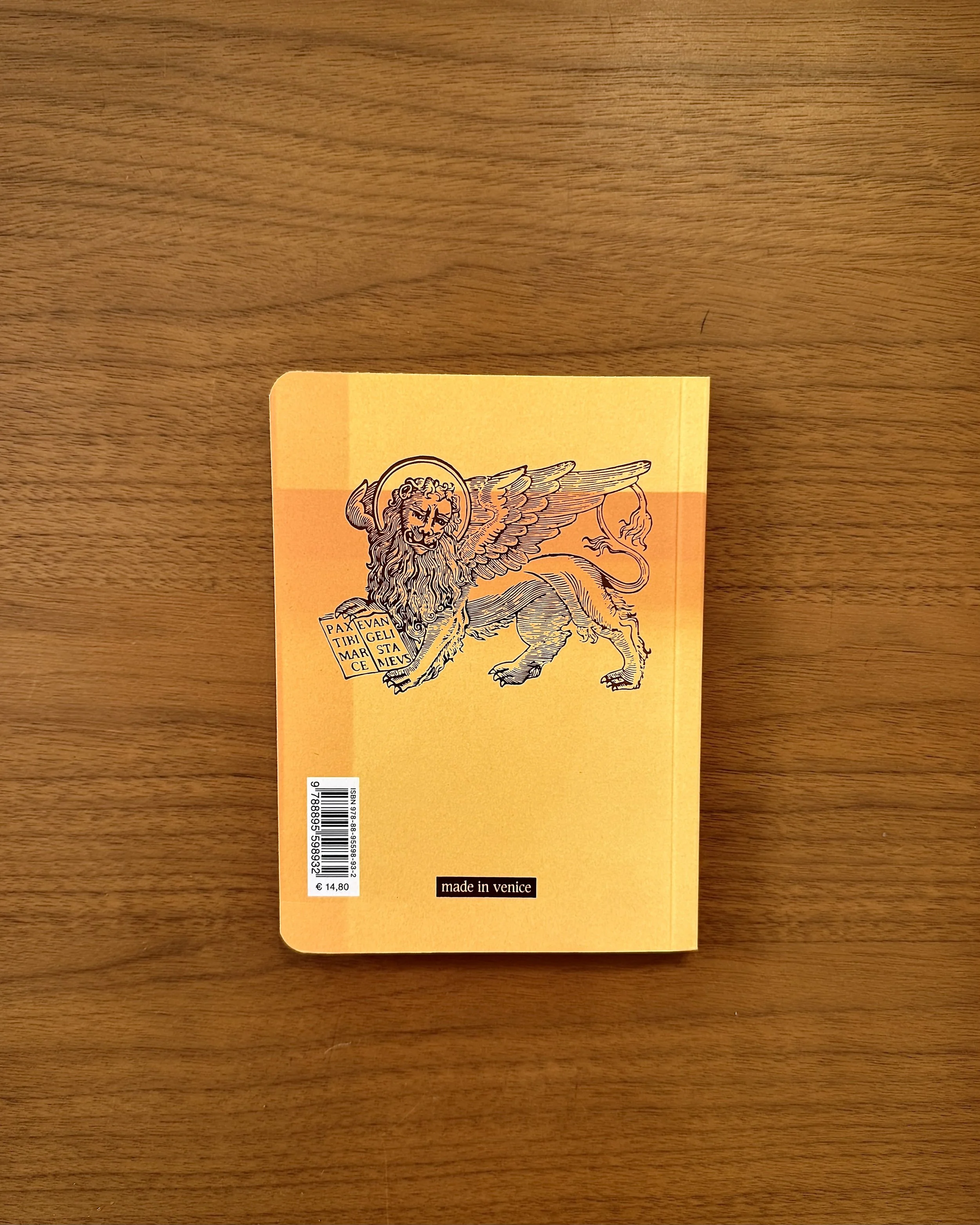
Linea d’Acqua’s A Brief History of Venice is a compact, accessible introduction to the city’s evolution from its early lagoon settlements to its rise as a powerful maritime republic. Tracing Venice’s political institutions, commercial networks, artistic achievements, and complex relationship with both the Byzantine and Western worlds, the book offers a clear, chronological understanding of how the city shaped—and was shaped by—Mediterranean history. Concise, well‑illustrated, and designed for travelers and curious readers alike, it becomes a reliable guide to the key events, figures, and forces that defined Venice across more than a millennium.
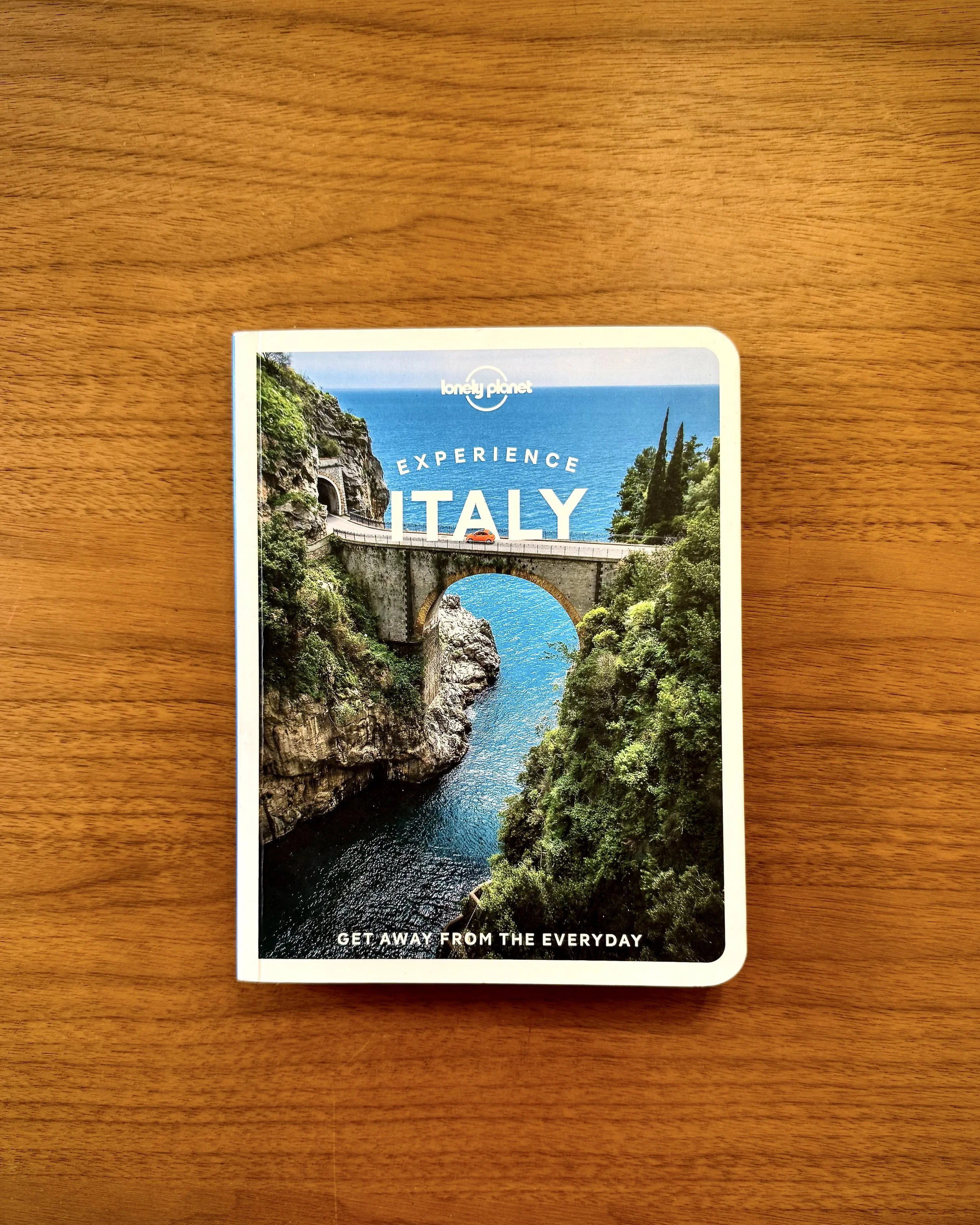
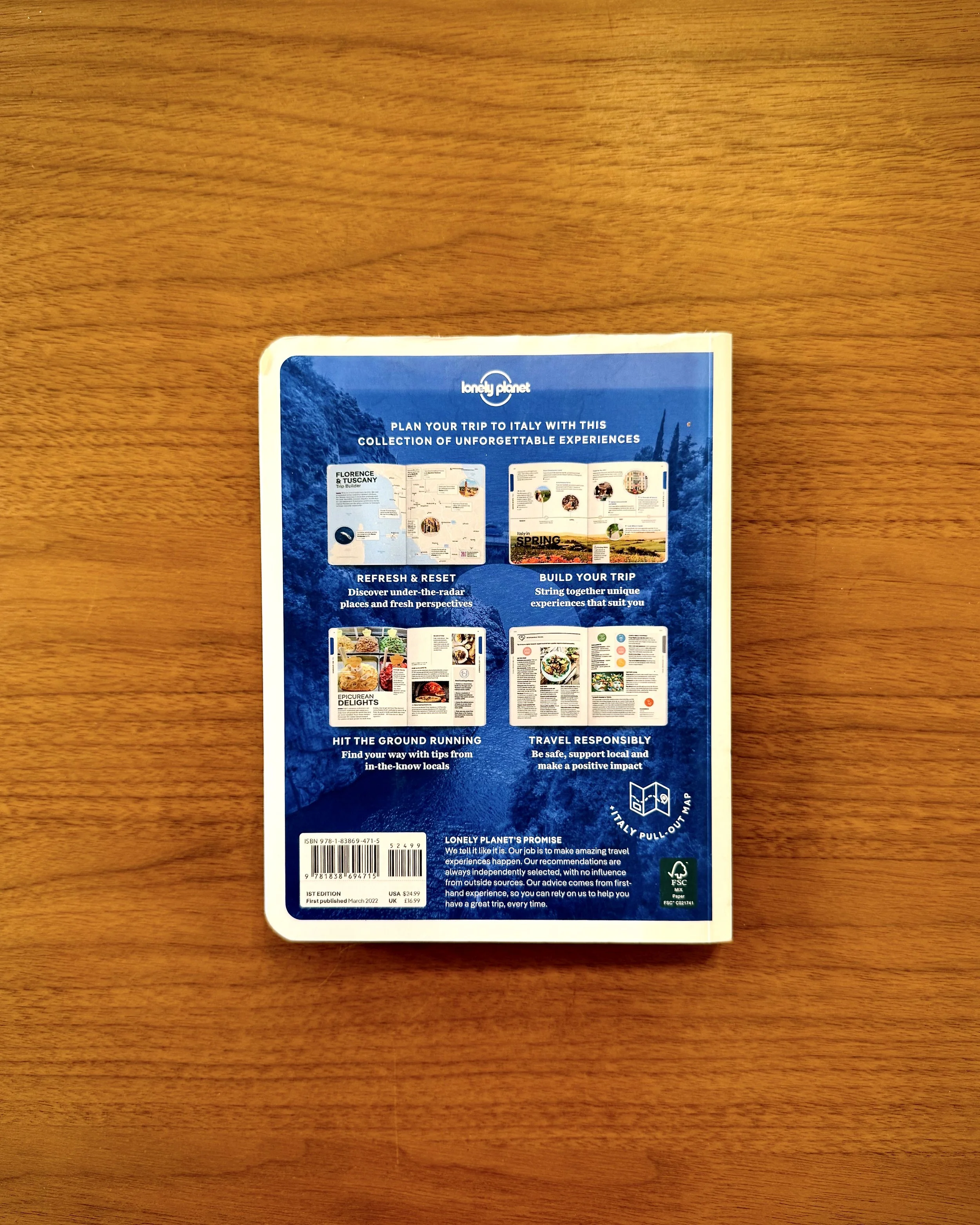
Lonely Planet’s Experience Italy is a practical, visually inviting guide built around the everyday moments that define Italian life, from neighborhood cafés to coastal walks and small‑town markets. Organized by experiences rather than checklists, it helps travelers move through Rome, Florence, Venice, and lesser‑known regions with a focus on local culture, food traditions, and meaningful ways to connect with each place. Straightforward, well‑curated, and easy to use, the book becomes a reliable companion for travelers who want Italy to feel authentic rather than overwhelming.
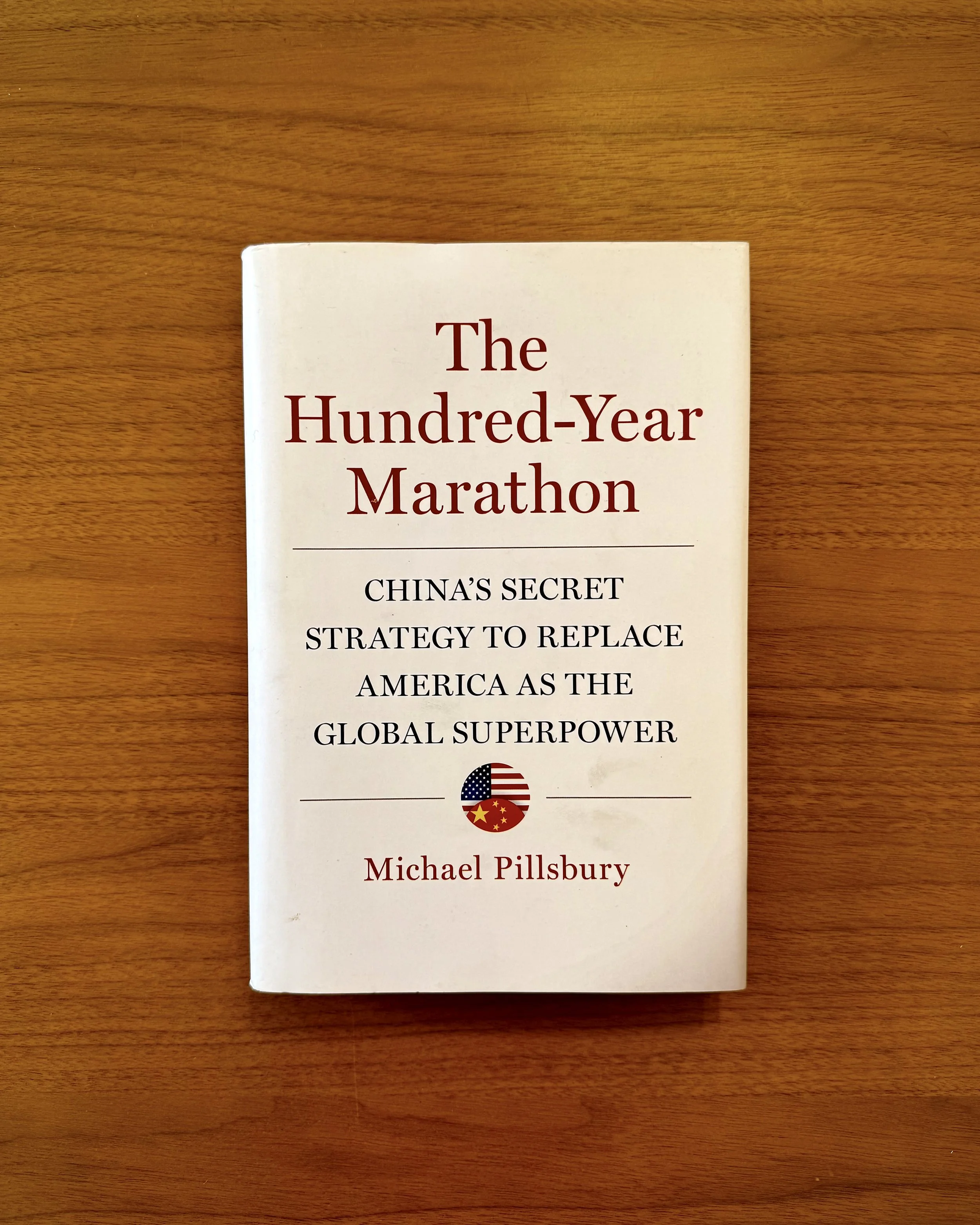
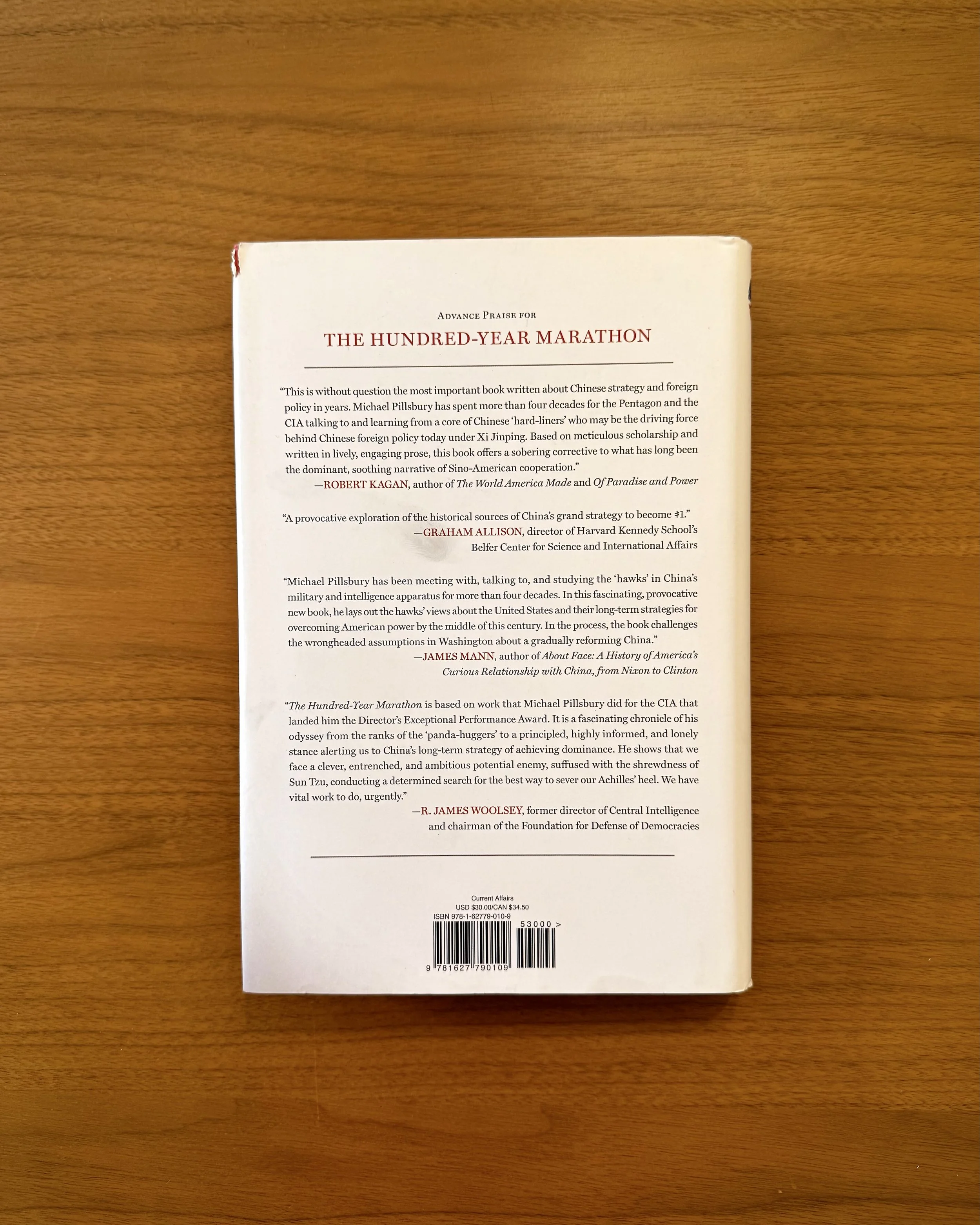
Michael Pillsbury’s The Hundred‑Year Marathon is a provocative, deeply researched account arguing that China has pursued a long‑term, strategically patient plan to surpass the United States and reshape the global order. Drawing on decades of intelligence work, internal Chinese sources, and historical analysis, Pillsbury reveals how misread signals, wishful Western assumptions, and carefully crafted deception have allowed Beijing to advance its ambitions largely unnoticed. Urgent, unsettling, and sharply argued, the book becomes a powerful examination of how great‑power competition unfolds in slow motion—and what the U.S. must understand to avoid being overtaken.
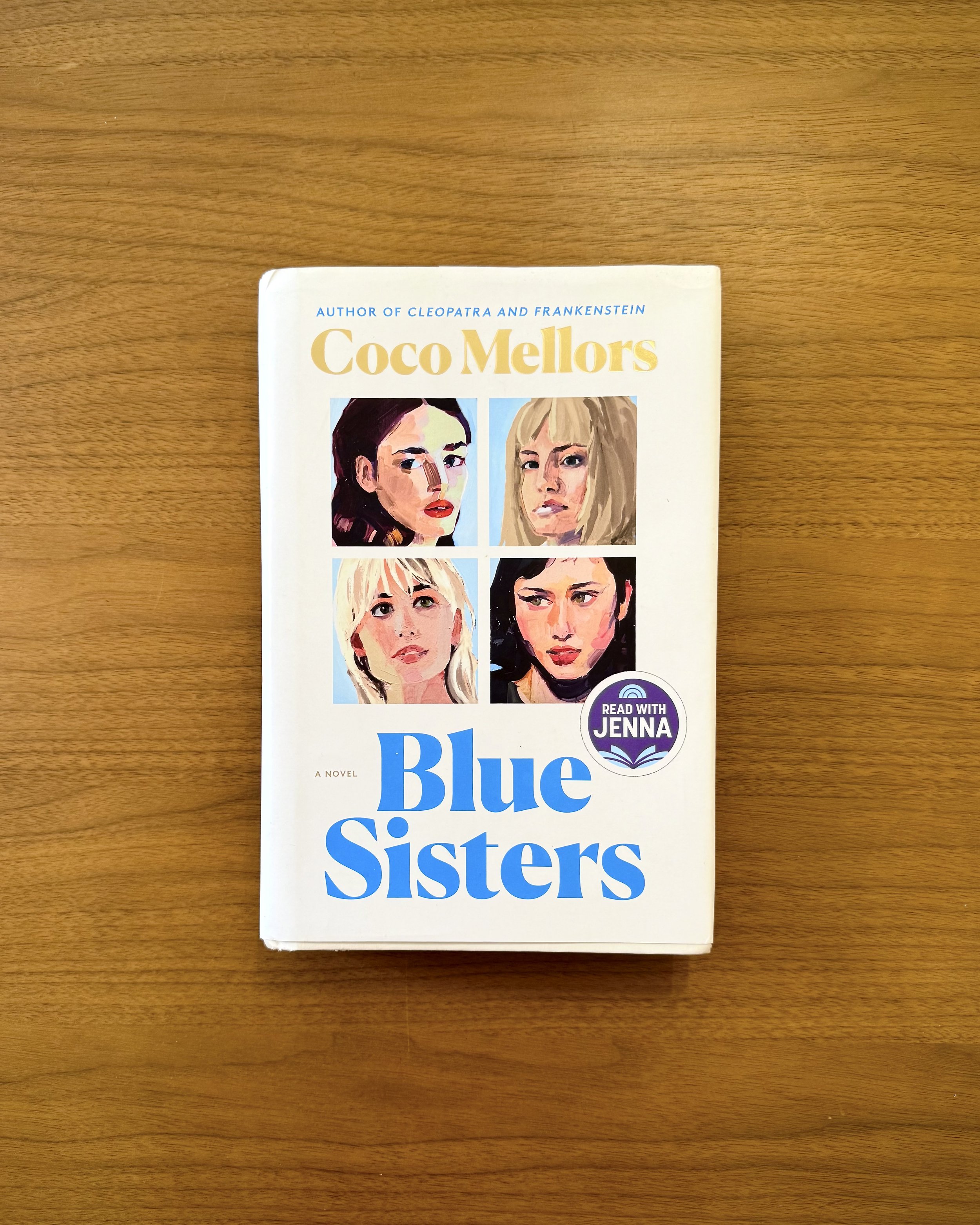
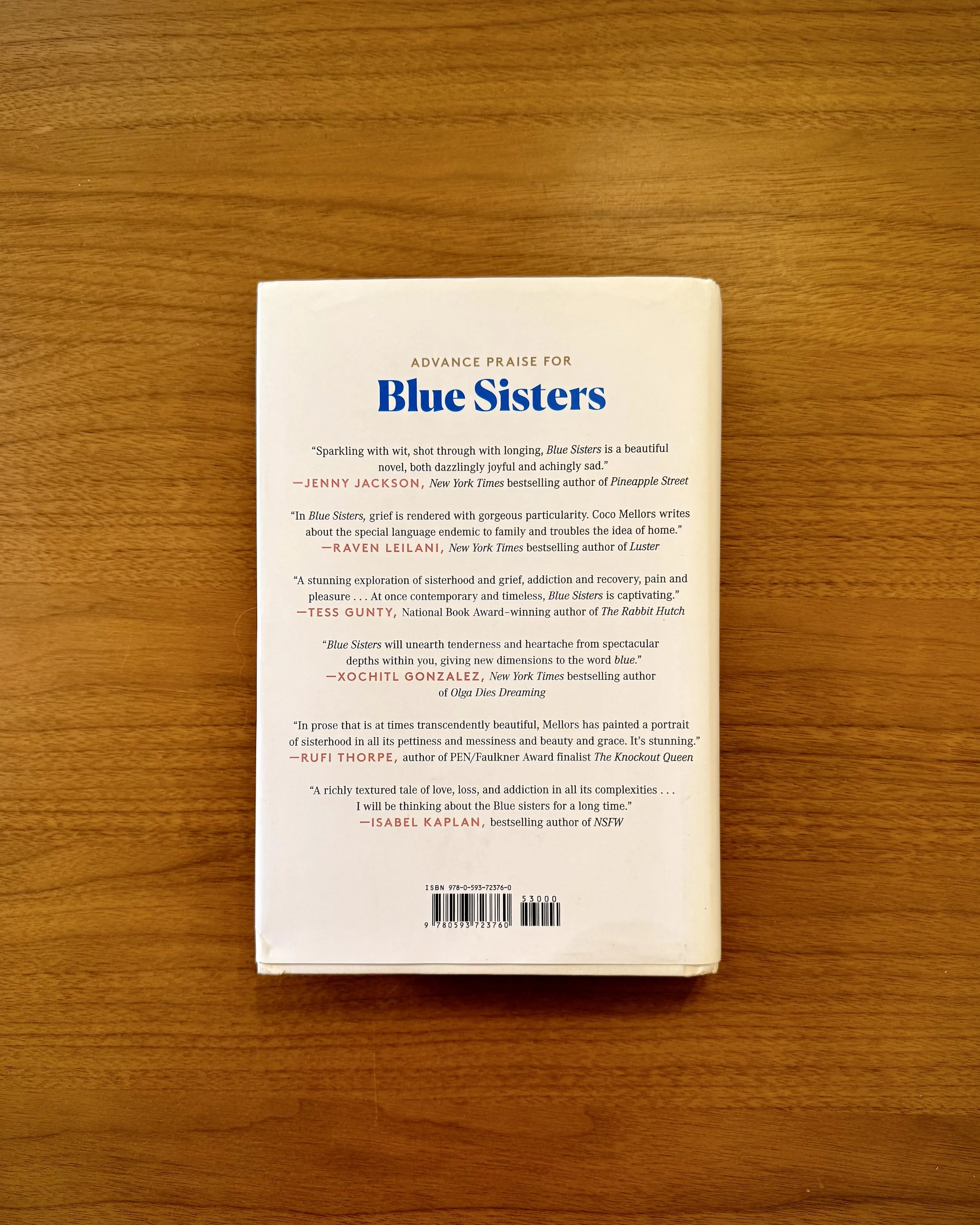
Coco Mellors’s Blue Sisters is a lush, stylish, and emotionally raw novel that follows three surviving sisters—Avery, Bonnie, and Lucky—as they struggle to navigate the wreckage of their lives one year after the sudden, tragic death of their fourth sibling, Nicky. Moving between London, Los Angeles, and New York, the narrative traces how Avery’s tightly controlled sobriety, Bonnie’s grief-fueled retreat from a boxing career, and Lucky’s self-destructive modeling spiral all collide. Forced back to their childhood home to stop the sale of their family apartment, the remaining Blue sisters must finally confront the painful legacy of their upbringing and the impossible task of reinventing themselves without the sister who once held them together.
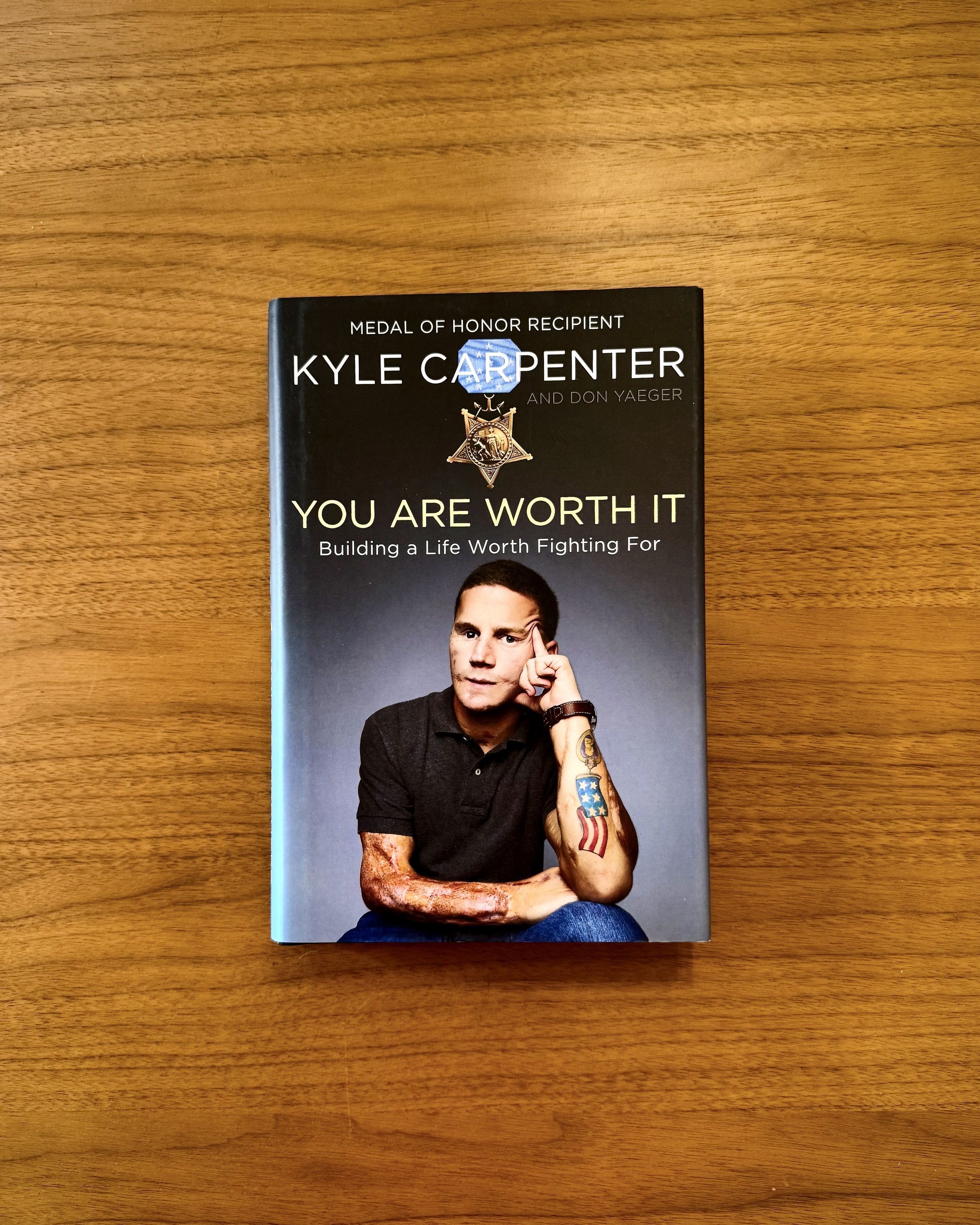
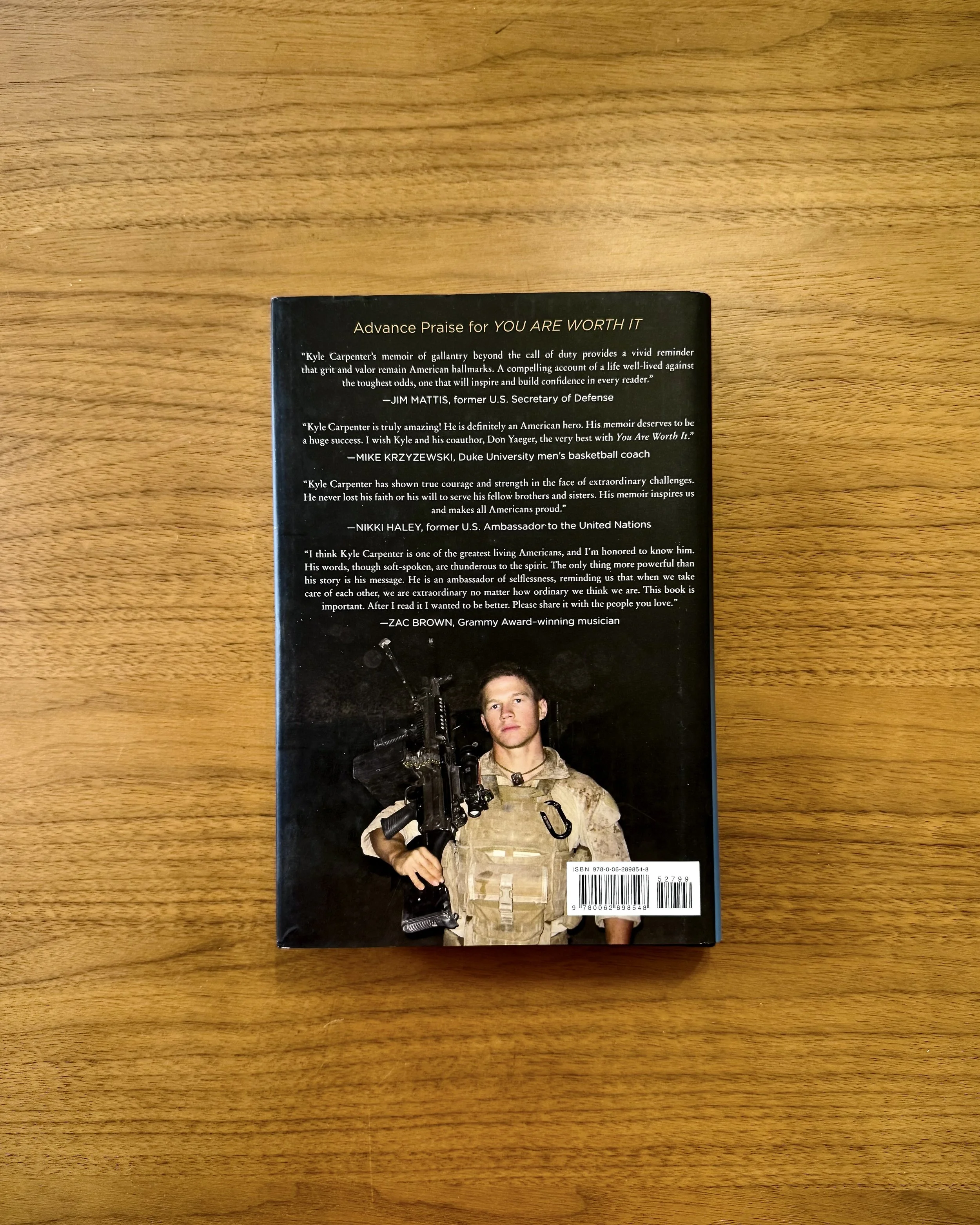
Kyle Carpenter’s You Are Worth It is a powerful, deeply human memoir that traces his journey from a catastrophic battlefield injury in Afghanistan to an extraordinary recovery shaped by resilience, gratitude, and service. Blending raw personal storytelling with reflections on sacrifice, community, and the quiet courage required to rebuild a life, Carpenter shows how choosing hope over bitterness can transform even the darkest moments. Humbling and profoundly inspiring, the book becomes a testament to the strength of the human spirit and the belief that every person’s life holds meaning worth fighting for.
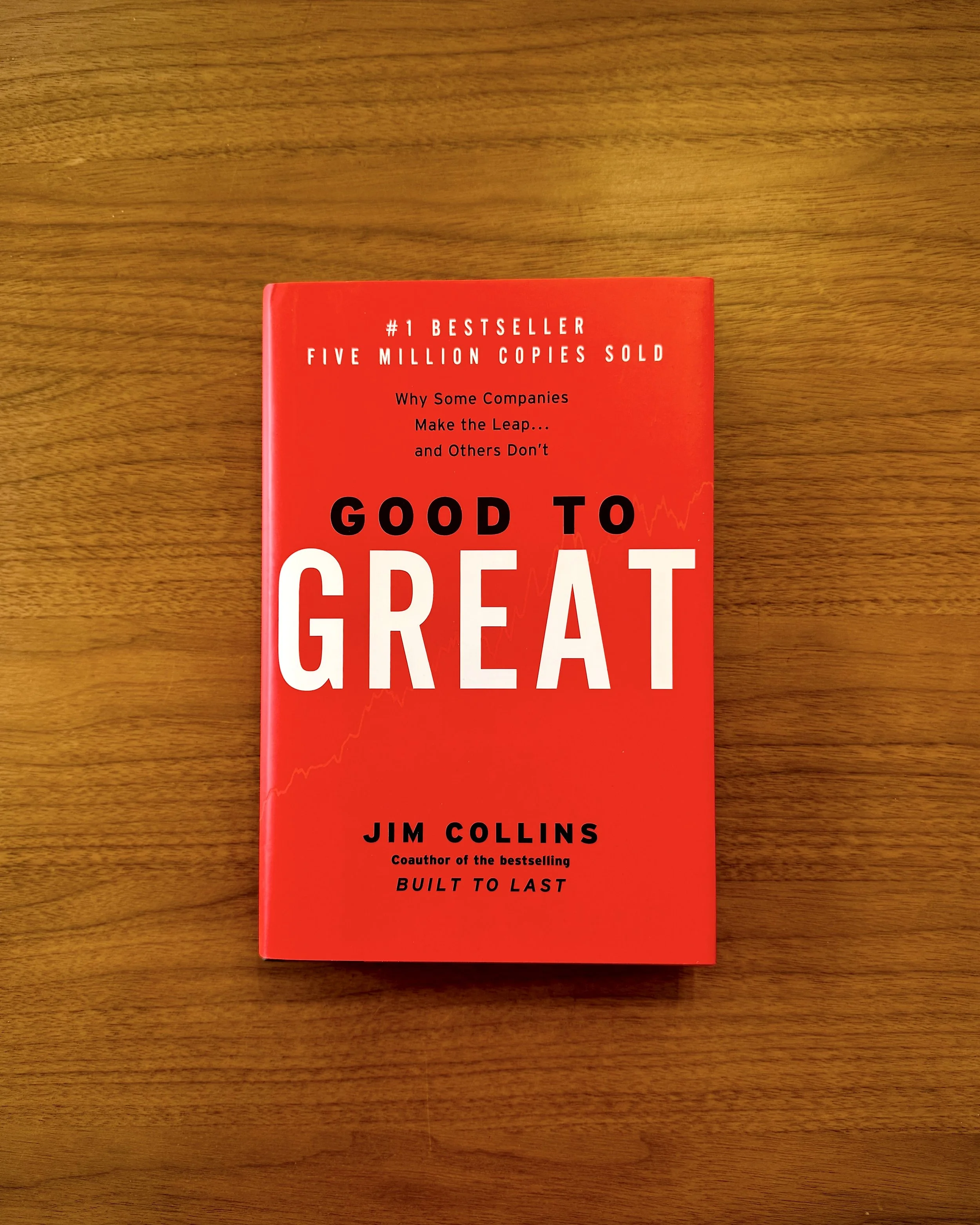
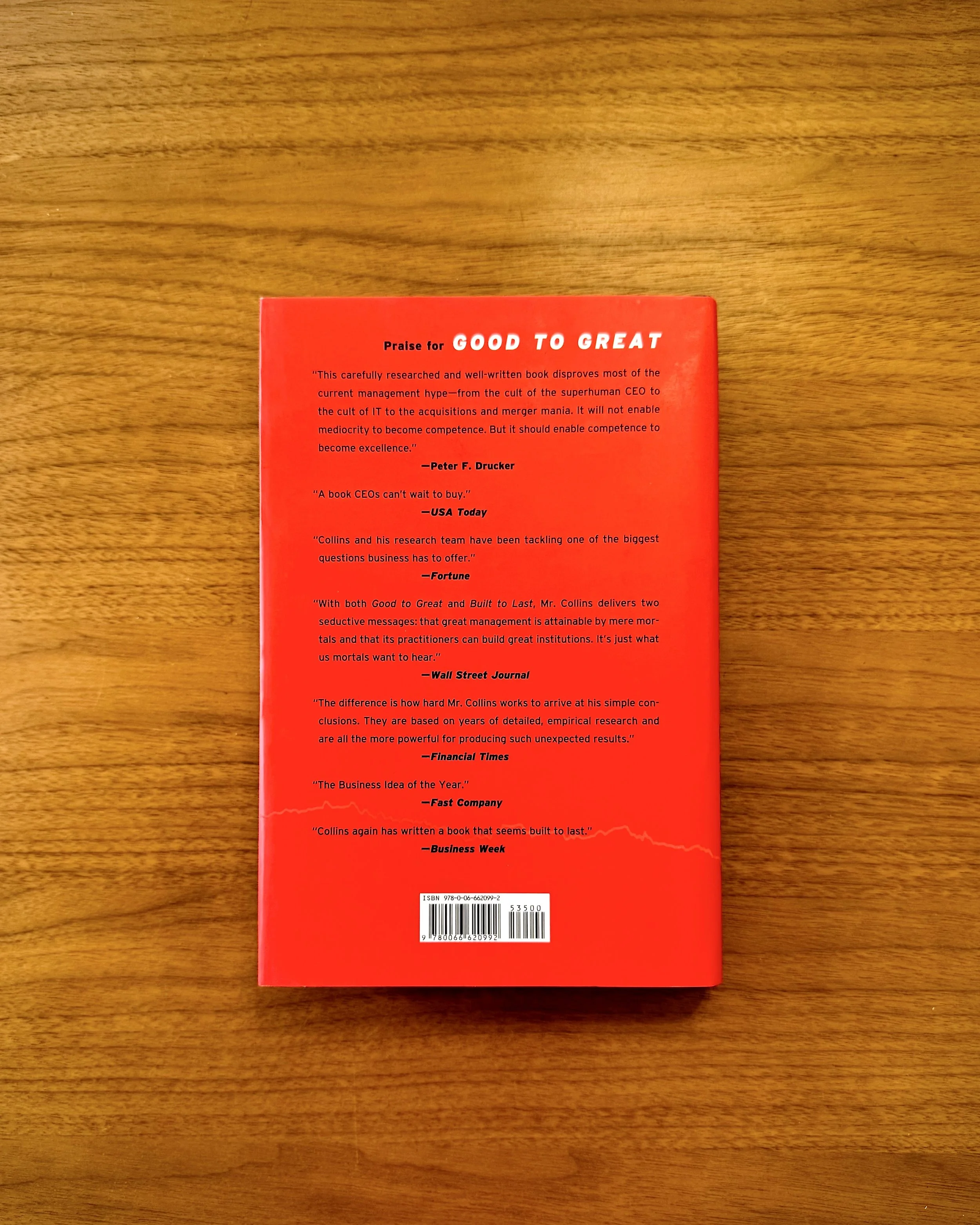
Jim Collins’s Good to Great is a landmark management study that investigates why a handful of companies make the rare leap from long‑term mediocrity to sustained excellence. Drawing on a five‑year research project comparing “great” companies to their merely “good” counterparts, Collins identifies the disciplined leadership, strategic focus, and cultural rigor that consistently separate breakthrough performers from the rest. Both analytical and deeply practical, the book distills these findings into a clear framework that has become one of the most influential playbooks for organizational transformation.
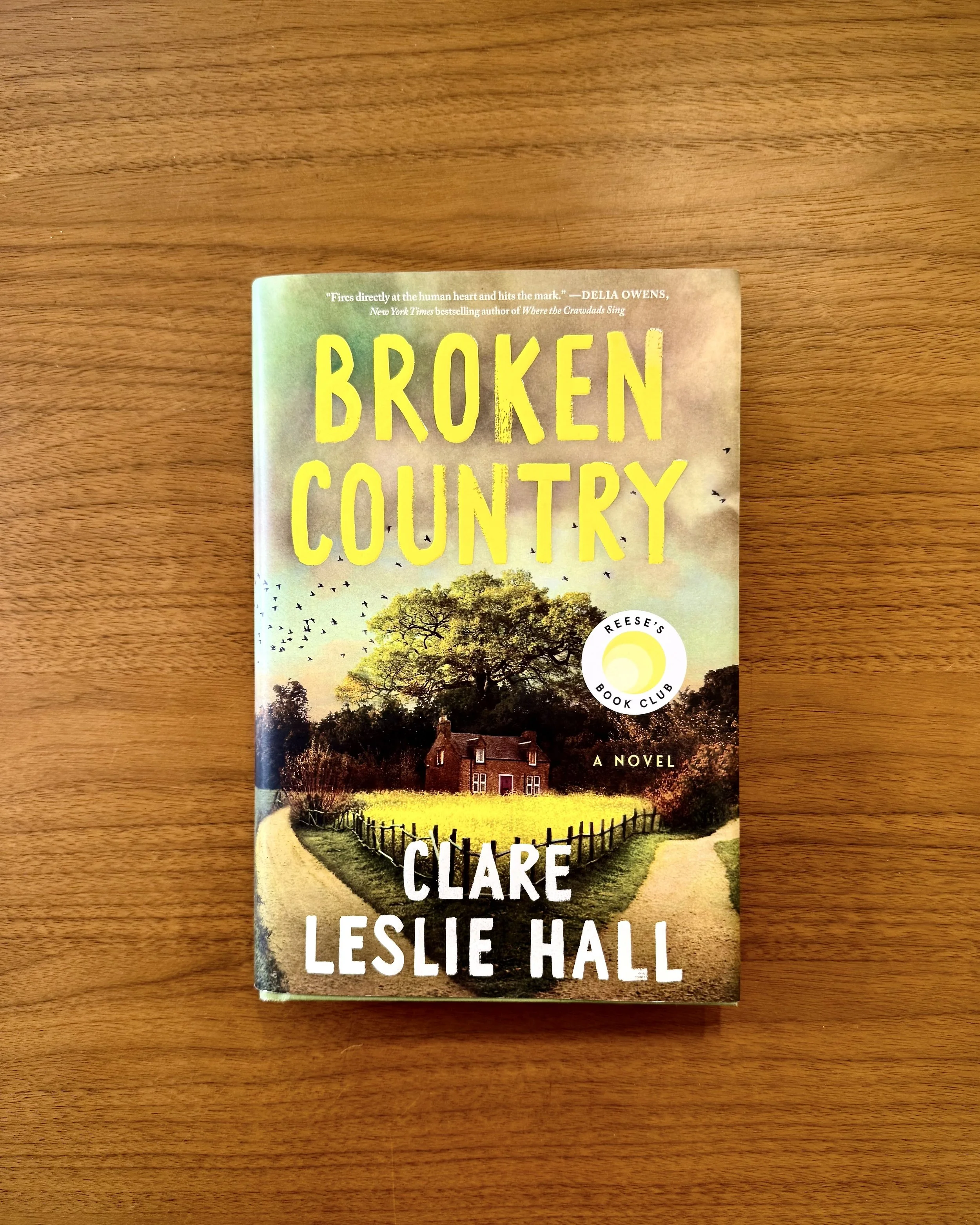
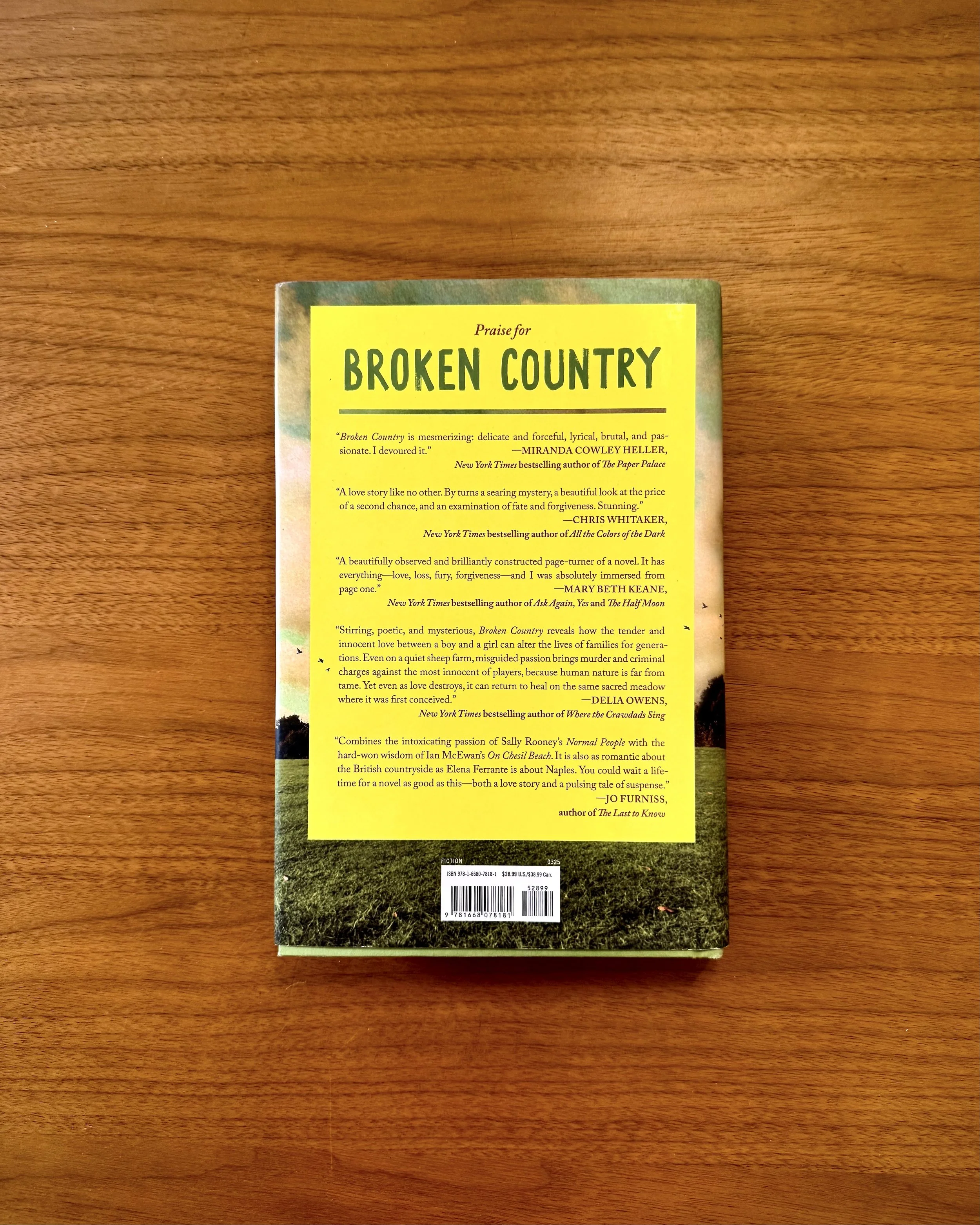
Clare Leslie Hall’s Broken Country is a sweeping, evocative literary novel set in rural postwar Dorset that blends a slow‑burning love triangle with a tense courtroom drama. Toggling between 1955 and 1968, it follows Beth Johnson as she navigates the quiet suffocation of life with her gentle husband Frank after their son’s death, only to be destabilized by the return of her wealthy first love, Gabriel Wolfe. When a violent incident involving a neighbor’s livestock ruptures the village’s fragile peace, decades of buried passion, jealousy, and grief ignite into a shocking act of violence, culminating in a haunting London murder trial that examines the destructive legacy of unresolved first love.
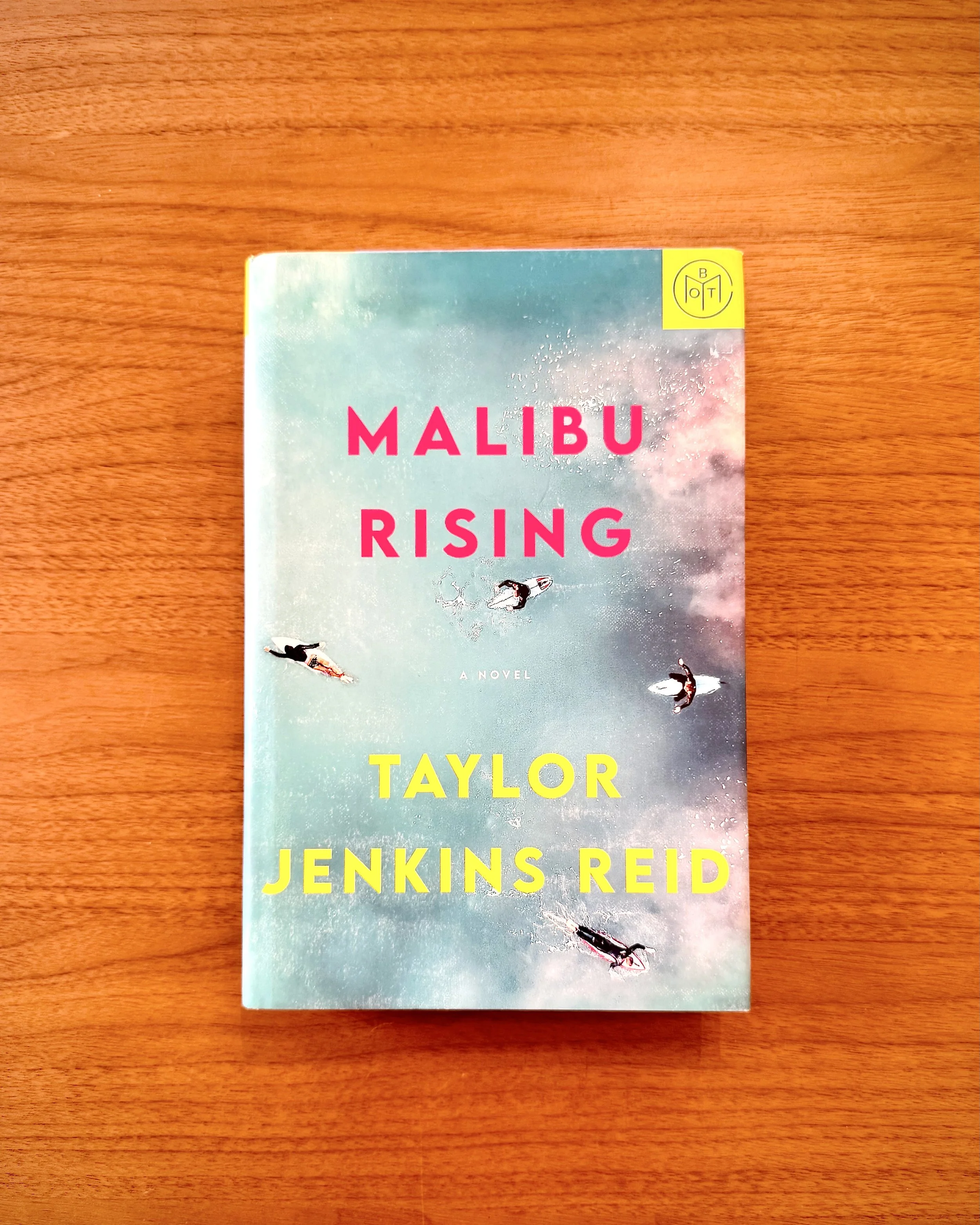
Taylor Jenkins Reid’s Malibu Rising follows the four Riva siblings as they prepare for their legendary end‑of‑summer party, each carrying private wounds shaped by their family’s fame and abandonment. As the night unfolds, long‑buried tensions rise to the surface, forcing each sibling to confront what they owe to one another and what they must leave behind. The novel blends sun‑soaked glamour, emotional family drama, and Reid’s signature dual‑timeline storytelling to explore identity, legacy, and the cost of loving someone who can’t stay.
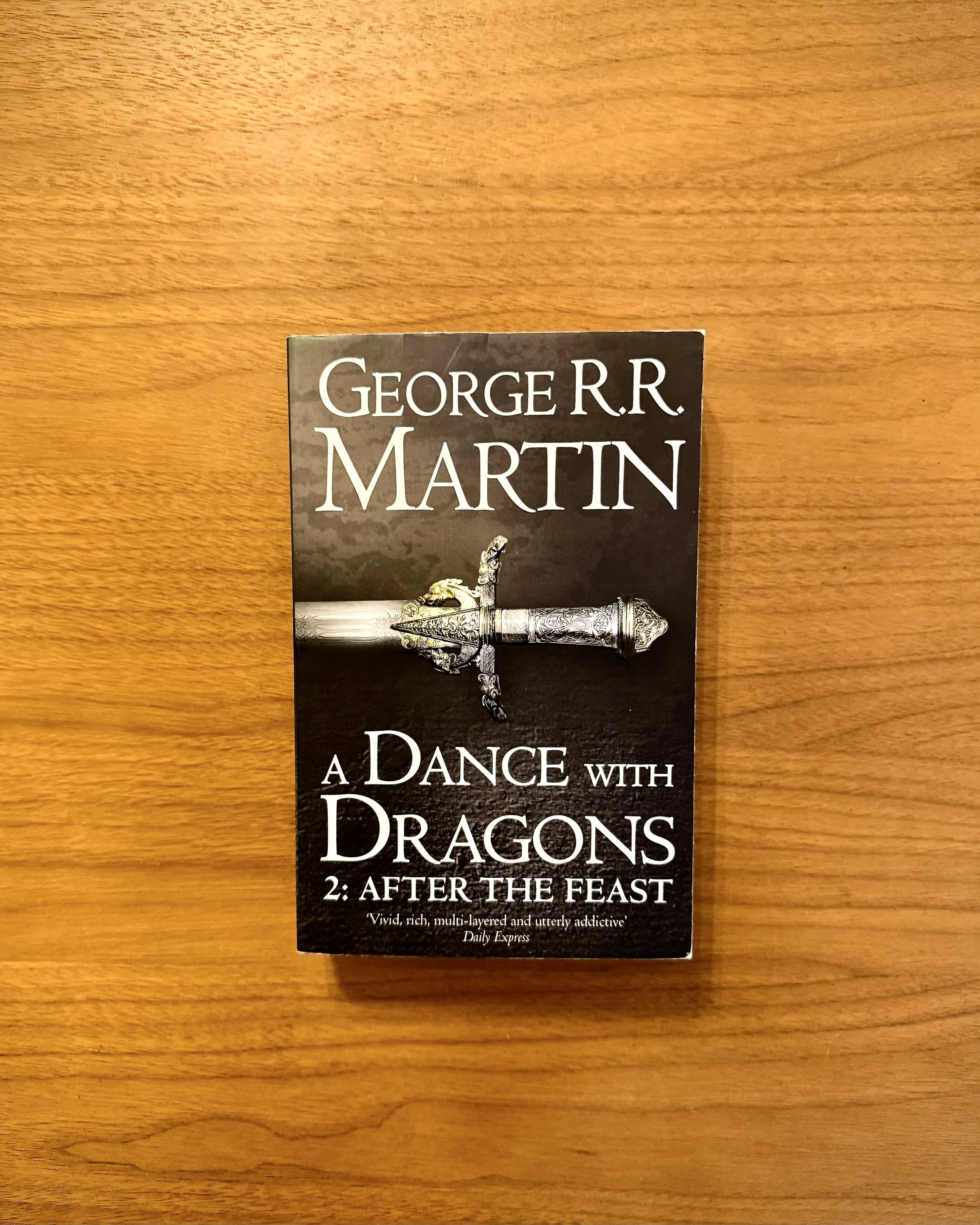
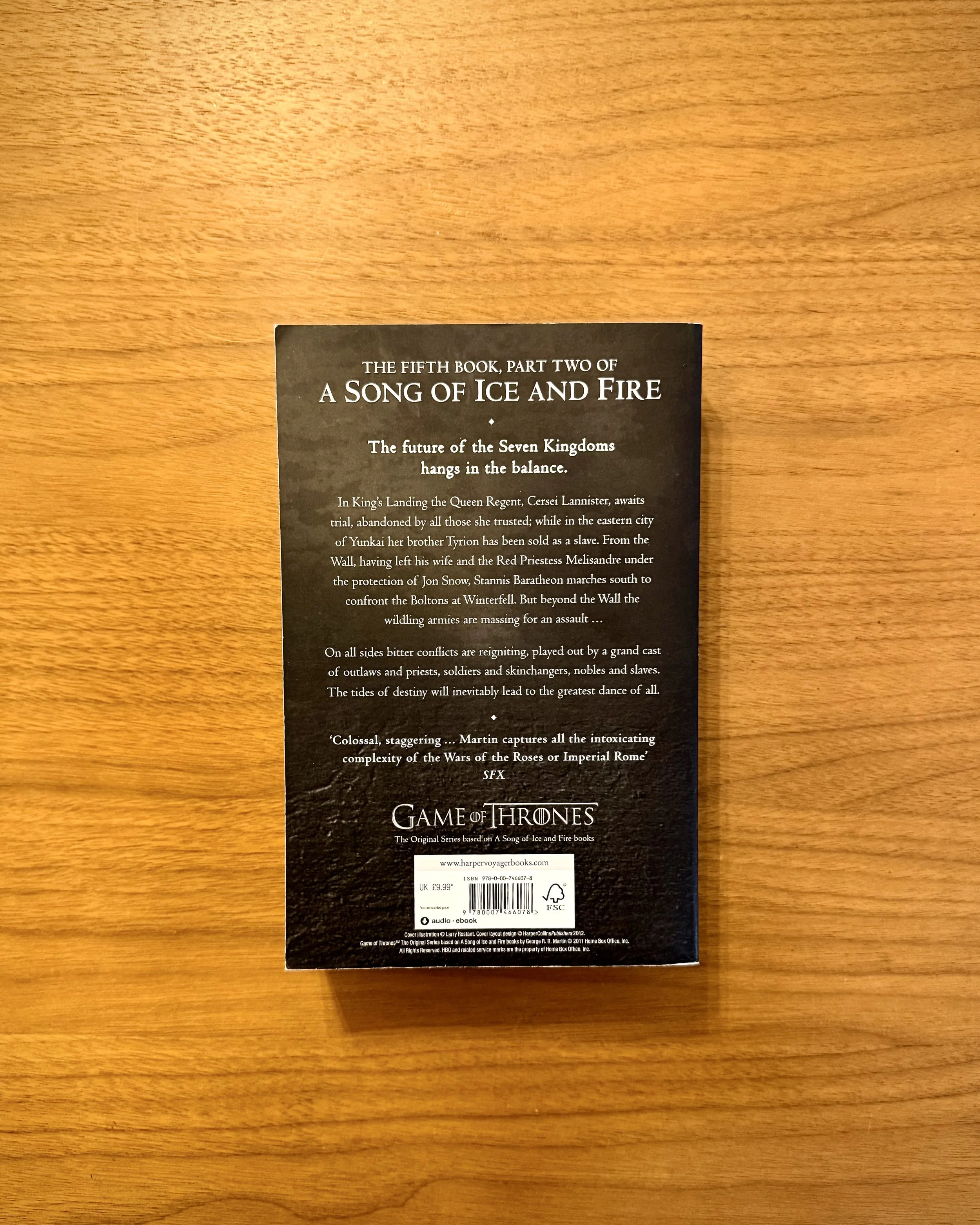
Series: A Song of Ice and Fire | Book: 5
George R. R. Martin’s A Dance with Dragons follows the divided aftermath of the war for Westeros, tracing the fates of characters scattered across the North, King’s Landing, and the distant lands beyond the Narrow Sea. As Jon Snow struggles to lead the Night’s Watch, Daenerys Targaryen faces mounting challenges in Meereen, and Tyrion Lannister navigates exile and danger far from home. The novel blends political intrigue, shifting alliances, and rising supernatural threats as the world edges closer to a confrontation between human ambition and ancient forces.
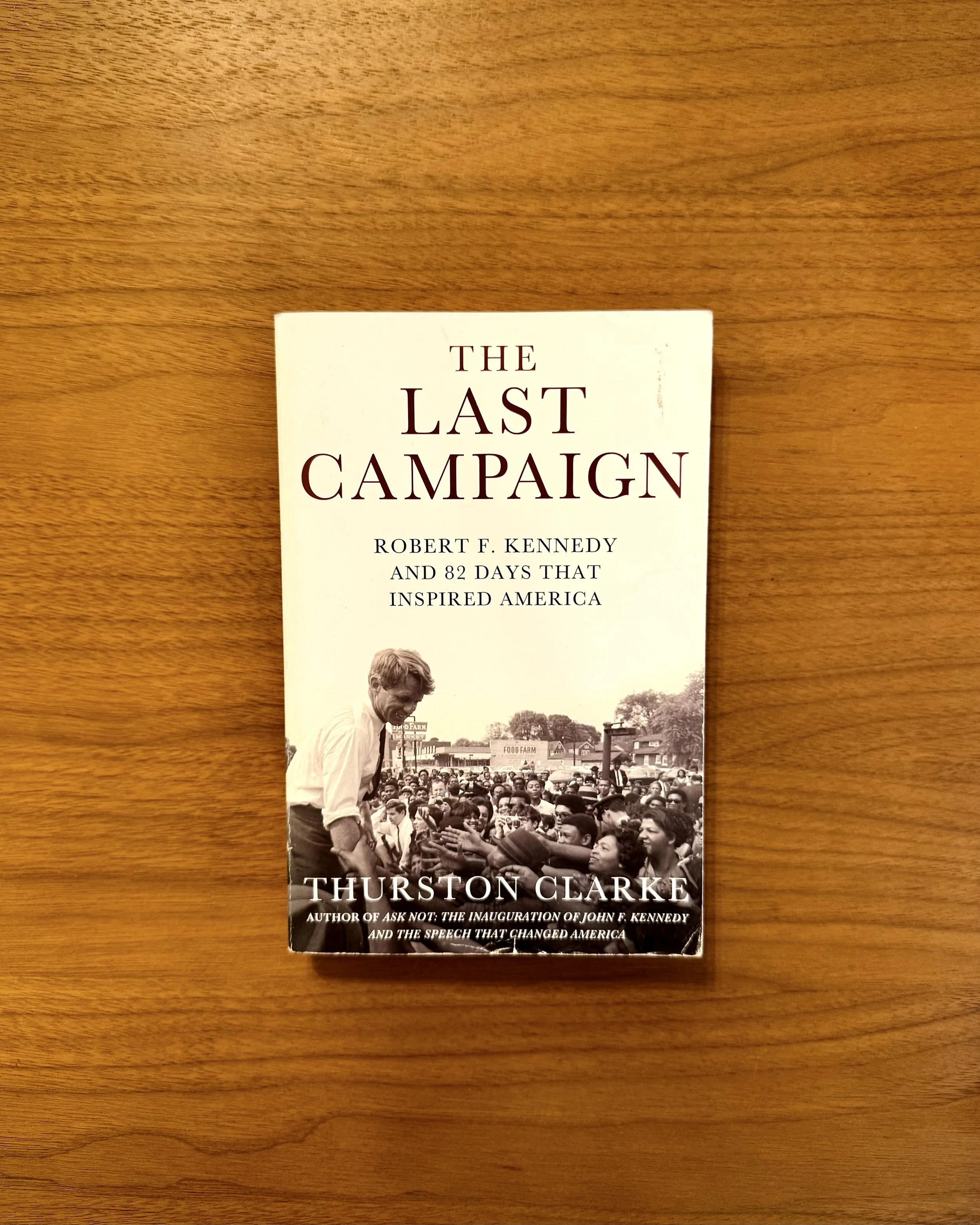
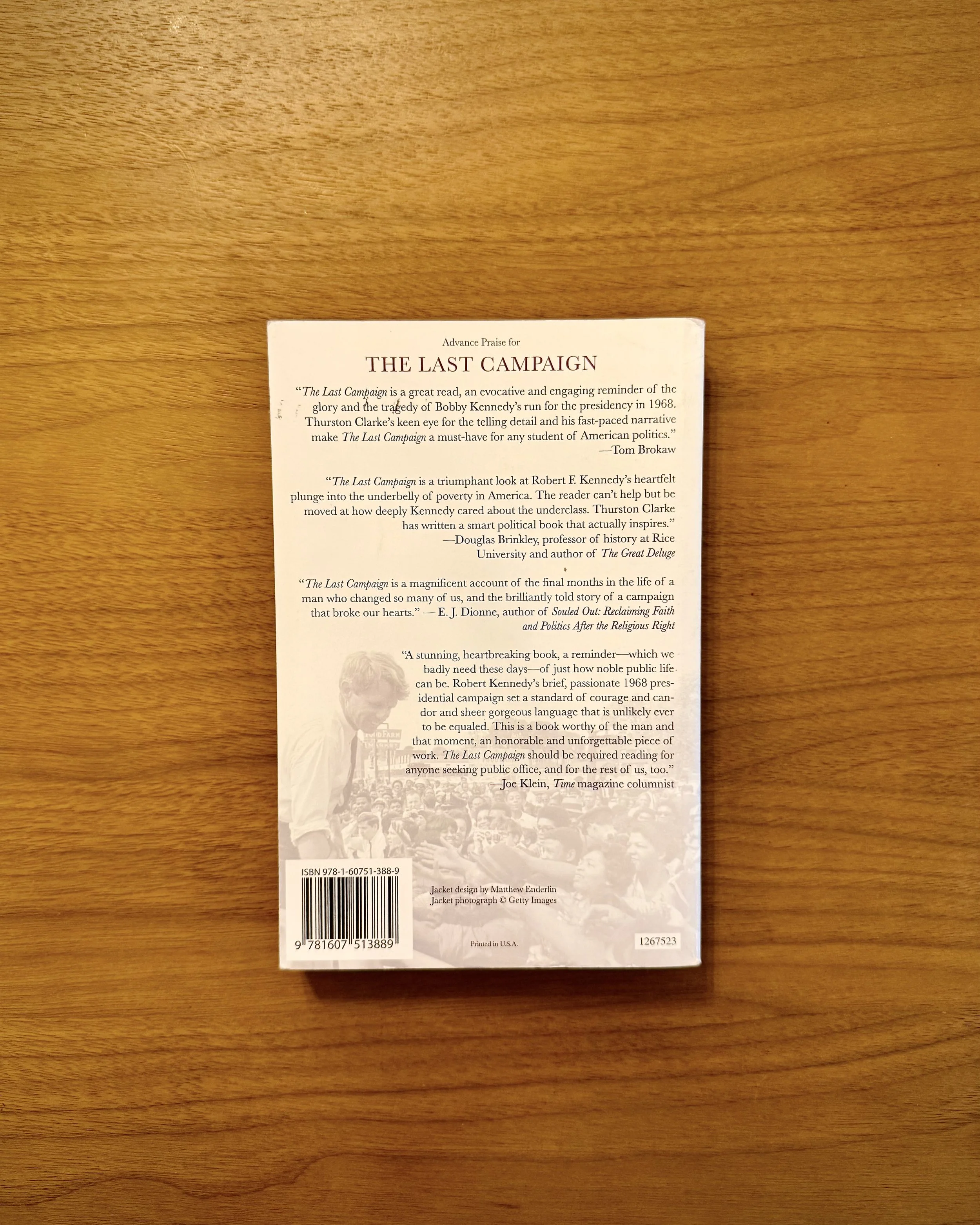
Thurston Clarke’s The Last Campaign reconstructs Robert F. Kennedy’s 1968 presidential run, tracing the eighty‑two days in which he traveled the country and ignited a rare surge of political hope. Through eyewitness accounts, speeches, and behind‑the‑scenes moments, Clarke shows how Kennedy’s message resonated across racial, economic, and generational divides. The book blends political history, biography, and narrative reportage to capture the urgency, idealism, and emotional force of a campaign cut short.
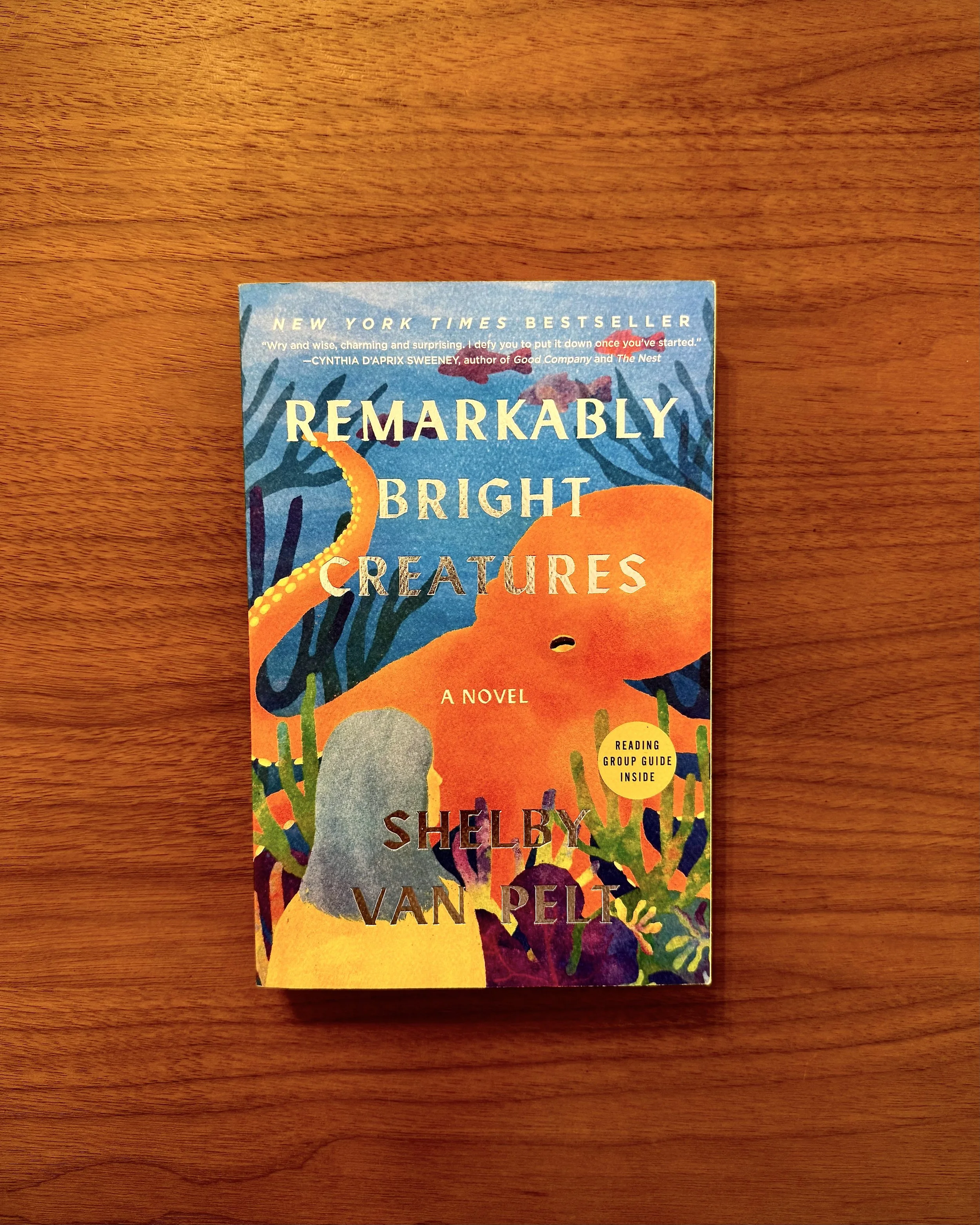
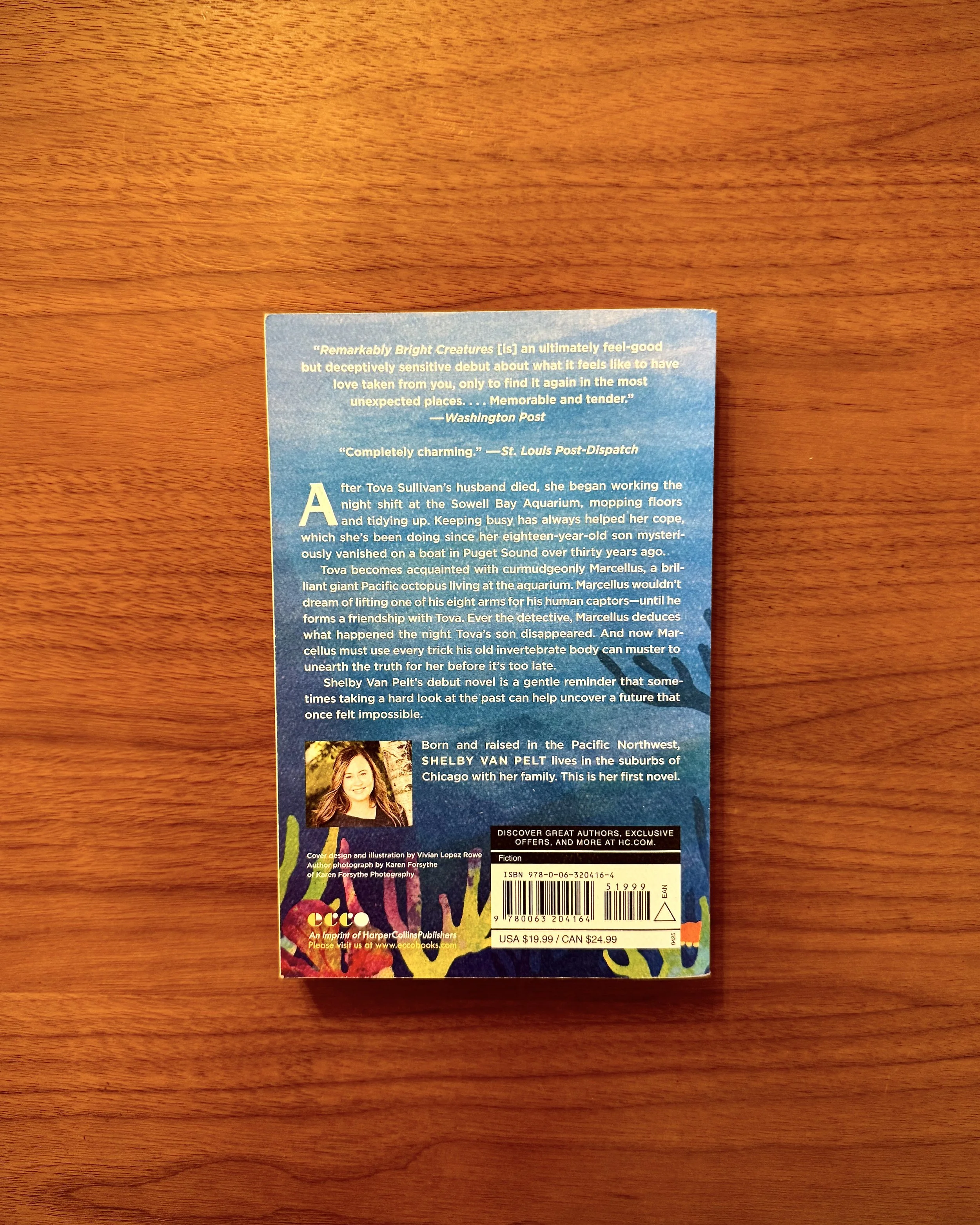
Shelby Van Pelt’s Remarkably Bright Creatures follows Tova Sullivan, a lonely night cleaner at a small aquarium, whose quiet routine changes when she forms an unexpected bond with Marcellus, a highly intelligent giant Pacific octopus. As Tova confronts long‑buried grief, Marcellus becomes an unlikely catalyst in uncovering truths that ripple through their coastal community. The novel blends gentle mystery, emotional healing, and offbeat charm as it explores connection, resilience, and the surprising ways lives intertwine.
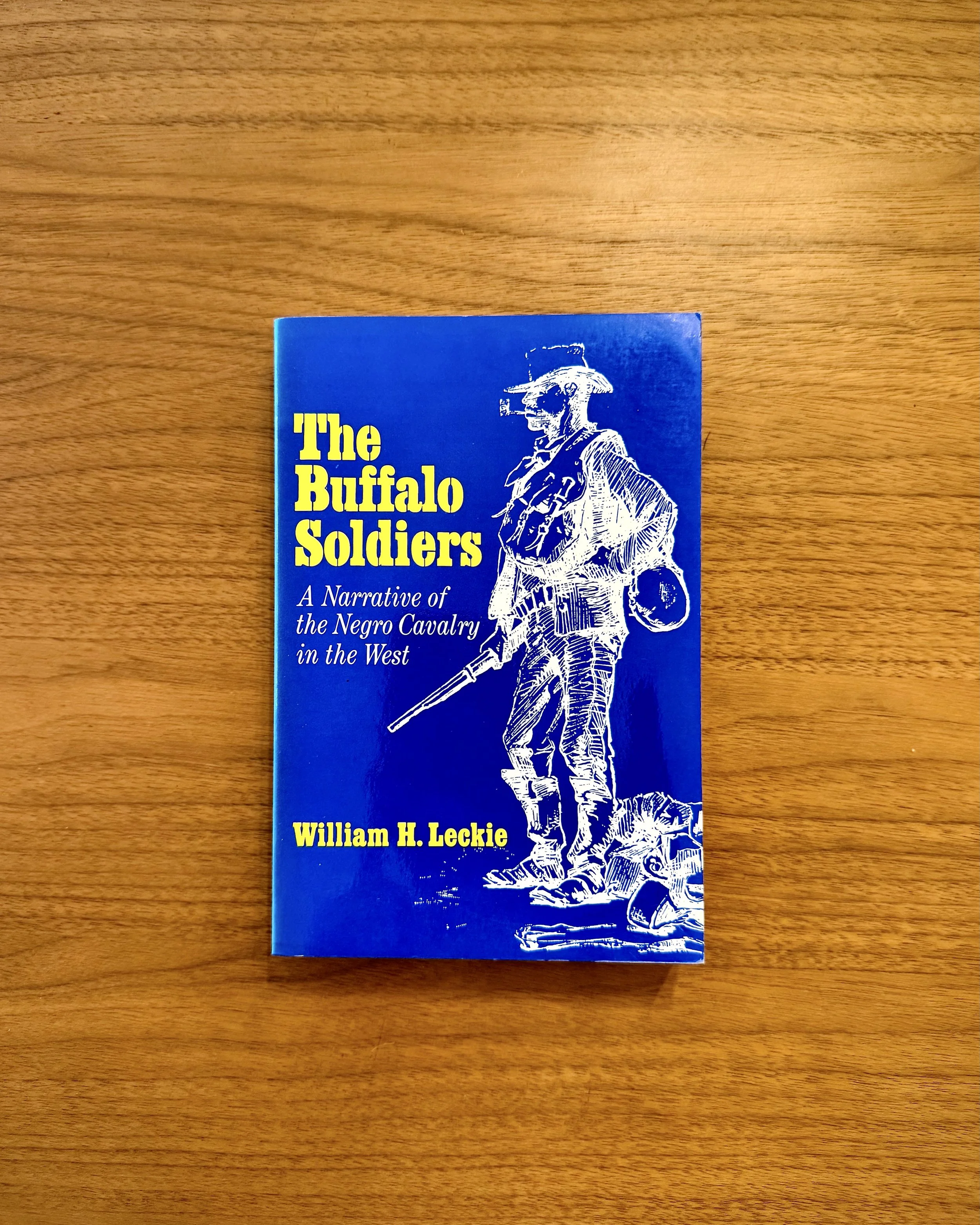
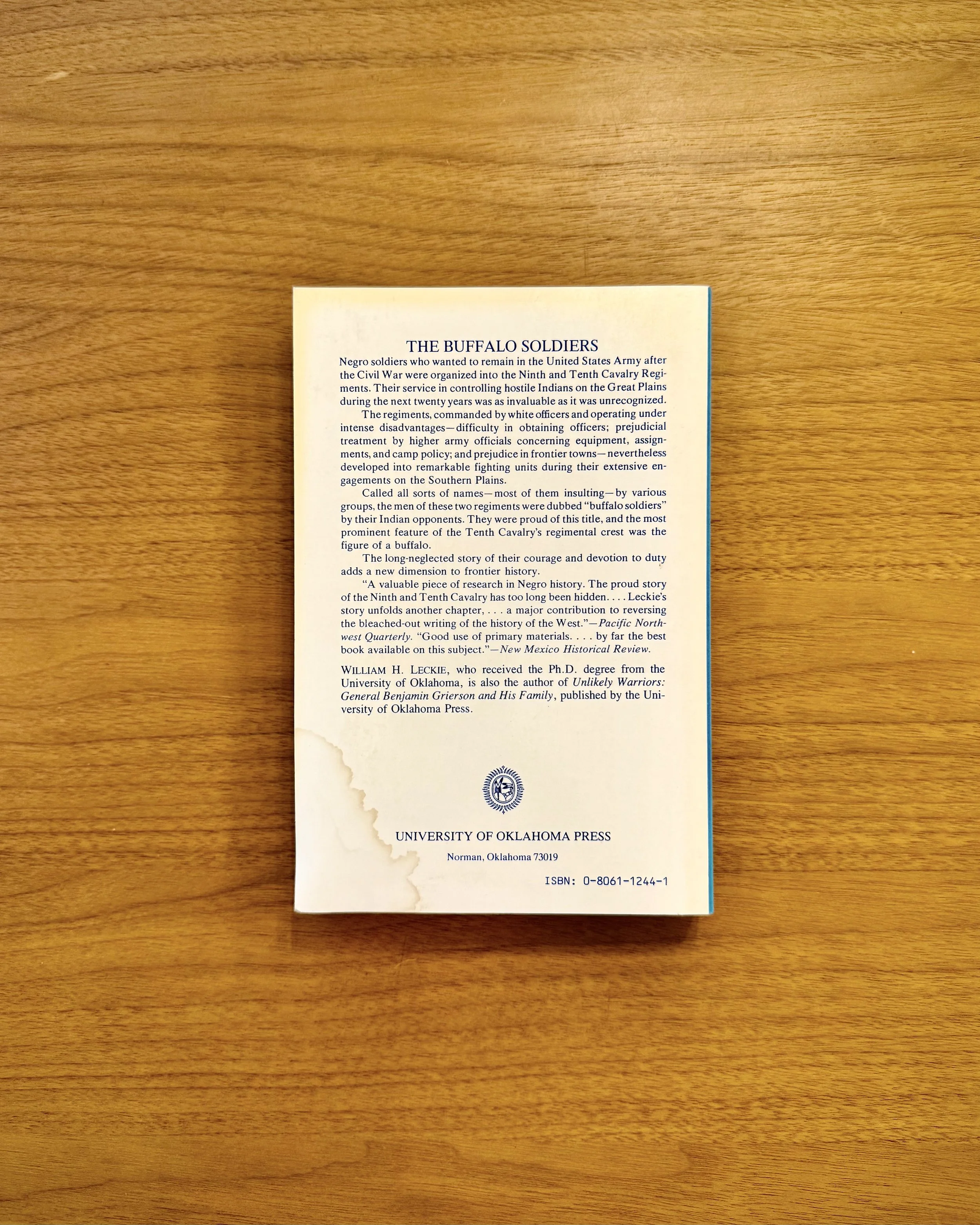
William H. Leckie’s The Buffalo Soldiers traces the experiences of the Black cavalry regiments formed after the Civil War, following the men of the 9th and 10th Cavalry as they navigated danger, discrimination, and duty on the western frontier. Through vivid historical detail and personal accounts, Leckie highlights how these soldiers balanced exemplary military service with the harsh realities of racism in the Army and the nation they defended. The book blends military history, biography, and cultural analysis to illuminate the legacy and lasting impact of the Buffalo Soldiers across American history.
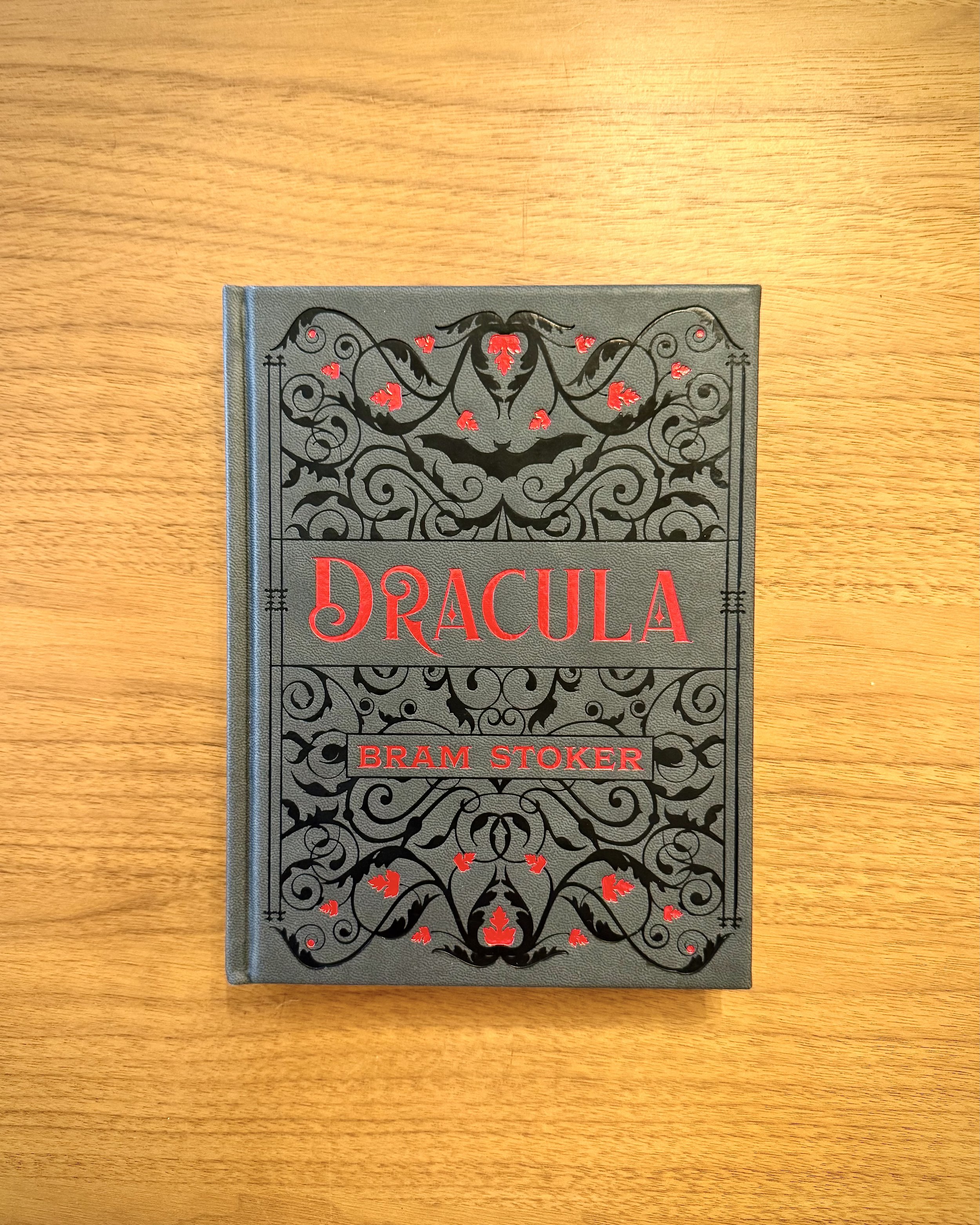
Bram Stoker’s Dracula follows Jonathan Harker’s unsettling journey to Transylvania, where he encounters the enigmatic Count Dracula and unknowingly sets a dark force in motion. As strange events spread to England, a group of friends led by Professor Van Helsing works to understand and confront the growing threat. The novel blends gothic horror, suspense, and psychological tension as it explores fear, superstition, and the struggle against an ancient evil.
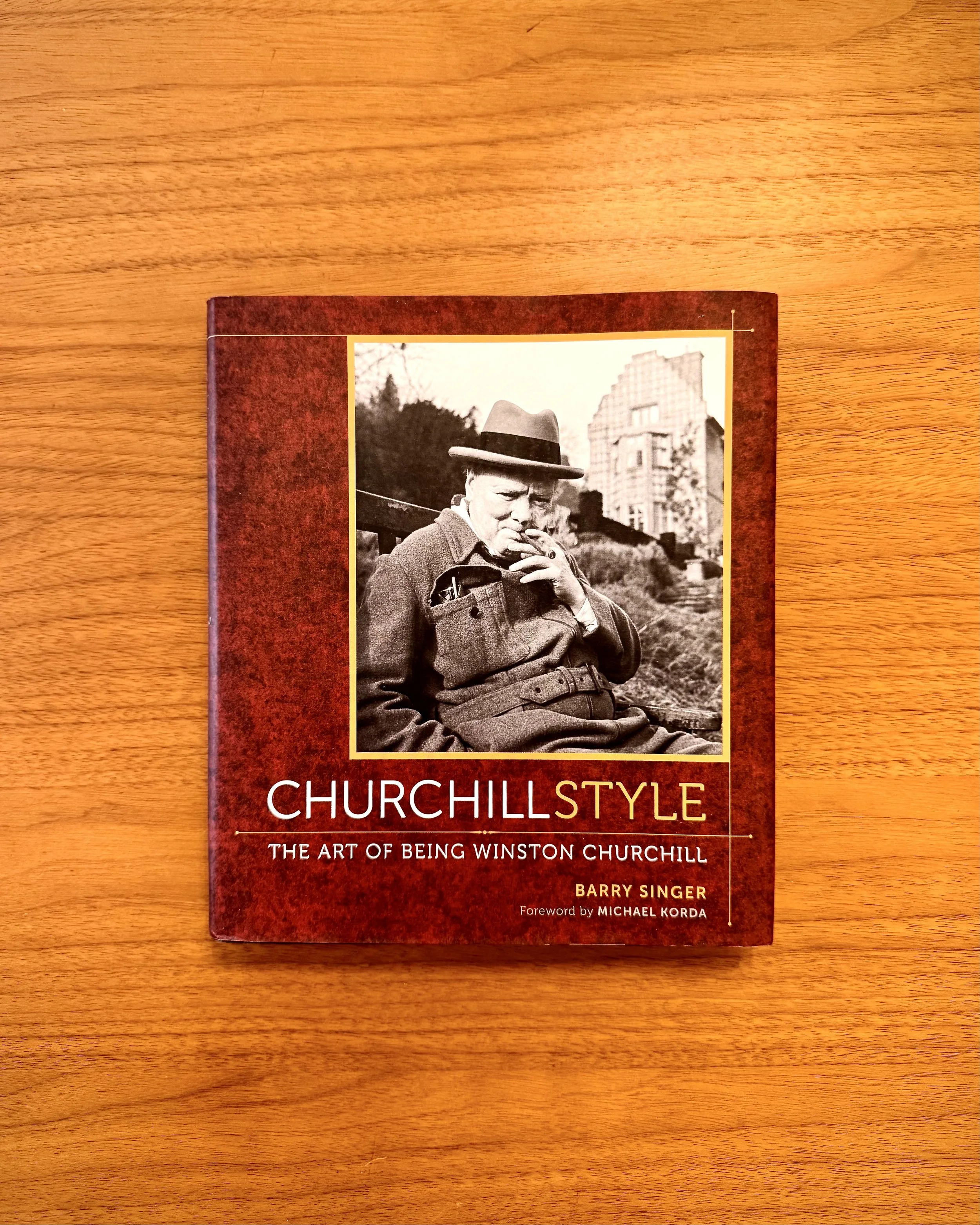
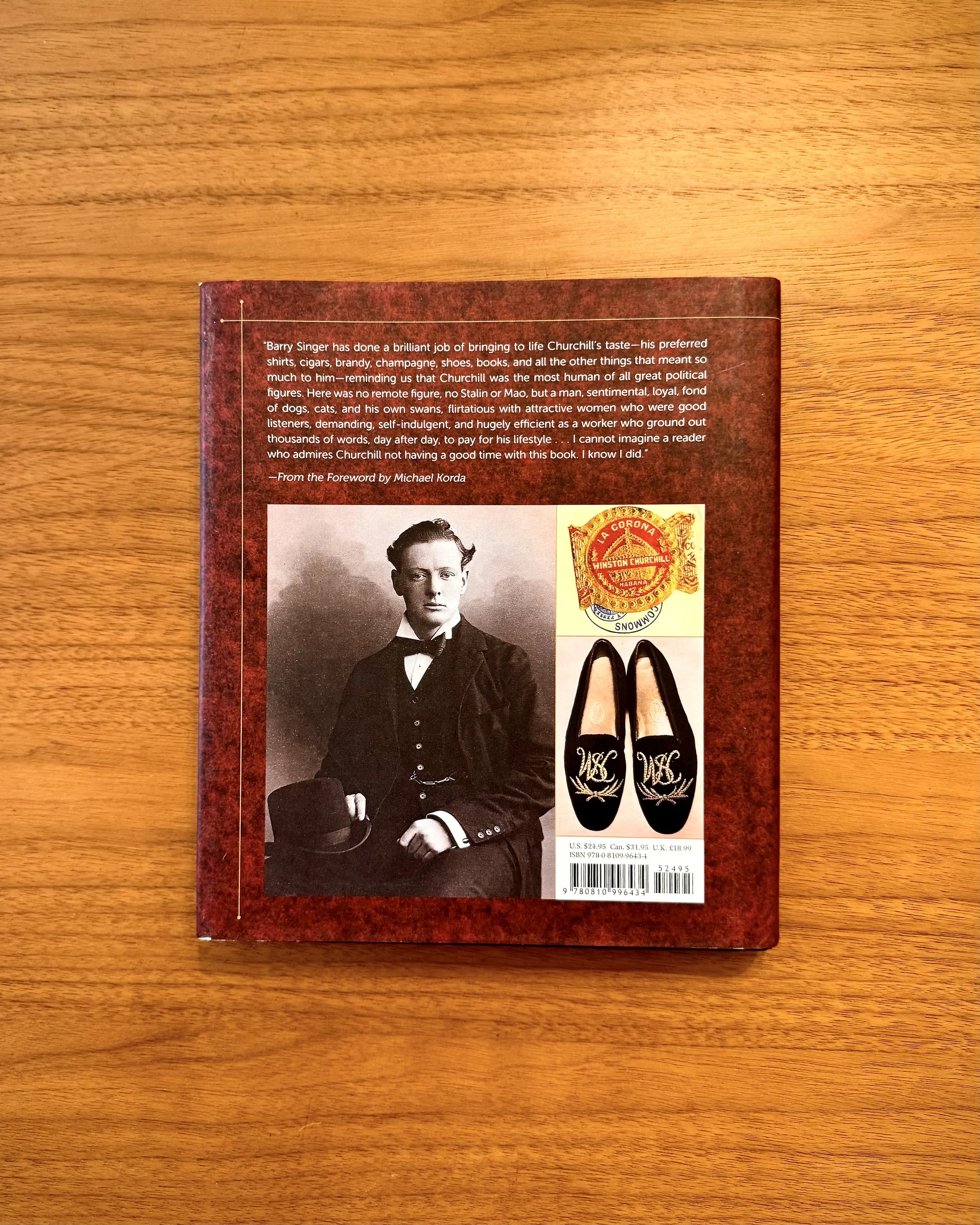
Barry Singer’s Churchill Style explores Winston Churchill’s life through the lens of his personal tastes, habits, and aesthetic choices, revealing how his clothing, food, drink, travel, and daily rituals shaped his public persona. By tracing the details of Churchill’s routines and preferences, Singer shows how style became both an extension of his character and a tool of leadership. The book blends biography, cultural history, and vivid anecdote to illuminate the man behind the statesman.
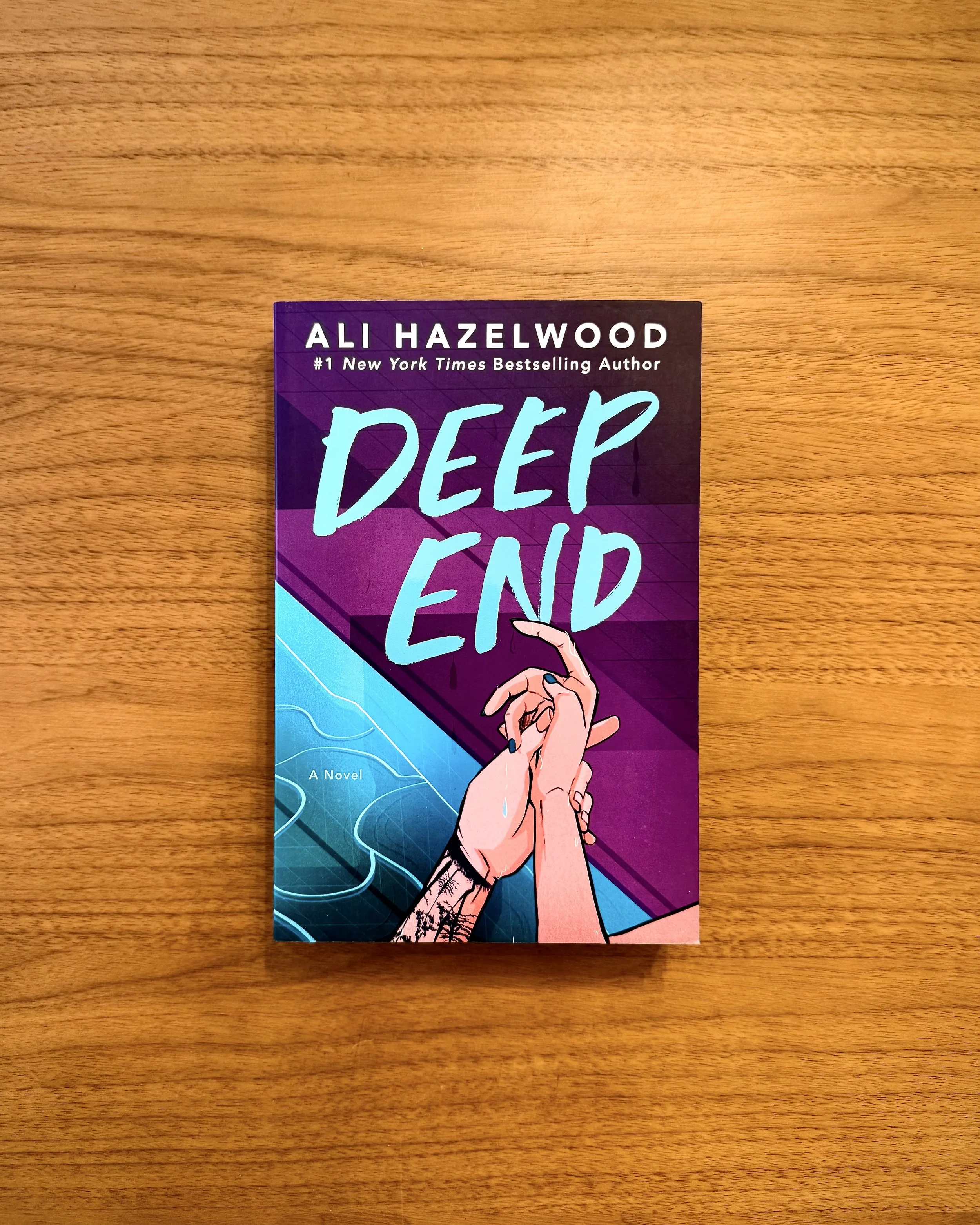
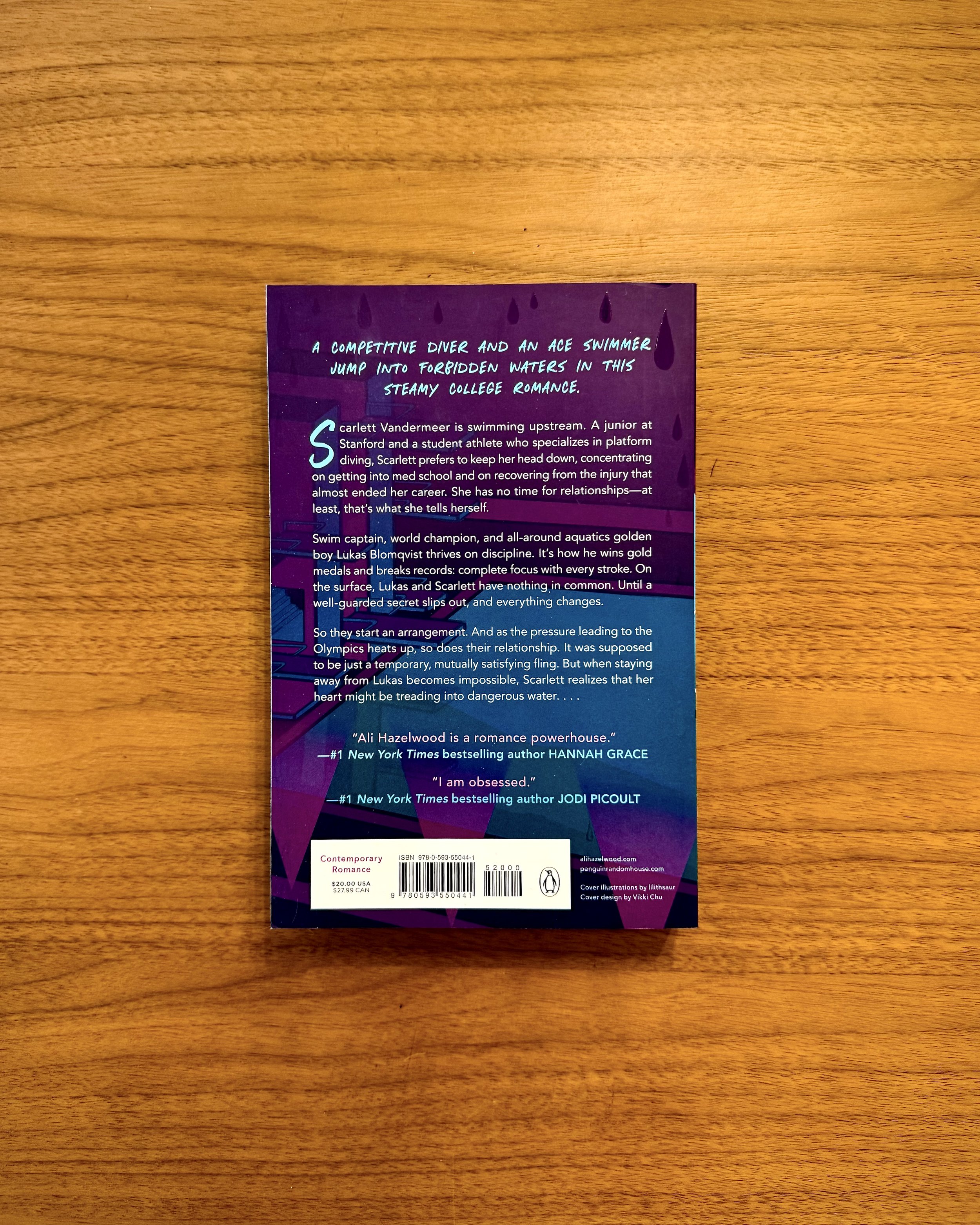
Ali Hazelwood’s Deep End follows Scarlett Vandermeer, a driven Stanford junior and platform diver working to reclaim her Olympic dreams while balancing a demanding premed track. Her strictly controlled life collides with Lukas Blomqvist, an ultra-disciplined world-champion swimmer and team captain who thrives on absolute focus. When a well-guarded secret brings them together, they establish a temporary, no-strings-attached arrangement centered around an intense physical power exchange to cope with the mounting pressures of elite competition. As the path to the Olympics heats up, their carefully negotiated boundaries begin to blur, forcing both athletes to confront deep vulnerabilities and decide if they are willing to risk their hearts in dangerous waters.
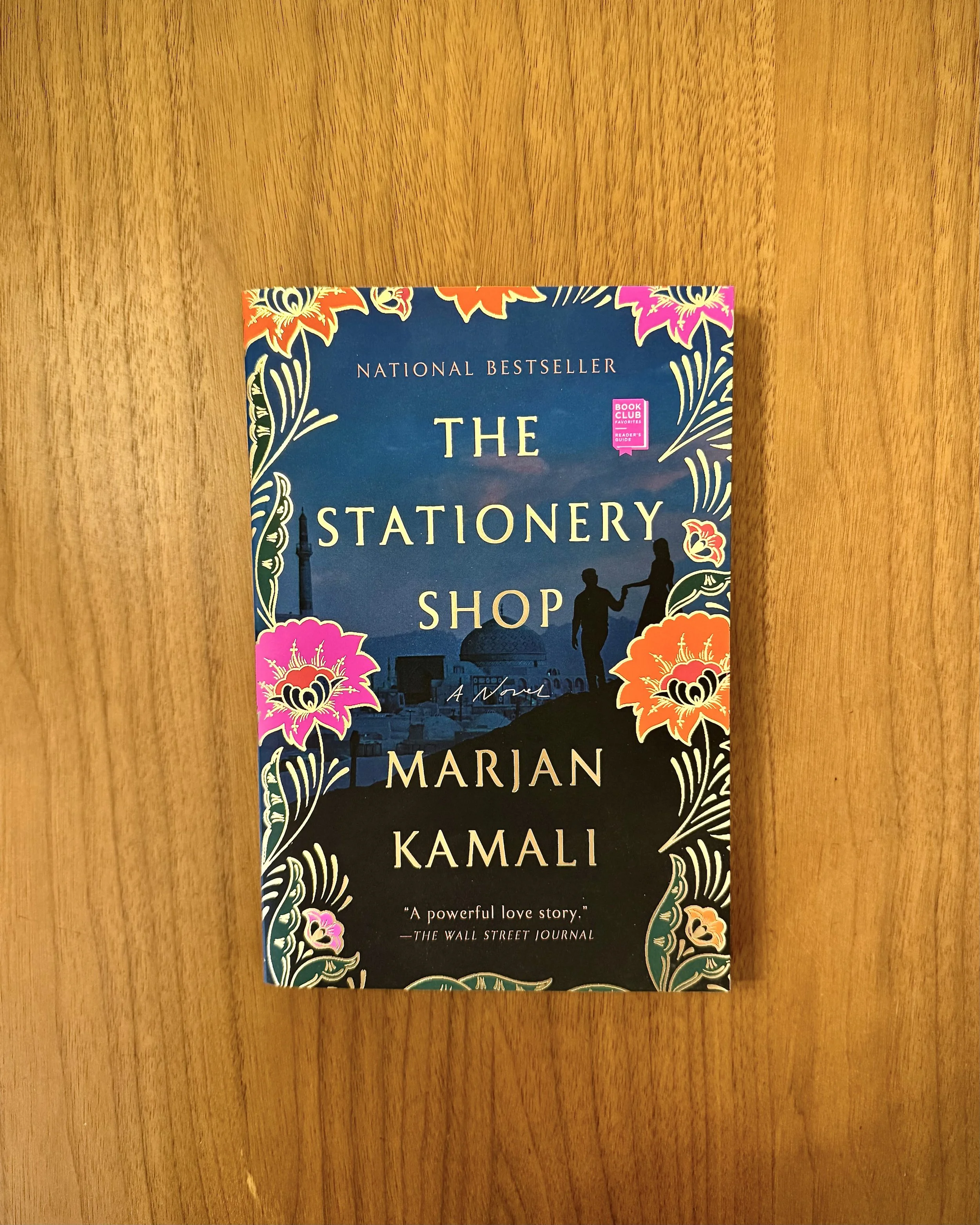
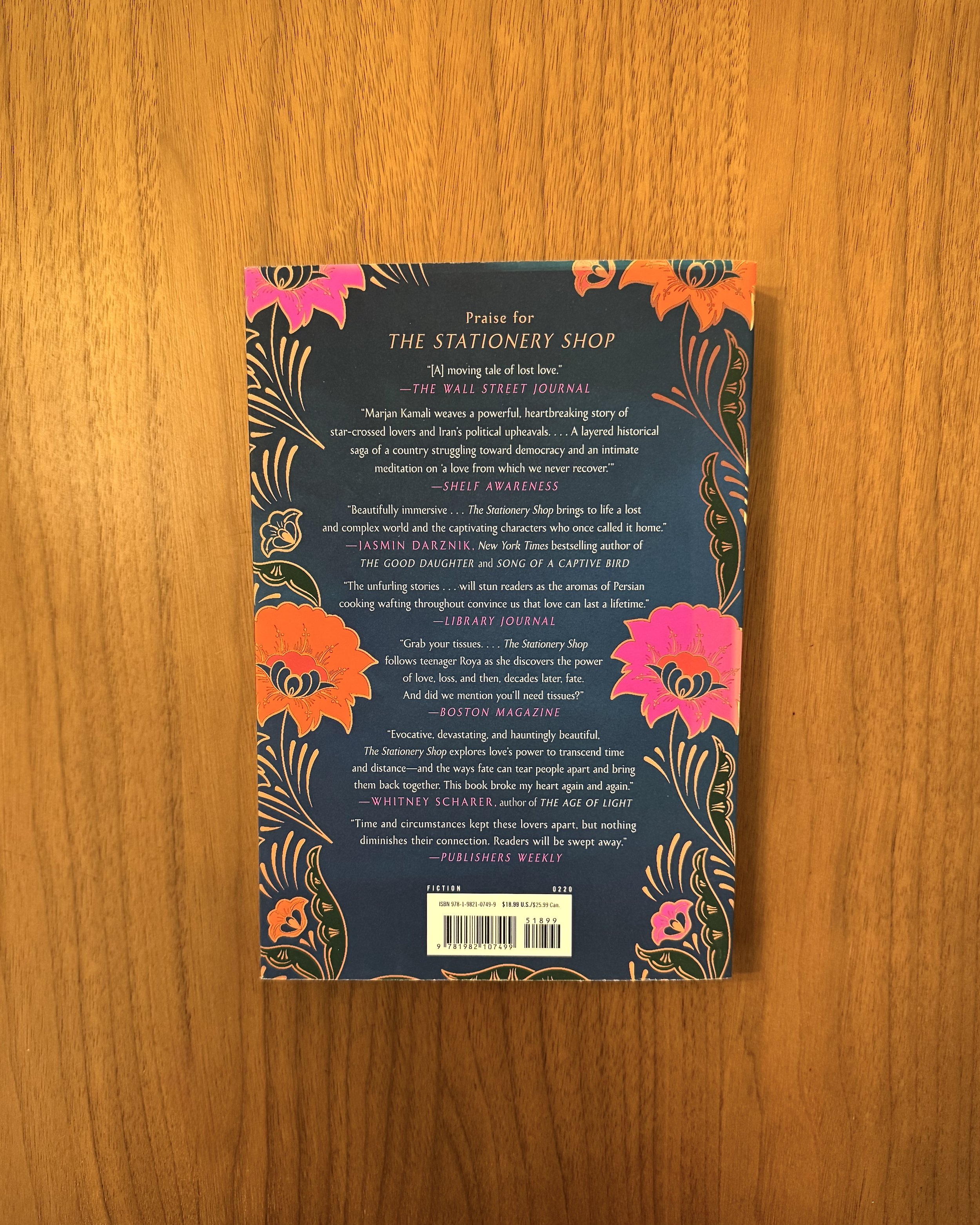
Marjan Kamali’s The Stationery Shop follows Roya and Bahman, two young lovers in 1953 Tehran whose relationship is shaped by the political upheaval surrounding them. As their lives diverge, Roya carries the emotional imprint of their brief but powerful connection into adulthood. The novel blends historical drama with intimate reflection, exploring how love, memory, and missed chances echo across a lifetime.
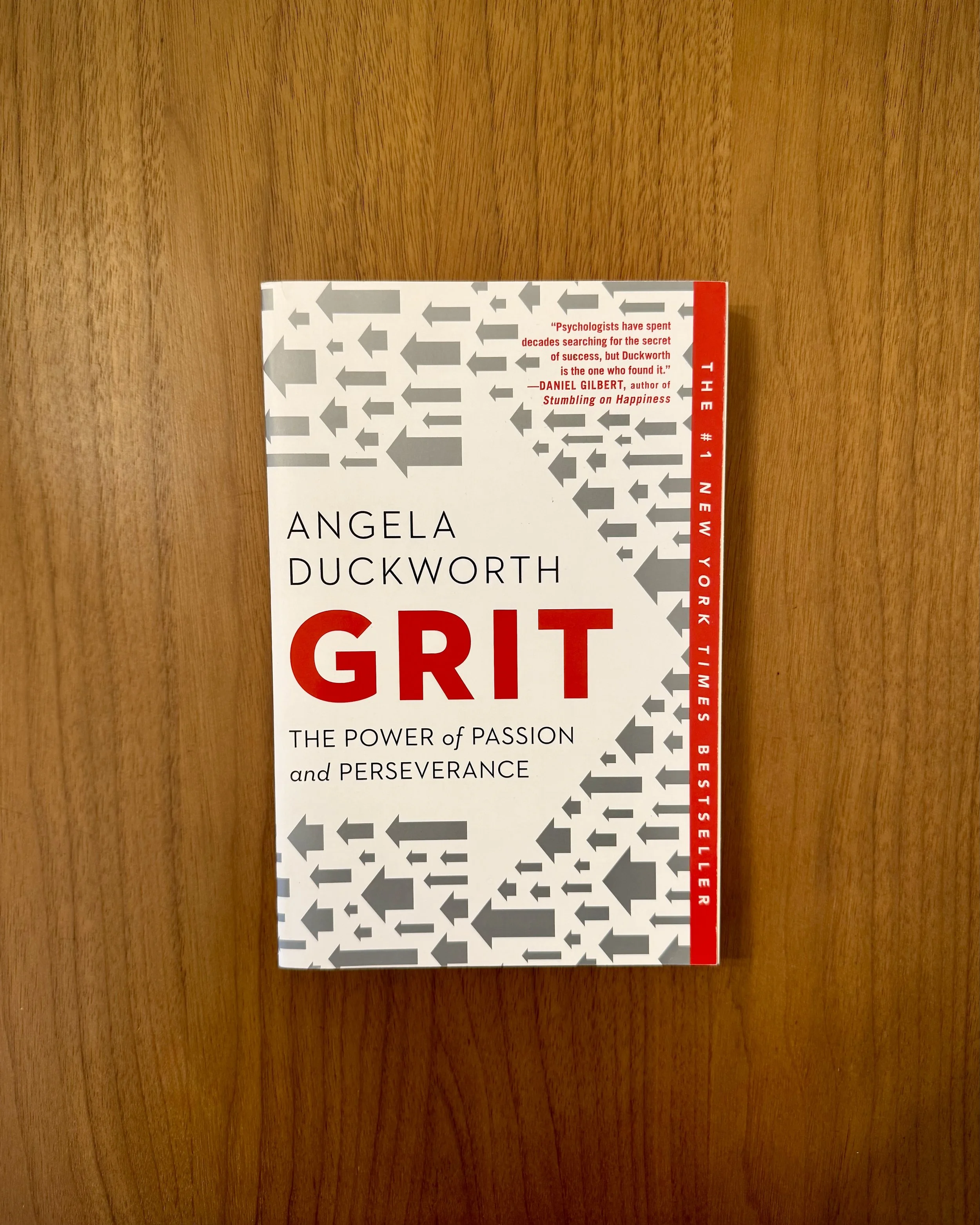
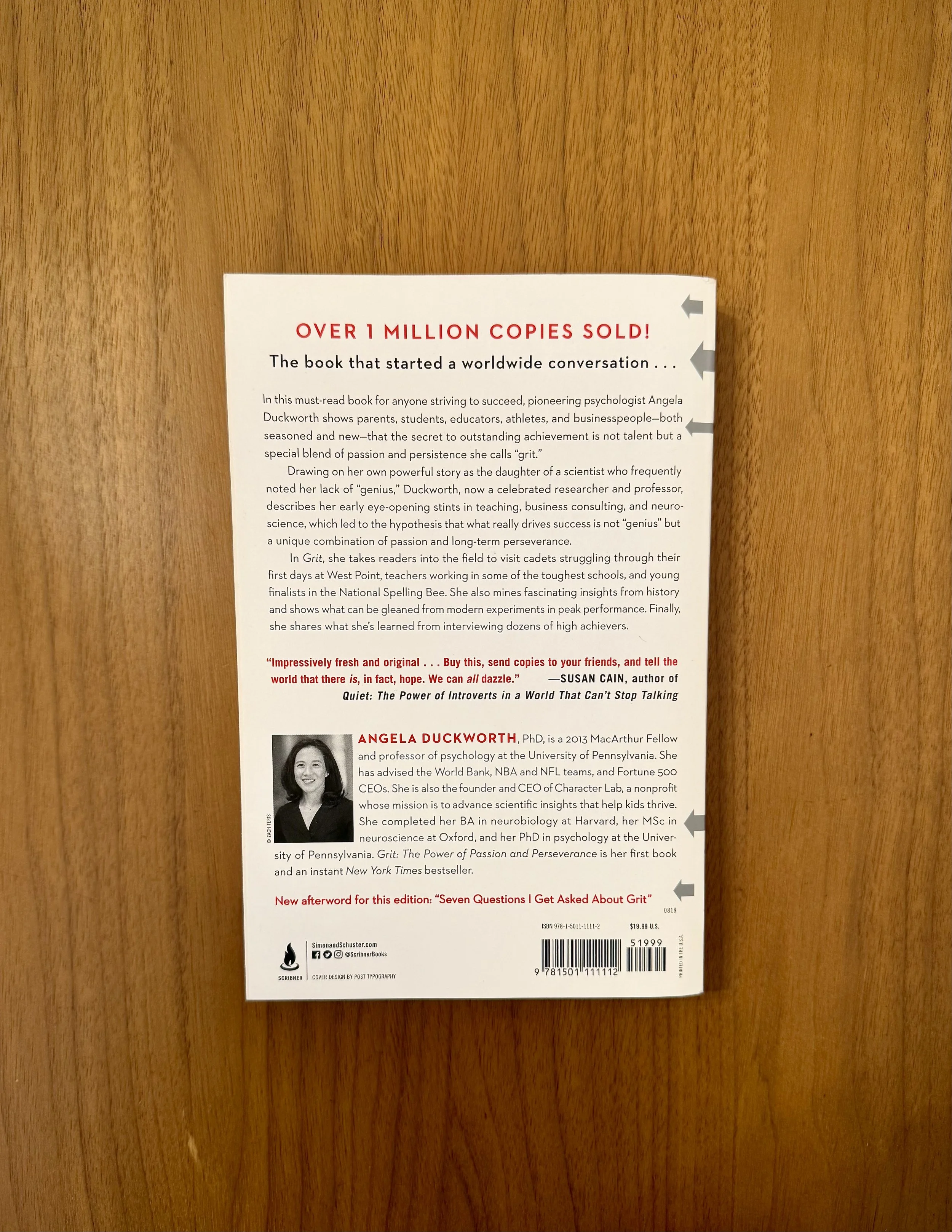
Angela Duckworth’s Grit argues that long‑term passion and sustained perseverance matter more for achievement than raw talent alone. Drawing on research, interviews, and real‑world examples, Duckworth shows how people develop resilience, maintain motivation, and push through setbacks. The book offers practical insights into cultivating grit in yourself and others, emphasizing consistency, purpose, and deliberate effort.
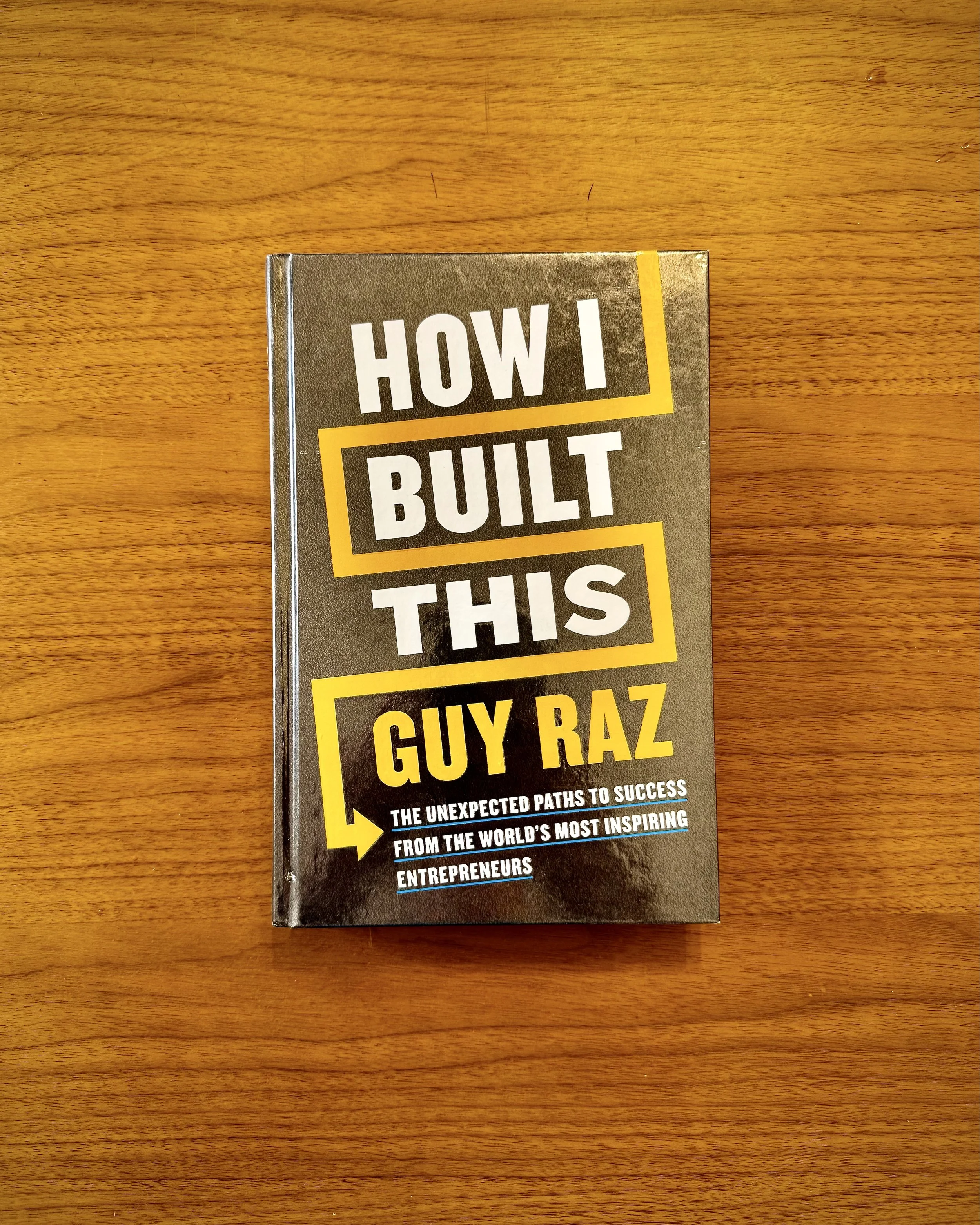
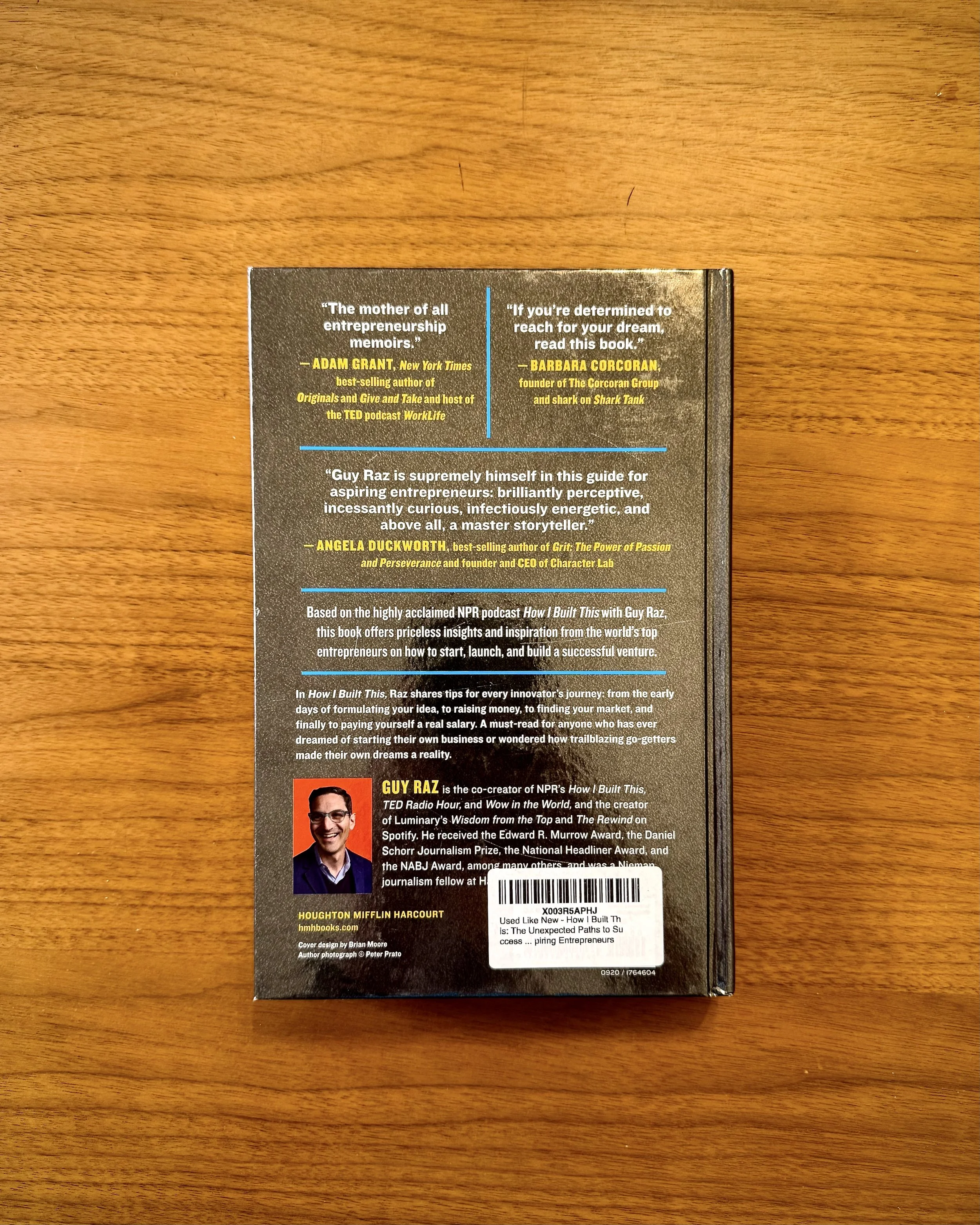
Guy Raz’s How I Built This distills lessons from hundreds of interviews with entrepreneurs who turned ideas into influential companies, revealing the patterns, mindsets, and turning points that shaped their journeys. Through stories of risk, resilience, and unexpected breakthroughs, Raz highlights how founders navigate uncertainty, failure, and the messy realities behind success. The book offers an accessible blueprint for creative problem‑solving and entrepreneurial thinking, grounded in real‑world experience rather than theory.
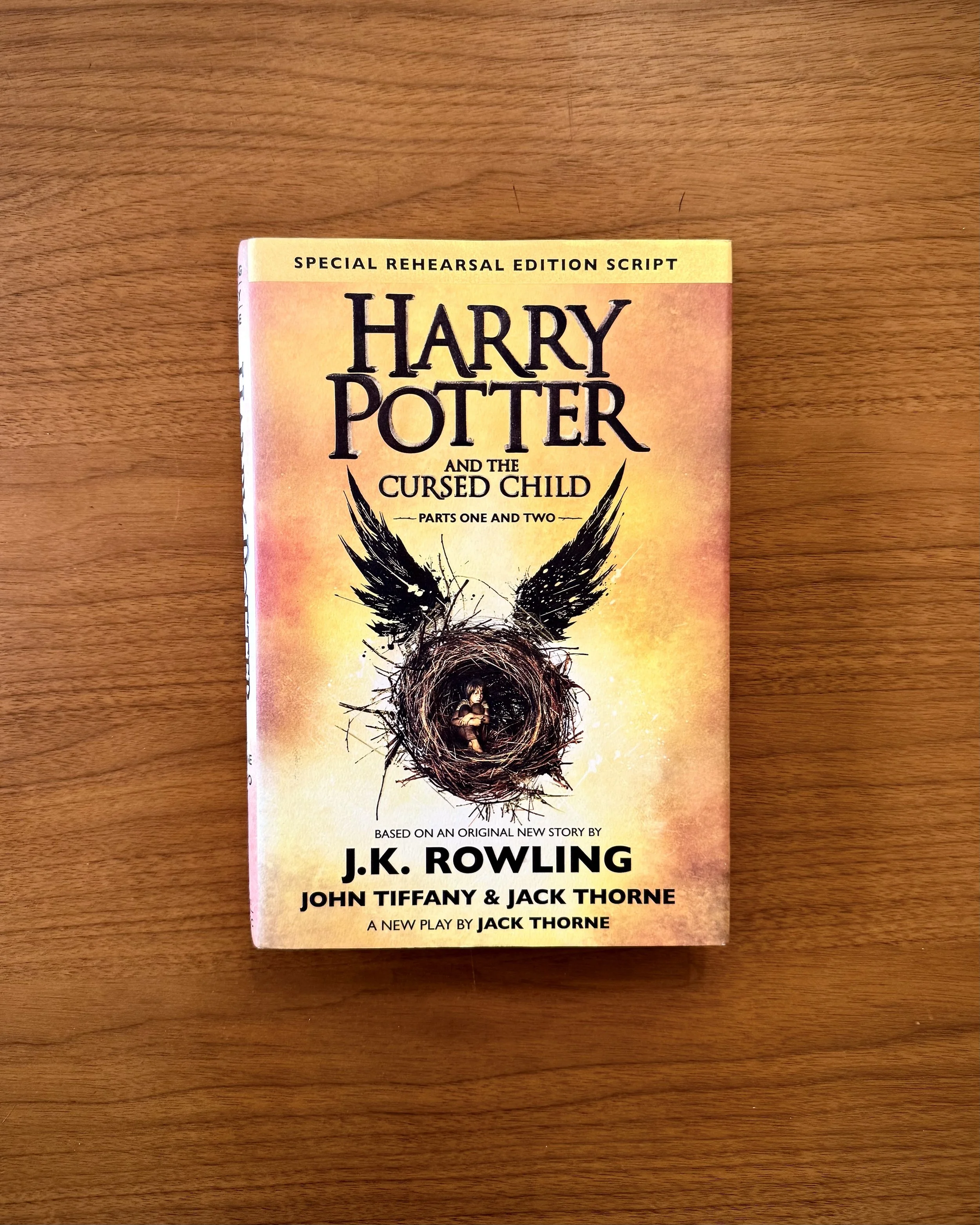
Series: Harry Potter | Book: 8 (script/play)
J.K. Rowling, John Tiffany, and Jack Thorne’s Harry Potter and the Cursed Child follows Harry Potter—now an overworked Ministry of Magic employee—as he struggles to connect with his son Albus, who feels crushed by the weight of his family legacy. As Albus forms an unexpected friendship and makes a risky choice, both father and son are drawn into a conflict that forces them to confront the past in new ways. The story blends family tension, magical challenges, and the consequences of history into a stage‑driven continuation of the wizarding world.
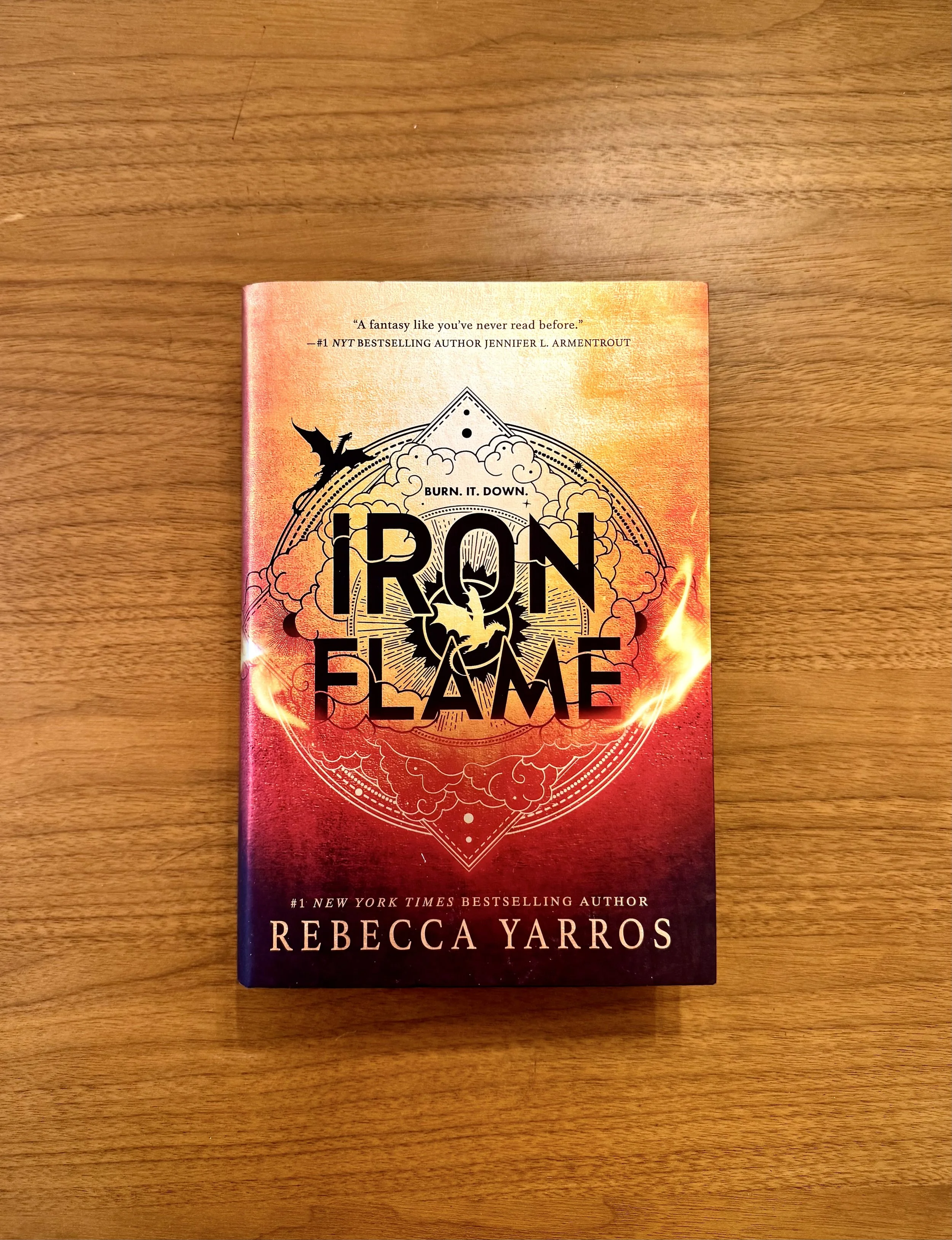
Series: The Empyrean | Book: 2
Rebecca Yarros’s Iron Flame continues Violet Sorrengail’s journey as she returns to Basgiath War College, where the training grows harsher and the political tensions around her become even more dangerous. As Violet pushes herself to survive, she must navigate shifting alliances, deepening relationships, and a growing sense that the leadership she serves may not be telling the truth. With pressure mounting from both enemies and supposed allies, Violet is forced to decide how far she’s willing to go to protect the people she loves and uncover what’s really happening in her world.
Series: The Empyrean | Book: 1
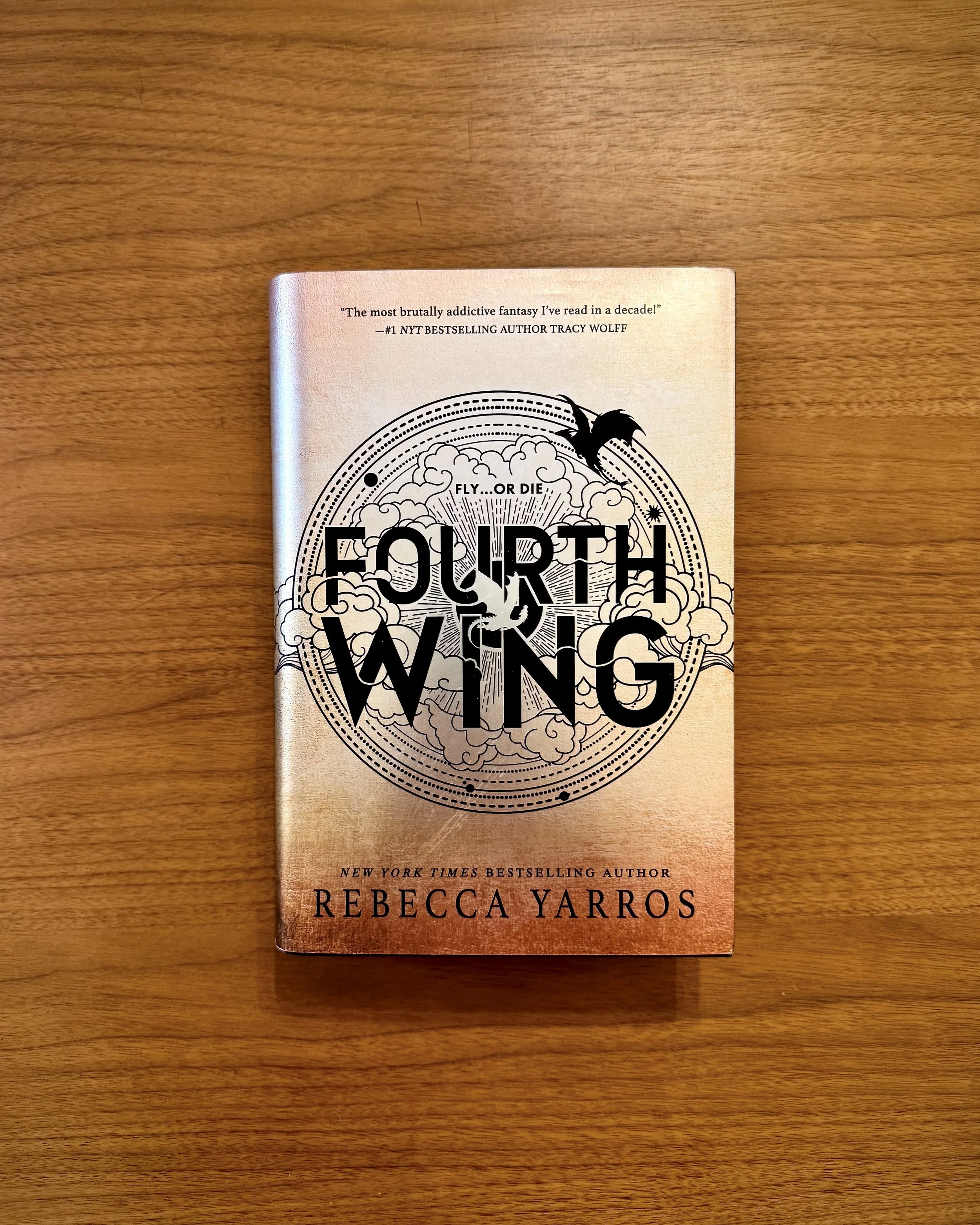
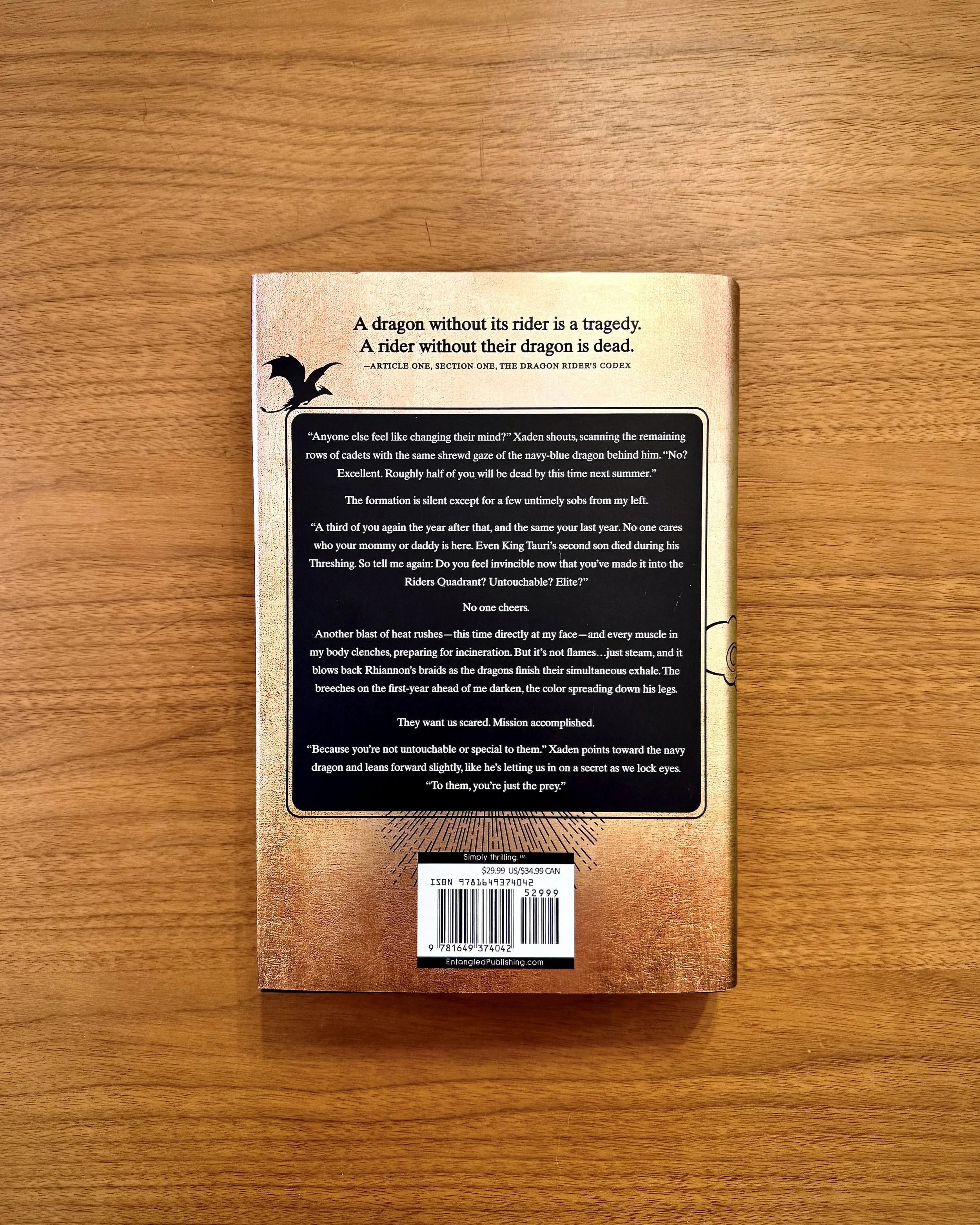
Rebecca Yarros’s Fourth Wing follows Violet Sorrengail as she is forced into the deadly Basgiath War College, where only the strongest cadets survive long enough to bond with dragons. Despite her physical vulnerabilities, Violet relies on intelligence, strategy, and determination to navigate rivalries, politics, and the brutal training that defines the college. As she rises to meet each challenge, she begins to sense that her kingdom’s official history hides dangerous truths.
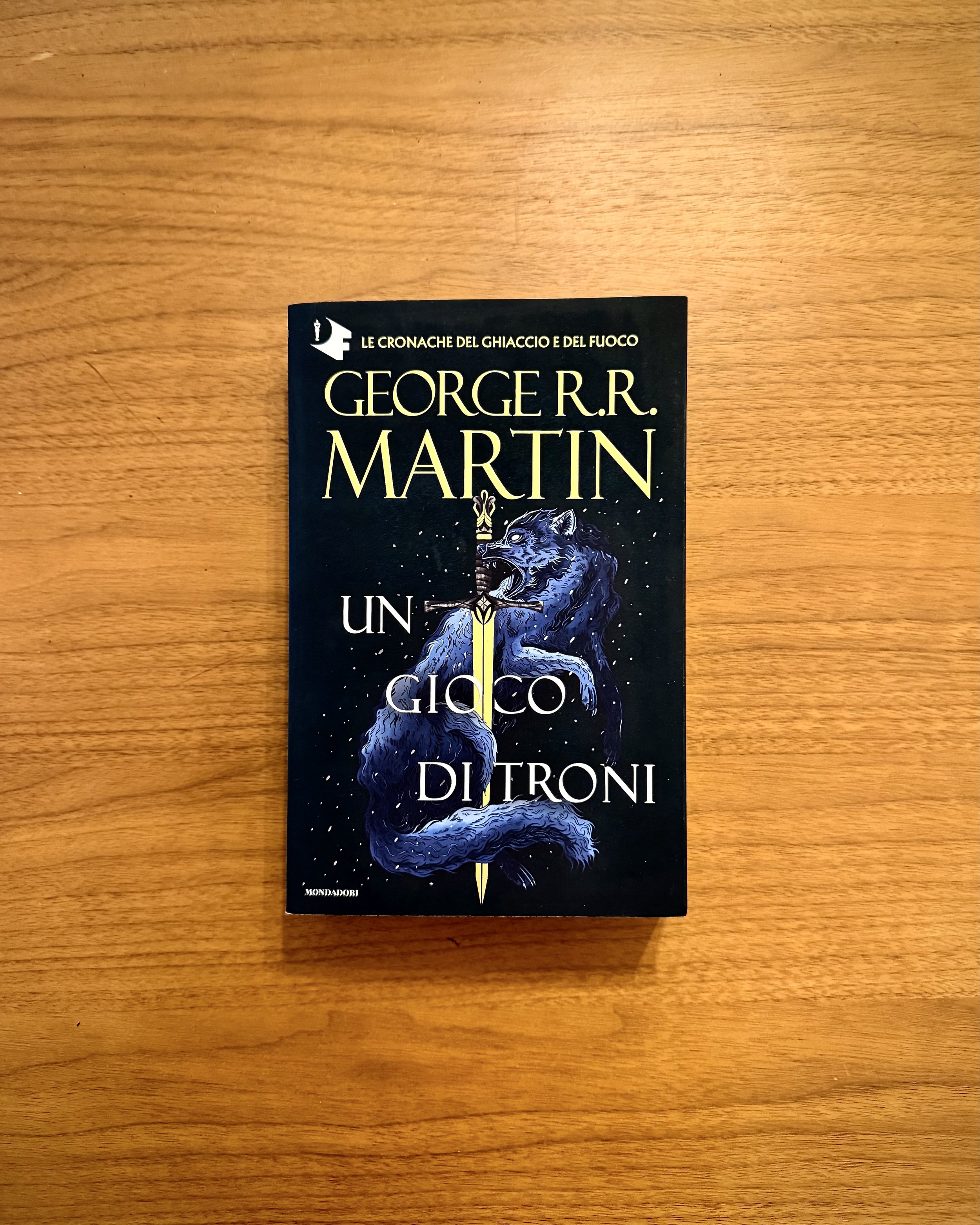
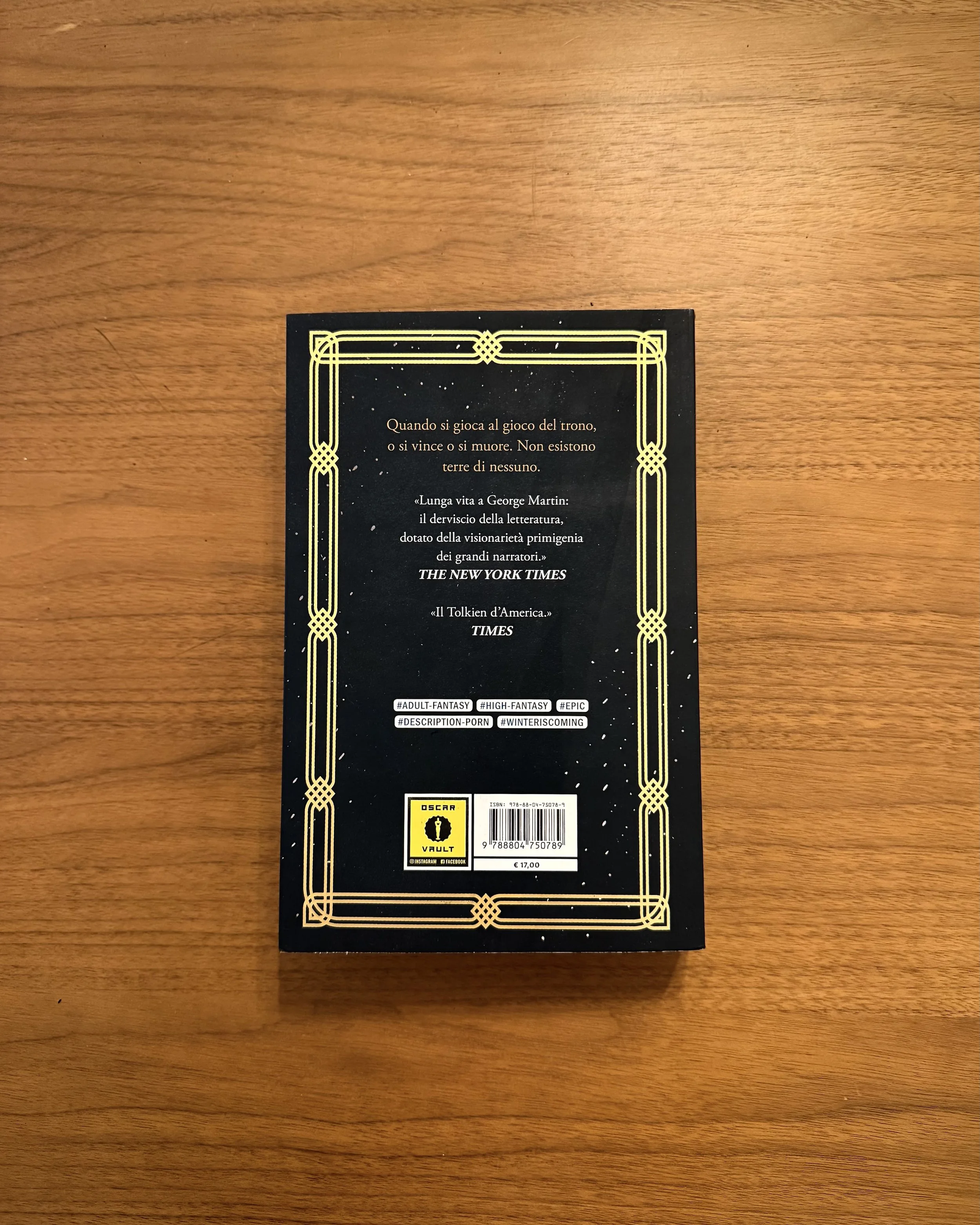
“Un Gioco di Troni” is the Italian edition of A Game of Thrones, which is Book 1 of George R. R. Martin’s A Song of Ice and Fire series. It opens the sprawling saga of Westeros, a land where powerful families maneuver for influence, survival, and the coveted Iron Throne. The story follows several intertwined characters—nobles, warriors, exiles, and children—each navigating a world shaped by political ambition, fragile alliances, and the harsh realities of honor and betrayal.
As tensions rise between great houses, ancient forces stir beyond the edges of the known world, hinting that the true danger may lie far from the courts and battlefields. The novel blends political intrigue, moral complexity, and atmospheric world‑building, setting the foundation for an epic tale of power, loyalty, and the cost of ambition.
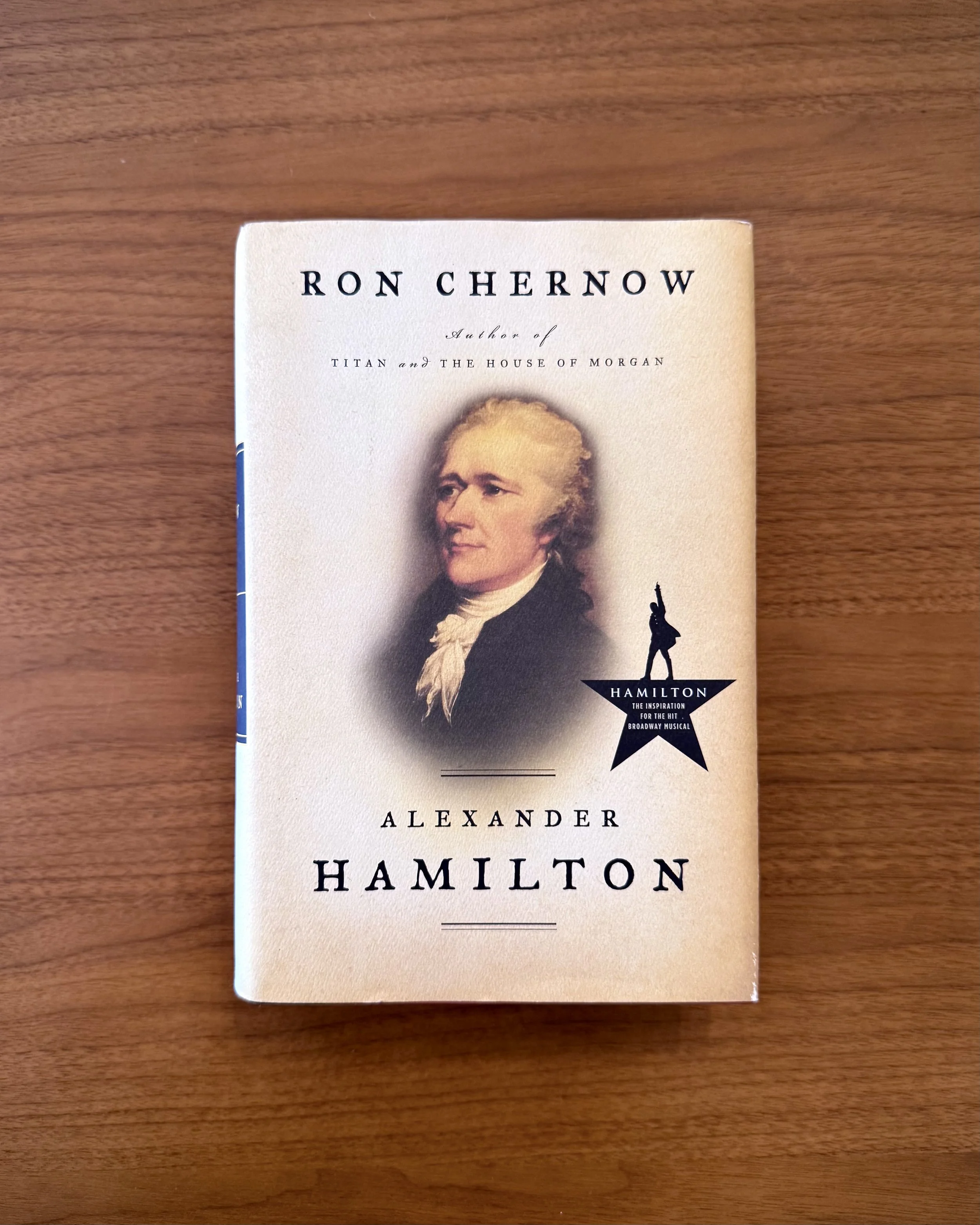
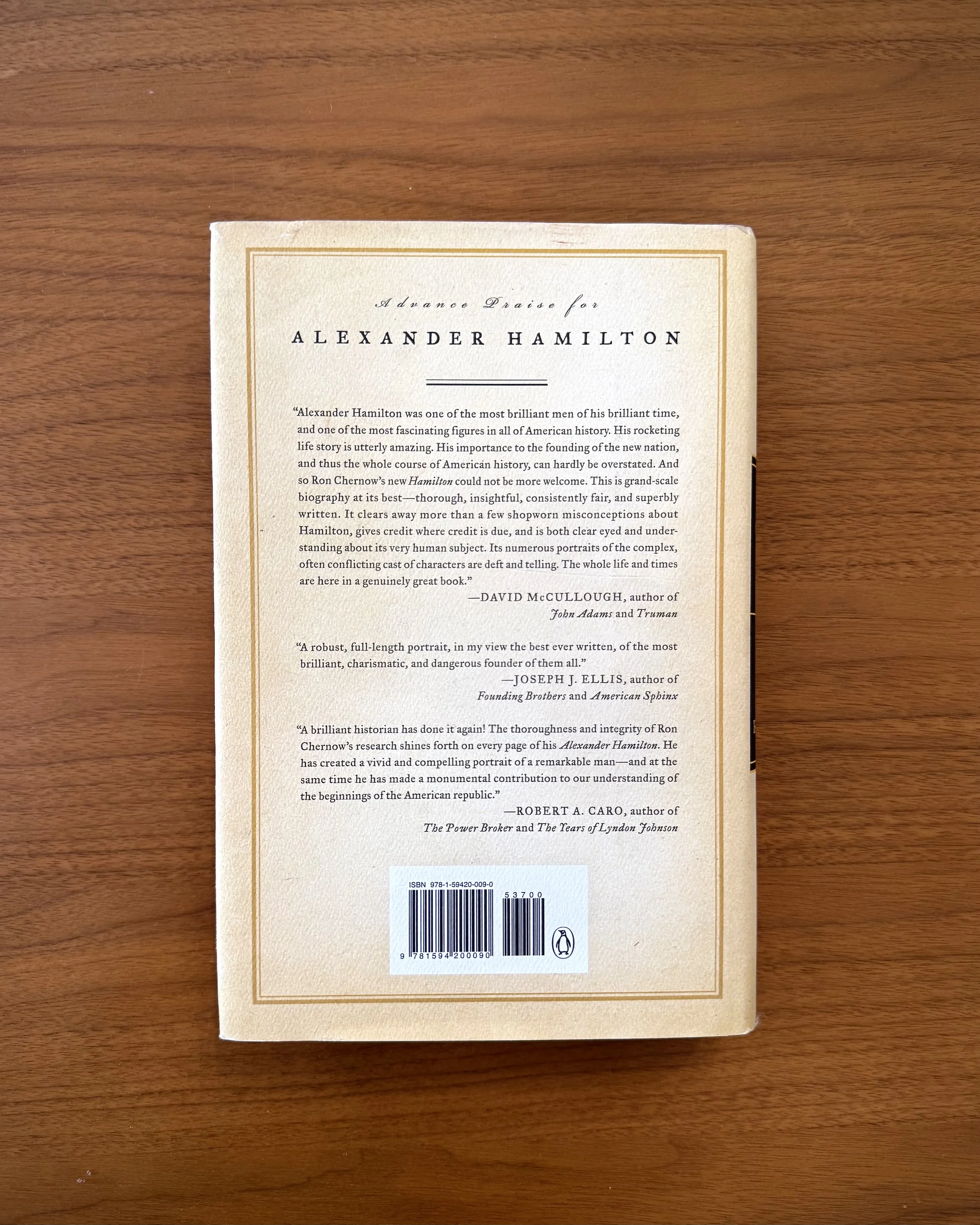
Ron Chernow’s Alexander Hamilton is a sweeping, deeply researched biography that follows Hamilton’s rise from a difficult childhood in the Caribbean to becoming one of the most influential architects of the United States. Chernow presents Hamilton as brilliant, driven, and often controversial—an immigrant whose intellect, ambition, and political vision helped shape the nation’s financial system, constitutional framework, and early government. The book blends personal history with the broader story of America’s founding, offering a vivid portrait of a complex statesman whose legacy continues to define the country.
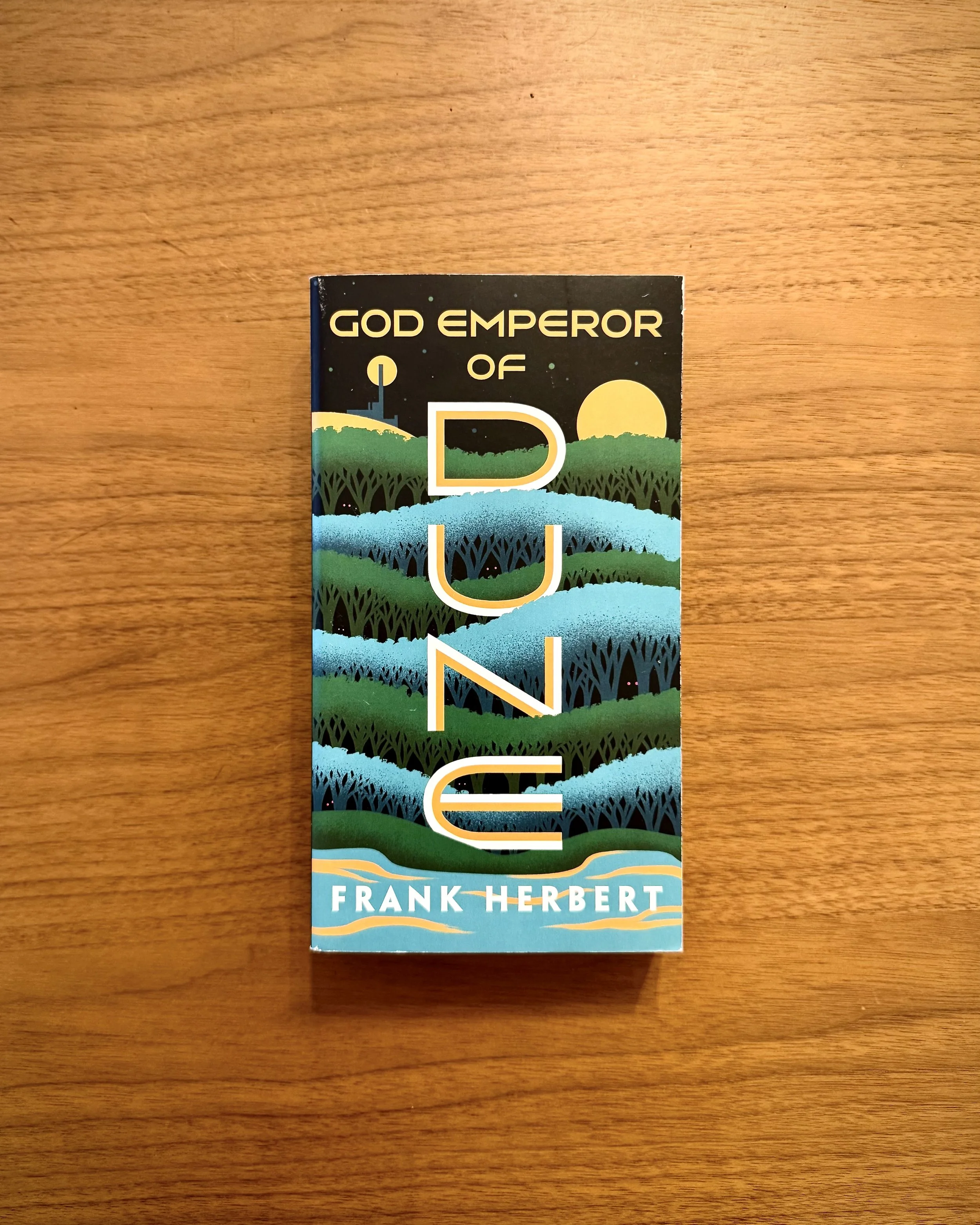
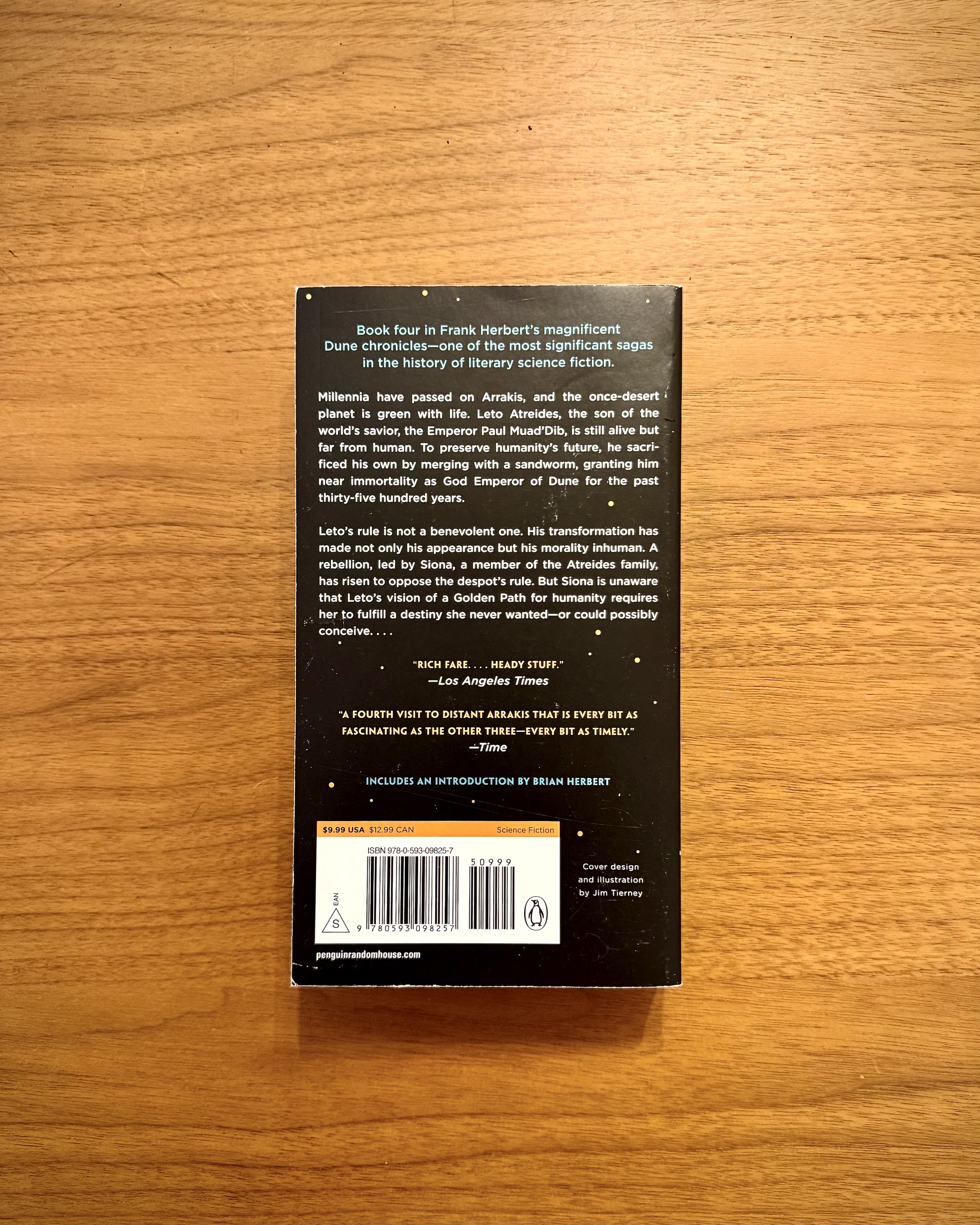
Frank Herbert’s God Emperor of Dune jumps thousands of years into the future, where Leto II—now something far beyond human—rules over a tightly controlled galactic empire. His reign is absolute, his motives mysterious, and his transformation has reshaped both himself and civilization. The novel explores the tension between stability and freedom, the burden of long‑term vision, and the uneasy relationship between power and humanity. More philosophical than action‑driven, it’s a meditative, world‑expanding entry that reframes the entire Dune saga through questions of destiny, control, and what it means to guide a species’ future.
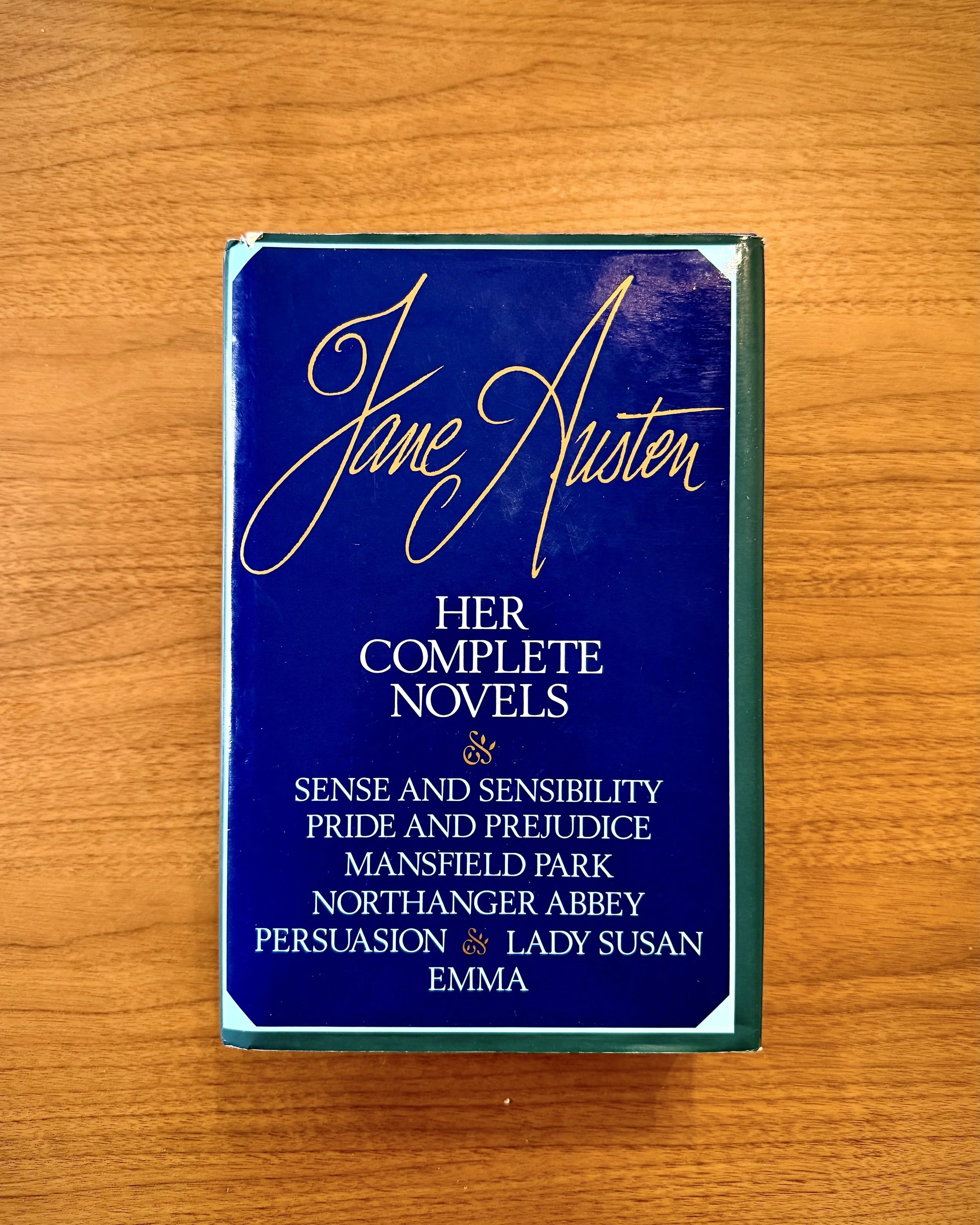
Jane Austen: Her Complete Novels gathers all six of Austen’s finished works—Sense and Sensibility, Pride and Prejudice, Mansfield Park, Emma, Northanger Abbey, and Persuasion—into a single volume that showcases the full arc of her literary mastery. Across these novels, Austen dissects the social rituals, economic pressures, and emotional negotiations of Regency‑era England with unmatched wit and psychological insight. Her heroines navigate love, class, family expectations, and personal growth, while her prose blends sharp satire with enduring romantic charm. As a collection, it highlights Austen’s evolution from youthful irony to mature emotional depth.
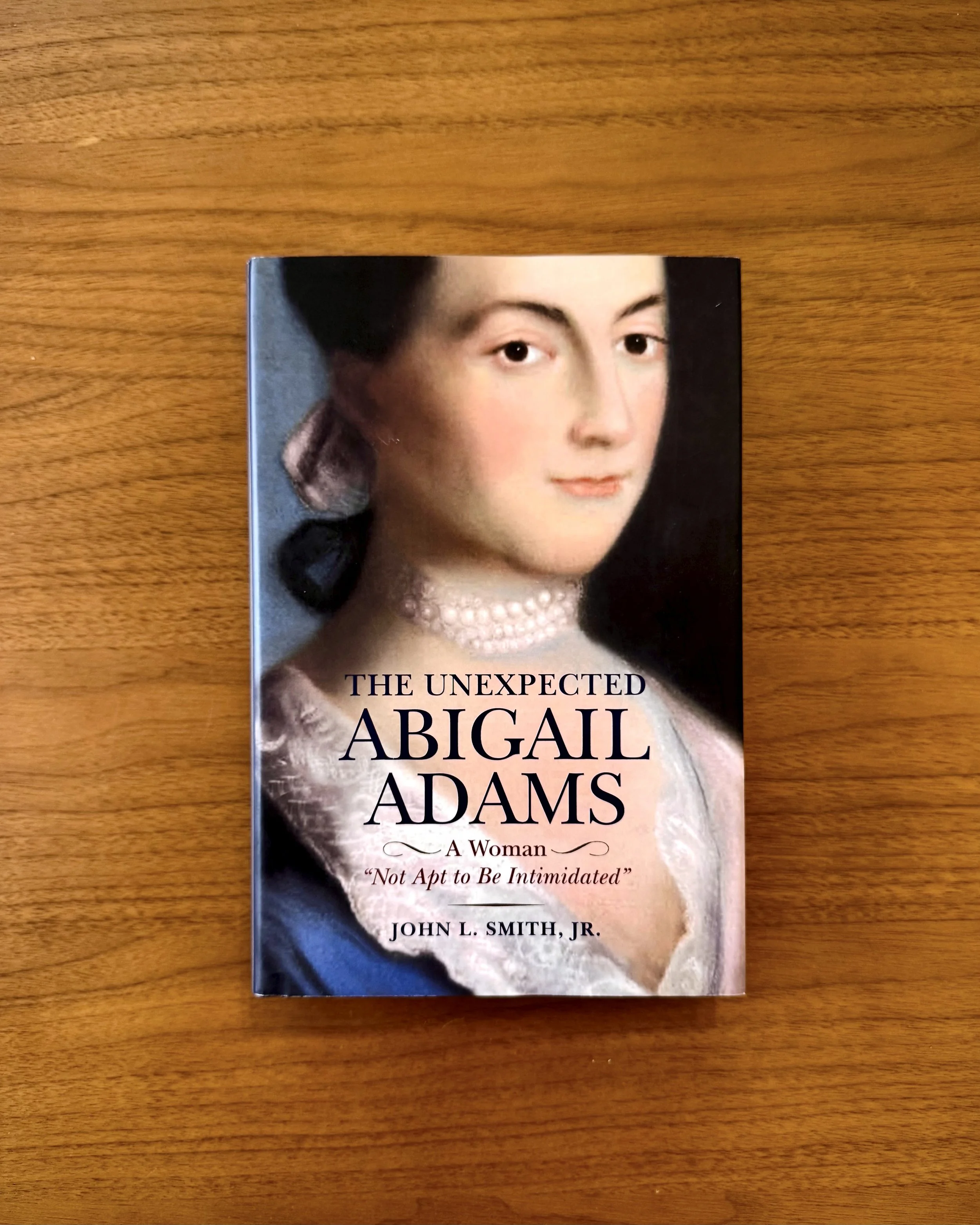
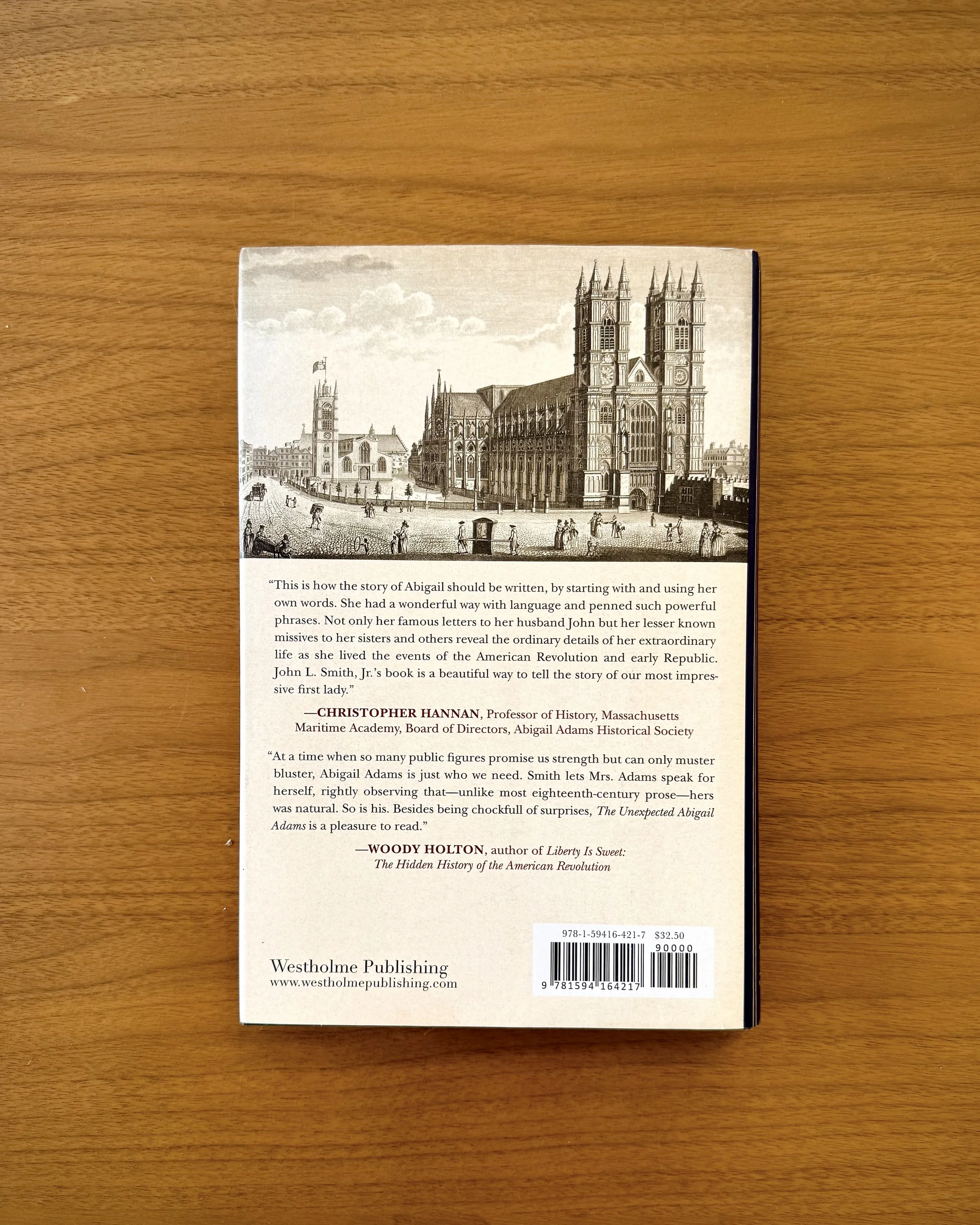
John L. Smith Jr.’s The Unexpected Abigail Adams is a deeply researched, vivid biography that reframes Abigail Adams not merely as the wife of a Founding Father but as a political thinker, shrewd manager, and influential voice in the early American republic. Drawing on more than 2,000 of her letters, Smith reconstructs Abigail’s life across five major eras—her Massachusetts upbringing, the Revolution, her diplomatic years in Europe, her time as Second Lady and First Lady, and her lasting legacy. The portrait that emerges is of a woman with formidable intellect, strong views on women’s rights and education, and a partnership with John Adams that was unusually equal for its time.
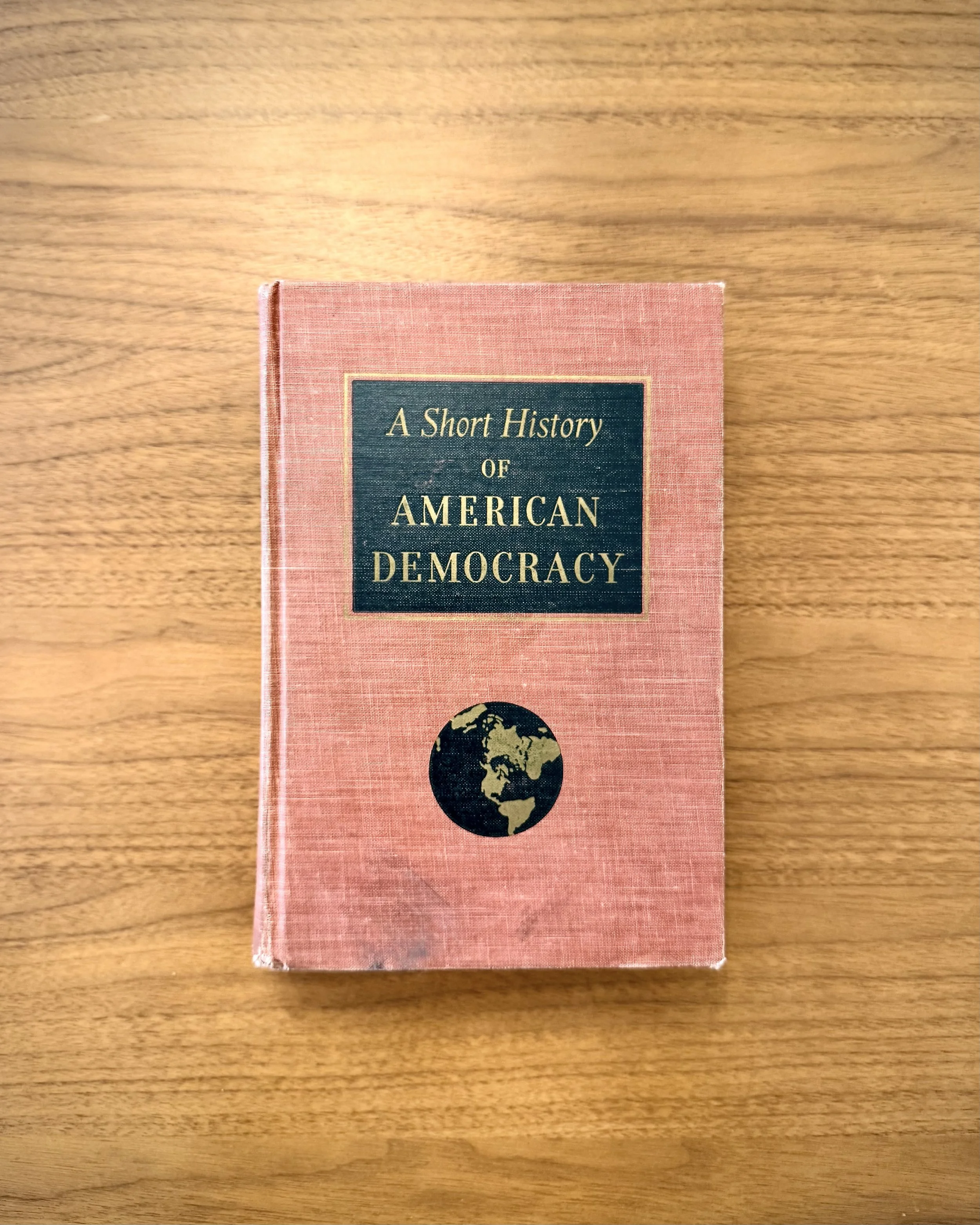

John D. Hicks and George Edwin Mowry’s A Short History of American Democracy is a comprehensive survey of the political, social, and economic forces that shaped the United States from the colonial era through the mid‑20th century. The book traces the evolution of American political institutions, the expansion of civil liberties, the rise of capitalism, the struggle over slavery, Reconstruction, industrialization, and America’s emergence as a world power. Structured chronologically, it presents democracy as a constantly contested project—expanded, restricted, reimagined, and fought over across generations.
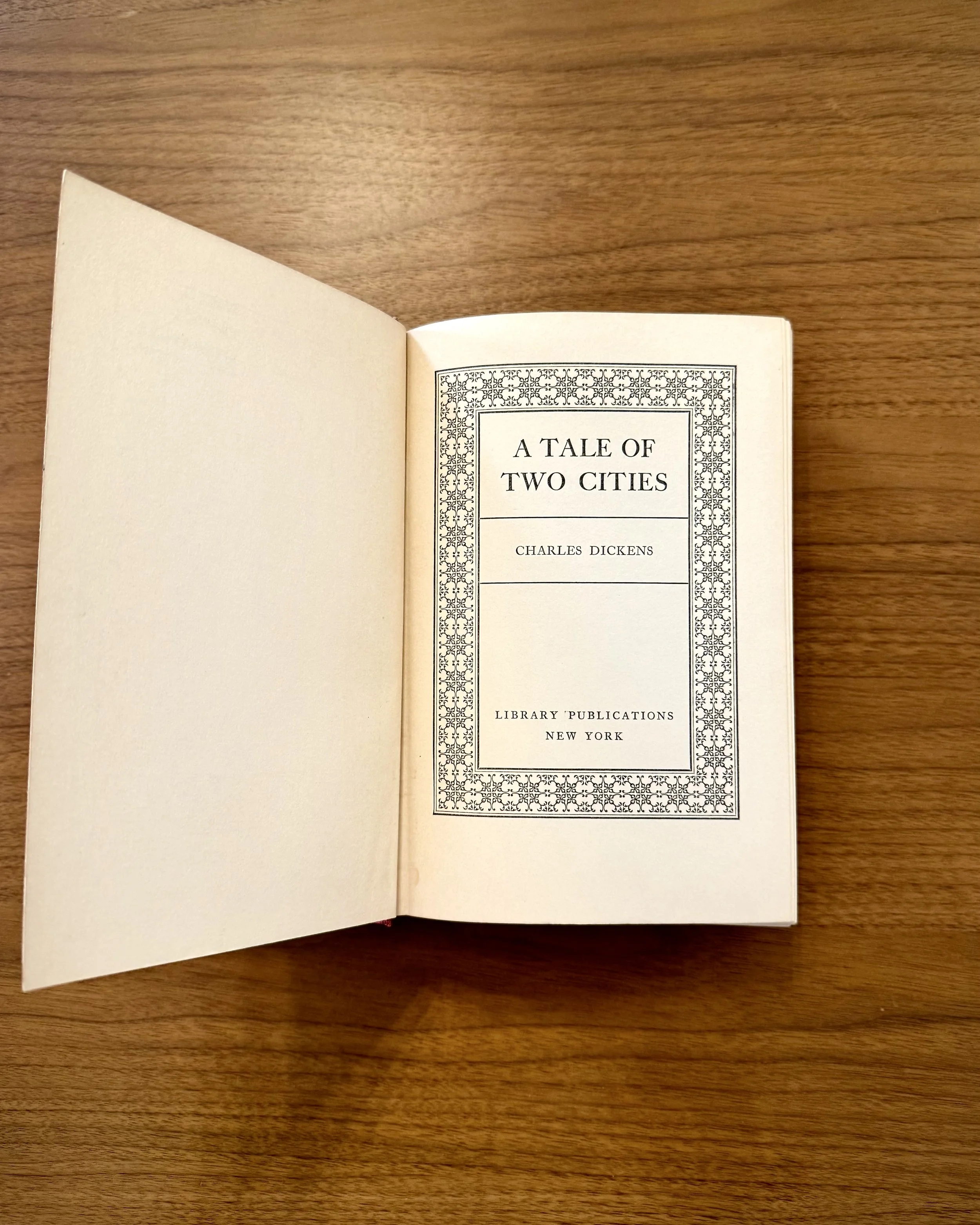
Charles Dickens’s A Tale of Two Cities unfolds across London and Paris during the turbulent years of the French Revolution, following the intertwined lives of Charles Darnay, a French aristocrat rejecting his family’s cruelty, and Sydney Carton, a brilliant but broken English lawyer. As political violence erupts and personal loyalties are tested, Carton’s unrequited love for Lucie Manette drives him toward one of literature’s most iconic acts of sacrifice. Dickens blends romance, revolution, and moral reckoning into a sweeping story about resurrection, justice, and the cost of a society pushed to its breaking point.
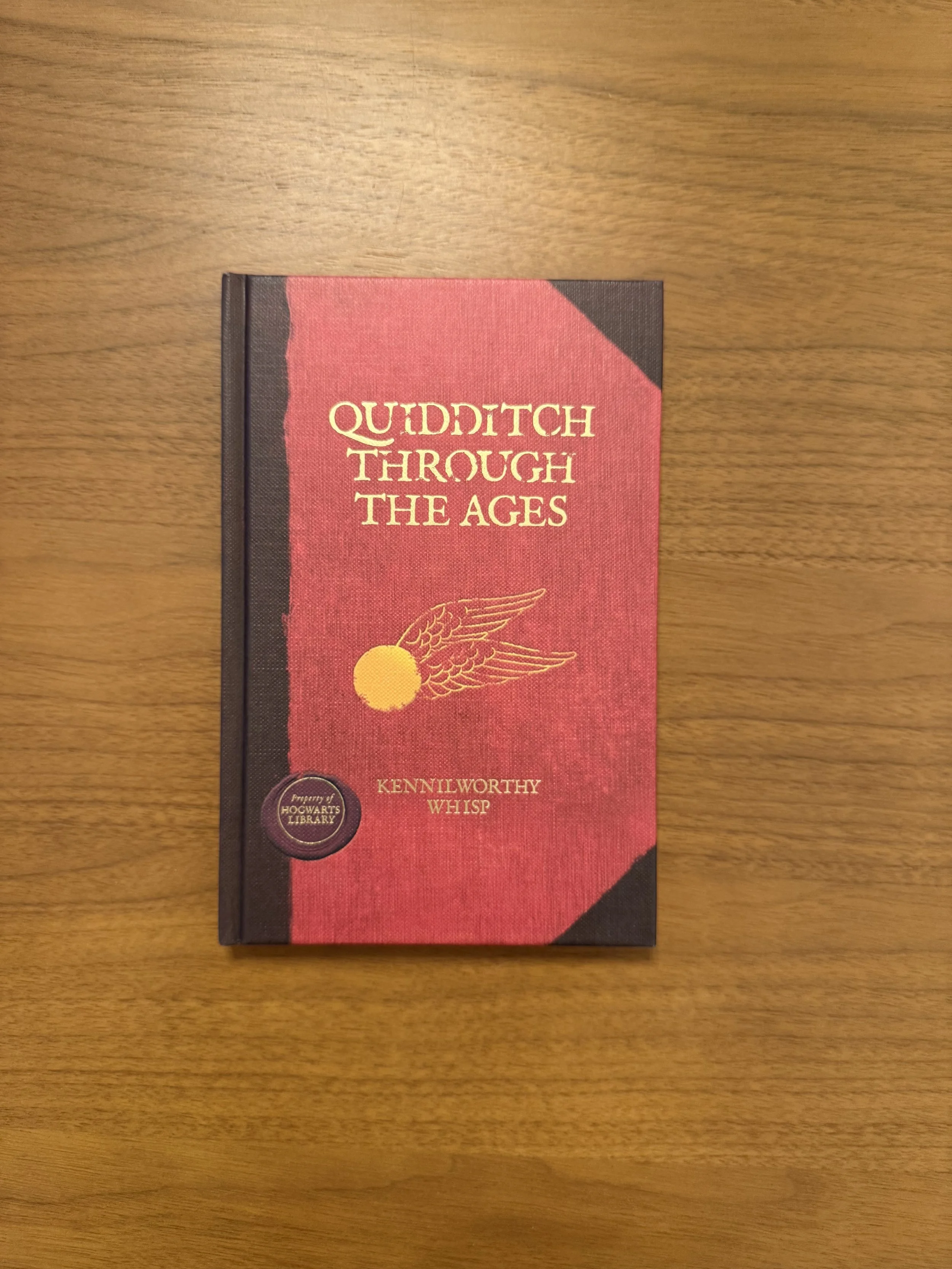
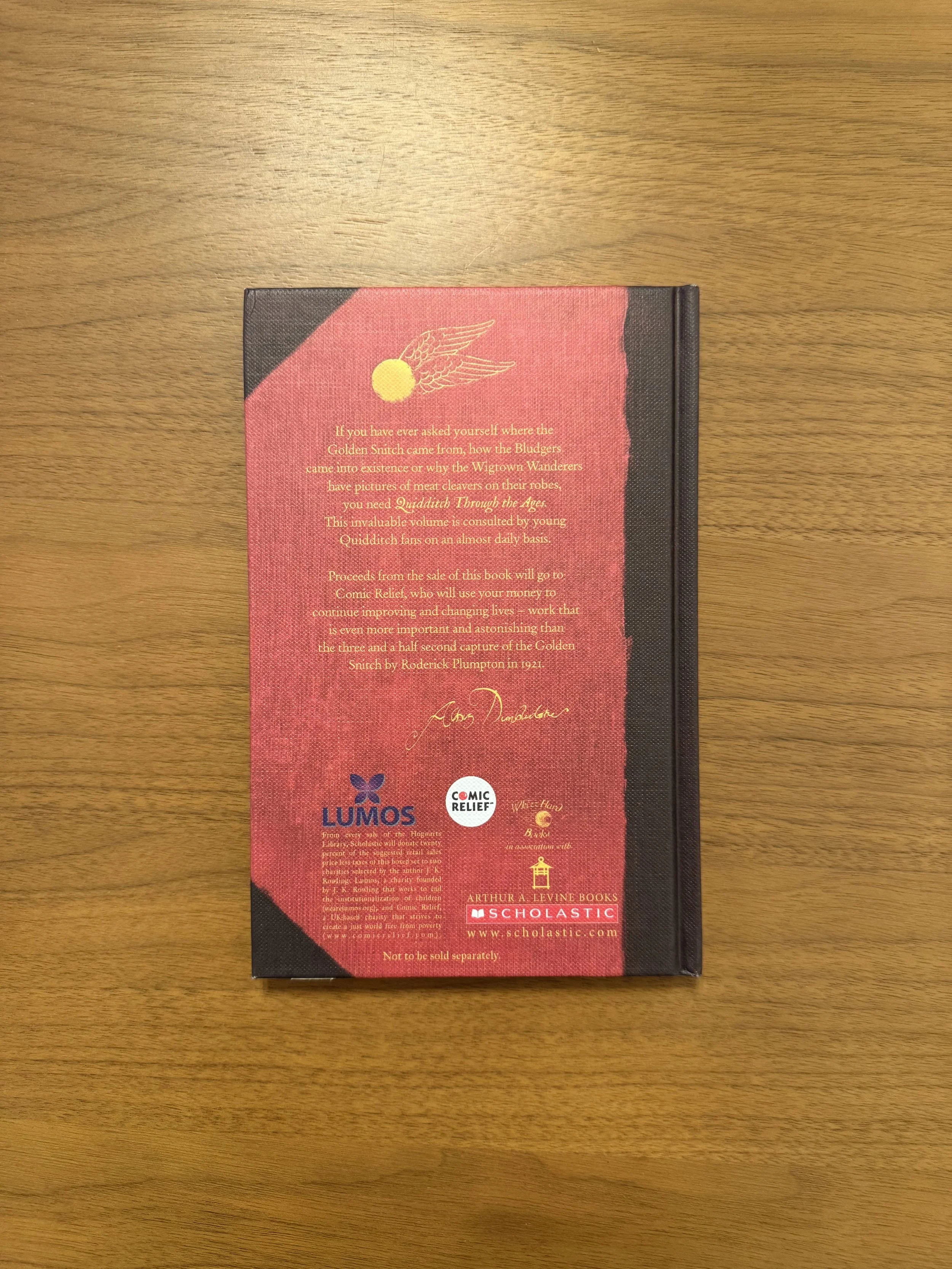
A companion book to the Harry Potter series, Quidditch Through the Ages is presented as the definitive Hogwarts‑approved history of the wizarding world’s most famous sport. Written by “Kennilworthy Whisp,” it traces Quidditch from its chaotic broom‑racing origins on Queerditch Marsh to the modern, highly regulated game played in international stadiums. The book covers team histories, rule evolution, broom‑making innovations, fouls, famous matches, and the cultural obsession surrounding the sport. Light, humorous, and richly detailed, it reads like an in‑universe reference text that deepens the worldbuilding of Harry Potter.
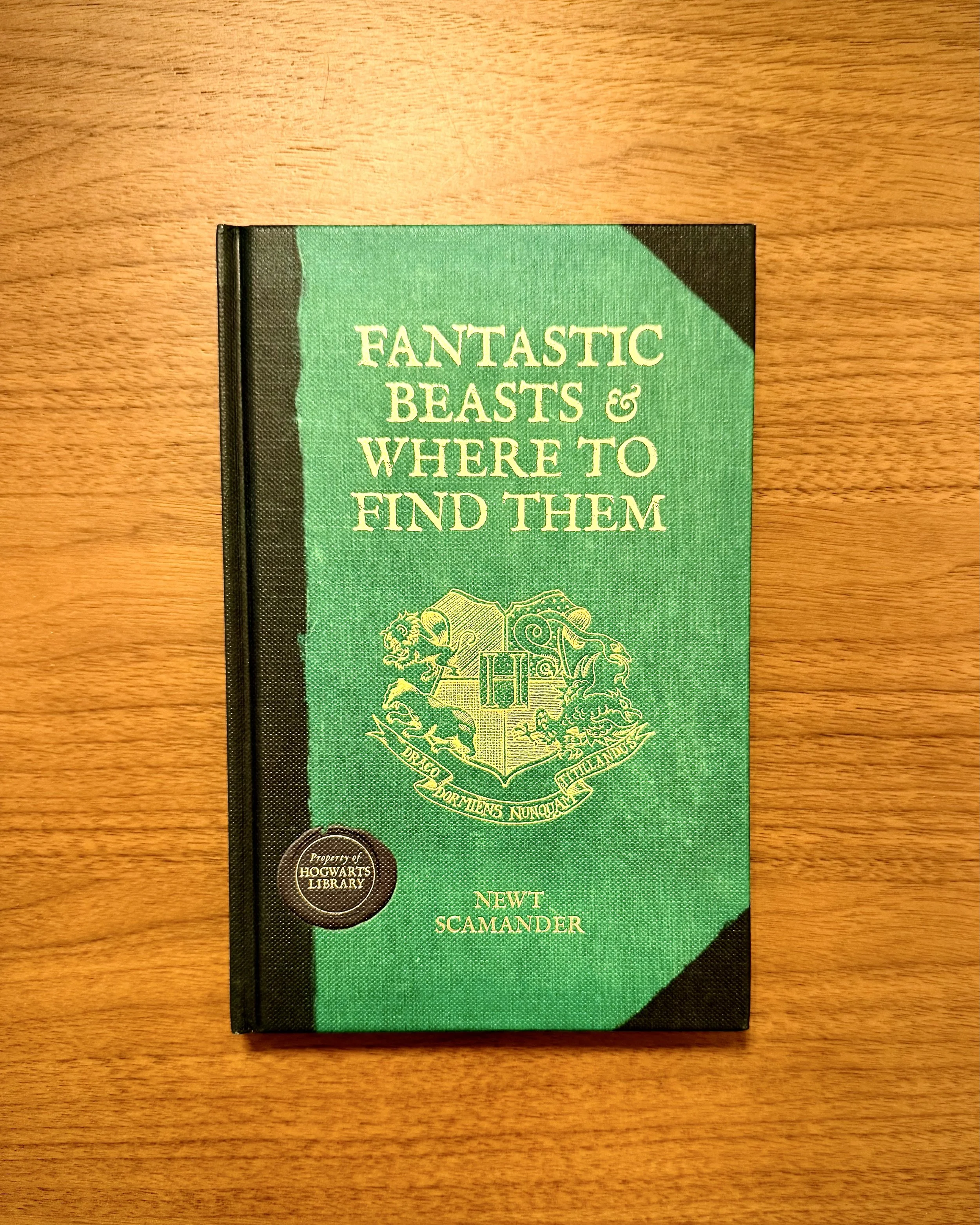
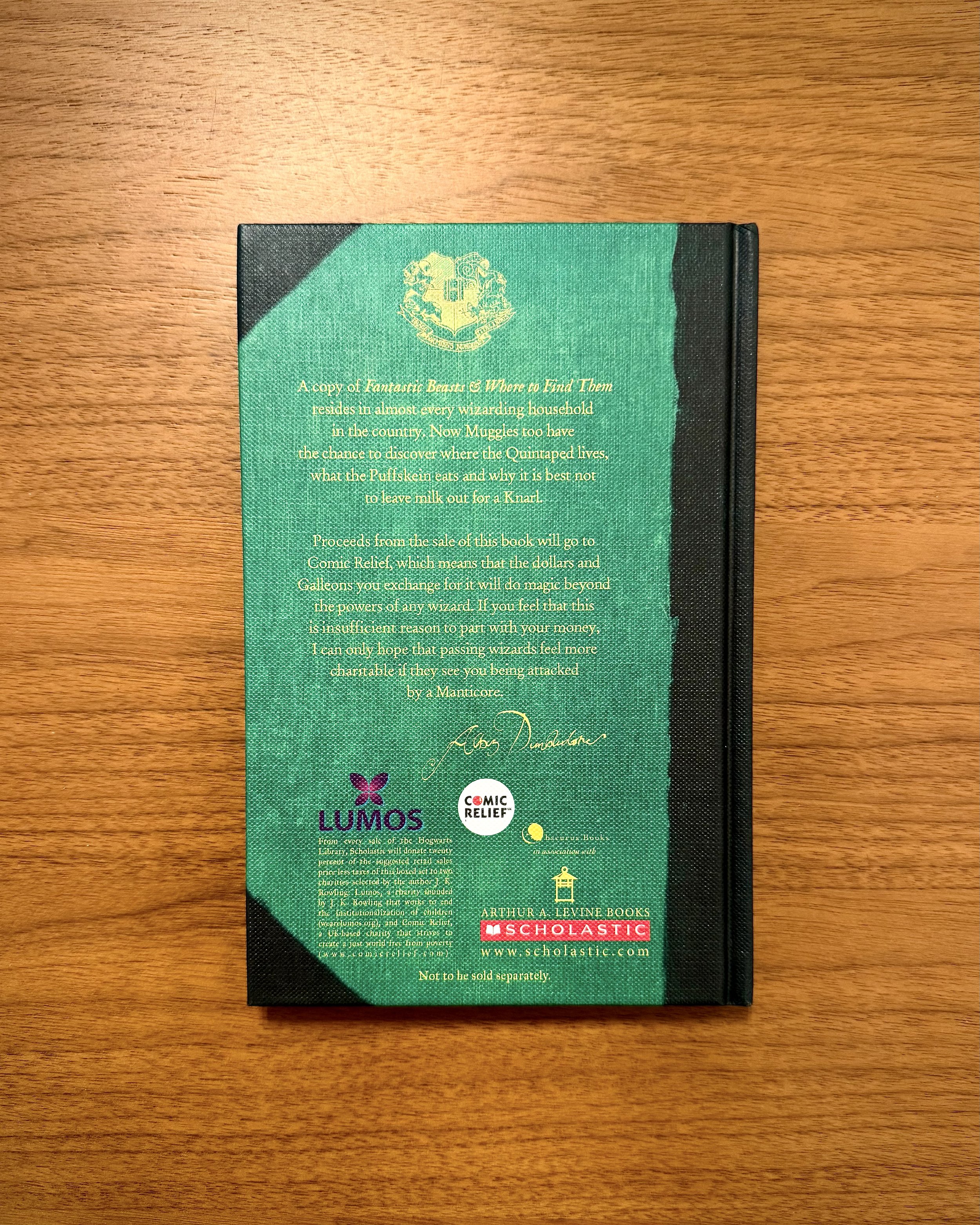
A companion book to the Harry Potter series, Fantastic Beasts and Where to Find Them is framed as Newt Scamander’s definitive field guide to magical creatures across the globe. Written in a playful, in‑universe style, it catalogs dozens of beasts—from the mischievous Niffler to the majestic Hungarian Horntail—explaining their behaviors, magical properties, danger classifications, and the conservation challenges they face. Equal parts whimsical and encyclopedic, the book expands the Wizarding World’s lore while celebrating Newt’s gentle, creature‑first philosophy.
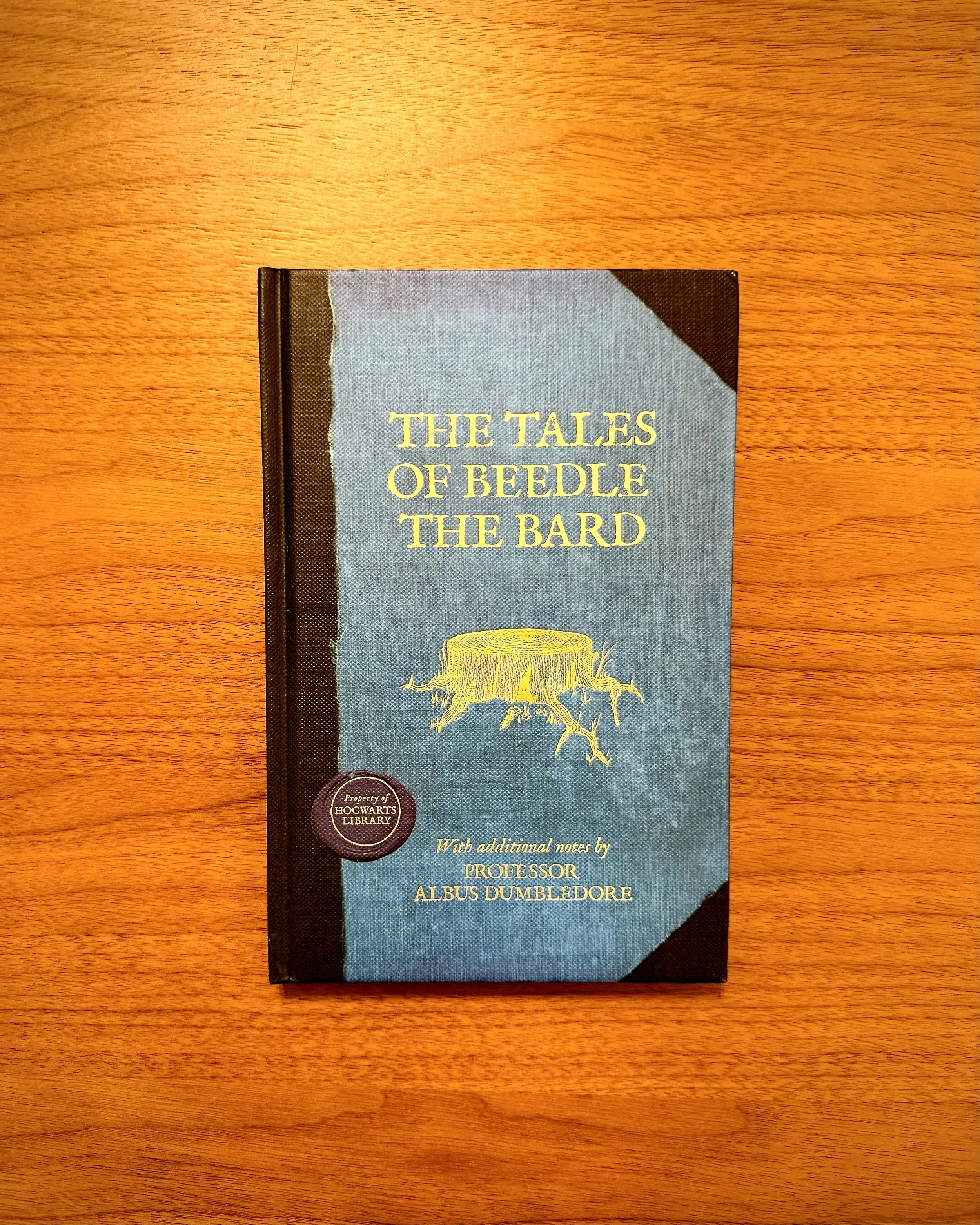
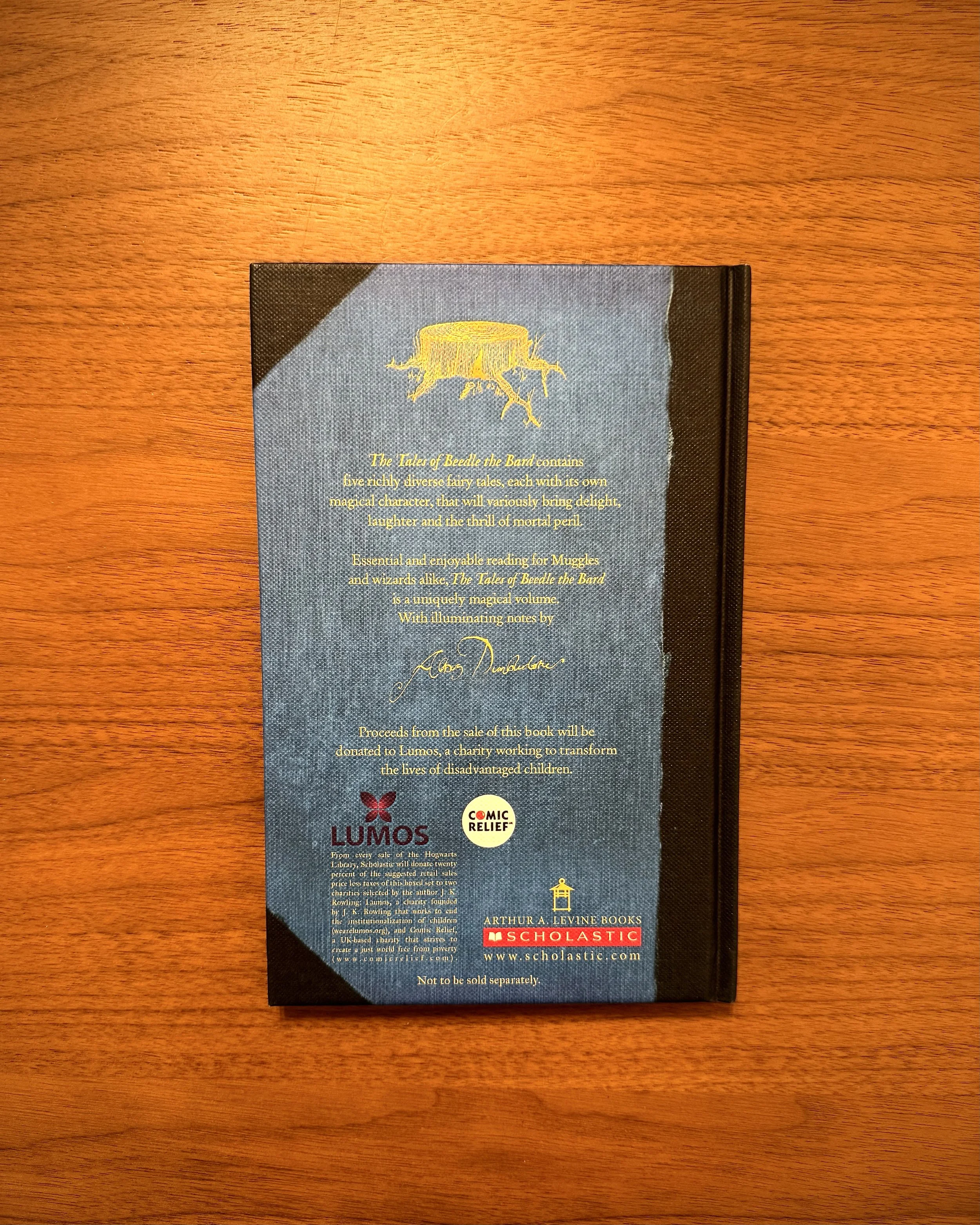
The Tales of Beedle the Bard is a collection of five classic wizarding fairy tales, beloved by magical children for centuries and filled with moral lessons, dark humor, and a touch of danger. Each story—ranging from the whimsical to the haunting—reveals how witches and wizards once grappled with power, greed, love, and mortality. The edition “edited” by Albus Dumbledore adds commentary that deepens the lore, connects the tales to wizarding history, and hints at the darker truths behind magical legends. It’s a charming, lore‑rich companion that expands the emotional and mythic foundations of the Harry Potter universe.
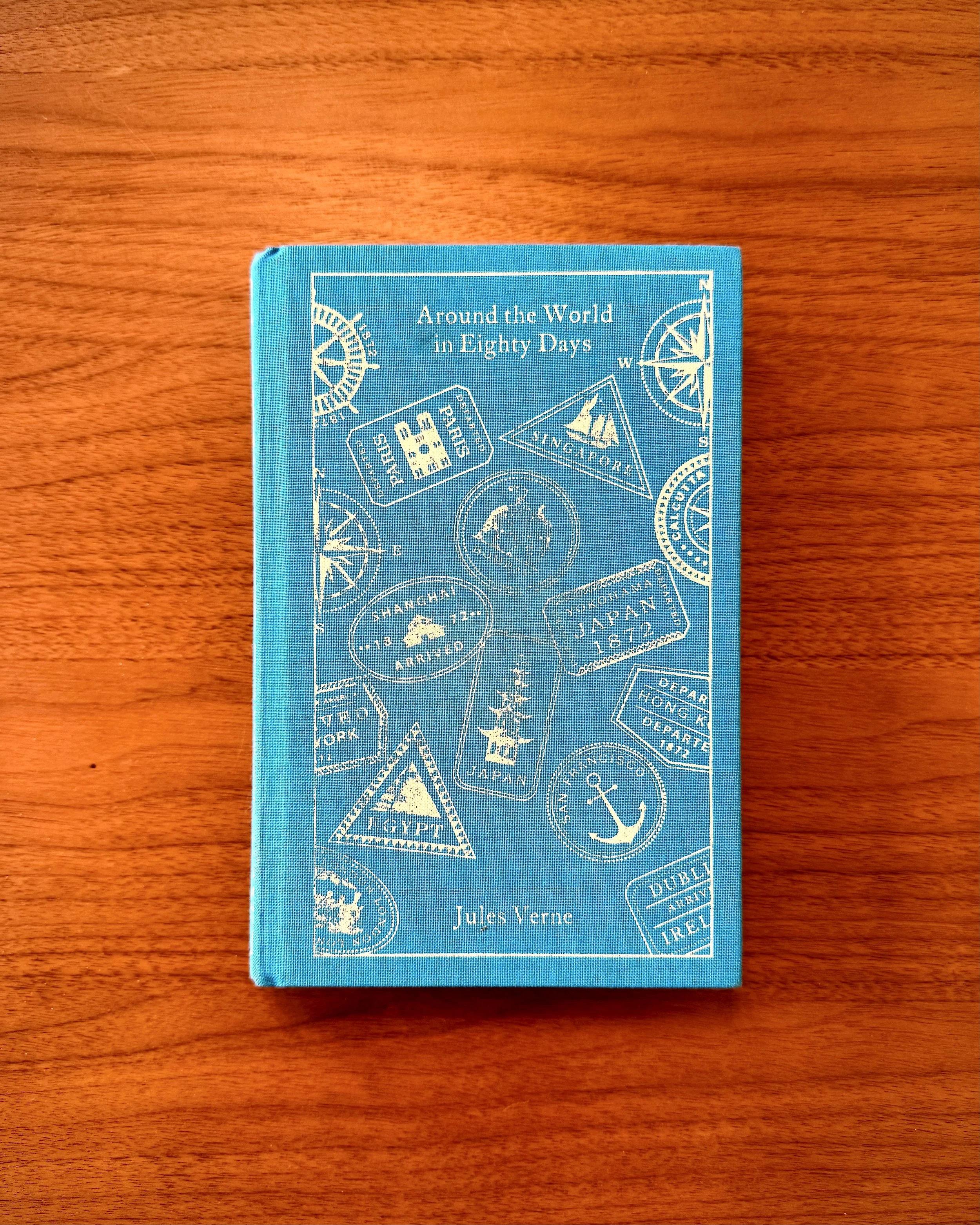
Jules Verne’s Around the World in Eighty Days follows the unflappable English gentleman Phileas Fogg, who wagers that he can circumnavigate the globe in just eighty days—a feat nearly impossible in 1872. With his loyal but chaotic valet Passepartout, Fogg races across continents by train, steamer, elephant, and anything else he can commandeer, all while being tailed by a detective convinced he’s a bank robber. Verne blends adventure, humor, and technological wonder into a fast‑paced classic about determination, ingenuity, and the thrill of a world rapidly shrinking through innovation.
Michael’s Review: This is a fun and quick read. I highly recommend it for anyone with wanderlust who likes to dream about faraway places.
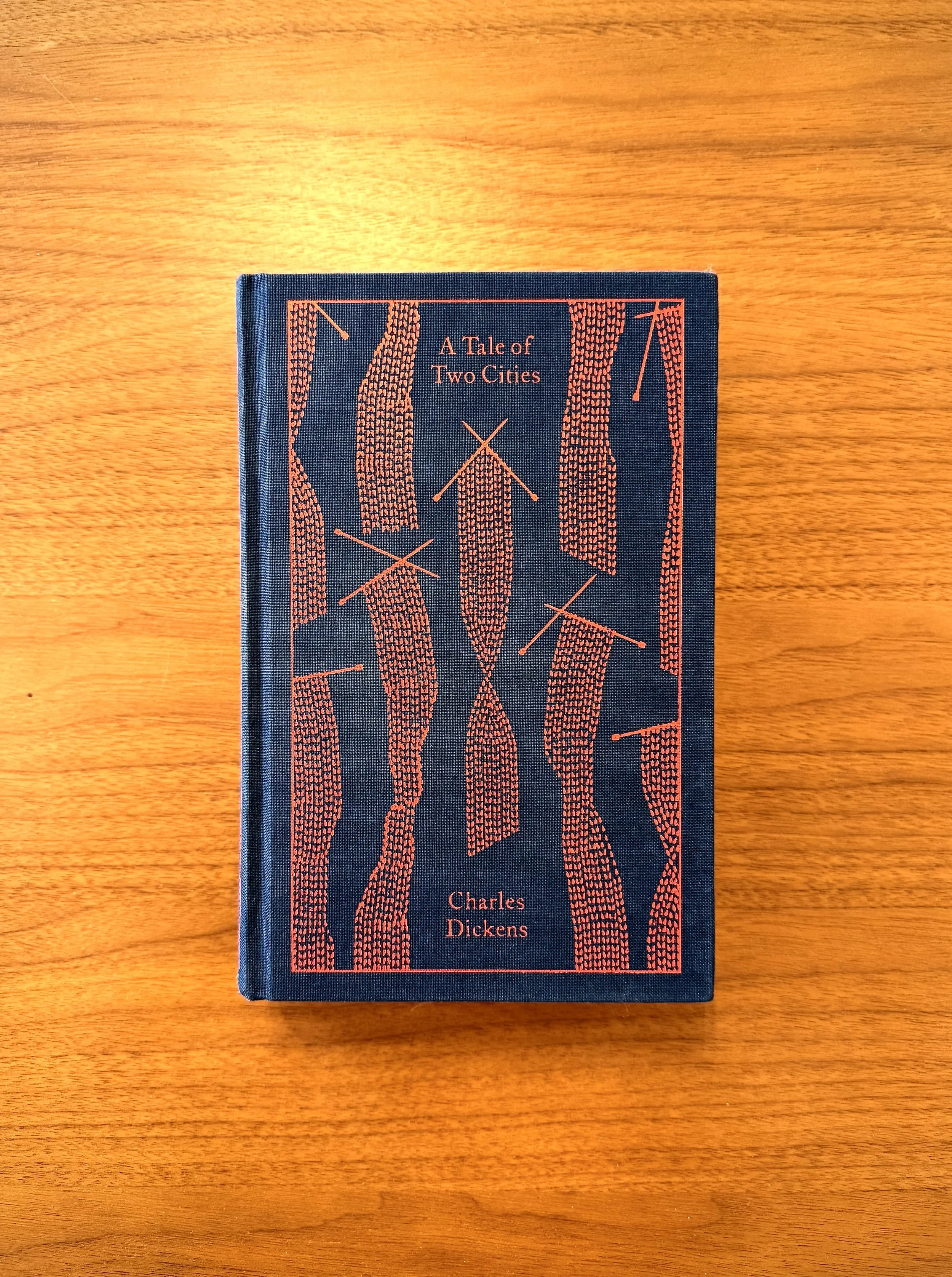
Charles Dickens’s A Tale of Two Cities unfolds across London and Paris during the turbulent years of the French Revolution, following the intertwined lives of Charles Darnay, a French aristocrat rejecting his family’s cruelty, and Sydney Carton, a brilliant but broken English lawyer. As political violence erupts and personal loyalties are tested, Carton’s unrequited love for Lucie Manette drives him toward one of literature’s most iconic acts of sacrifice. Dickens blends romance, revolution, and moral reckoning into a sweeping story about resurrection, justice, and the cost of a society pushed to its breaking point.
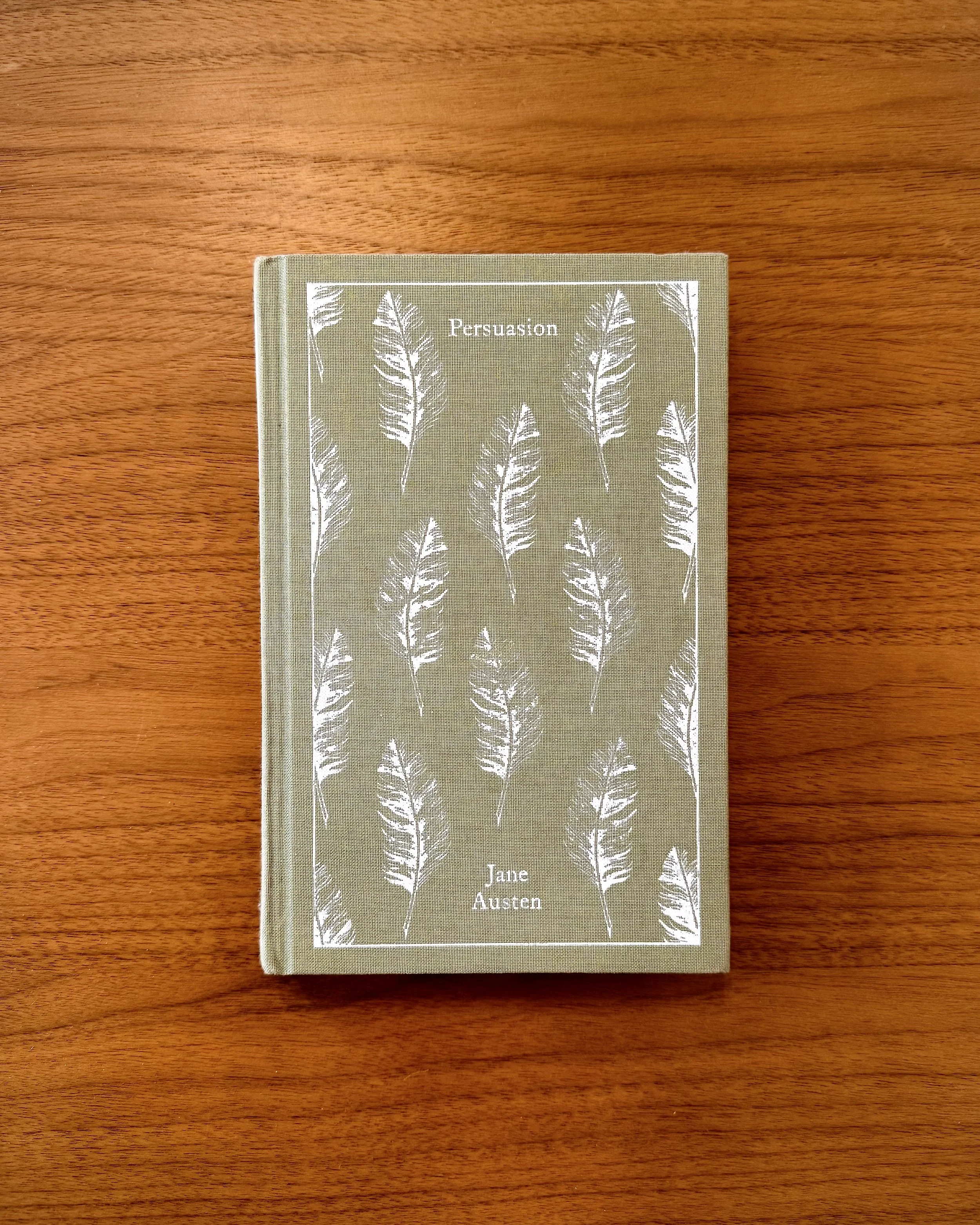

Jane Austen’s Persuasion centers on Anne Elliot, a gentle, intelligent woman who once broke off her engagement to Frederick Wentworth after being persuaded he wasn’t a suitable match. Eight years later, Wentworth returns as a successful naval captain—and the two must navigate pride, regret, and lingering affection as they move through a world obsessed with status and appearances. Austen crafts a quieter, more mature love story about second chances, emotional resilience, and the courage to choose one’s own happiness.
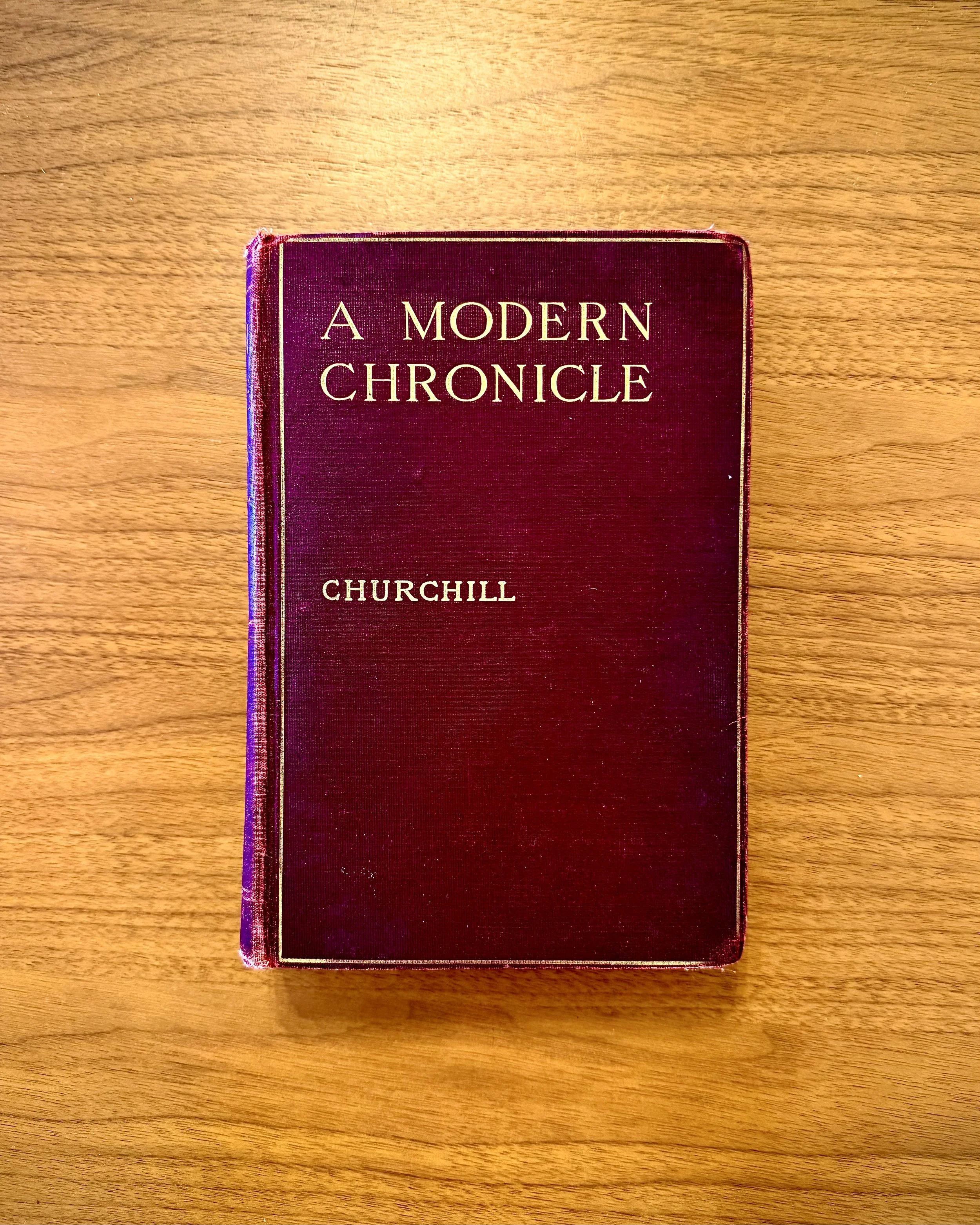
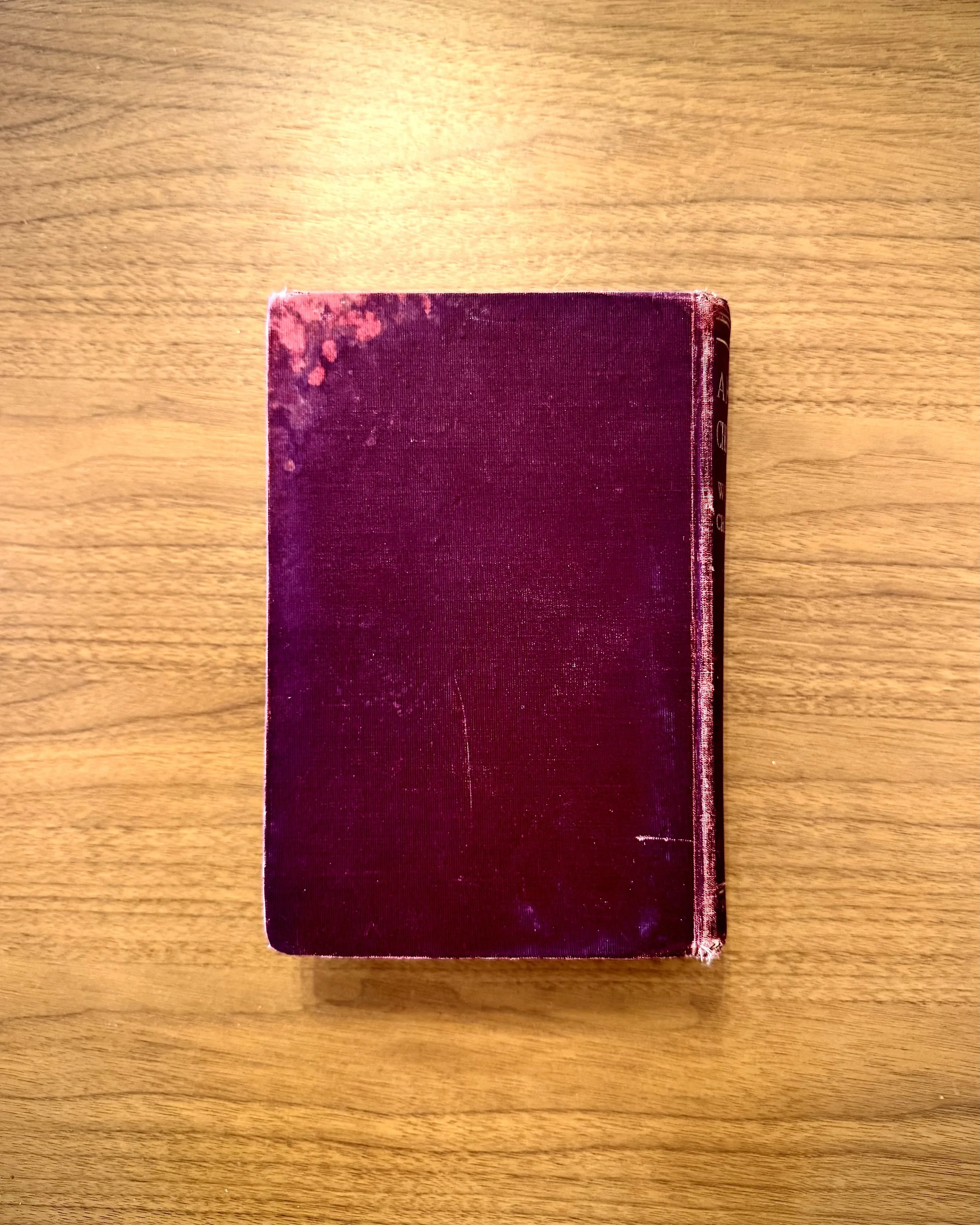
A Modern Chronicle is a 1910 best‑selling novel by the American writer Winston Churchill — not the British statesman, but the popular U.S. novelist of the same name. It was one of the most widely read books in America that year, ranking as the second best‑selling novel of 1910 and topping The Bookman’s monthly lists in June and July. The story follows Honora Leffingwell, a young woman navigating ambition, marriage, divorce, and social climbing in early‑20th‑century America. Churchill uses her life to explore what he called “the problem of the modern woman” — how women’s roles were changing in a society shaped by industrialization, wealth, and shifting moral expectations.
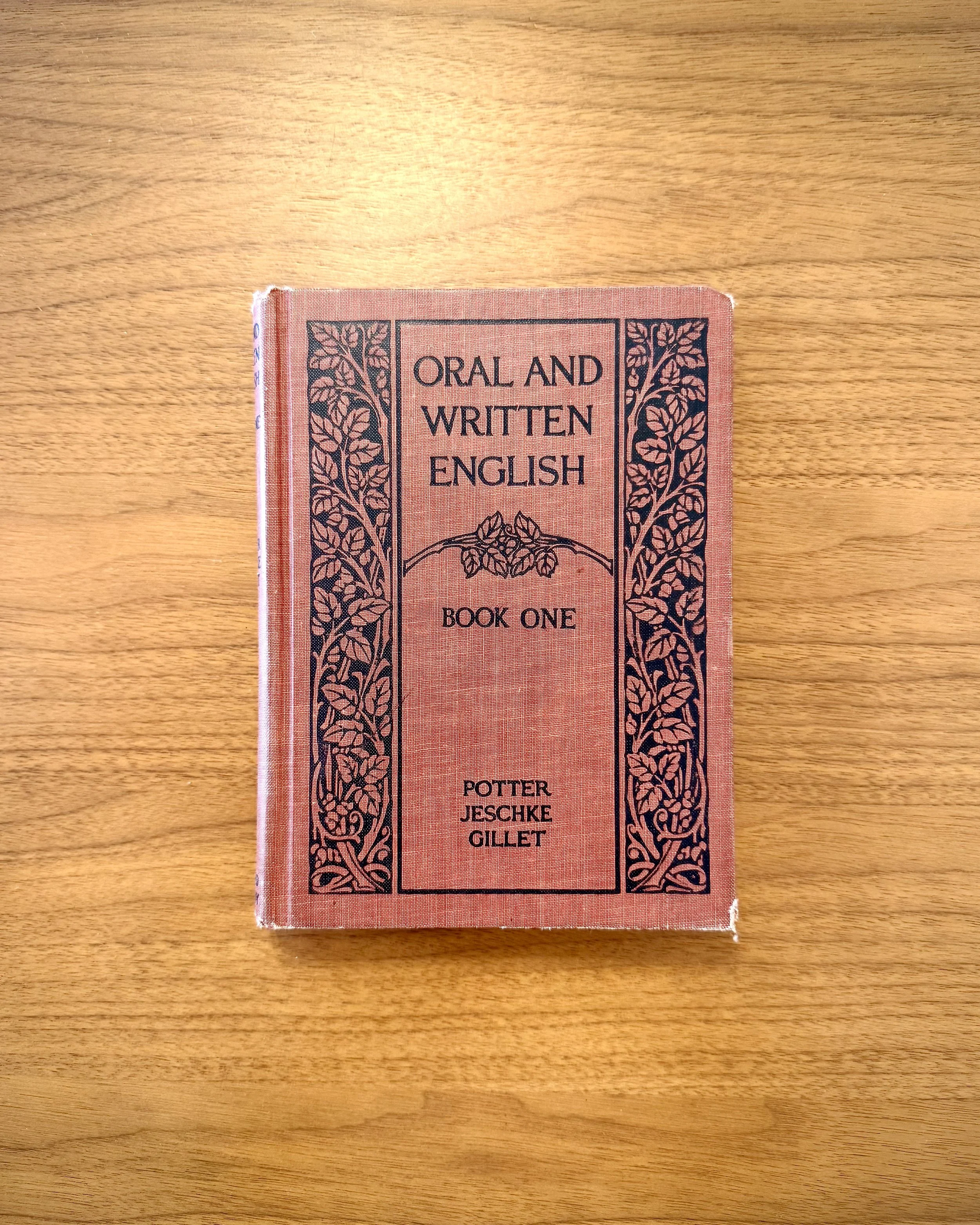

Milton C. Potter, H. Jeschke, and Harry O. Gillet’s Oral and Written English is an early‑20th‑century instructional text designed to teach students foundational communication skills through storytelling, picture studies, letter writing, vocabulary practice, and guided composition. The book blends oral exercises with written assignments, encouraging students to speak clearly, write thoughtfully, and build confidence through daily practice. Its lessons move from simple narrative tasks to more advanced grammar, usage, and punctuation, forming a comprehensive language curriculum for elementary learners.
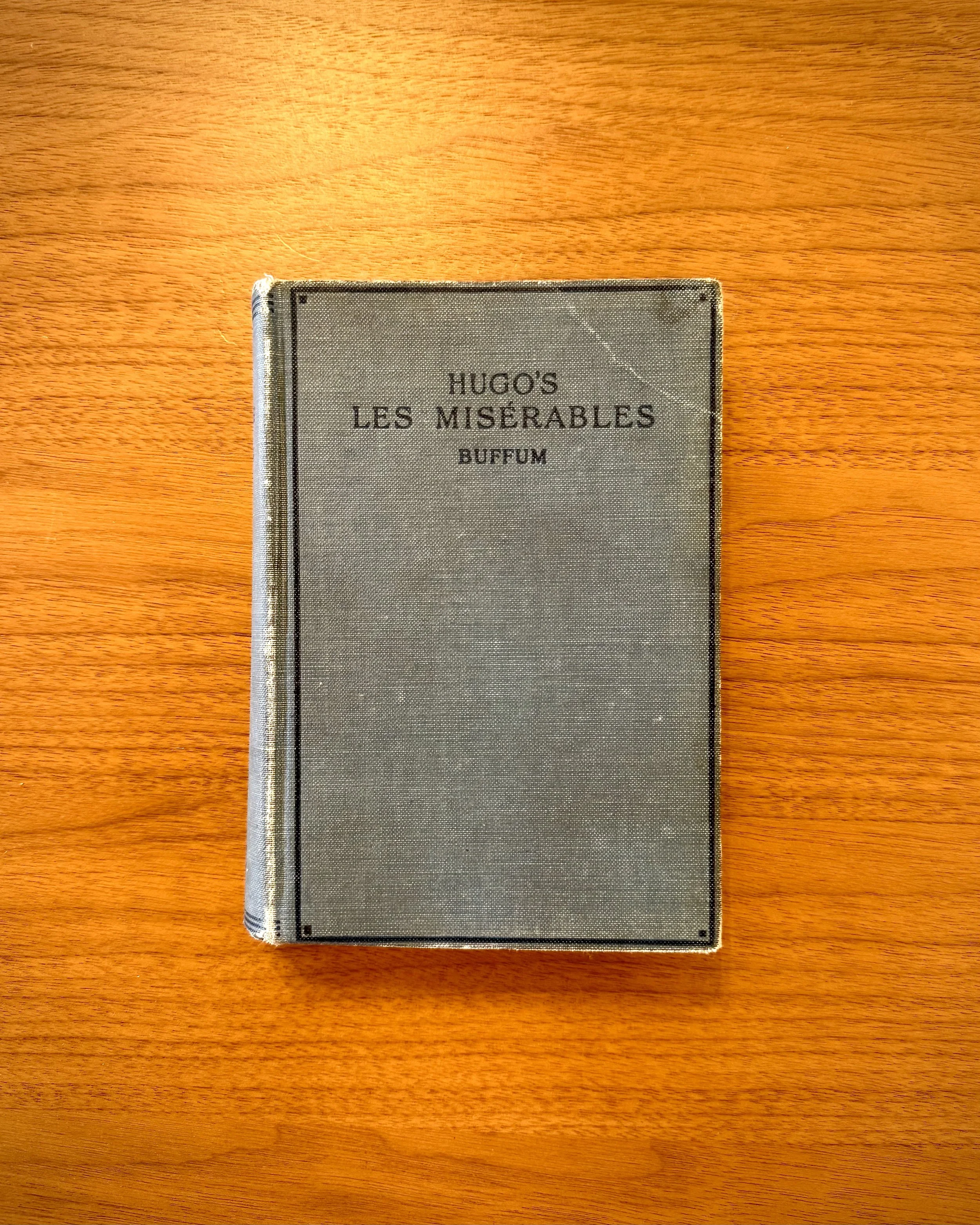

(French Langauge Version) Victor Hugo’s Les Misérables follows Jean Valjean, a former convict seeking redemption while being relentlessly pursued by Inspector Javert across a France shaken by poverty, injustice, and political upheaval. As Valjean’s life intertwines with Fantine, Cosette, Marius, and the student revolutionaries of Paris, the novel explores the collision of mercy and law, love and sacrifice, and the brutal realities of a society failing its most vulnerable. Hugo delivers an epic, emotionally sweeping story about moral transformation, human dignity, and the enduring fight for justice.


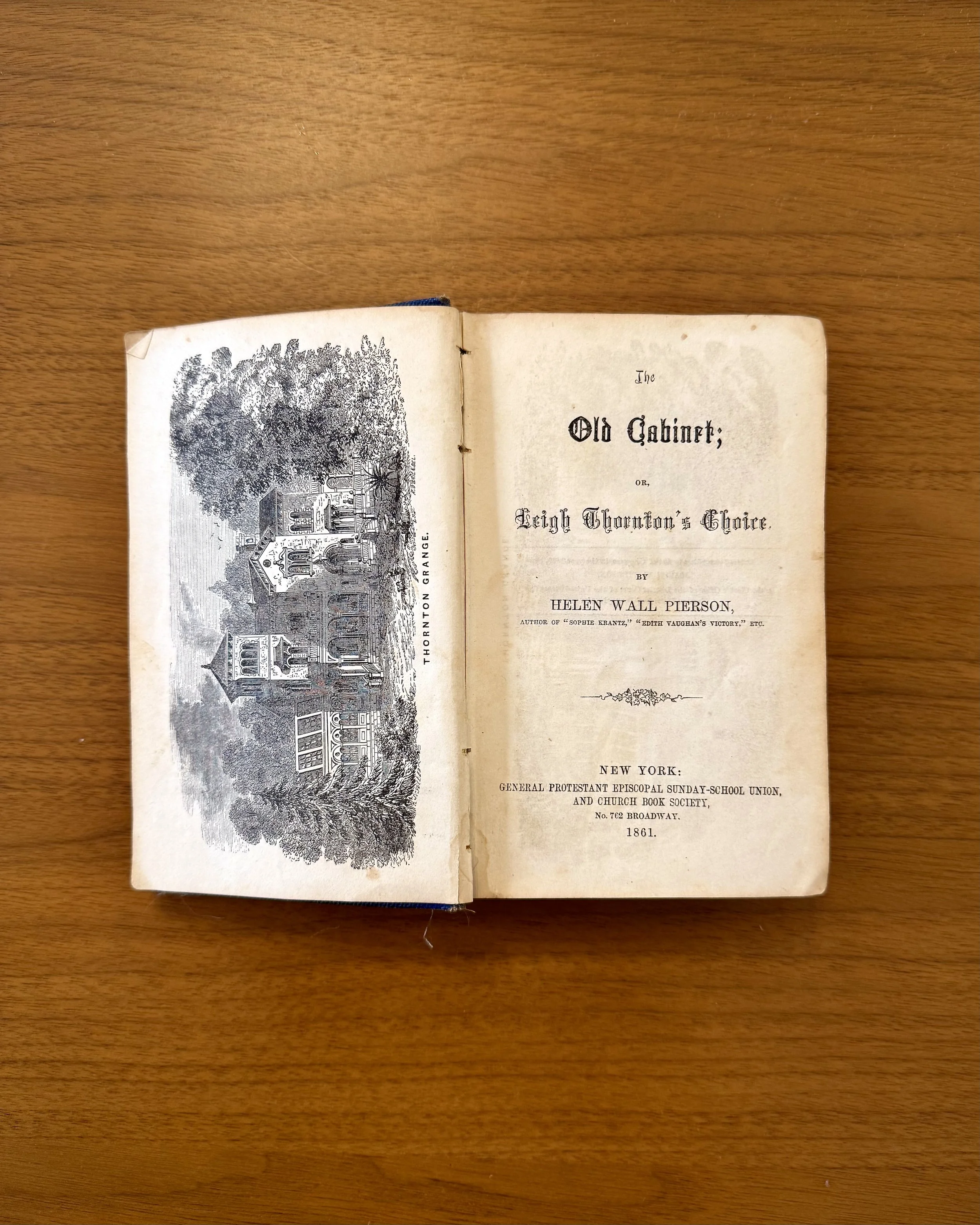
Helen Wall Pierson’s The Old Cabinet; or, Leigh Thornton’s Choice is a 19th-century inspirational moral novel that follows young Leigh Thornton as he navigates the heavy expectations of his family at their English estate, Thornton Grange. Forced to confront deep-seated family duties, questions of inheritance, and his own spiritual convictions, Leigh faces a pivotal crossroad where his personal desires clash with his moral obligations. Written for young nineteenth-century readers, Pierson blends Victorian domestic drama with earnest religious devotion, crafting a gentle, instructive tale about faith, conscience, and the enduring power of choosing a righteous path.
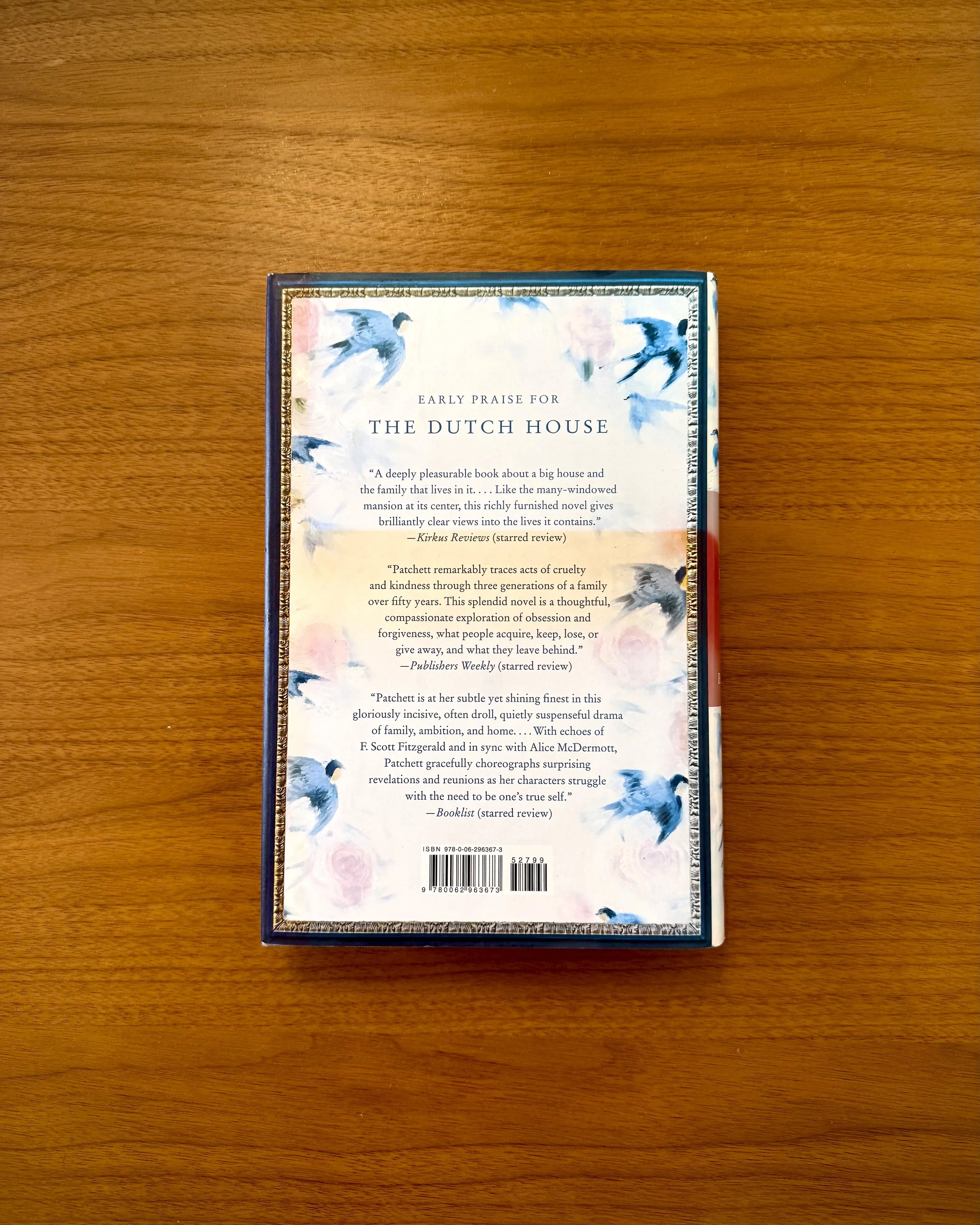
Ann Patchett’s The Dutch House follows siblings Danny and Maeve Conroy, whose lives are shaped—and haunted—by the opulent mansion their father bought and the stepmother who forced them out. Told over five decades, the novel traces how the siblings cling to each other as they navigate abandonment, resentment, and the long shadow of a childhood they can’t escape. Patchett delivers a moving, sharply observed story about memory, forgiveness, and the homes we carry with us long after we’ve left them behind.
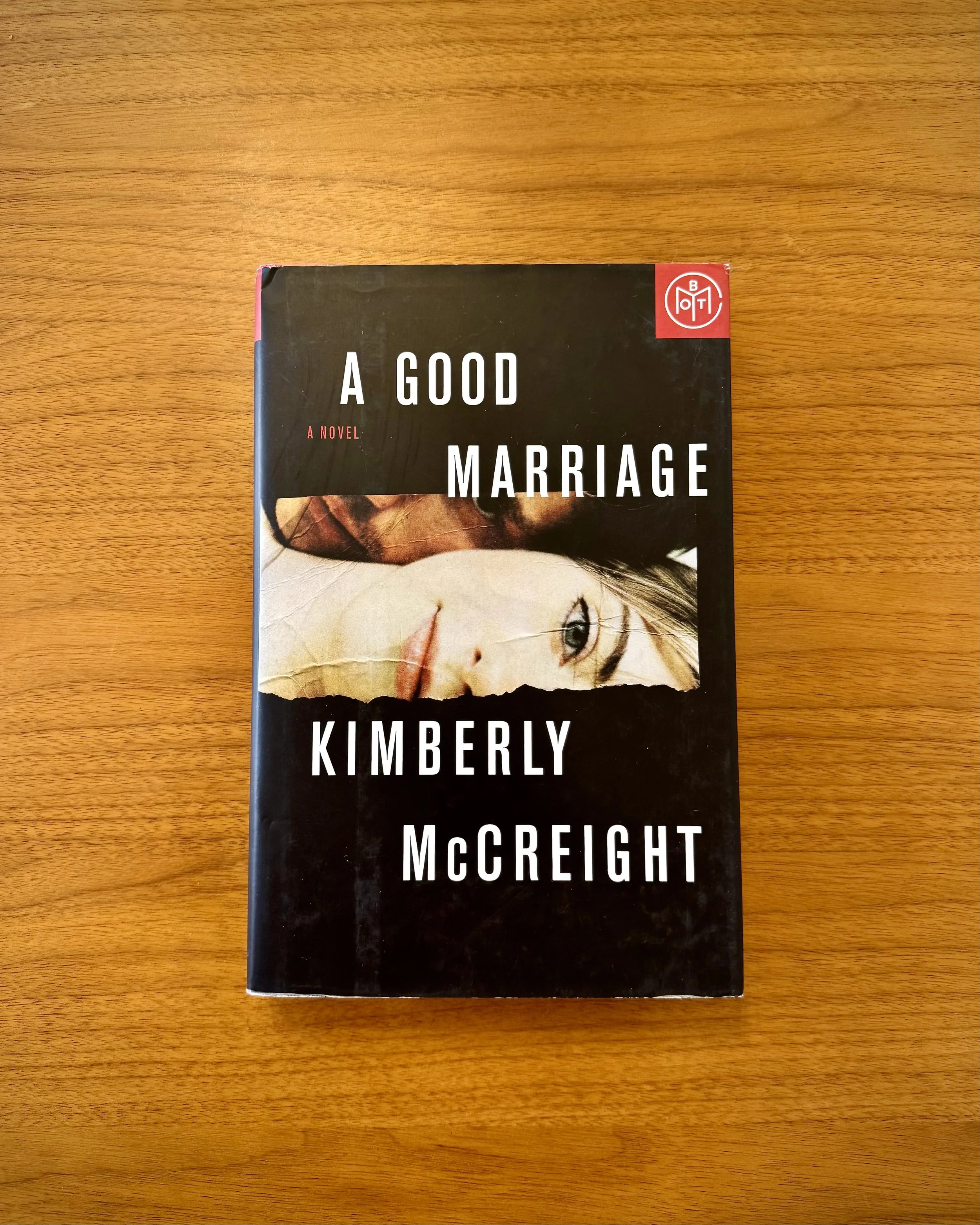

Kimberly McCreight’s A Good Marriage follows Lizzie Kitsakis, a former federal prosecutor whose life is already unraveling when an old friend calls from Rikers, accused of murdering his wife. As Lizzie digs into the glossy, privileged world of Park Slope parents, she uncovers a maze of lies, infidelity, and buried secrets that challenge everything she believes about trust and commitment. McCreight blends legal suspense with domestic drama, revealing how even the most “perfect” marriages can hide devastating truths.
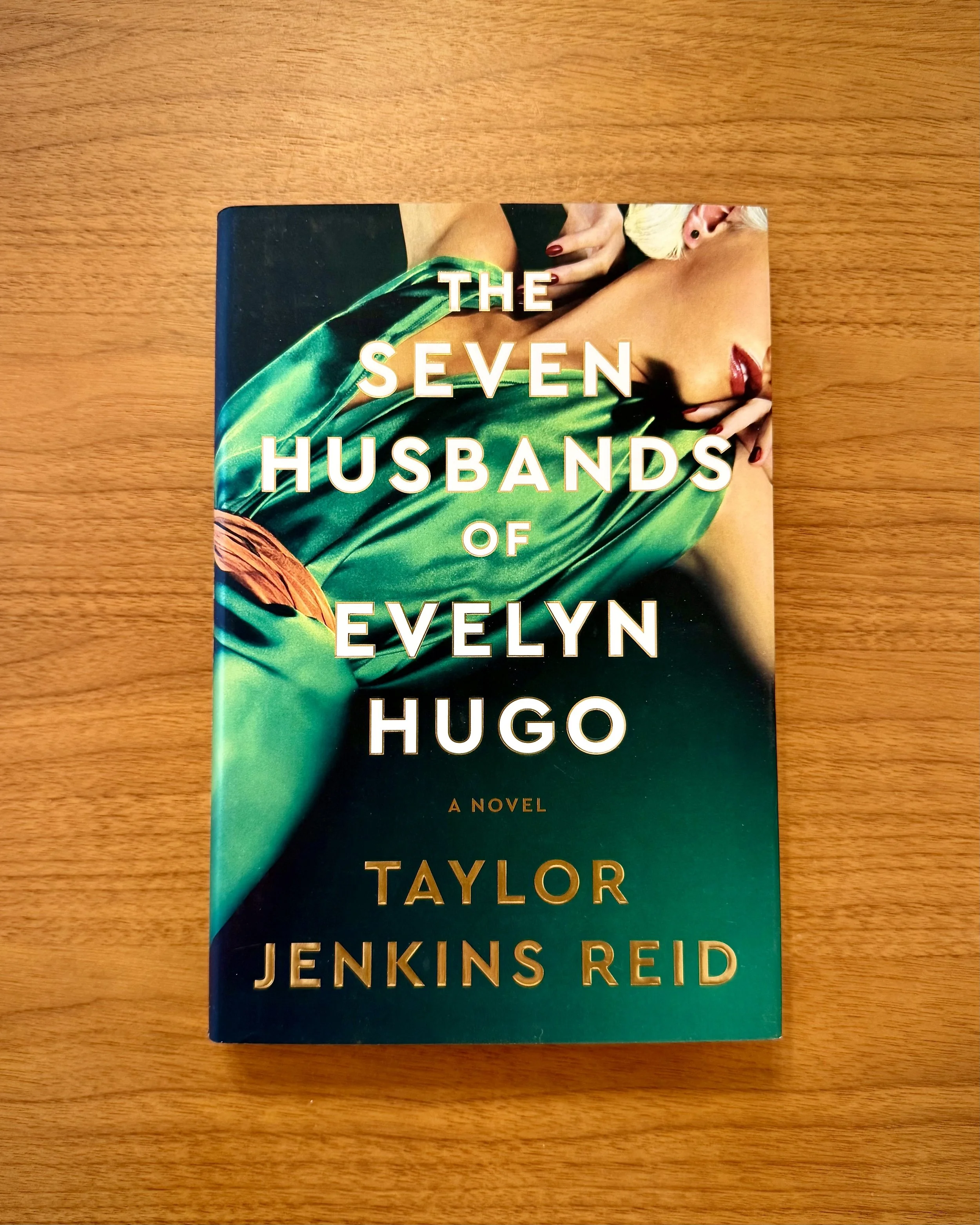
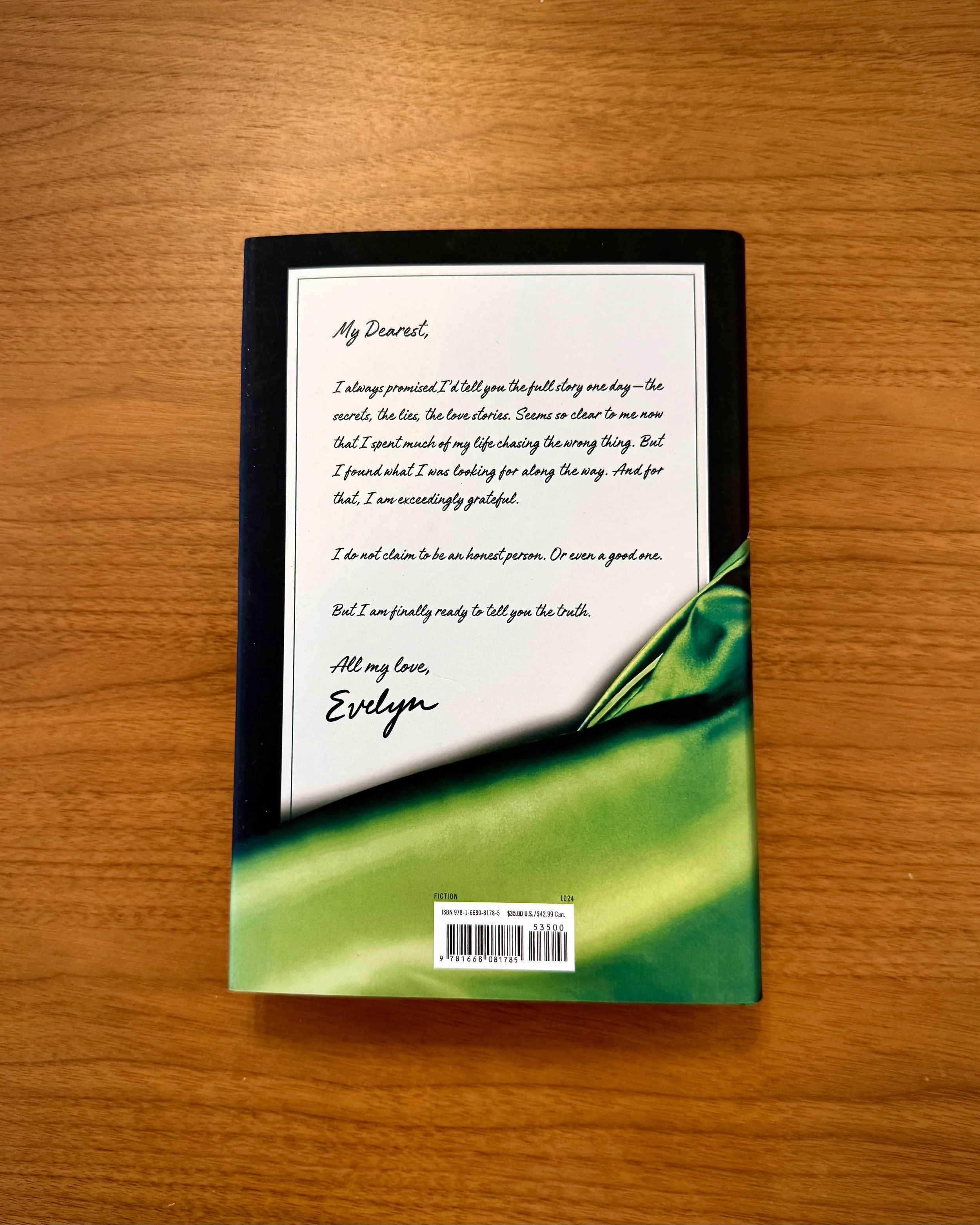
Taylor Jenkins Reid’s The Seven Husbands of Evelyn Hugo follows reclusive Hollywood icon Evelyn Hugo as she handpicks an unknown journalist, Monique Grant, to write her life story—one filled with ambition, sacrifice, forbidden love, and the brutal cost of fame. As Evelyn recounts her seven marriages and the woman she truly loved, Monique begins to understand why she was chosen—and how Evelyn’s past is entwined with her own. Reid delivers a glamorous, emotionally charged story about identity, power, and the truths we hide to survive.v
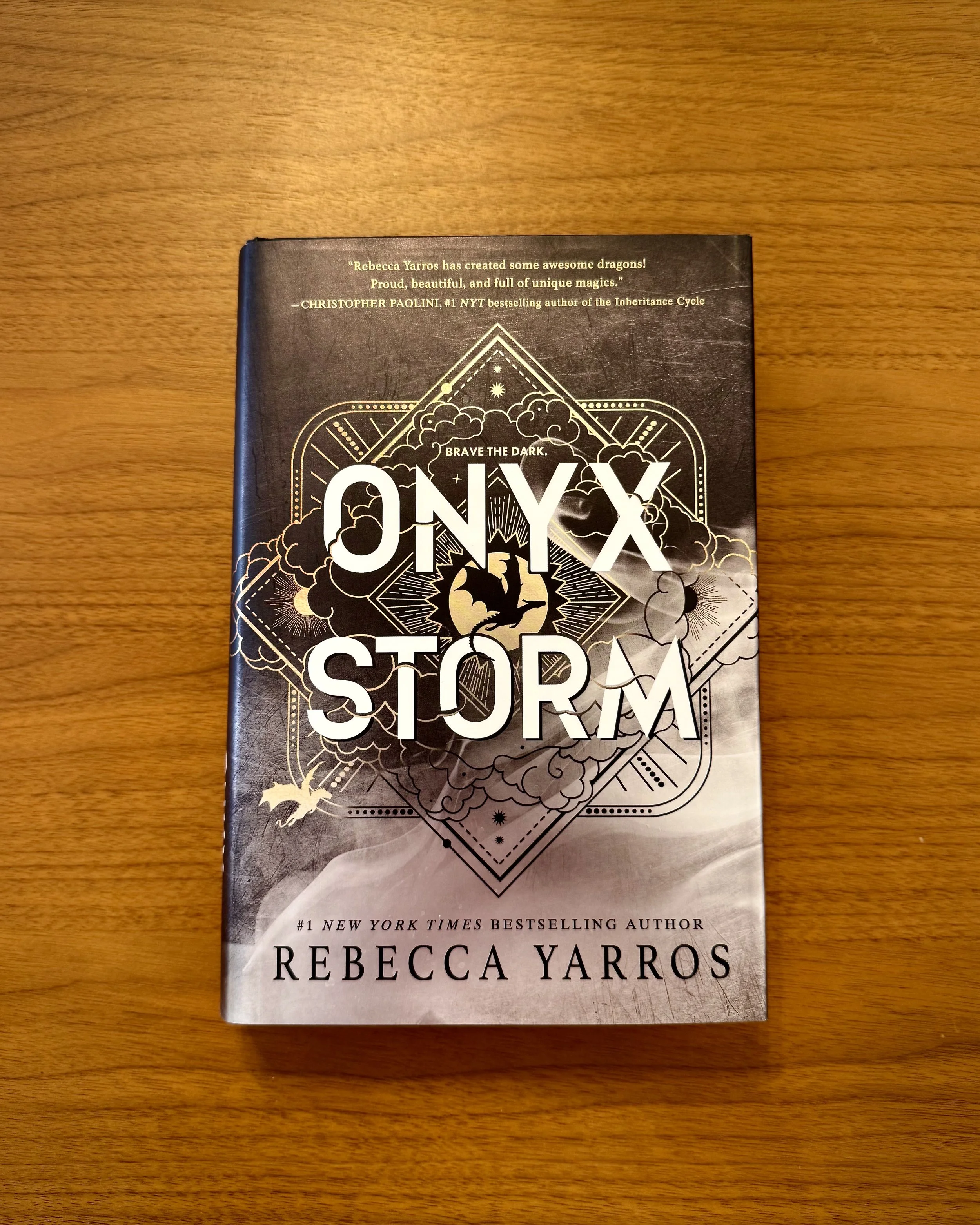
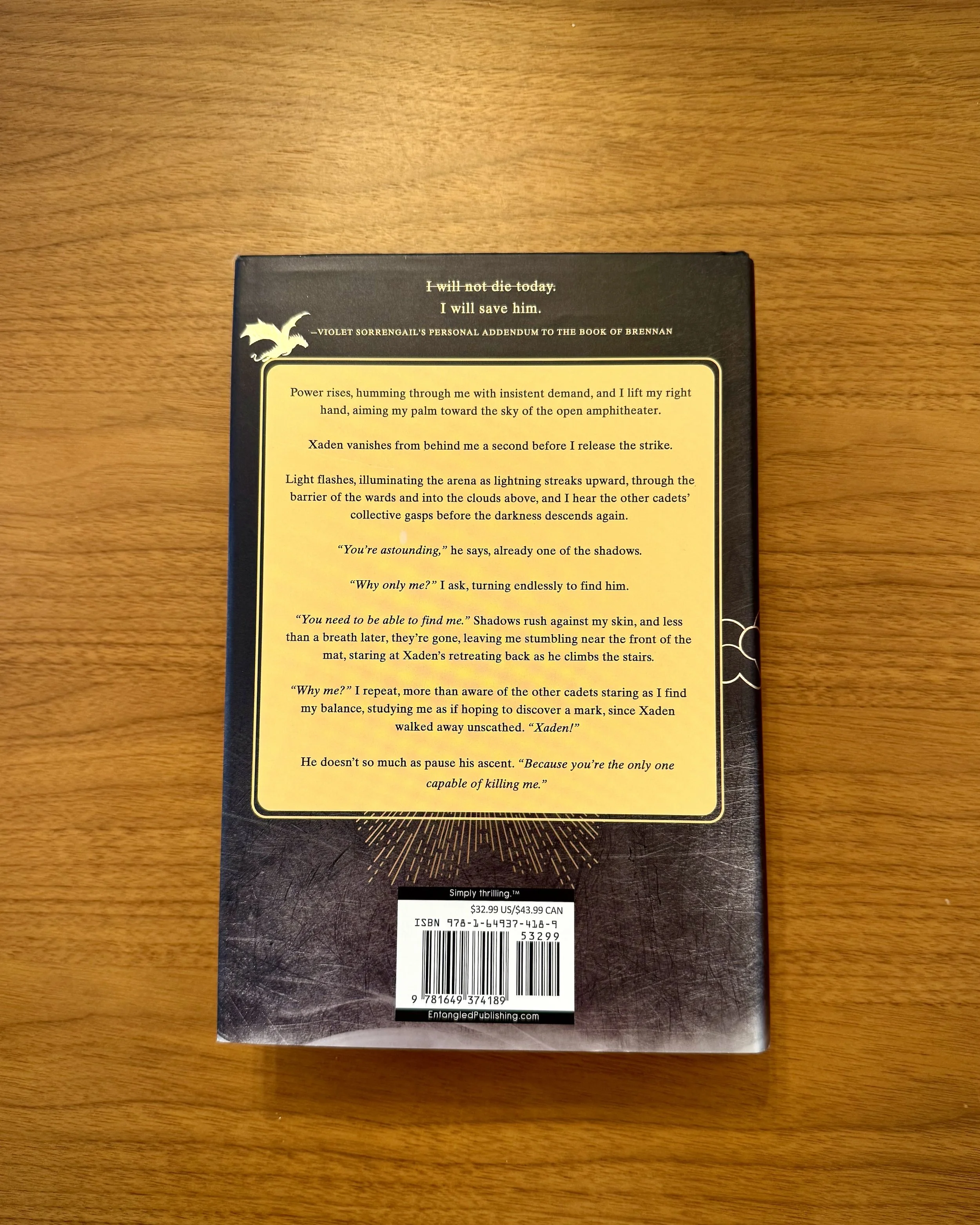
Rebecca Yarros’s Onyx Storm continues the Empyrean saga as Violet Sorrengail faces the brutal fallout of war, betrayal, and the shifting alliances that threaten Basgiath and the entire kingdom. With political tensions rising, deadly secrets surfacing, and her bond with Xaden pushed to its breaking point, Violet must decide who she can trust—and what she’s willing to sacrifice. Yarros blends high‑stakes action, emotional intensity, and dragon‑ridden fantasy into a story about power, loyalty, and survival when the world is on fire.
Michael’s Review: 3.5/5 stars. This novel is a page-turner that is part fantasy, part romance, and part drama.
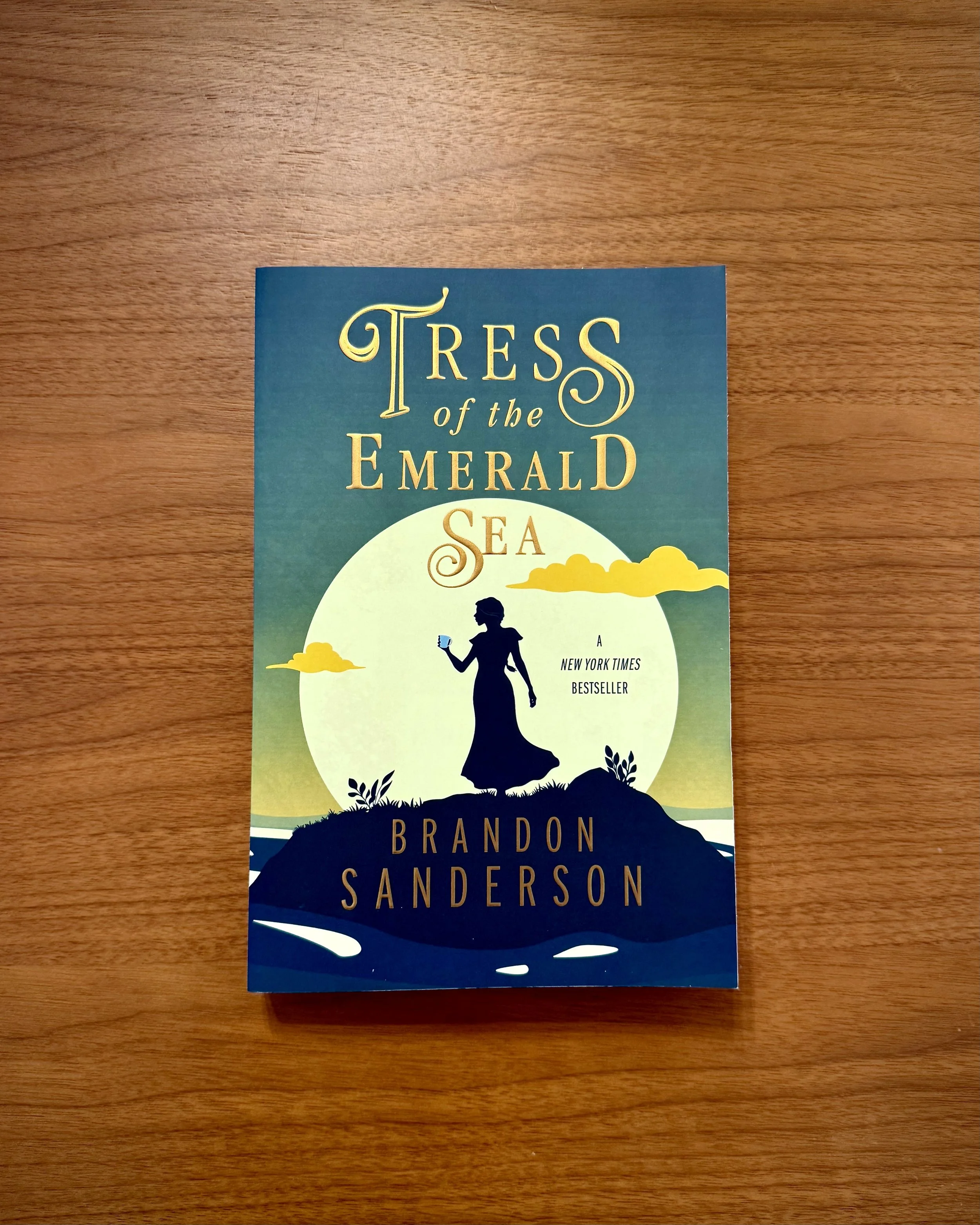
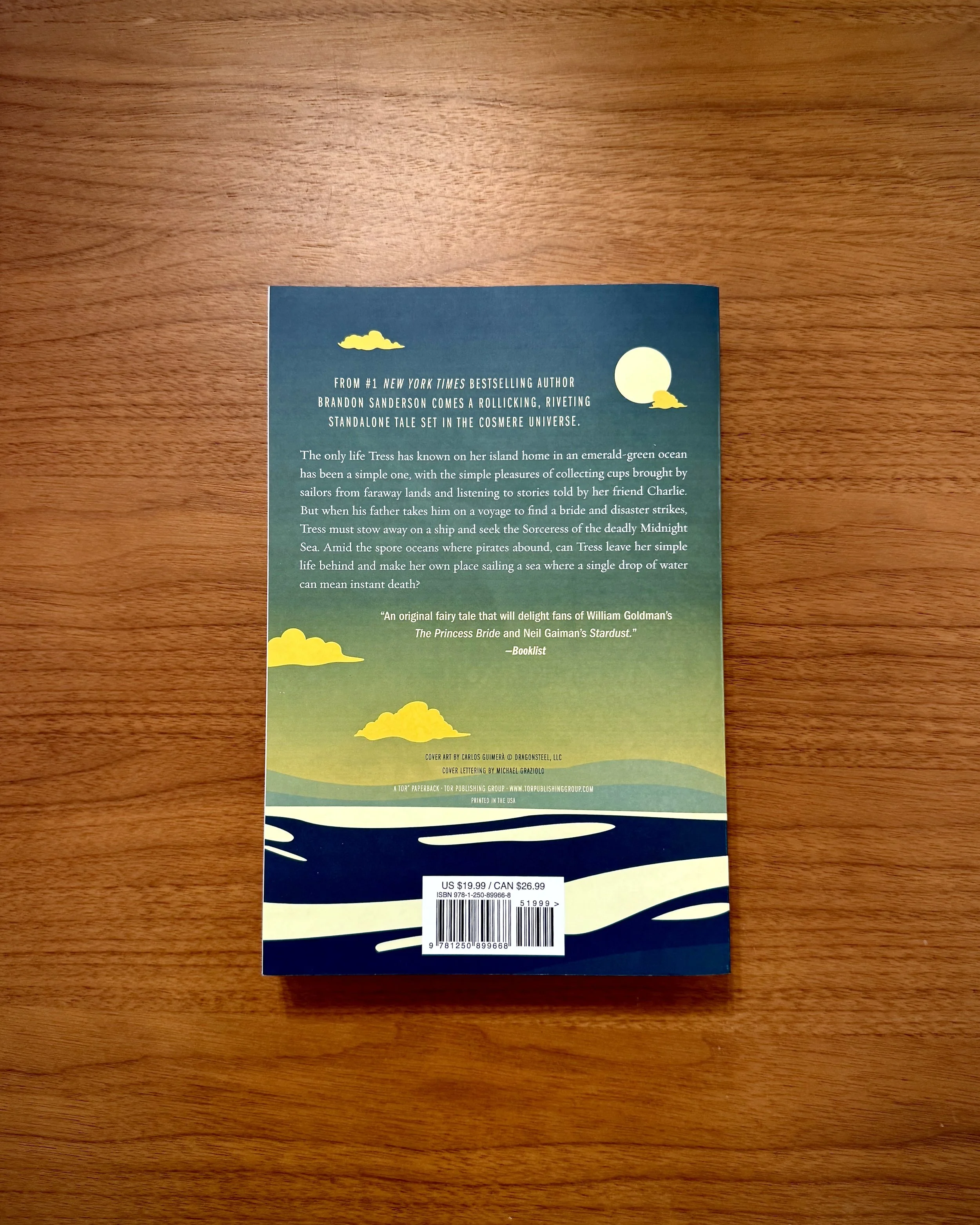
Brandon Sanderson’s Tress of the Emerald Sea follows Tress, a seemingly ordinary girl who leaves her quiet island home to rescue the boy she loves after he’s captured by a powerful Sorceress. Her journey across a perilous sea of spores forces her into uneasy alliances with pirates, a cursed crew, and unexpected magic, all while discovering her own courage and ingenuity. Sanderson blends whimsy, adventure, and emotional warmth in a fairy‑tale‑infused fantasy about love, bravery, and choosing your own destiny.
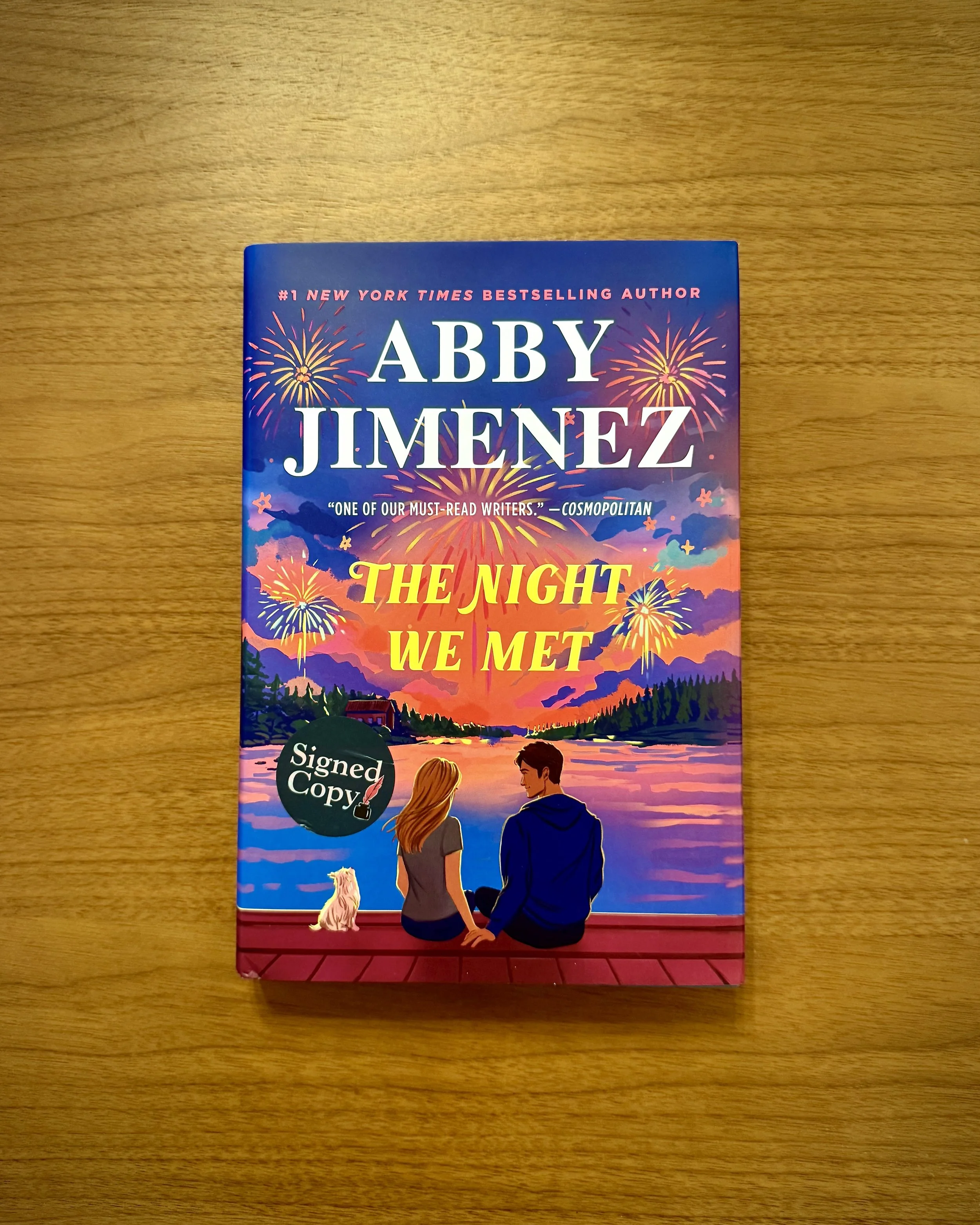
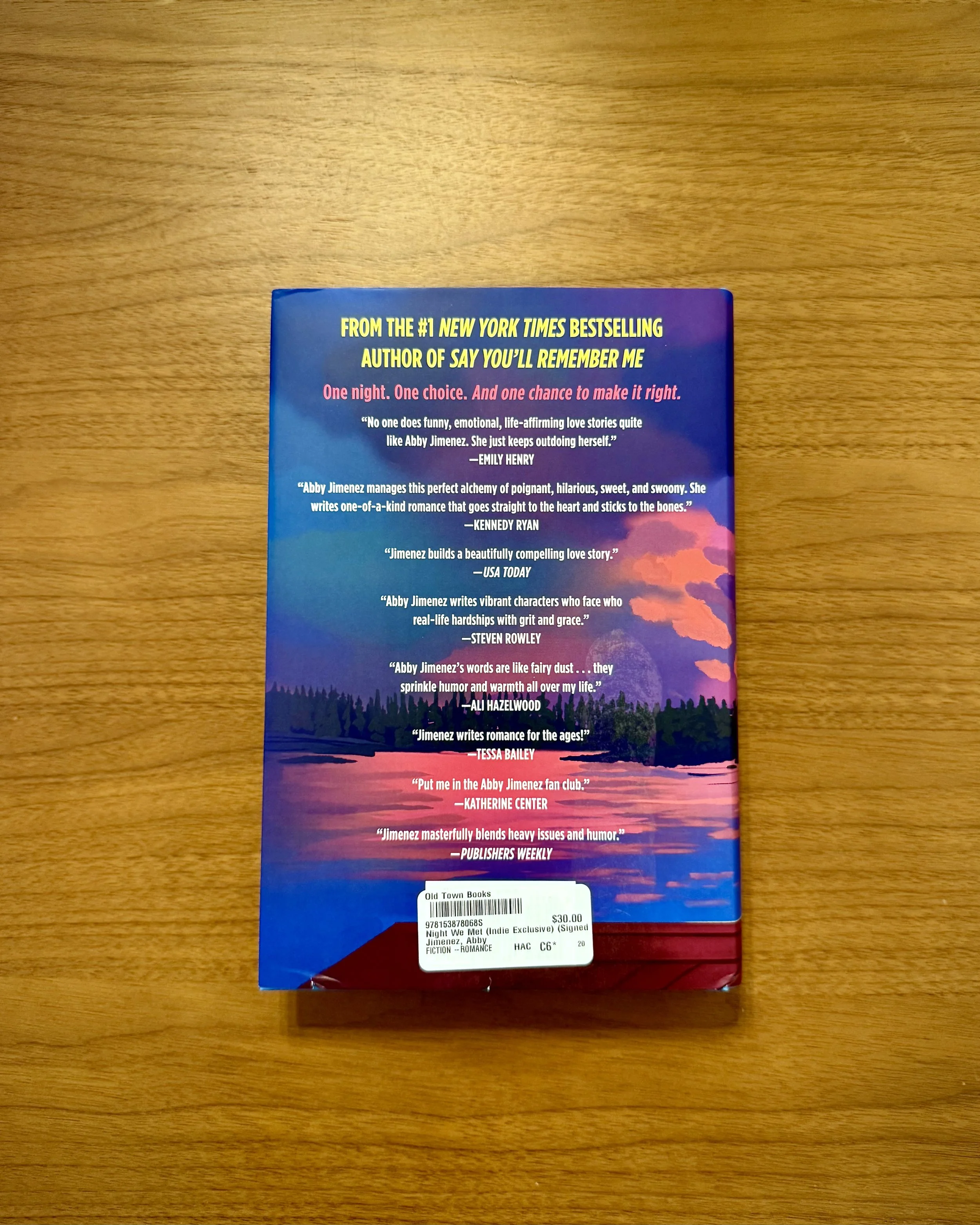
Abby Jimenez’s The Night We Met follows Larissa and Chris, two people whose lives are reshaped by a single, devastating moment after a concert. Months later, Larissa is dating Chris’s best friend, but an unexpected bond—and shared responsibility for a rescue dog—keeps pulling them back into each other’s orbit. As they navigate overwhelming emotional burdens, including Larissa’s financial instability and the fallout of a loved one’s addiction, their connection deepens into a tender, agonizing slow‑burn defined by loyalty, vulnerability, and impossible choices.
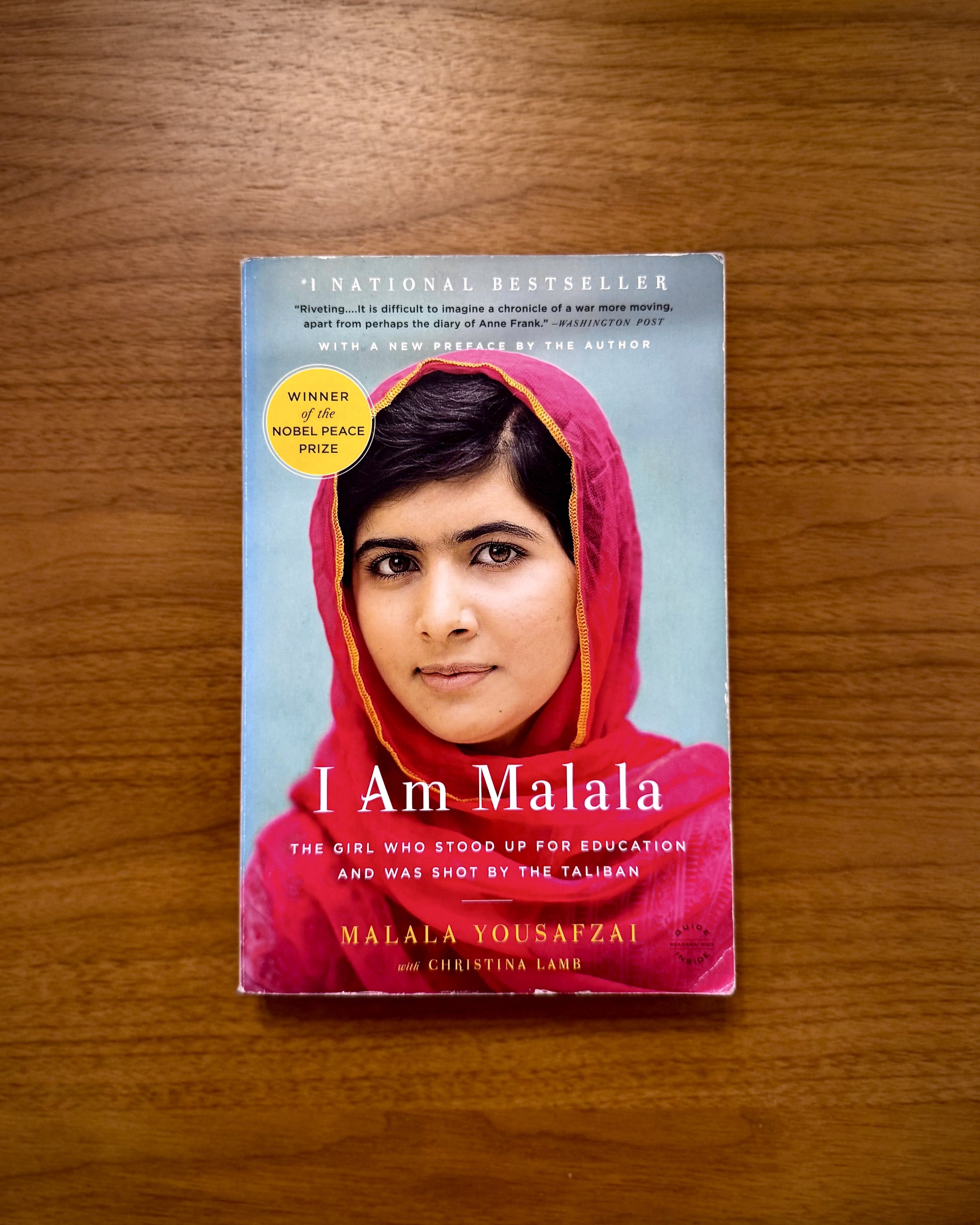
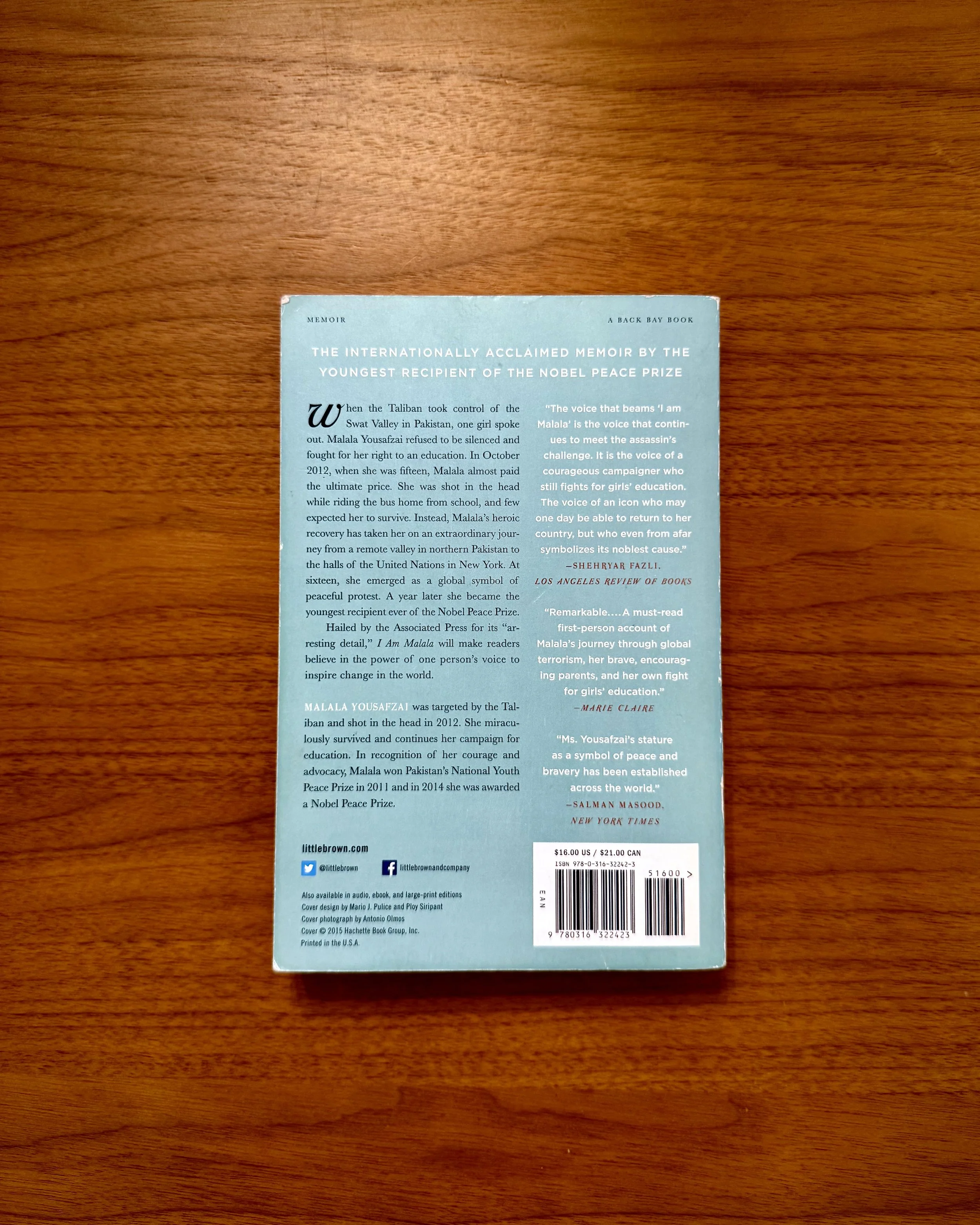
Malala Yousafzai’s I Am Malala is a powerful memoir about a Pakistani girl who refuses to be silenced when the Taliban bans girls’ education in the Swat Valley. Malala continues speaking out, becomes a target, survives an assassination attempt at age fifteen, and ultimately turns her recovery into a global movement for girls’ rights. It’s direct, courageous, and grounded in both personal story and political reality.
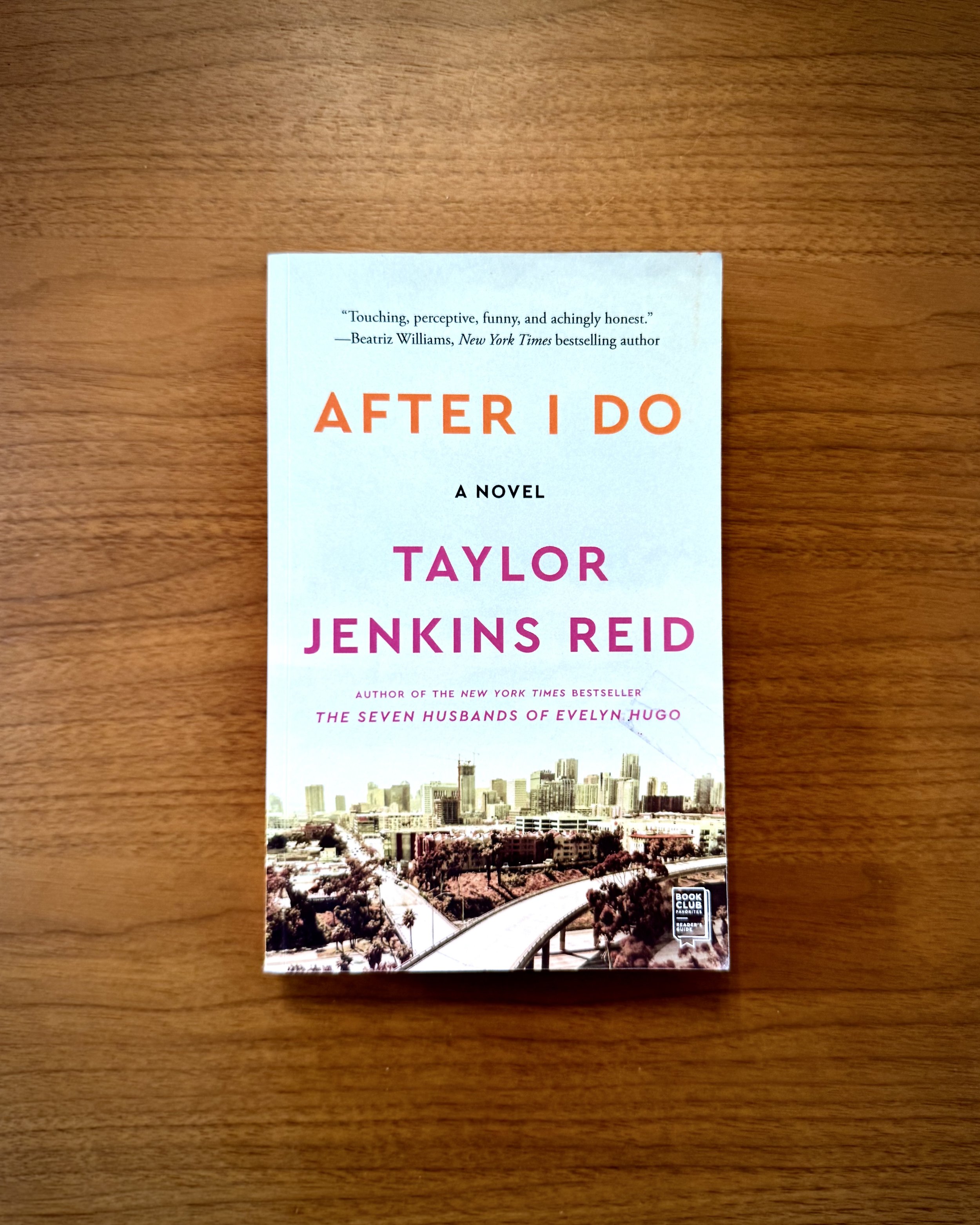
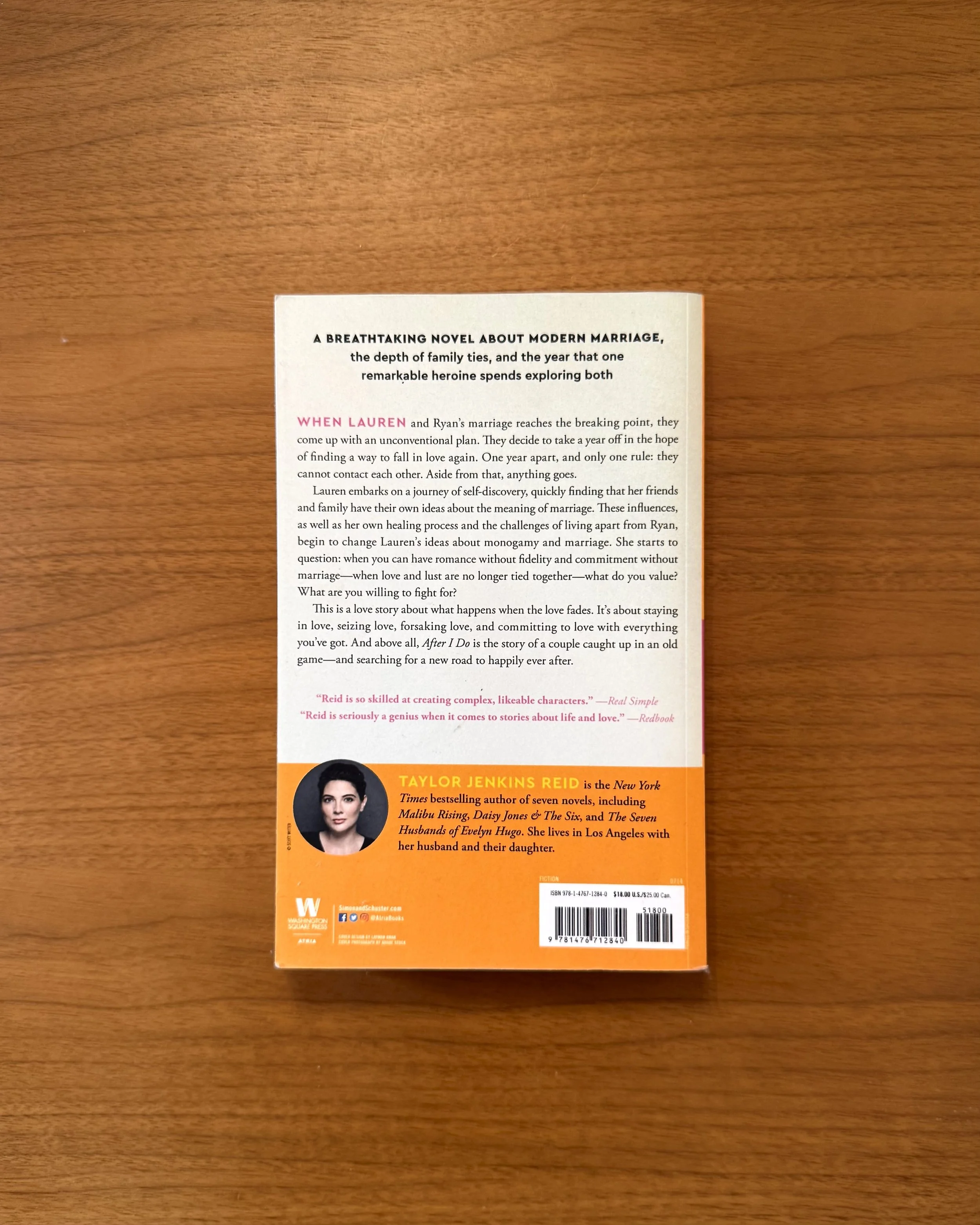
Taylor Jenkins Reid’s After I Do is an intimate, emotionally honest novel about a married couple—Lauren and Ryan—who decide to separate for one year with no contact at all after their relationship collapses under resentment and routine. The story follows Lauren as she rediscovers herself, her family, and what love looks like when it’s stripped of obligation. It’s warm, reflective, and grounded in the small, real moments that make or break long‑term relationships.
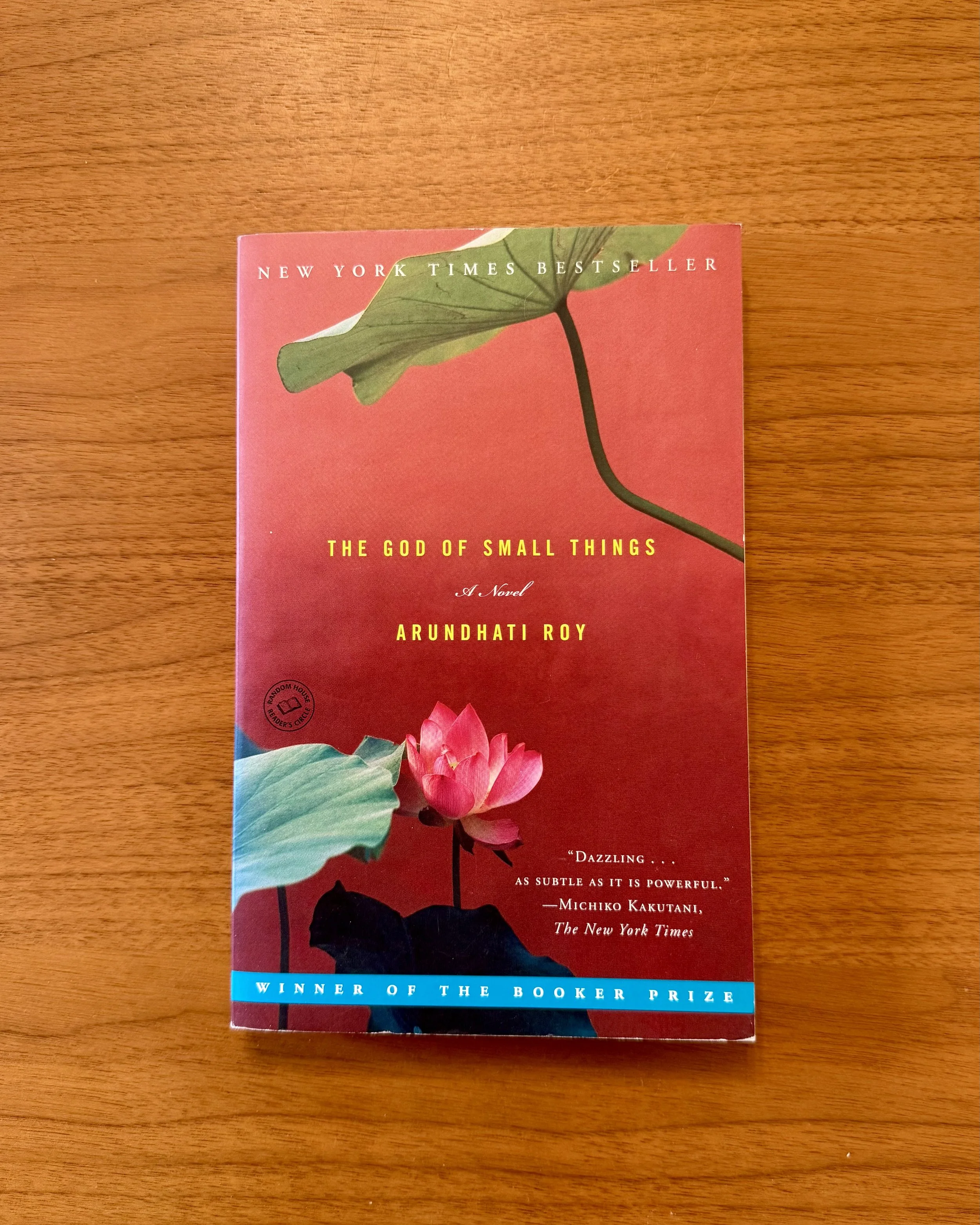
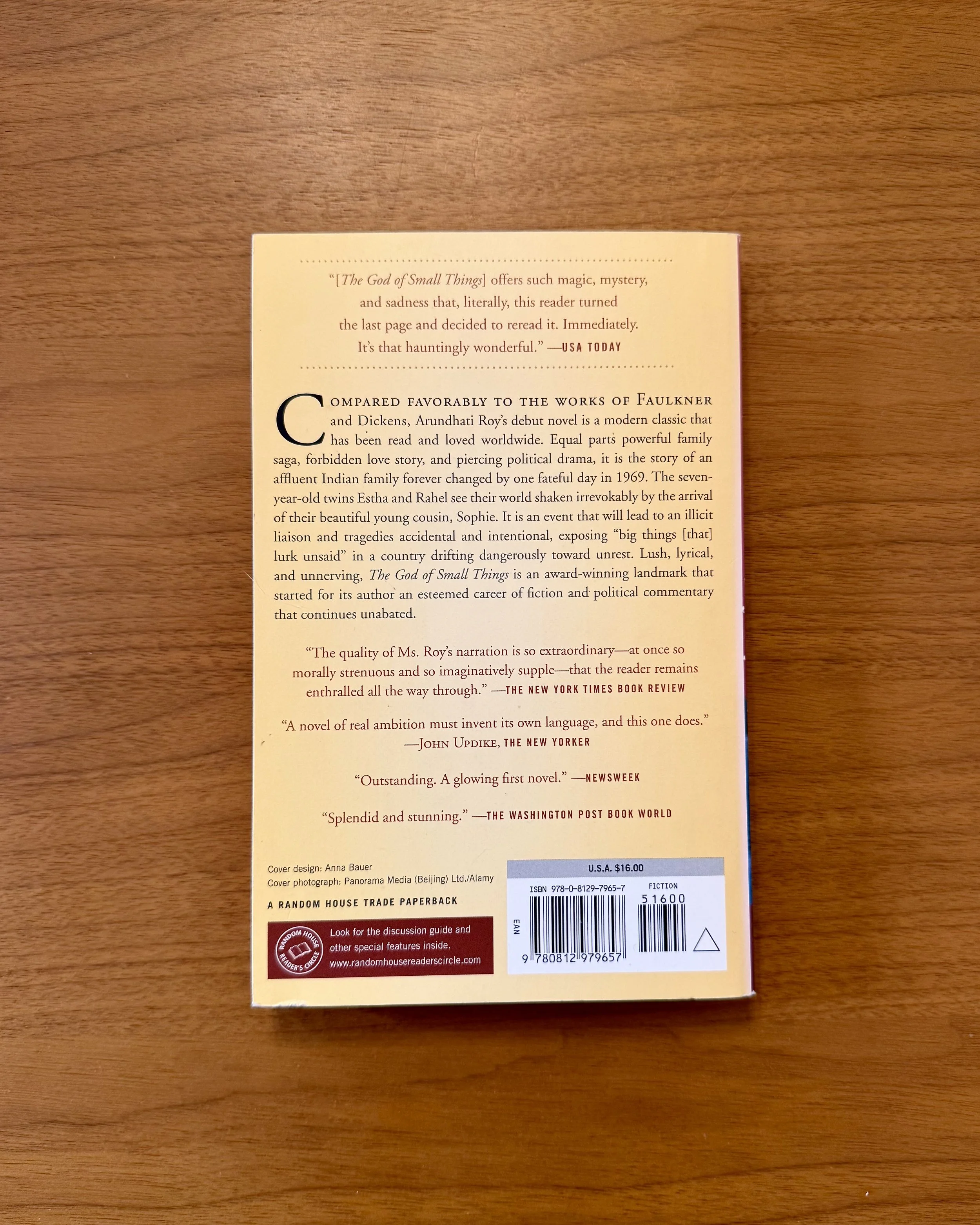
Arundhati Roy’s The God of Small Things is a lyrical, politically charged novel about fraternal twins Rahel and Estha, whose childhood in Kerala is shattered by a forbidden love affair and the rigid social rules that govern their family. The story moves fluidly between past and present, revealing how small moments, small cruelties, and small transgressions accumulate into a tragedy that shapes their entire lives. Roy blends memory, caste politics, family secrets, and the ache of lost innocence into a narrative that’s both intimate and sweeping.
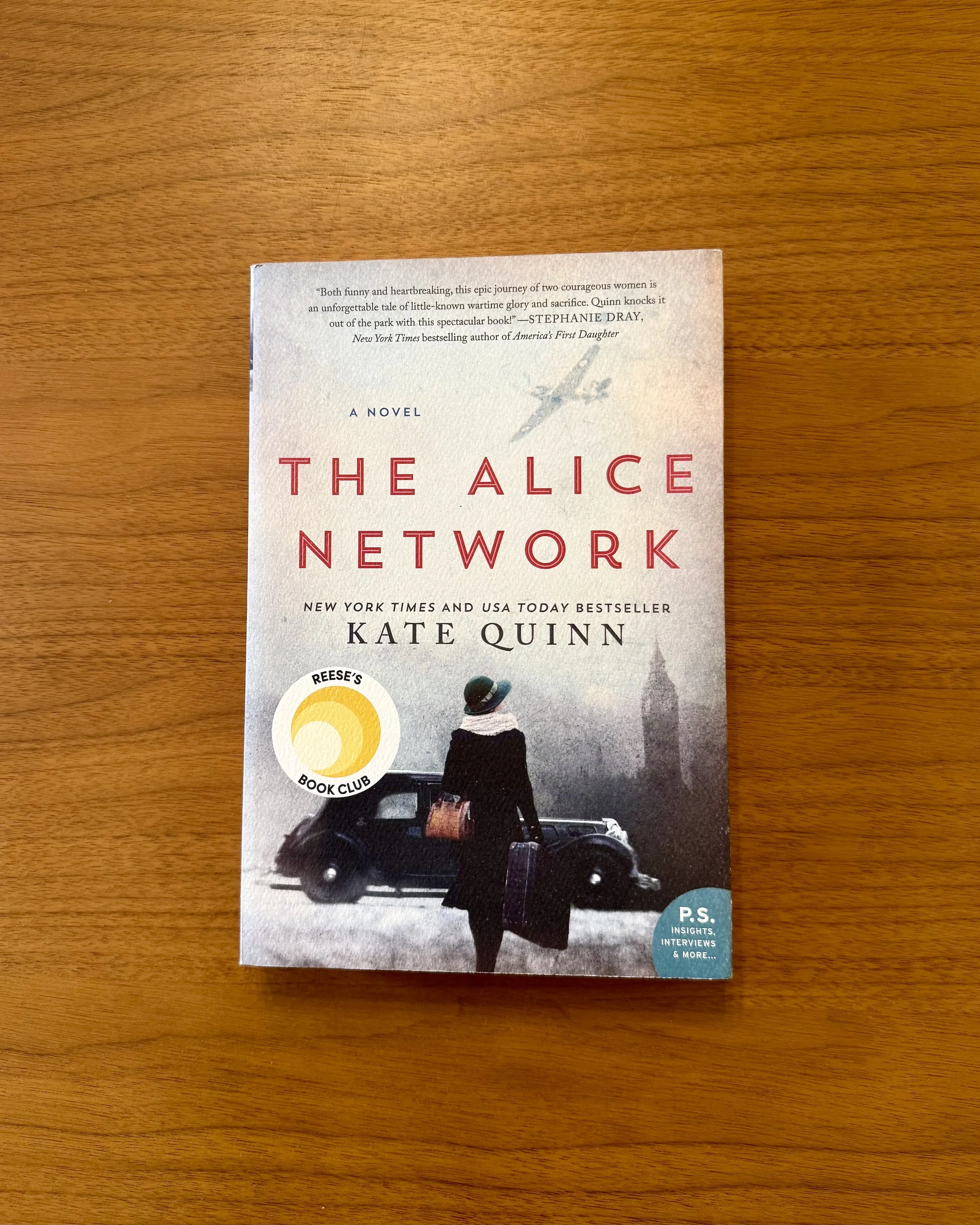
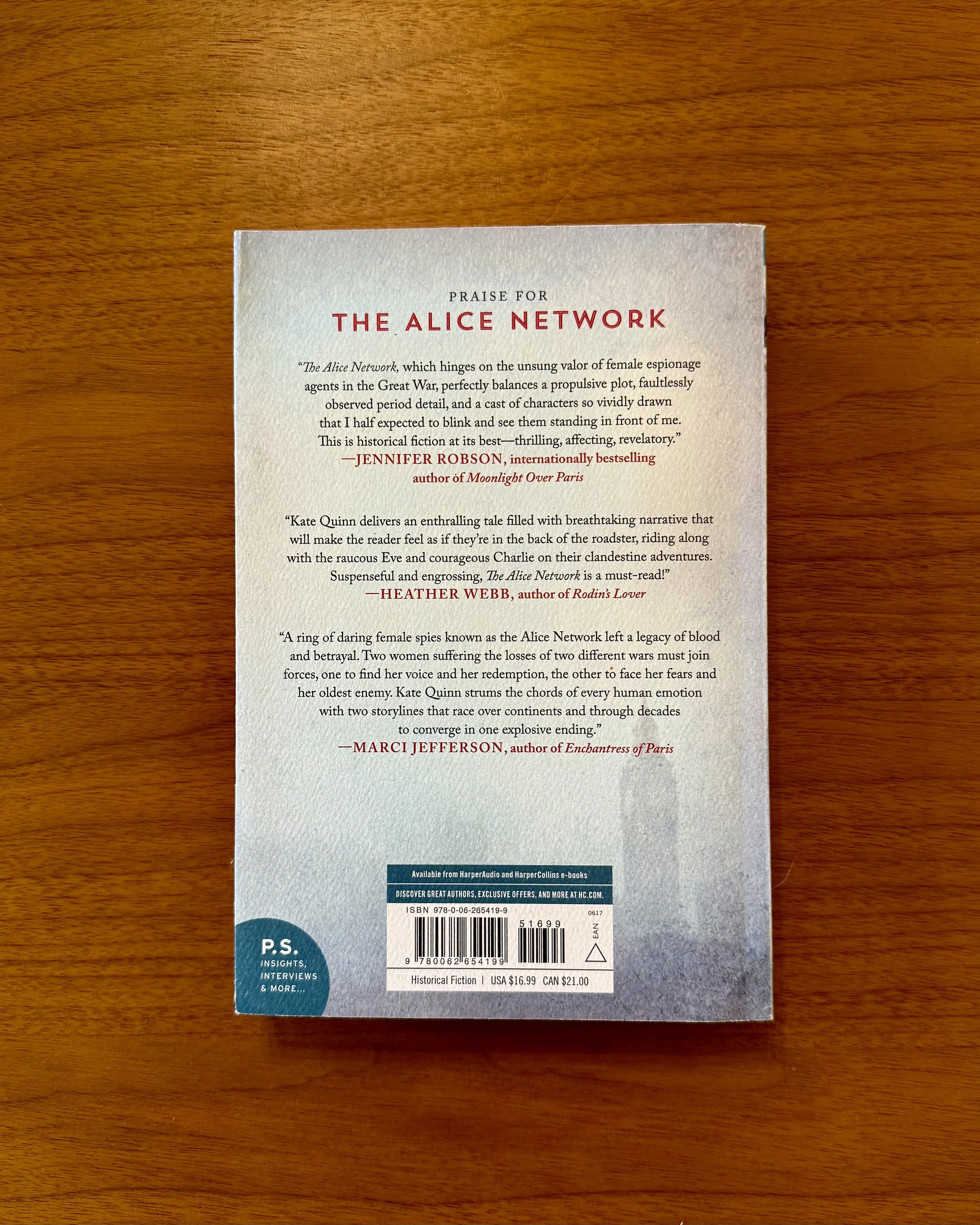
Kate Quinn’s The Alice Network is a dual‑timeline historical thriller that follows two women—one a World War I spy, the other a post–World War II American searching for her missing cousin—whose lives collide as they uncover the truth about a betrayal inside the real‑life female spy ring known as the Alice Network. It blends espionage, trauma, revenge, and found‑family dynamics into a fast, emotionally charged story.
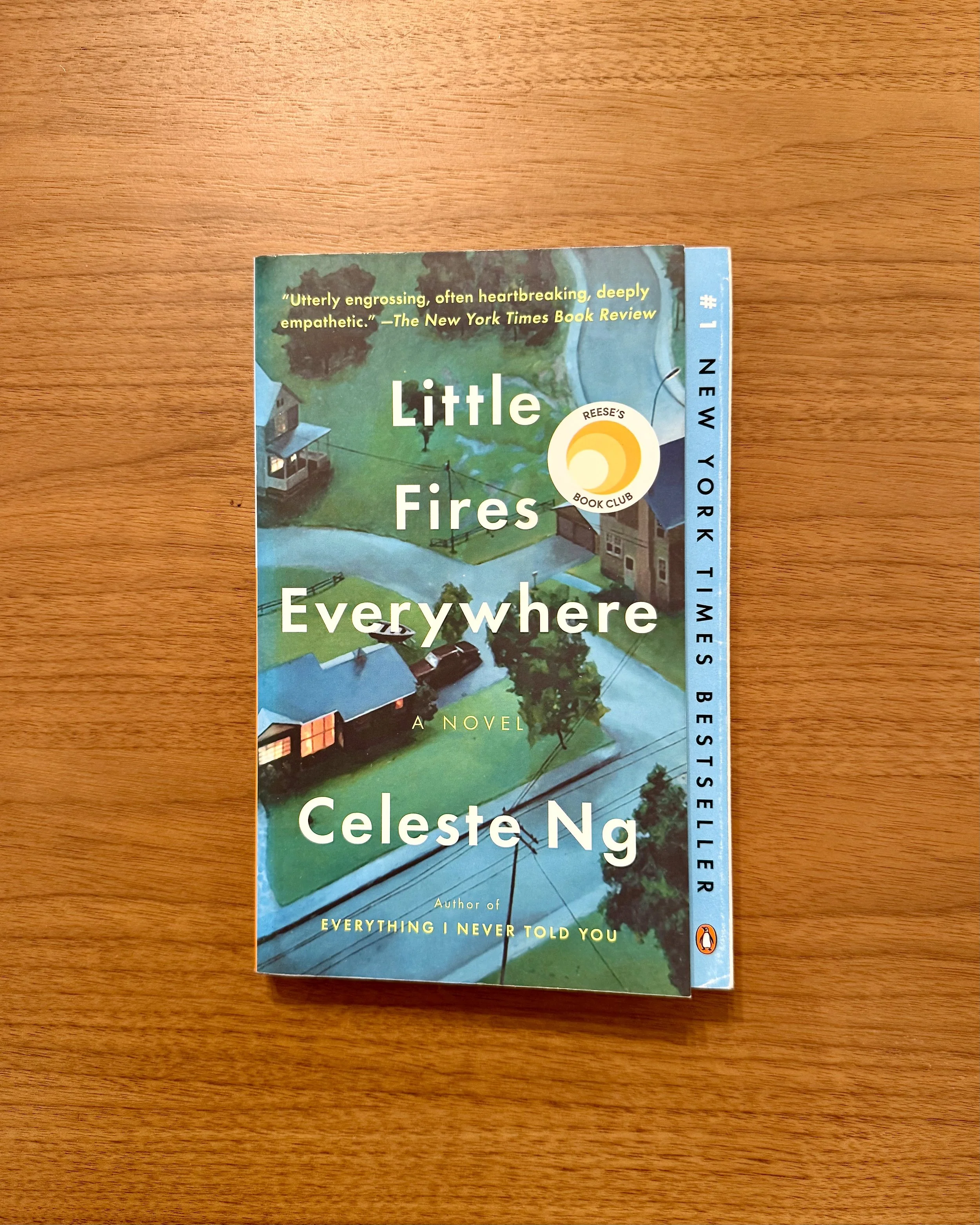
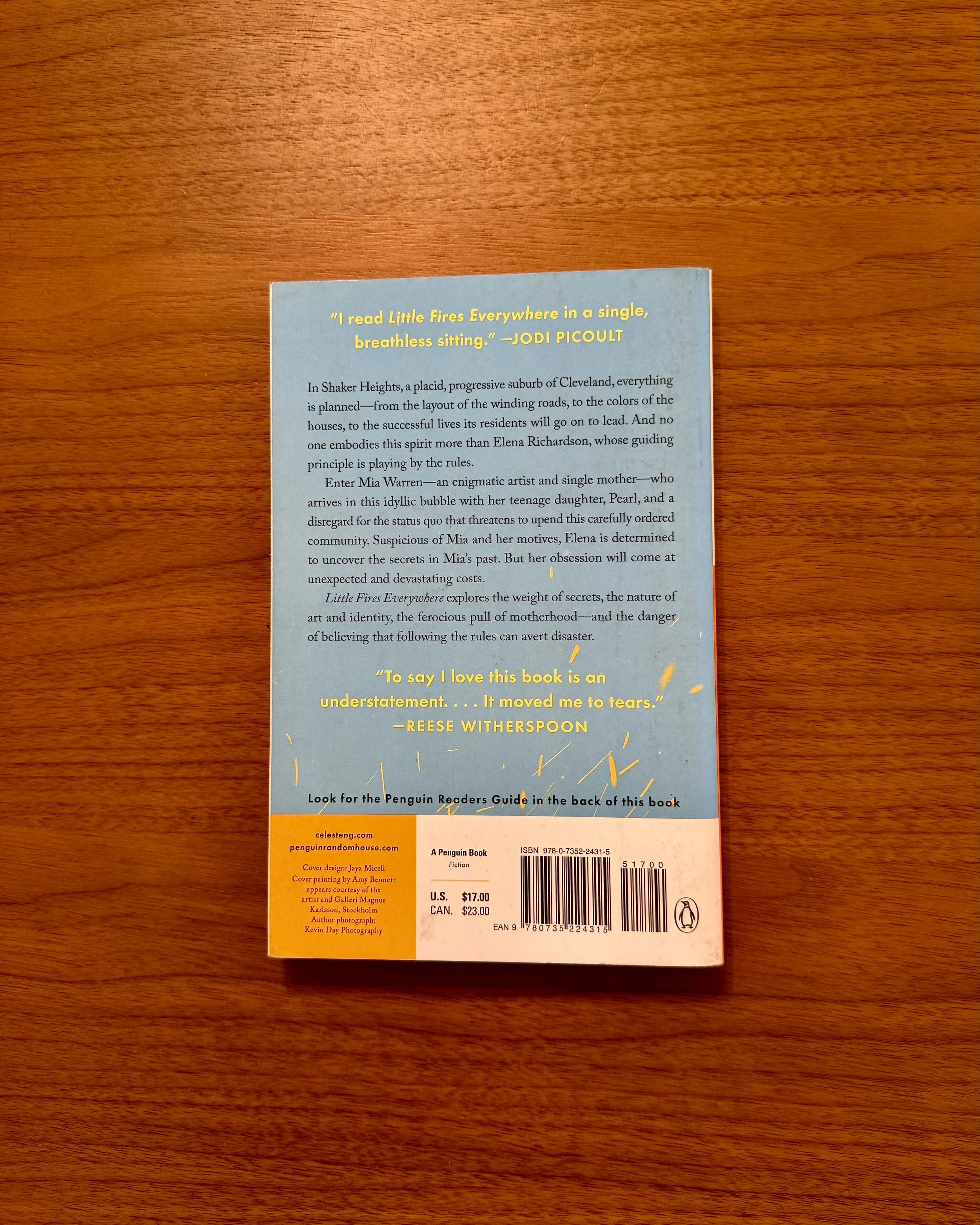
Celeste Ng’s Little Fires Everywhere is a sharp, character‑driven novel set in the planned community of Shaker Heights, where the arrival of the enigmatic artist Mia Warren and her daughter Pearl disrupts the carefully ordered lives of the Richardson family. As friendships, loyalties, and secrets collide — especially around a contentious local adoption case — the story explores motherhood, privilege, identity, and the quiet tensions simmering beneath a “perfect” suburban surface.
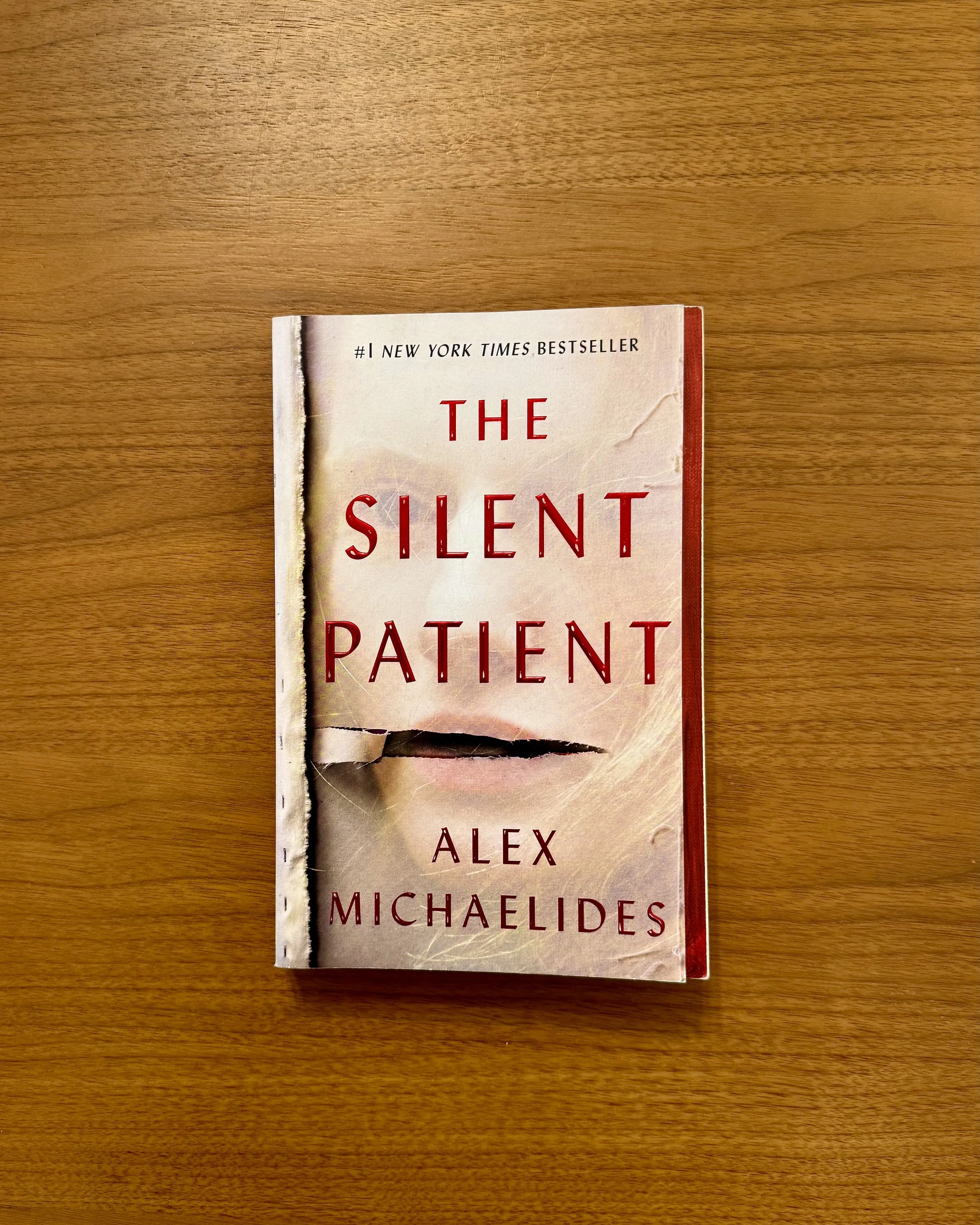
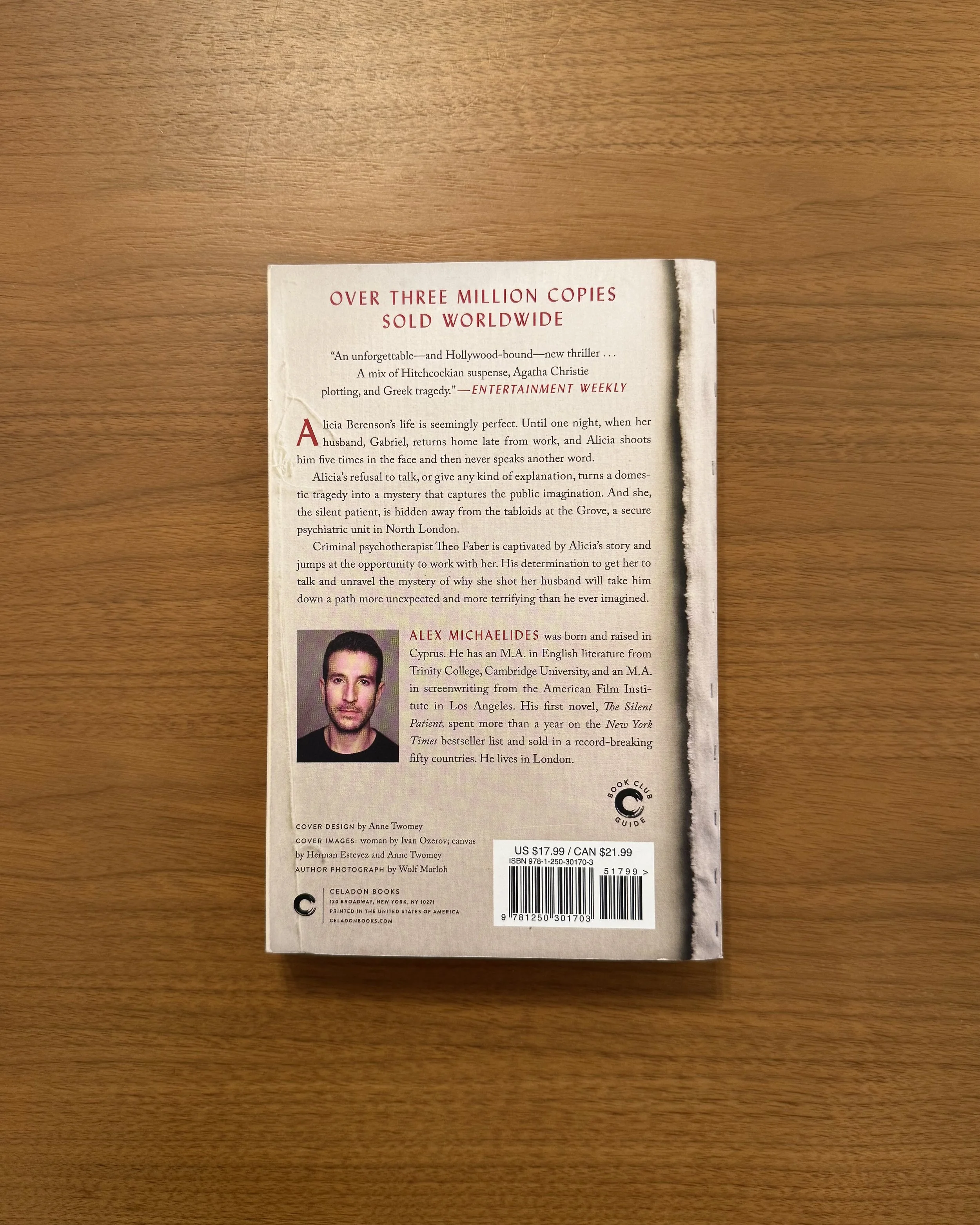
Alex Michaelides’ The Silent Patient is a psychological thriller about Alicia Berenson, a famous painter who shoots her husband and then never speaks another word. Theo Faber, a psychotherapist obsessed with understanding her silence, digs into her past and uncovers a trail of secrets that twist the story in unexpected directions. The novel builds toward a sharp, memorable reveal that reframes everything that came before.
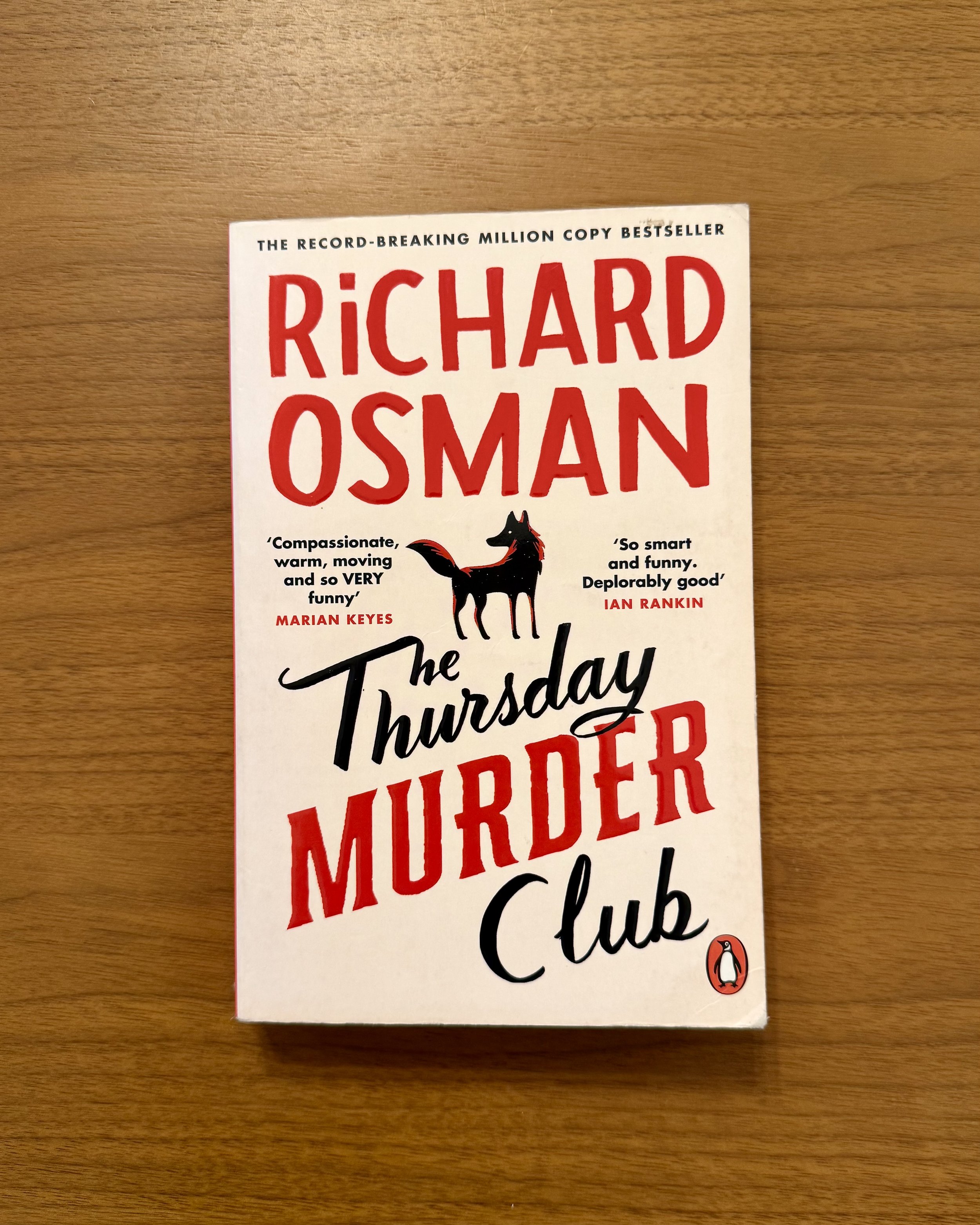
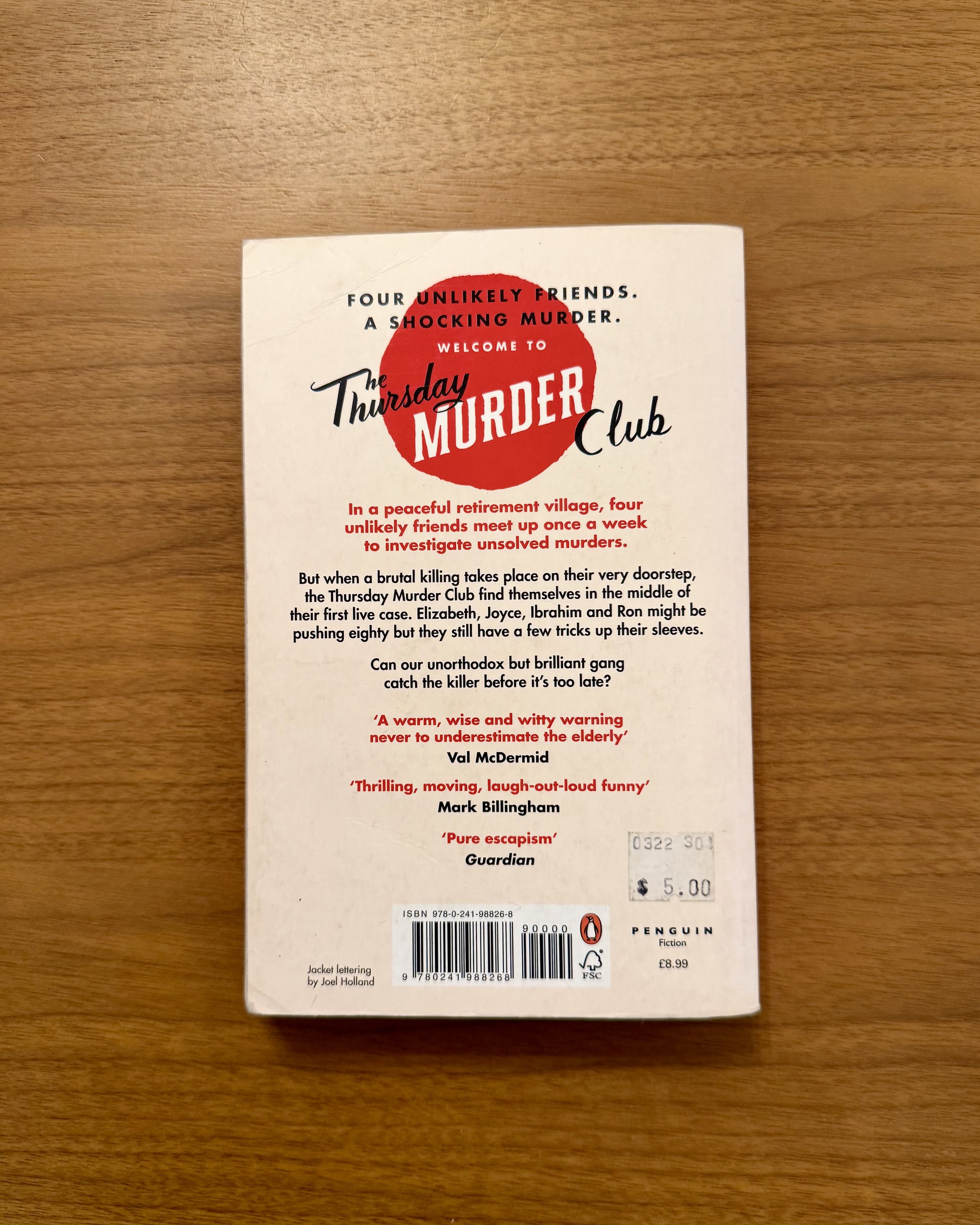
Richard Osman’s The Thursday Murder Club is a warm, clever mystery about four retirees in a quiet English retirement village who meet weekly to dig into cold cases — until a real murder lands on their doorstep. Using charm, misdirection, and a surprising amount of investigative skill, they outpace the police while uncovering secrets that run deeper than anyone expects. It’s cozy, funny, and sharply plotted.
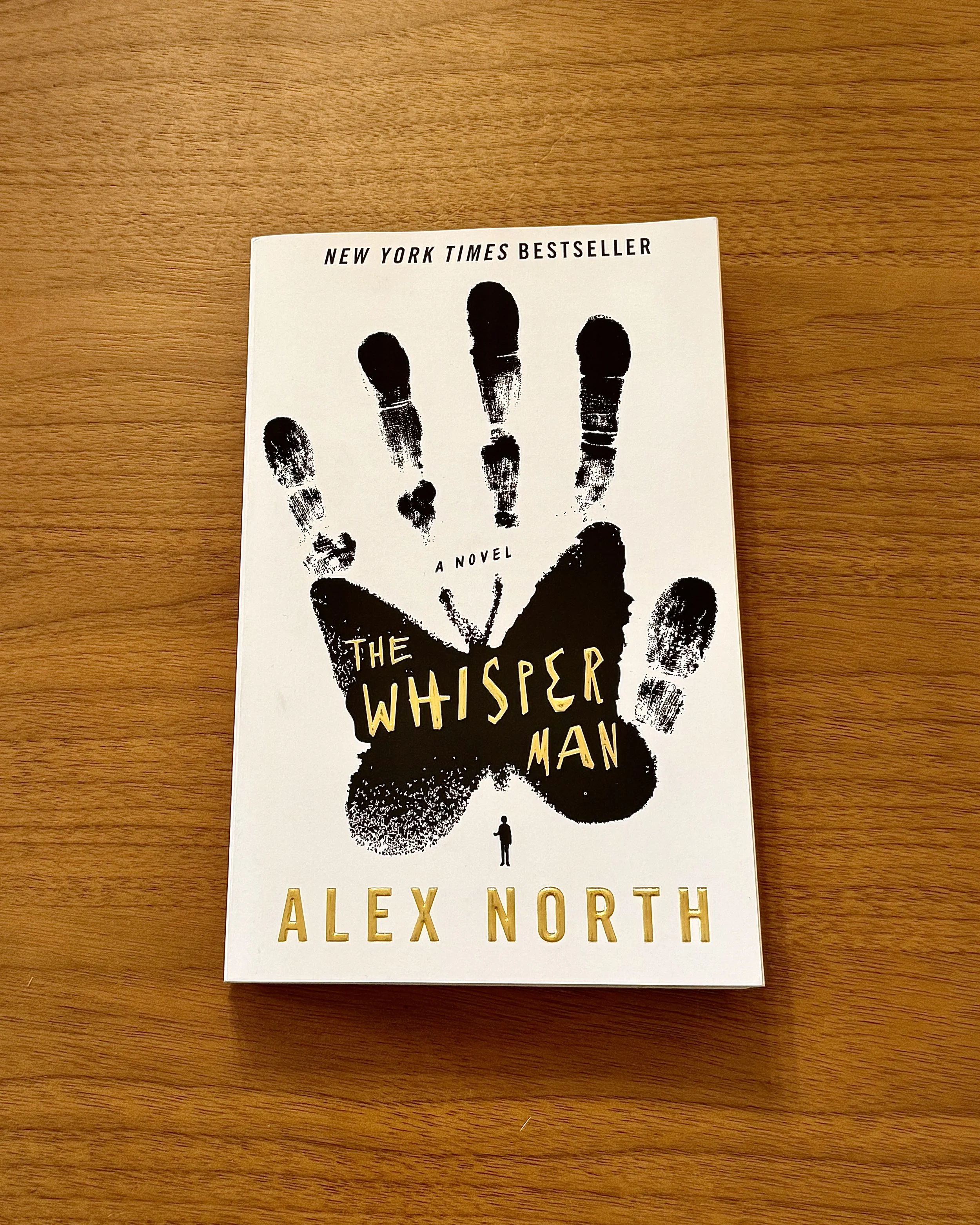
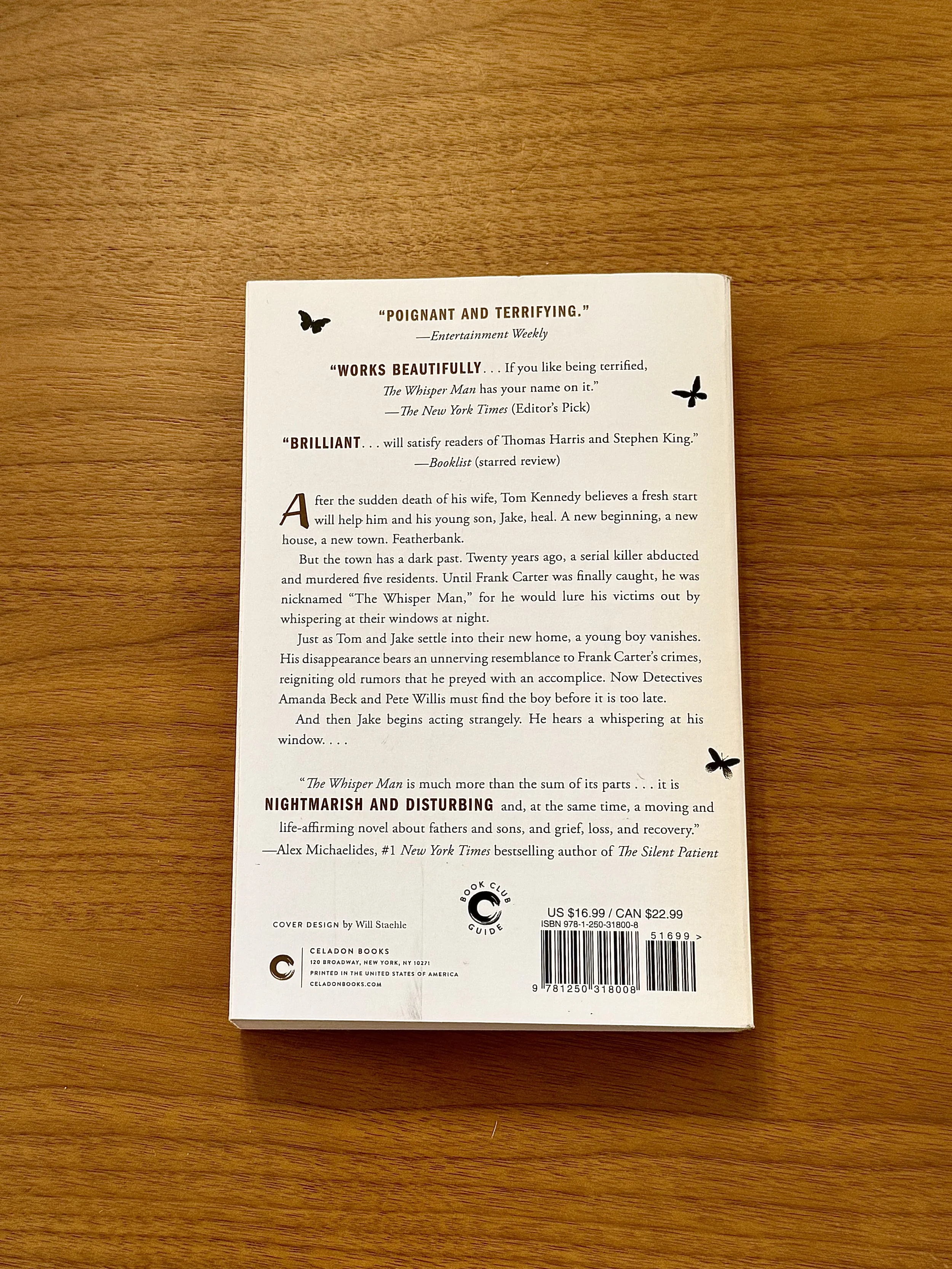
Alex North’s The Whisper Man is a dark, atmospheric thriller about a father and son who move to a small town with a violent past — a place once terrorized by a serial killer known as the Whisper Man. When a new child disappears under eerily similar circumstances, the investigation suggests the old crimes may not be as buried as everyone believed. The story blends grief, fatherhood, trauma, and a creeping sense of the supernatural without ever tipping into full fantasy.
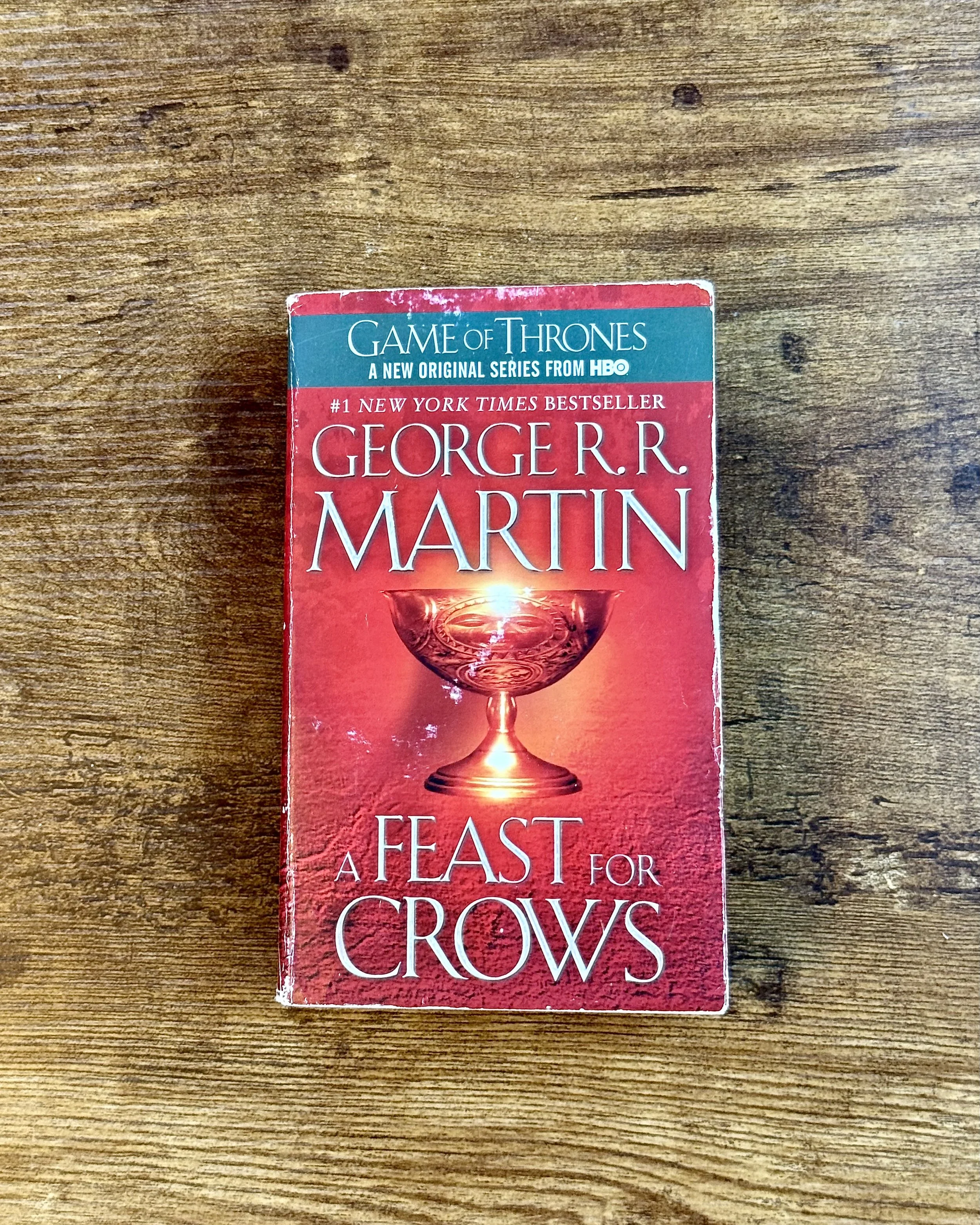
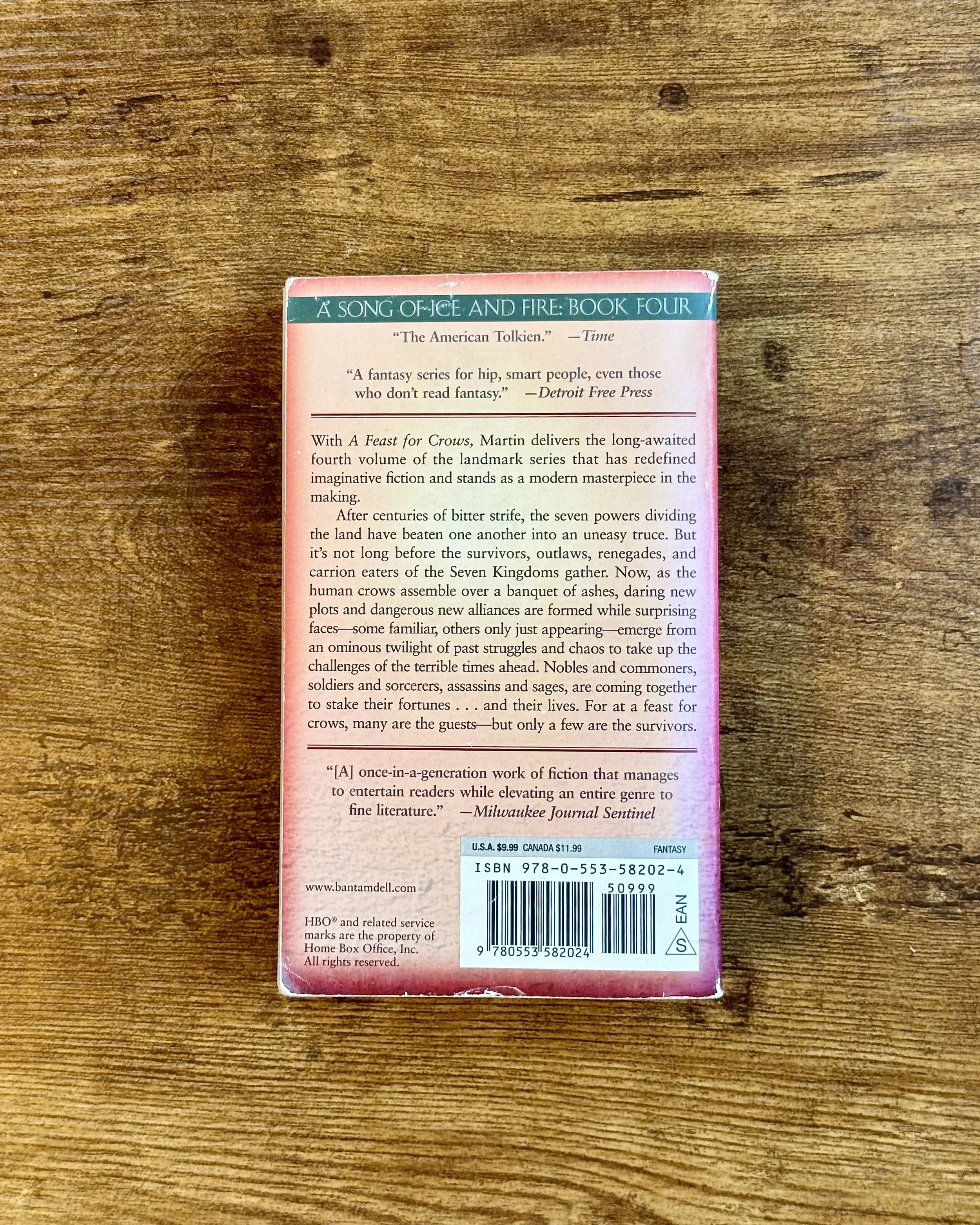
George R. R. Martin’s A Feast for Crows — the fourth book in the Game of Thrones / A Song of Ice and Fire series — shifts the story toward the political fallout after the war that tore Westeros apart. The Lannisters struggle to keep control of King’s Landing, the Ironborn and Dornish pursue their own ambitions, and the Riverlands burn as the last Stark and Tully loyalists try to survive. Much of the book follows Cersei’s tightening paranoia, Jaime’s attempts to restore order, Brienne’s search for Sansa, and Arya beginning a new identity far from home. It’s a slower, politically driven installment that sets up the chaos that follows.
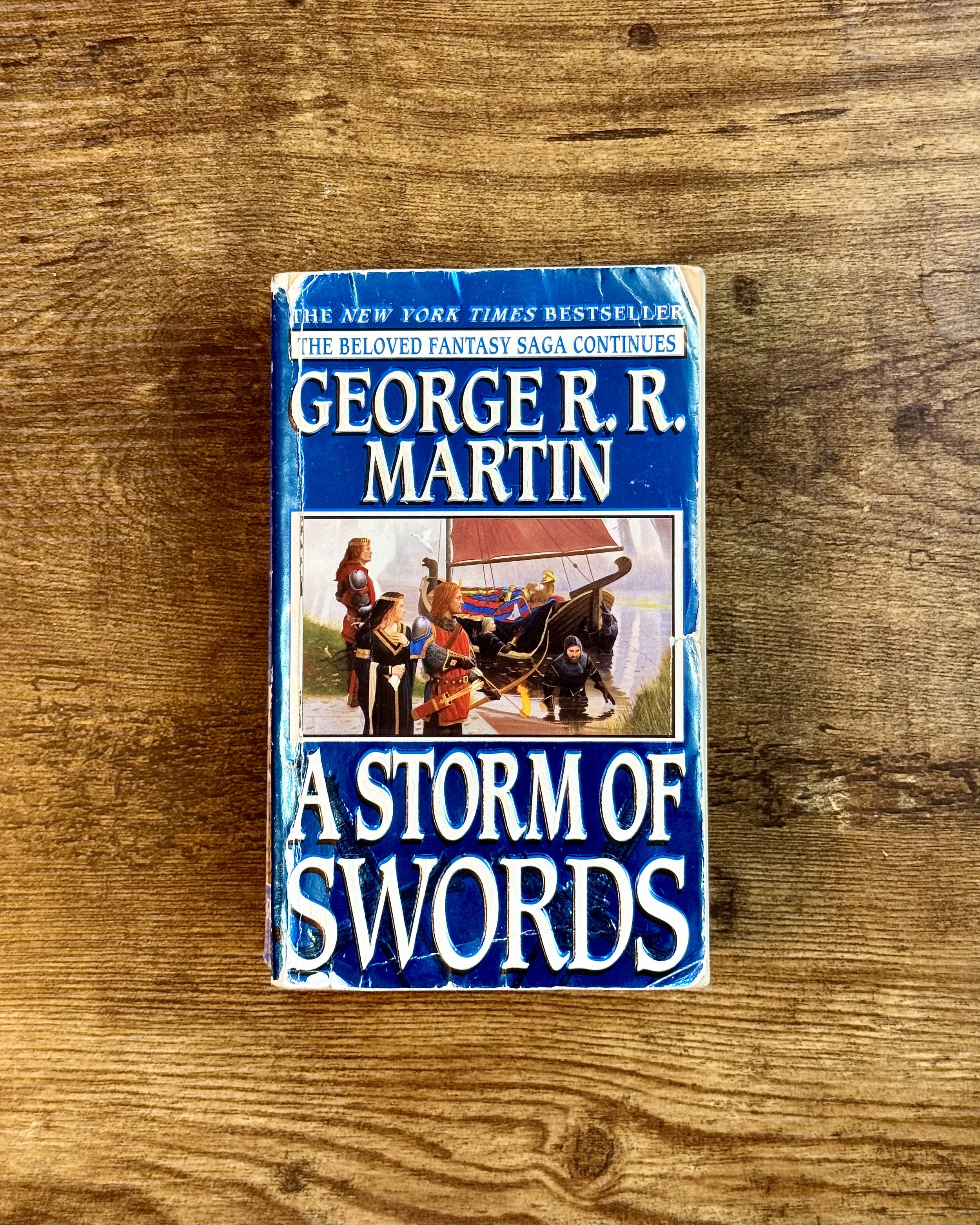
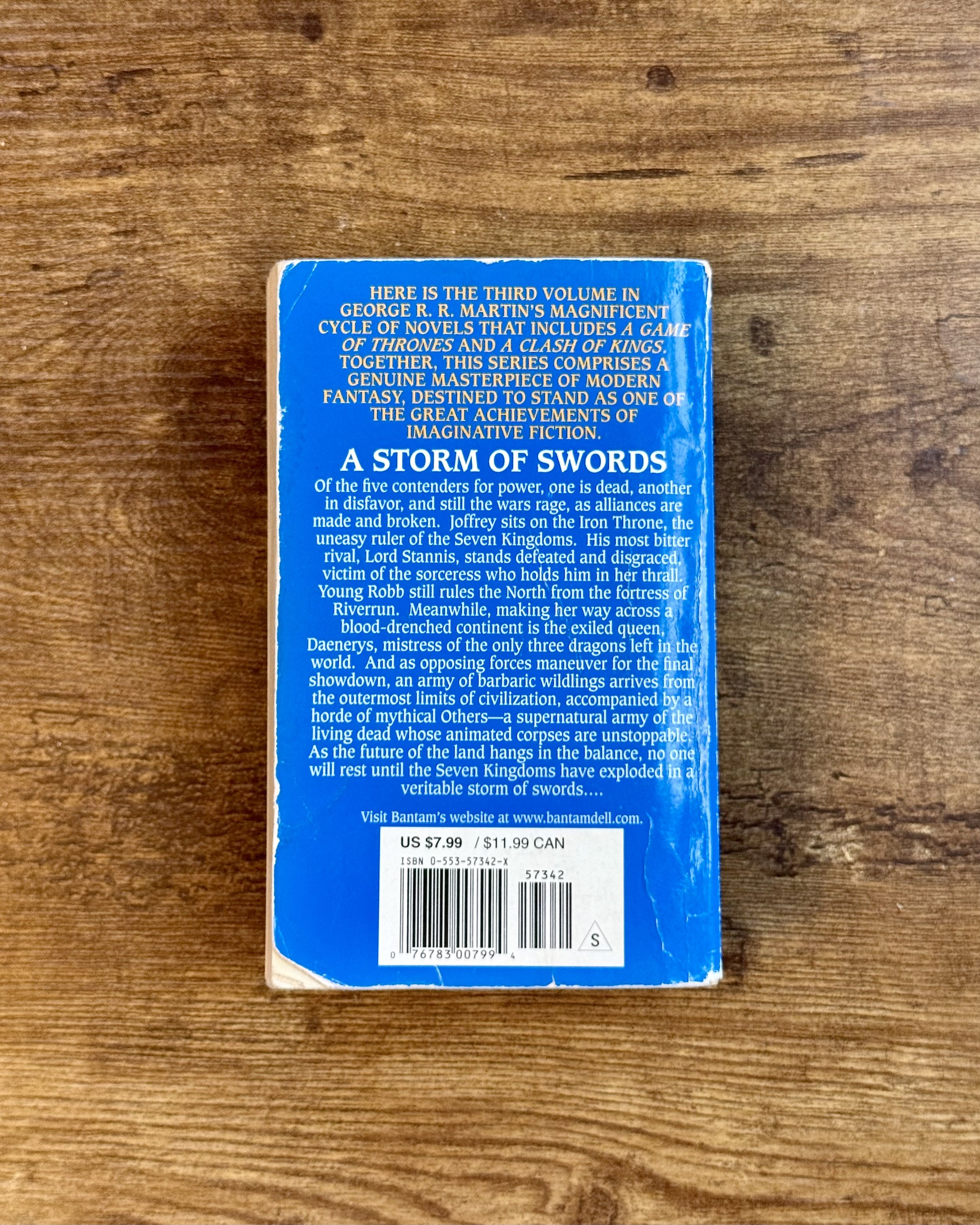
George R. R. Martin’s A Storm of Swords — the third book in the Game of Thrones / A Song of Ice and Fire series — delivers the story’s biggest turning points. The Lannisters fight to keep control of the throne, the Stark family faces danger on all sides, the Night’s Watch confronts growing threats beyond the Wall, and Daenerys gathers strength across the sea. The book is packed with betrayals, shifting alliances, and several of the series’ most famous shocks.
Michael’s Review: The book is a page-turner that provides the payoff for the setup in previous books in the series.
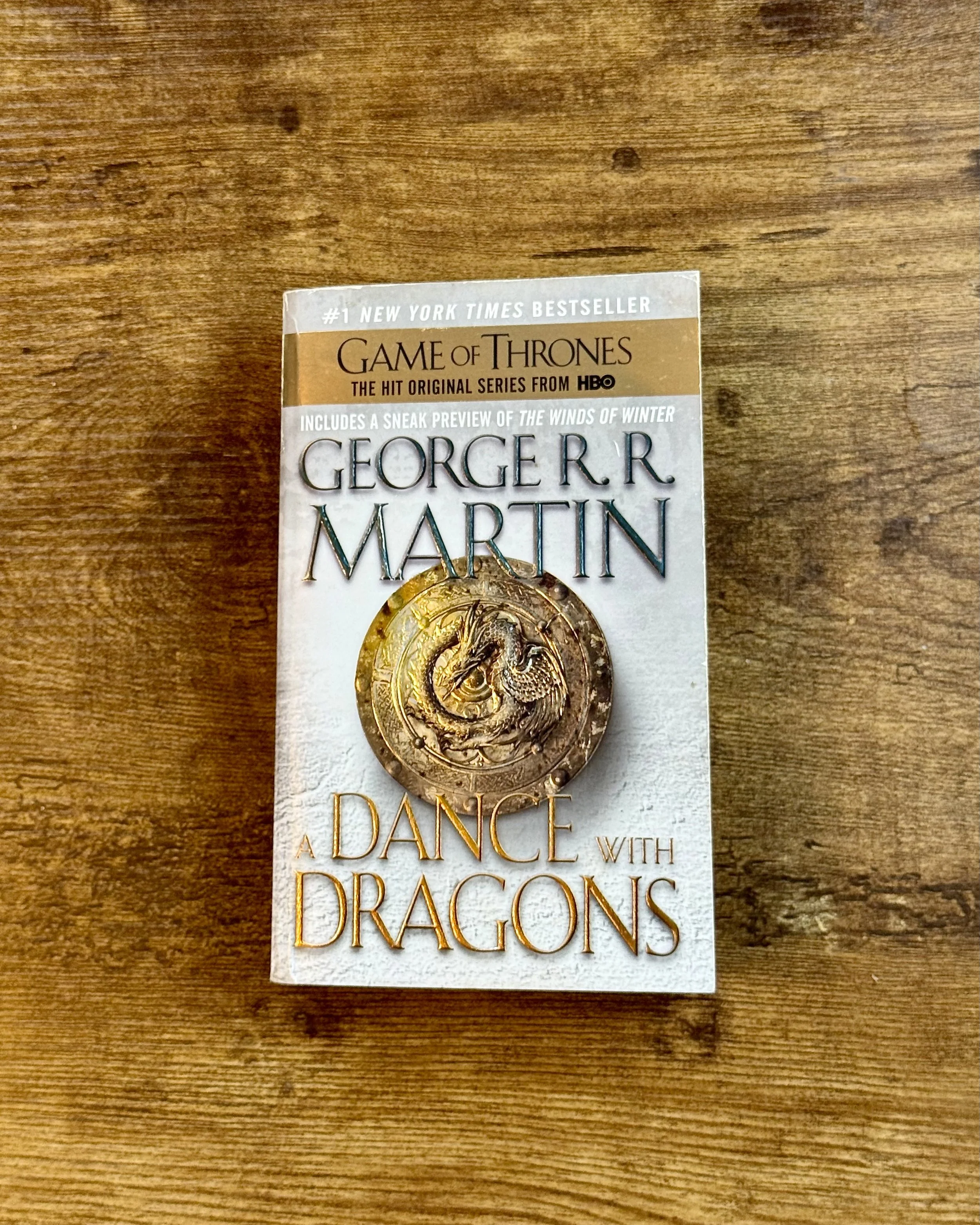
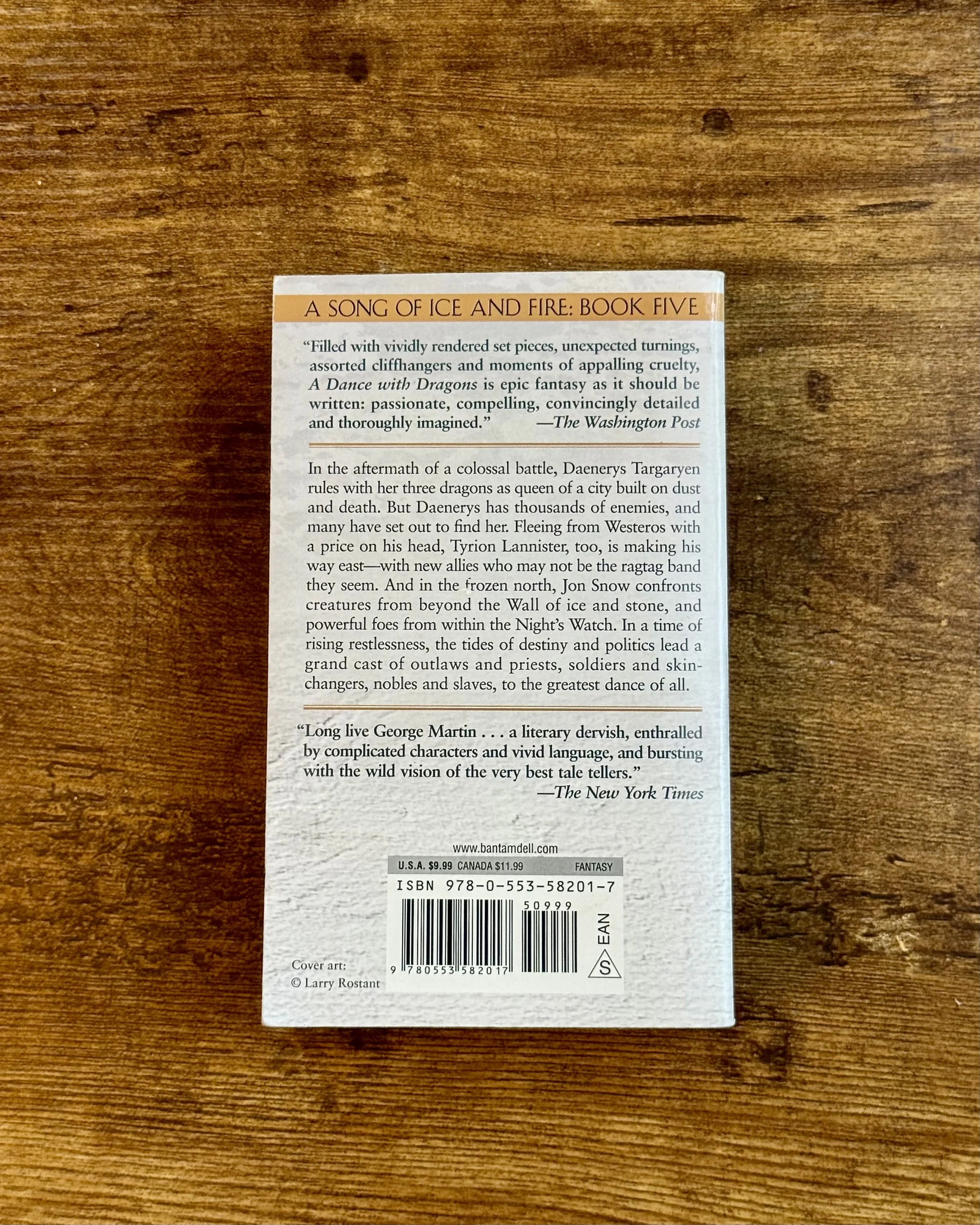
George R. R. Martin’s A Dance with Dragons, the fifth book in the series colloquially known as Game of Thrones (formally, A Song of Ice and Fire), follows Jon Snow trying to hold the Wall together, Daenerys struggling to rule Meereen as it slips out of her control, and Tyrion navigating exile while being drawn toward her. The book pushes its major characters into danger, isolation, and hard choices as the threats in both Westeros and Essos close in.
Michael’s Review: This is a must-read for any Game of Thrones fan. The book aligns with episodes in seasons five and six of the show, and the depth of Martin’s character and world-building ensures you never want to leave the world he built.
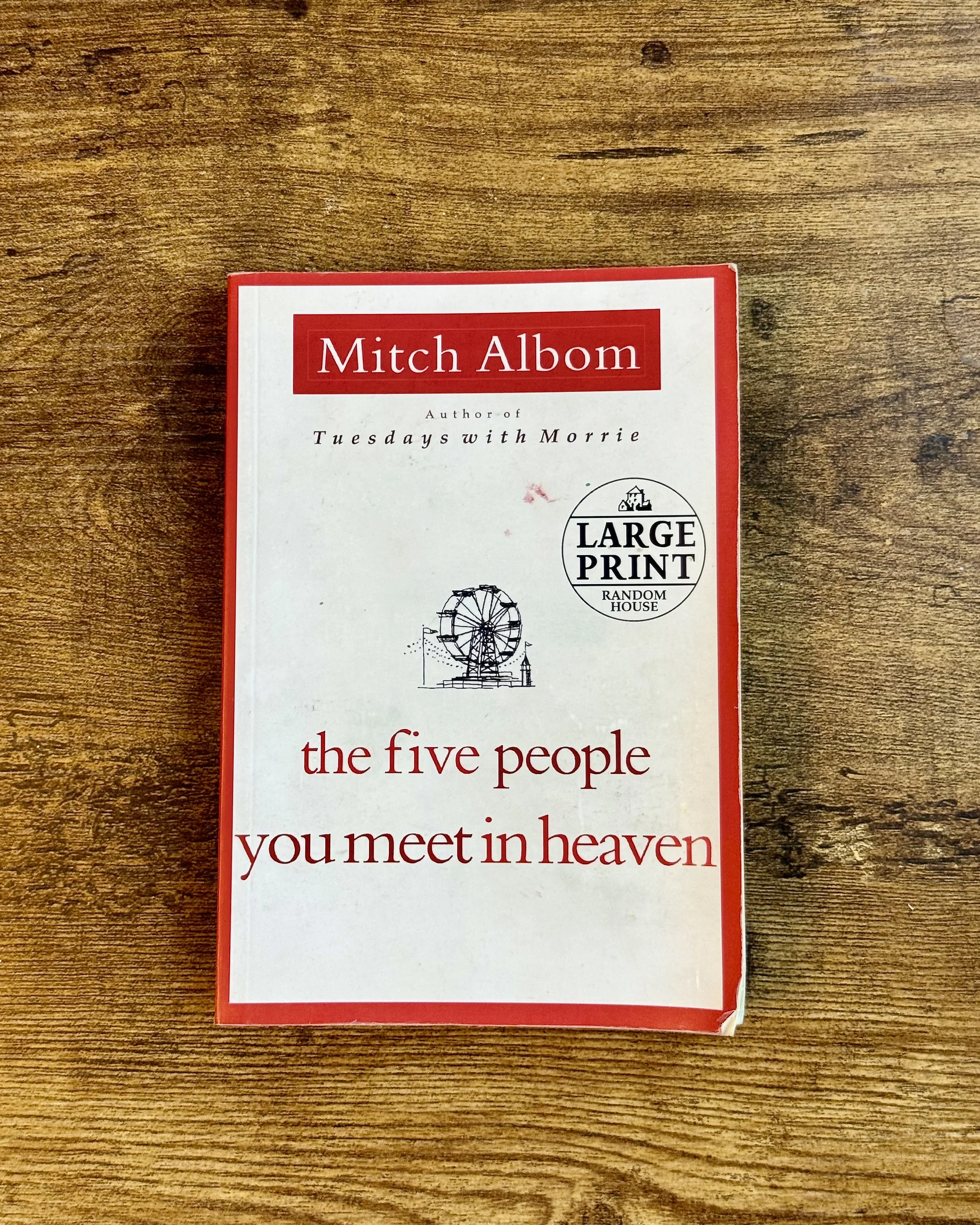
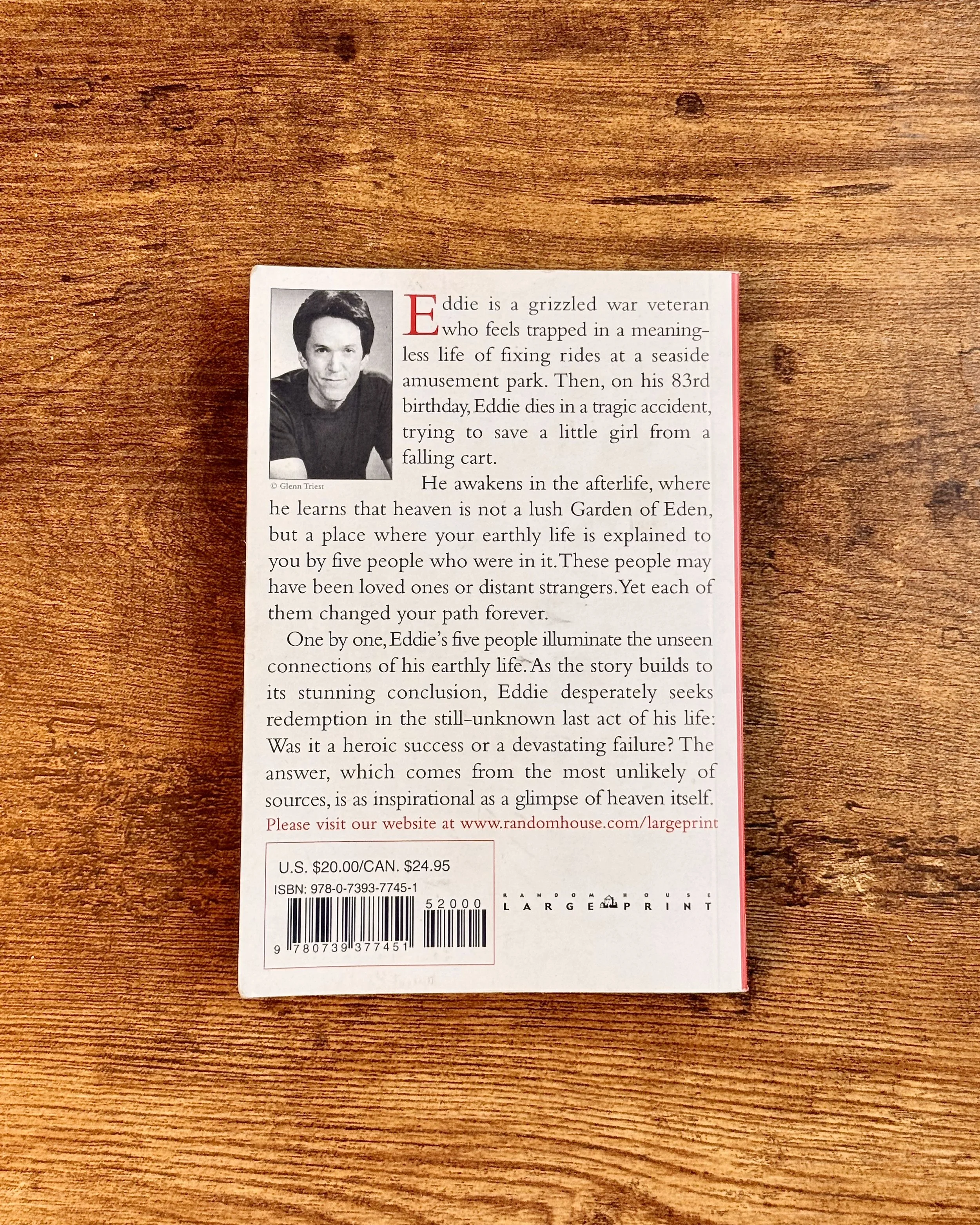
Mitch Albom’s The Five People You Meet in Heaven follows Eddie, an elderly maintenance worker at an amusement park, who dies in an accident and wakes up in an afterlife where he meets five people whose lives intersected with his in ways he never fully understood. Each encounter reveals something about the impact he had—good, bad, or unseen—and helps him make sense of his own life, regrets, and relationships. The book’s core idea is that every life touches others in ways we rarely recognize.
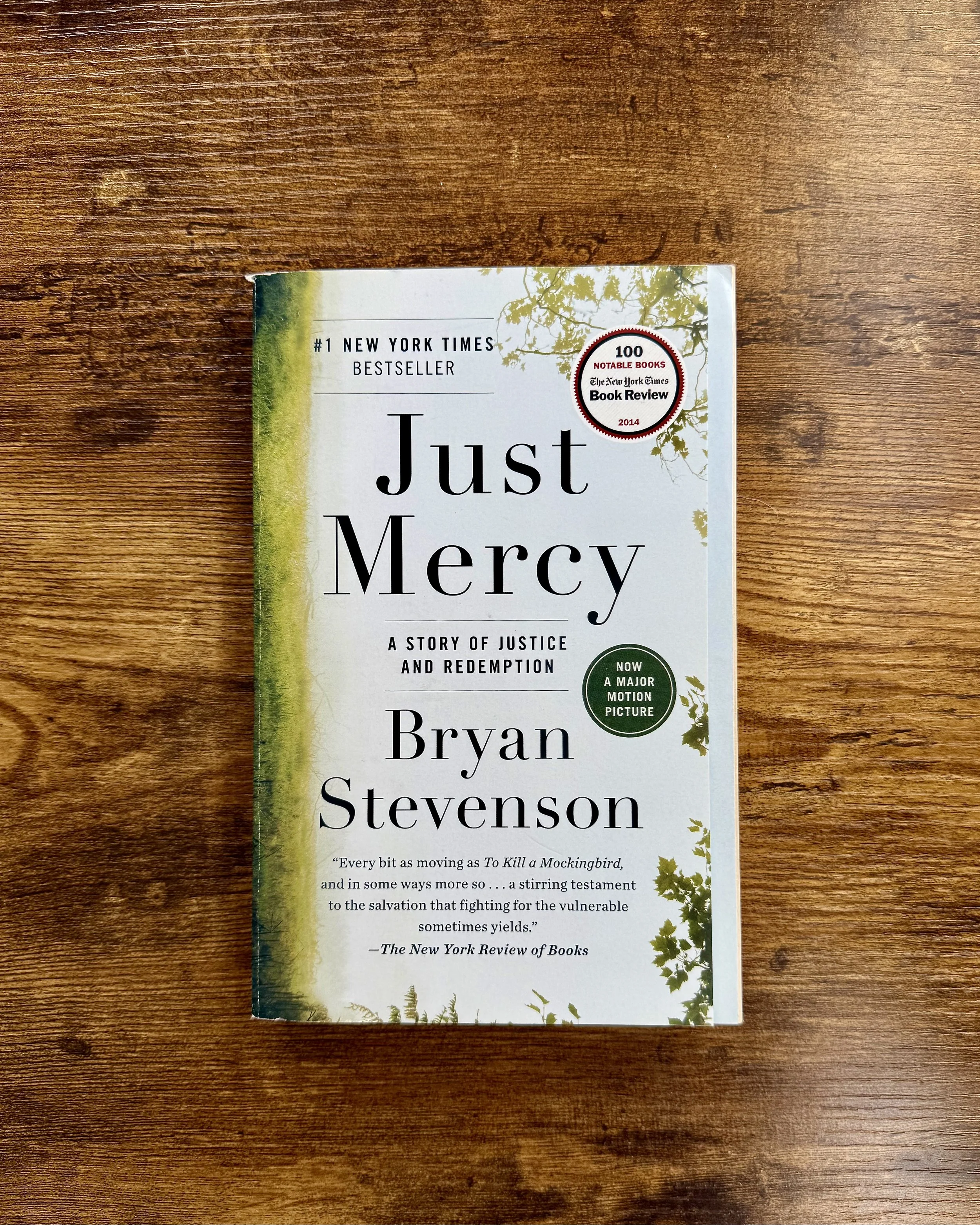
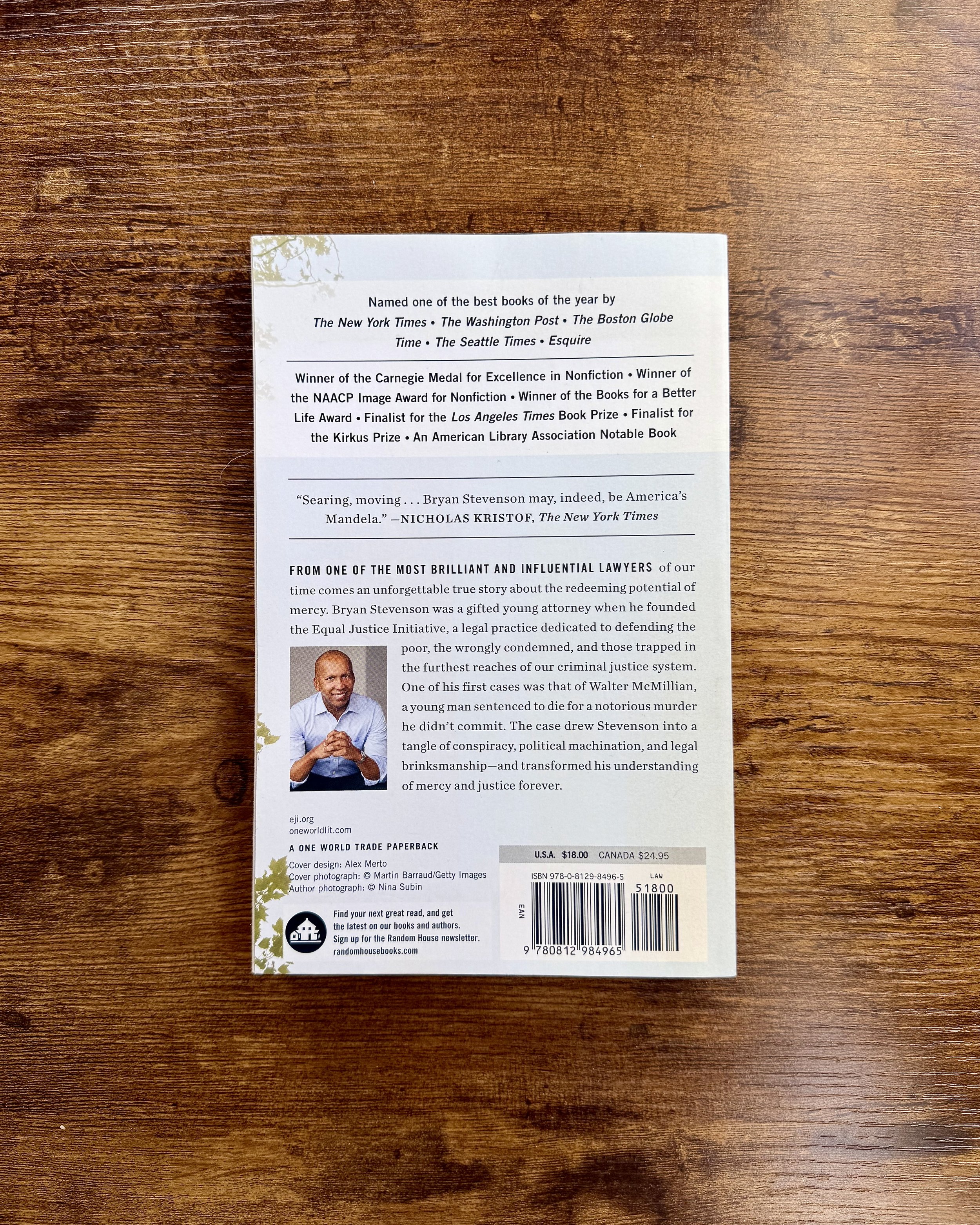
Bryan Stevenson’s Just Mercy: A Story of Justice and Redemption is a powerful, deeply moving narrative that combines a personal memoir with a sweeping critique of the American mass incarceration system. The book anchors its systemic analysis in the real-world case of Walter McMillian, a Black man wrongfully sentenced to death row for a murder he did not commit. Through McMillian's fight for freedom and glimpses into other cases involving juveniles, the poor, and the mentally ill, Stevenson exposes how poverty and racial bias compromise the legal system—delivering an urgent call for systemic reform, empathy, and a truer standard of justice.
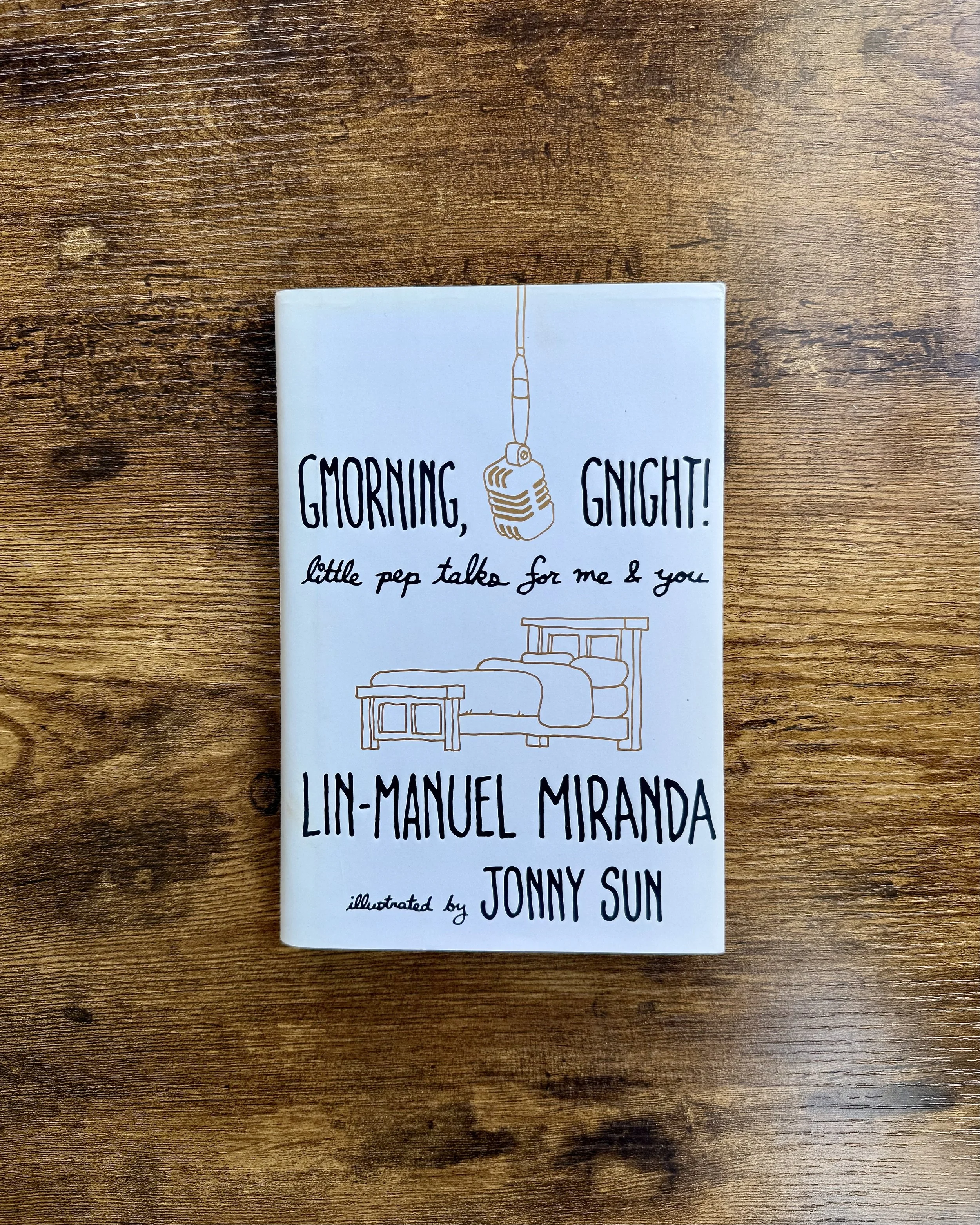
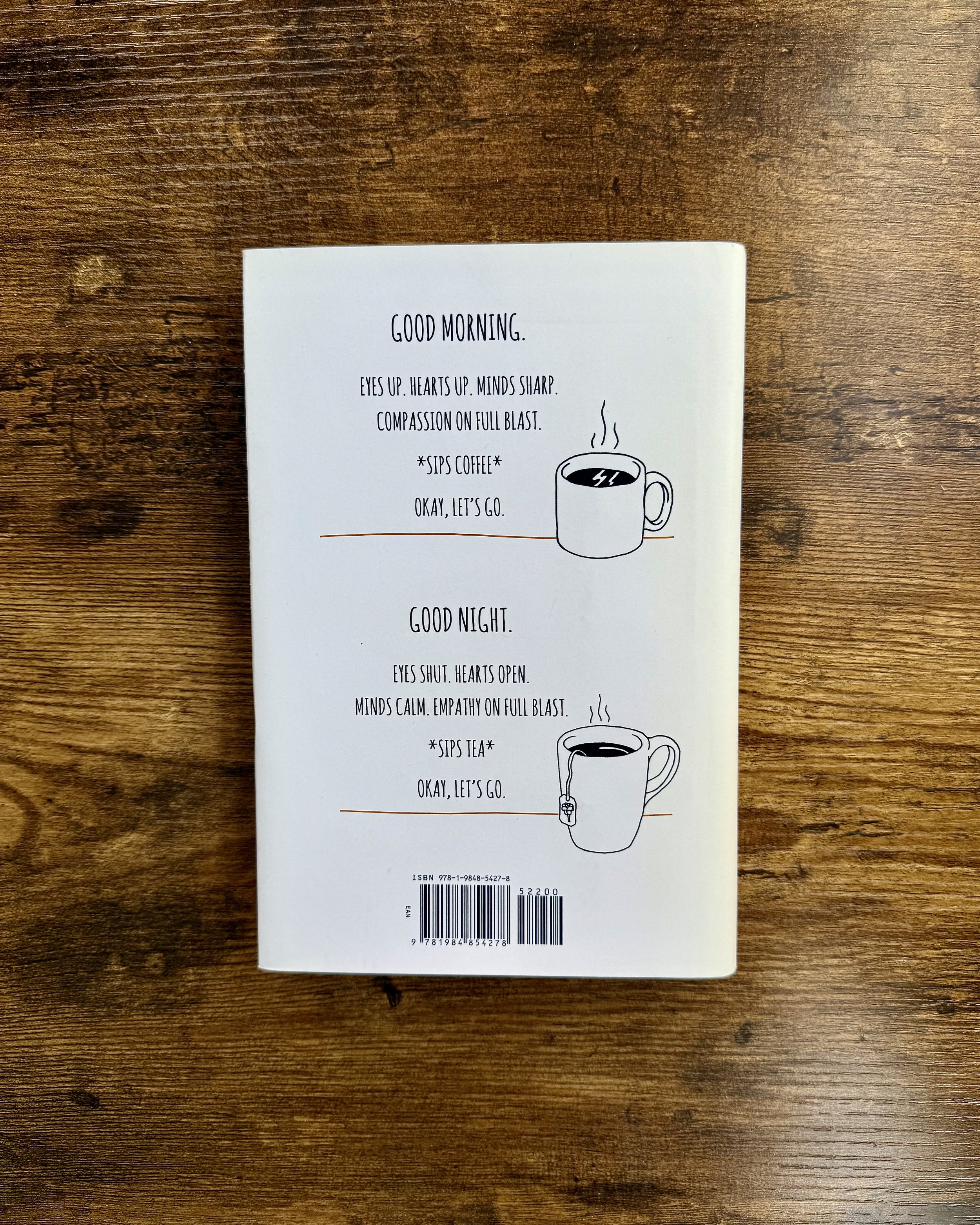
Lin‑Manuel Miranda and Jonny Sun’s Gmorning, Gnight!: Little Pep Talks for Me & You is a warm, playful collection of short morning and evening messages meant to encourage, steady, or gently nudge you through the day. Each pair offers a simple boost—sometimes funny, sometimes tender, always human—capturing the tone of a friend checking in at the start and end of your daily grind.
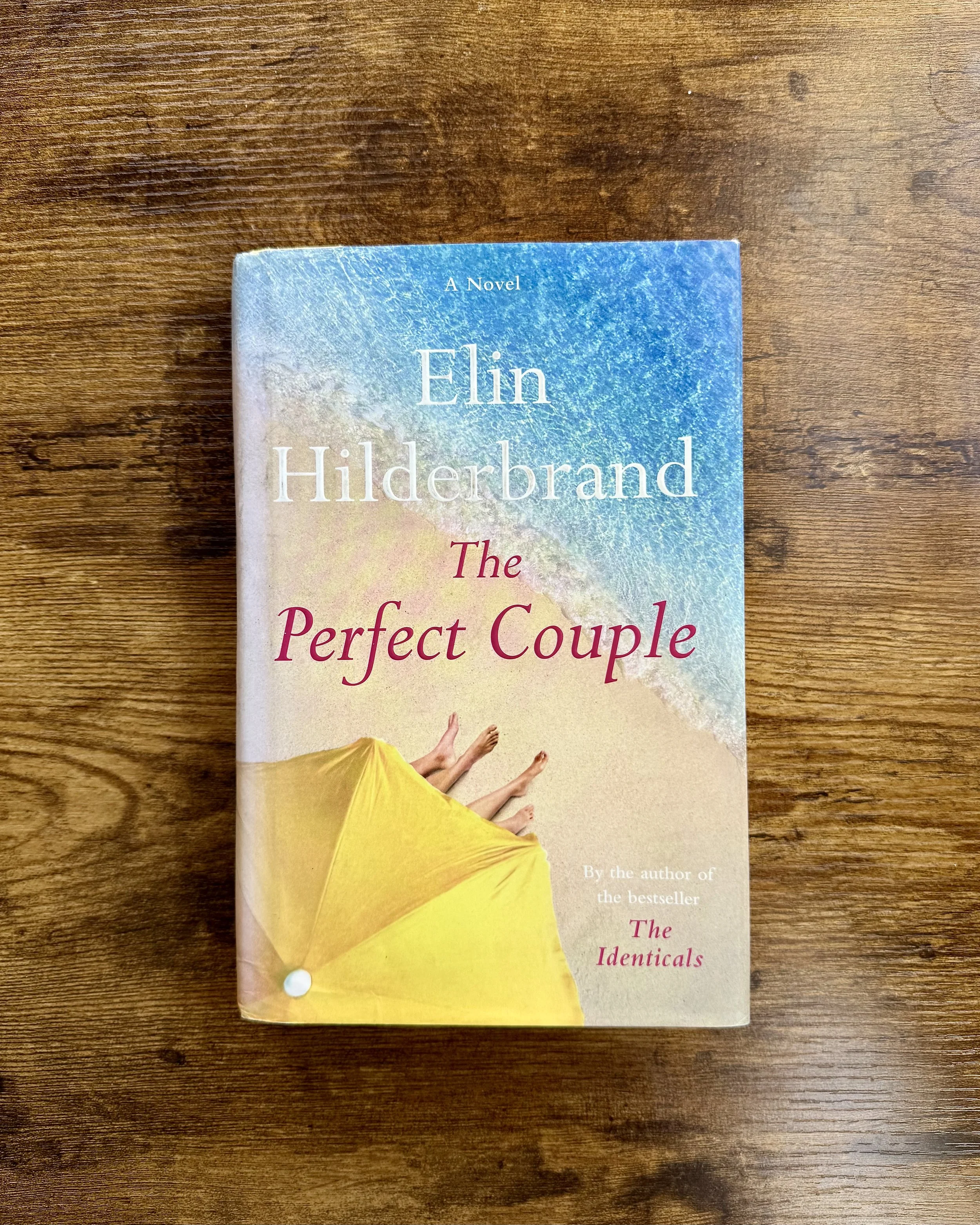
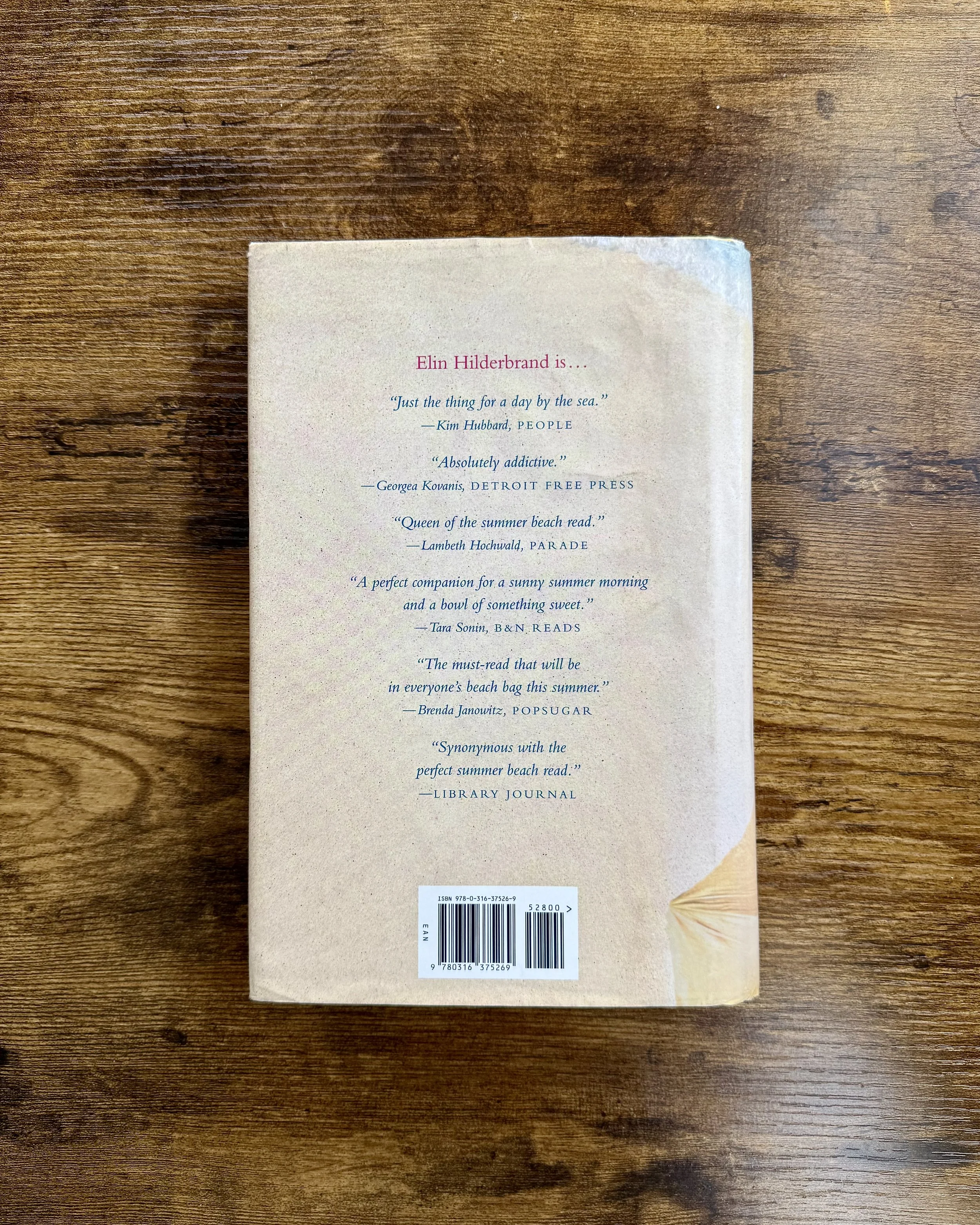
Elin Hilderbrand’s The Perfect Couple is a murder‑mystery set during an extravagant Nantucket wedding where a woman is found dead on the morning of the ceremony. As the police question the families and wedding party, long‑buried secrets, affairs, and shifting loyalties come out, and the investigation shows that nearly everyone had something to hide. The story mixes family drama, romance, and a classic whodunit without relying on jargon or filler.
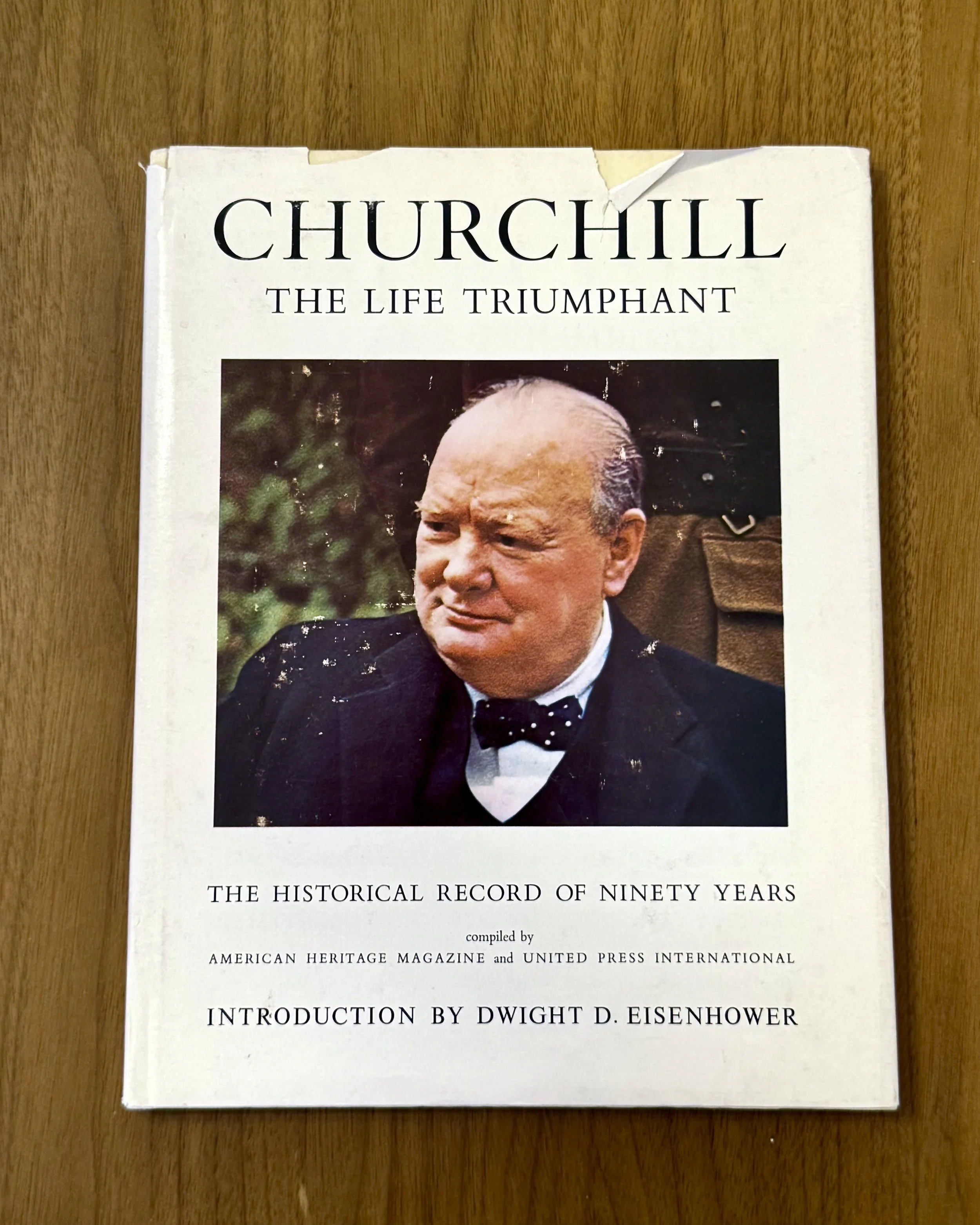
Churchill: The Life Triumphant is a concise retrospective that highlights Winston Churchill’s resilience, political instincts, and wartime leadership. Published shortly after his death in 1965, the volume presents him as a statesman whose personal courage and rhetorical brilliance shaped Britain’s survival in its darkest hours. Rather than offering deep archival revisionism, the book utilizes vivid imagery and narrative reporting to focus on Churchill’s character, strategic vision, and public presence, offering a portrait that emphasizes triumph, determination, and the making of a national hero.
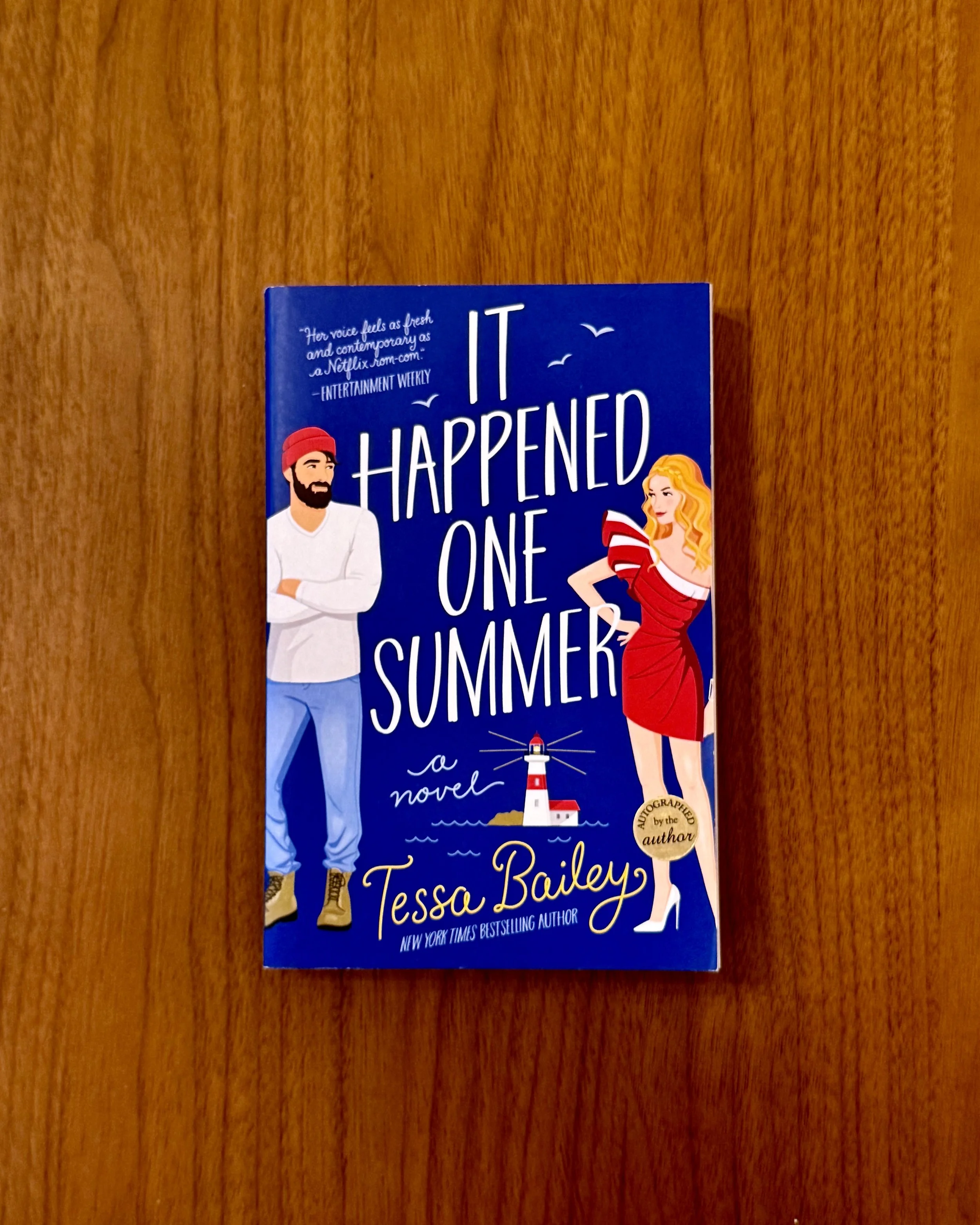
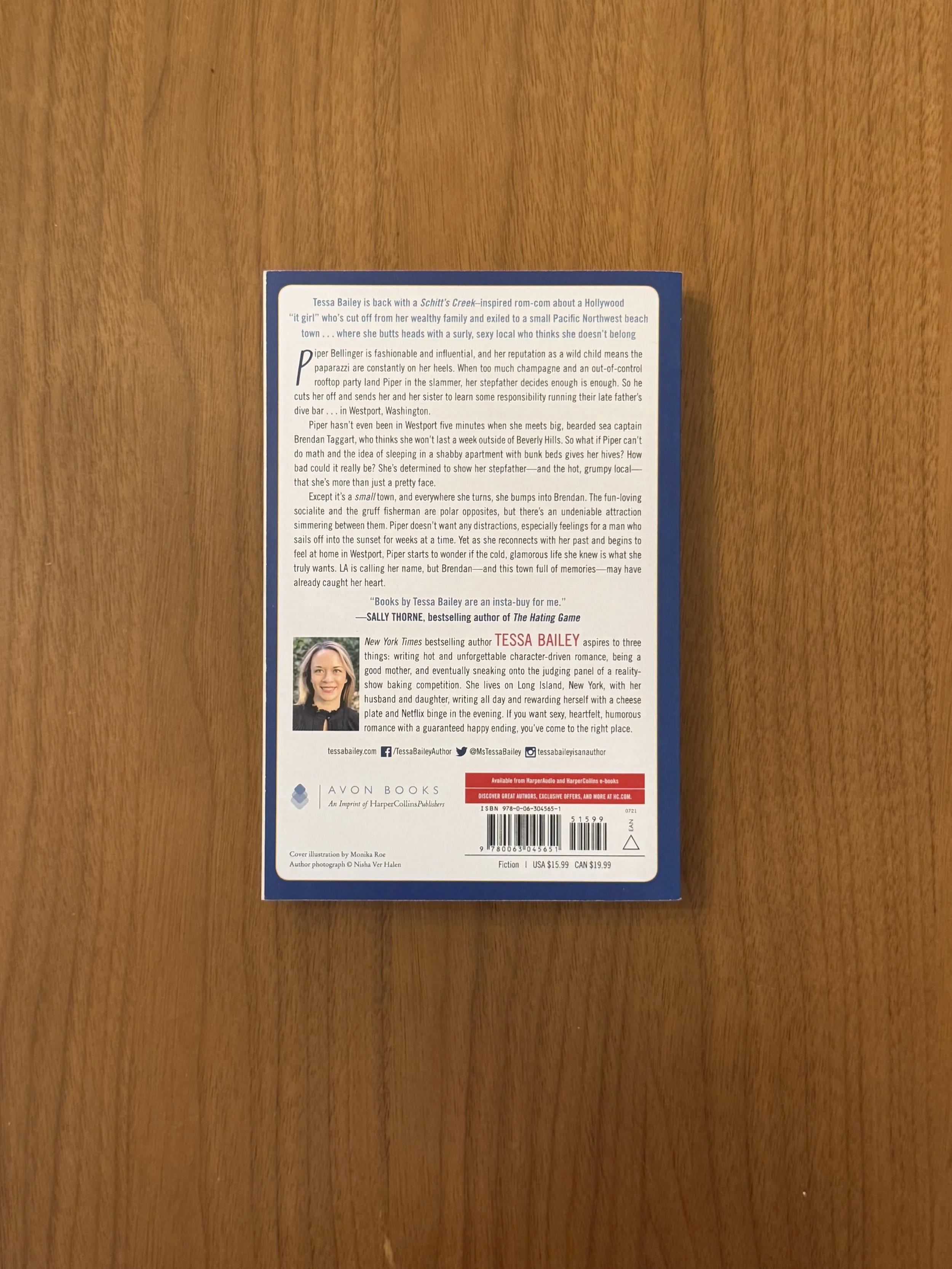
Tessa Bailey’s It Happened One Summer is a vibrant, Schitt’s‑Creek‑inspired romance about Piper Bellinger, a glamorous, directionless LA socialite exiled to a small Pacific Northwest fishing town, where she clashes—and slowly falls for—Brendan Taggart, a gruff, steady sea captain. As Piper confronts her past, learns responsibility, and discovers who she is outside of wealth and image, the chemistry between her and Brendan deepens into a relationship built on growth, vulnerability, and genuine connection.
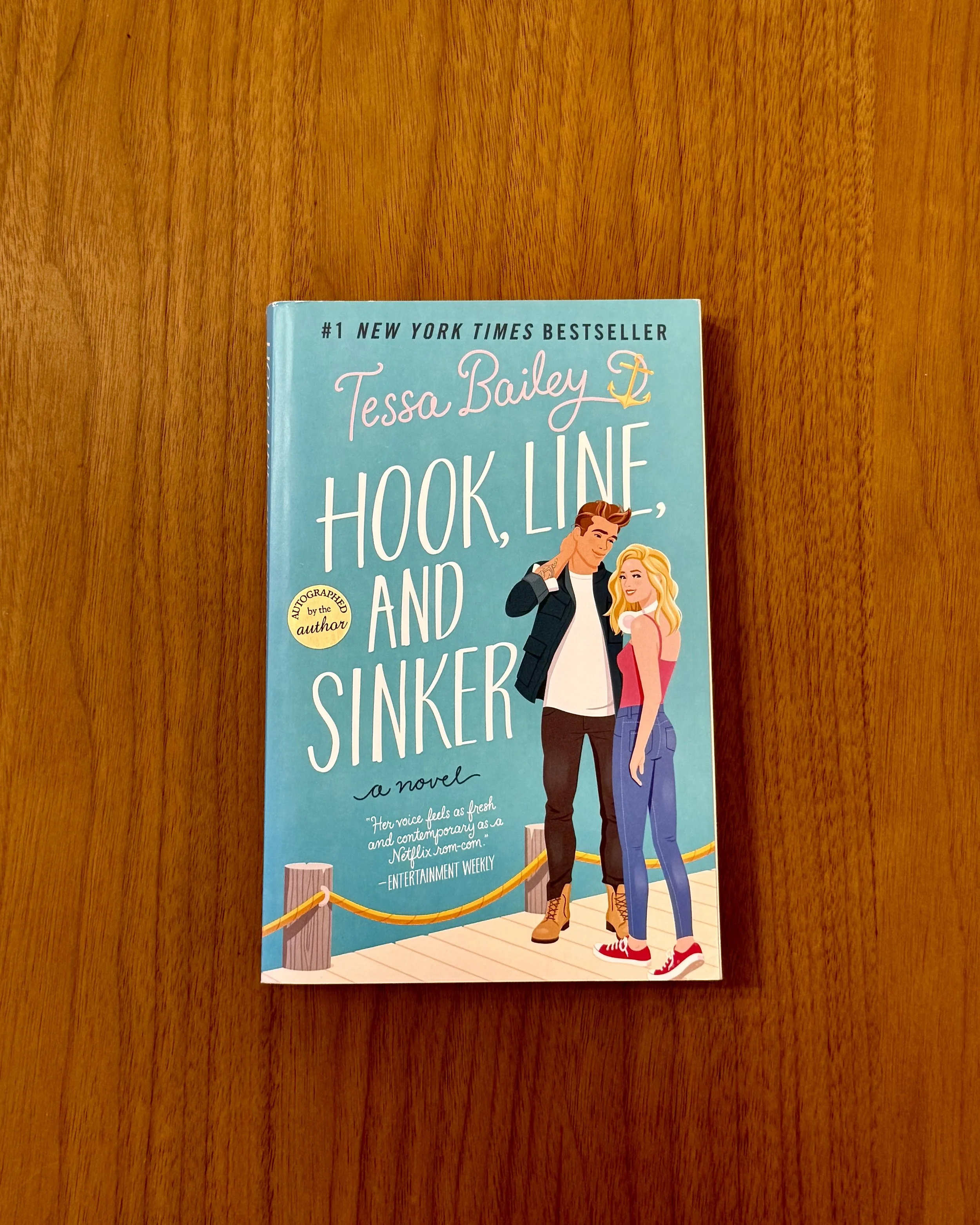
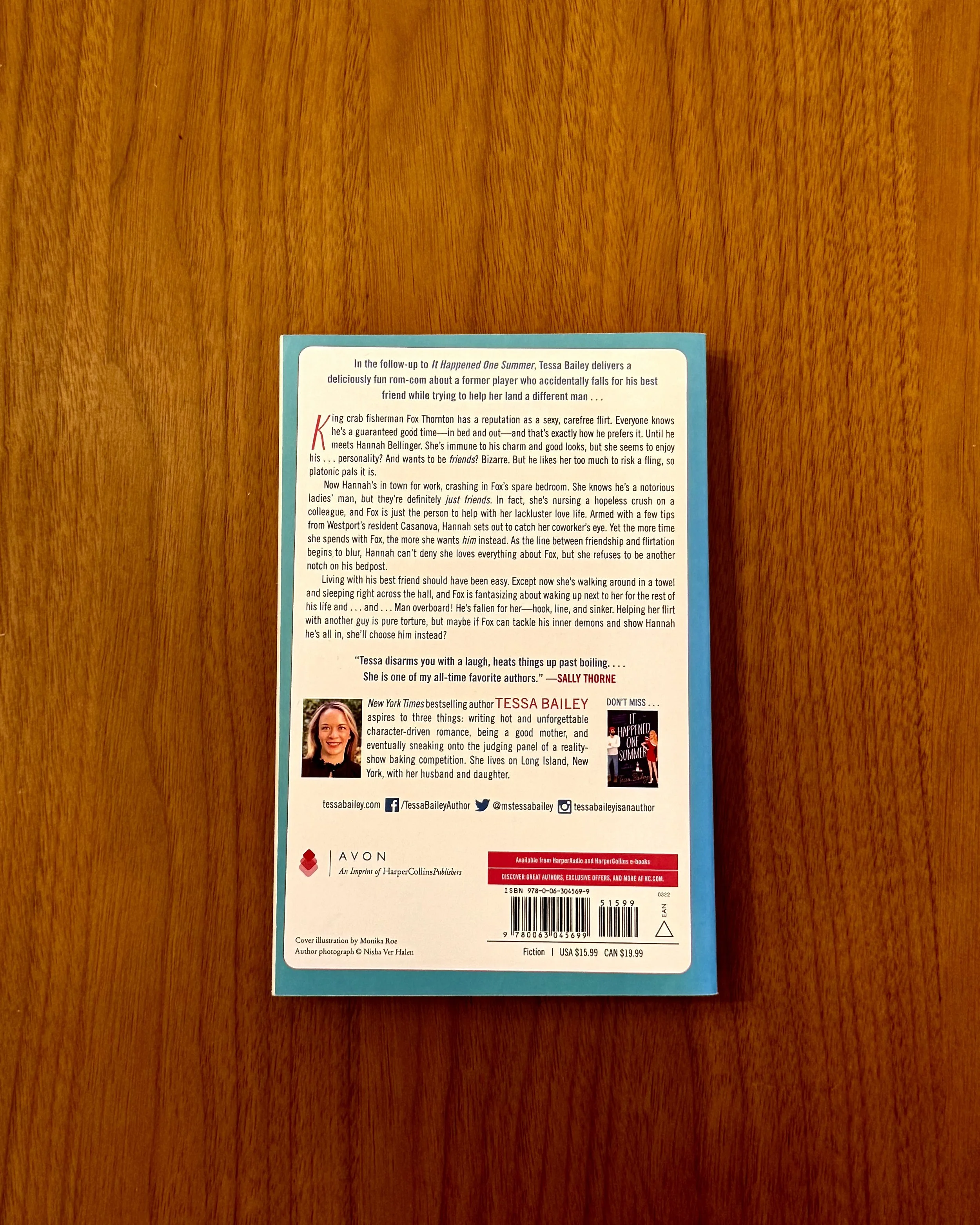
Tessa Bailey’s Hook, Line, and Sinker is a contemporary romance about two friends—Fox Thornton, a charming, self‑doubting fisherman with a reputation he can’t shake, and Hannah Bellinger, a music‑obsessed romantic who refuses to see him as anything but good—who slowly fall for each other as they learn to trust, communicate, and shed the roles the world has assigned them. The novel blends humor, emotional vulnerability, and slow‑burn tension as both characters confront their insecurities and discover a relationship built on honesty rather than performance.
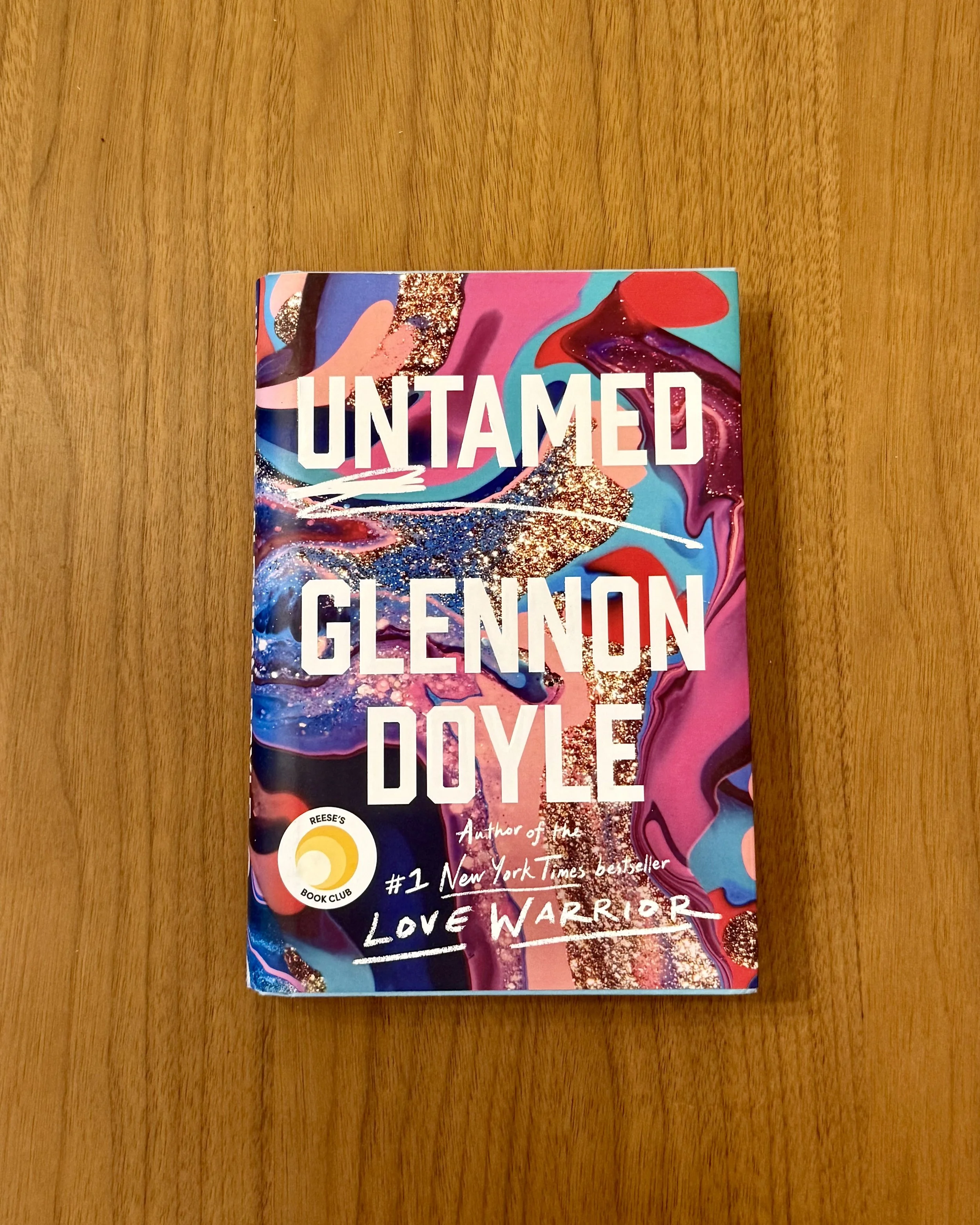
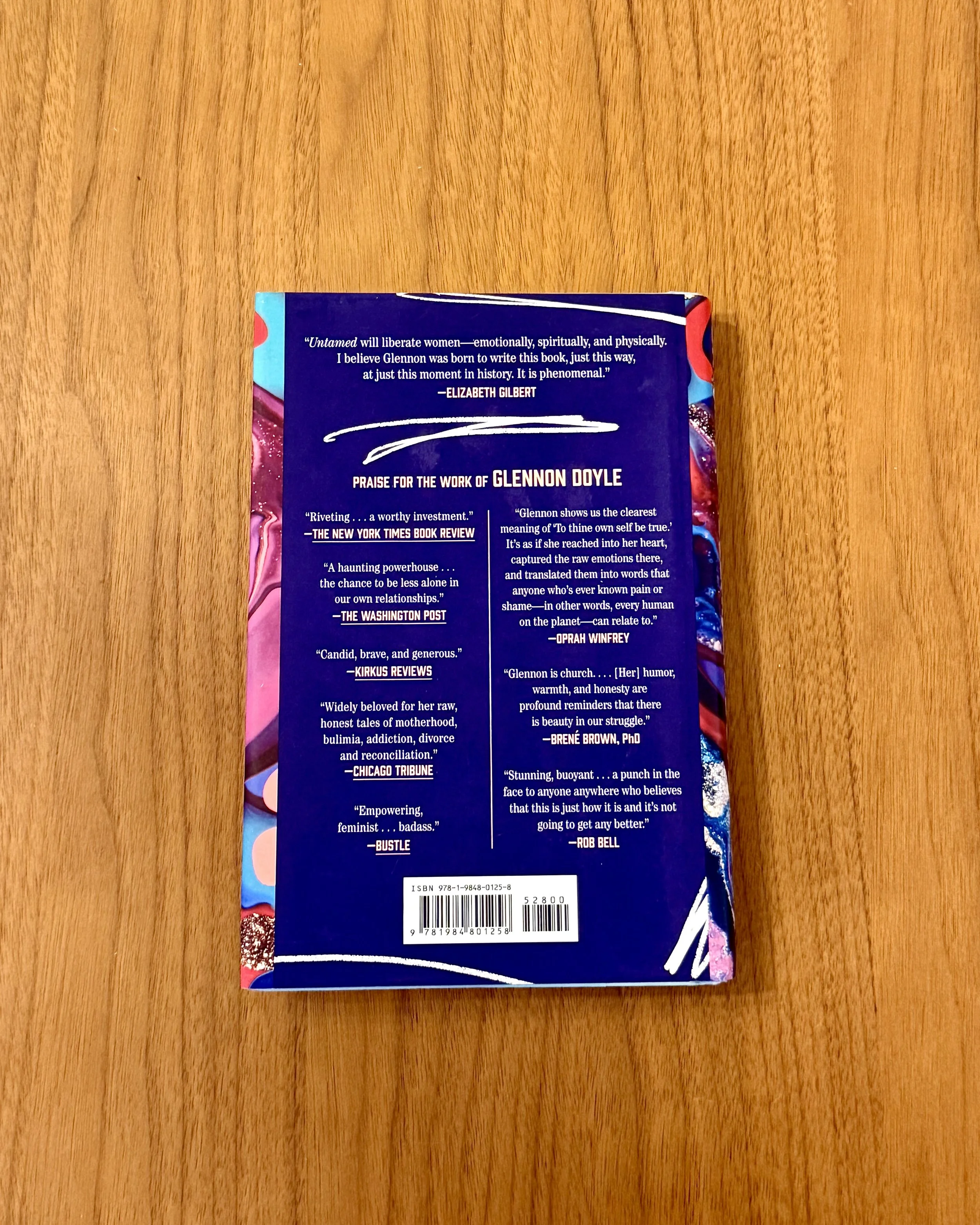
Glennon Doyle’s Untamed is a memoir‑manifesto about breaking free from the expectations, roles, and self‑silencing that women are taught to internalize, and learning instead to trust one’s own instincts, desires, and inner voice. Through personal stories, cultural critique, and sharp emotional insight, Doyle argues that much of what we call “goodness” is really social conditioning—and that a more honest, liberated life begins when we stop trying to be what the world wants and start becoming who we actually are.

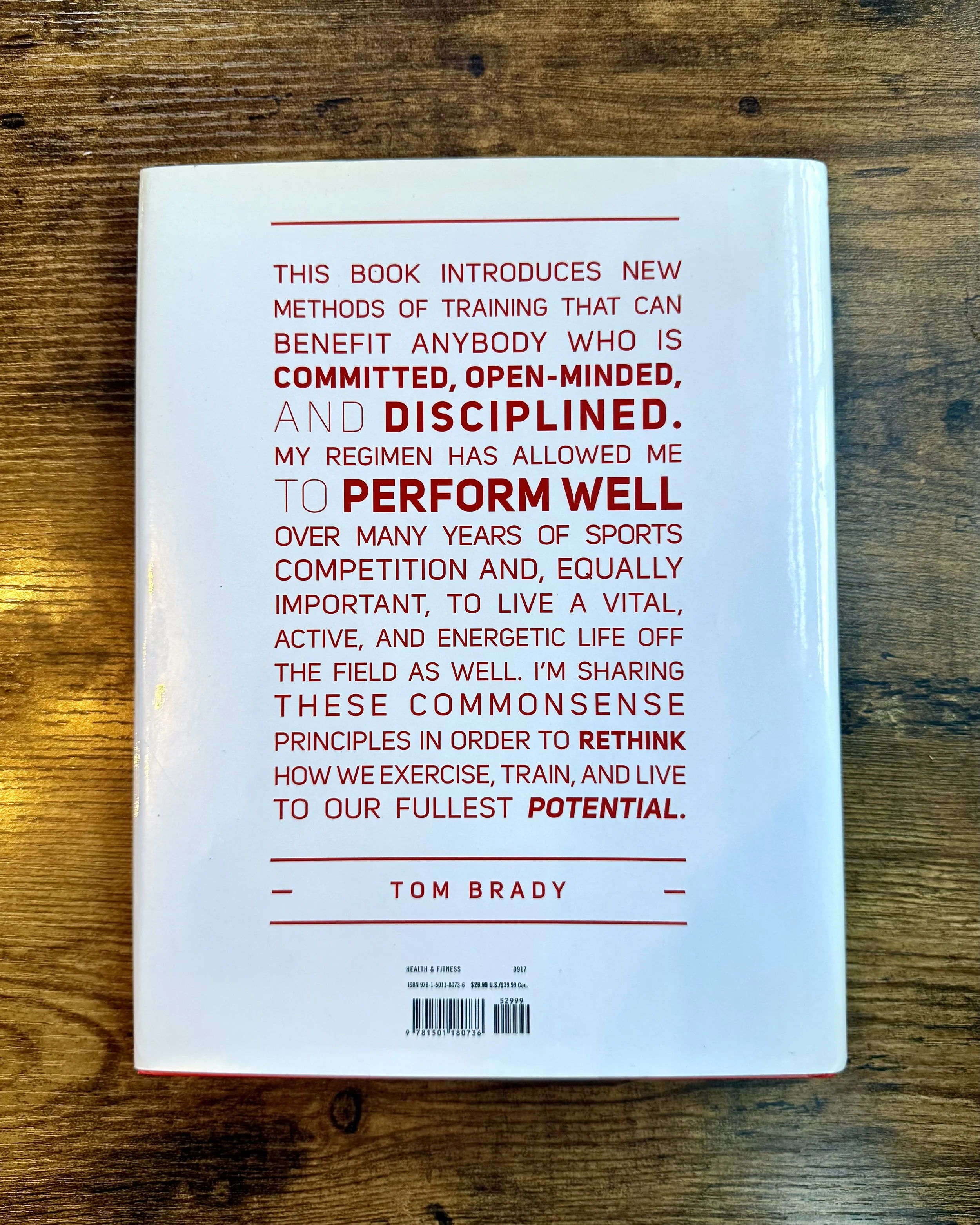
Tom Brady’s The TB12 Method: How to Achieve a Lifetime of Sustained Peak Performance is a wellness and training guide built around Brady’s “pliability” philosophy—emphasizing muscle‑lengthening work, functional strength training, anti‑inflammatory nutrition, hydration, and disciplined daily routines. The book lays out his approach to longevity, recovery, and performance, presenting a system designed to keep athletes and non‑athletes alike healthier, more mobile, and more resilient over time.
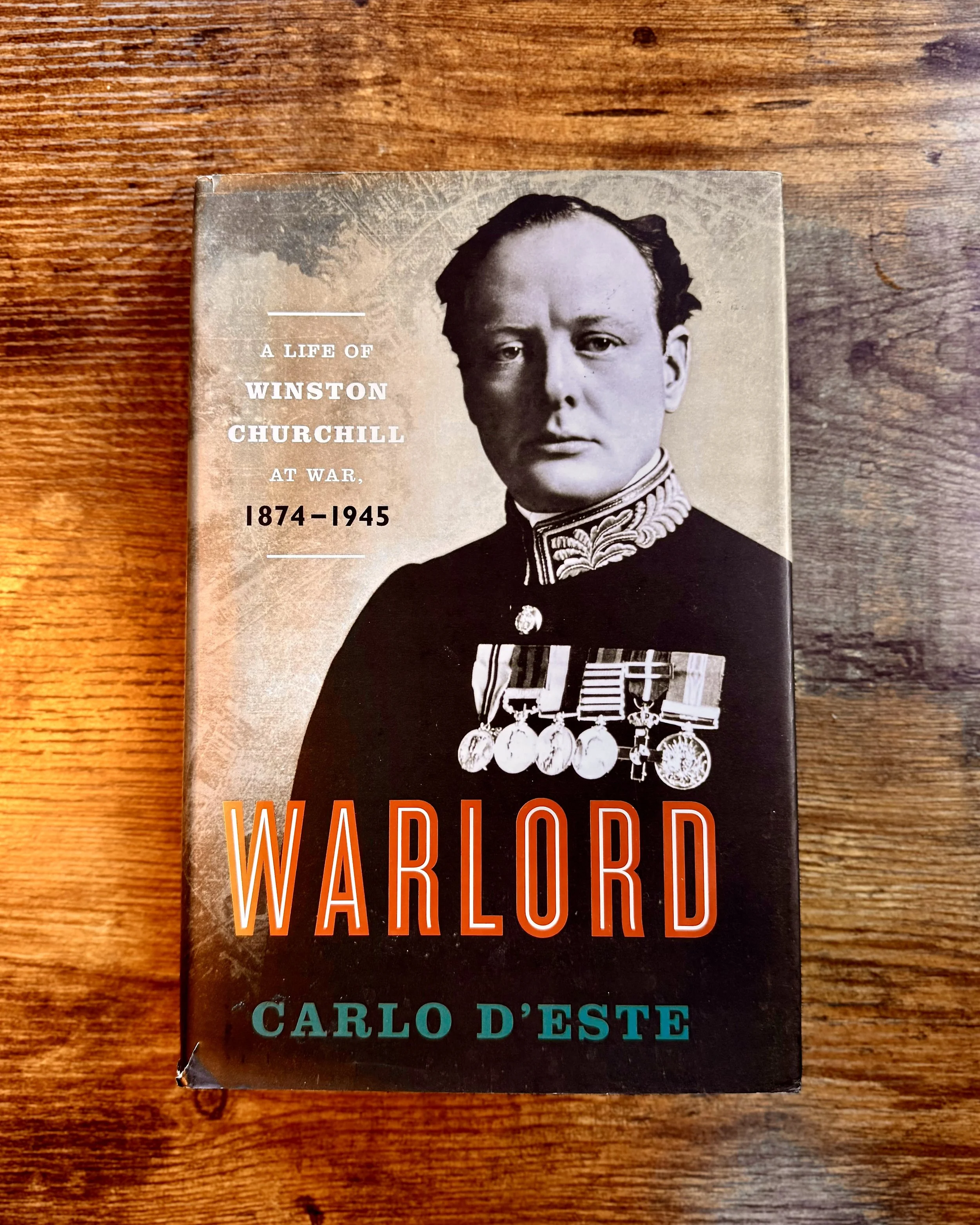
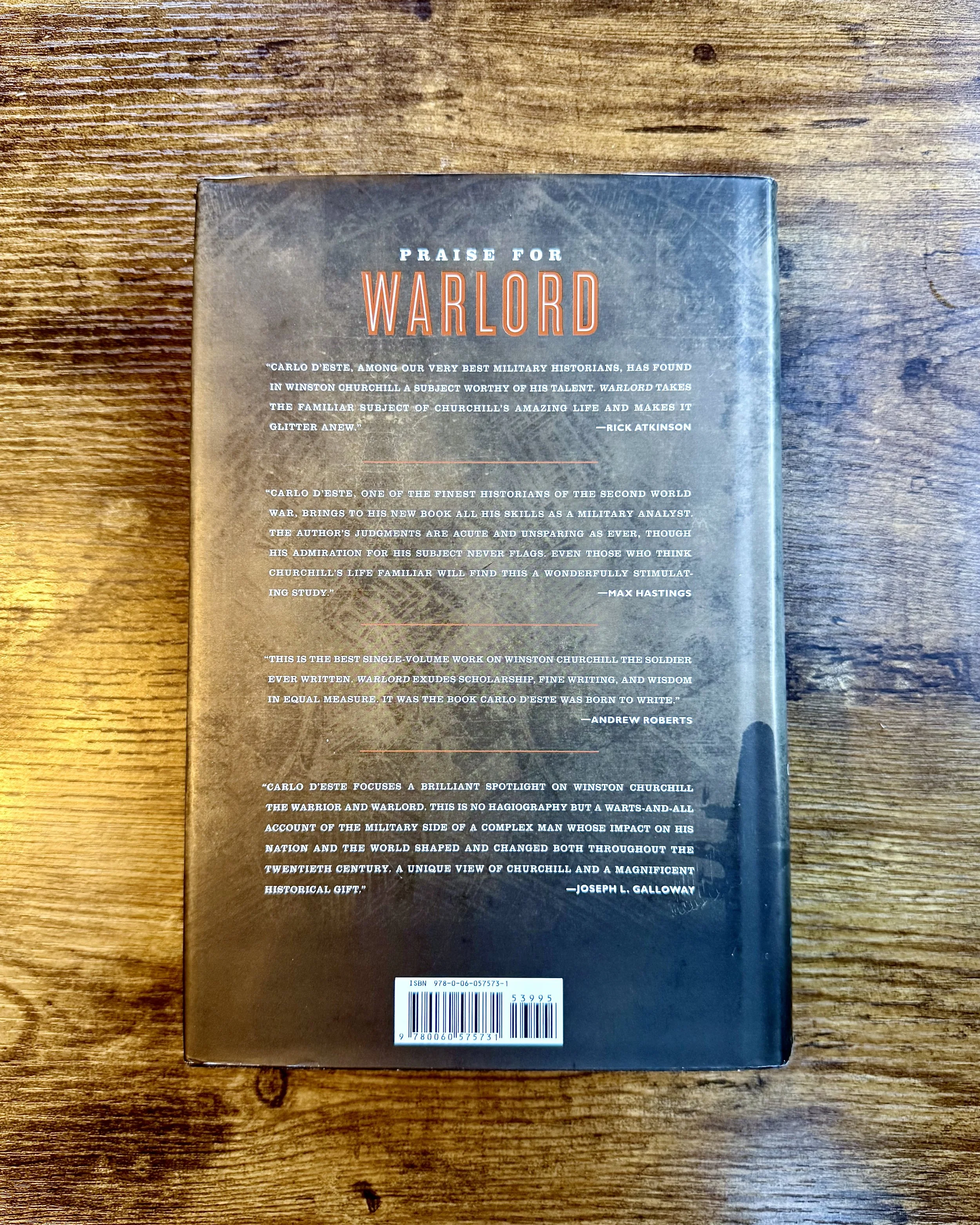
Carlos D’Este’s Warlord: A Life of Winston Churchill at War, 1874–1945 is a military‑focused biography that examines Churchill primarily through the lens of strategy, command, and wartime leadership. D’Este portrays Churchill as a brilliant but often impulsive figure whose bold ideas, deep historical knowledge, and relentless energy shaped Britain’s war effort—while also highlighting his misjudgments, strategic gambles, and the tensions he created with generals and allies. The result is a portrait of Churchill as a complex, force‑driven wartime leader rather than a conventional political statesman.
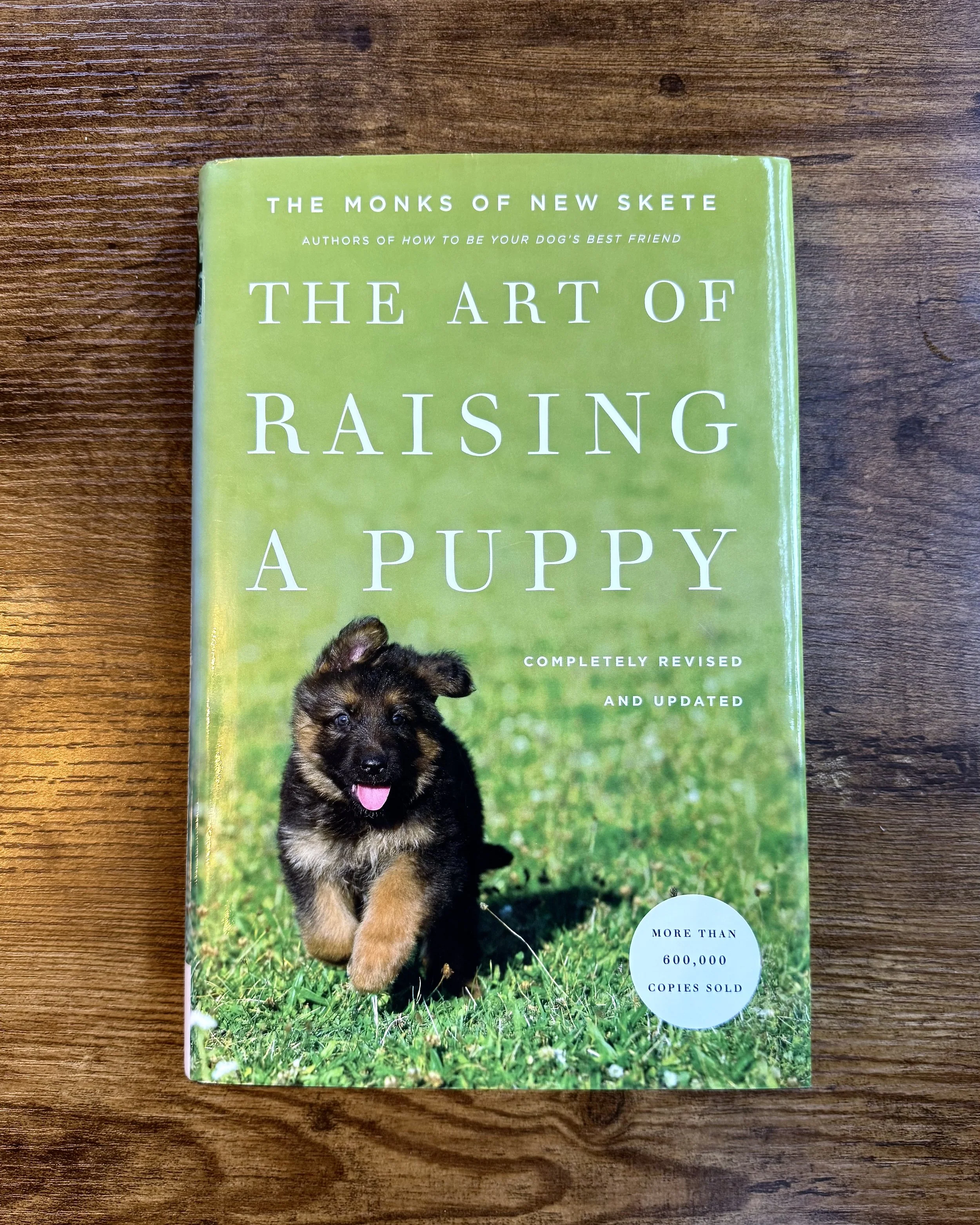

The Monks of New Skete’s The Art of Raising a Puppy is a practical, relationship-driven guide to raising a well-balanced dog, blending traditional pack-hierarchy philosophy with the monks’ decades of hands-on experience breeding and training German Shepherds. Organized chronologically, it covers every stage—from selecting a puppy and navigating early socialization windows to house-training and basic obedience. The book emphasizes clear boundaries, structured routines, and mindfulness, encouraging owners to understand canine instincts to build a bond based on mutual respect and calm confidence.
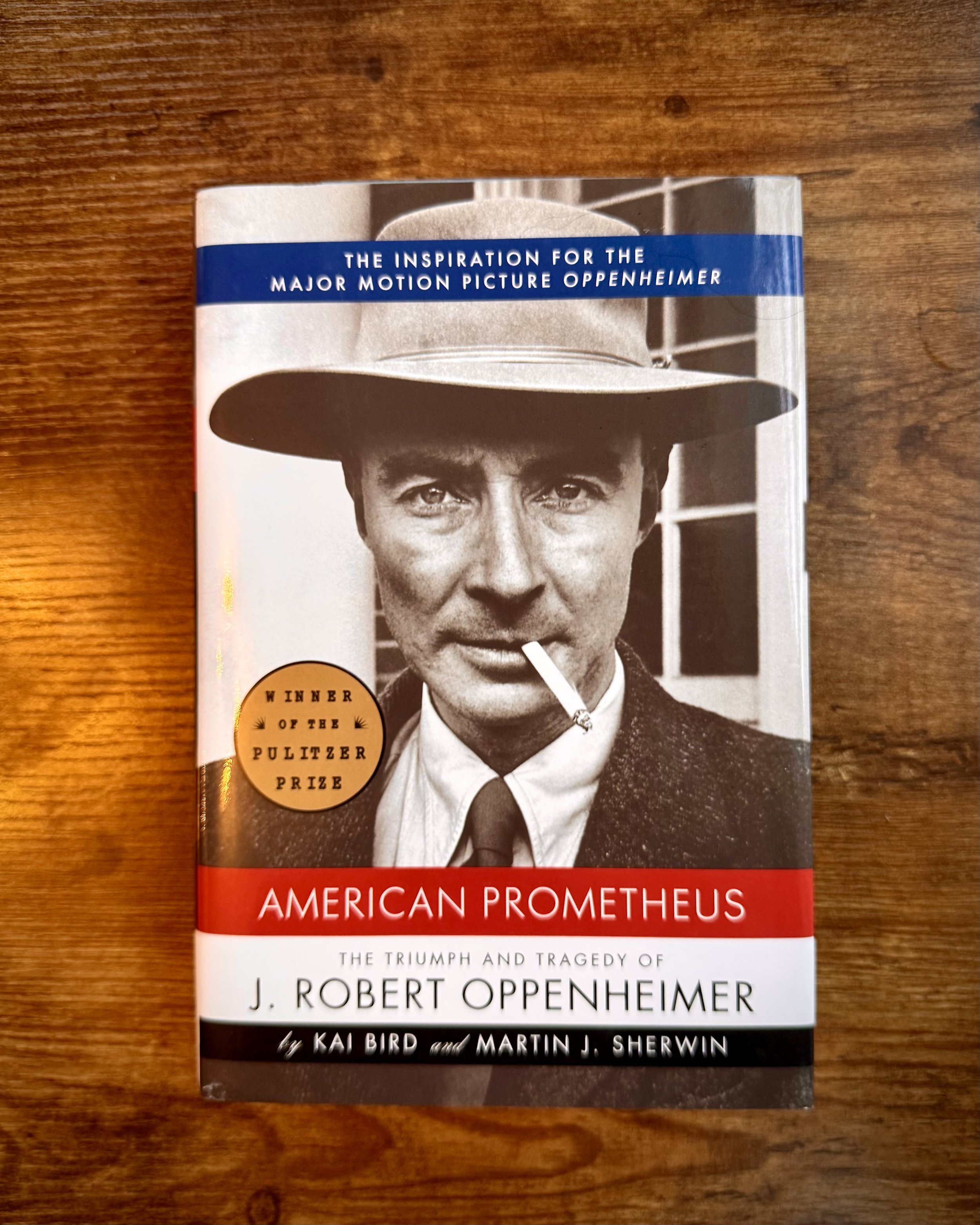
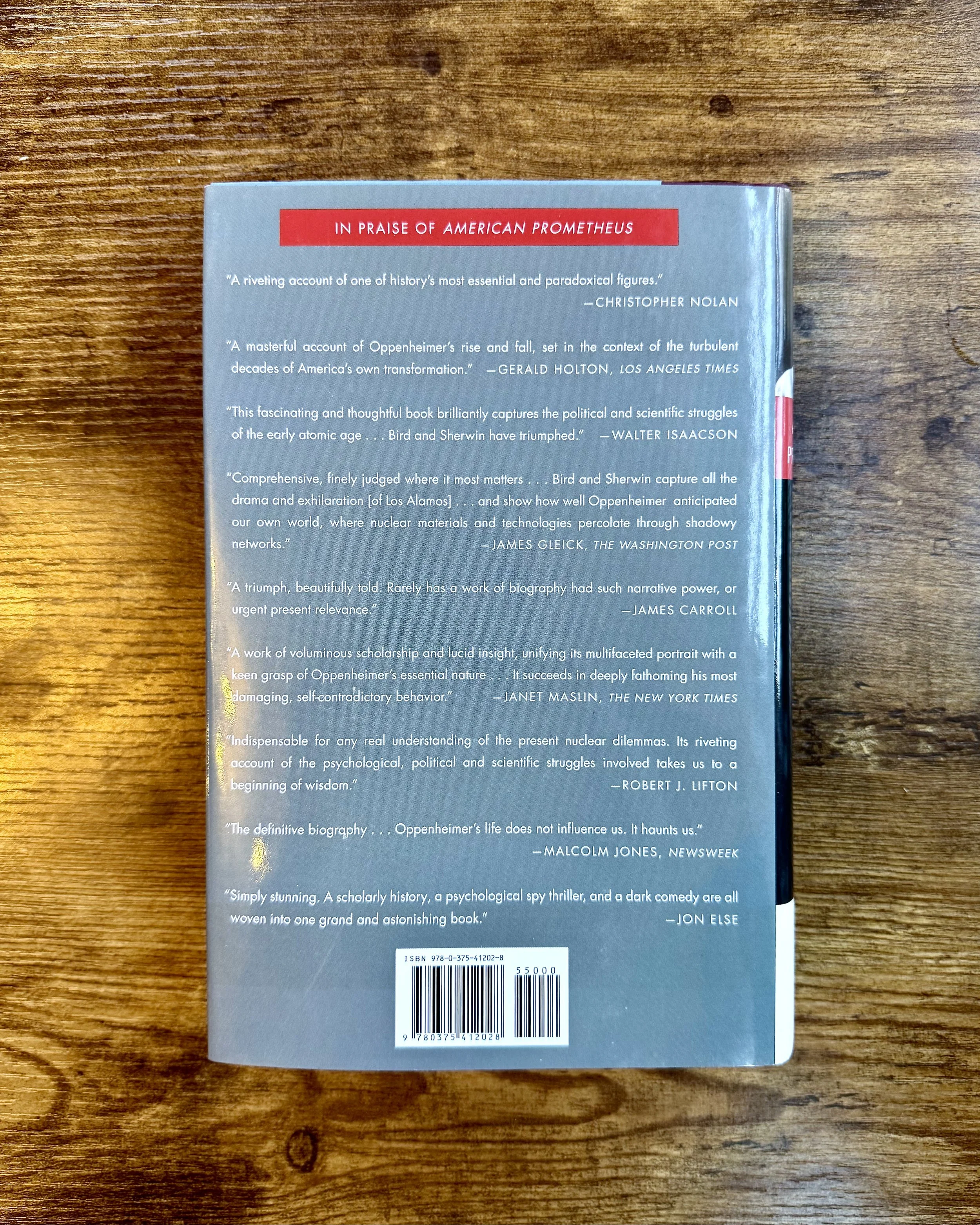
Kai Bird and Martin J. Sherwin’s American Prometheus: The Triumph and Tragedy of J. Robert Oppenheimer is a sweeping, deeply researched biography tracing Oppenheimer’s rise as a brilliant physicist, his leadership of the Manhattan Project, and his eventual political downfall during the Red Scare. Drawing on decades of archival work, the authors portray him as a gifted, conflicted figure—both the architect of the atomic bomb and a man haunted by its consequences.
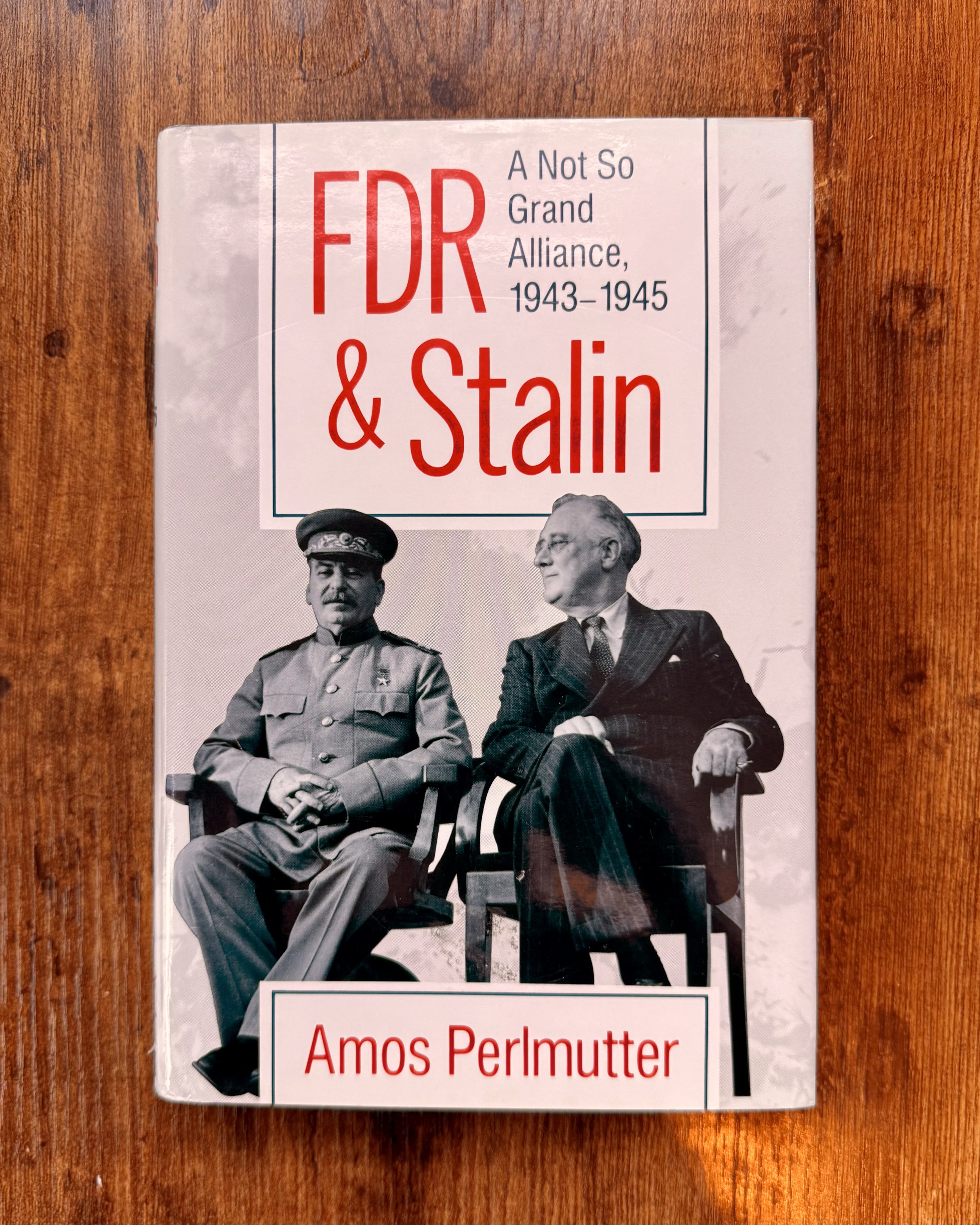
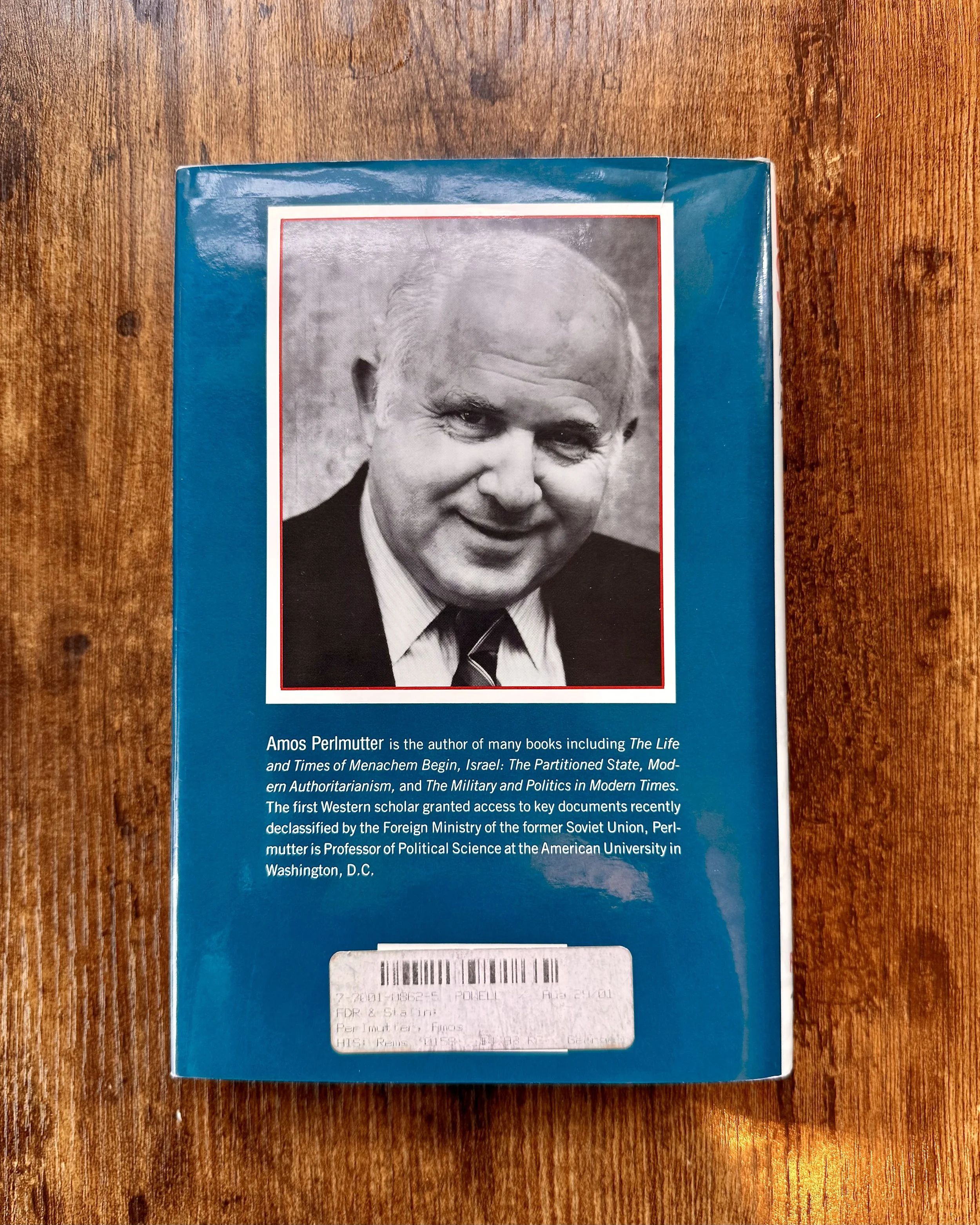
Amos Perlmutter offers a revisionist account of Roosevelt’s wartime diplomacy, arguing that FDR badly misread Stalin’s long‑term ambitions and conceded too much in key negotiations over Eastern Europe, Germany, and the postwar order. Drawing on newly available Soviet and U.S. archival material, he portrays the alliance as “not so grand”: a partnership that helped win the war but, in his view, strengthened Soviet power and contributed to the shape of the Cold War.
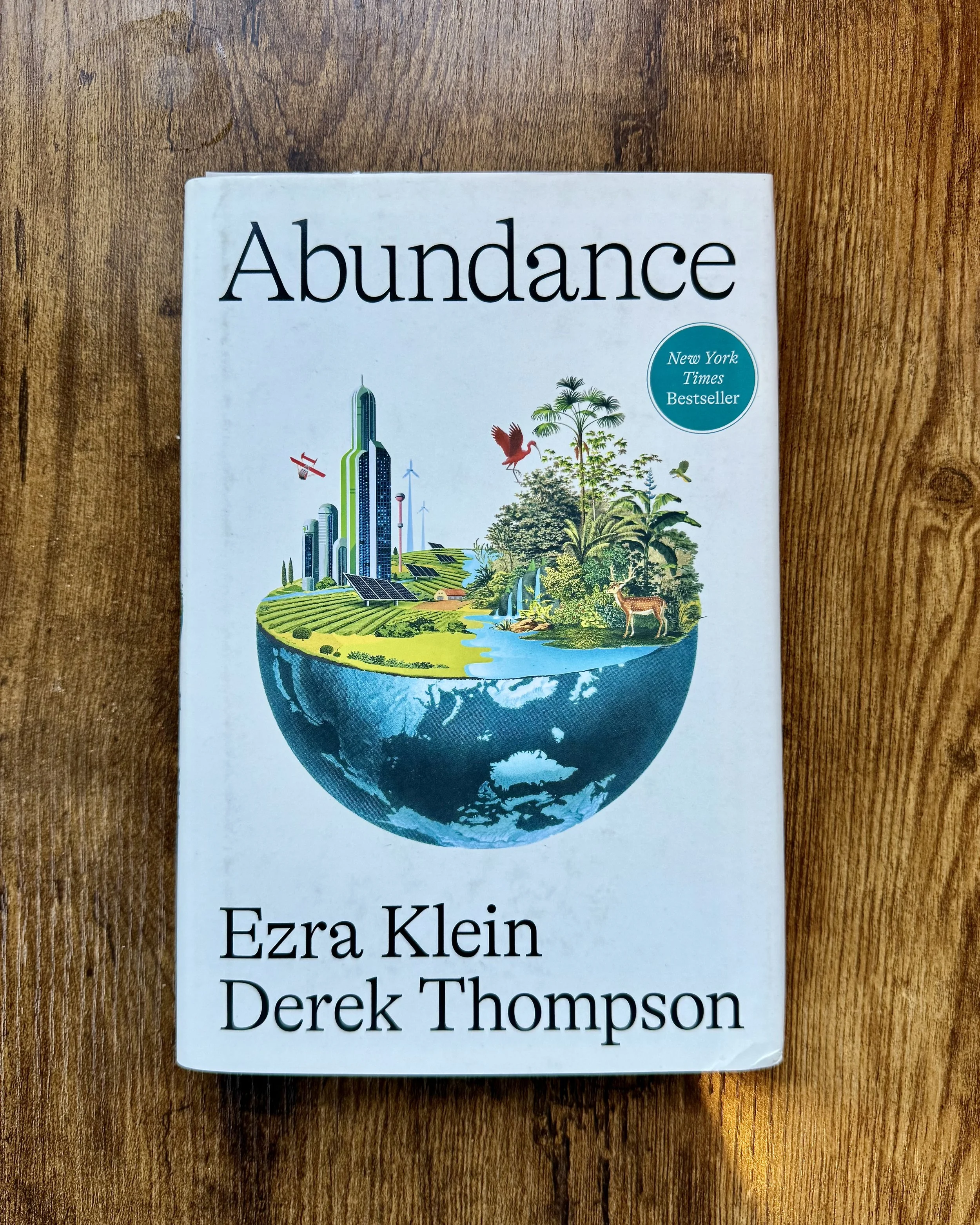
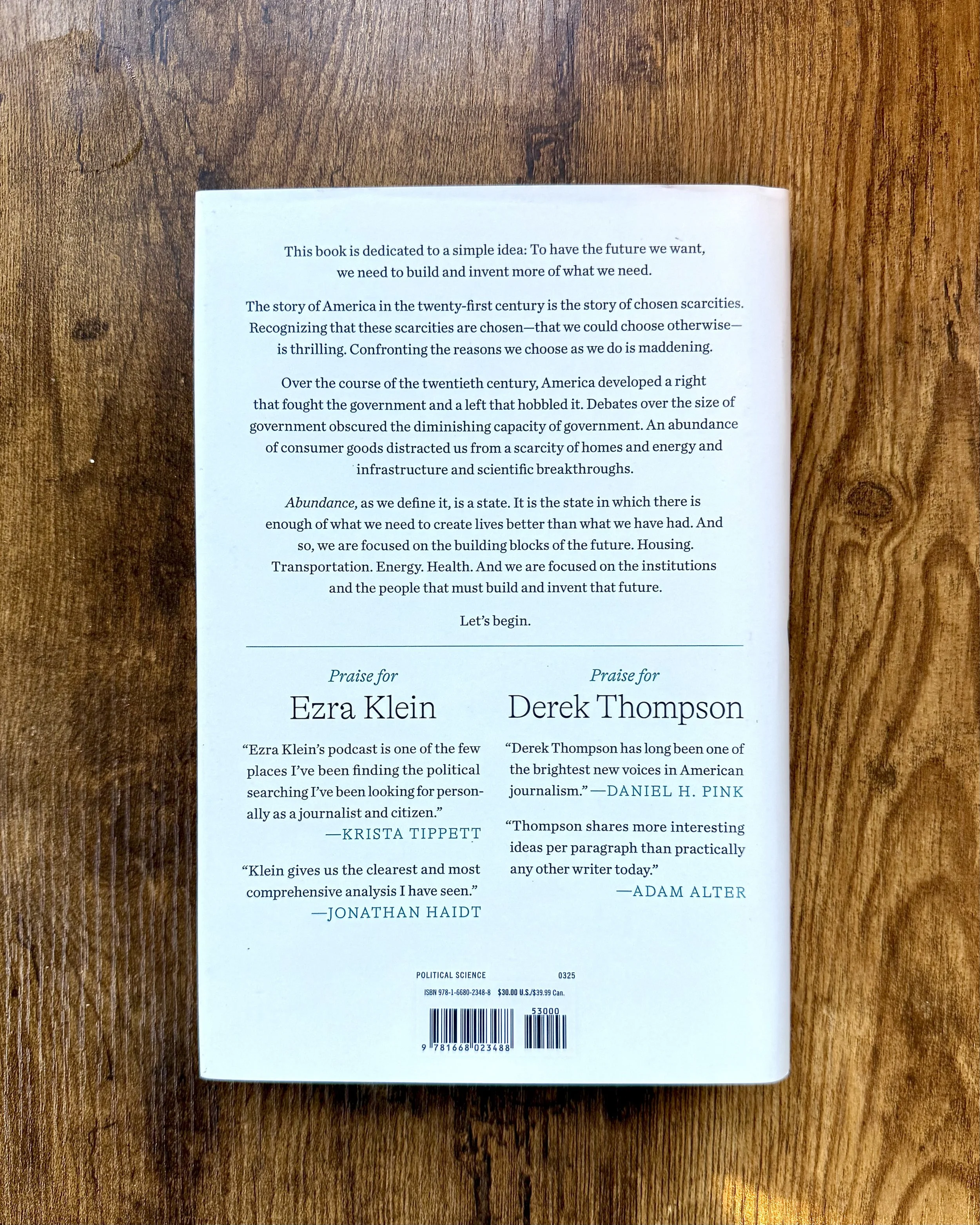
In Abundance, Ezra Klein and Derek Thompson argue that many of America’s biggest challenges — from housing shortages to slow infrastructure, clean‑energy bottlenecks, and stagnant innovation — stem from artificial scarcity created by outdated rules and political caution. They outline an “abundance agenda” that calls for reforming the systems that make it hard to build, and for shifting from a defensive, process‑heavy politics to one focused on expanding capacity, opportunity, and shared prosperity.
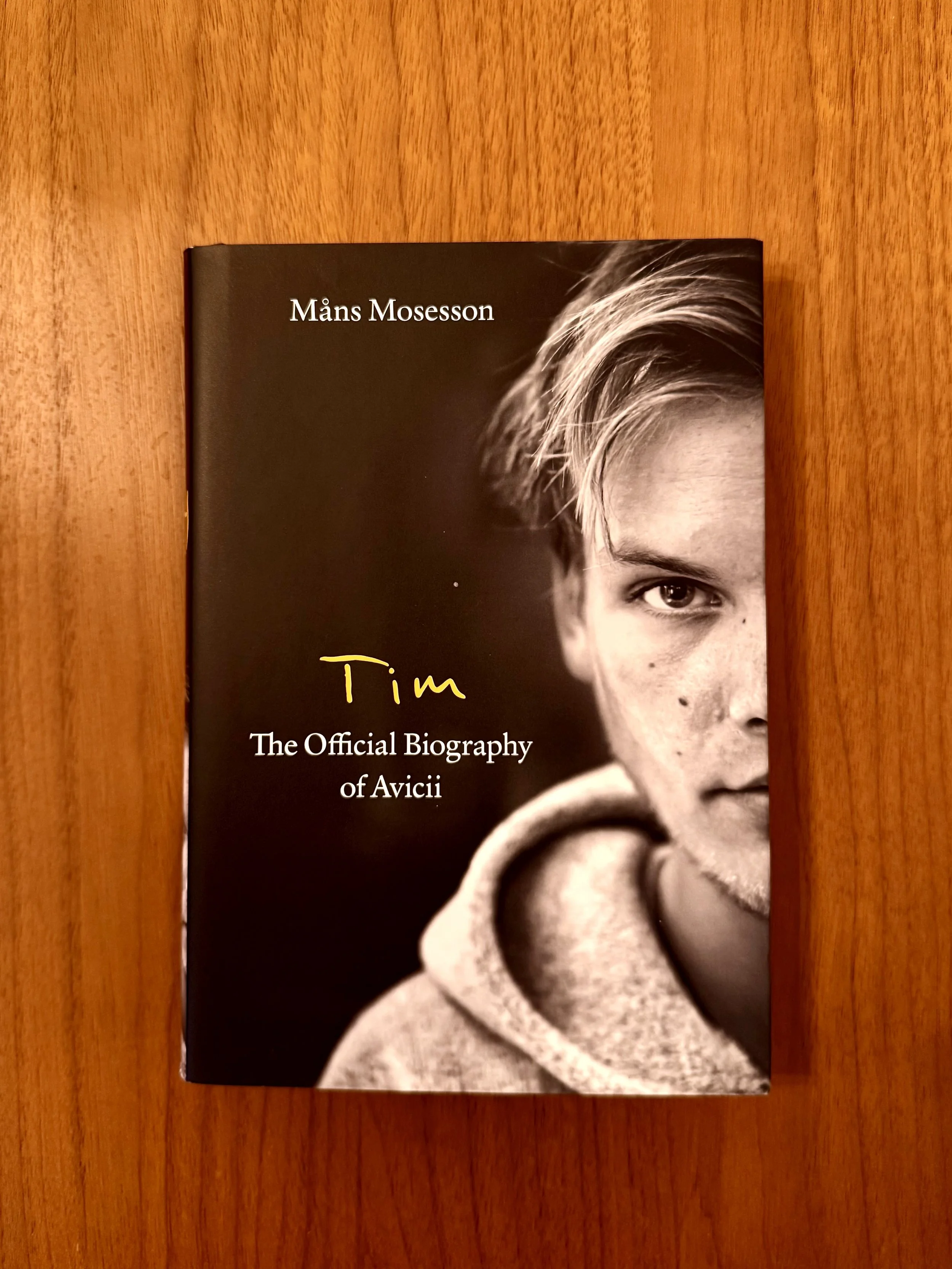
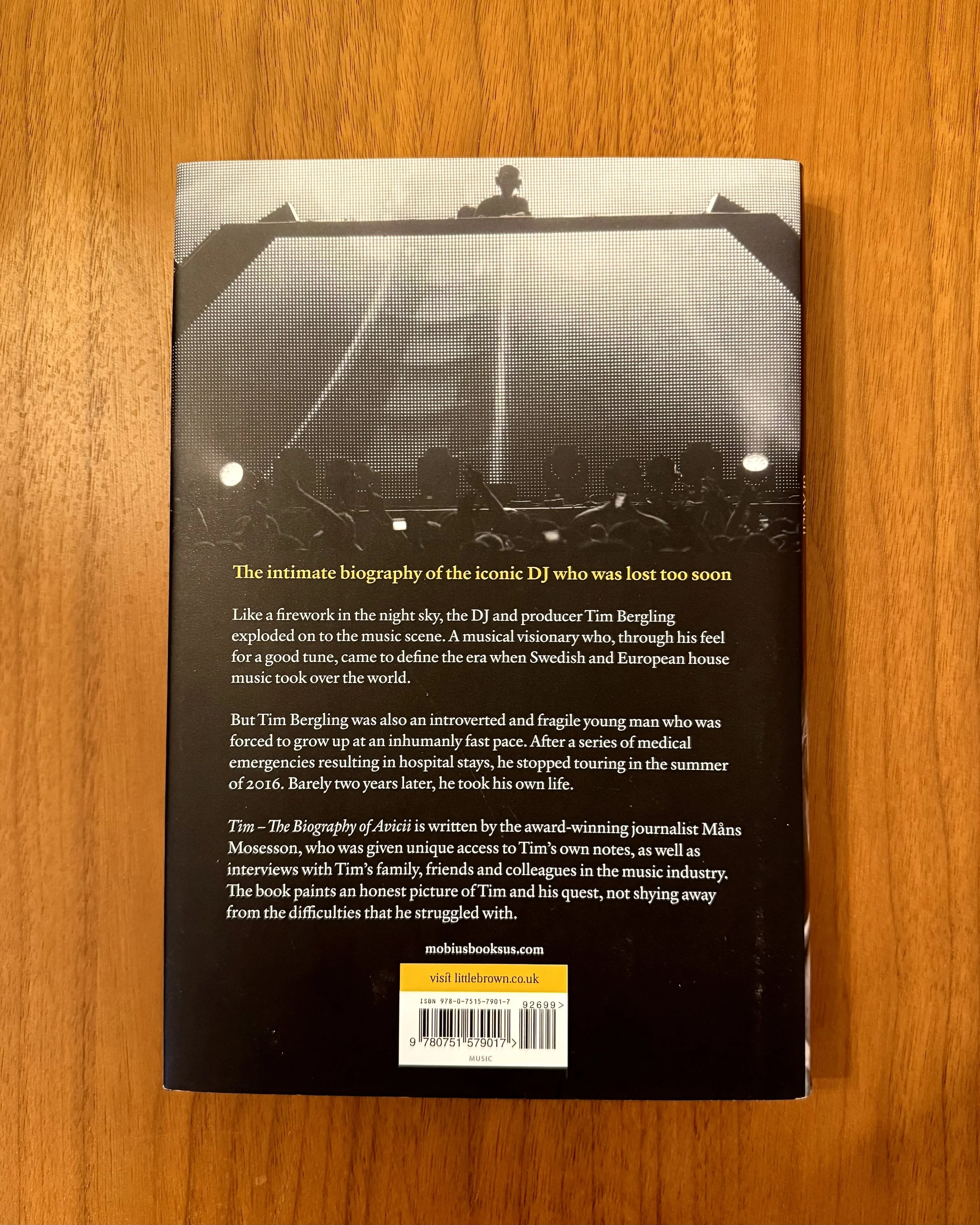
Tim by Måns Mosesson is a deeply reported portrait of Tim Bergling (Avicii), tracing his musical innovation, rapid rise, and personal struggles. Through interviews and Bergling’s own notes, Mosesson offers a compassionate look at a brilliant artist under immense pressure.
Michael’s Review: This brief biography provides rare insights into what made Avicii (1) an innovative artist but also (2) someone who struggled deeply with his mental health.
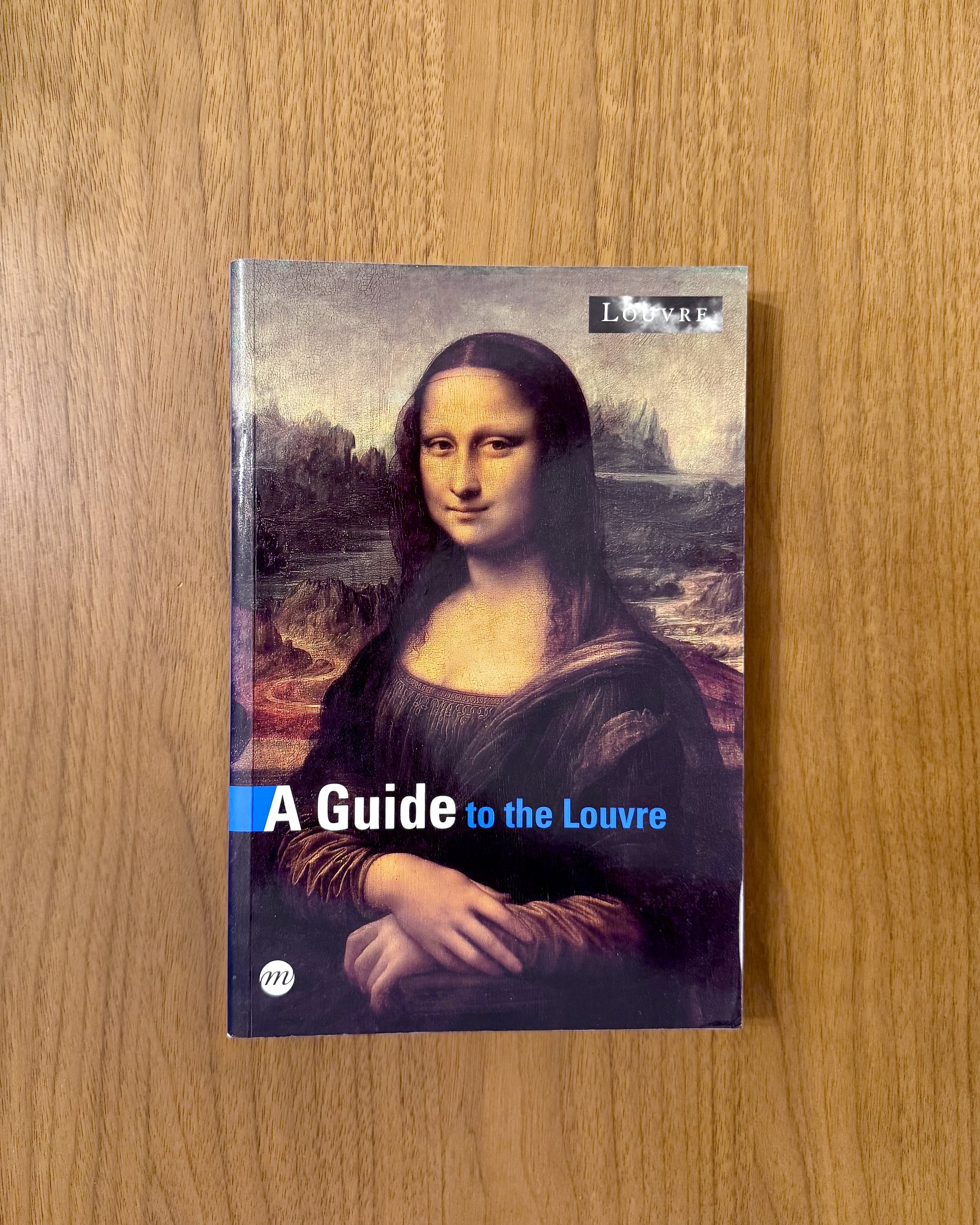
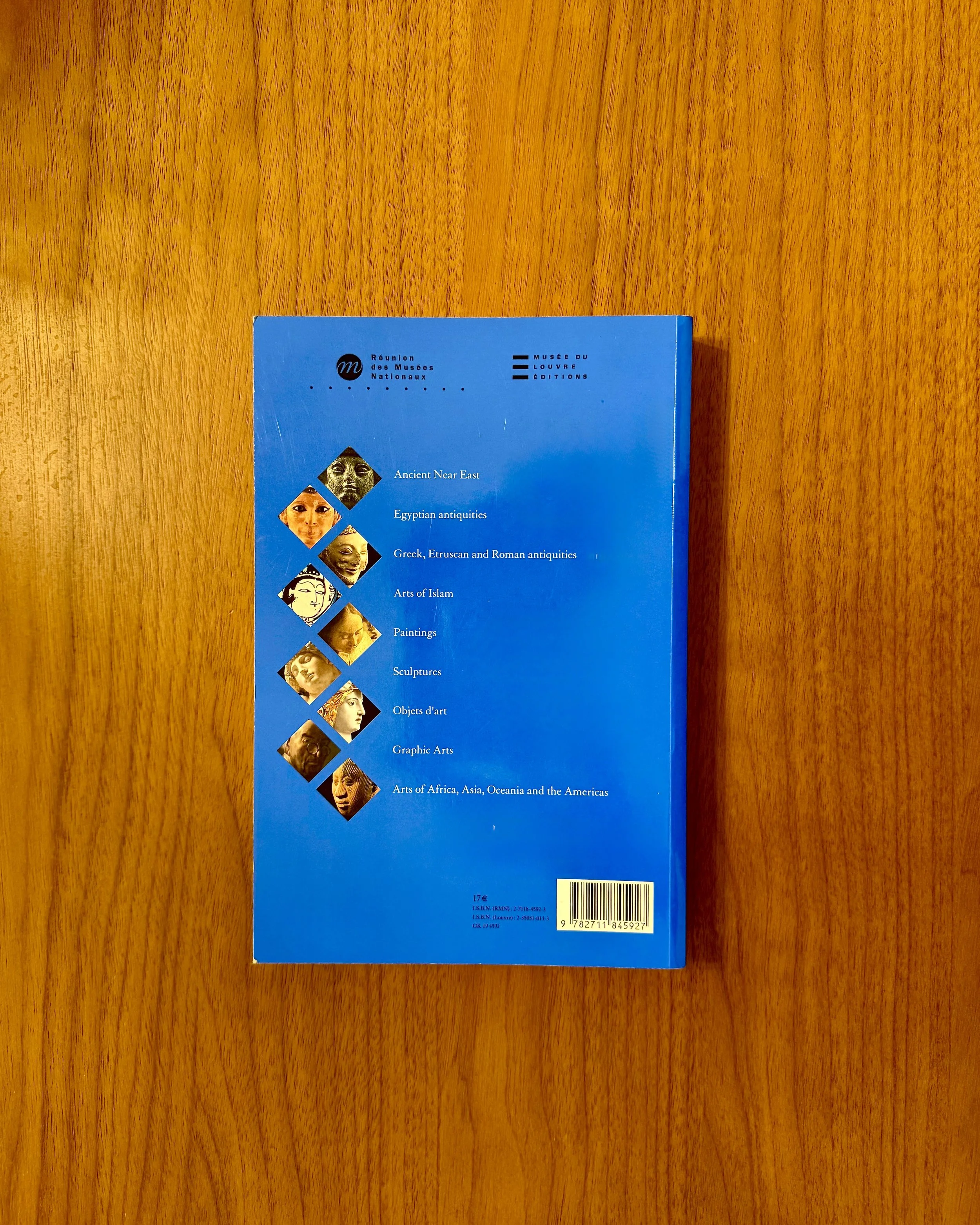
A Guide to the Louvre by Fabrice Douar is a compact, visitor‑friendly introduction to the world’s most famous museum, designed to help readers navigate its vast collections with clarity and purpose. The book highlights major masterpieces—from ancient civilizations to Renaissance icons and 19th‑century French painting—while offering historical context, thematic connections, and practical tips for planning an efficient visit. Blending art history with clear orientation advice, it serves as both a primer for first‑time visitors and a helpful companion for anyone wanting to deepen their appreciation of the Louvre’s most significant works.
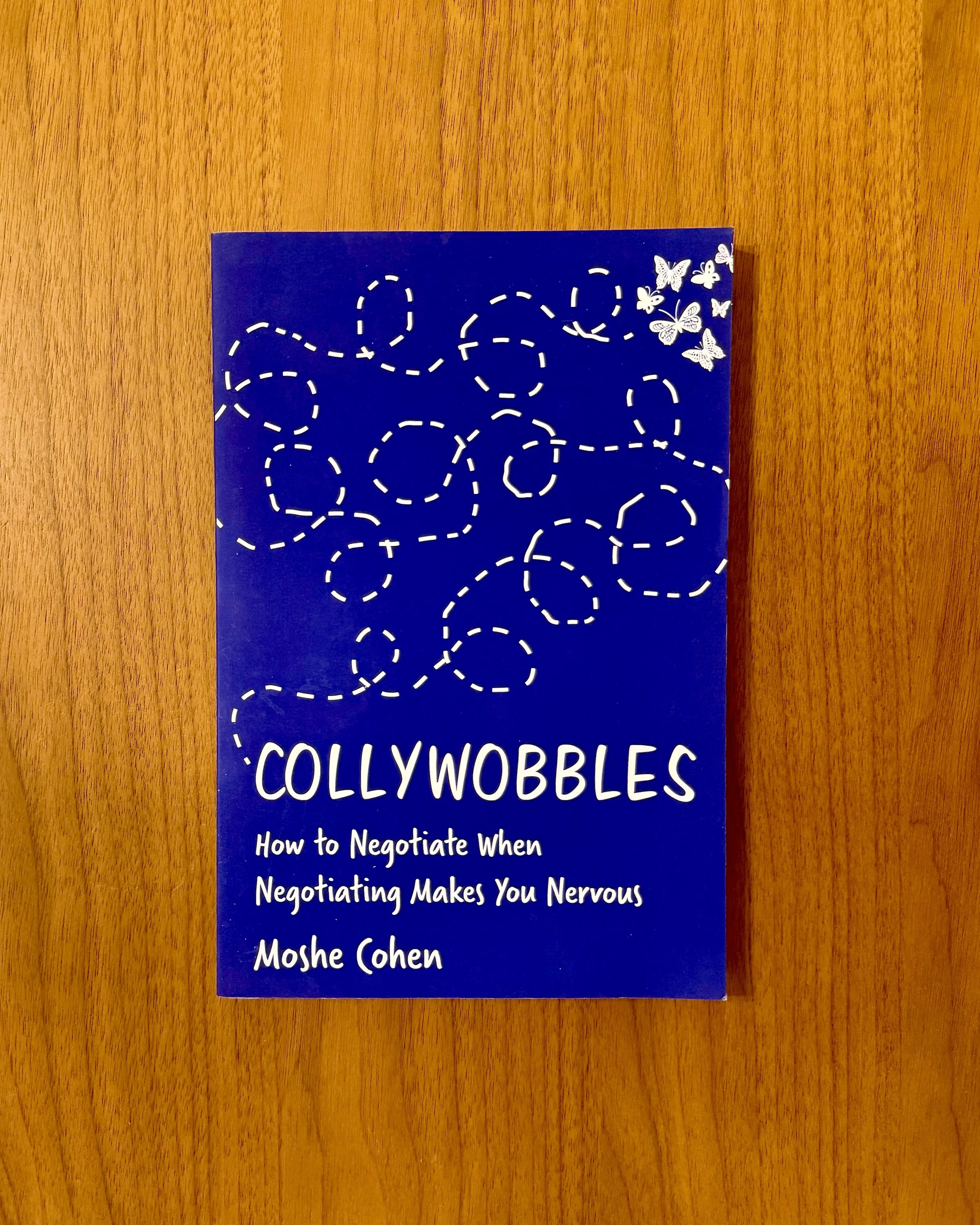
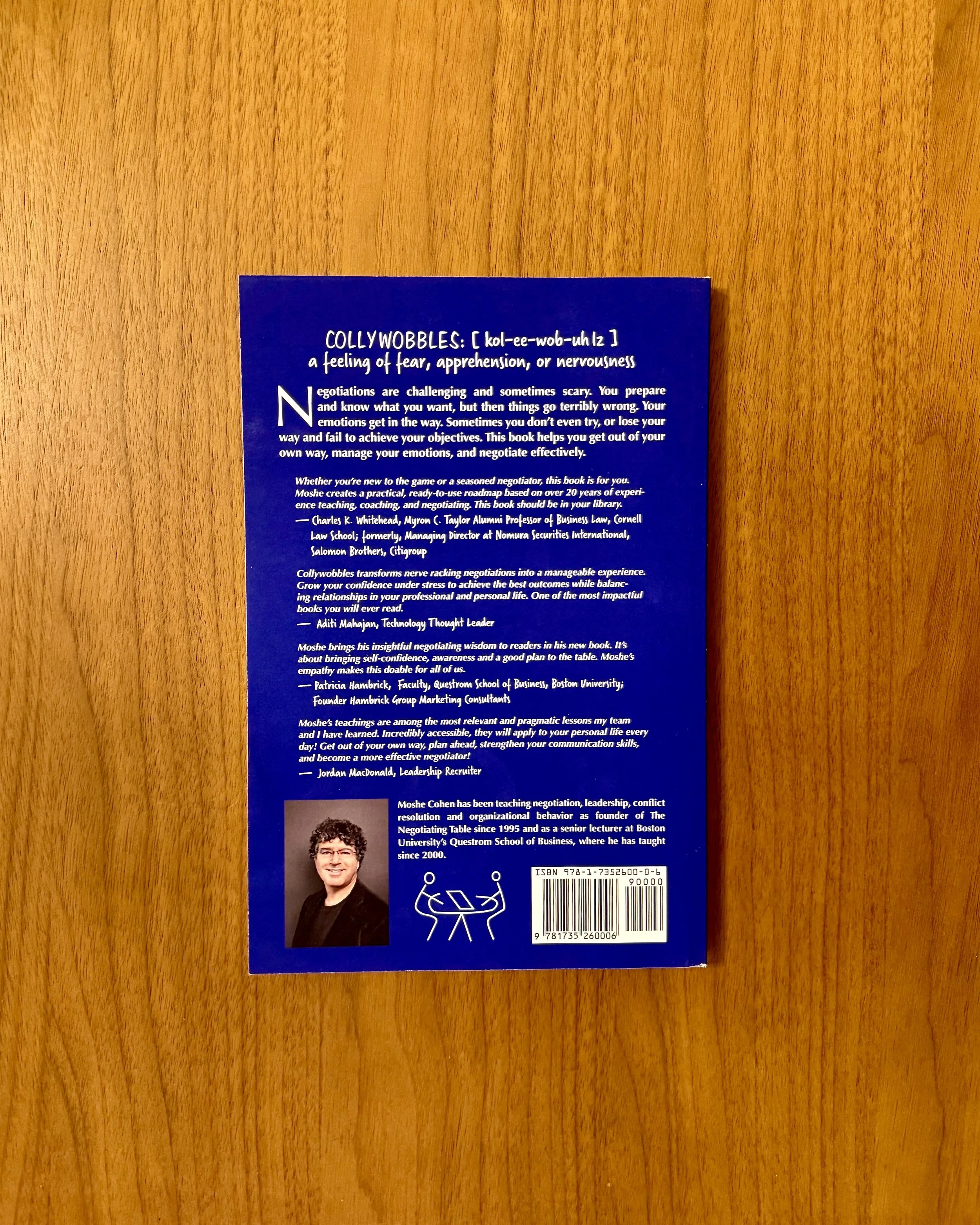
Collywobbles: How to Negotiate When Negotiation Makes You Nervous by Moshe Cohen is a practical, psychology‑driven guide for people who feel anxious, intimidated, or overwhelmed in negotiation settings. Cohen breaks down why negotiation triggers physical and emotional discomfort, then offers clear, repeatable strategies for preparing, managing nerves, communicating effectively, and staying grounded under pressure. Blending behavioral science with real‑world examples, the book helps readers build confidence, reduce fear, and approach negotiations with calm, clarity, and a sense of control.
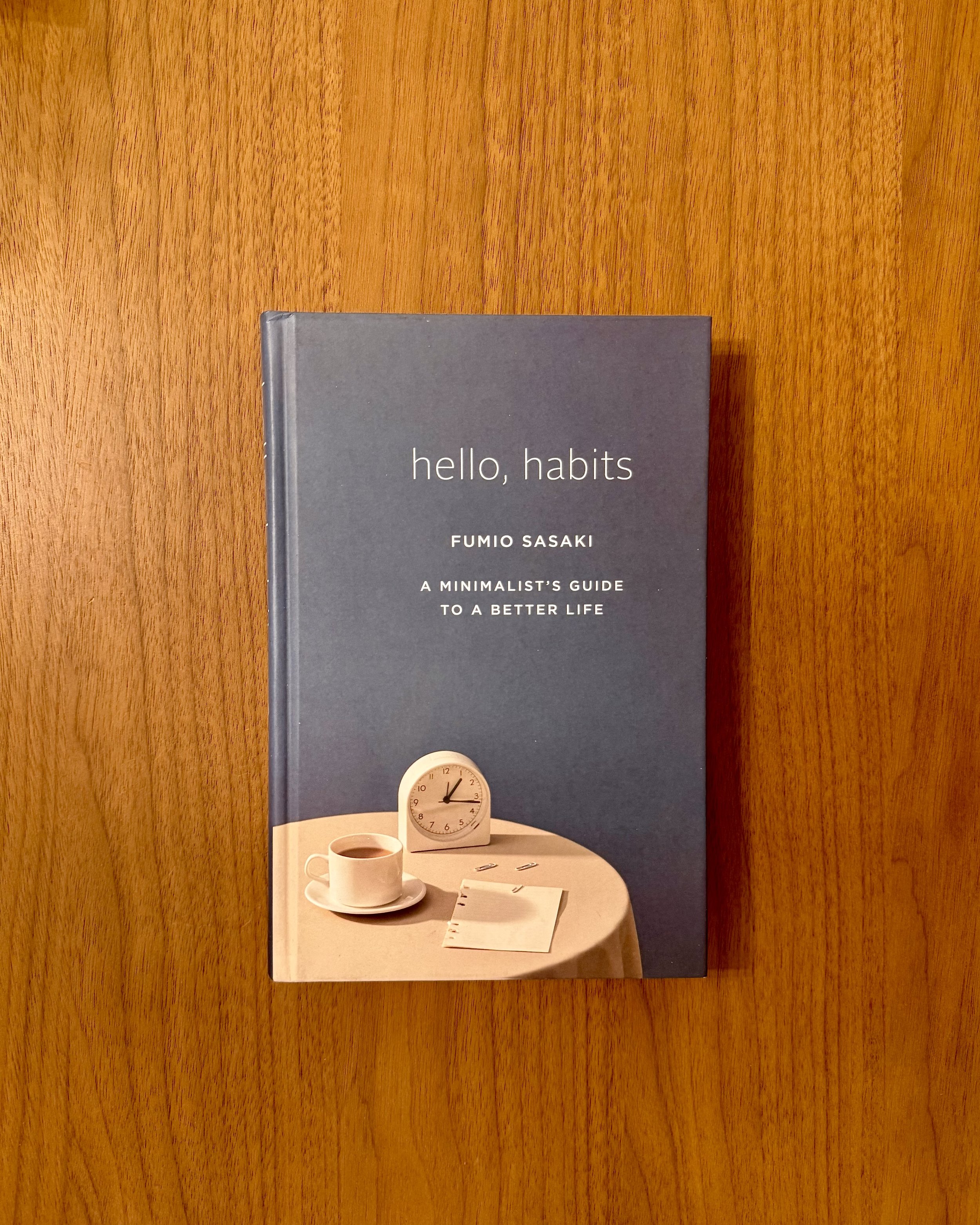
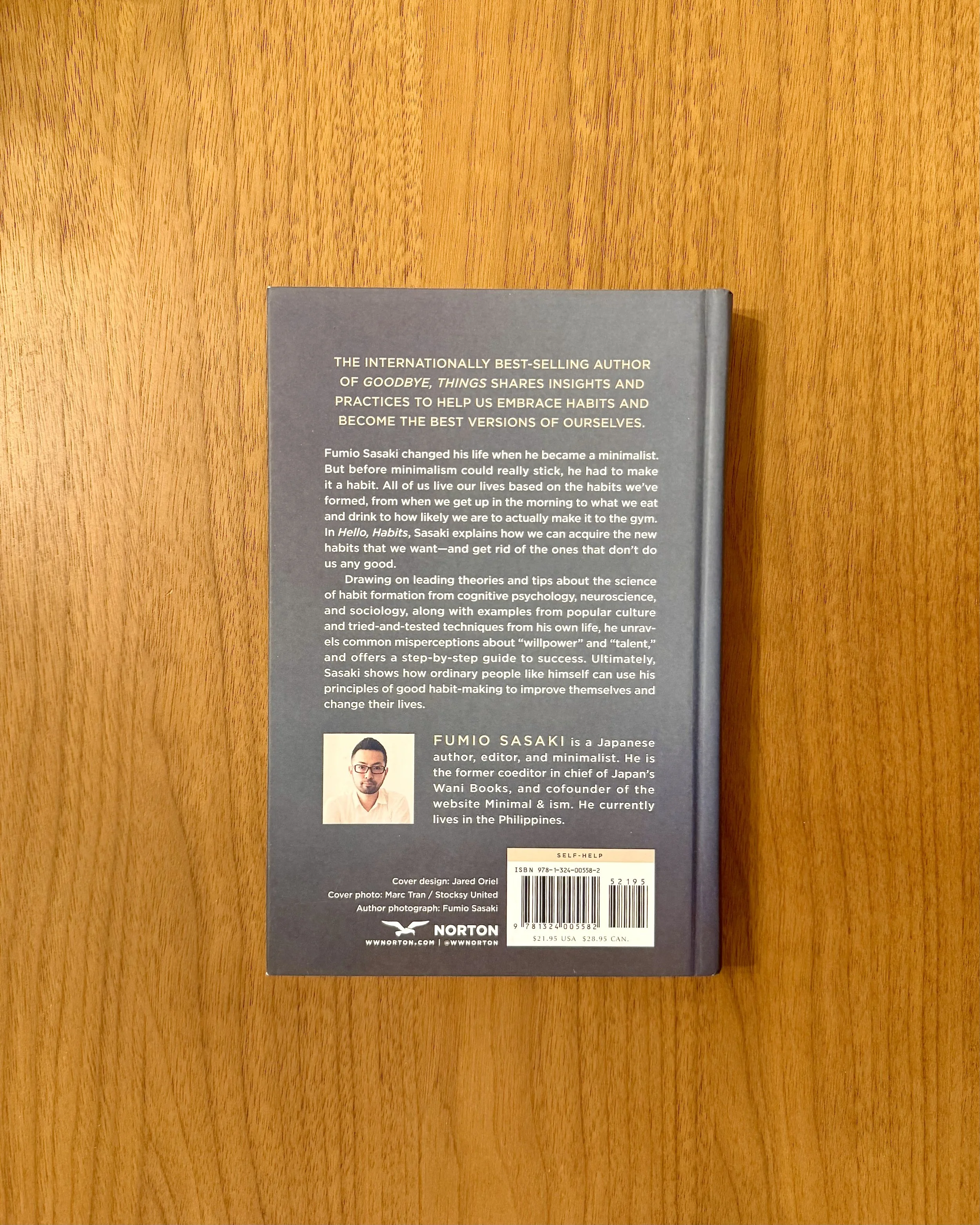
Hello Habits: A Minimalist’s Guide to a Better Life by Fumio Sasaki is a concise, practical exploration of how small, intentional habits can reshape daily life. Drawing from his own minimalist transformation, Sasaki shows how simplifying your environment makes it easier to build routines that support clarity, calm, and long‑term well‑being. The book blends psychology, habit science, and personal reflection to offer gentle, actionable guidance for creating a life anchored in purpose rather than clutter or distraction.
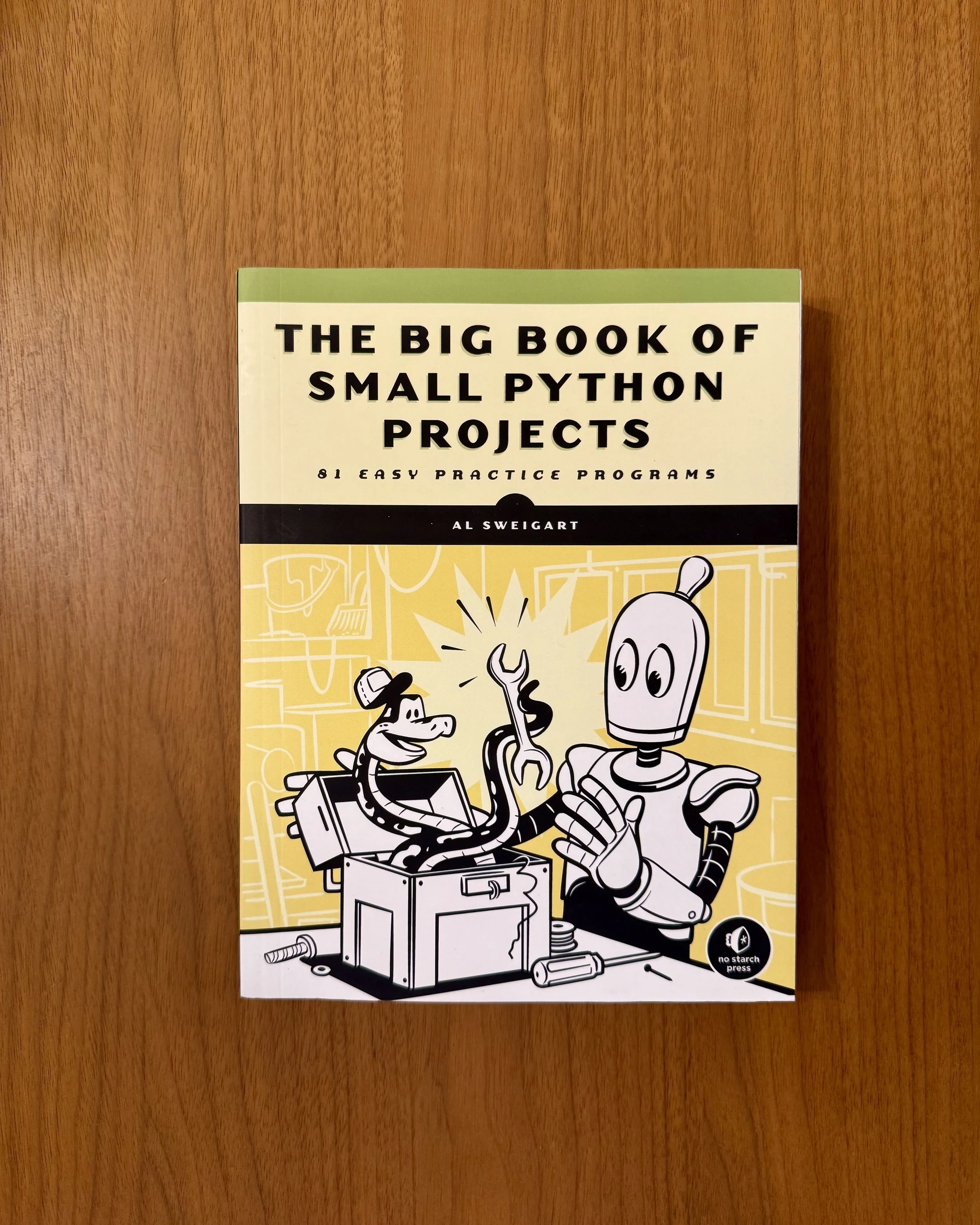
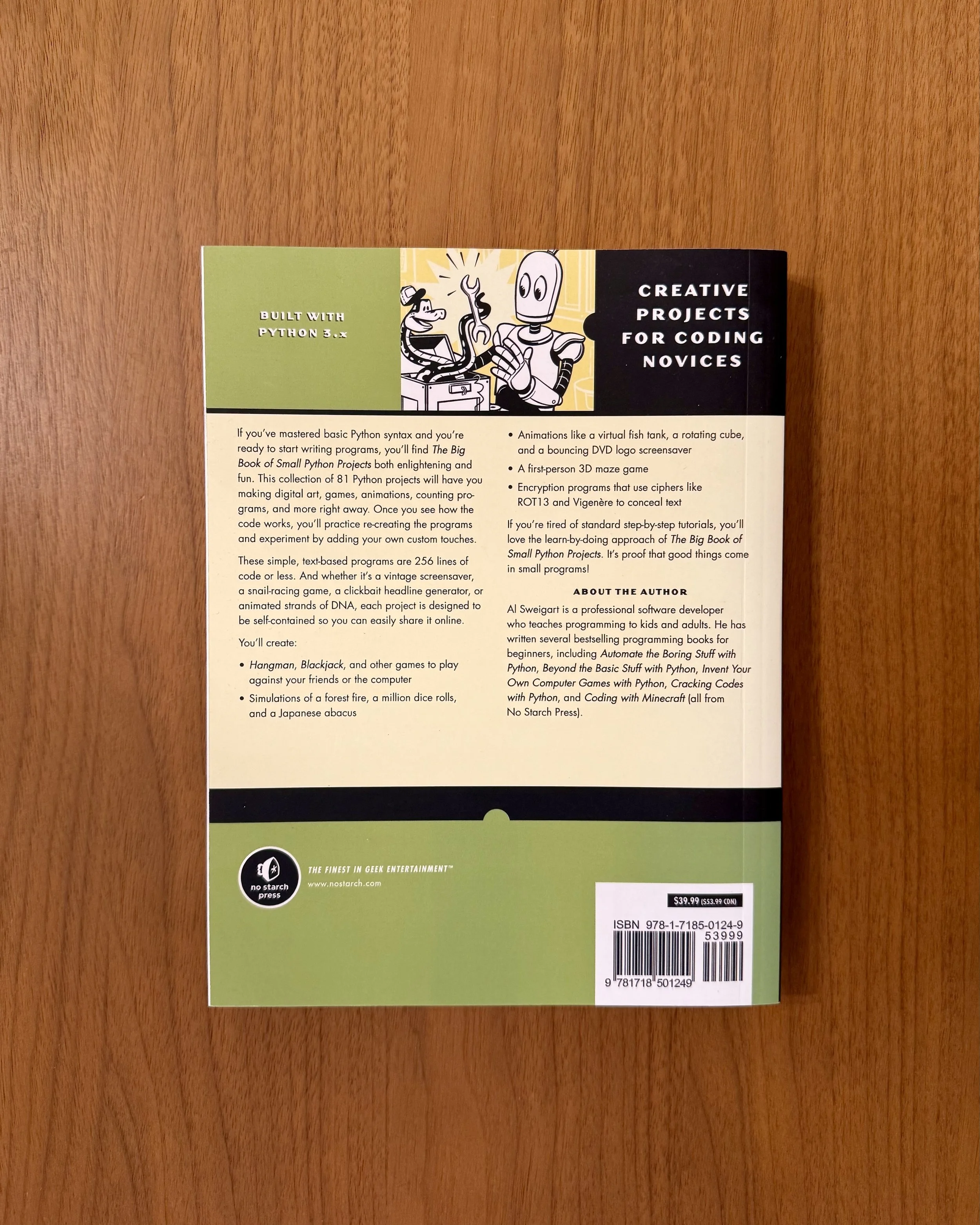
The Big Book of Small Python Projects by Al Sweigart is a hands-on collection of 81 practical, beginner-friendly Python programs designed to teach coding through tinkering and experimentation. Rather than utilizing traditional step-by-step tutorials, the book provides complete, self-contained source code (under 256 lines each) for games, simulations, animations, and text utilities. By practicing copying, running, and modifying these real, working applications, new programmers can strengthen core concepts, improve problem-solving abilities, and gain confidence through a pure learn-by-doing approach.
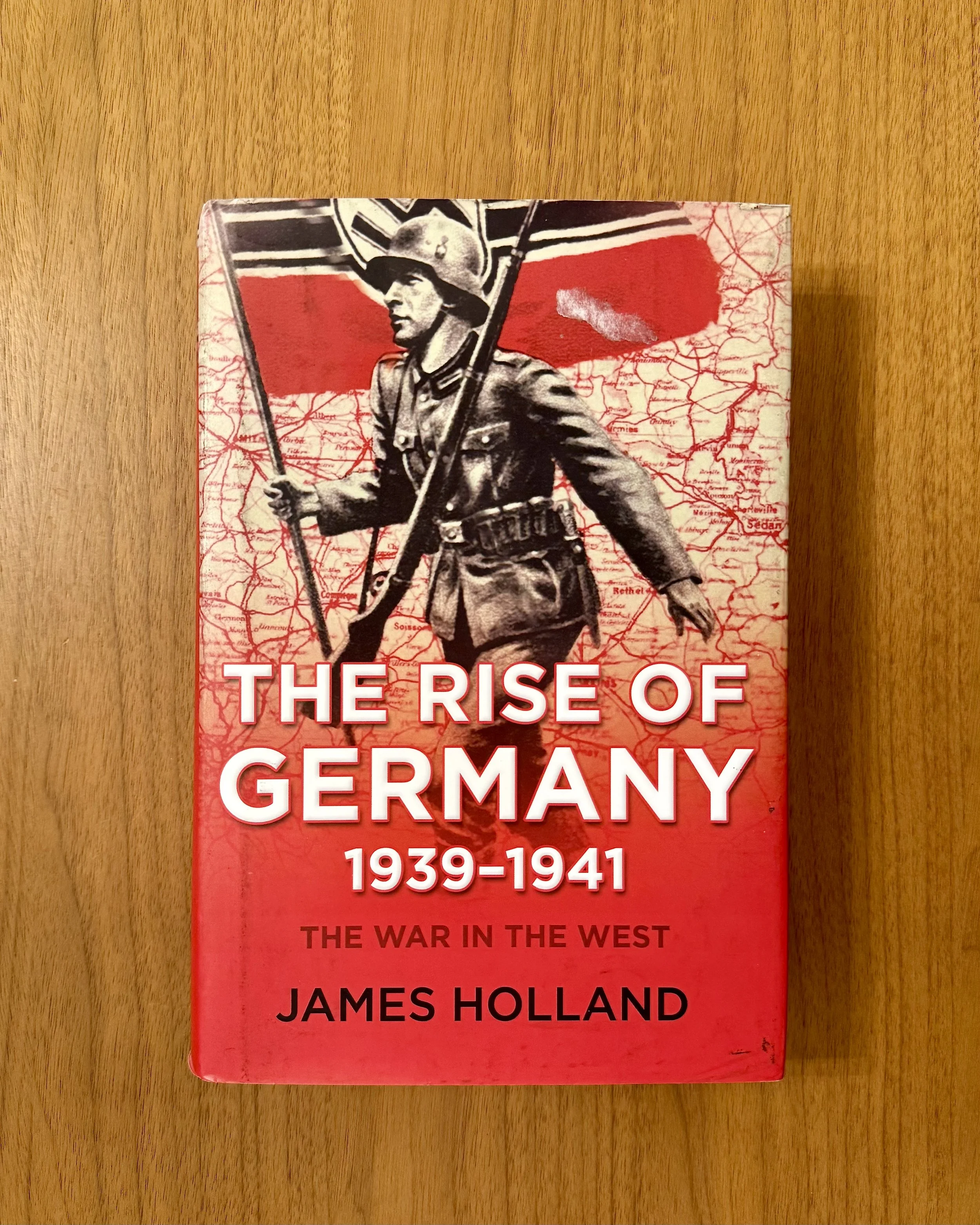
The Rise of Germany by James Holland is a fast‑paced, deeply researched account of the opening years of World War II, covering 1939–1941 as Nazi Germany unleashes its military machine across Europe. Holland blends strategic analysis with ground‑level perspectives from soldiers, civilians, and commanders, showing how early German successes were driven not by invincibility but by improvisation, risk‑taking, and a fragile logistical system. The book reframes the early war as a far more chaotic, contingent struggle than traditional narratives suggest.


100 Things Auburn Fans Should Know & Do Before They Die by Evan Woodbery is a lively, tradition‑rich guide to the history, culture, and essential experiences of Auburn football. Organized into bite‑sized entries, it covers legendary players and coaches, iconic games, unforgettable rivalries, campus rituals, and the must‑do activities that define life as a true Auburn fan. The book blends nostalgia, insider knowledge, and practical tips to help readers deepen their connection to Auburn’s past and present.
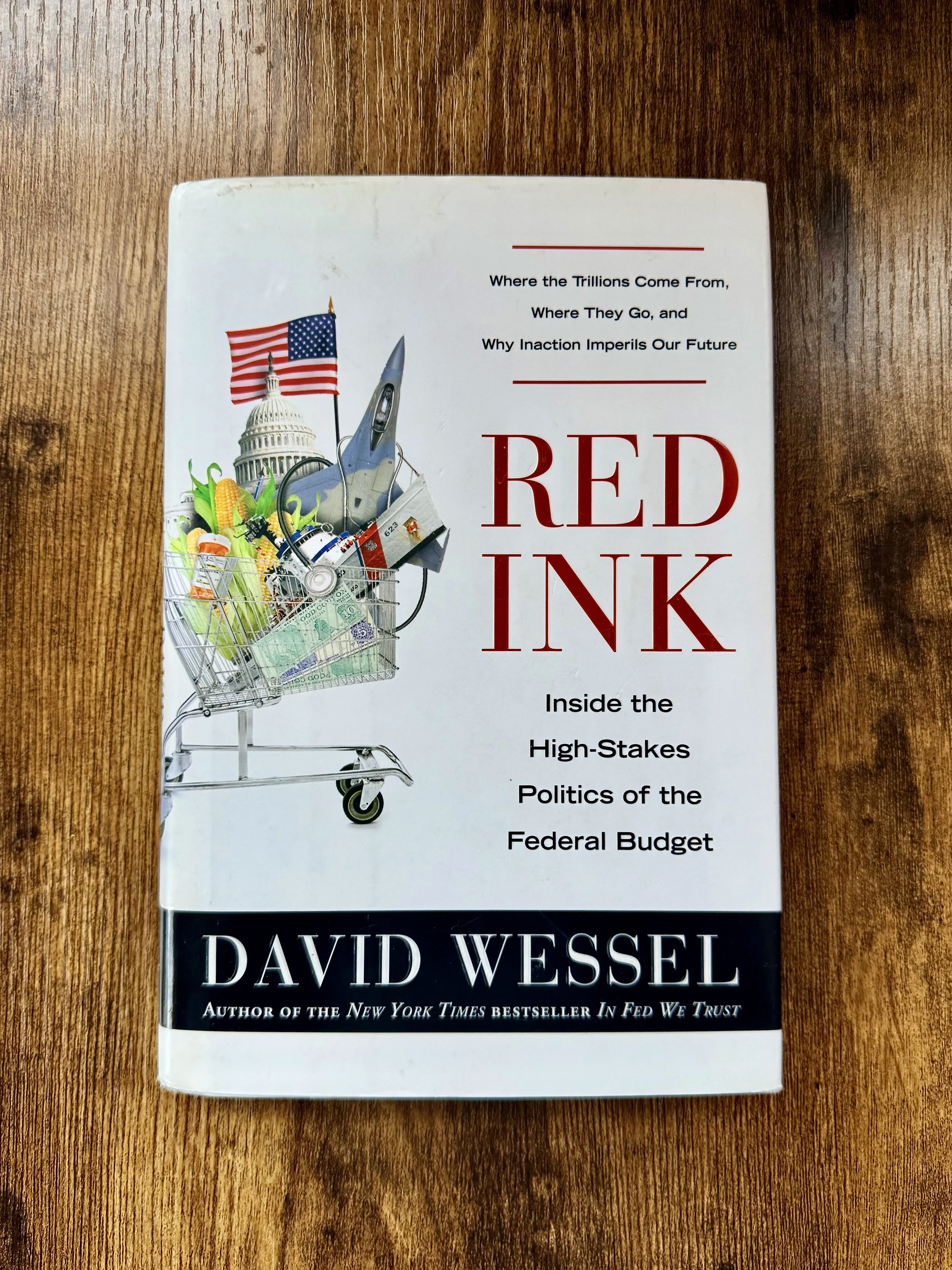
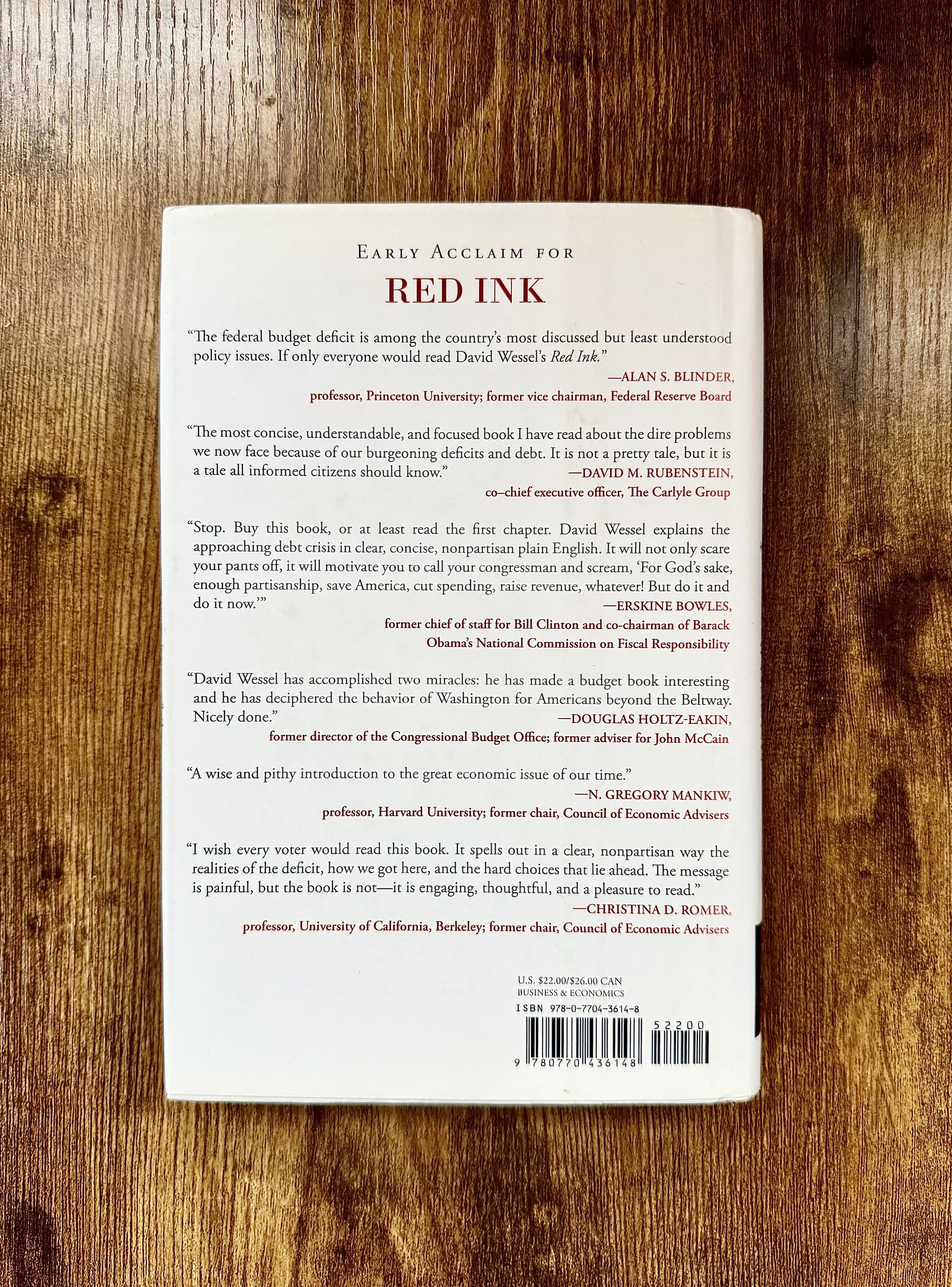
Red Ink: Inside the High‑Stakes Politics of the Federal Budget by David Wessel examines how the U.S. federal budget actually works—who shapes it, what drives its growth, and why reform is so politically fraught. Through clear explanations and vivid reporting, Wessel breaks down major spending categories, the structural forces behind deficits, and the political incentives that keep meaningful change elusive. The book offers a grounded, accessible look at the fiscal choices that define American governance and the trade‑offs that policymakers continually confront.
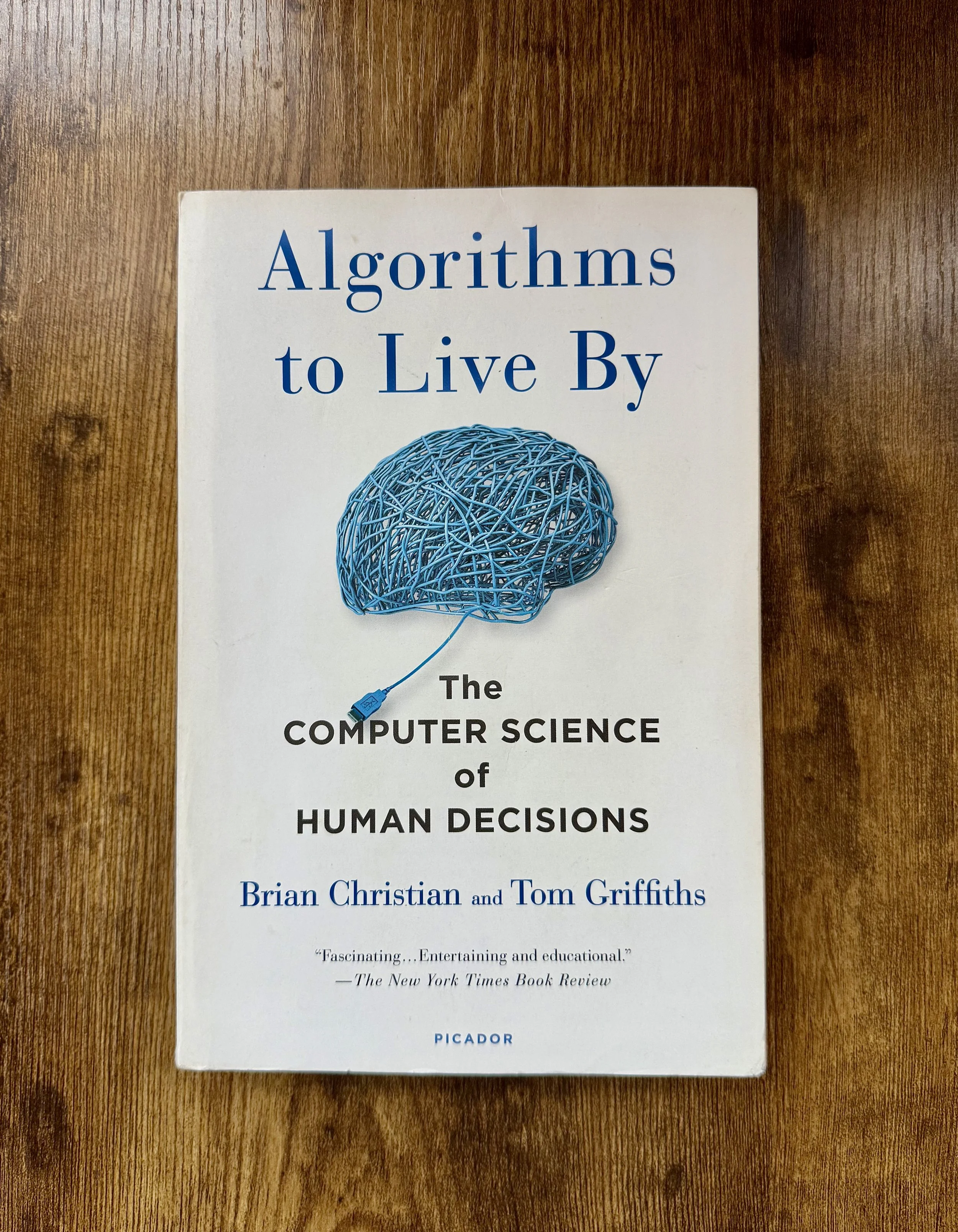
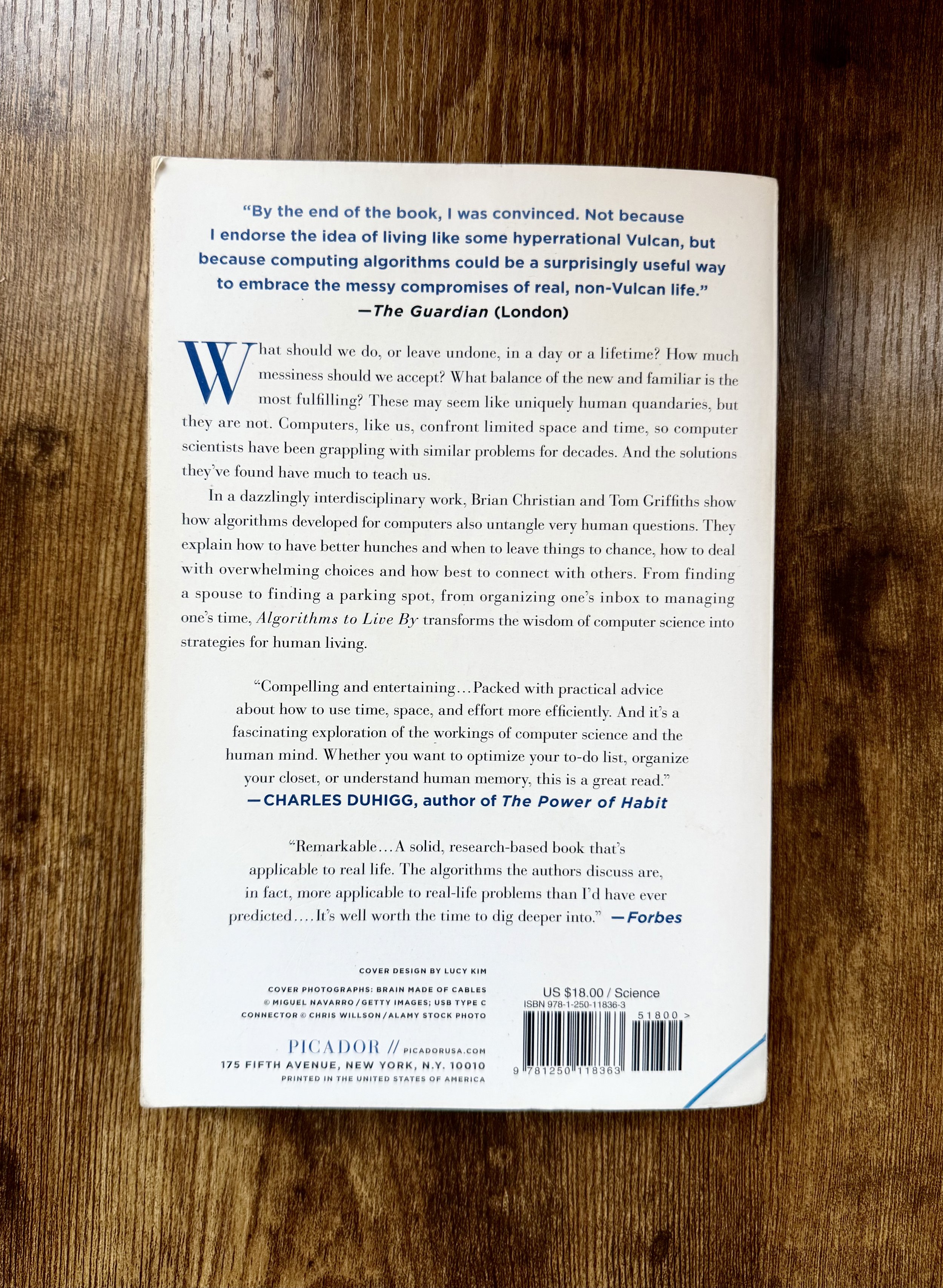
Algorithms to Live By by Brian Christian and Tom Griffiths explores how classic computer‑science algorithms can help humans make better everyday decisions—from choosing when to stop searching and start committing, to scheduling tasks, managing memory, dealing with randomness, and navigating social interactions. The authors translate concepts like optimal stopping, caching, sorting, and game theory into practical, intuitive strategies for real life, showing how computational thinking can reduce friction, clarify choices, and improve how we use our limited time and attention.
Michael’s Review: This book is an interesting read for the analytically-minded individuals who want to make choices more efficiently.

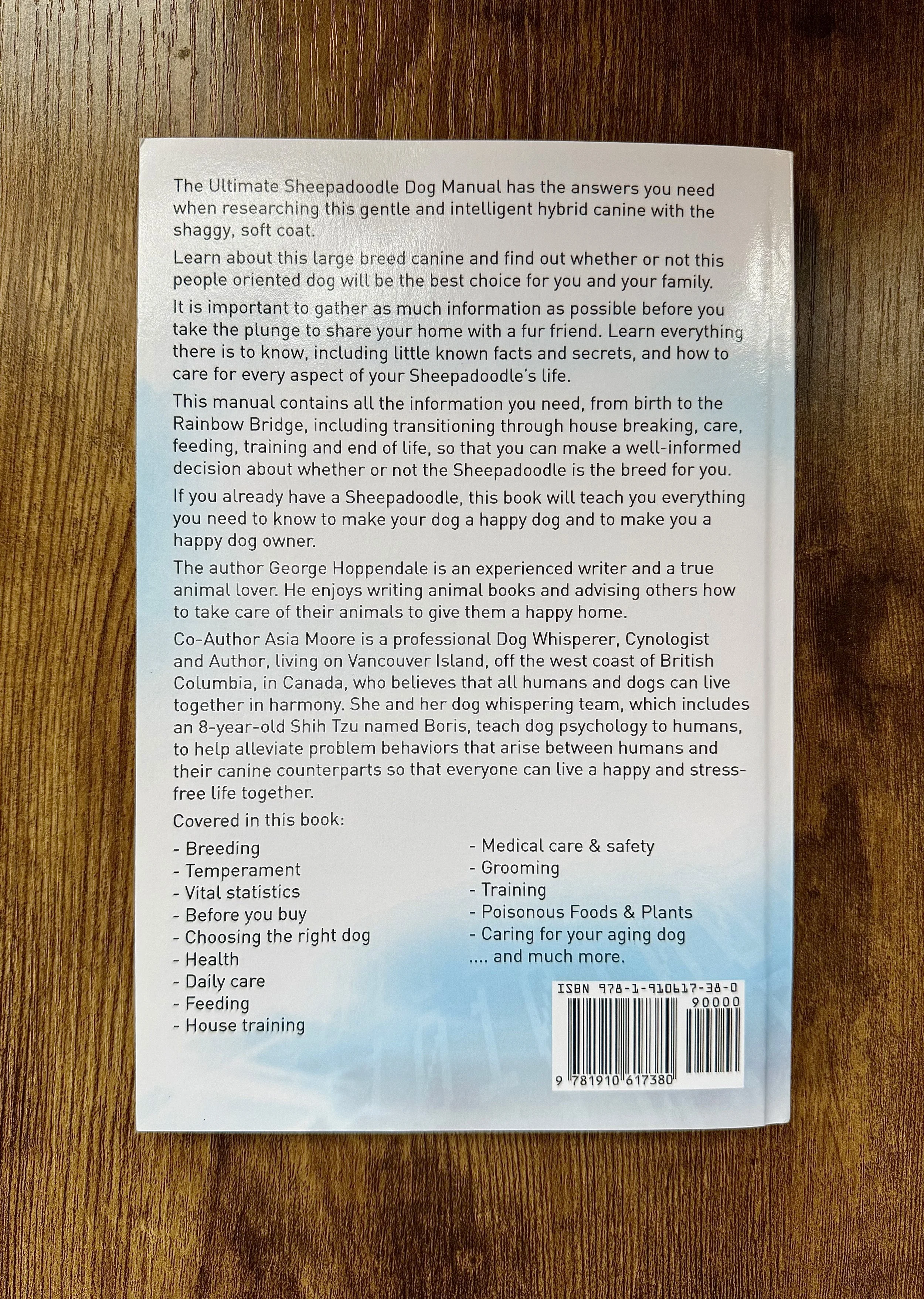
Sheepadoodles: The Ultimate Sheepadoodle Dog Manual by George Hoppendale and Asia Moore is a comprehensive, owner‑oriented guide to understanding, training, and caring for a Sheepadoodle from puppyhood through adulthood. It covers temperament, socialization, grooming, exercise needs, health issues, and behavior management, all tailored to this energetic, intelligent, people‑focused crossbreed. The authors emphasize positive training methods and practical routines to help owners raise a well‑balanced, healthy, and deeply bonded Sheepadoodle.
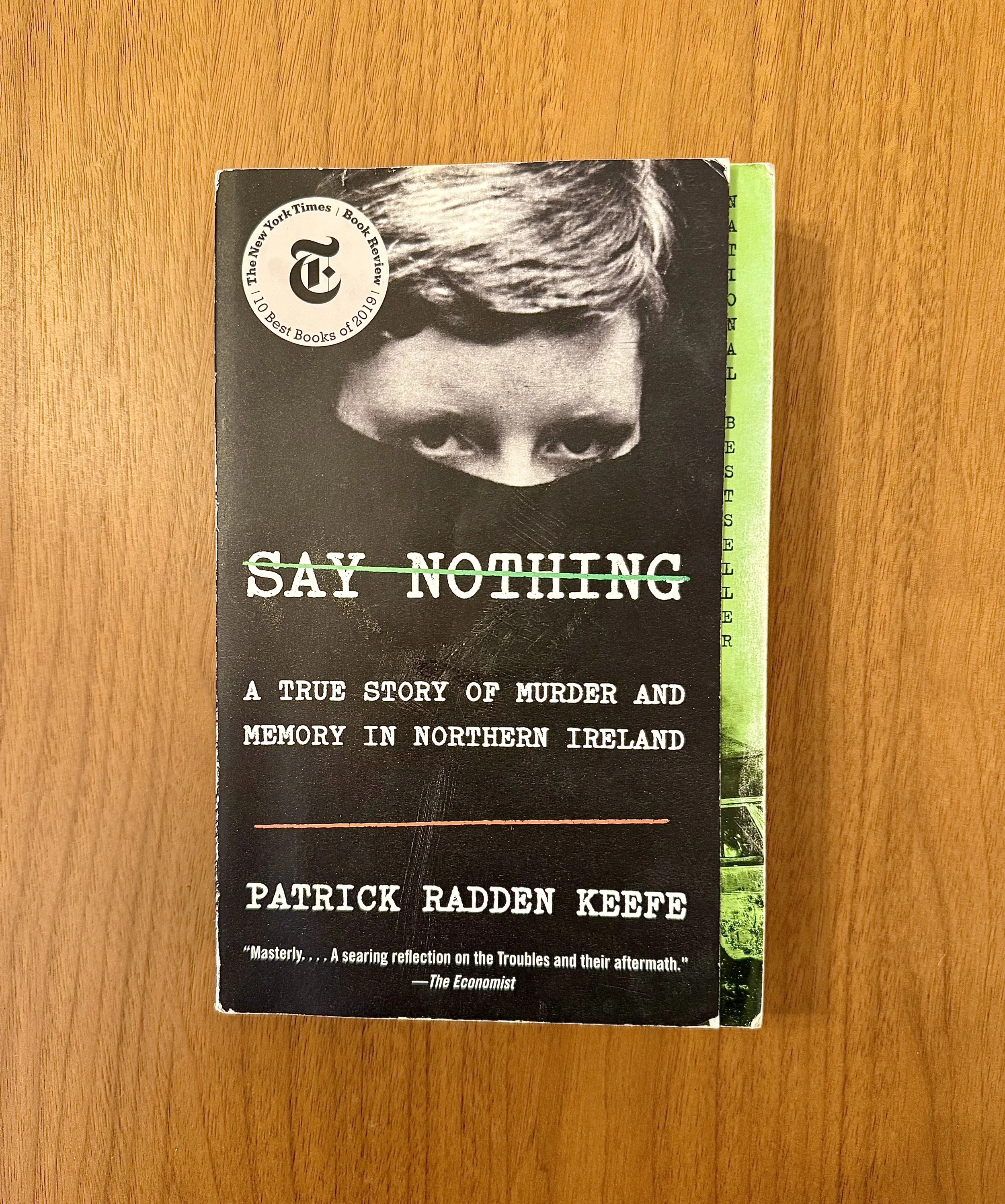
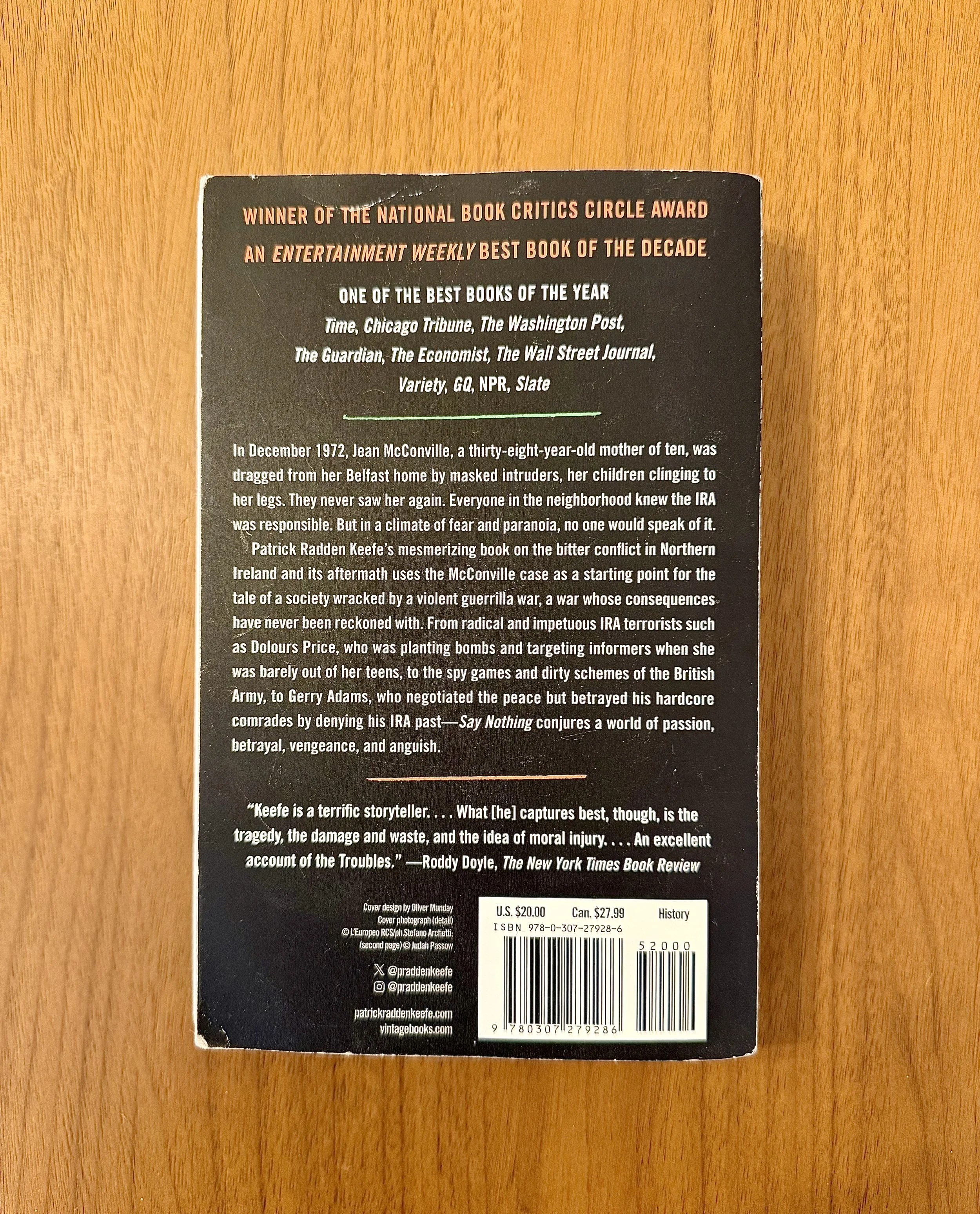
Say Nothing: A True Story of Murder and Memory in Northern Ireland by Patrick Radden Keefe is a gripping narrative history centered on the 1972 disappearance of Jean McConville, a widowed mother of ten, and the violent, tangled world of the Troubles. Through meticulous reporting and deeply human storytelling, Keefe traces the lives of IRA members, activists, and ordinary citizens pulled into decades of conflict, secrecy, and trauma. The book becomes both a true‑crime investigation and a sweeping portrait of a society struggling with the weight of memory, loyalty, and unresolved grief.
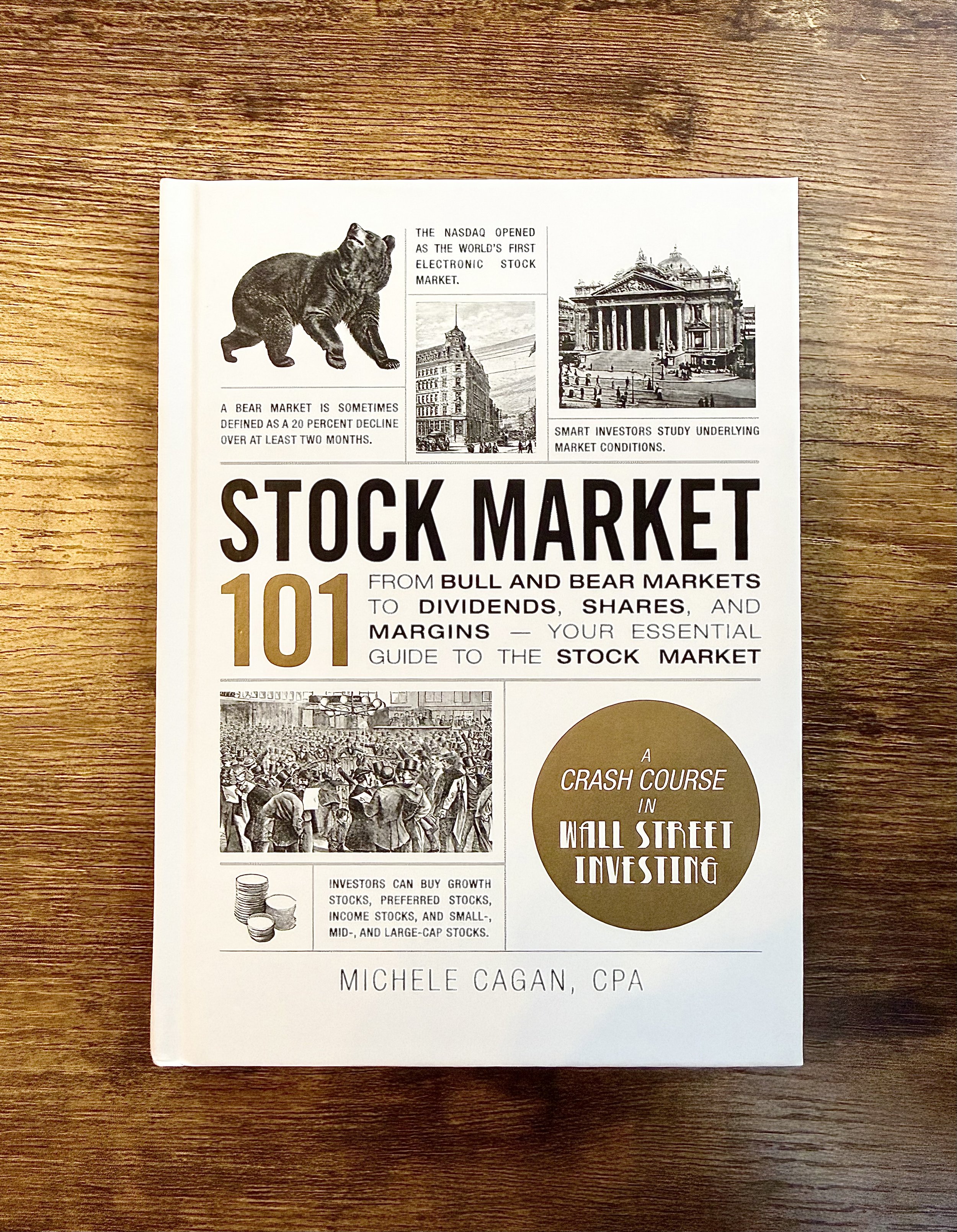
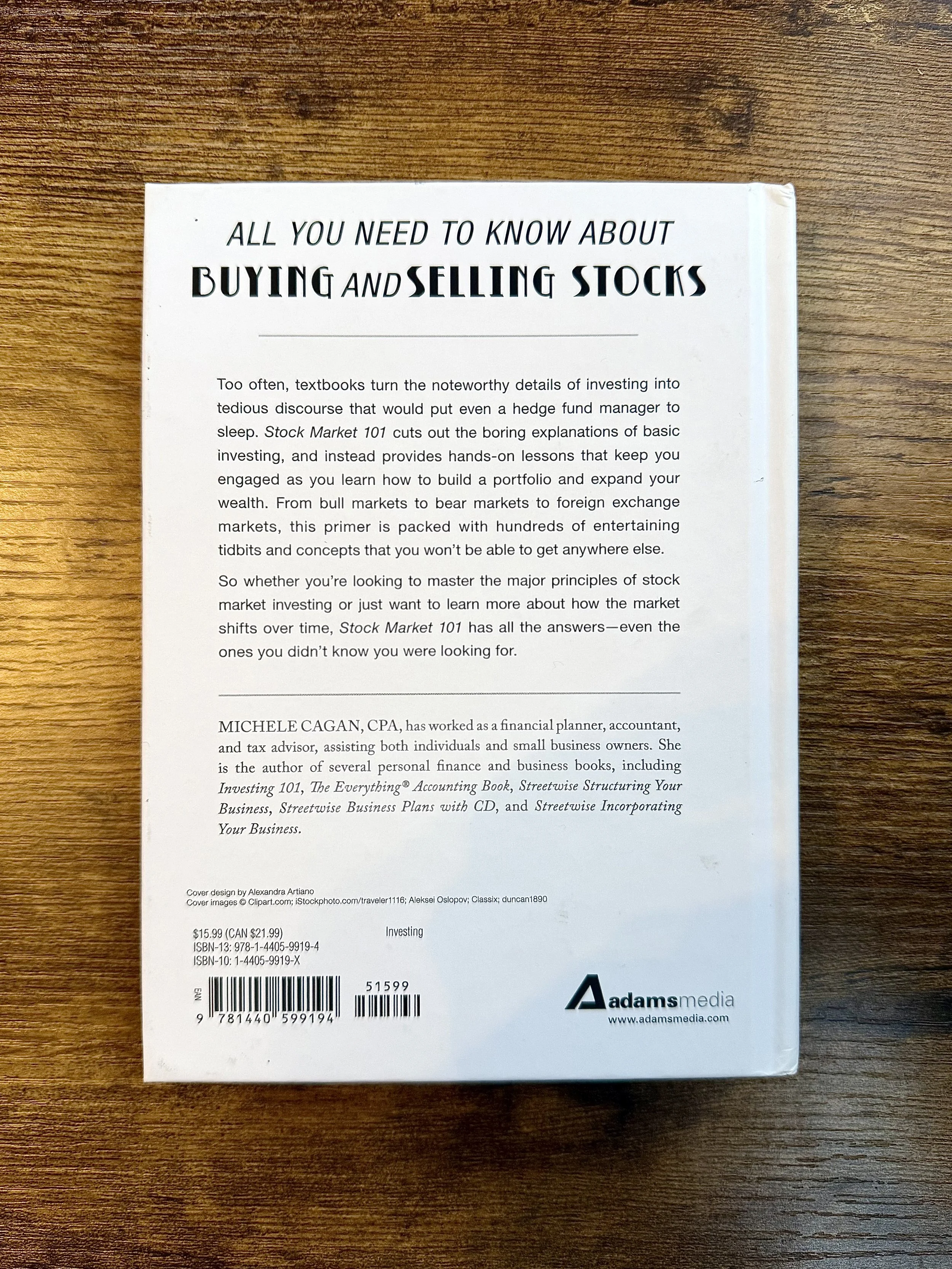
Stock Market 101 by Michele Cagan is a clear, beginner‑friendly introduction to how the stock market works, breaking down concepts like stocks, bonds, ETFs, diversification, risk, and market behavior in plain language. Cagan walks readers through how to read financial statements, evaluate companies, build a portfolio, and avoid common investing mistakes. Designed as a practical primer, it gives new investors the foundational knowledge needed to make confident, informed decisions.
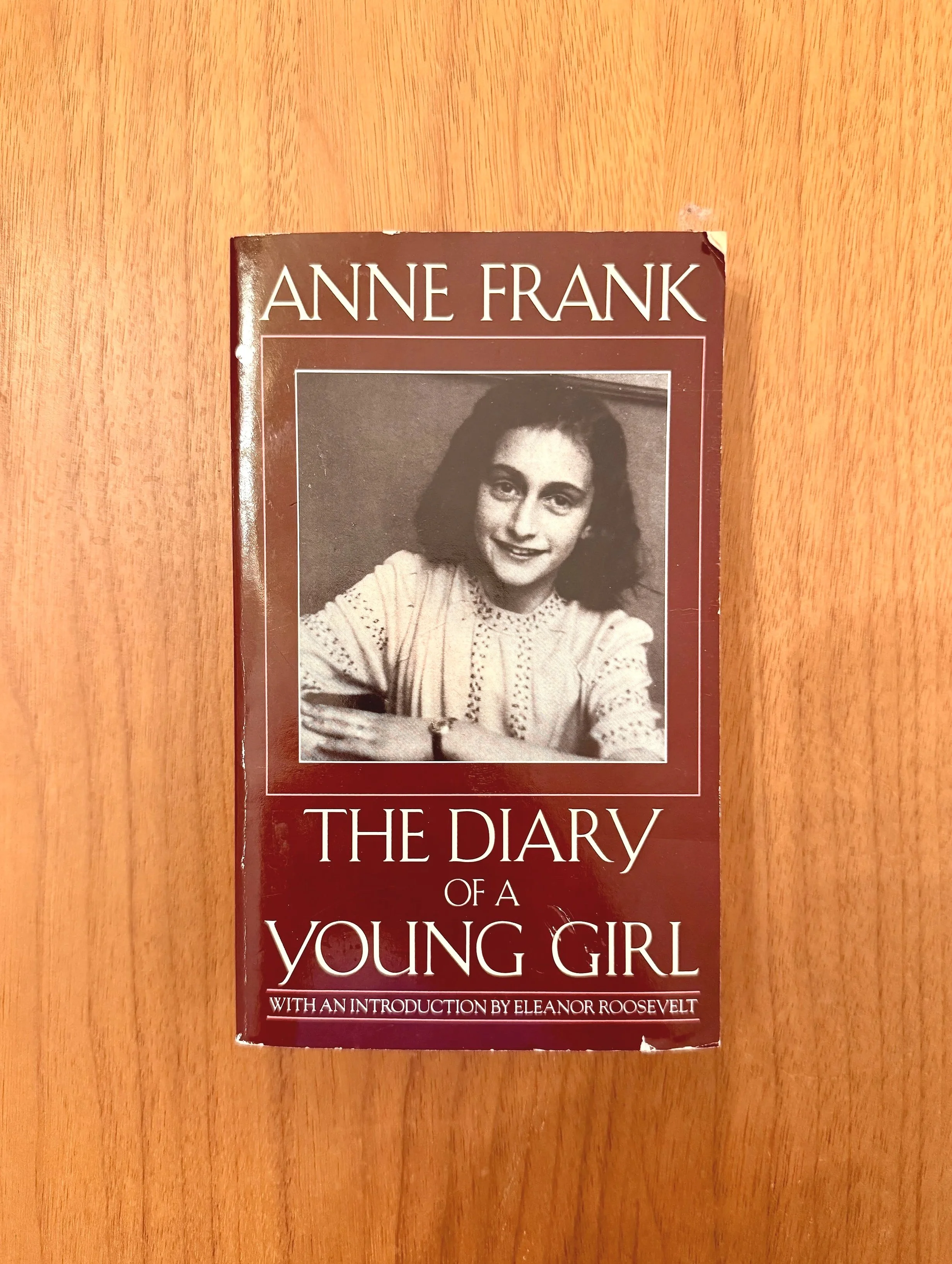
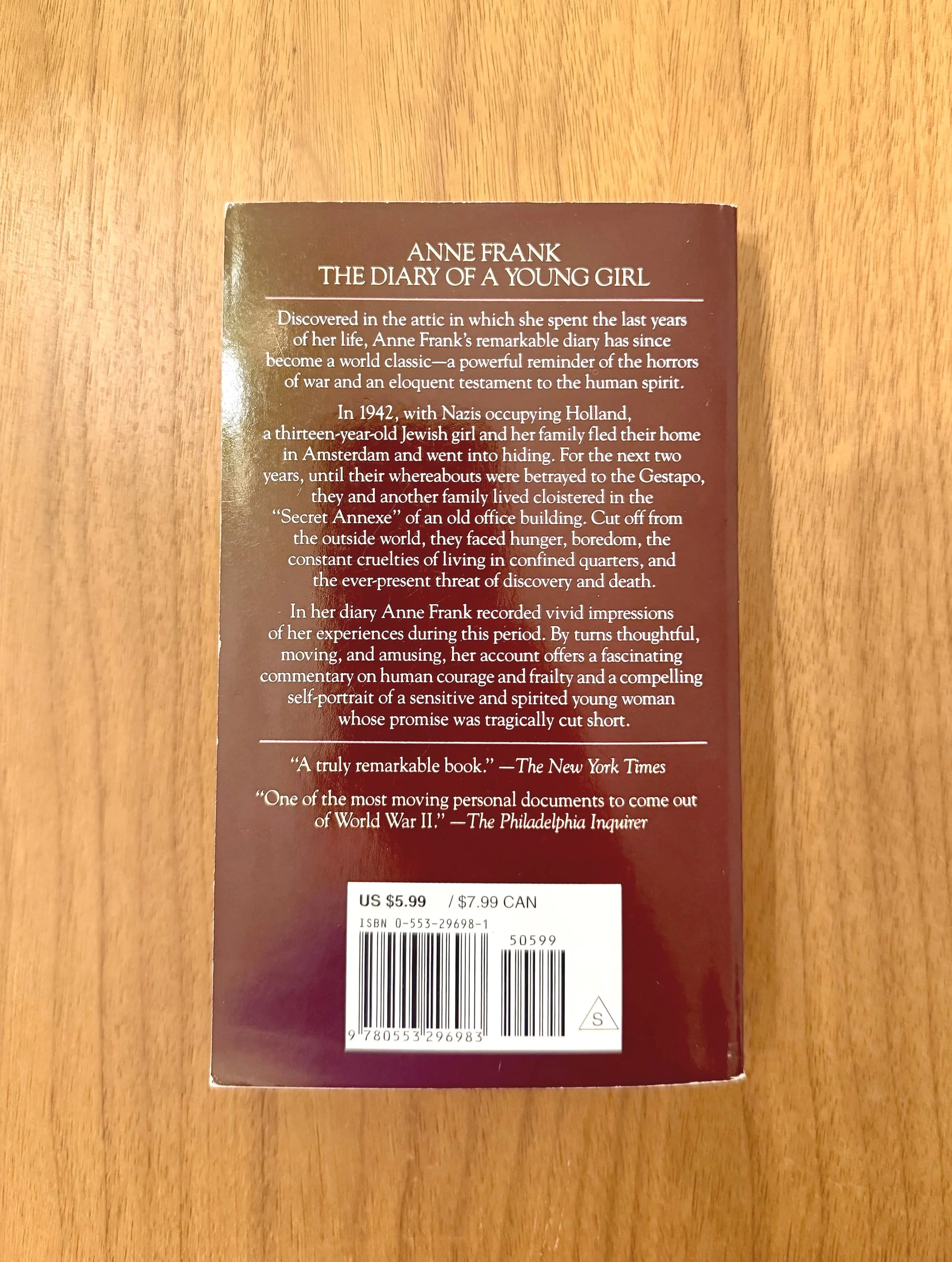
The Diary of a Young Girl by Anne Frank presents the intimate, day‑to‑day reflections of a Jewish teenager hiding with her family in an Amsterdam attic during the Nazi occupation. Through her sharp observations, fears, hopes, and moments of unexpected humor, Anne captures the resilience of a young mind determined to find meaning in a world collapsing around her. Her diary endures as a powerful testament to courage, humanity, and the cost of hatred.
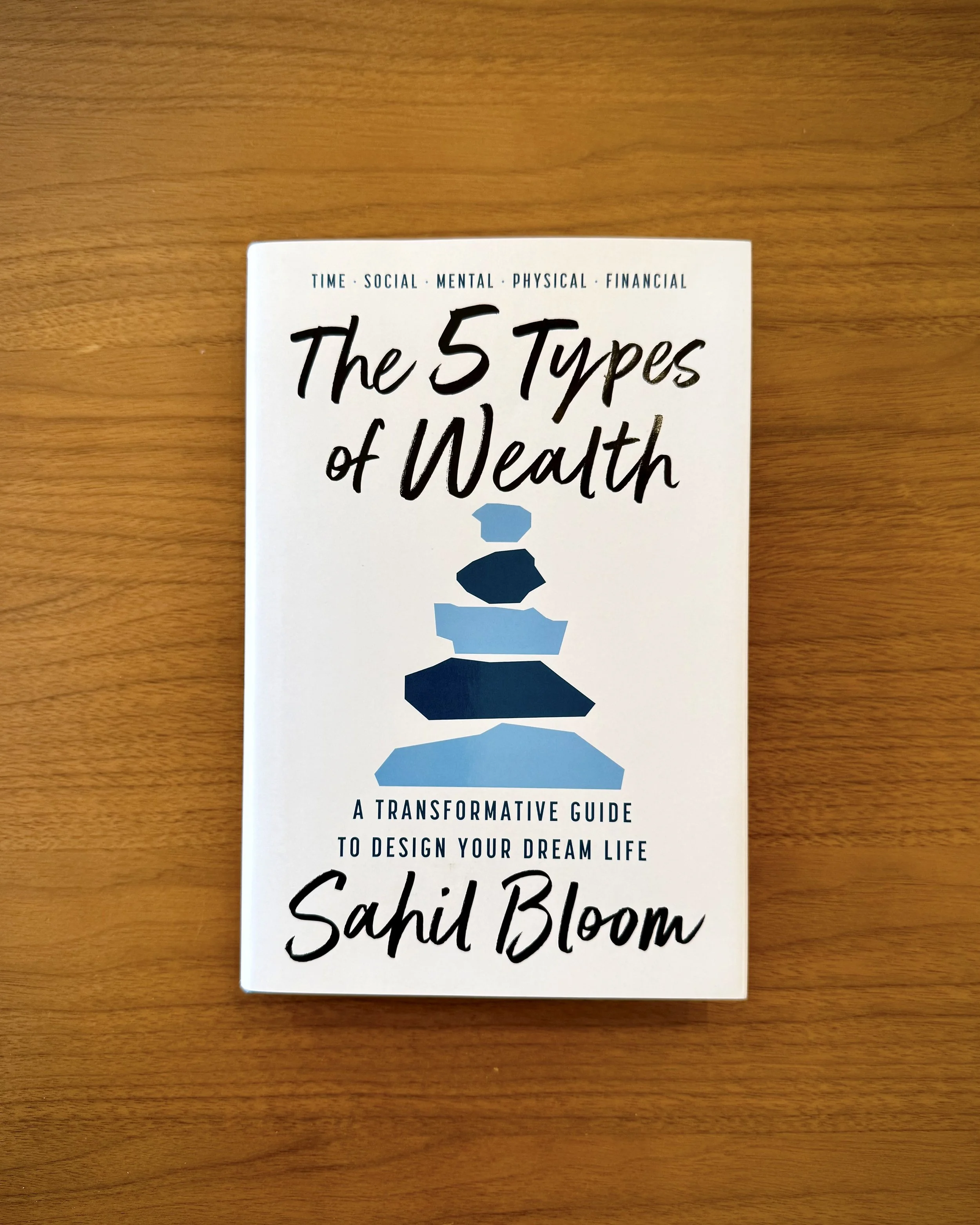
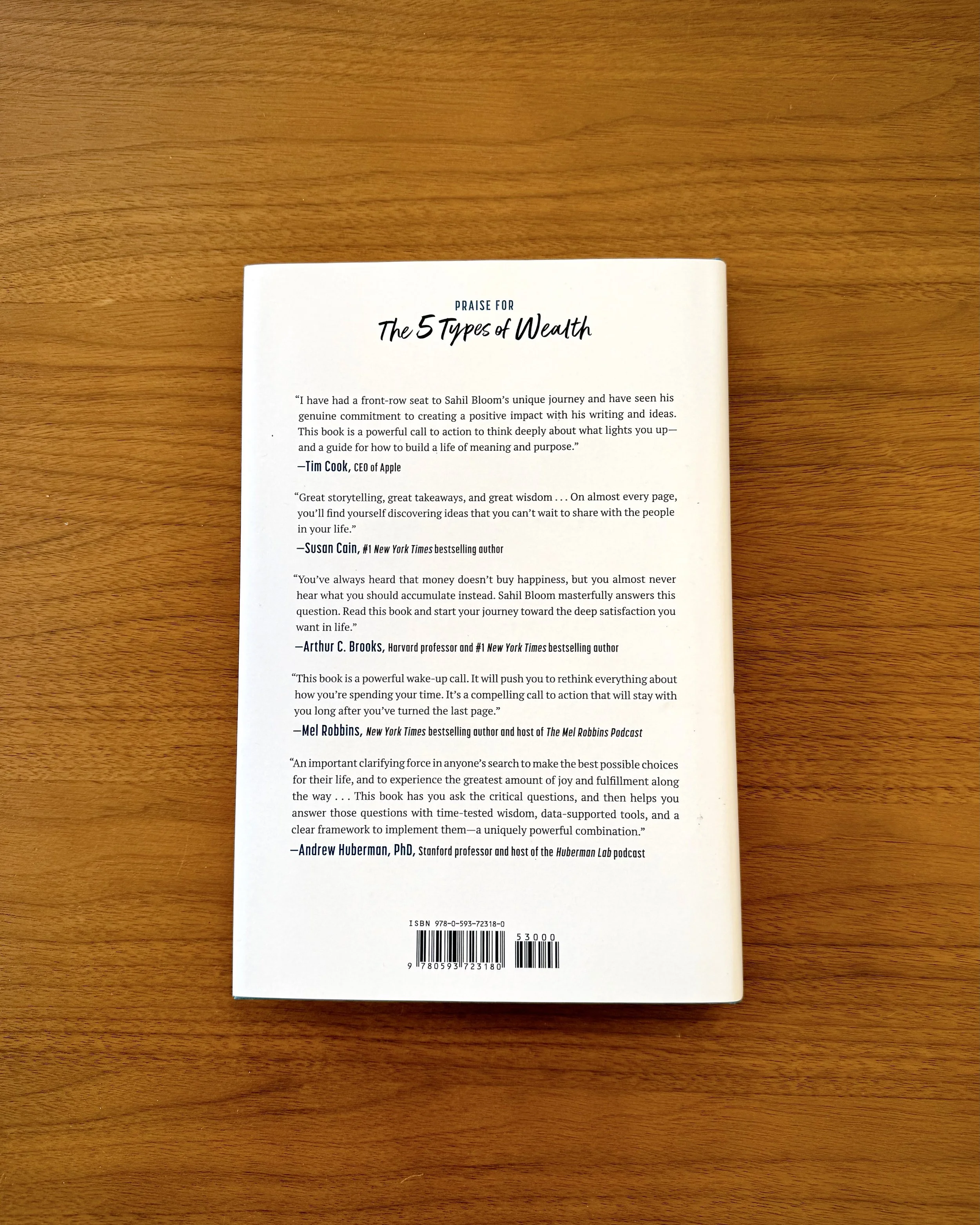
The Five Types of Wealth by Sahil Bloom reframes wealth as a multidimensional system made up of time, social, mental, physical, and financial wealth. Bloom argues that a fulfilling life comes from intentionally cultivating all five, not just accumulating money, and he offers clear, actionable strategies for building each form of wealth through habits, relationships, health, and long‑term thinking. Blending personal stories with practical frameworks, the book serves as a guide to designing a life that is rich in purpose, freedom, and resilience.
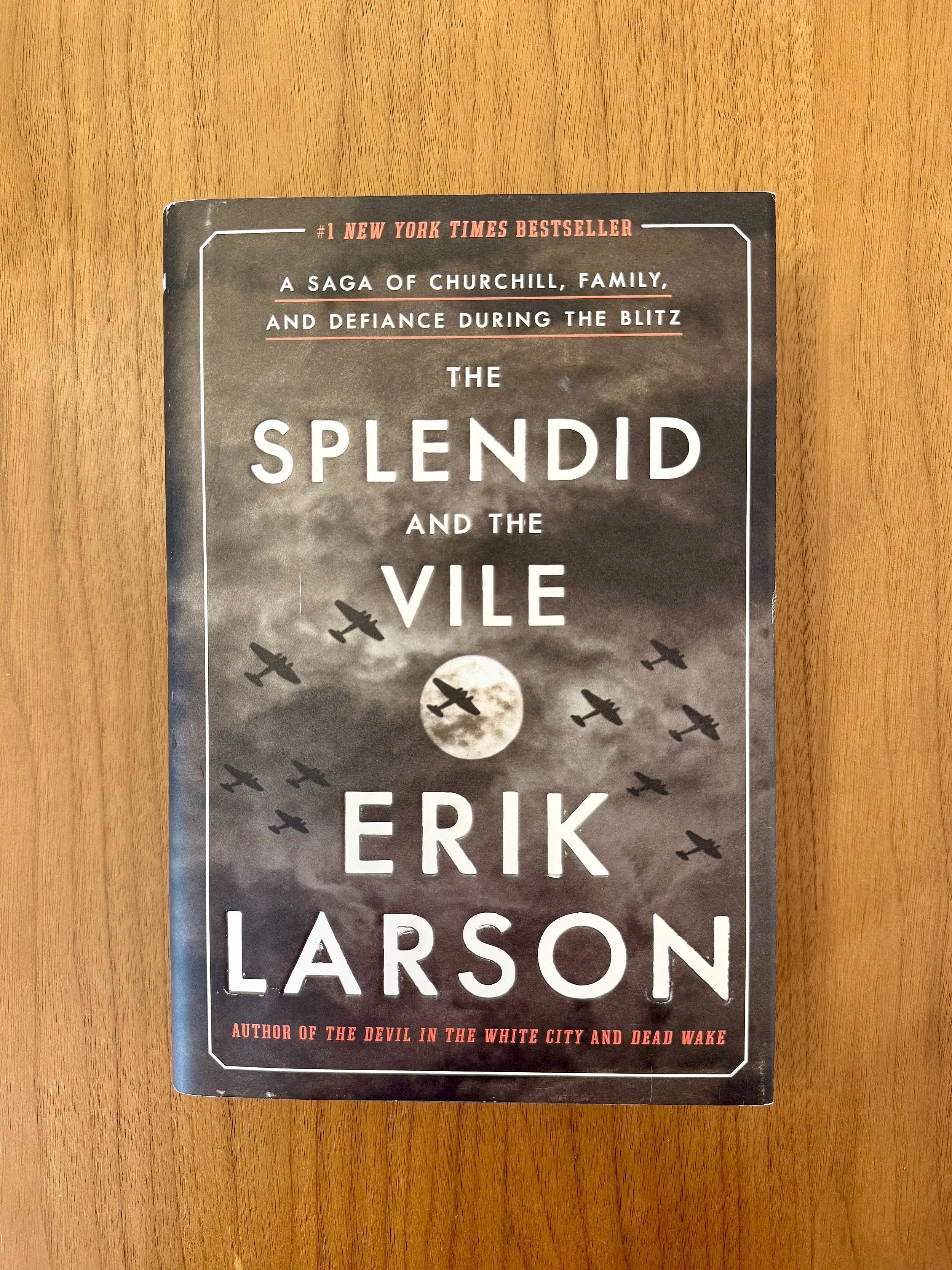
The Splendid and the Vile by Erik Larson follows Winston Churchill and his inner circle through the first year of World War II, capturing the Blitz as lived from the halls of power and the streets of London. Drawing on diaries, letters, and newly released archival material, Larson paints an intimate portrait of leadership under unimaginable pressure—Churchill rallying a nation, families navigating nightly bombings, and ordinary citizens finding resilience in the face of terror. A gripping, character‑driven narrative about courage, strategy, and the human cost of war.
Michael’s Rating: 4.5 stars. It is close a must-read for anyone interested in the England’s role in World War II.
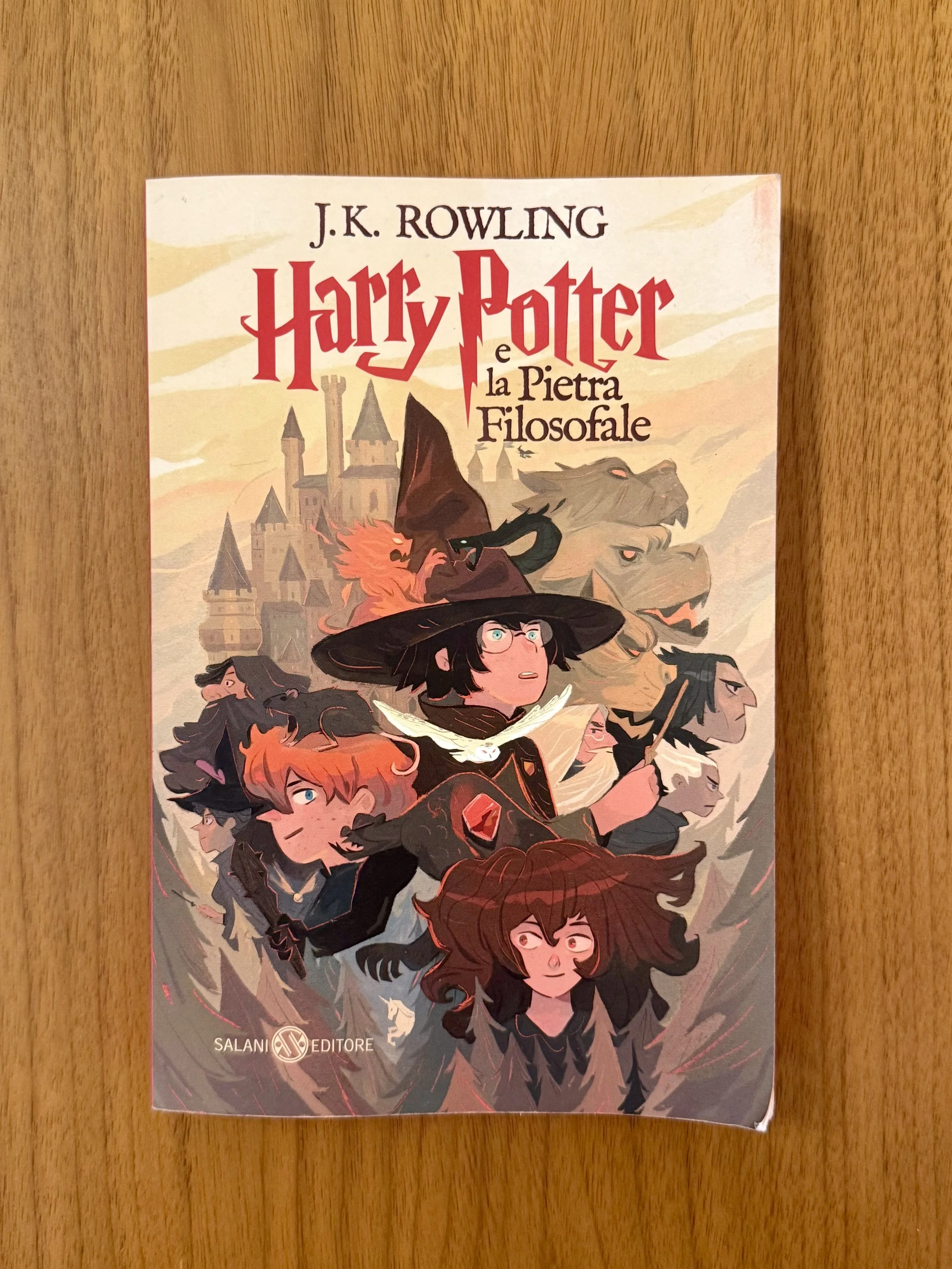

Harry Potter e la Pietra Filosofale by J.K. Rowling is the first book of the series translated into Italian. It introduces Harry, an orphan who discovers on his eleventh birthday that he is a wizard and has been invited to attend Hogwarts School of Witchcraft and Wizardry. As he enters a world of magic, friendship, and danger, Harry uncovers the truth about his past and the dark wizard responsible for his parents’ deaths. With Ron and Hermione at his side, he confronts the mysteries surrounding the legendary Philosopher’s Stone and the evil forces seeking its power.
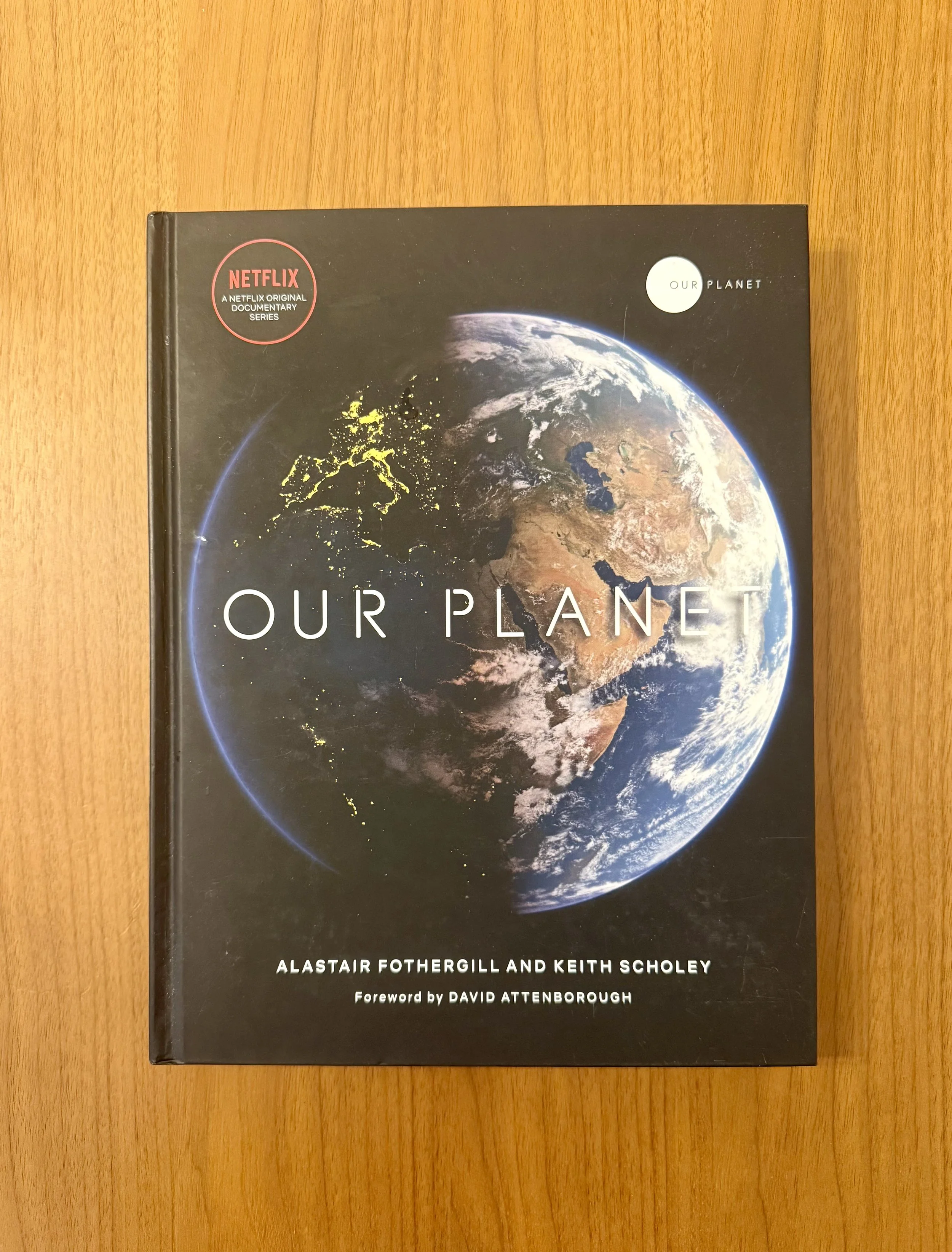
Our Planet by Alastair Fothergill and Keith Scholey expands on the landmark Netflix documentary, blending breathtaking wildlife photography with a clear, urgent look at the planet’s most fragile ecosystems. From frozen worlds to coastal seas, grasslands, and jungles, the book showcases the beauty and complexity of Earth’s biodiversity while revealing how climate change and human activity threaten it. Both a celebration of the natural world and a call to action, it highlights the species, habitats, and conservation efforts that will shape the future of life on Earth.
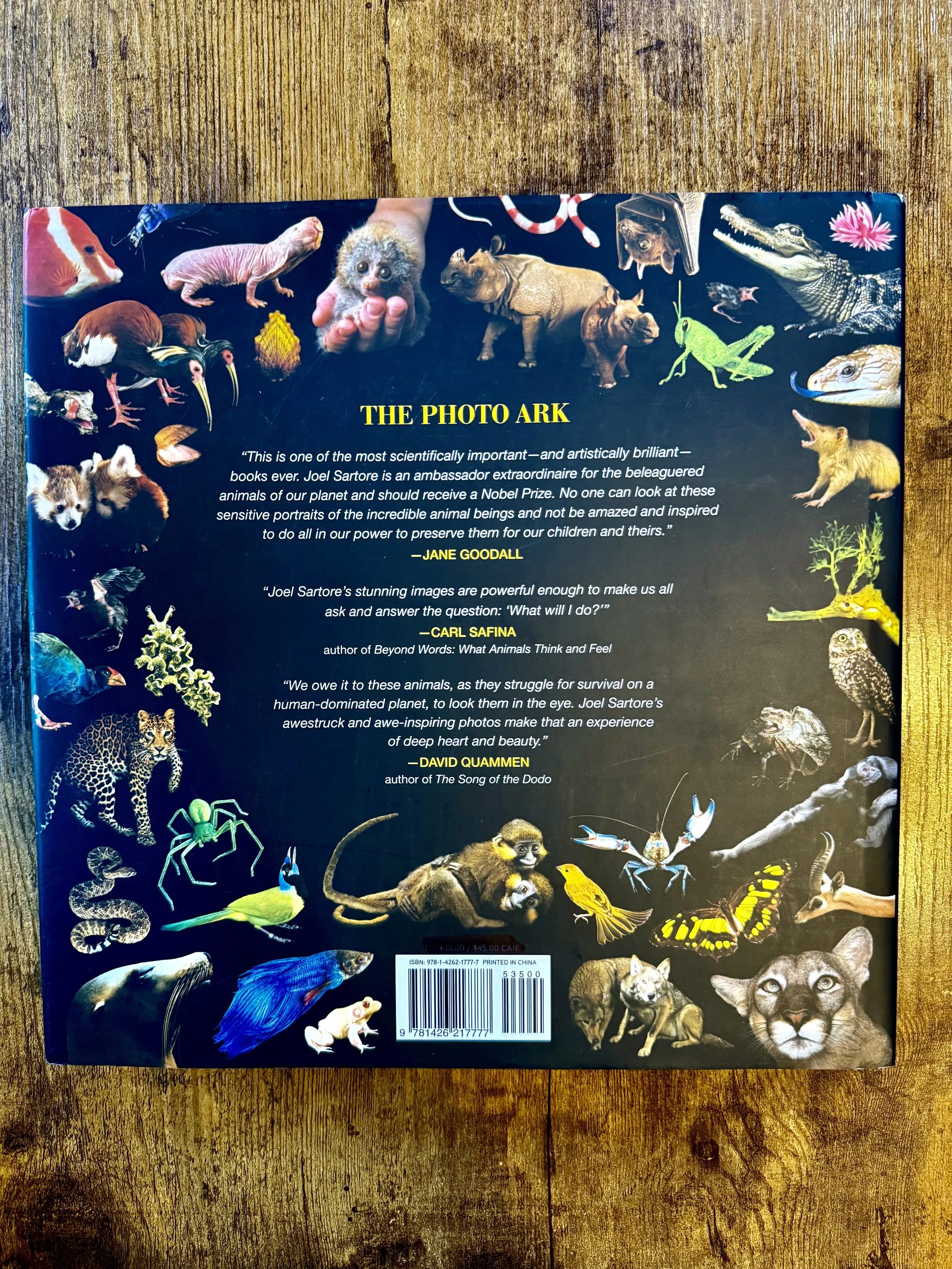
The Photo Ark by Joel Sartore documents a breathtaking global effort to photograph every species living in the world’s zoos, aquariums, and wildlife sanctuaries. Through striking, intimate portraits, Sartore captures animals on the brink of extinction alongside those still thriving, creating a visual record meant to inspire awareness, urgency, and conservation.


Minimalista by Shira Gill offers a practical, design‑forward approach to simplifying your home and your habits, showing how intentional decluttering can create more space, clarity, and calm. Through step‑by‑step guidance, mindset shifts, and beautifully structured methods, Gill helps readers edit their belongings, streamline daily routines, and build a home that reflects their values rather than their accumulation.

How to Skimm Your Life by The Skimm breaks down the practical, everyday skills adults are expected to know but are rarely taught—from managing money and negotiating at work to organizing your home, navigating healthcare, and building habits that actually stick. With clear explanations, checklists, and real‑world examples, it turns overwhelming “life admin” into simple, doable steps.
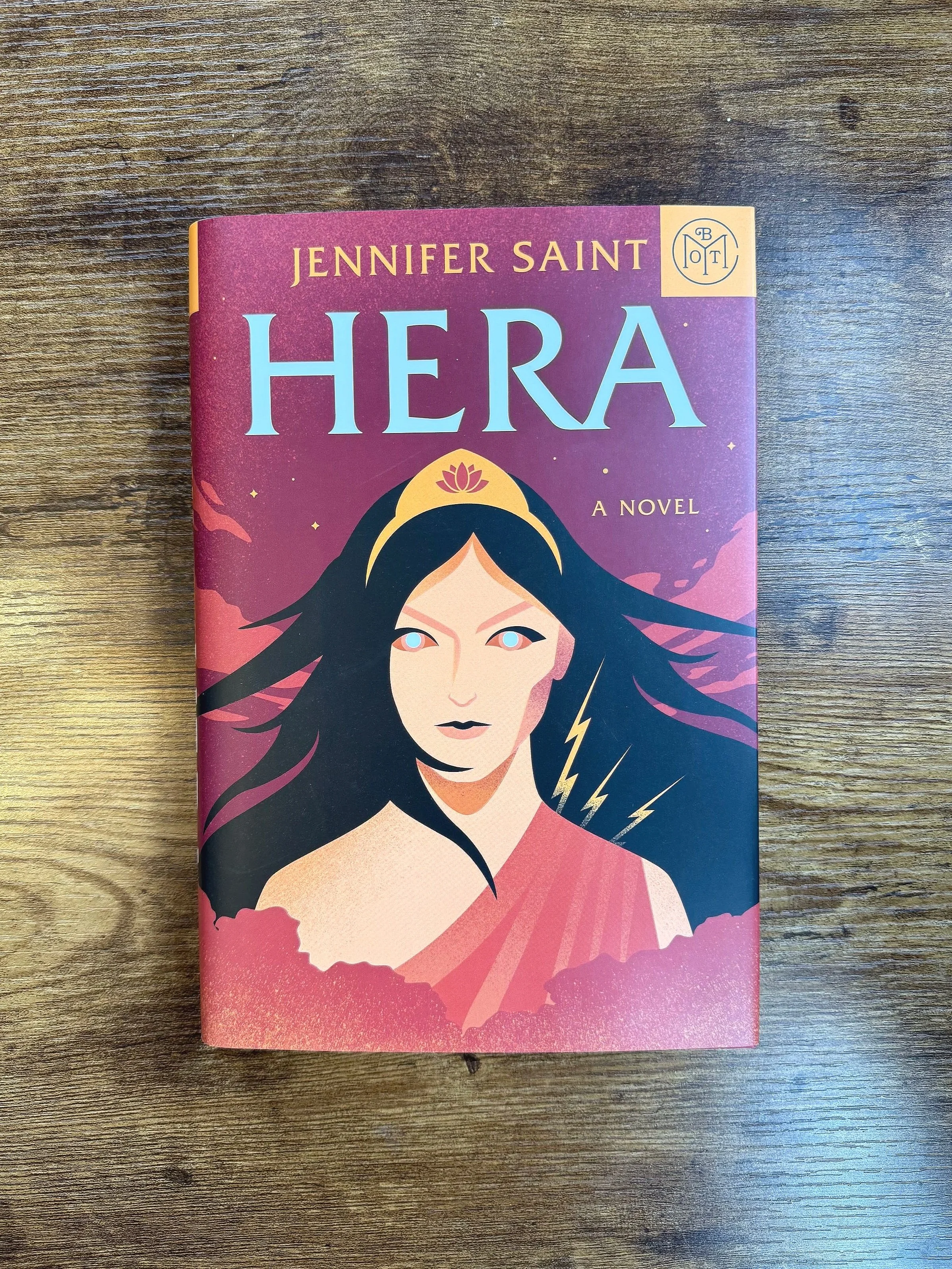

Hera by Jennifer Saint reimagines the life of the queen of the gods from her own perspective, tracing her rise from an overlooked daughter of Titans to the powerful, politically shrewd ruler of Olympus. As Hera navigates betrayal, ambition, and the consequences of Zeus’s relentless pursuit of power, she fights to claim authority in a world that constantly underestimates her.
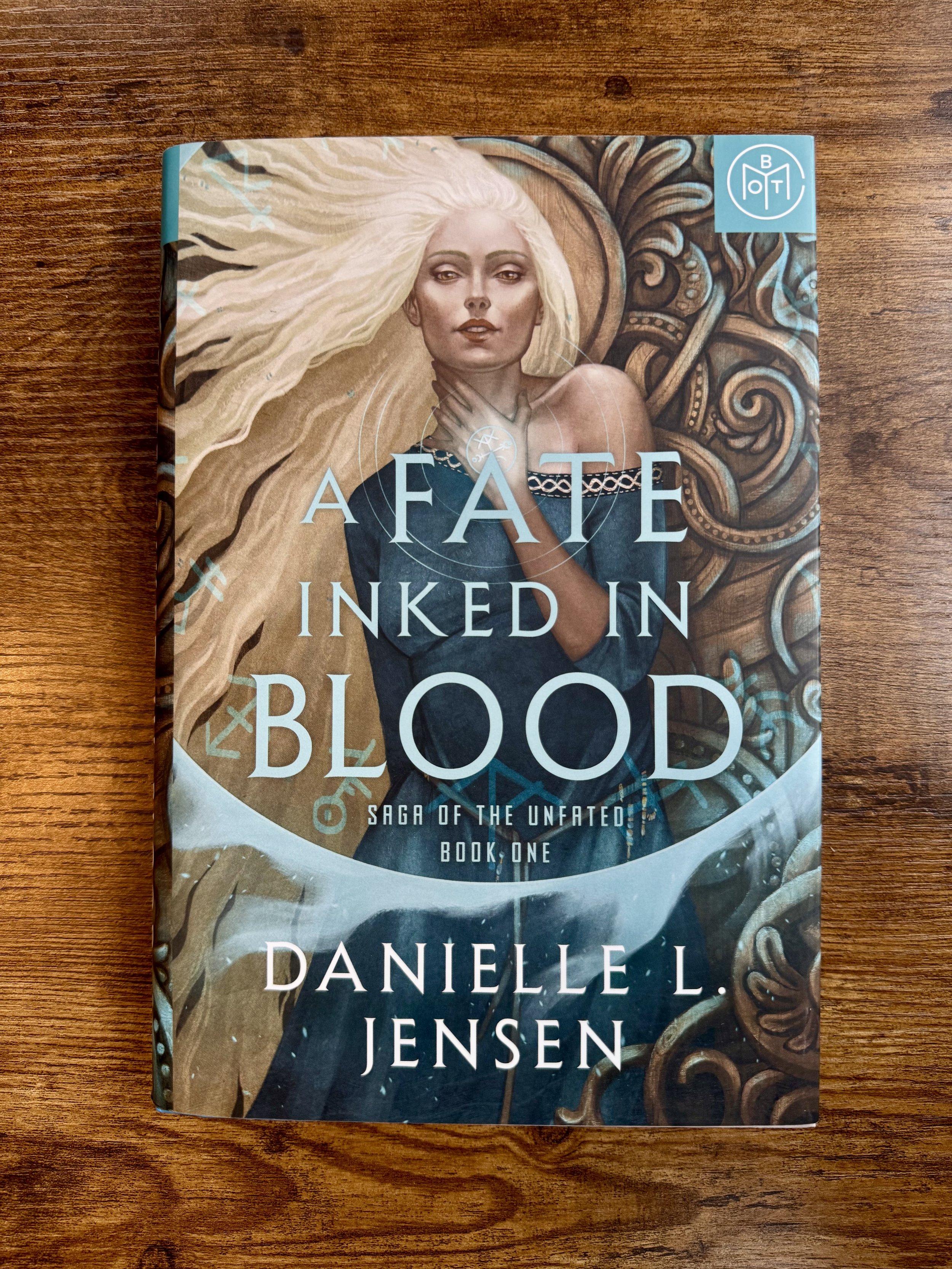
A Fate Inked in Blood by Danielle L. Jensen follows Freya, a shield‑maiden trapped in a marriage she never wanted—until a prophecy reveals she may be the legendary figure destined to unite the fractured Norse lands. Claimed as a political asset by a ruthless jarl, Freya is forced into a dangerous alliance with Bjorn, his fiercely loyal—and dangerously compelling—right hand. As war brews and gods meddle, Freya must decide whether to embrace the power written in her blood or be consumed by the forces trying to control her
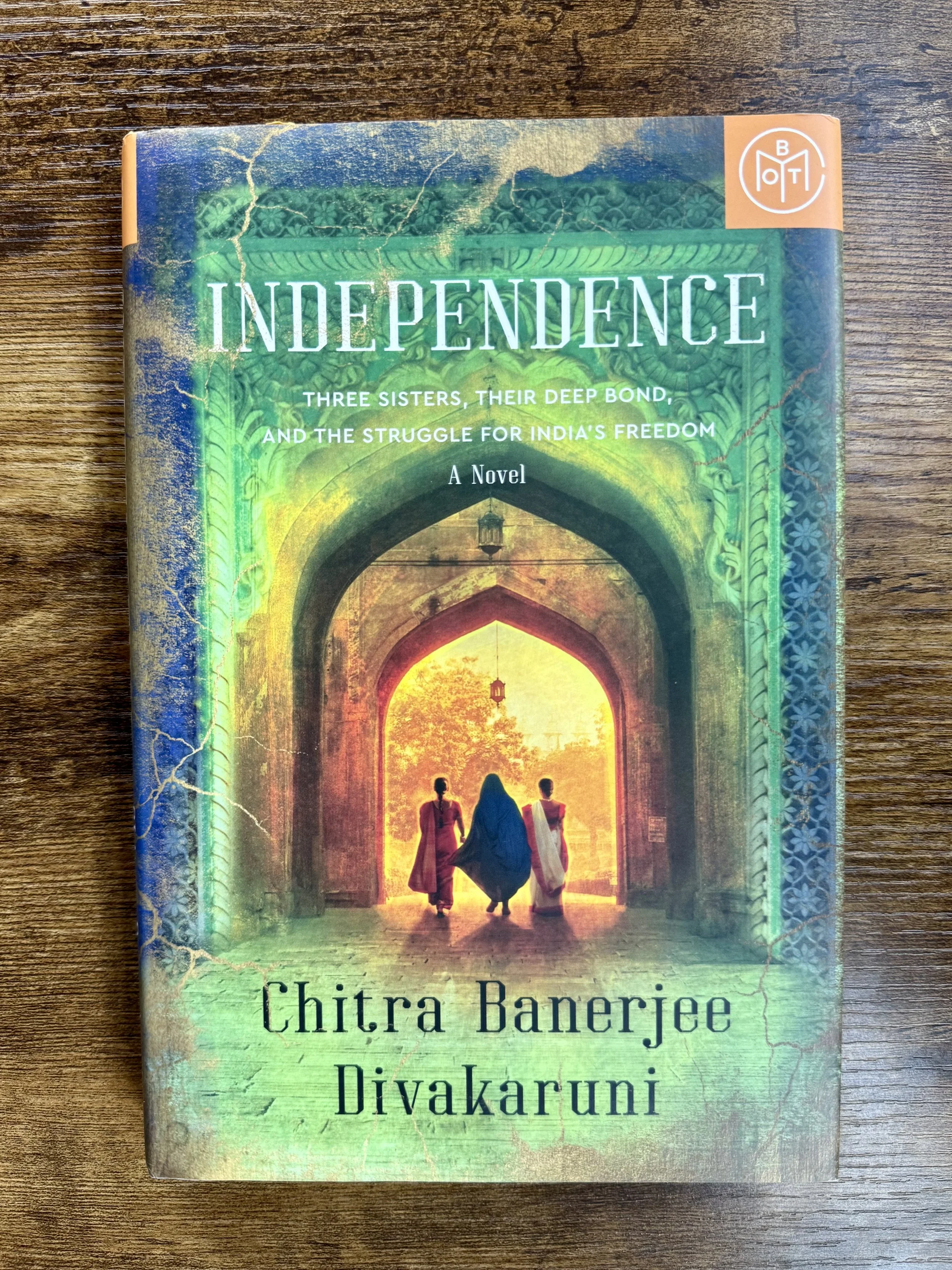

Independence by Chitra Banerjee Divakaruni follows three sisters—Priya, Deepa, and Jamini—whose lives are upended as India hurtles toward Partition in 1947. Each woman is forced onto her own path as political violence, personal sacrifice, and shifting loyalties reshape everything they know. Bound by love but separated by circumstance, the sisters navigate a world where survival demands courage and the future depends on the choices they make.
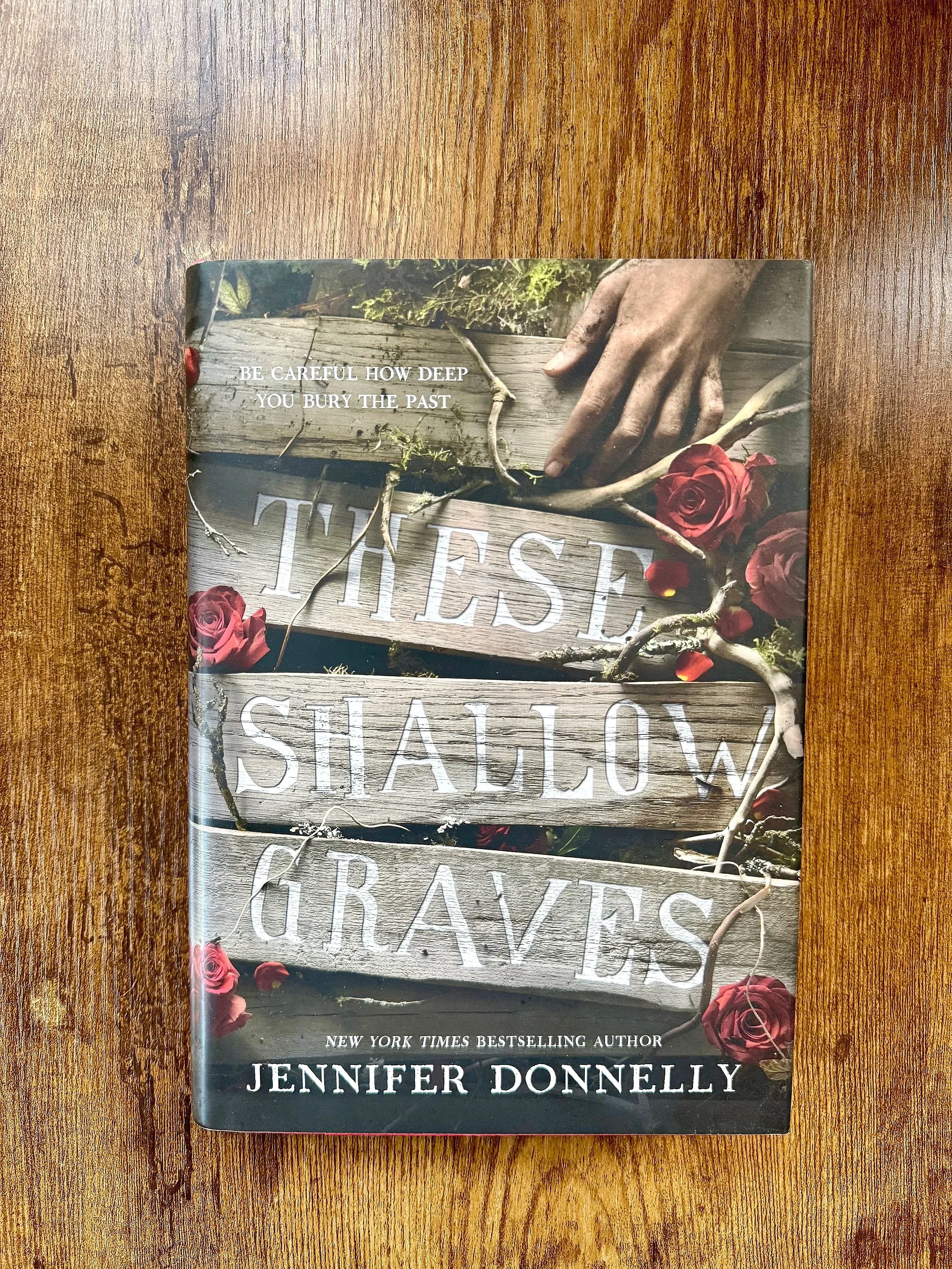
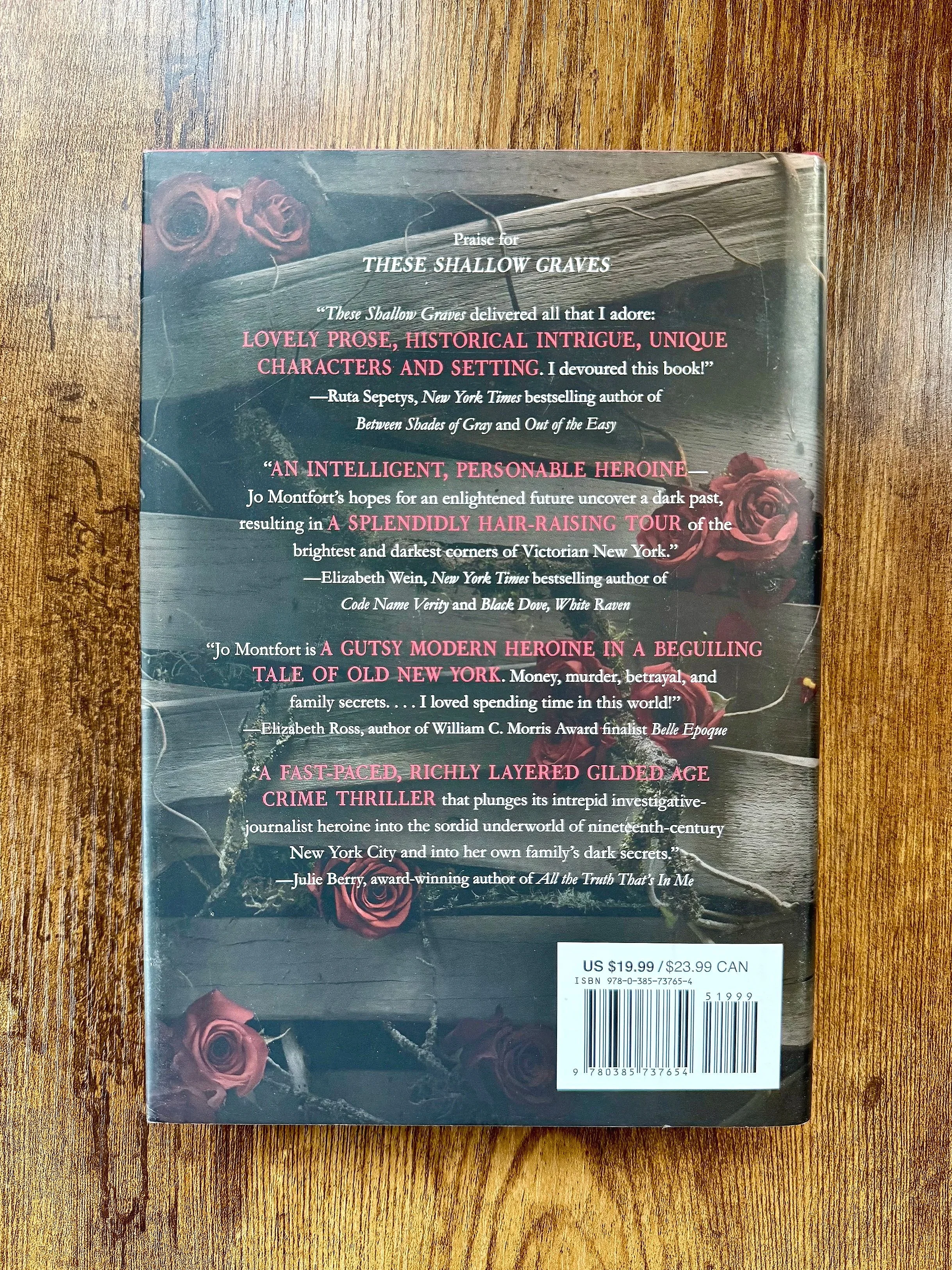
These Shallow Graves by Jennifer Donnelly follows Jo Montfort, a young woman in 1890s New York whose privileged life is upended when her father dies under suspicious circumstances. Refusing to accept the official explanation, Jo teams up with Eddie Gallagher, a street‑smart reporter, to uncover the truth buried beneath the city’s glittering surface. Their investigation pulls them into a world of corruption, secrets, and danger that threatens Jo’s reputation—and her life.
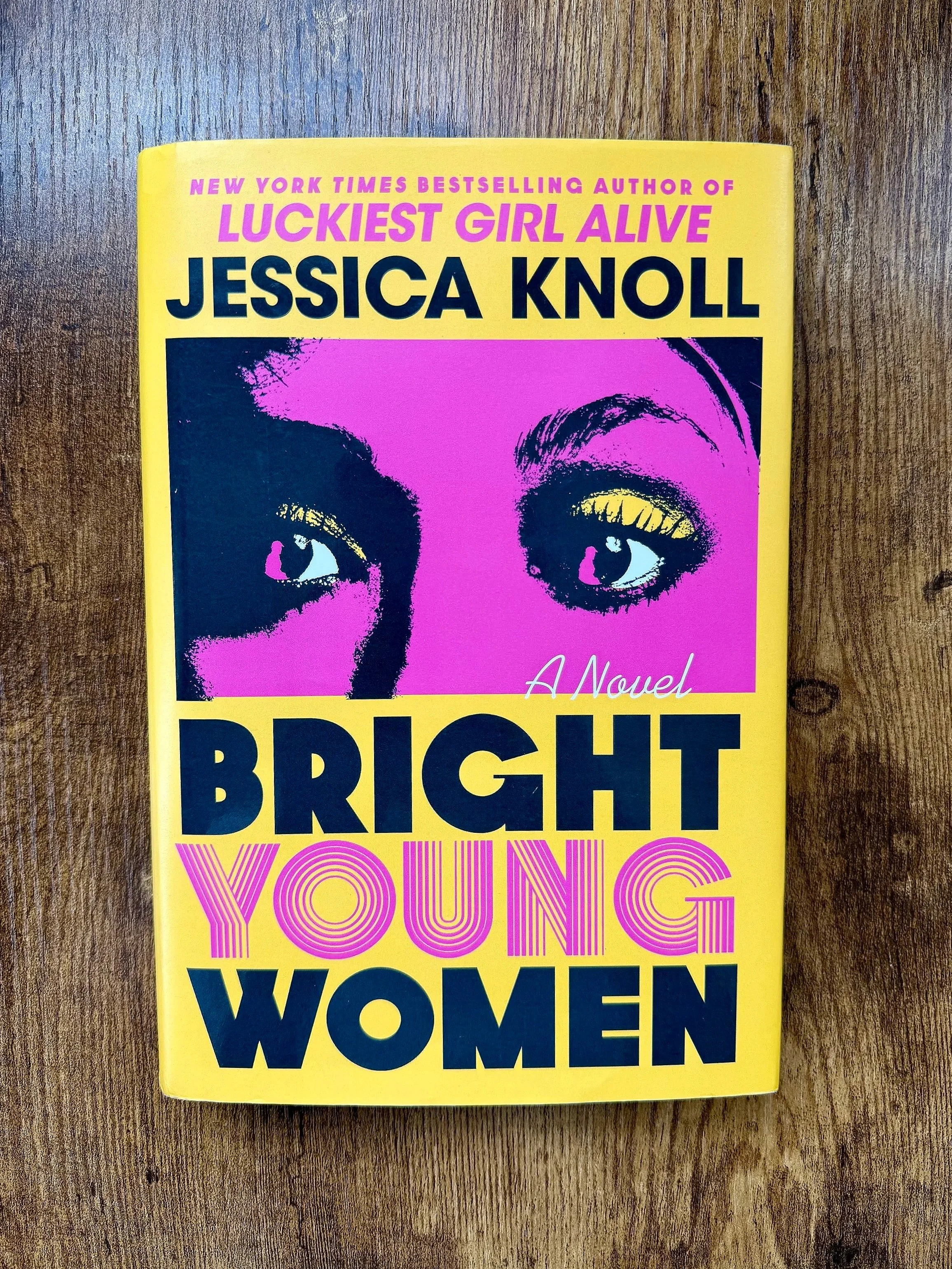
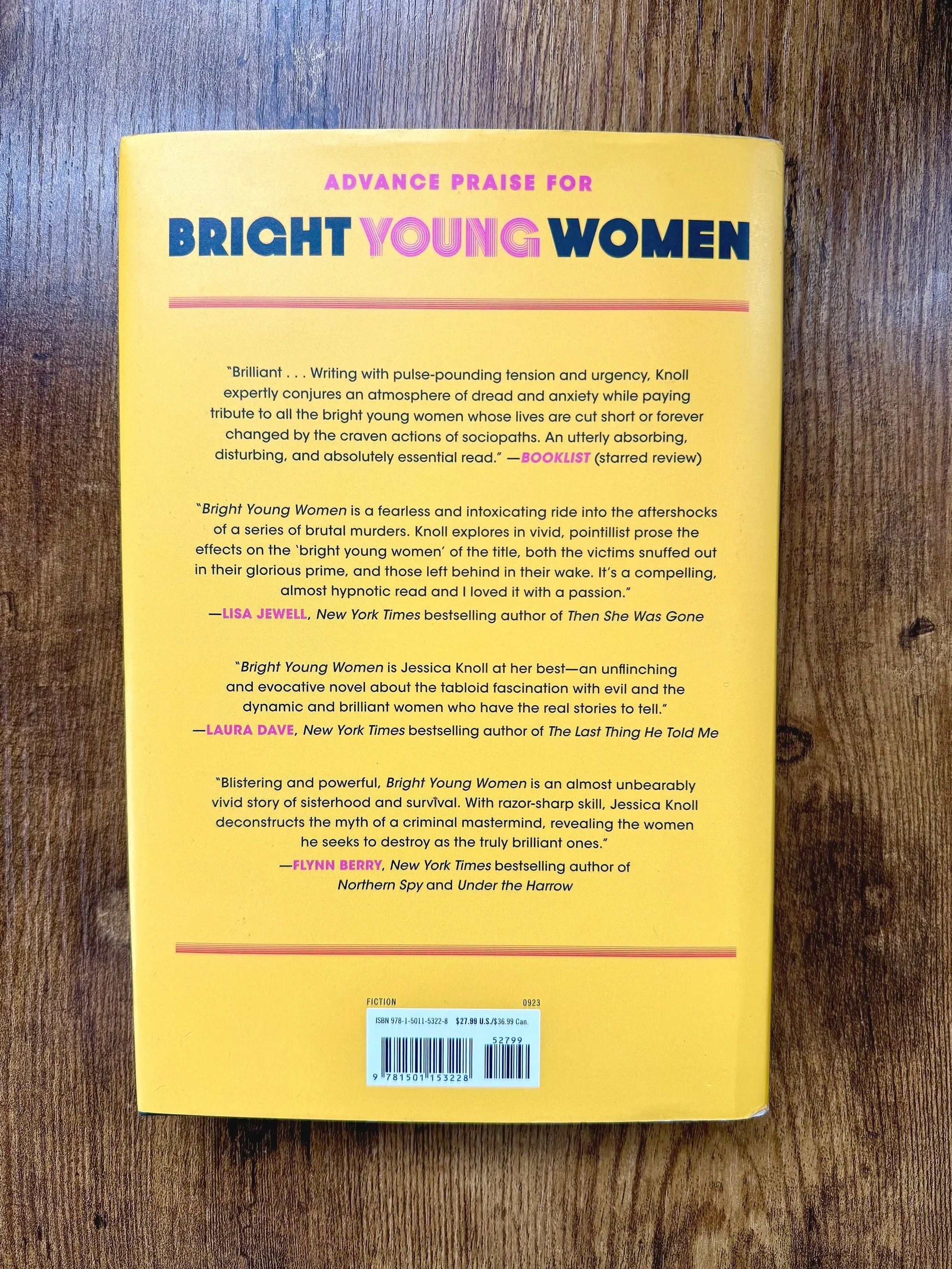
Bright Young Women by Jessica Knoll is a fictional reimagining of the Ted Bundy murders, told from the perspectives of the survivors and victims rather than the killer. Set in Seattle in 1974 and Florida in 1978, the novel follows Pamela, a sorority president who survives an attack, and Tina, whose girlfriend, Ruth, goes missing. Together, they investigate what authorities and the media overlook, exposing systemic failures and the cultural tendency to sensationalize violent men while ignoring their victims.
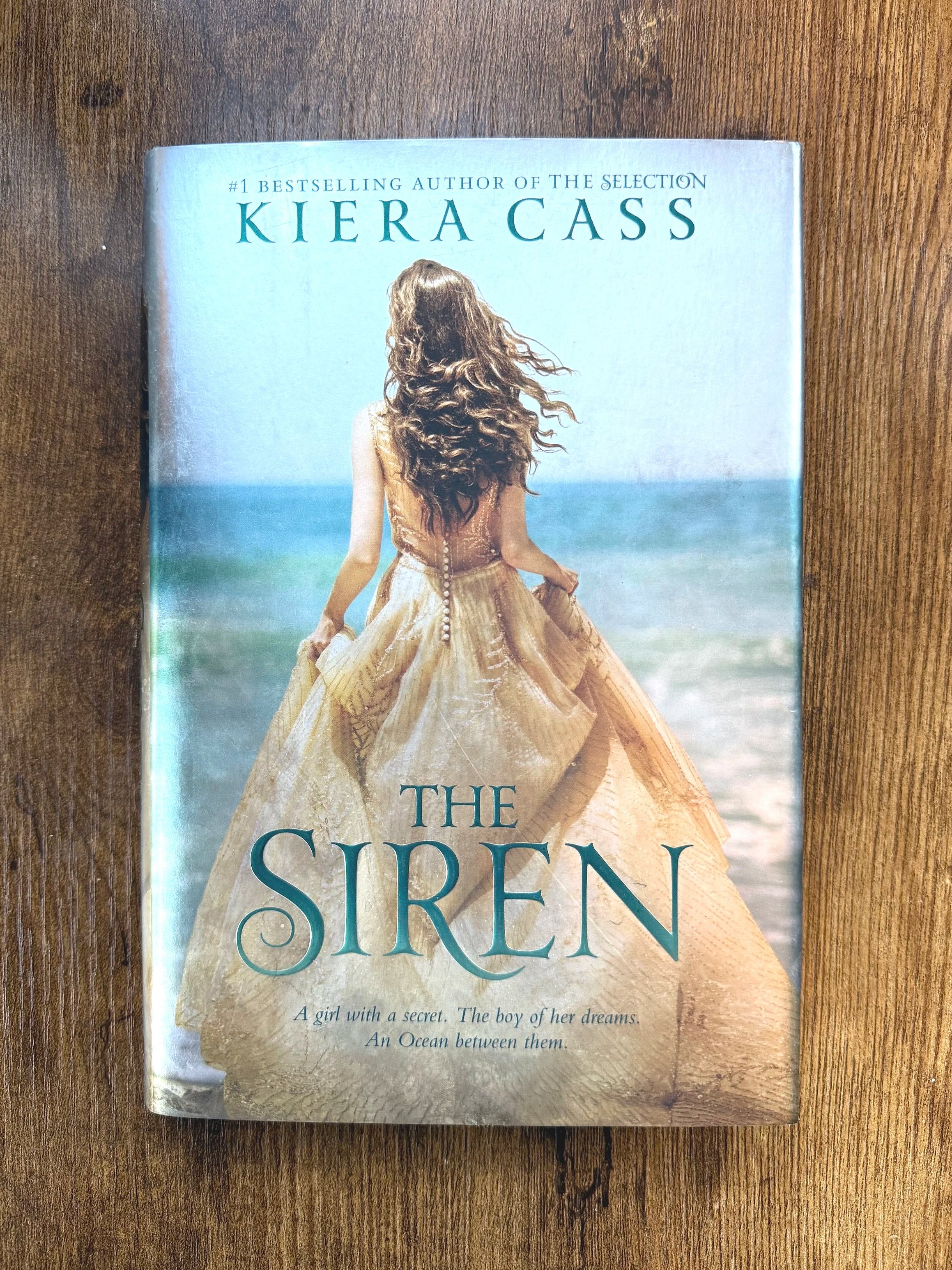
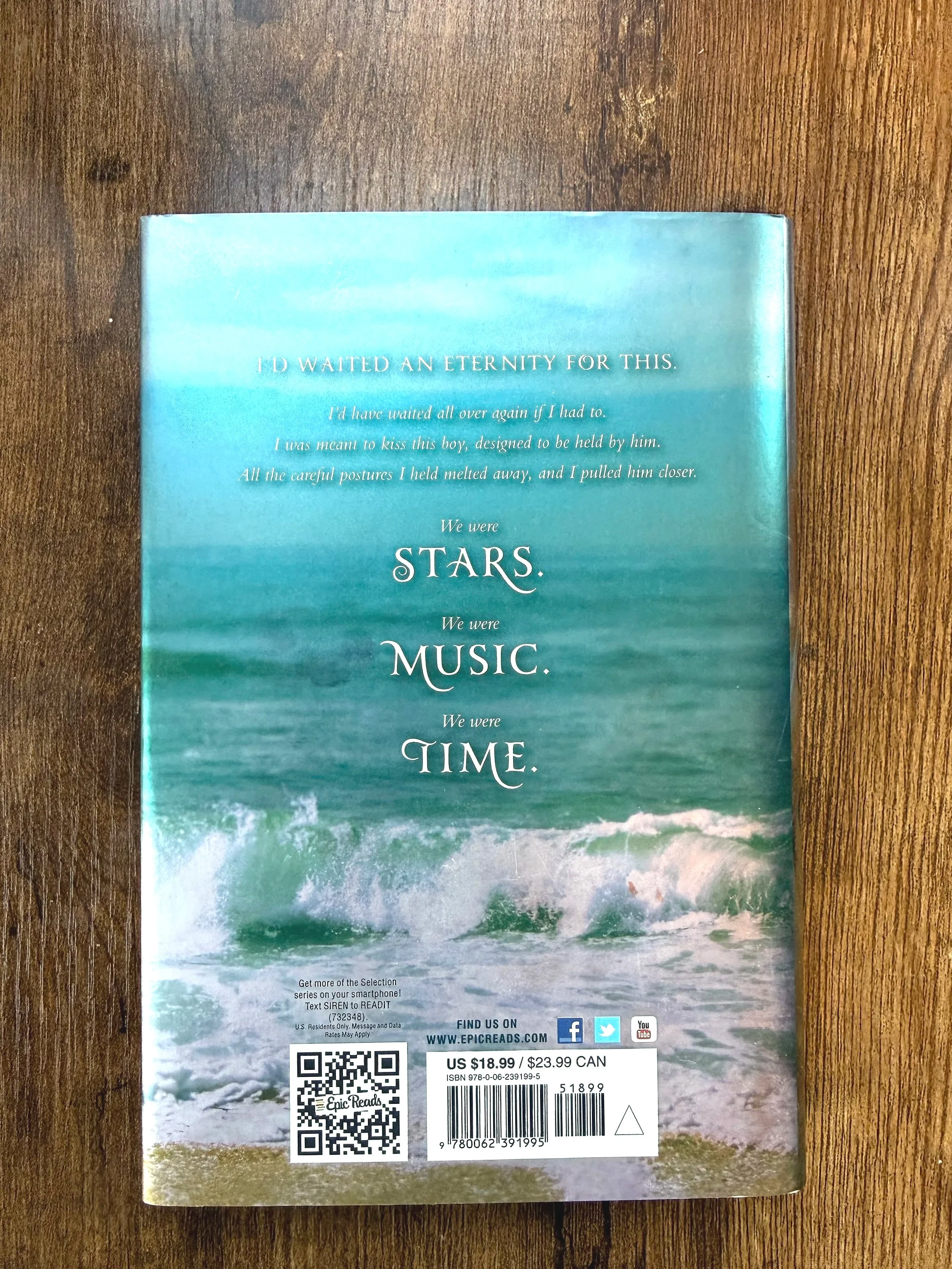
The Siren by Kiera Cass follows Kahlen, a young woman bound to serve the Ocean for a century, using her deadly voice to lure ships to their doom. Silent on land and isolated from the world, she has accepted her fate—until she meets Akinli, a kind, gentle boy who sees her in a way no one else can. As their connection deepens, Kahlen must choose between the love she’s longed for and the vow that keeps her alive but forever apart.
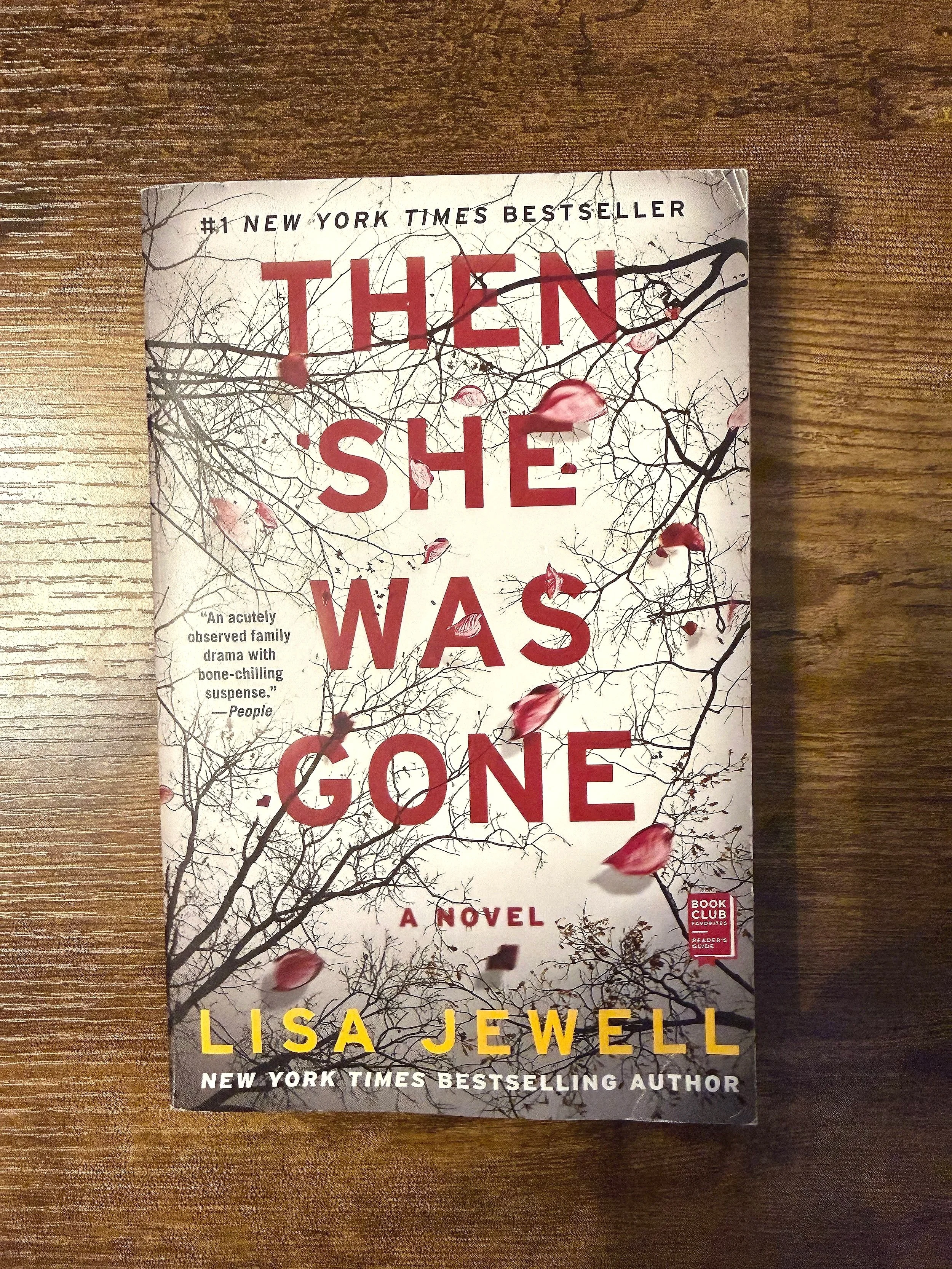
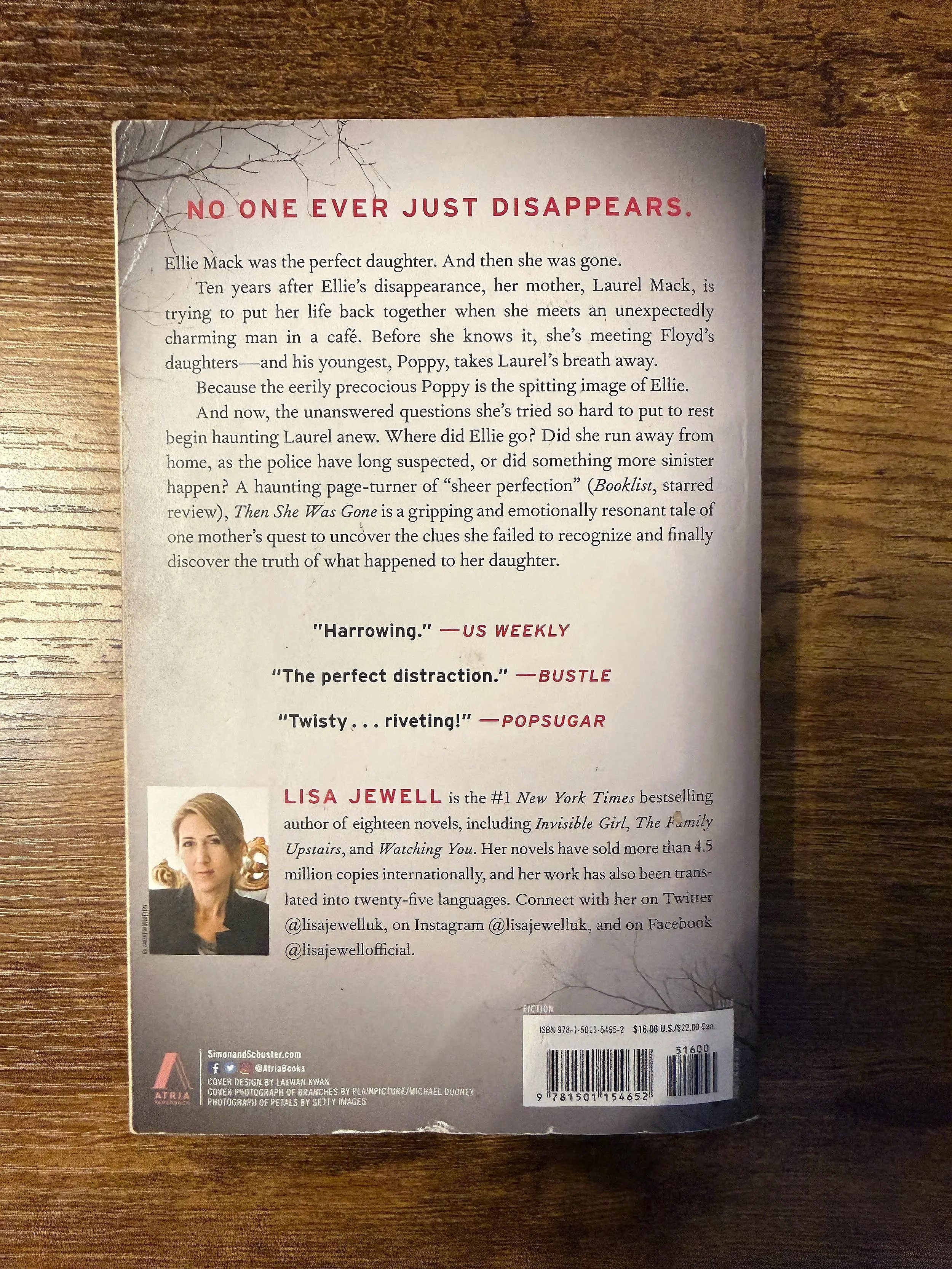
Then She Was Gone by Lisa Jewell is a gripping psychological thriller about a mother still haunted by the disappearance of her teenage daughter a decade earlier. When Laurel meets a charming man—and then his young daughter who looks shockingly like her own missing Ellie—old wounds rip open, and unsettling questions resurface. As Laurel digs deeper, the truth that emerges is darker and more twisted than anything she imagined.
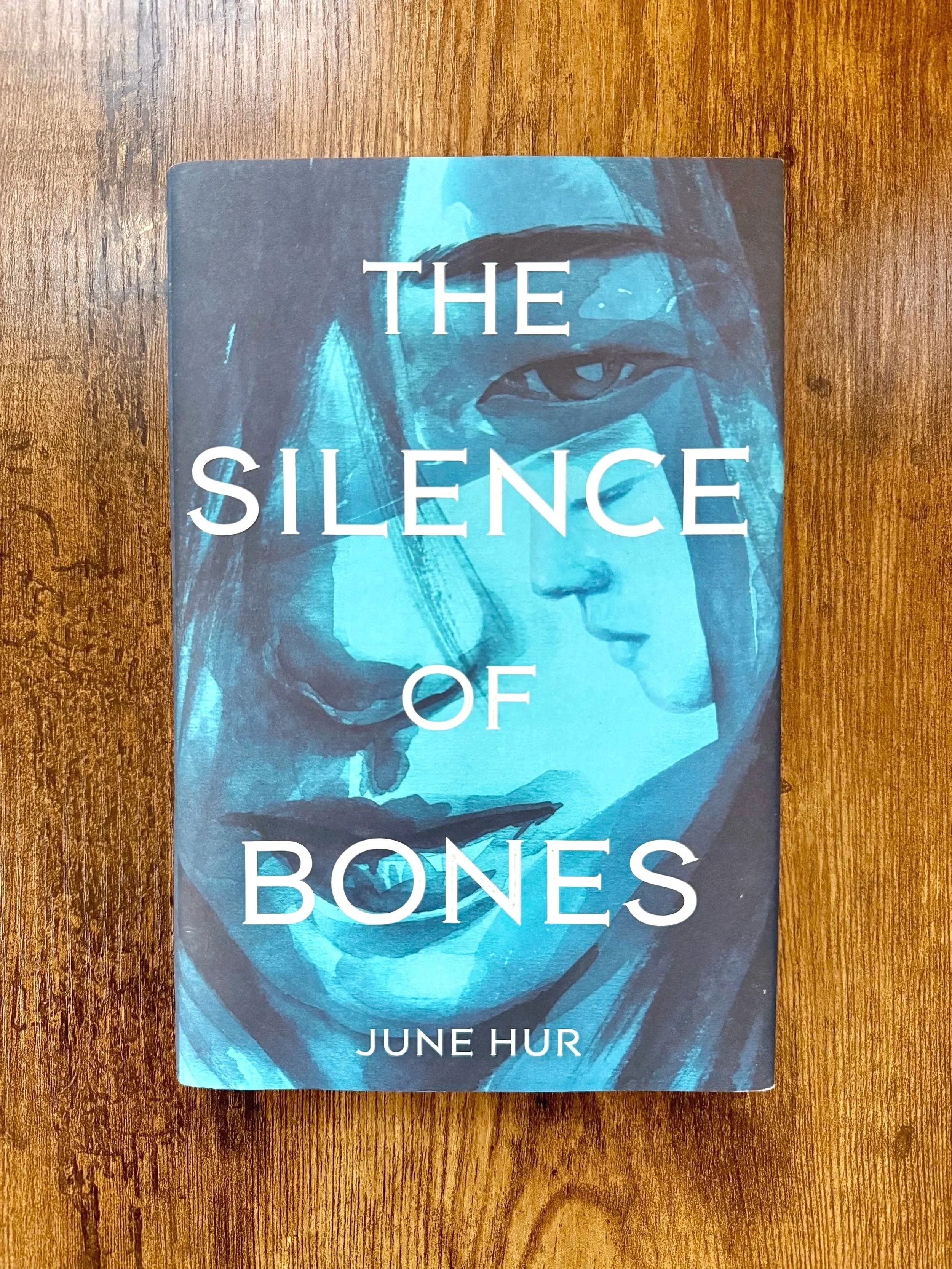
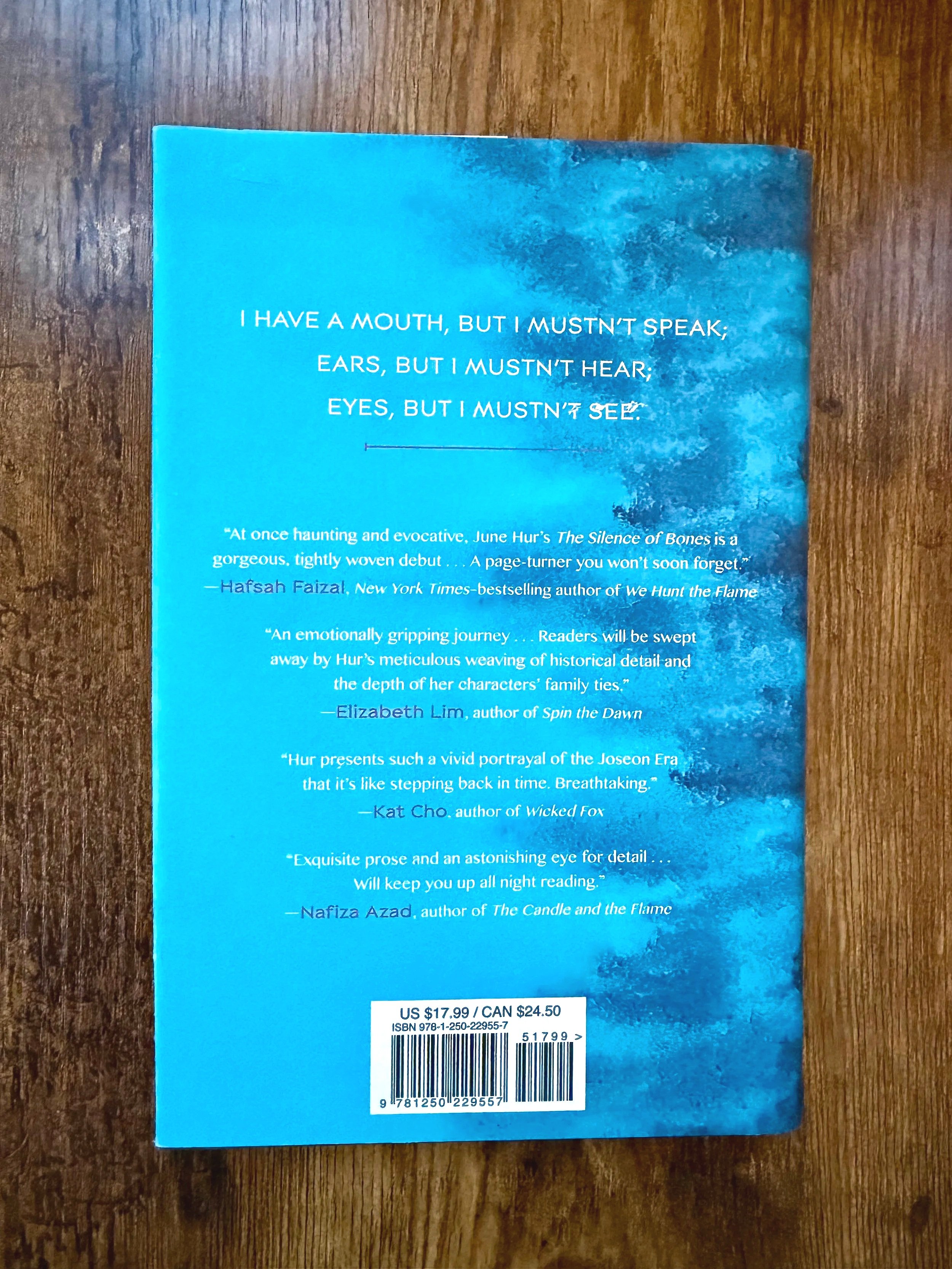
The Silence of Bones is a gripping historical mystery set in 1800 Joseon Korea, where a young indentured girl named Seol is assigned to assist a police inspector investigating the murder of a noblewoman. As Seol navigates a rigid, hierarchical society, she becomes entangled in secrets that challenge her loyalty, her safety, and her understanding of justice. When suspicion falls on the one person who has shown her kindness, she must decide how far she’s willing to go to uncover the truth.
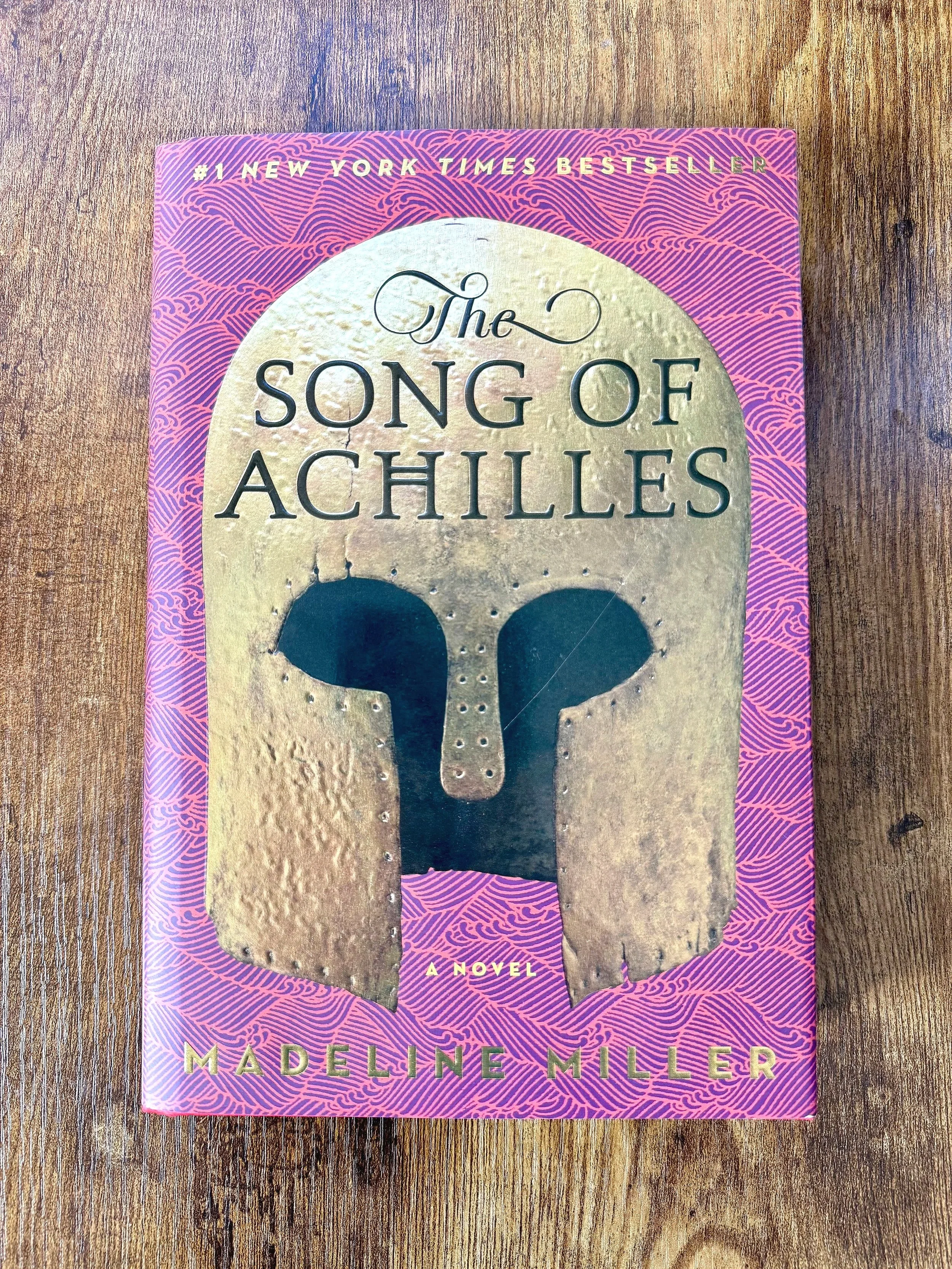
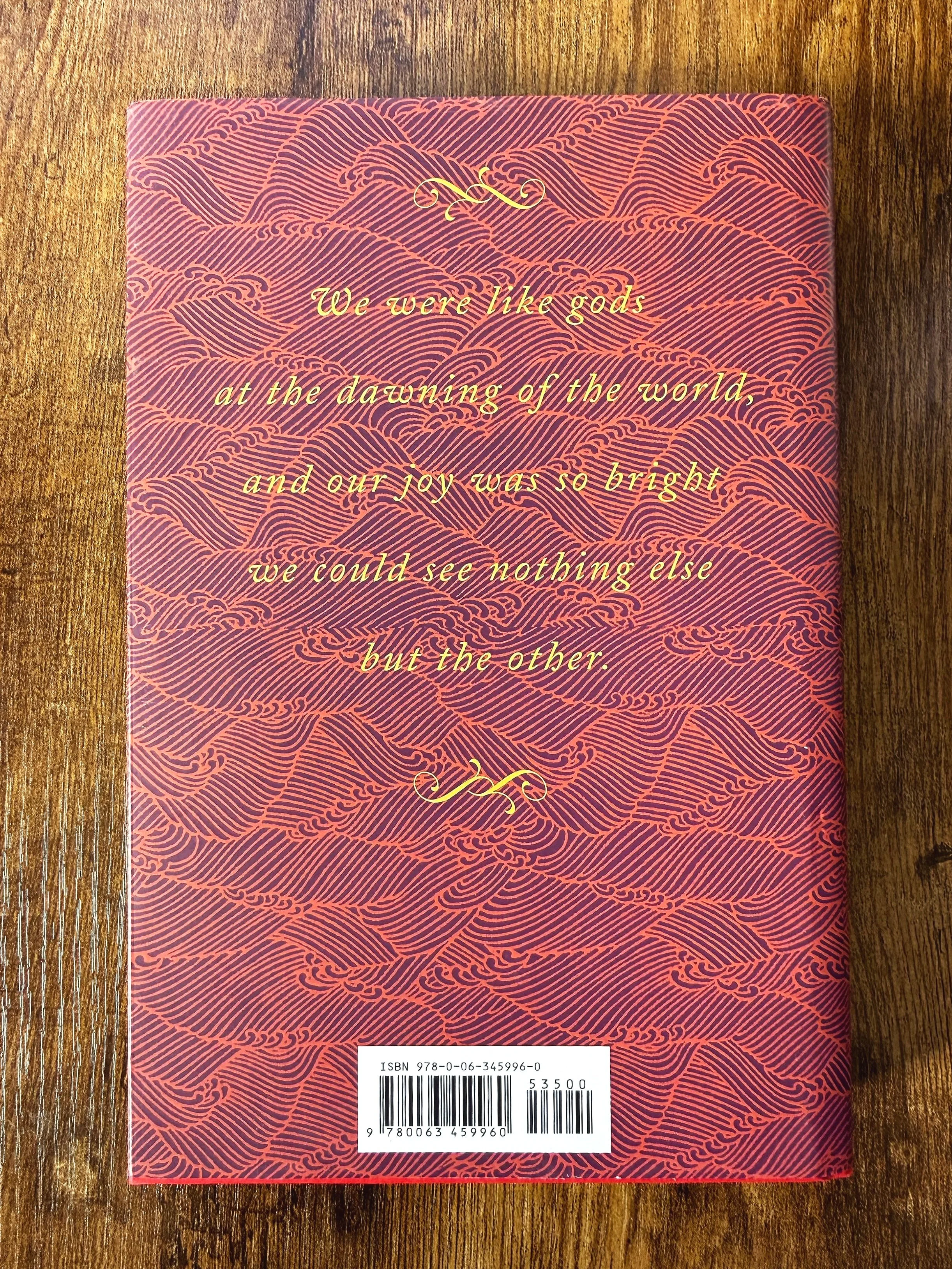
The Song of Achilles by Madeline Miller is a lyrical, deeply emotional retelling of the Iliad, told through the eyes of Patroclus as he grows from an exiled prince into the devoted companion of Achilles. As the two boys train under Chiron and their bond deepens, the looming Trojan War threatens everything they’ve built together. On the battlefield, destiny, pride, and prophecy collide, forcing both men to confront the brutal cost of glory.
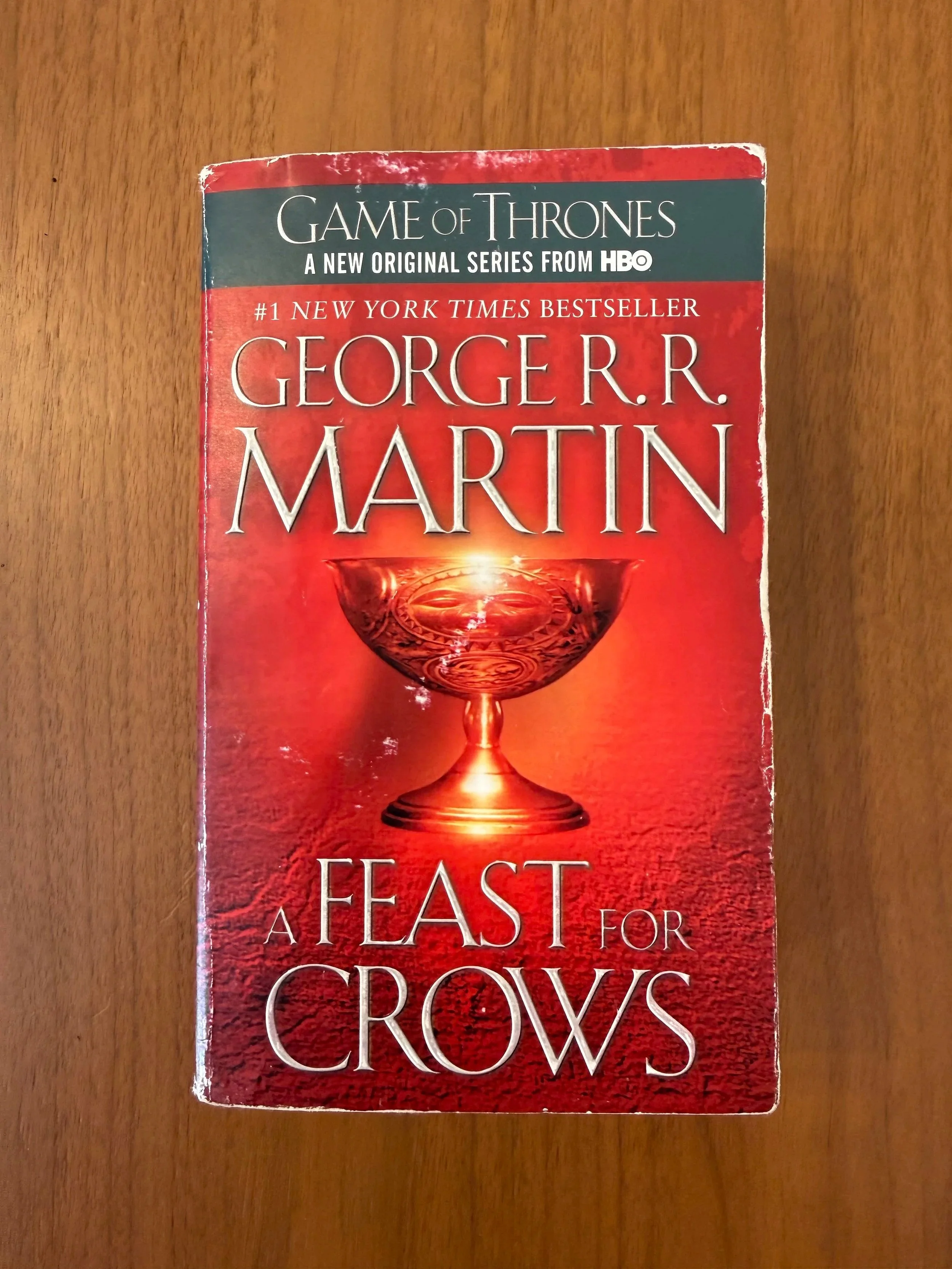
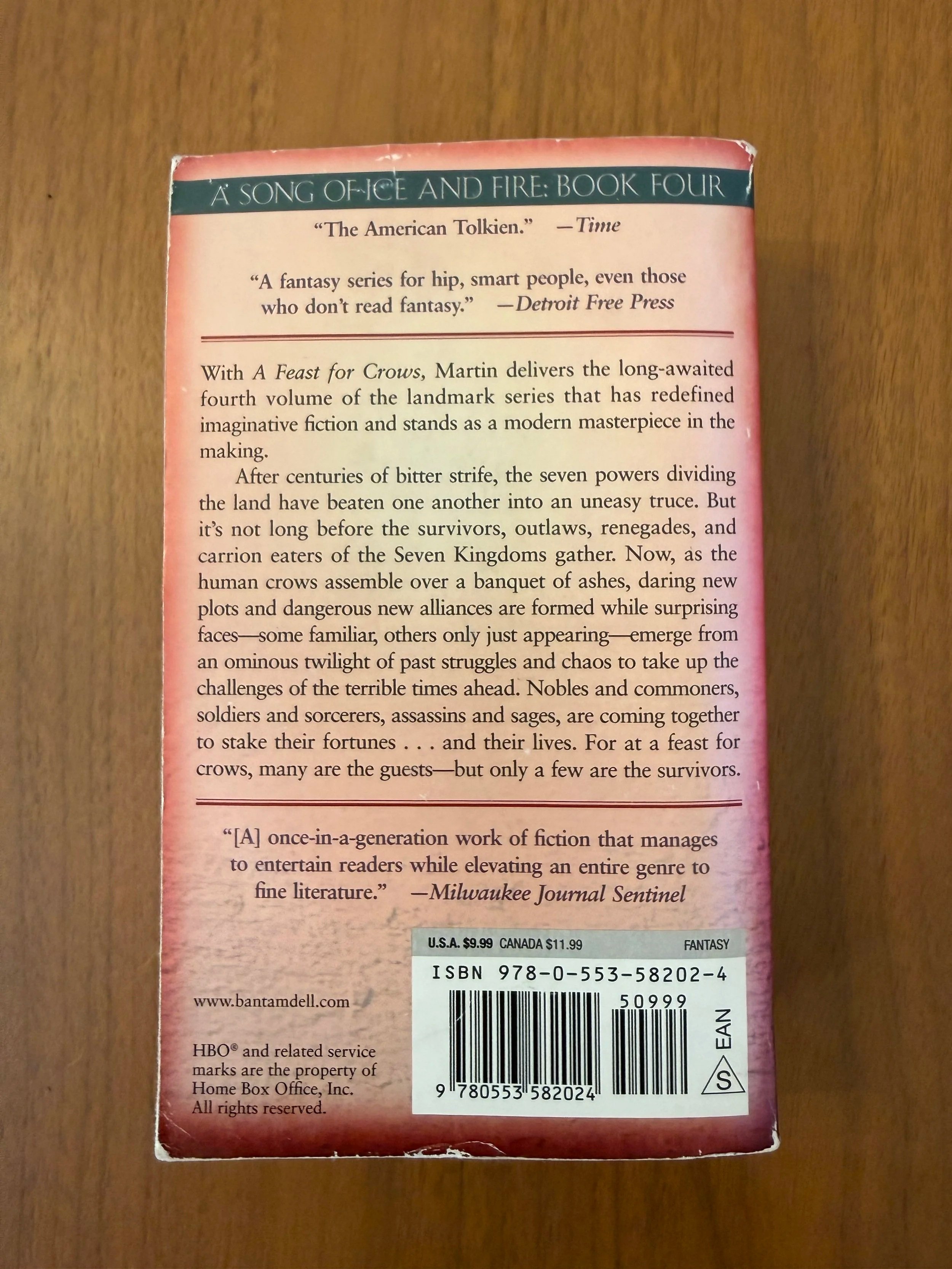
A Feast for Crows by George R.R. Martin plunges readers back into Westeros as the realm struggles to rebuild after the War of the Five Kings, even as new dangers quietly gather. With the Lannisters struggling to maintain their grip on the kingdom, the Ironborn and the Dornish pursue their own bold ambitions, reshaping alliances and igniting fresh conflicts. As knights, queens, schemers, and outcasts maneuver for power, the absence of several key players only heightens the tension, leaving space for unexpected voices to rise. A richly layered, politically charged installment that deepens the intrigue and moral complexity of Martin’s epic saga.
Michael’s Rating: 5 stars.
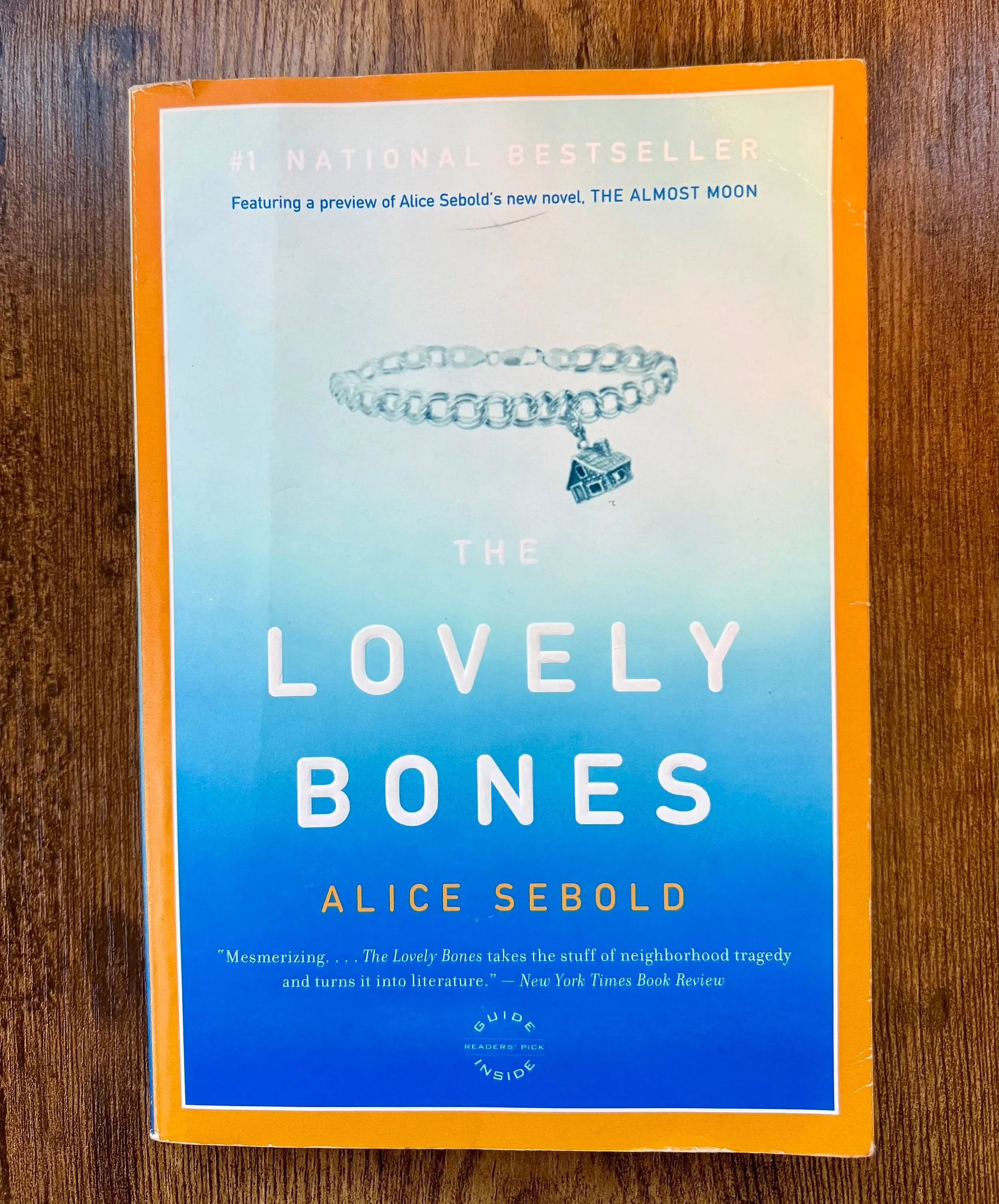
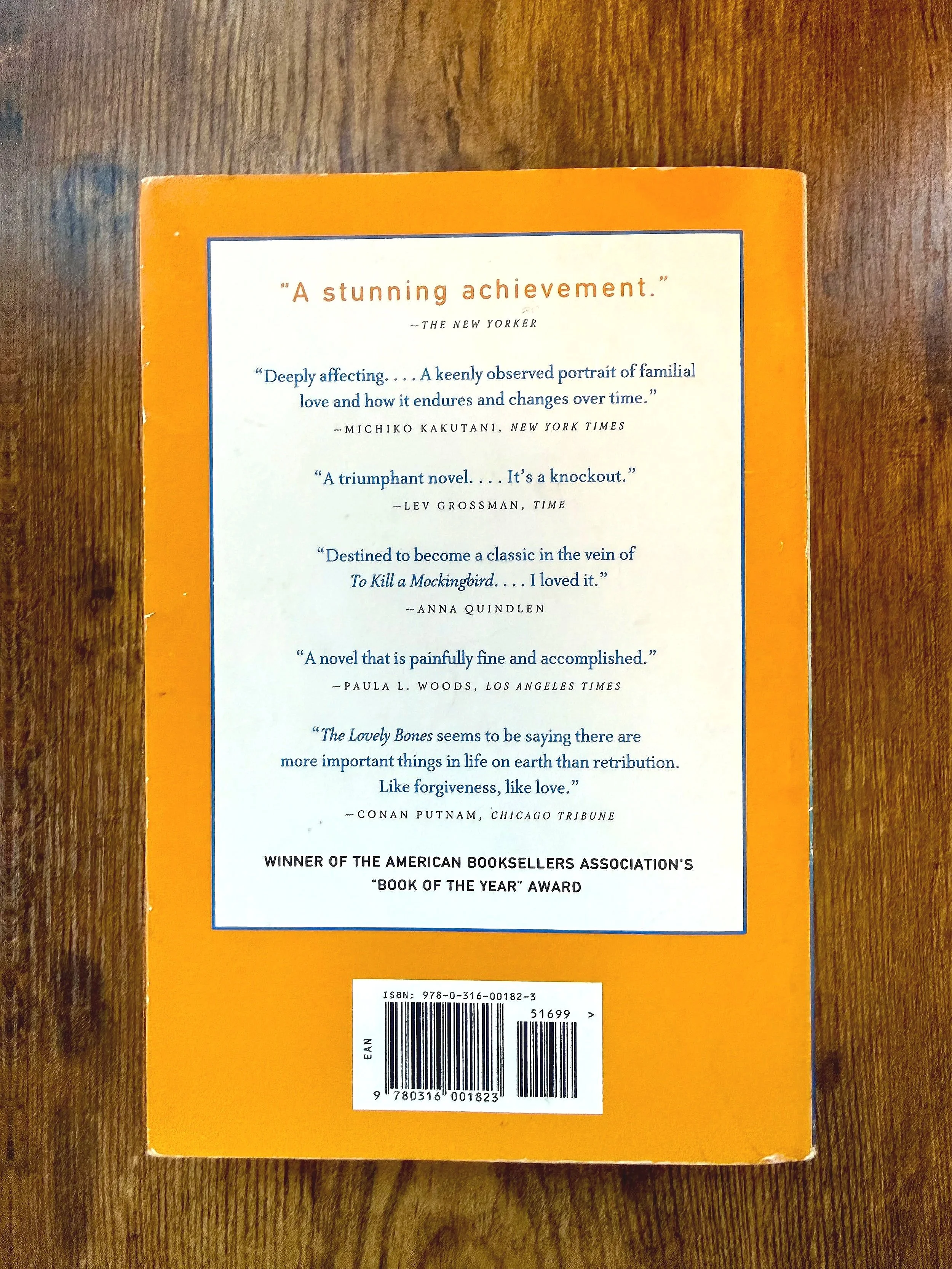
The Lovely Bones is a haunting, deeply emotional novel narrated by fourteen‑year‑old Susie Salmon, who watches from the afterlife after her murder shatters her family and community. From her vantage point, Susie observes her parents’ grief, her friends’ attempts to move forward, and the quiet unraveling of the man who took her life. As the living struggle to heal, Susie seeks her own form of peace, caught between longing for the world she left and accepting the one she’s entered.
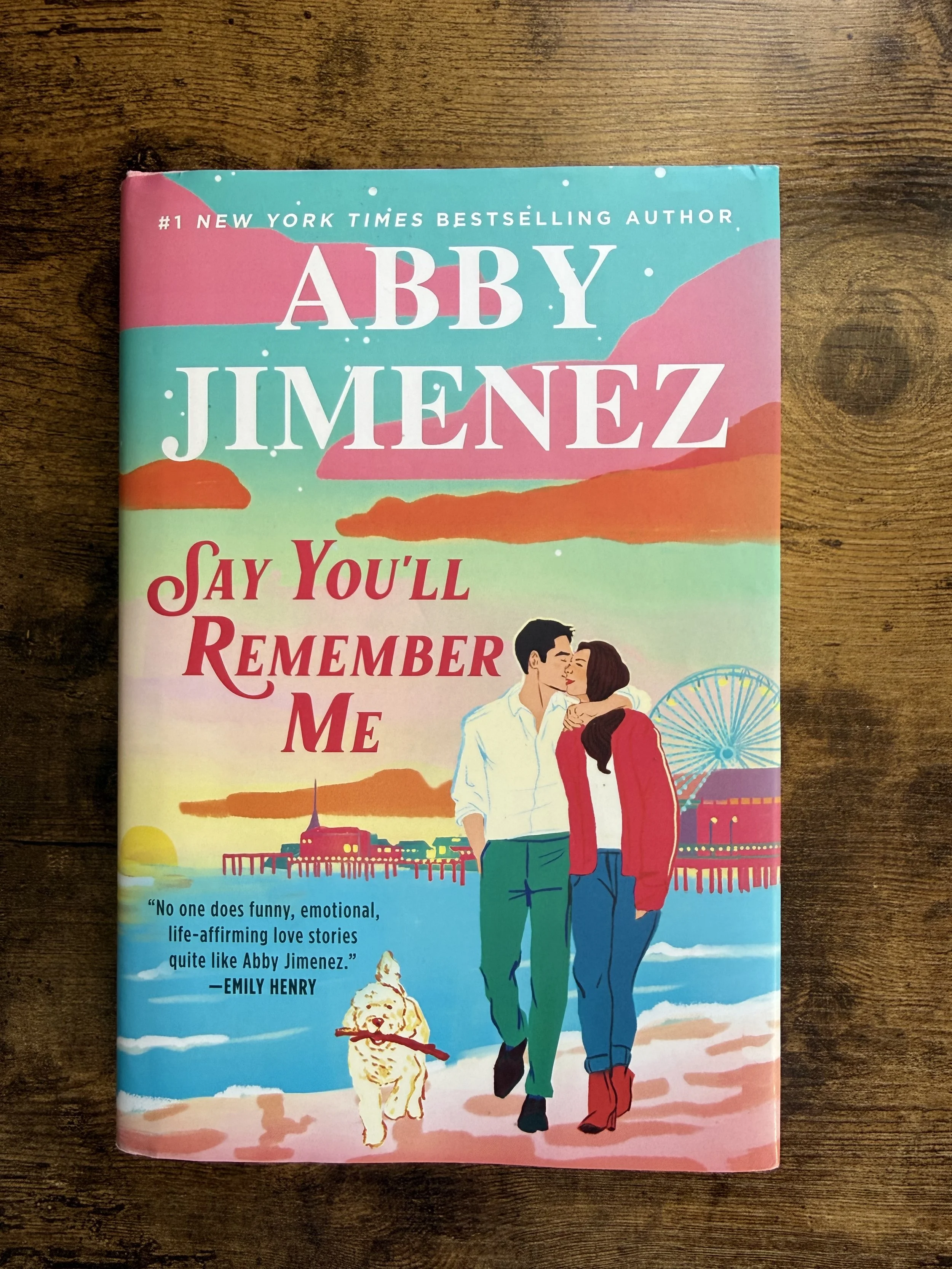
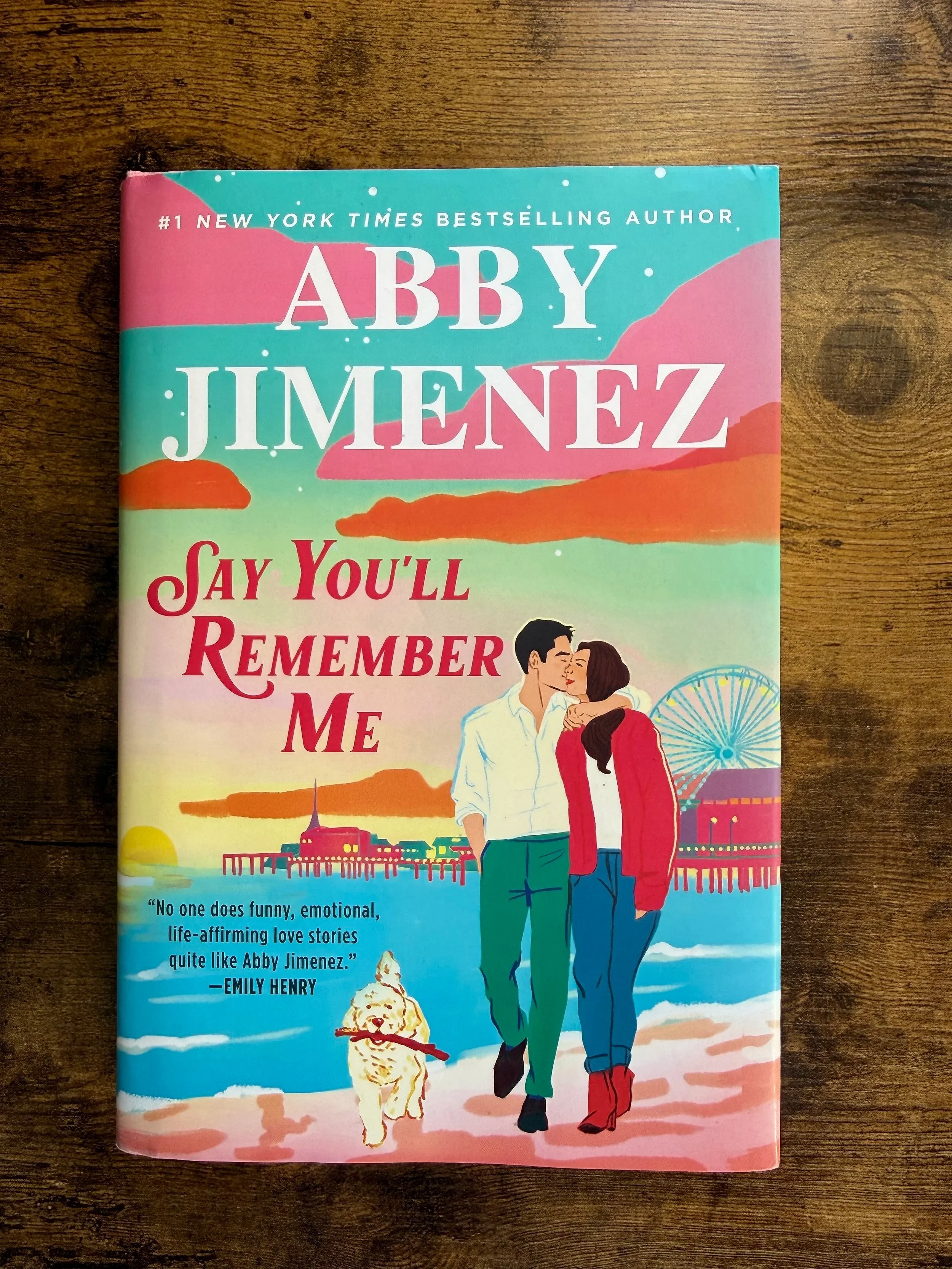
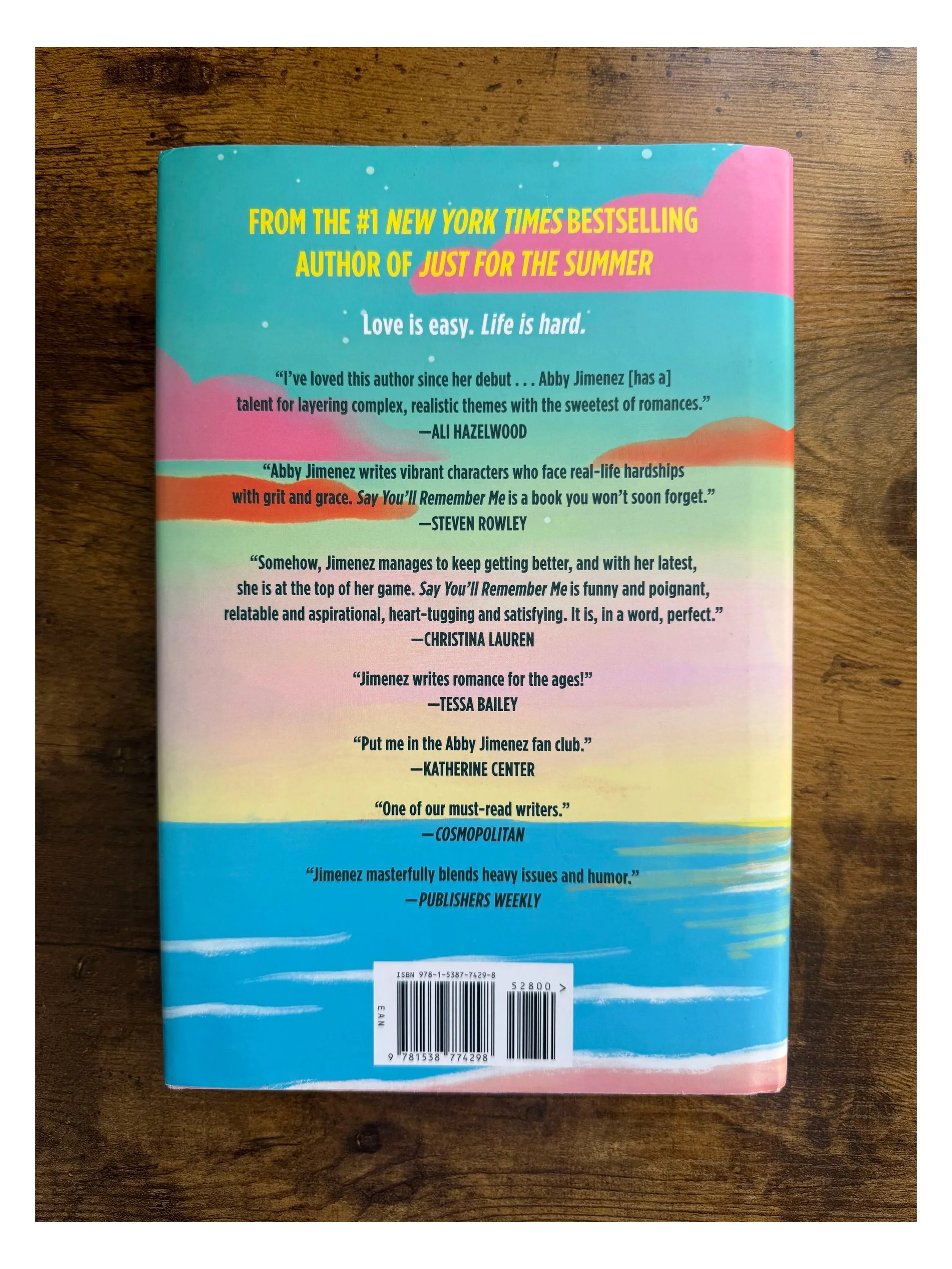
Say You’ll Remember Me by Abby Jimenez is a heartfelt, emotionally layered novel about two people whose lives collide at the exact moment they need each other most. When a woman struggling with a painful past crosses paths with a man carrying his own quiet burdens, their connection sparks something tender, hopeful, and unexpectedly life‑changing. Jimenez blends humor, vulnerability, and deep compassion as her characters navigate trauma, trust, and the courage it takes to let someone in. A perfect pick for readers who love contemporary romance with heart, healing, and beautifully drawn emotional stakes.
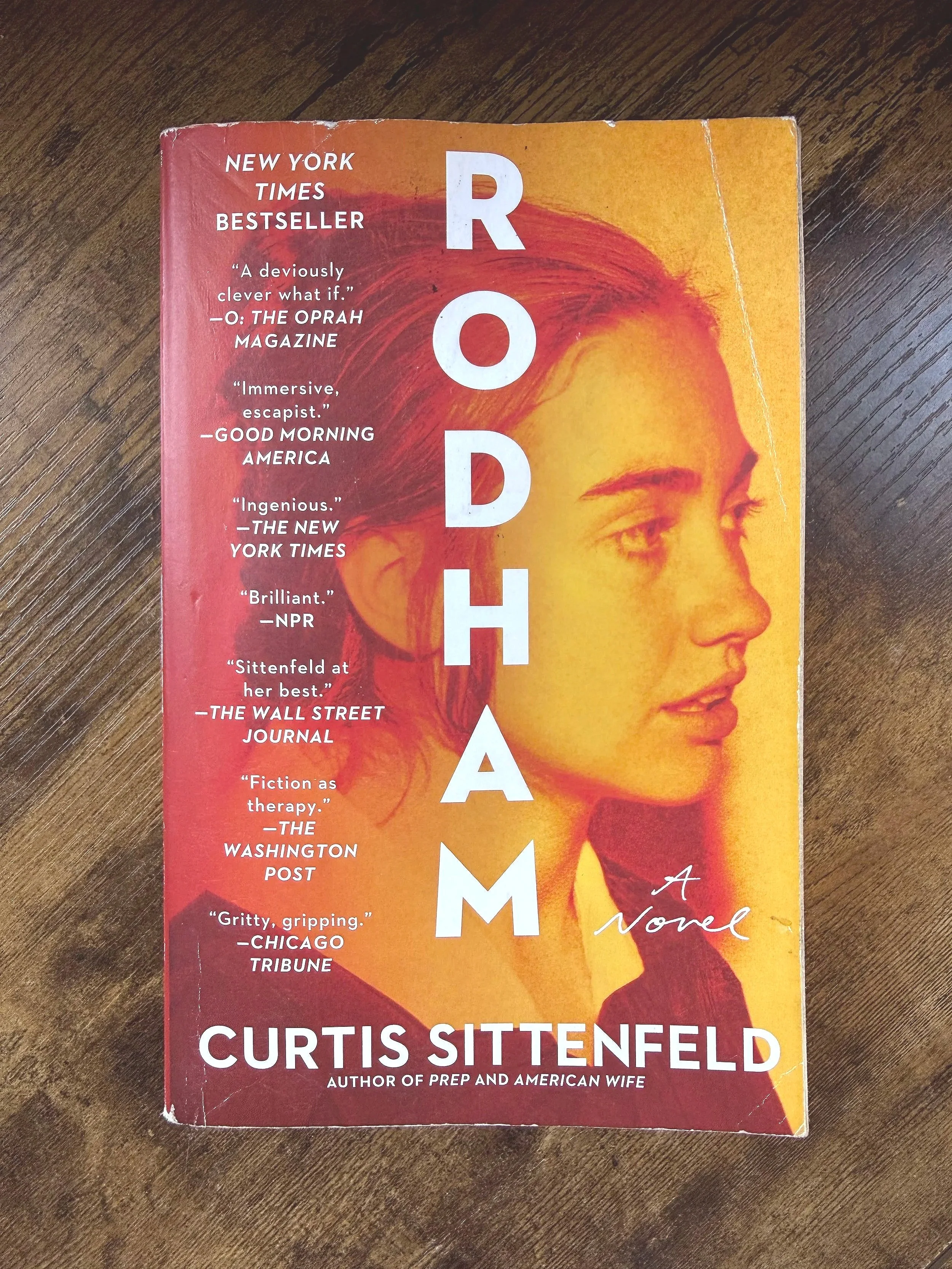
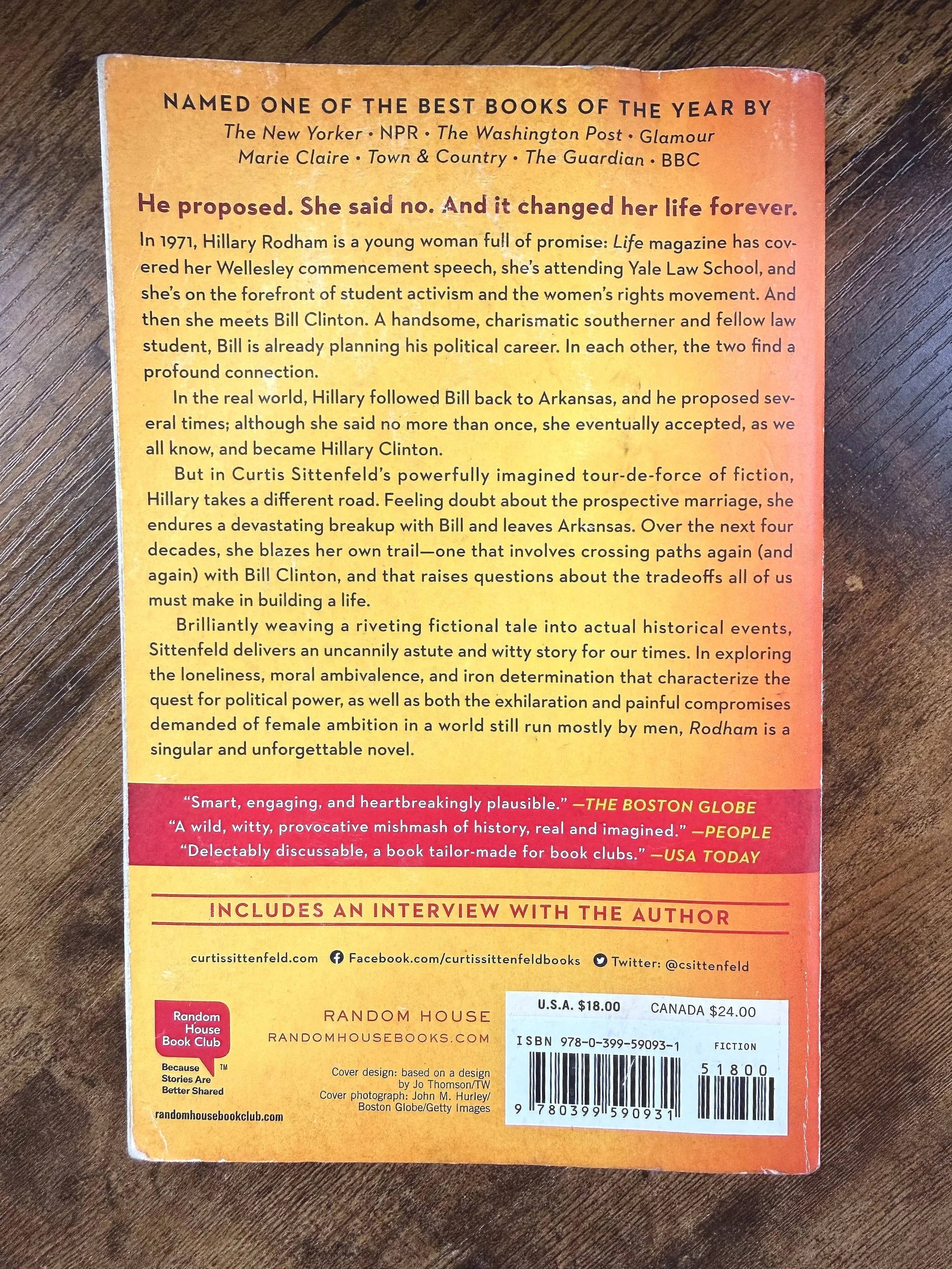
Rodham by Curtis Sittenfeld is an imaginative re‑telling of Hillary Rodham’s life—one that asks what might have happened if she had never married Bill Clinton. Following her from her early ambitions through decades of political and personal reinvention, Sittenfeld crafts a portrait of a woman determined to define herself on her own terms. A compelling pick for readers who enjoy character‑driven fiction that reimagines history.
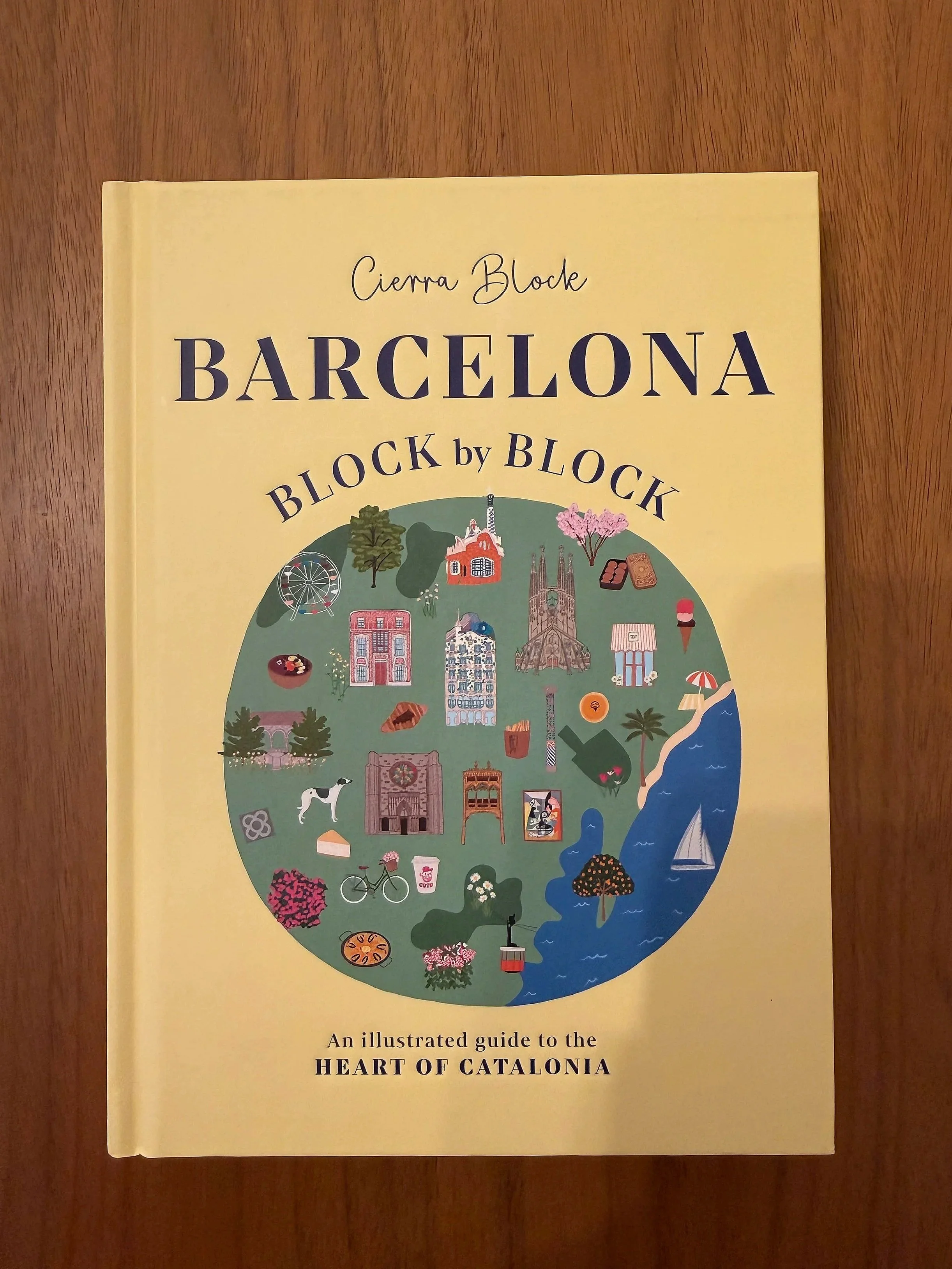
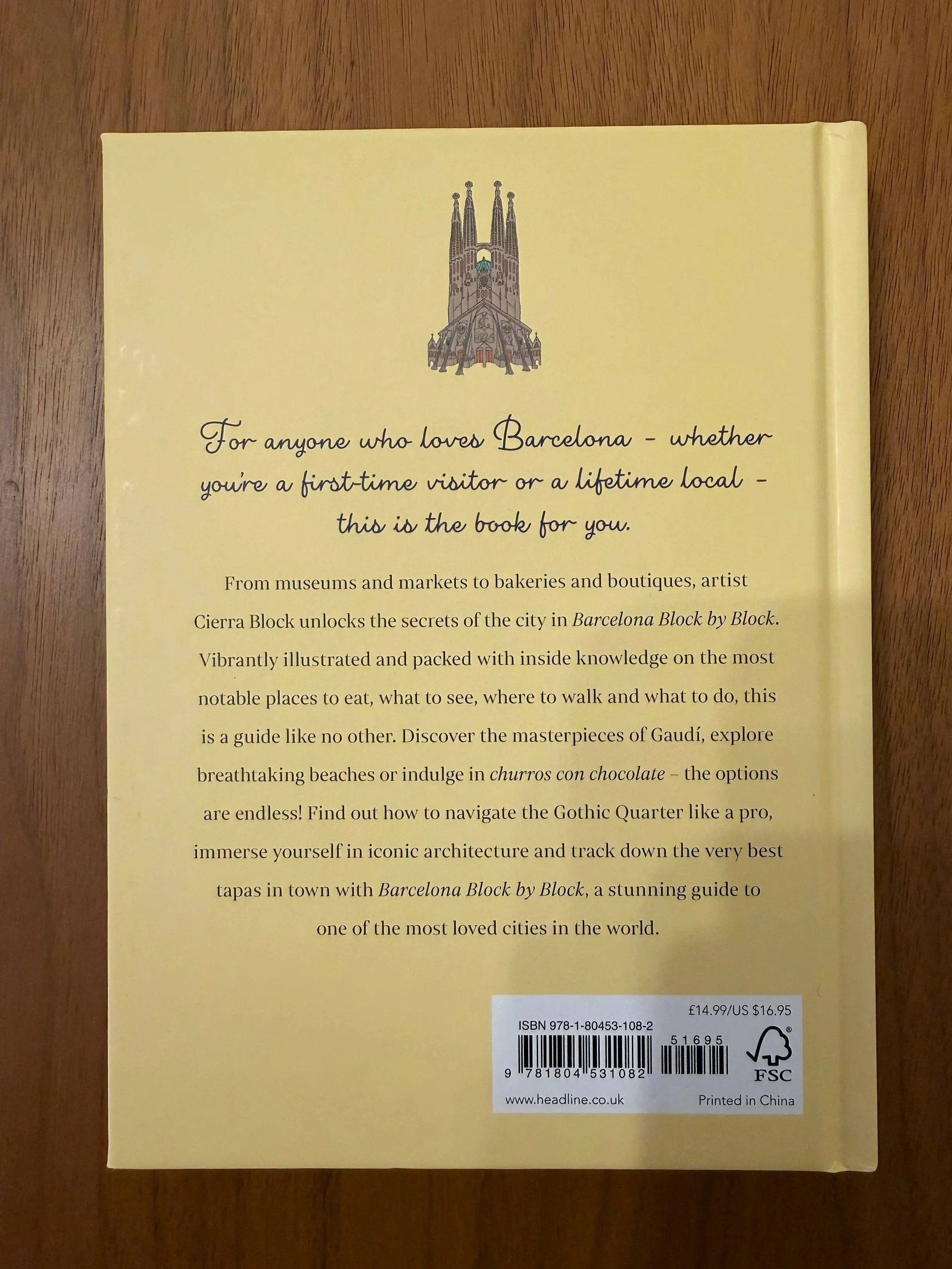
Barcelona Block by Block is a beautifully designed, highly visual guide that breaks the city into walkable neighborhoods, highlighting the architecture, food, and cultural gems that define each area. With illustrated maps and curated recommendations, it helps readers discover everything from Gaudí landmarks to hidden cafés and seaside strolls. The book blends practical guidance with artistic charm, making it as enjoyable to browse as it is useful for planning a trip.
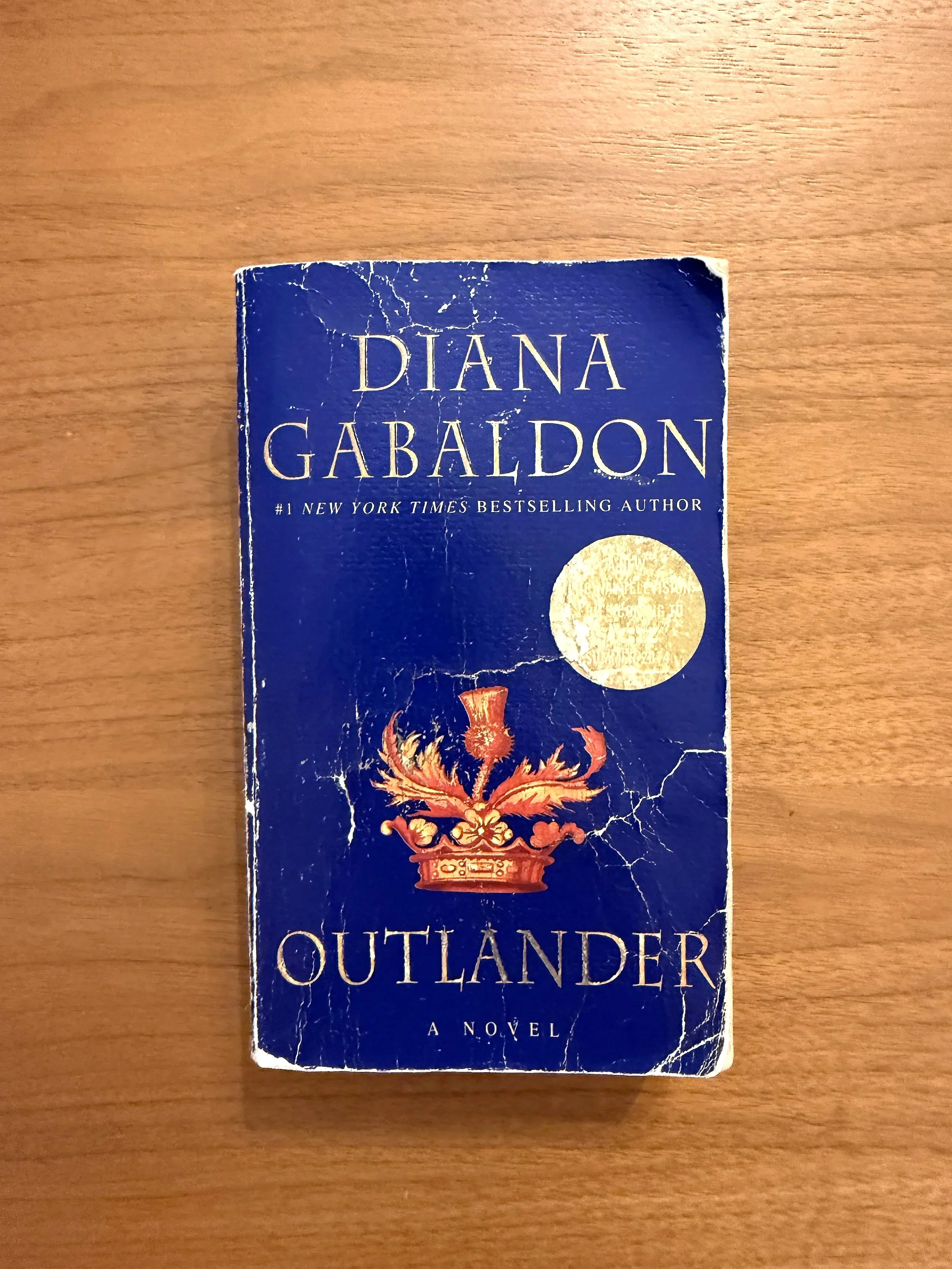
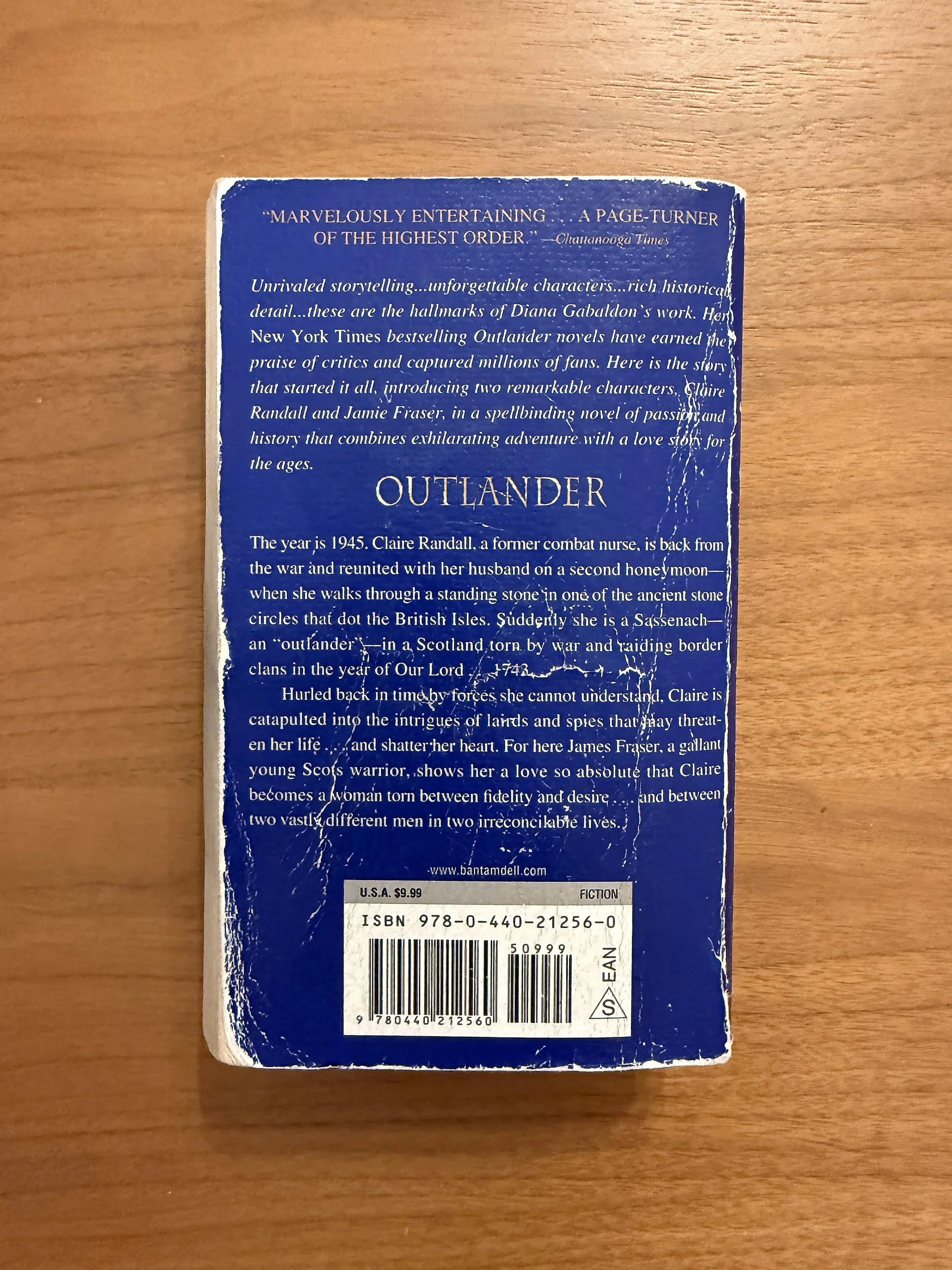
Outlander by Diana Gabaldon follows Claire Randall, a World War II nurse who is mysteriously swept back in time to 1743 Scotland while on a second‑honeymoon trip with her husband. Thrust into a world of clan politics, danger, and rebellion, Claire must navigate a past that is both brutal and breathtaking. Her fate becomes entwined with Jamie Fraser, a young Highland warrior whose loyalty and passion challenge everything she thought she knew about love and home. Sweeping, romantic, and richly atmospheric, it’s a perfect pick for readers who love historical fiction with adventure, heart, and time‑travel twists.
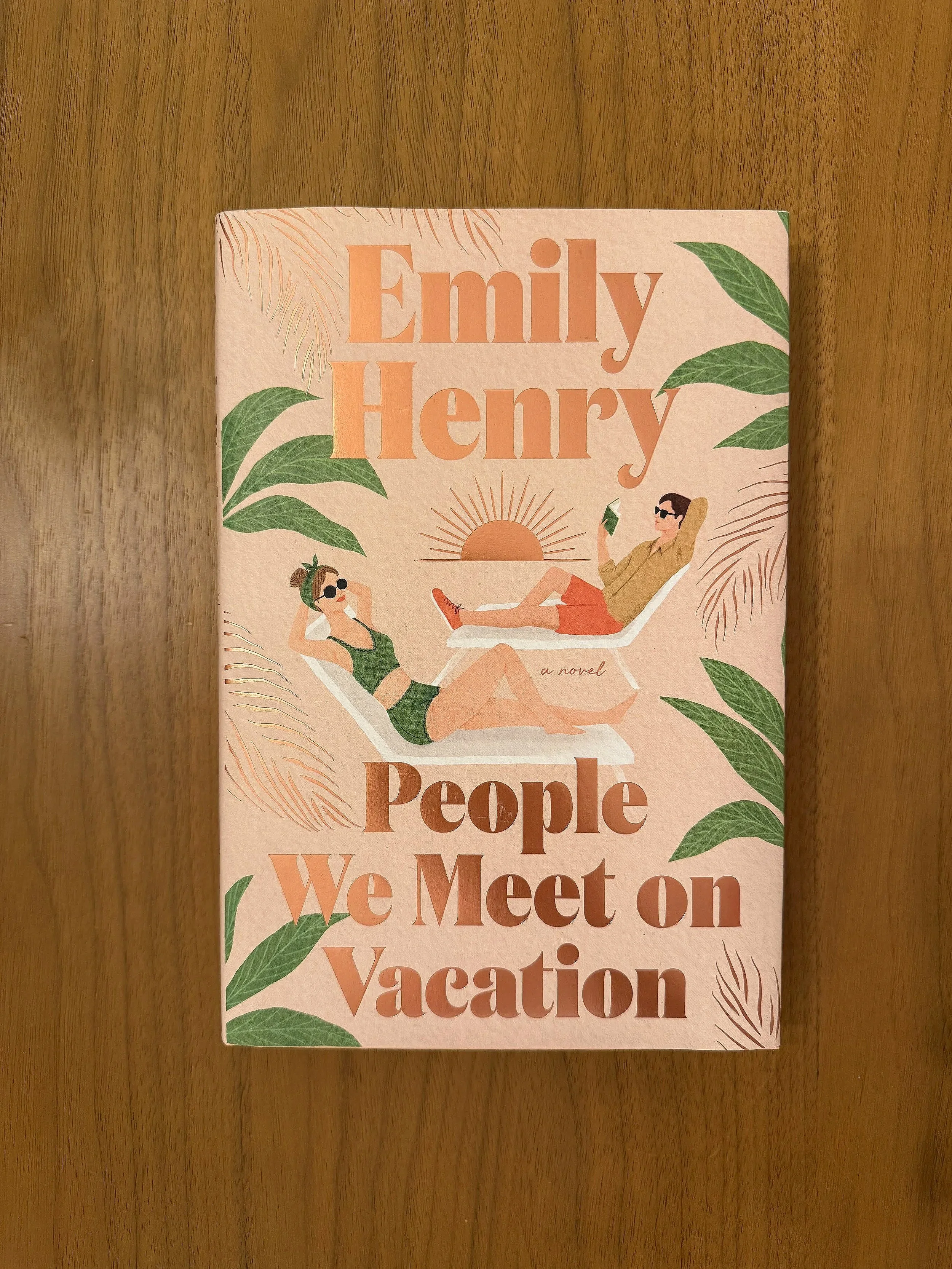
People We Meet on Vacation by Emily Henry is a warm, witty friends‑to‑lovers story about two opposites whose annual summer trips are the highlight of each other’s lives—until one trip goes disastrously wrong. Two years later, Poppy is determined to fix the rift with Alex by convincing him to take one last vacation together. As old chemistry resurfaces and long‑buried feelings come to light, both must decide whether their friendship can survive the truth. A perfect pick for readers who love heartfelt, character‑driven romance with humor, longing, and big emotional payoff.
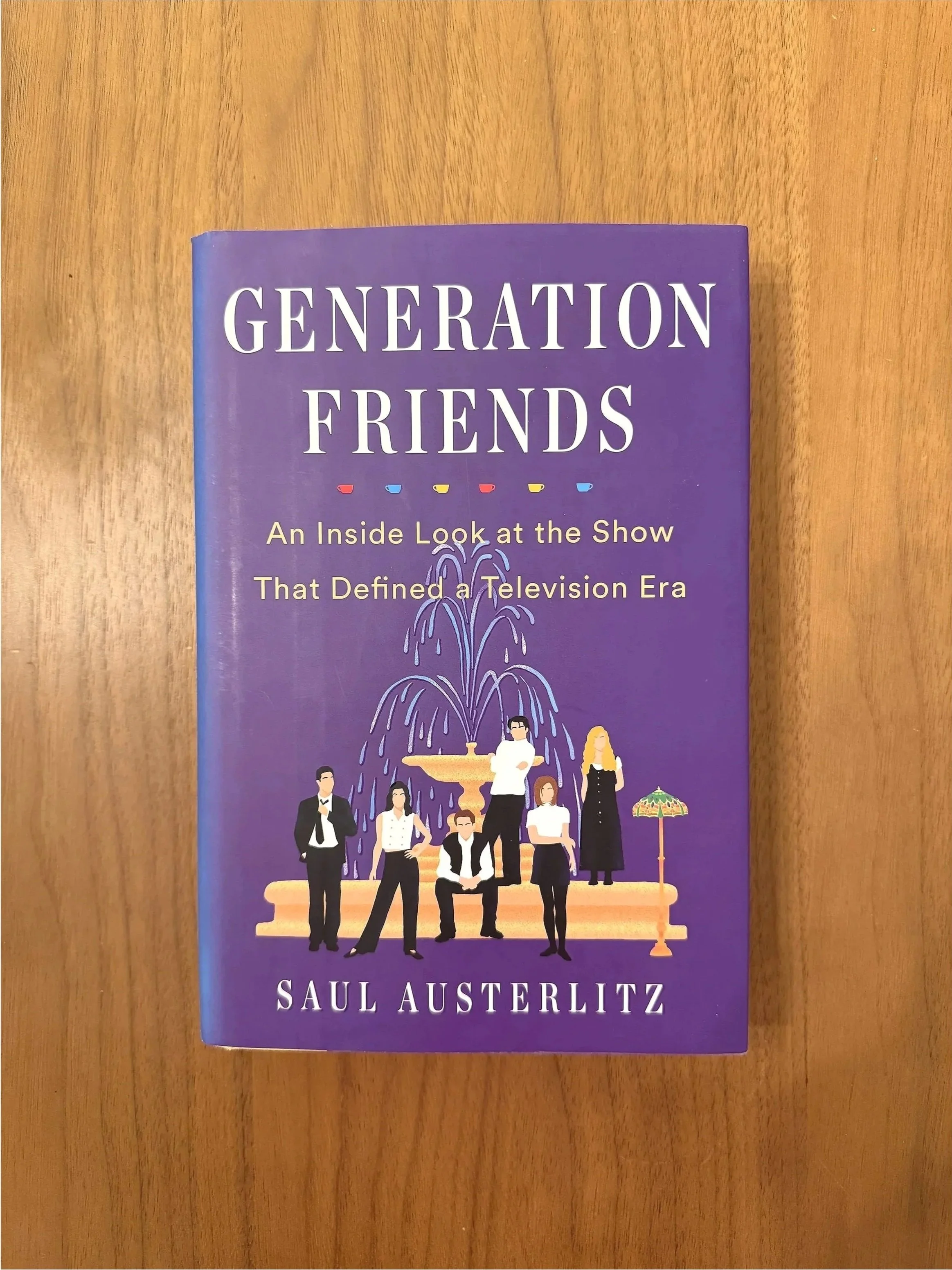
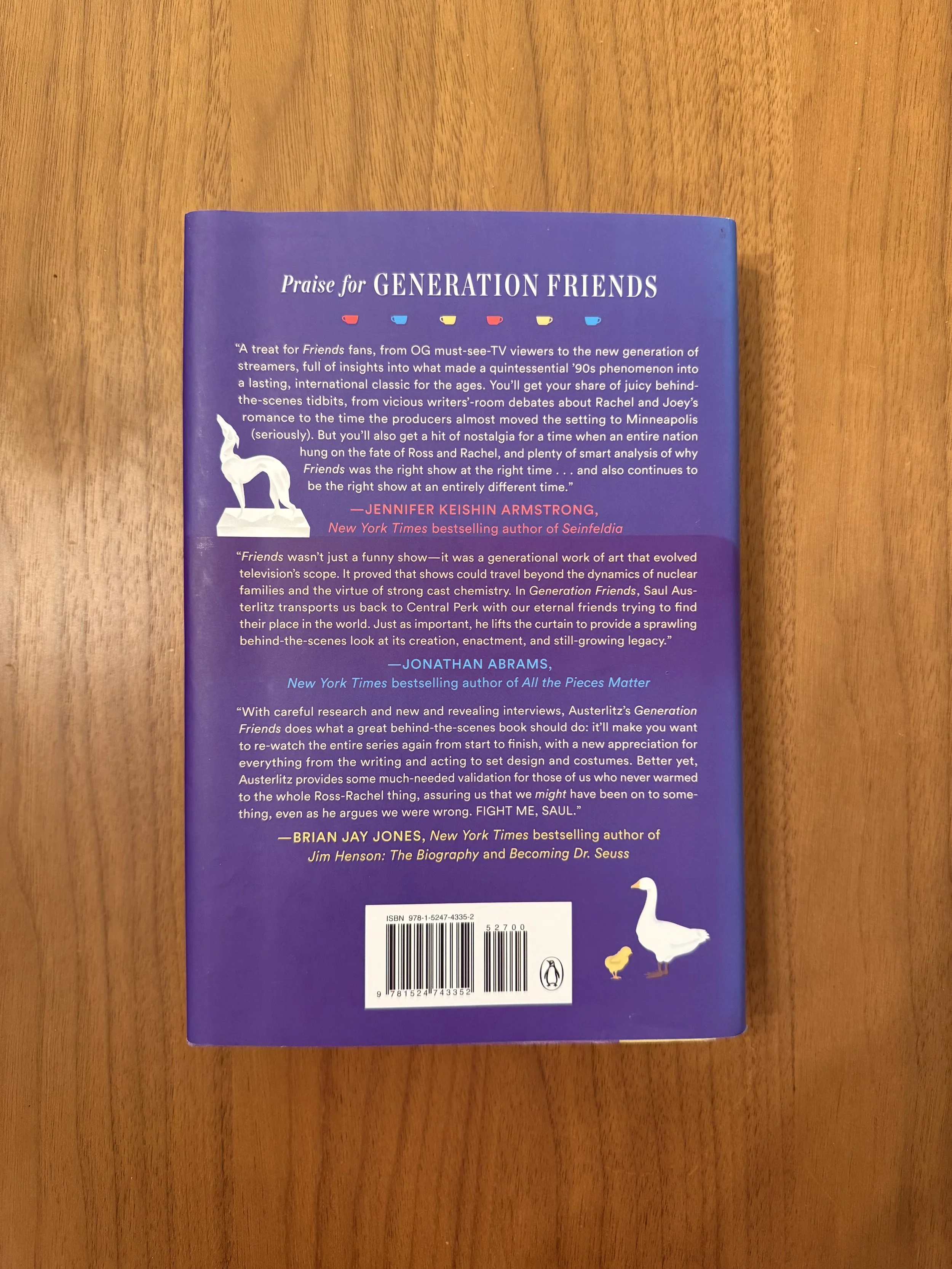
Generation Friends by Sara Austerlitz dives into the untold stories and charm of Friends. Perfect for hardcore fans and new viewers alike, this book offers a delightful journey into one of TV's most cherished sitcoms.
Delves into behind-the-scenes tidbits of the iconic '90s show, 'Friends'.
Provides insights from various TV critics and bestselling authors.
Features engaging stories and analysis for both new and veteran fans.
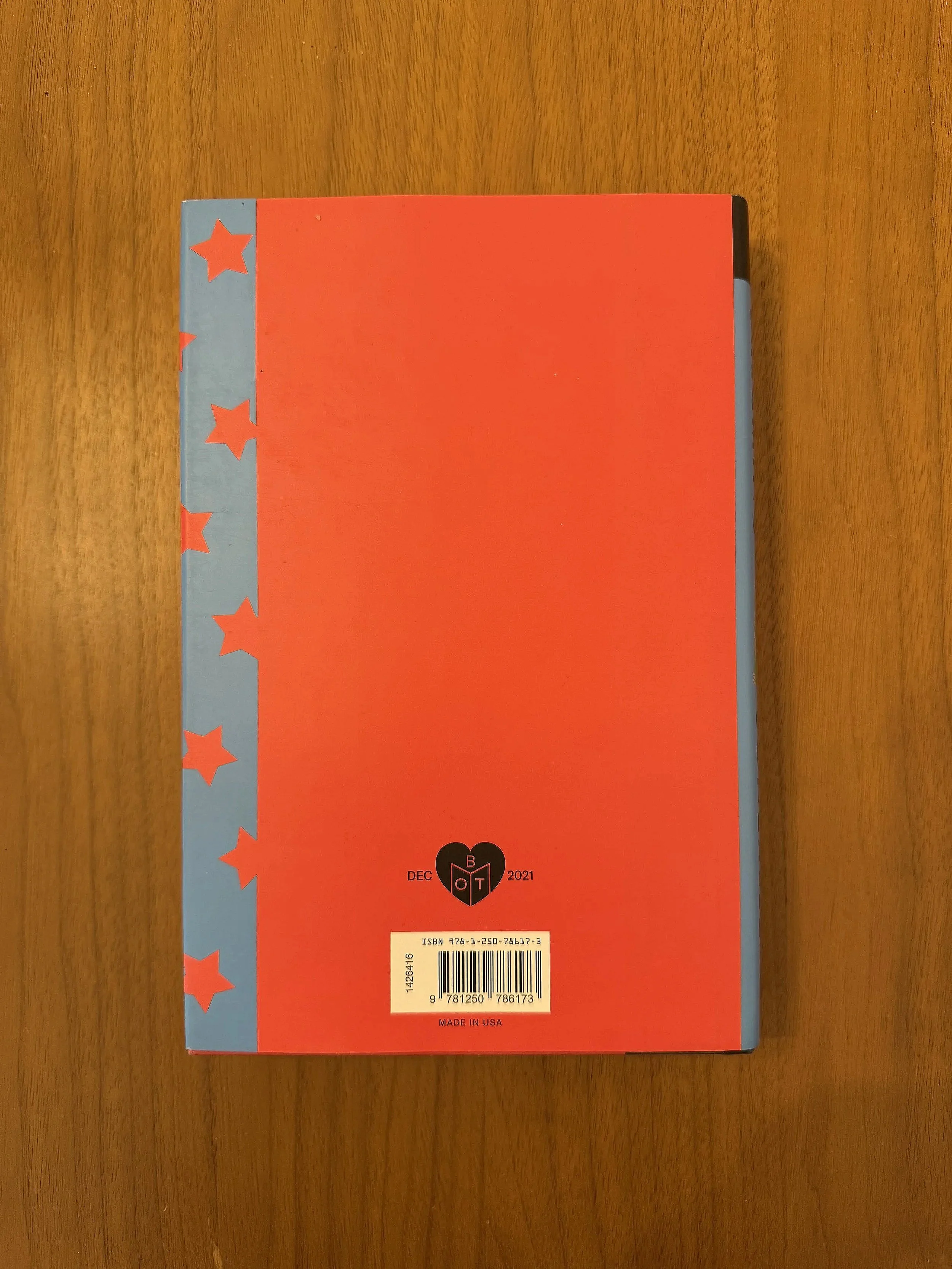
Olga Dies Dreaming by Xochitl Gonzalez is a vibrant, sharply observed novel about identity, ambition, and the complicated bonds of family. Set against the backdrop of a rapidly changing Brooklyn and the political turmoil of post‑Hurricane Maria Puerto Rico, it follows Olga and her brother Prieto as they navigate public success and private upheaval. Gonzalez blends humor, heart, and incisive social commentary as the siblings confront long‑buried secrets and the return of their radical mother. A compelling pick for readers who love character‑driven stories that balance wit, cultural insight, and emotional depth.
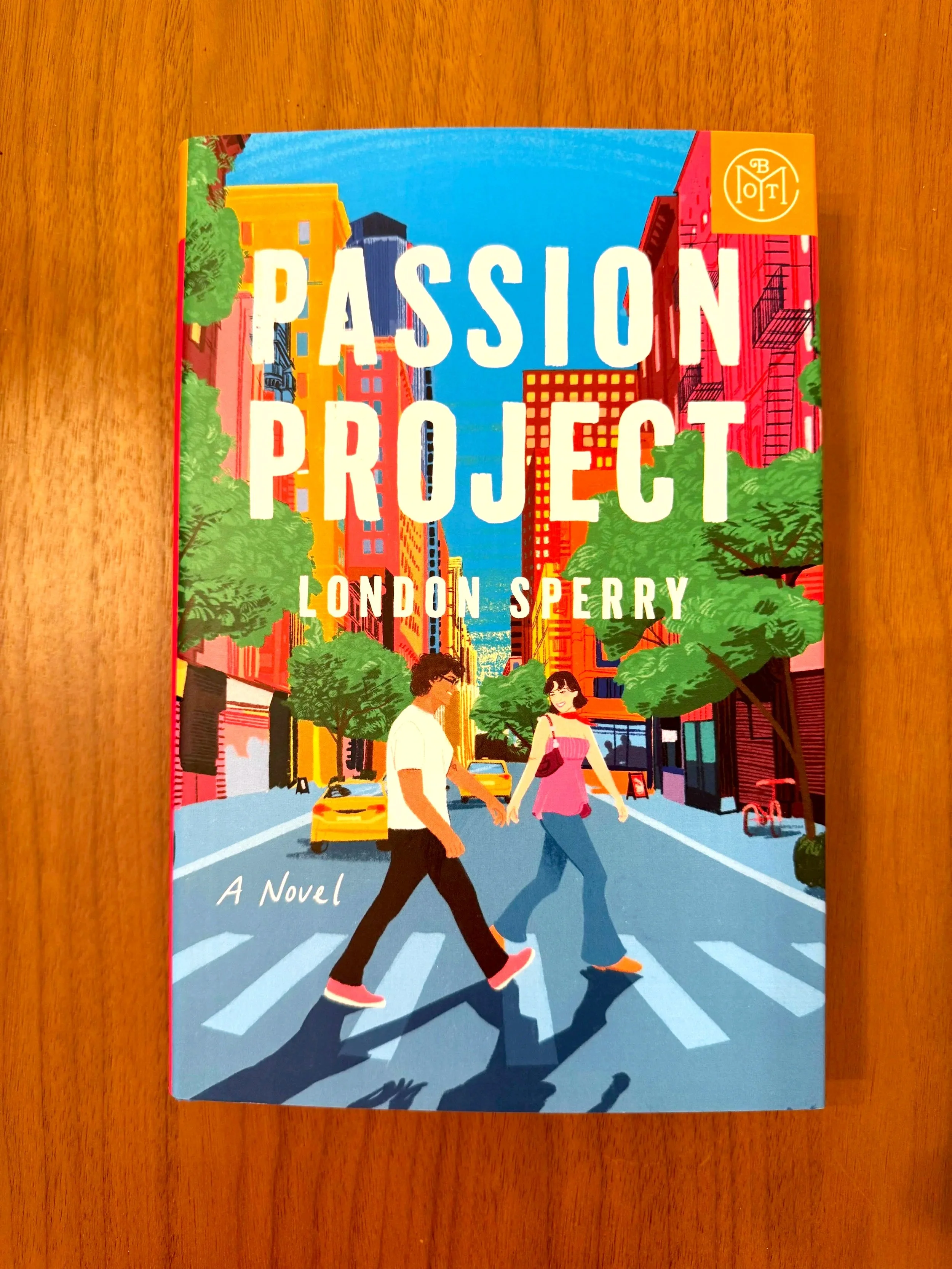
Passion Project by London Sperry is a warm, sharply observed novel about rediscovering creativity, connection, and confidence when life doesn’t go according to plan. After a major setback, a young woman throws herself into a new venture that forces her to confront old fears, unexpected desires, and the messy joy of starting fresh. Sperry blends humor, heart, and emotional honesty as her heroine learns what it means to build something that truly matters. A perfect pick for readers who love character‑driven stories about growth, friendship, and finding purpose.
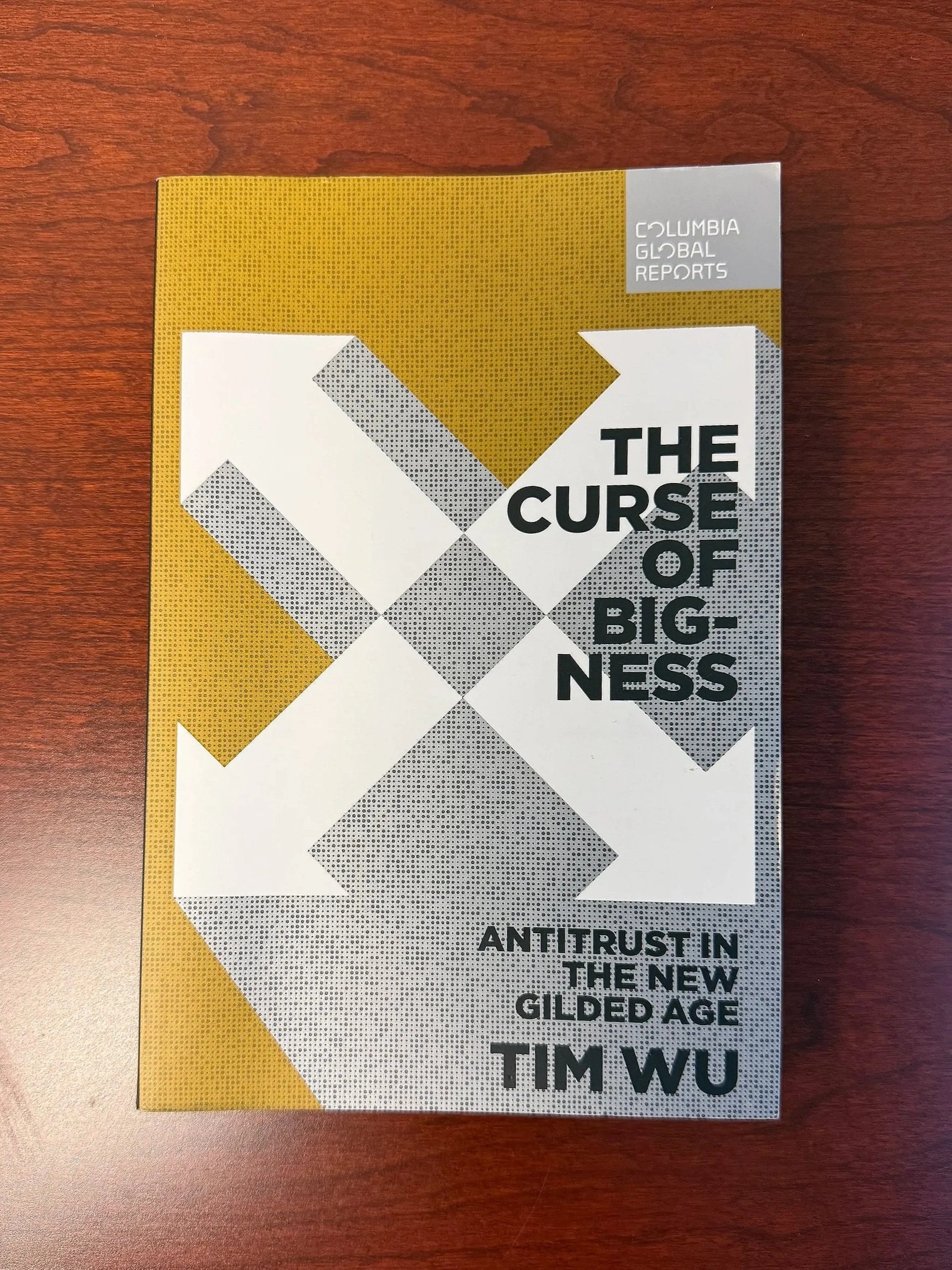
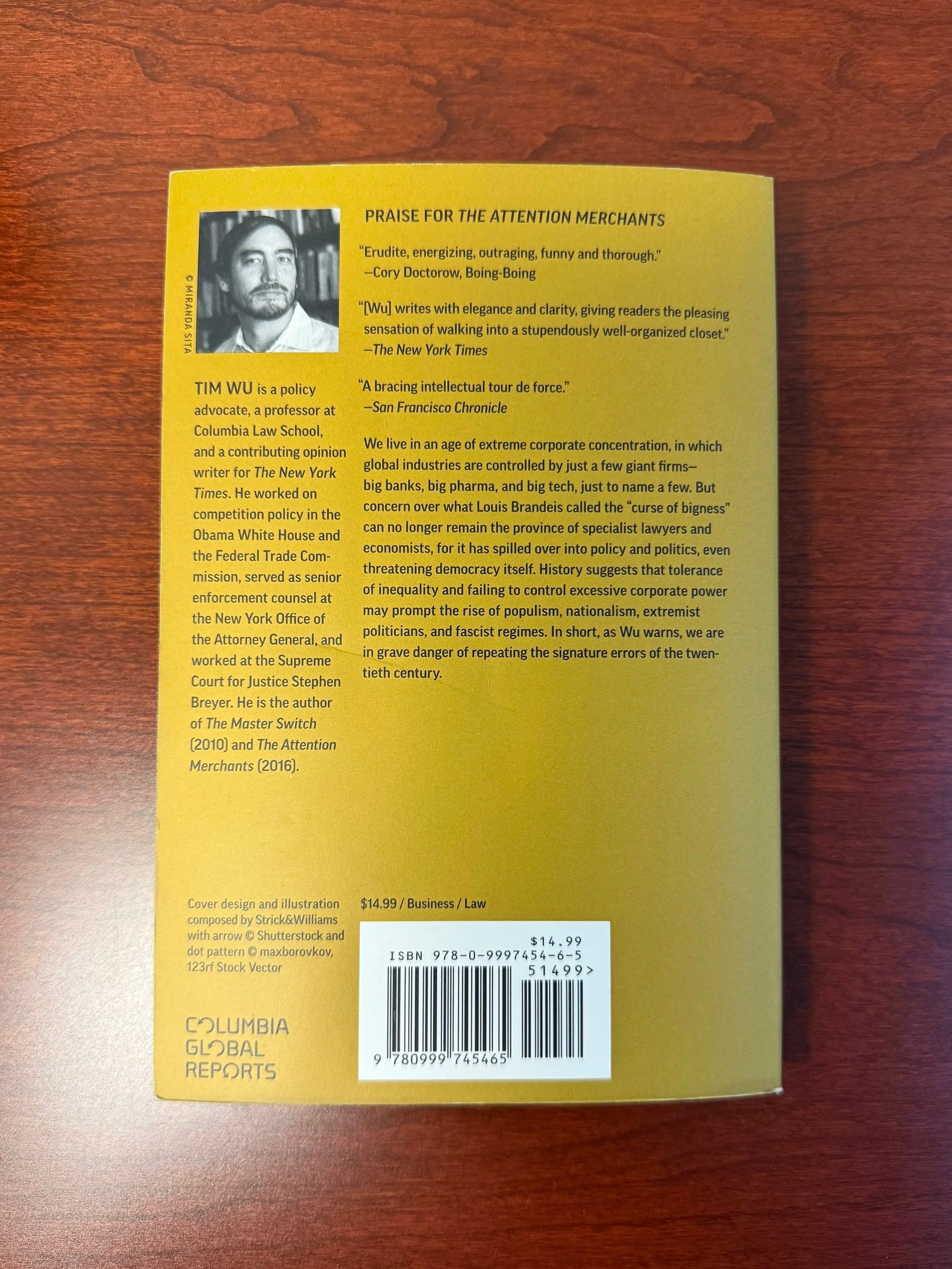
The Curse of Bigness by Tim Wu is a sharp, accessible examination of how concentrated corporate power threatens democracy, innovation, and economic fairness. Drawing on history—from the Gilded Age to modern tech giants—Wu shows how unchecked monopolies distort markets and weaken the institutions meant to protect the public. With clarity and urgency, he argues for a renewed commitment to antitrust enforcement as a safeguard for both economic opportunity and democratic stability. A compelling pick for readers interested in law, economics, and the future of competitive markets.
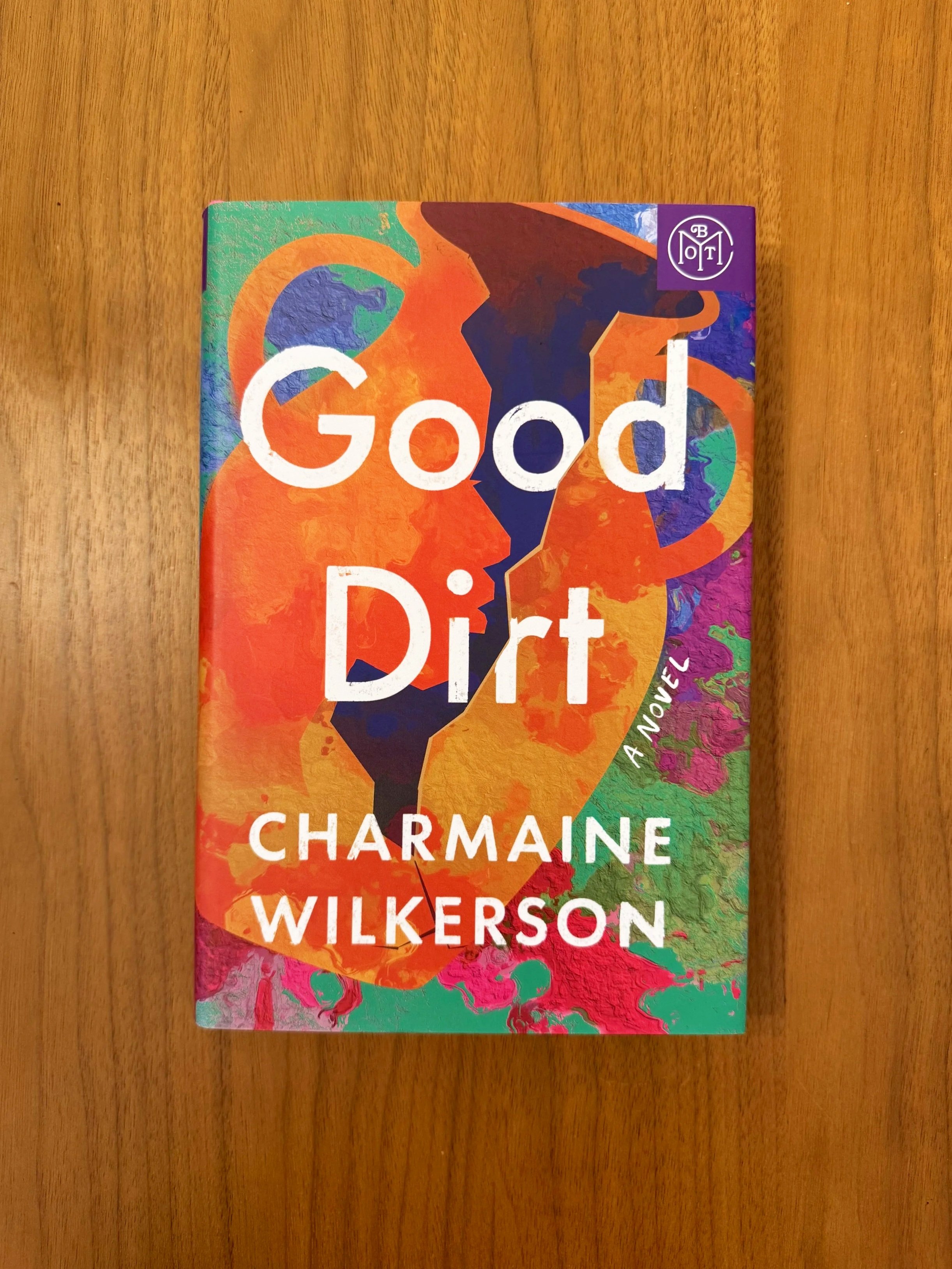
Good Dirt by Charmaine Wilkerson is a richly layered novel about family, inheritance, and the stories we bury—and unearth—over time. When a woman returns to her Caribbean‑American family home after a long absence, she’s drawn into a tangle of secrets, land disputes, and generational wounds that refuse to stay hidden. Wilkerson blends warmth, tension, and lyrical detail as her characters reckon with identity, legacy, and the complicated love that binds them. A compelling choice for readers who enjoy multigenerational fiction with emotional depth and a strong sense of place.
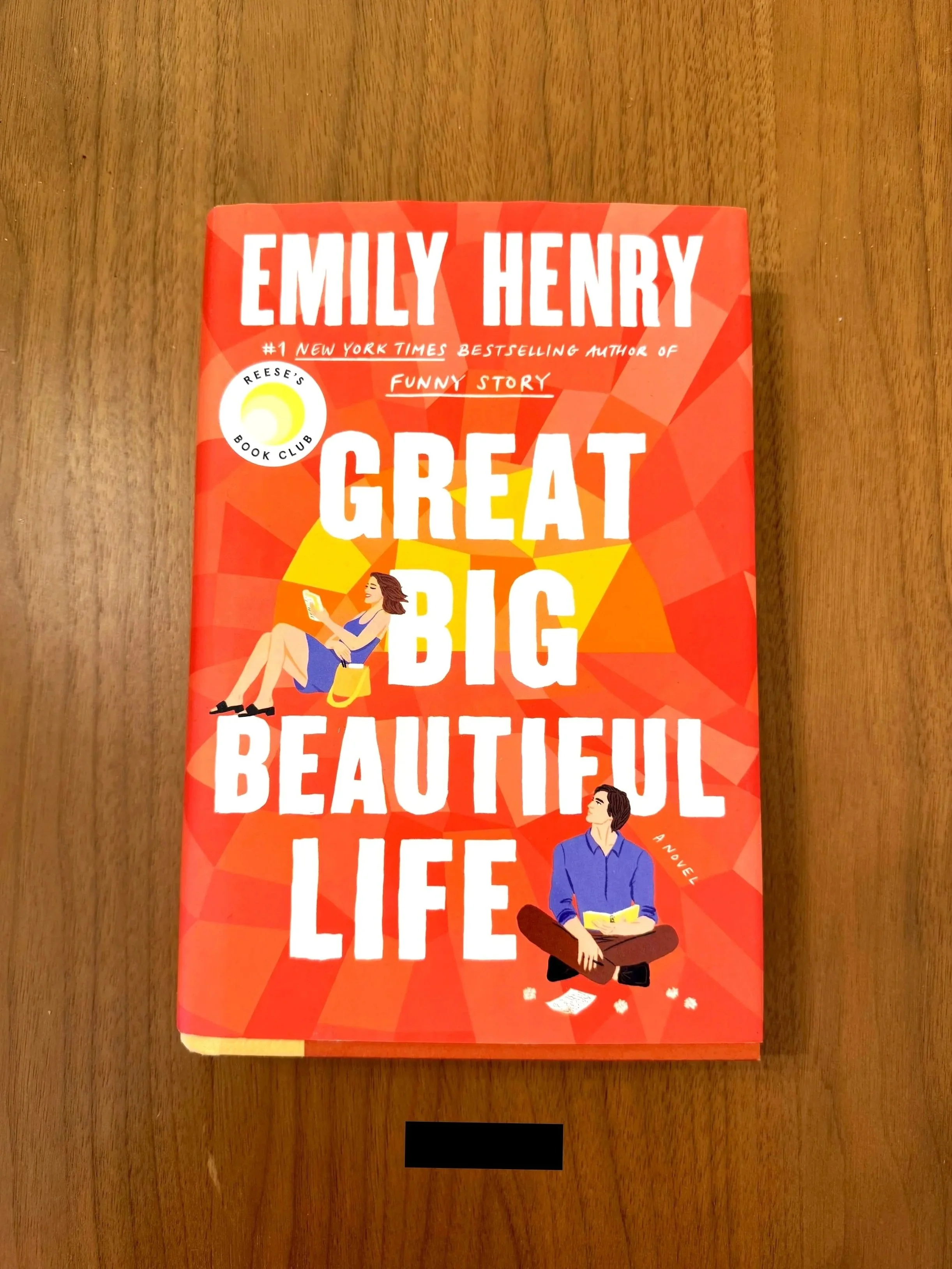
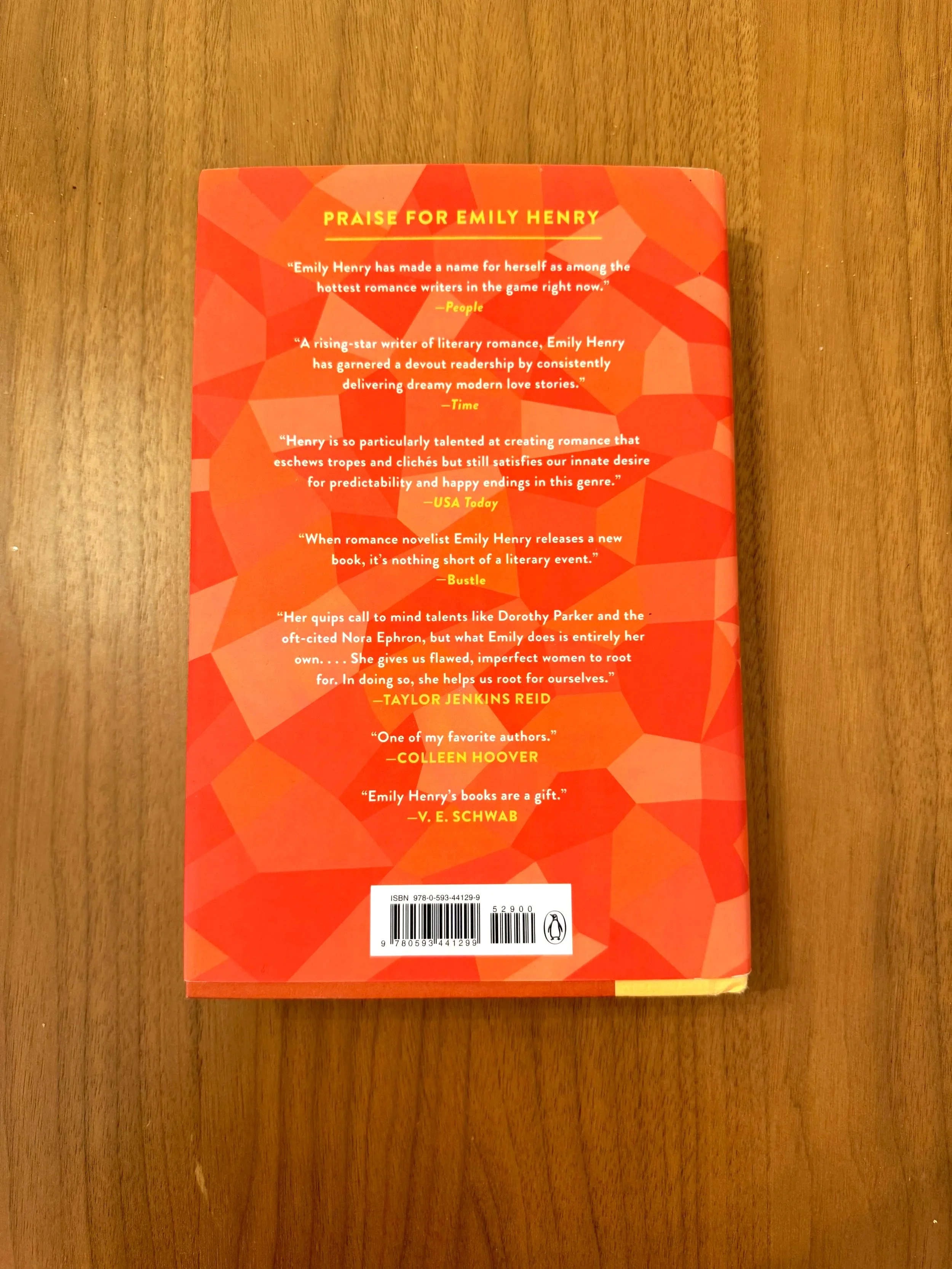
Great Big Beautiful Life is a vibrant, emotionally rich novel about embracing joy, grief, and reinvention all at once. When a woman’s carefully planned world is upended, she sets out on a journey that forces her to confront old wounds, rediscover her strengths, and open herself to unexpected connections. With warmth, humor, and a keen eye for the messy beauty of being human, the story celebrates resilience and the courage it takes to build a life that feels authentically your own. A heartfelt pick for readers who love character‑driven fiction full of hope and honesty.
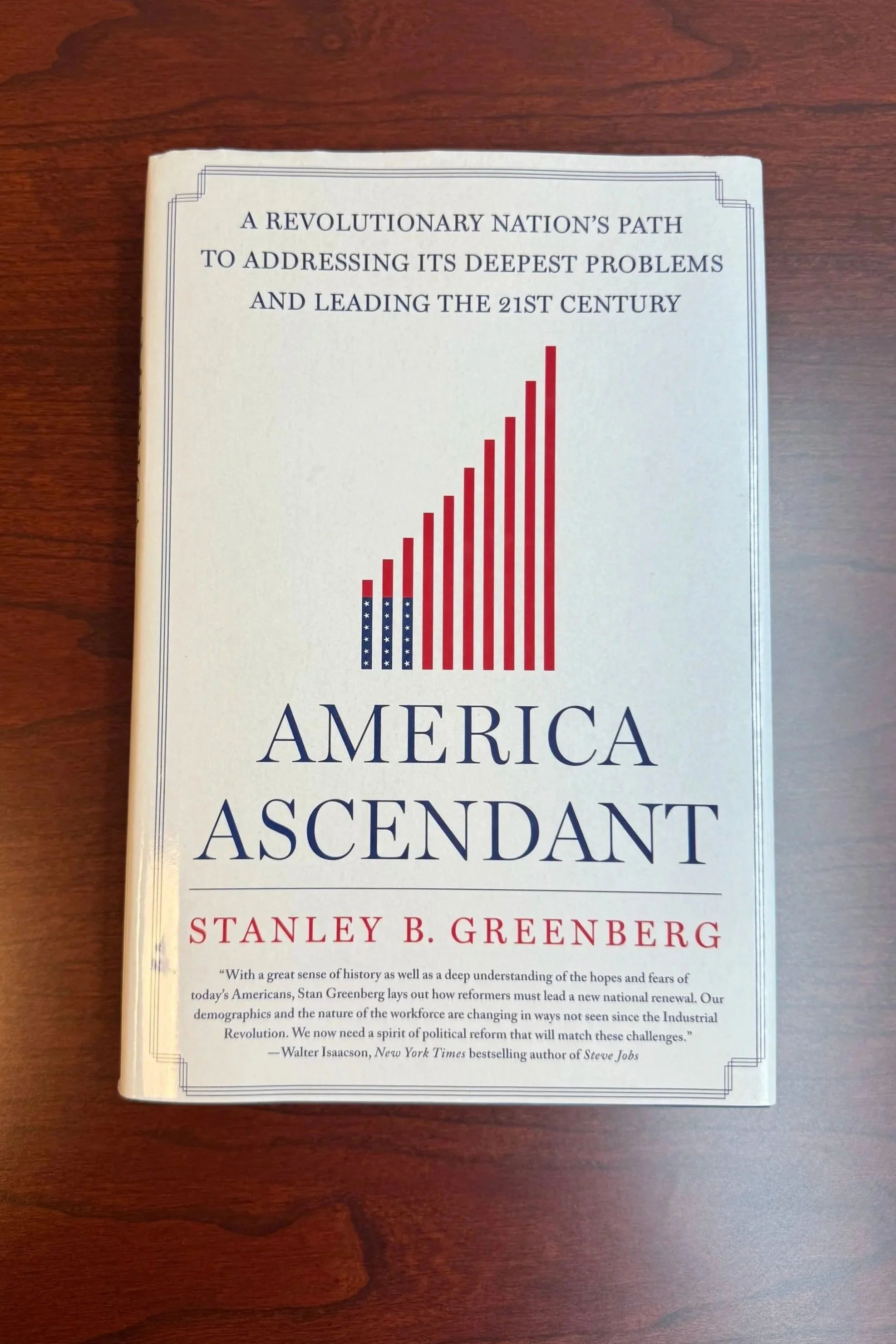
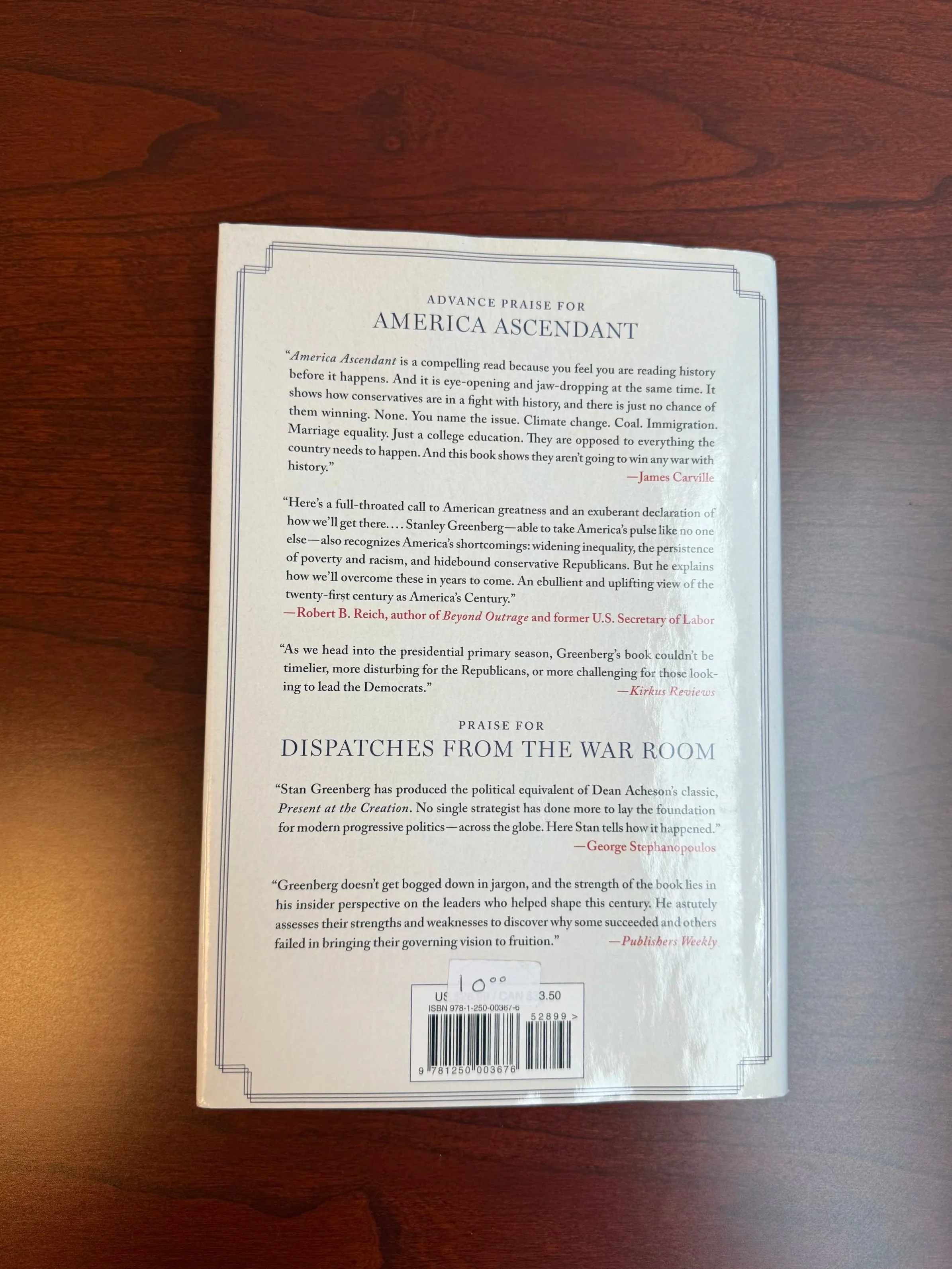
America Ascendant by Stanley Greenberg is a sharp, forward‑looking analysis of the demographic, cultural, and political forces reshaping the United States. Greenberg argues that rising diverse, urban, and socially progressive coalitions are redefining the nation’s priorities—and challenging long‑dominant power structures. Blending data, history, and on‑the‑ground research, he traces how these shifts are transforming elections, policy debates, and the country’s sense of identity. A compelling pick for readers interested in political change, social trends, and the future of American democracy.
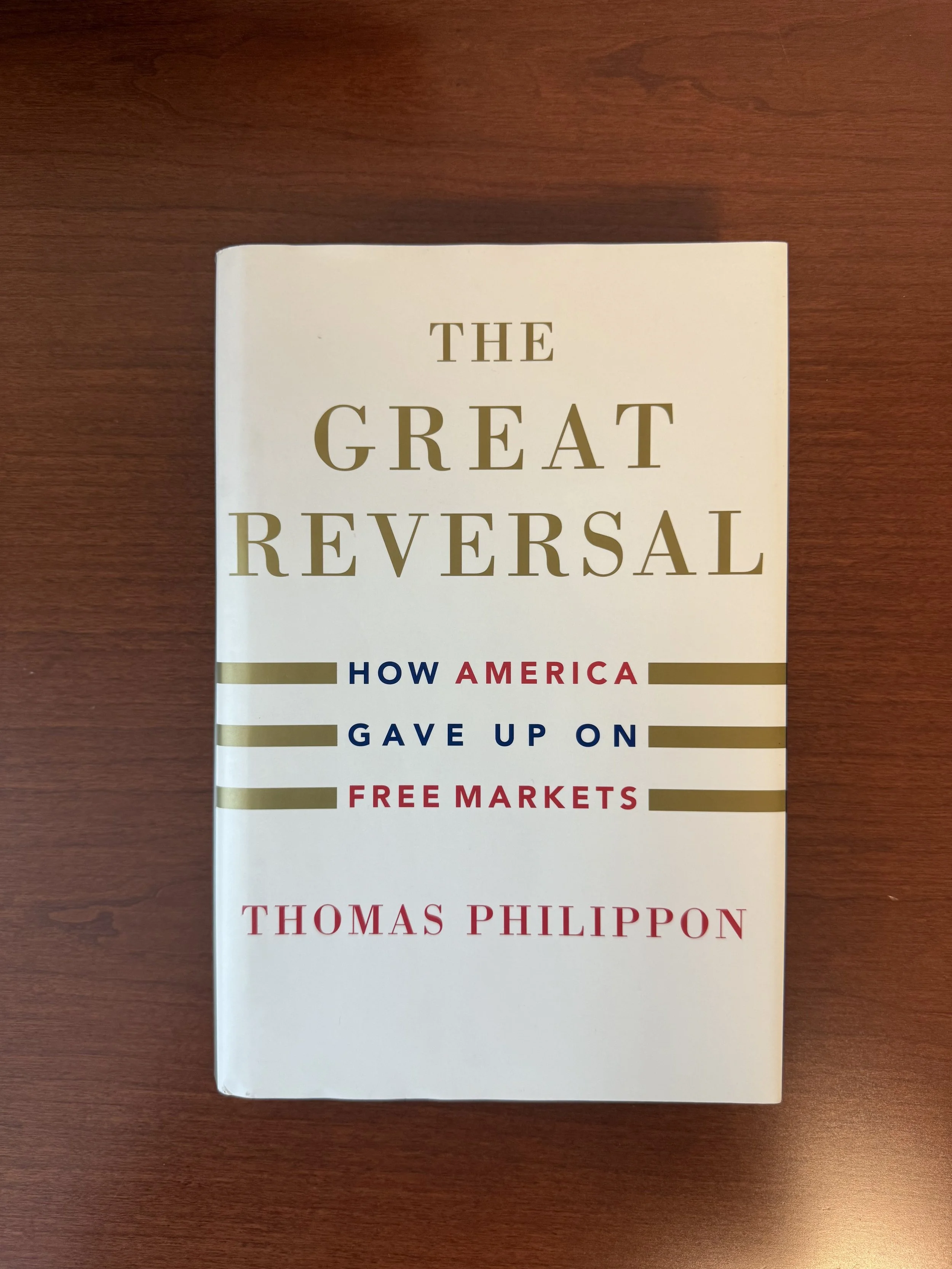
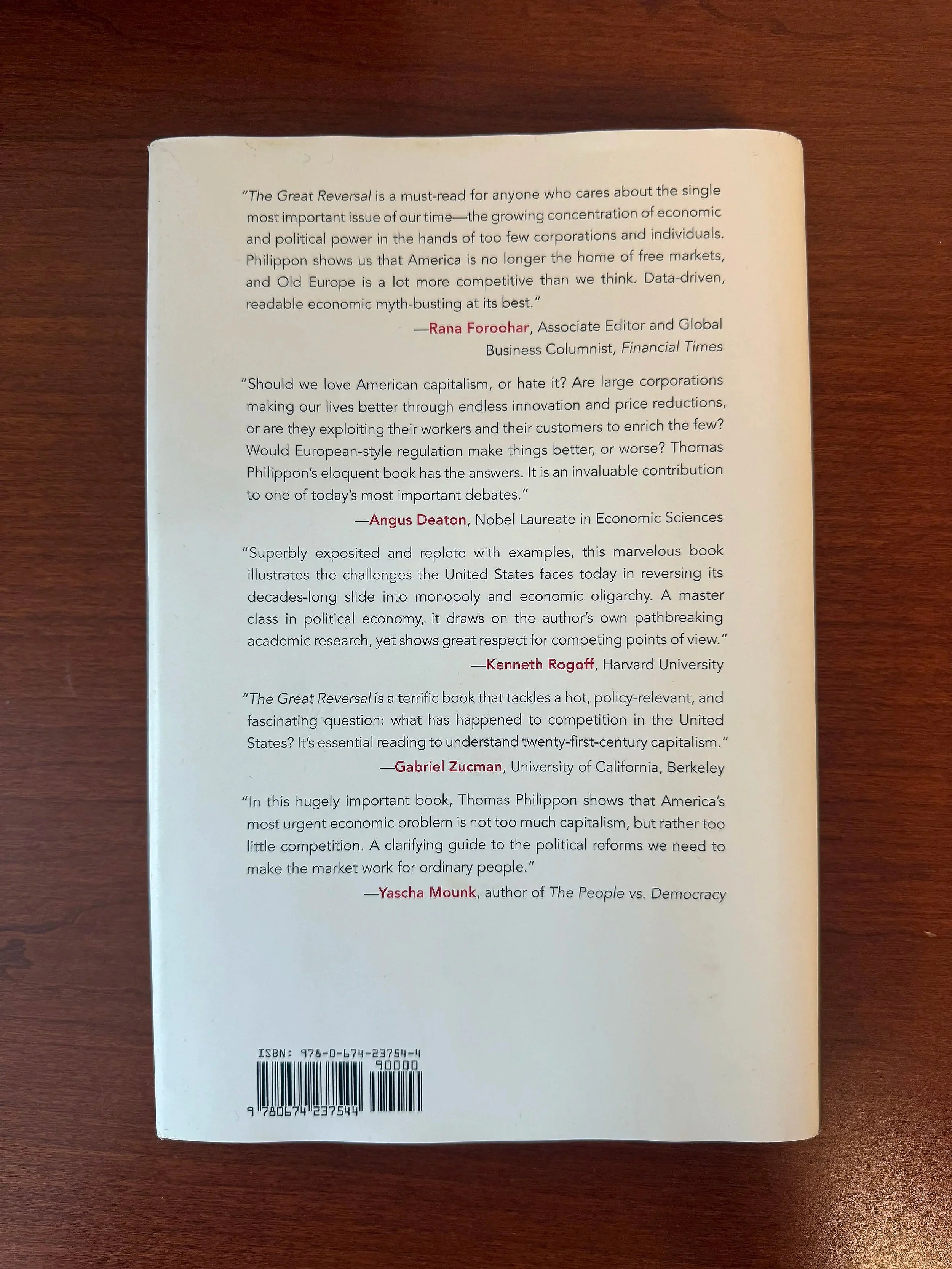
The Great Reversal by Thomas Philippon is a sharp, data‑driven exploration of how the United States—once a global champion of competition—slowly drifted toward concentrated corporate power. Philippon traces the policy choices, regulatory shifts, and market dynamics that allowed industries to consolidate, prices to rise, and innovation to stagnate. Clear, compelling, and rigorously argued, the book challenges readers to rethink what a truly competitive economy should look like. A standout pick for anyone interested in economics, public policy, or the future of American markets.
Michael’s Review: Thomas Philippon undersells the contributions modern technology companies have made to the U.S. economy. Nonetheless, he convincingly argues that these companies do not generate the same level of broad societal benefits as their forerunners did. For example, he highlights that these companies employ fewer individuals than the historically leading U.S. companies (e.g., General Electric). While employing fewer individuals is economically efficient, Philippon notes that this means these companies directly employ fewer people.
Michael’s Rating: 3/5 Stars
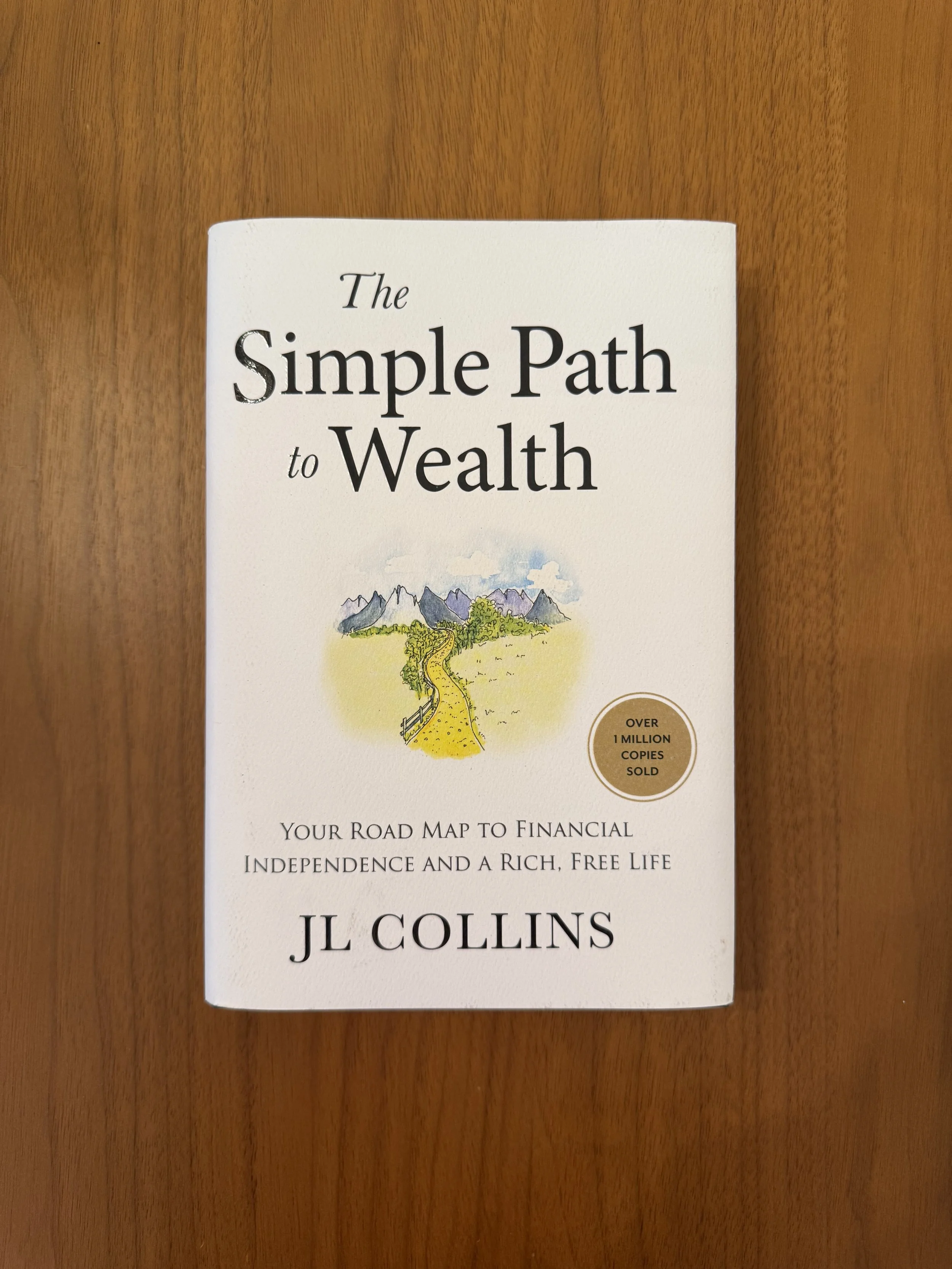
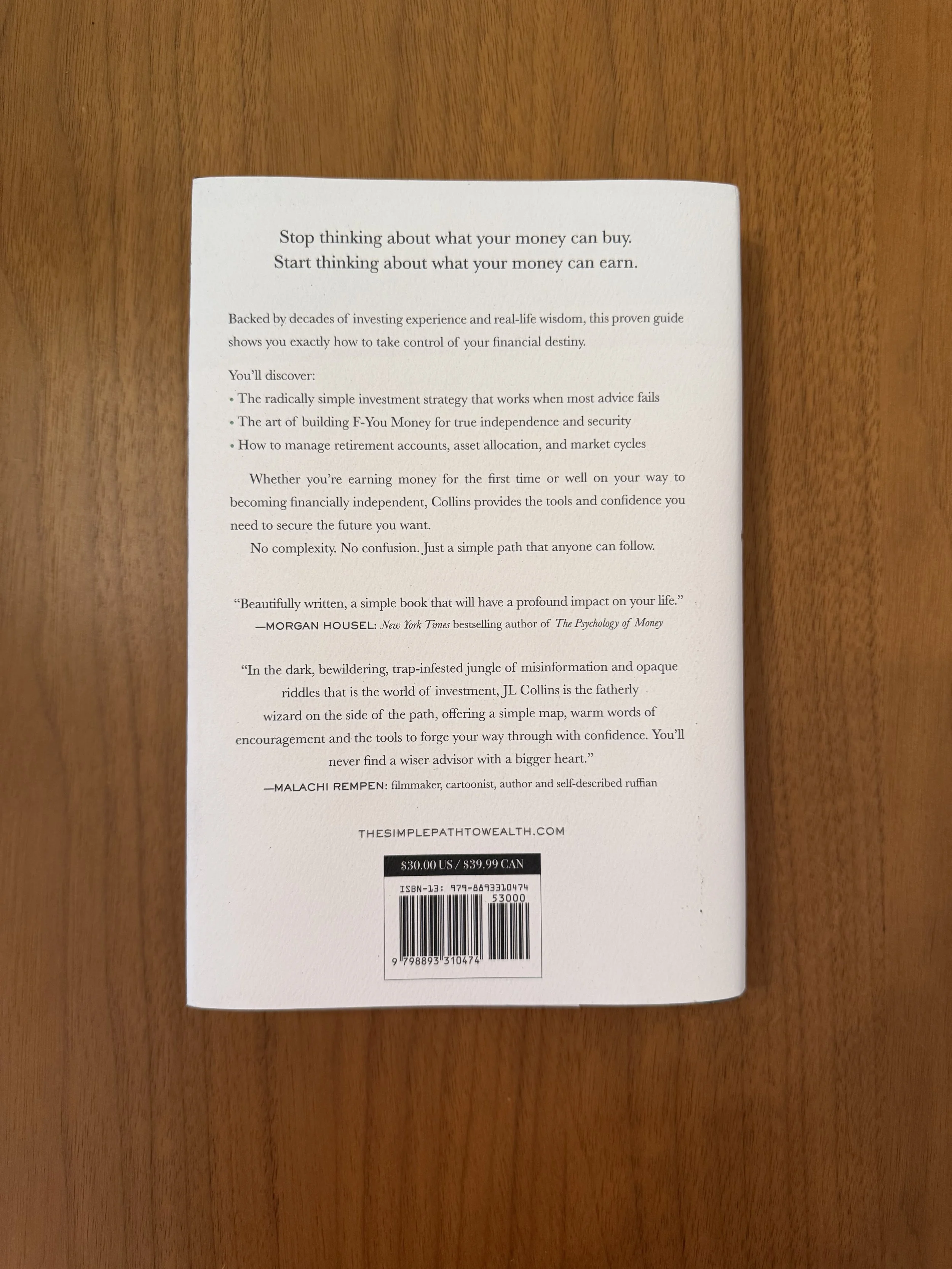
JL Collins’s The Simple Path to Wealth distills decades of investing experience into a clear, no‑nonsense roadmap for building financial independence. Written as a series of letters to his daughter, the book argues that long‑term wealth comes from living below your means, avoiding debt, and investing consistently in broad‑based index funds. Collins explains why the stock market is a powerful wealth‑building engine, how to think about risk, why fees quietly destroy returns, and how simplicity beats complexity in nearly every financial scenario. The result is a calm, practical guide to achieving freedom through disciplined, low‑cost investing.
Michael’s Review: The Simple Path to Wealth by JL Collins provides brief, easy-to-follow investment advice to grow personal wealth. This book is particularly helpful for recent college graduates who are beginning their investment journey.
Stars: 3.5/5
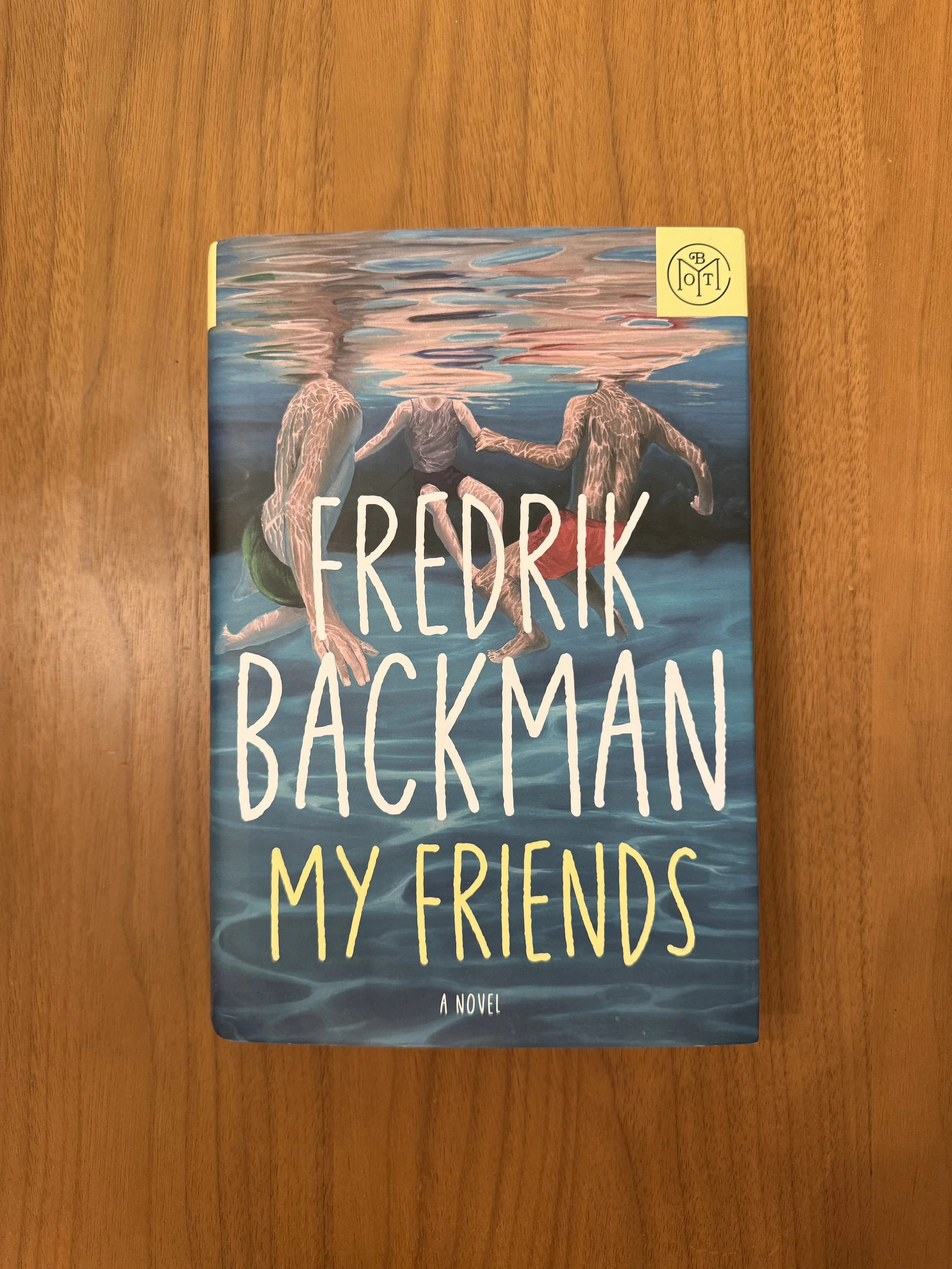
My Friends by Fredrik Backman is a deeply human, quietly powerful novel about the people who anchor us when life becomes unrecognizable. Told with Backman’s signature blend of warmth, humor, and emotional precision, it follows a man grappling with grief, identity, and the unexpected connections that pull him back toward the world. As friendships old and new collide, the story explores how we rebuild ourselves through the steady presence of others.
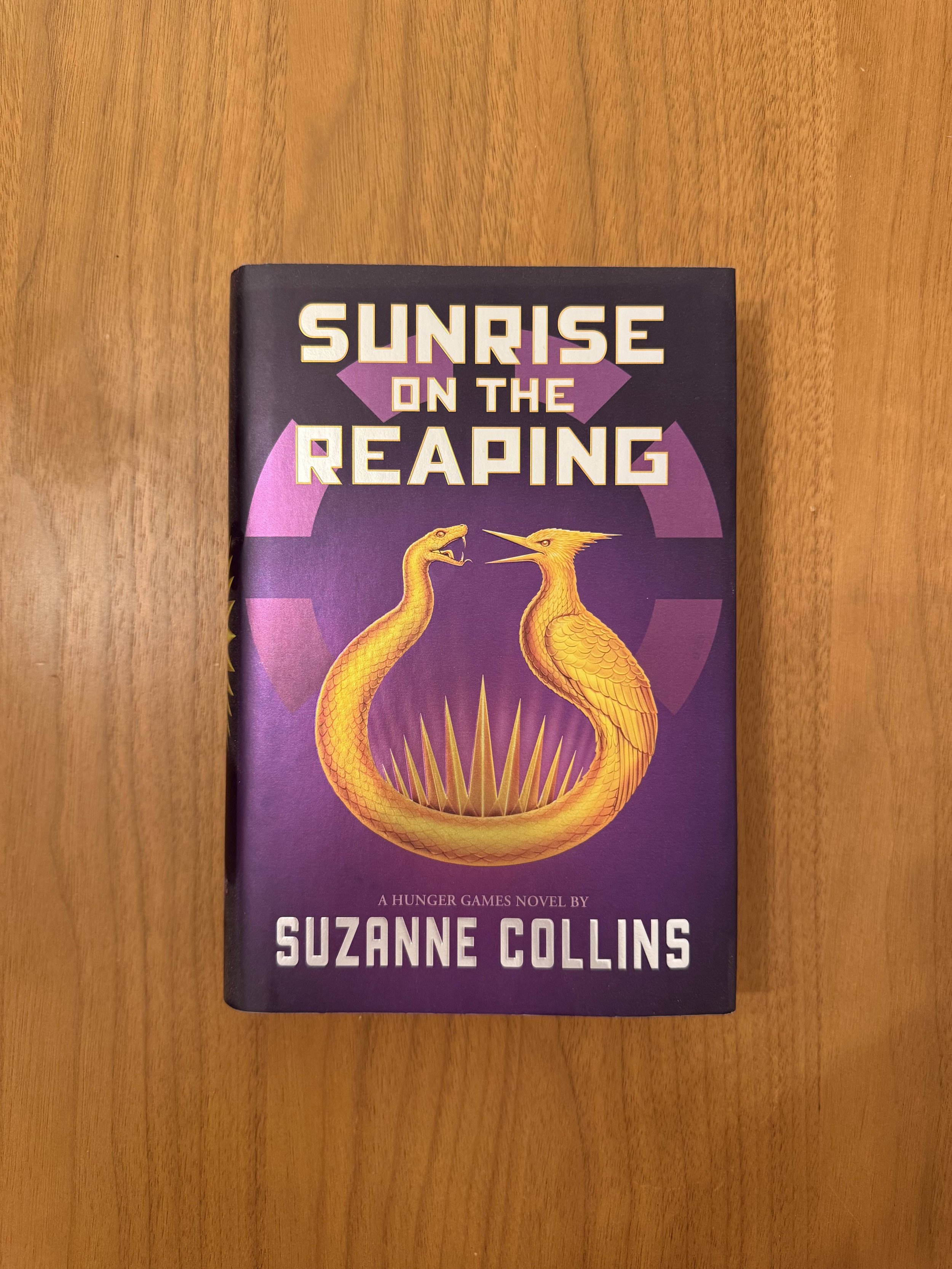
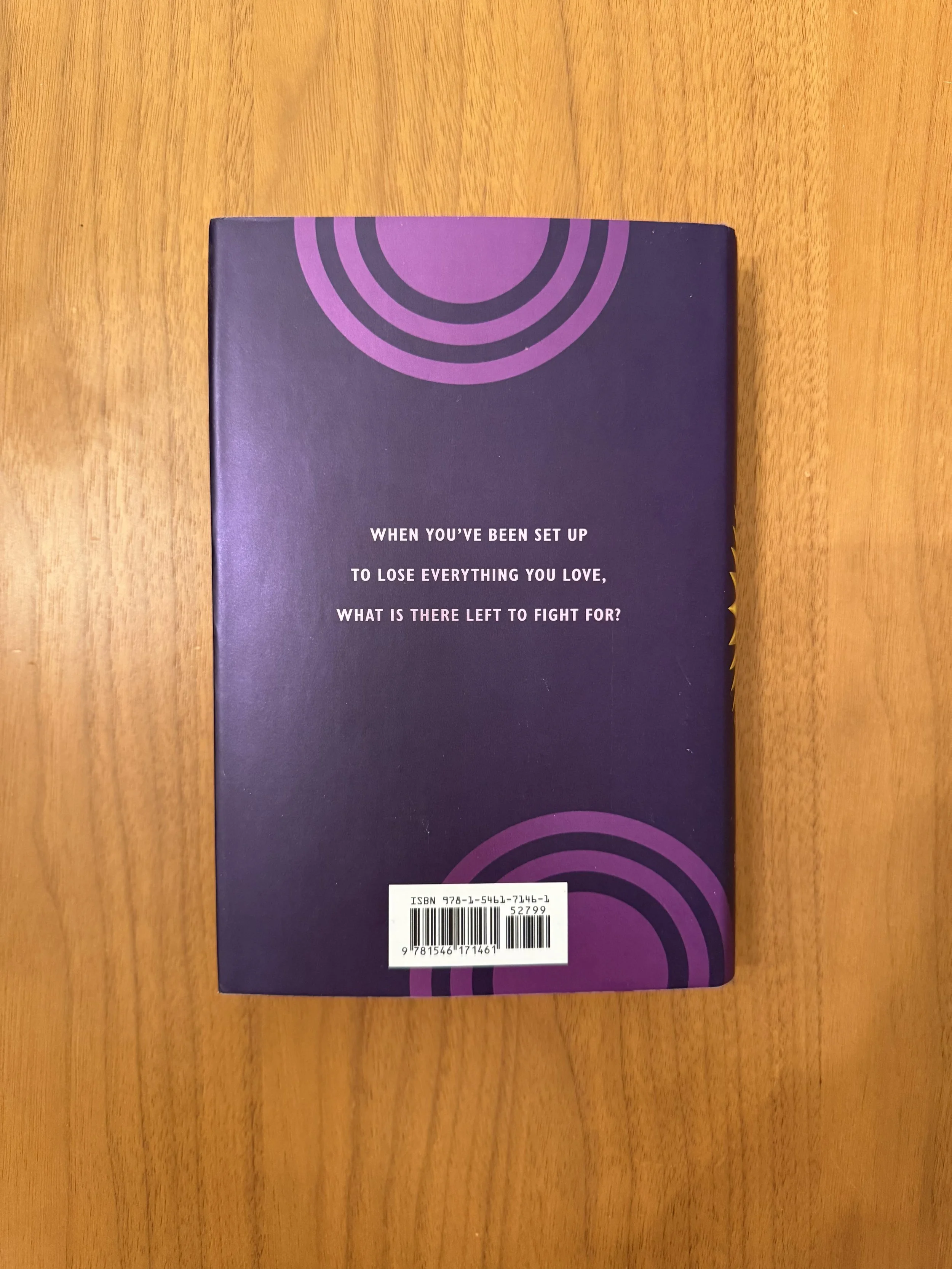
Sunrise on the Reaping by Suzanne Collins returns readers to Panem at the dawn of the 50th Hunger Games, revealing the political tensions, personal histories, and quiet rebellions that shaped a generation before Katniss Everdeen. The story follows a young Coriolanus Snow as he navigates ambition, loyalty, and the brutal spectacle of the Games. Rich with world‑building and moral complexity, it offers a gripping look at how power is forged—and what it costs. Perfect for fans eager to explore the origins of one of dystopian fiction’s most infamous figures.
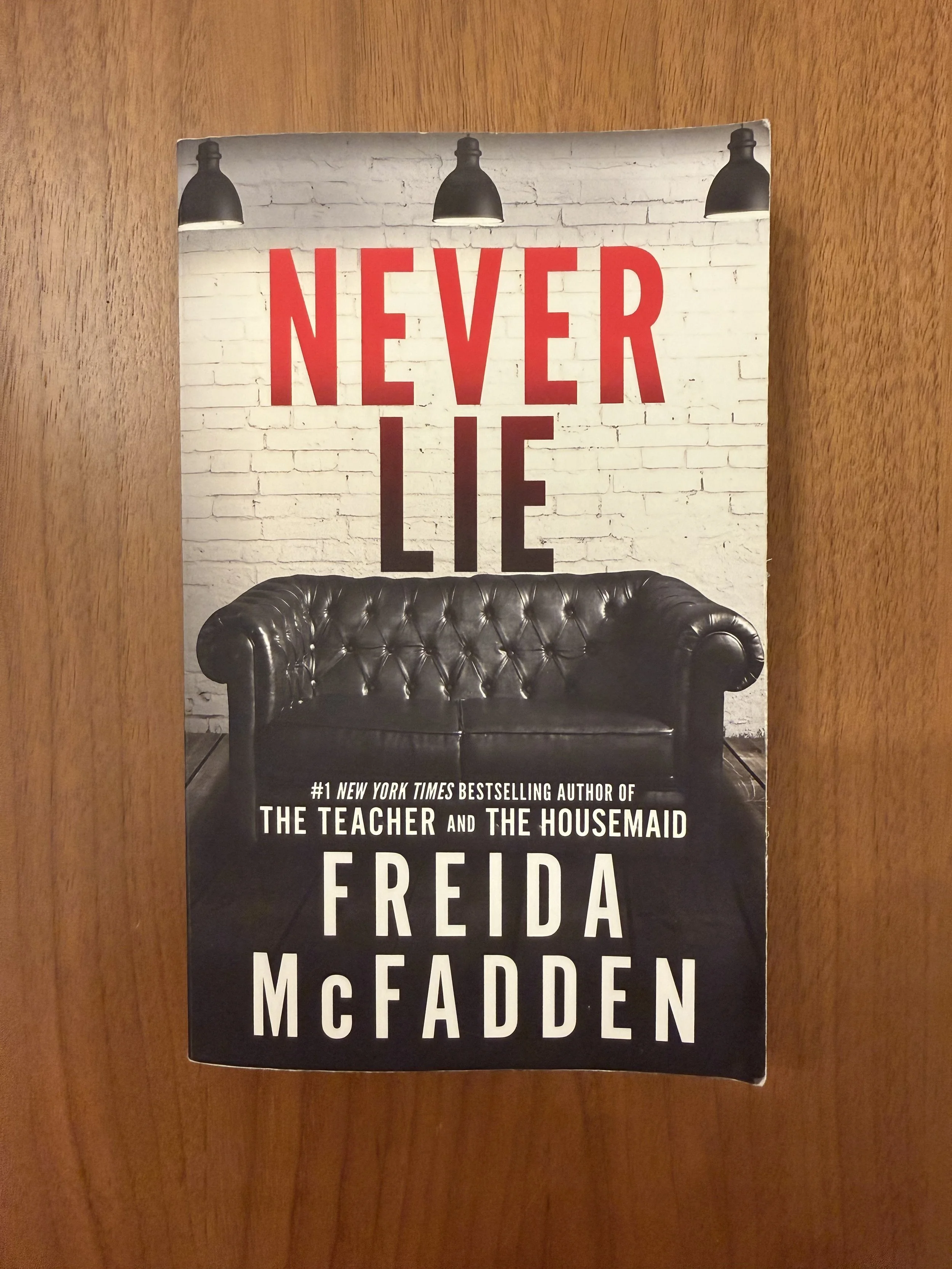
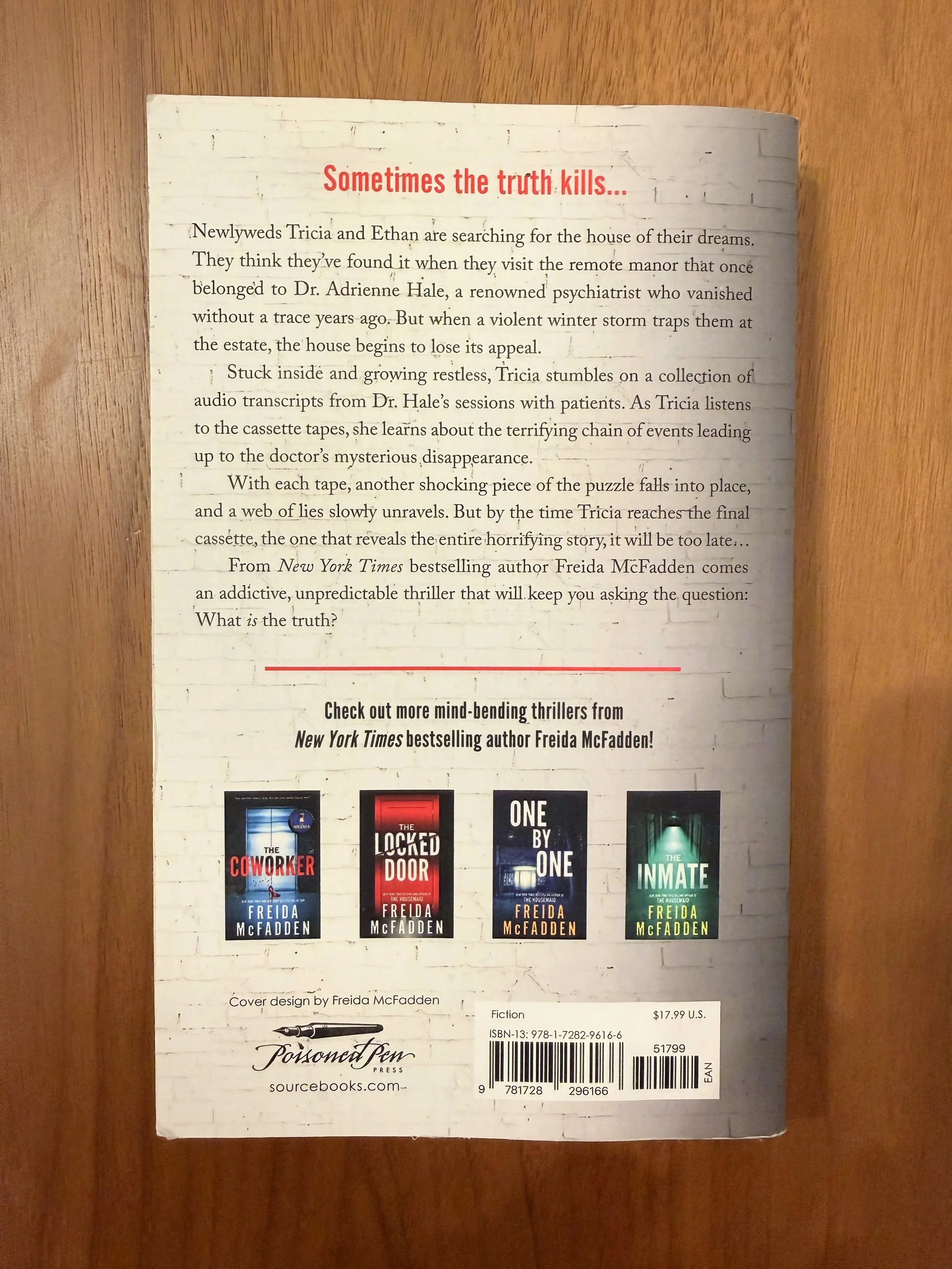
Never Lie by Freida McFadden is a chilling domestic thriller that blurs truth and memory until both are unrecognizable. After falling down a staircase, Claire Meeks wakes up to a life she doesn’t remember. Her marriage, her home, the very story she has been told for months—every detail is at odds with the fragments in her head. Her husband insists she suffered a concussion and severe anxiety; her doctor prescribes rest and reassurance. But the more Claire tries to piece together what happened, the more the story fractures: friends who behave as if something terrible should be obvious, secrets hidden in drawers and photos that don’t add up. Freida McFadden pulls readers into a tense, tightly wound psychological labyrinth where perception is unreliable and motives are murky.
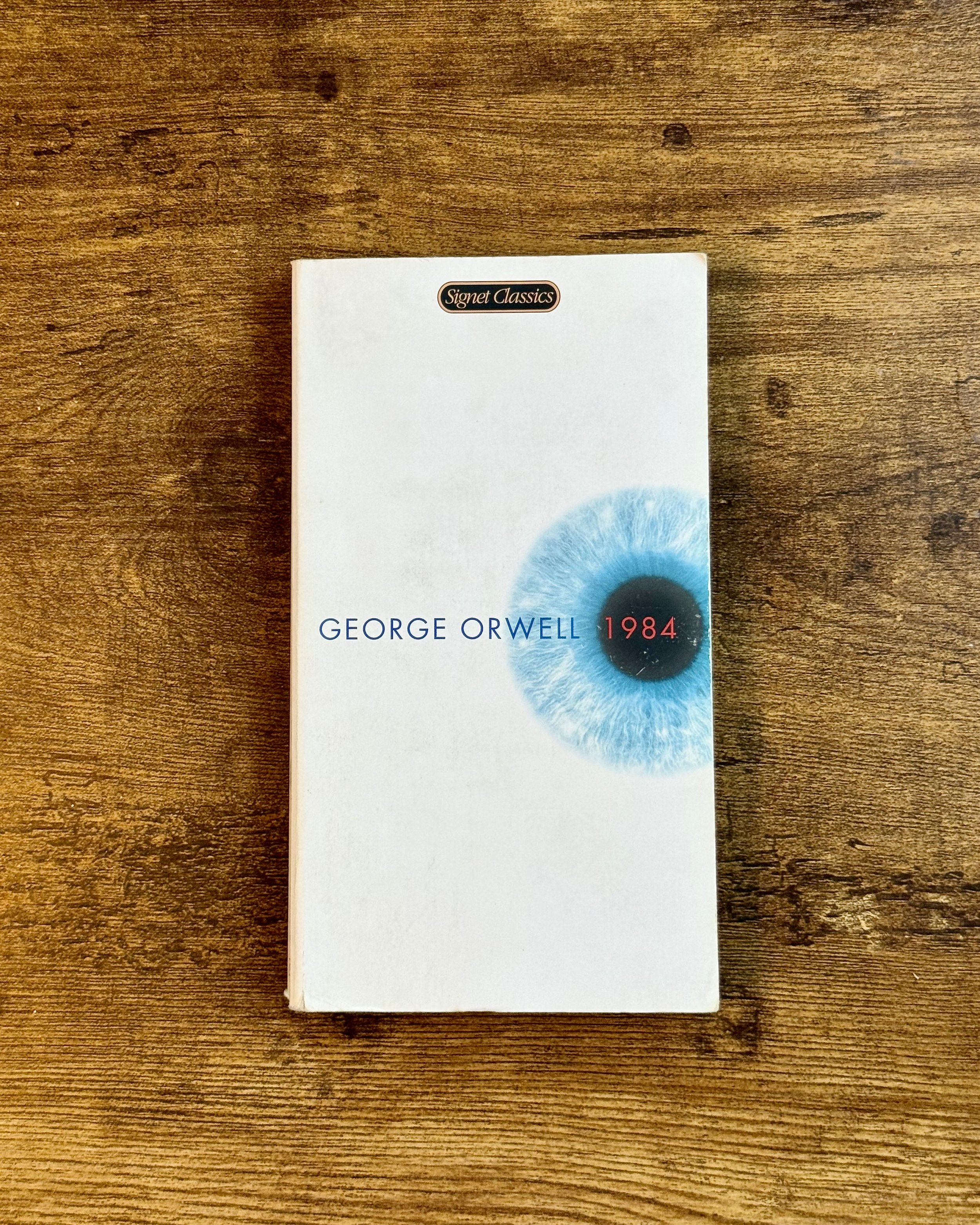
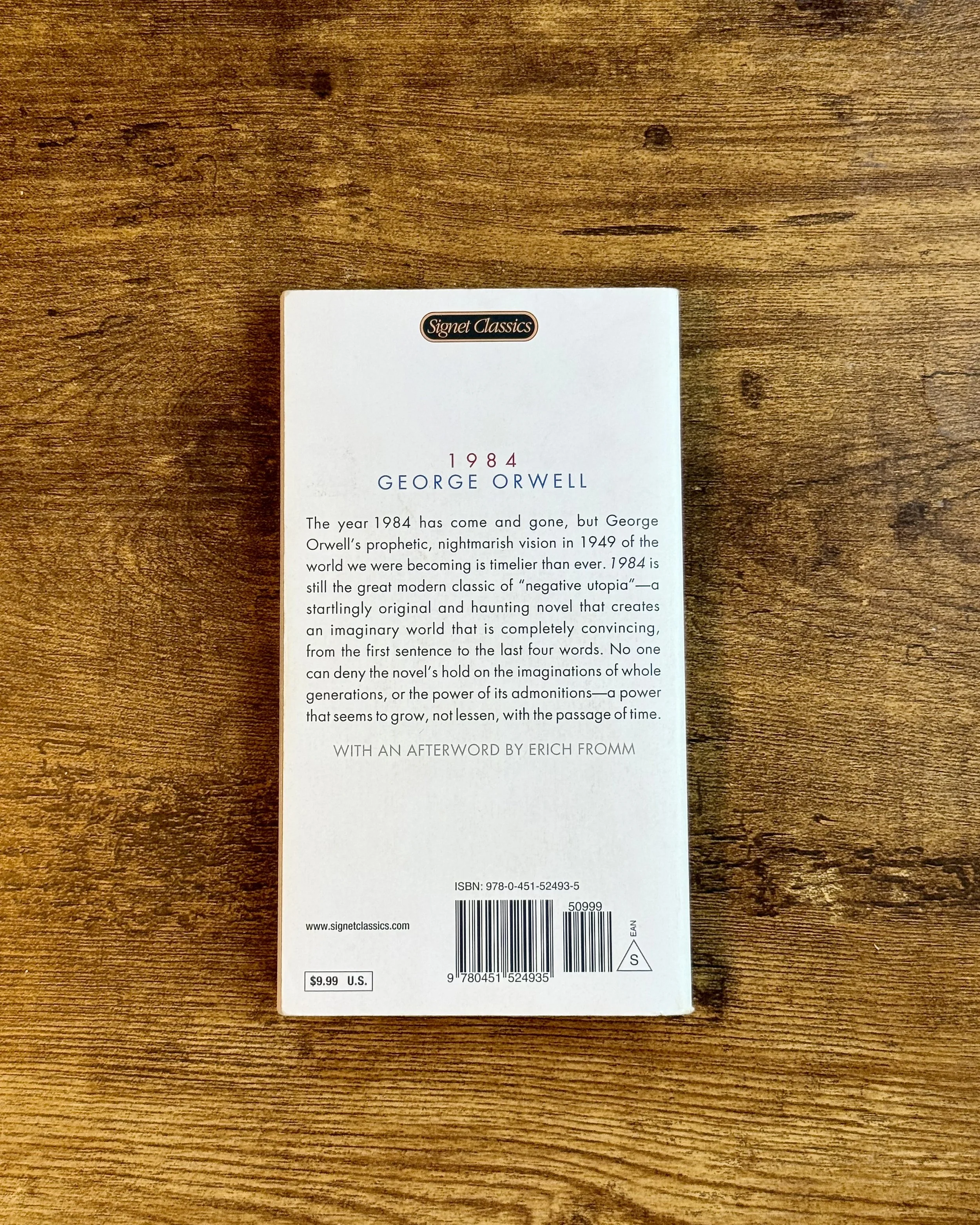
Winston Smith lives under the oppressive rule of the Party, where Big Brother’s constant surveillance and manipulated truth erase privacy and history. As a low-ranking Party member, he quietly rebels through forbidden thoughts and a furtive love affair that promise brief glimpses of freedom. Their resistance draws the attention of the state, revealing the terrifying depth of its power to control belief, language, and loyalty. In the end, 1984 by George Orwell is a bleak meditation on totalitarianism’s capacity to crush the individual and rewrite reality.
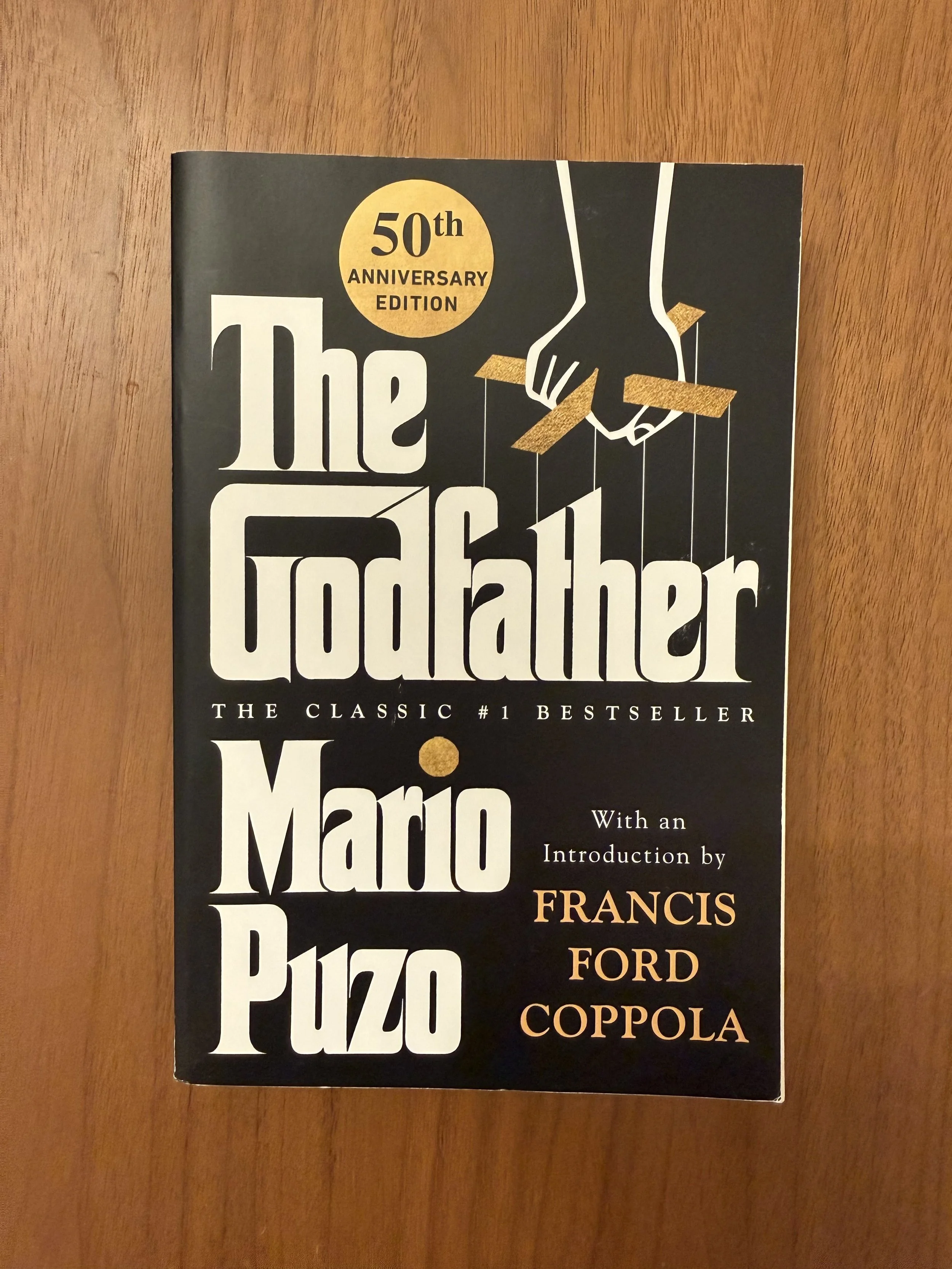
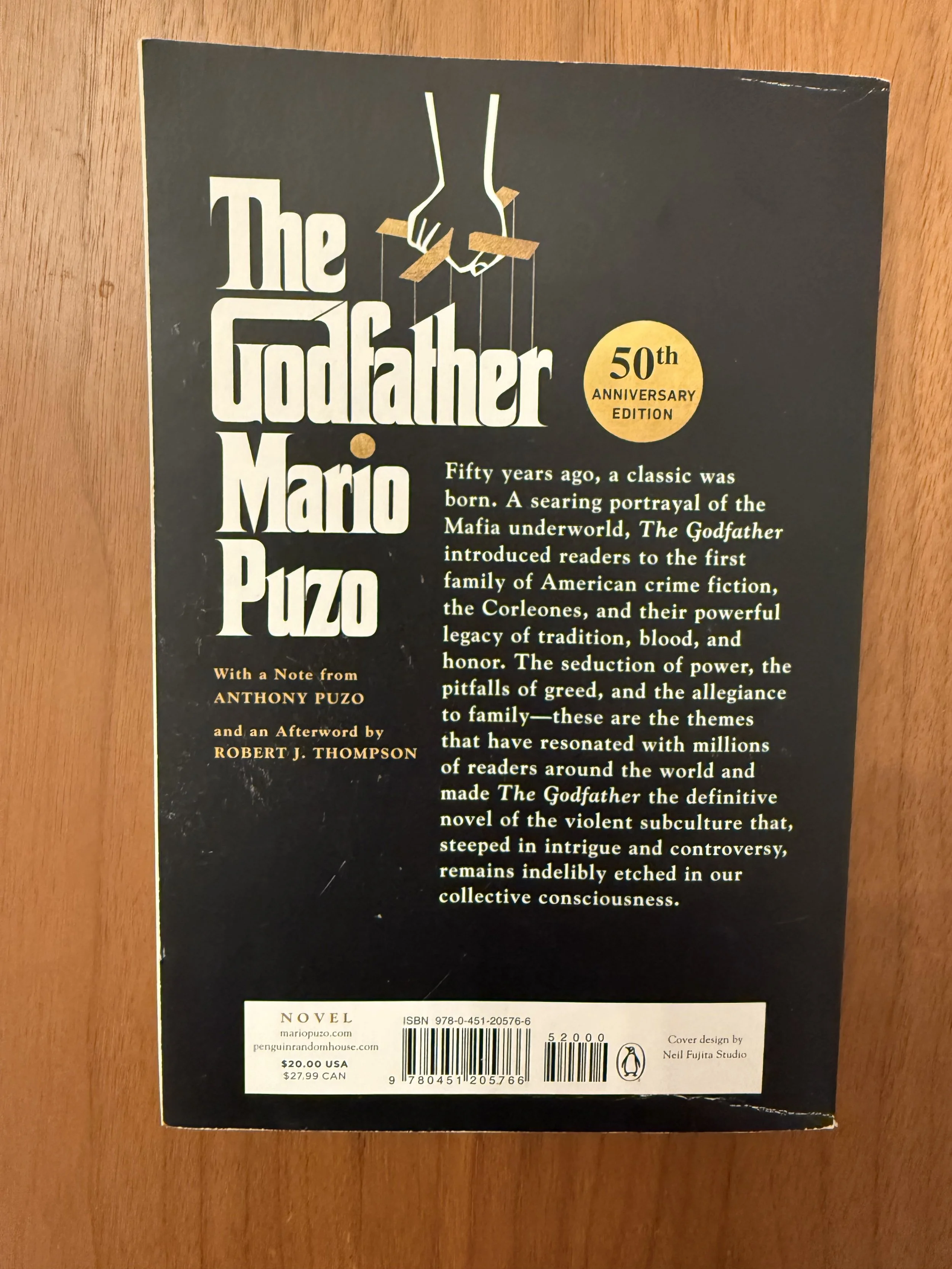
A must‑read for anyone who loves The Godfather films. Mario Puzo’s novel, published three years before the first movie, offers an even more intimate exposé of the Corleone family’s efforts to maintain its status as the most powerful family in New York. Readers gain a better understanding of how Don Vito Corleone built his empire, how eldest son Santino “Sonny” Corleone attempted to run it, and how Michael Corleone, Vito’s youngest son, transforms from a World War II veteran into a more modern version of his father—a calculated, calm but ruthless leader who will do whatever he thinks is best for the Family.
Michael’s Rating: 4.25/5
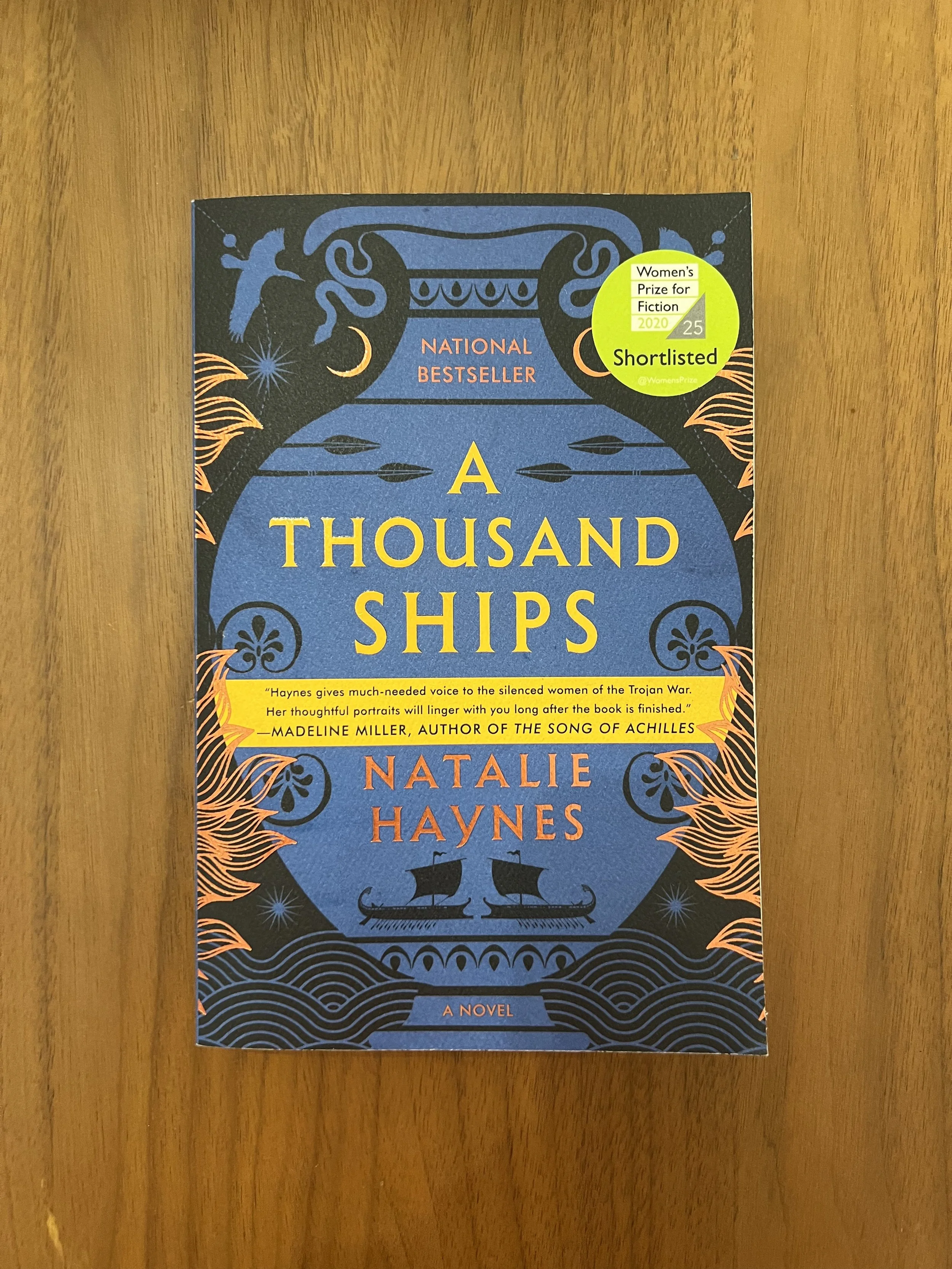
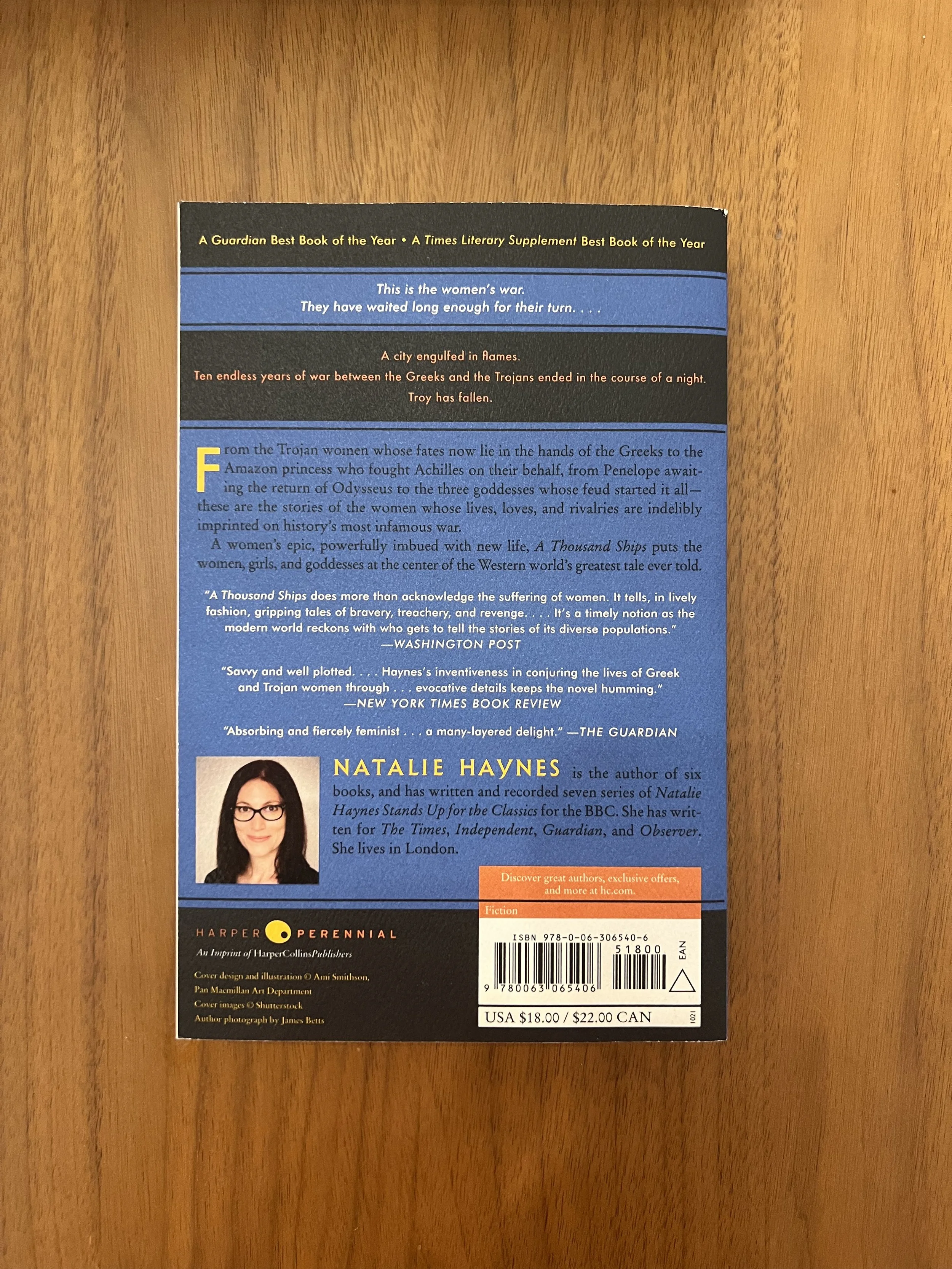
A Thousand Ships by Natalie Haynes is a powerful retelling of the Trojan War, shifting the focus from the well-known male heroes to the women affected by the conflict. Told through multiple perspectives—including queens, slaves, goddesses, and survivors—the novel explores the devastation, resilience, and untold stories of those left in the war’s wake. Calliope, the Muse of Epic Poetry, serves as a framing voice, challenging traditional narratives and ensuring that the women’s experiences are heard. With lyrical prose and a fresh perspective, A Thousand Ships reimagines an ancient tale through the lens of those history often overlooks
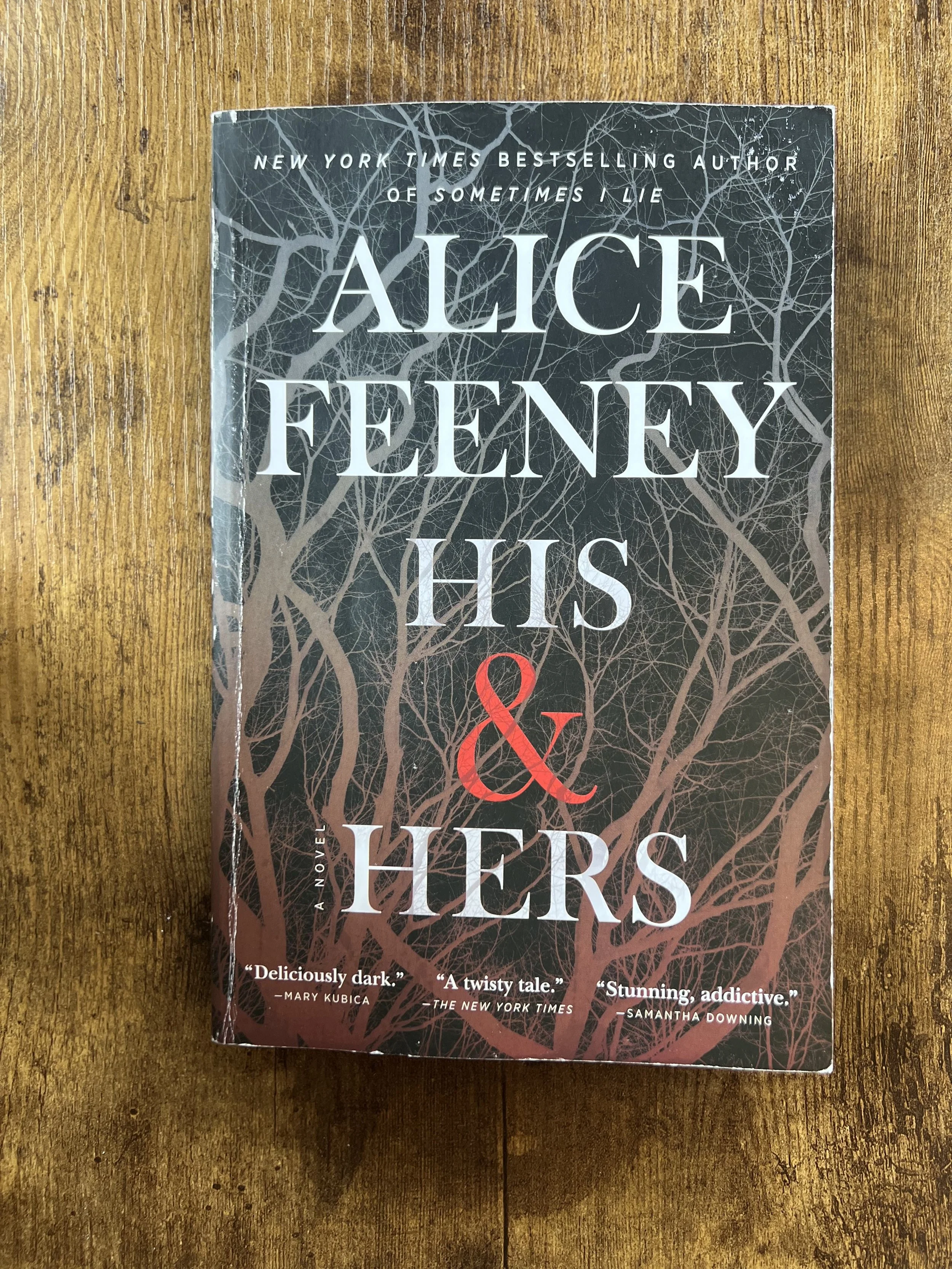
His & Hers by Alice Feeney is a gripping psychological thriller that unfolds through dual perspectives—Anna Andrews, a BBC newsreader, and her ex-husband, Detective Jack Harper. When a murder shakes their hometown of Blackdown, both find themselves entangled in the investigation, each hiding secrets that could change everything. As the body count rises, the novel explores themes of deception, trauma, and the elusive nature of truth.

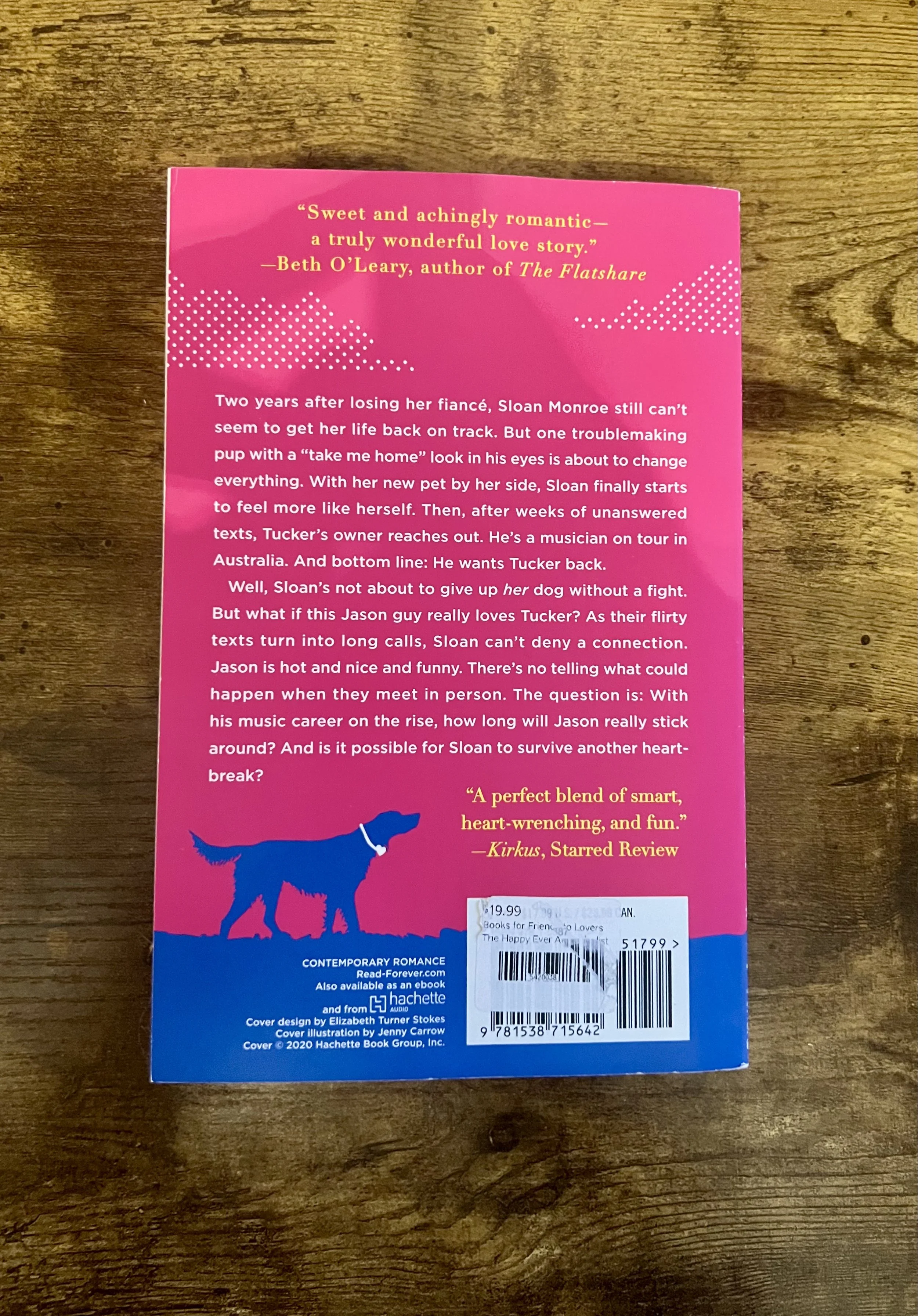
The Happy Ever After Playlist by Abby Jimenez follows Sloan Monroe, who is still grieving the loss of her fiancé when a runaway dog barrels into her life and unexpectedly reconnects her to the world. The dog’s owner, rising musician Jason Larsen, reaches out — and their playful exchanges quickly deepen into something real. As Sloan begins to imagine a future again, Jason’s demanding career and her lingering grief force her to confront what she’s ready to risk. A warm, hopeful story about healing, second chances, and choosing joy after los
No results match your search. Try removing a few filters.
My Body by Emily Ratajkowski is a candid, incisive collection of essays in which Emily Ratajkowski examines the forces that have shaped her relationship to beauty, power, and self‑worth. Moving between personal history and cultural critique, she unpacks the complexities of being celebrated, commodified, and scrutinized in the public eye. Her reflections explore autonomy, desire, exploitation, and the uneasy bargains women are often asked to make. A compelling pick for readers interested in sharp, intimate writing about identity, feminism, and the cost of visibility.