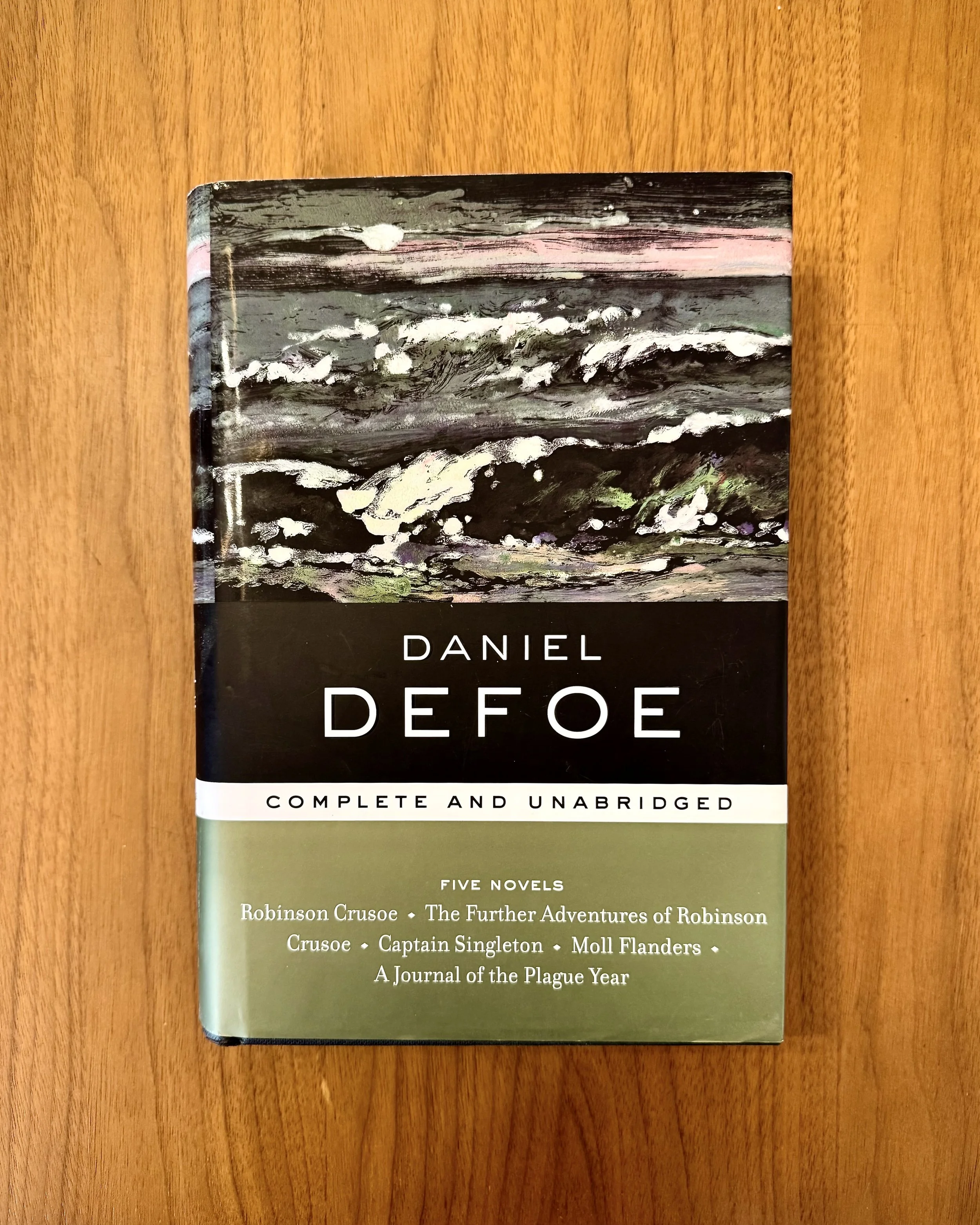
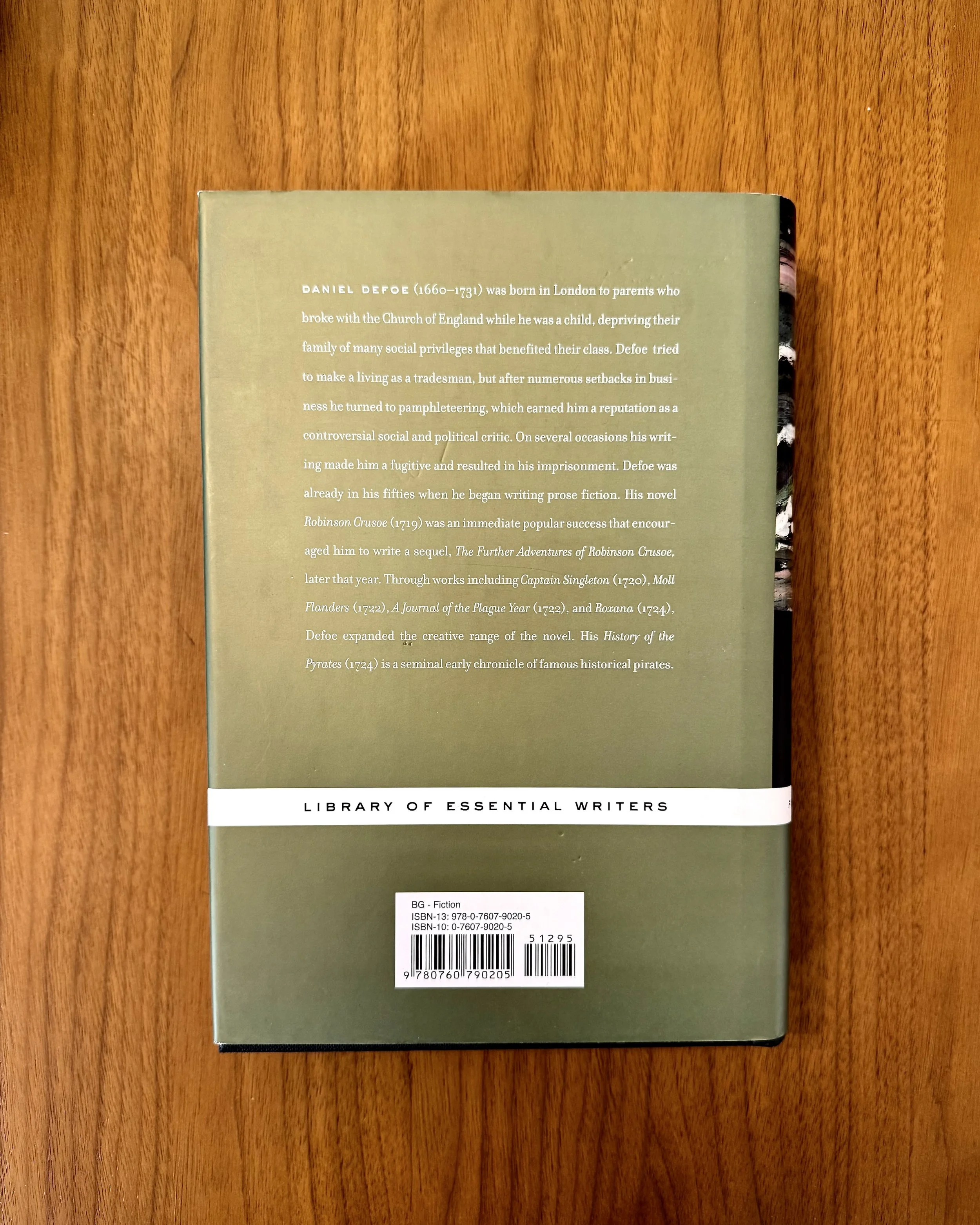
Daniel Defoe: Complete and Unabridged gathers Defoe’s most influential works into a single volume, presenting the full range of his storytelling—from the survival epic of Robinson Crusoe to the sharp social realism of Moll Flanders and the political insight of his essays and pamphlets. Read together, these texts reveal Defoe’s distinctive blend of adventure, moral complexity, and journalistic detail, showcasing how he helped shape the early English novel and modern narrative nonfiction.
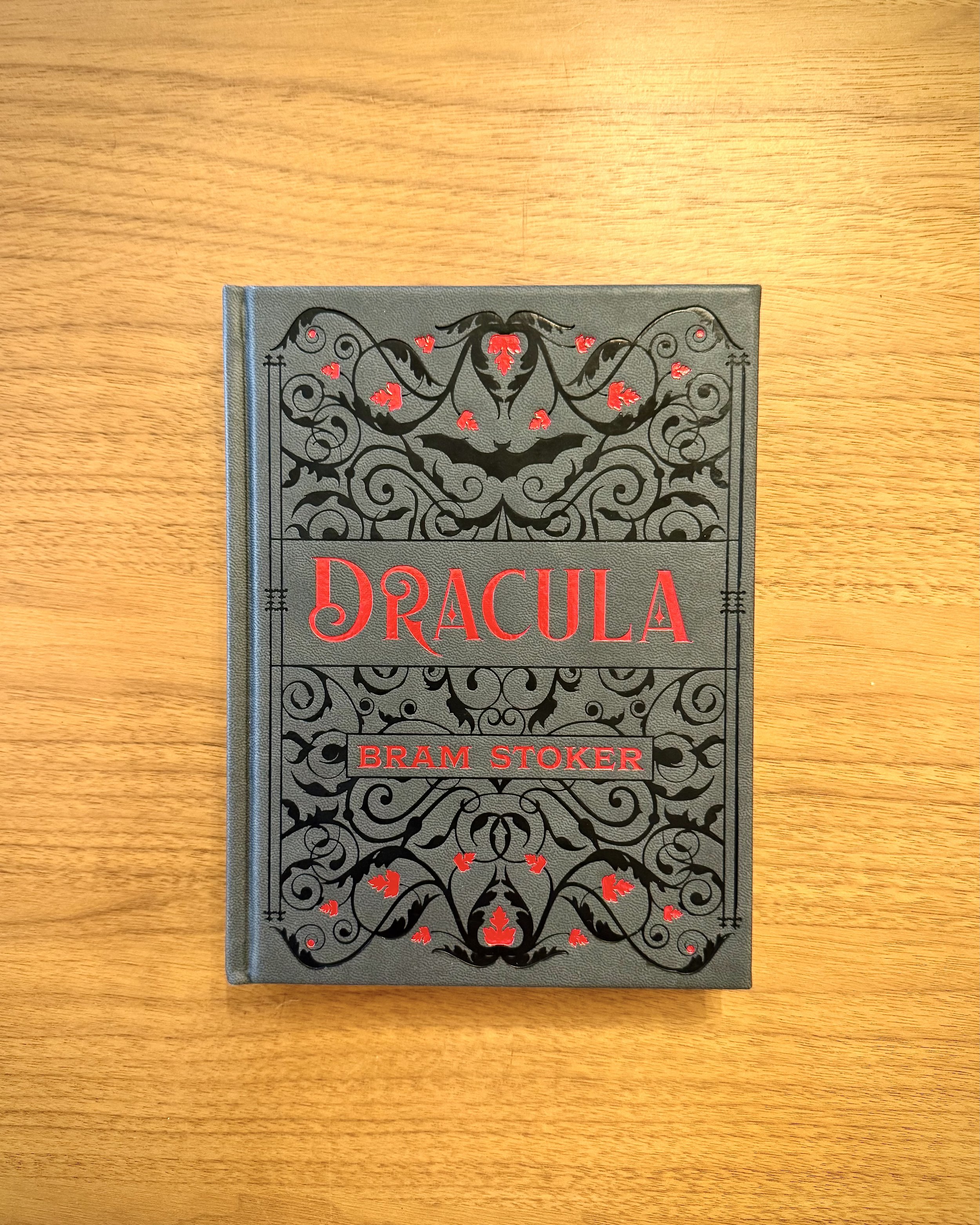

Bram Stoker’s Dracula follows Jonathan Harker’s unsettling journey to Transylvania, where he encounters the enigmatic Count Dracula and unknowingly sets a dark force in motion. As strange events spread to England, a group of friends led by Professor Van Helsing works to understand and confront the growing threat. The novel blends gothic horror, suspense, and psychological tension as it explores fear, superstition, and the struggle against an ancient evil.
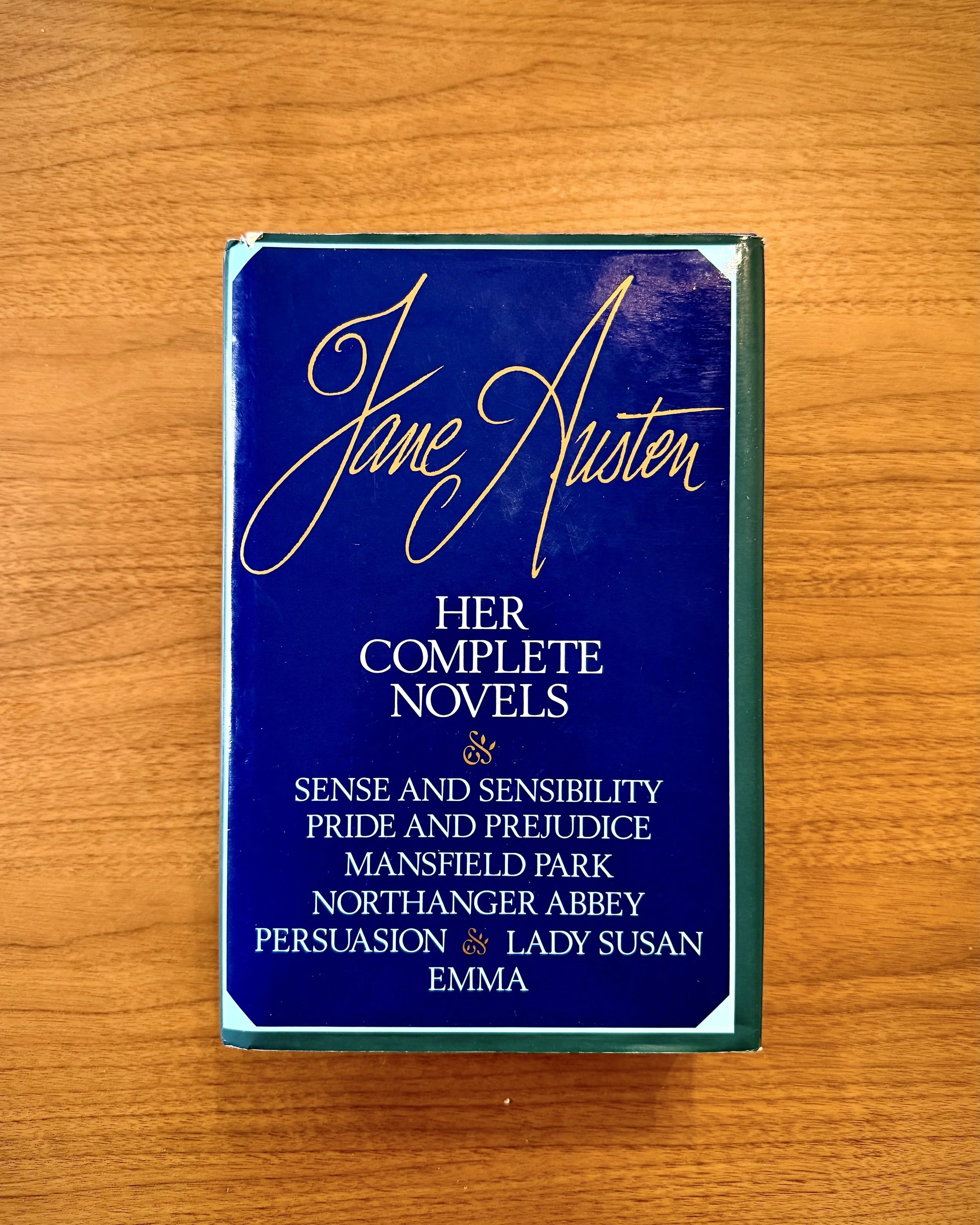
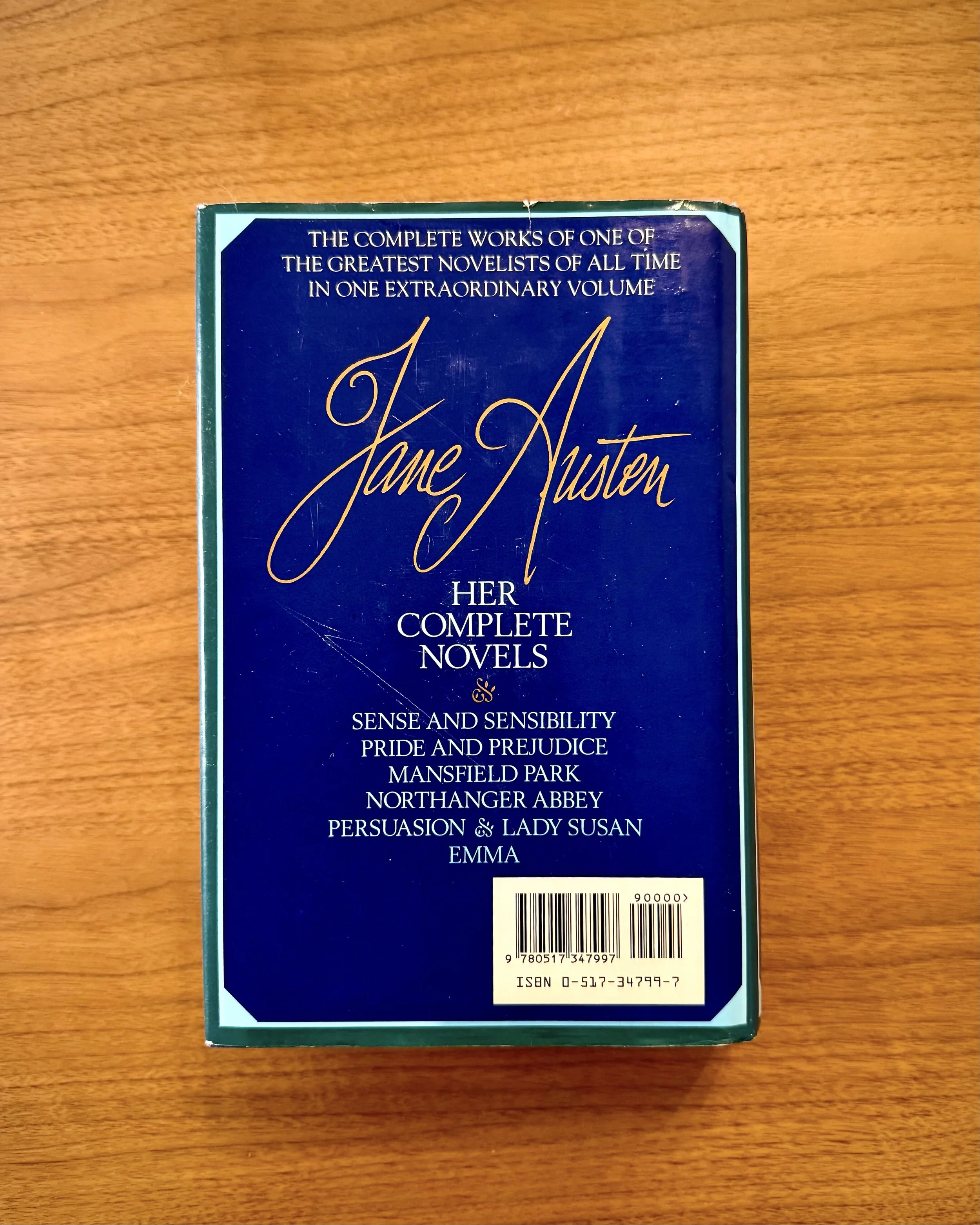
Jane Austen: Her Complete Novels gathers all six of Austen’s finished works—Sense and Sensibility, Pride and Prejudice, Mansfield Park, Emma, Northanger Abbey, and Persuasion—into a single volume that showcases the full arc of her literary mastery. Across these novels, Austen dissects the social rituals, economic pressures, and emotional negotiations of Regency‑era England with unmatched wit and psychological insight. Her heroines navigate love, class, family expectations, and personal growth, while her prose blends sharp satire with enduring romantic charm. As a collection, it highlights Austen’s evolution from youthful irony to mature emotional depth.
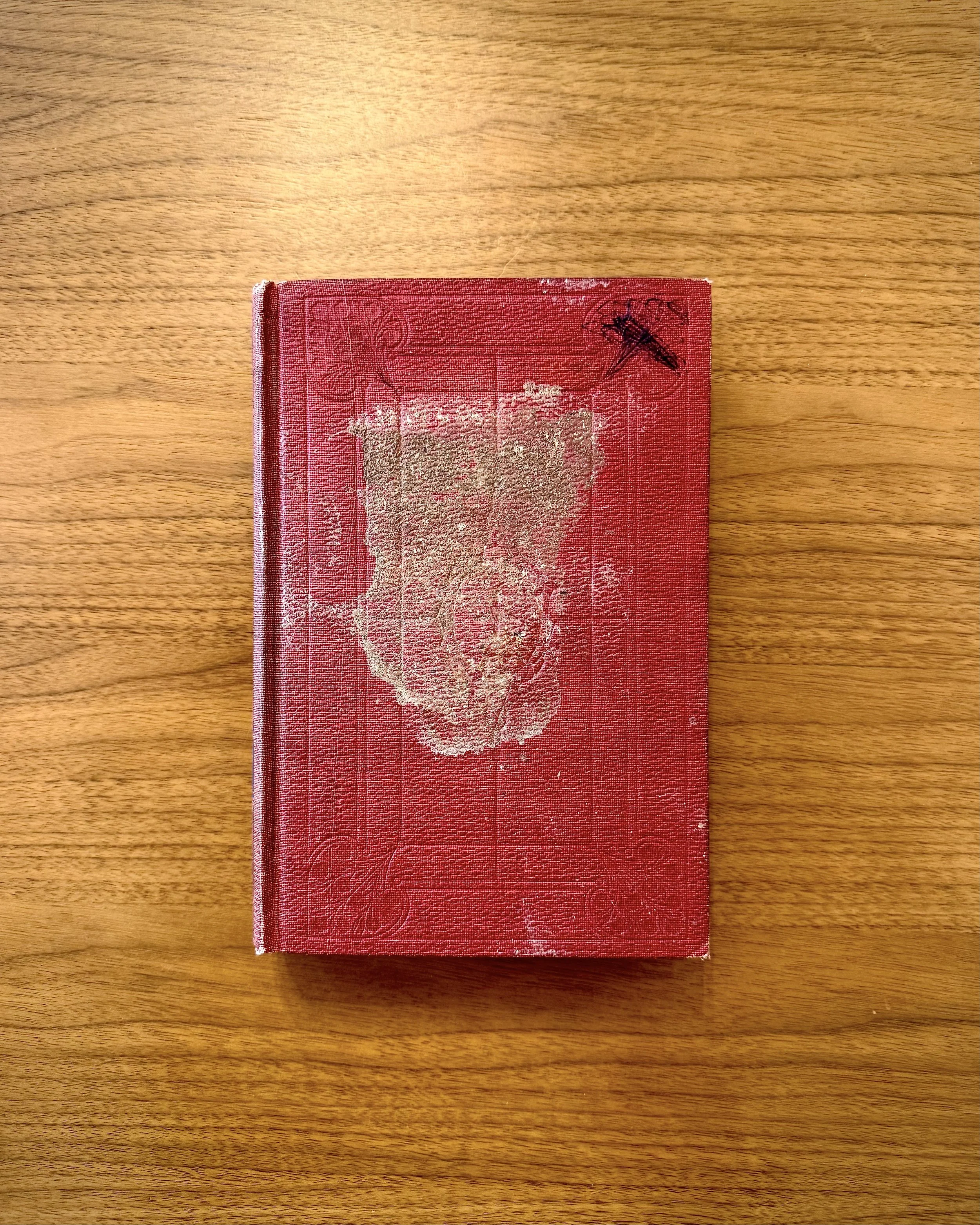
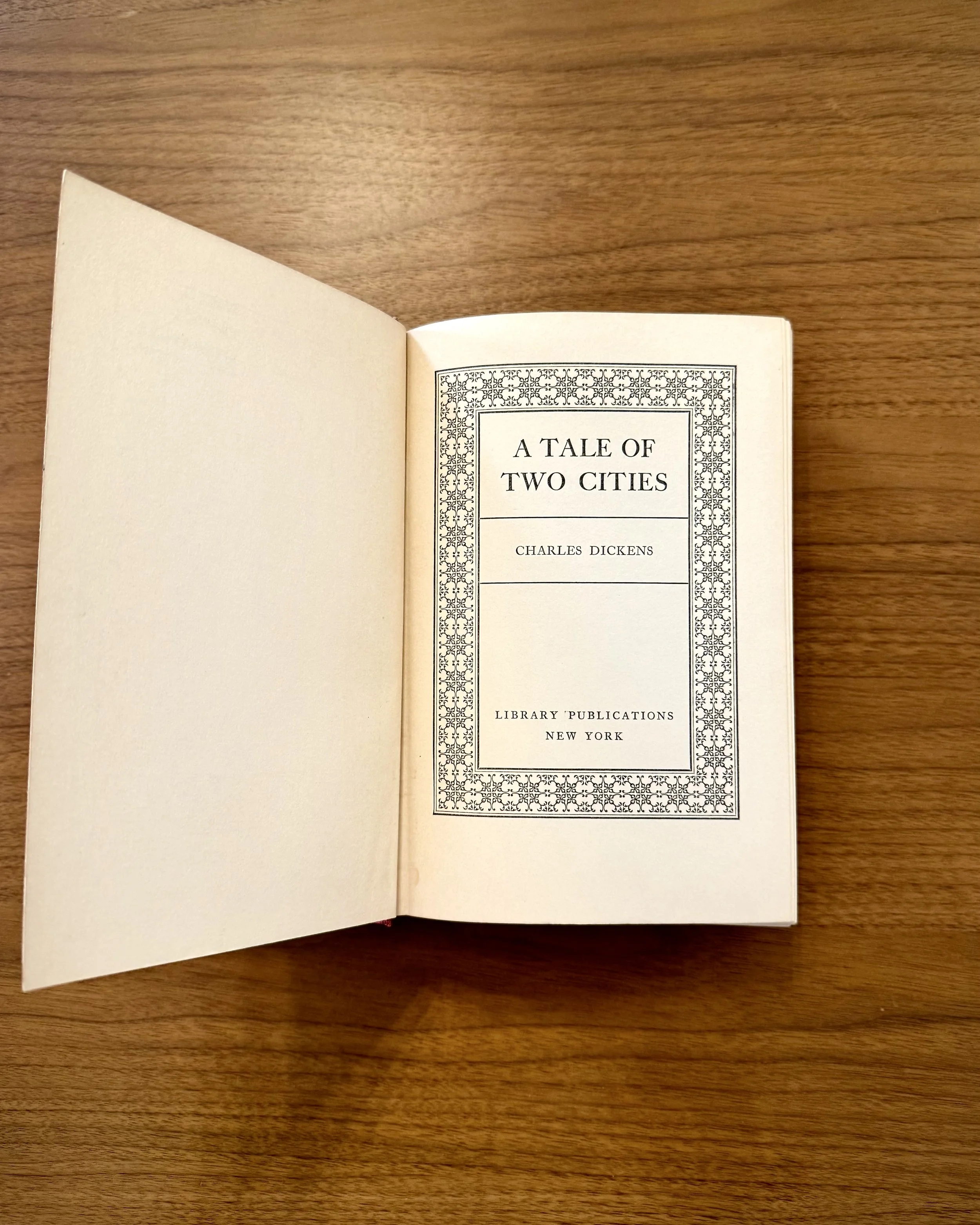
Charles Dickens’s A Tale of Two Cities unfolds across London and Paris during the turbulent years of the French Revolution, following the intertwined lives of Charles Darnay, a French aristocrat rejecting his family’s cruelty, and Sydney Carton, a brilliant but broken English lawyer. As political violence erupts and personal loyalties are tested, Carton’s unrequited love for Lucie Manette drives him toward one of literature’s most iconic acts of sacrifice. Dickens blends romance, revolution, and moral reckoning into a sweeping story about resurrection, justice, and the cost of a society pushed to its breaking point.
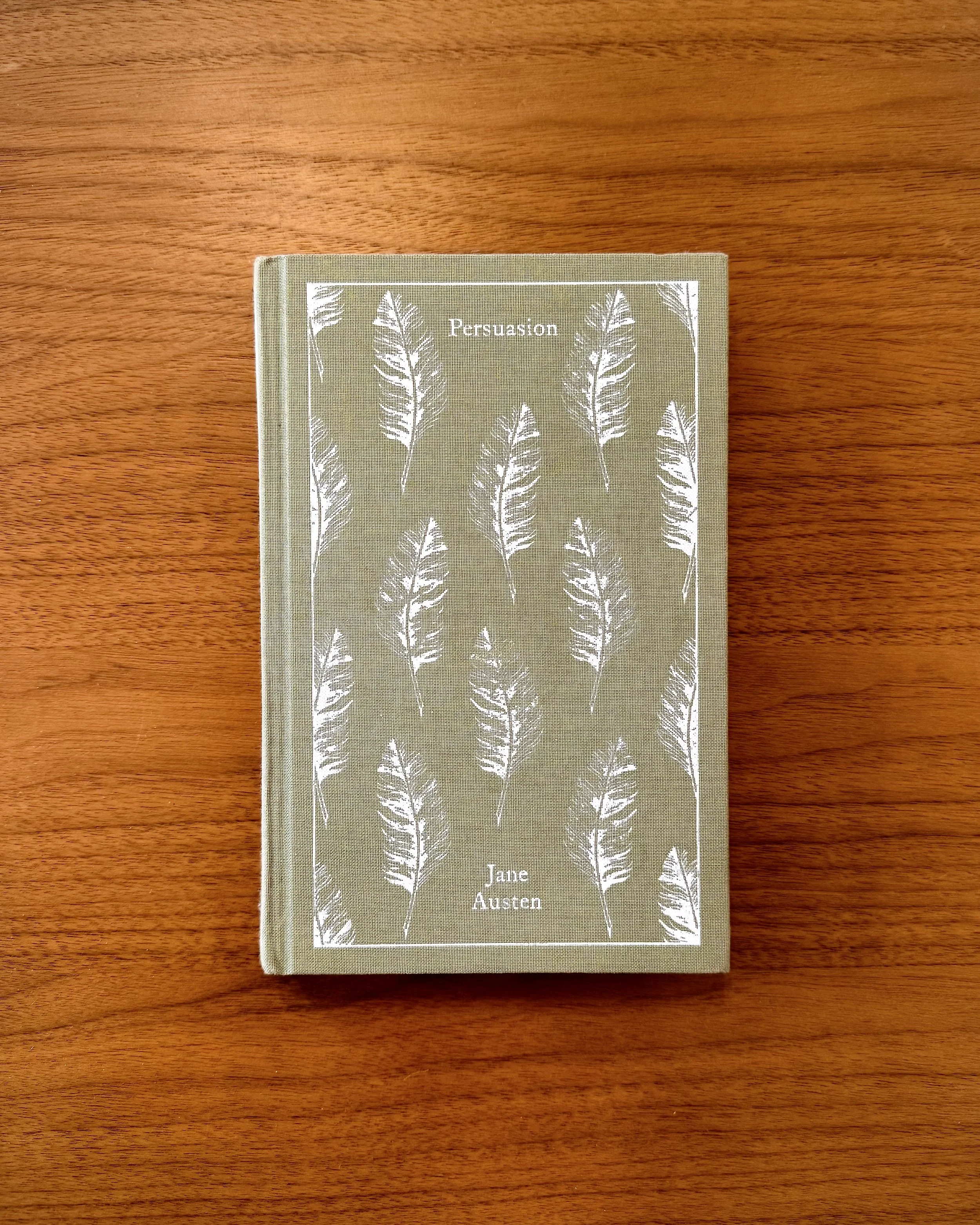

Jane Austen’s Persuasion centers on Anne Elliot, a gentle, intelligent woman who once broke off her engagement to Frederick Wentworth after being persuaded he wasn’t a suitable match. Eight years later, Wentworth returns as a successful naval captain—and the two must navigate pride, regret, and lingering affection as they move through a world obsessed with status and appearances. Austen crafts a quieter, more mature love story about second chances, emotional resilience, and the courage to choose one’s own happiness.
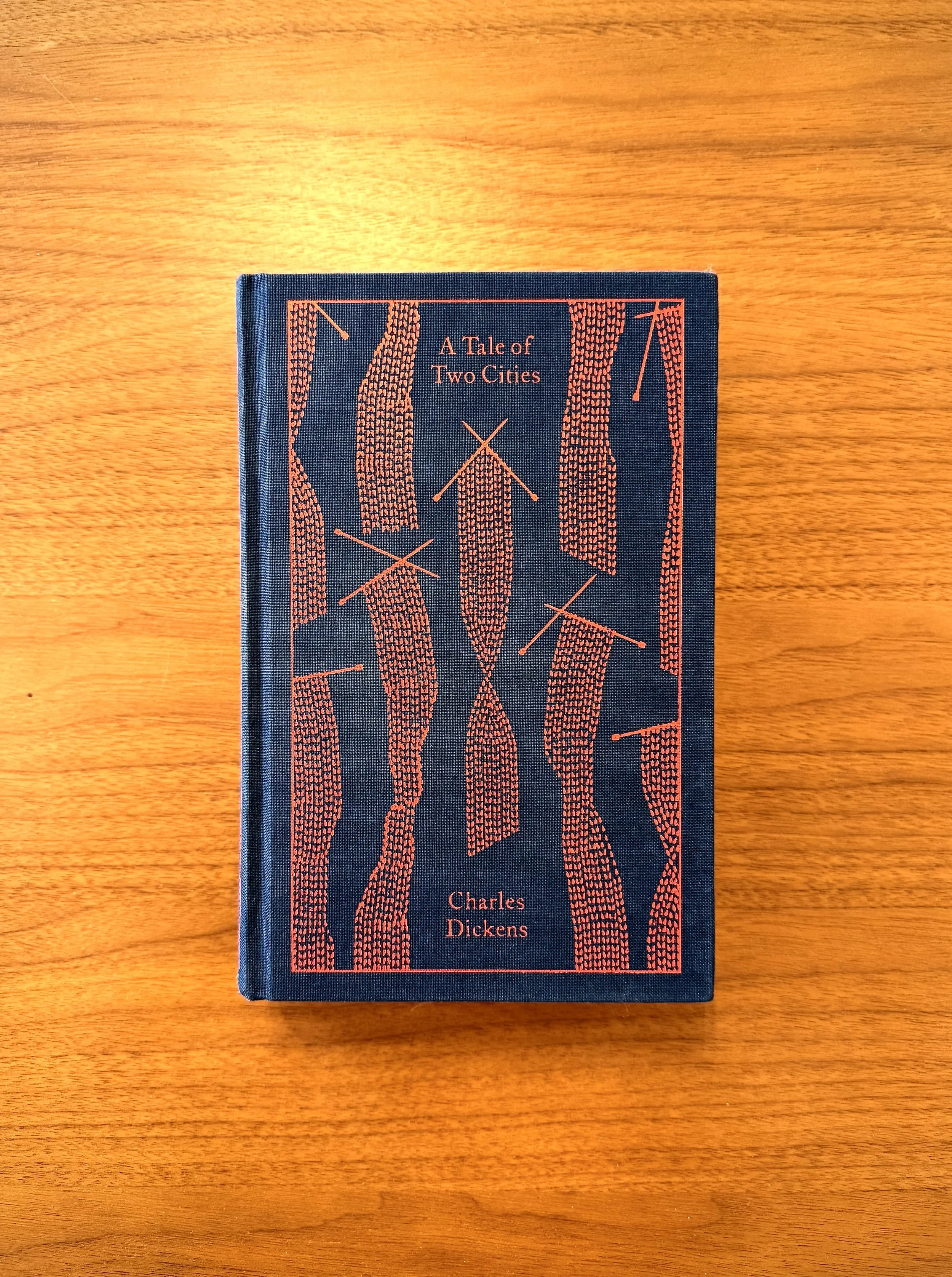
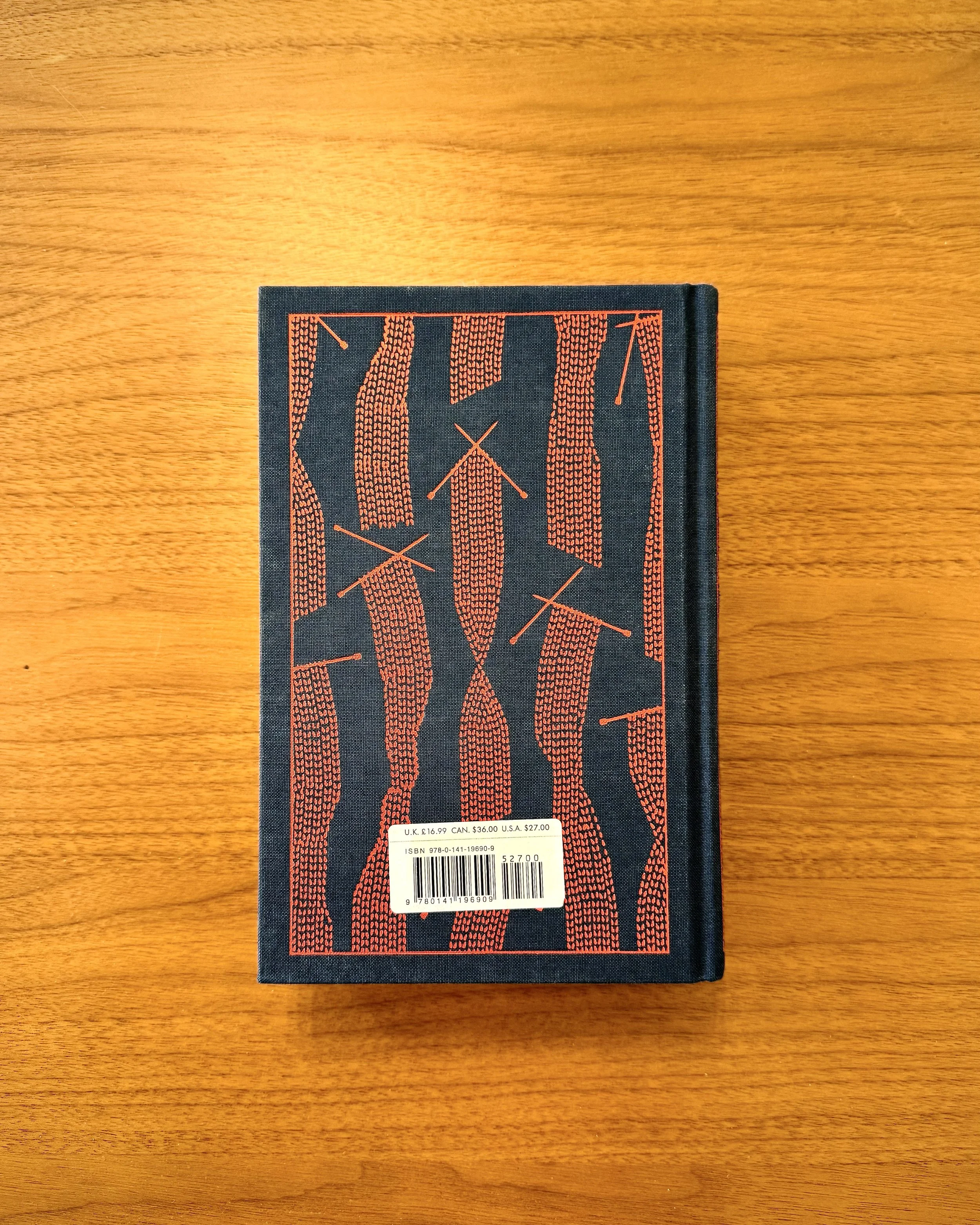
Charles Dickens’s A Tale of Two Cities unfolds across London and Paris during the turbulent years of the French Revolution, following the intertwined lives of Charles Darnay, a French aristocrat rejecting his family’s cruelty, and Sydney Carton, a brilliant but broken English lawyer. As political violence erupts and personal loyalties are tested, Carton’s unrequited love for Lucie Manette drives him toward one of literature’s most iconic acts of sacrifice. Dickens blends romance, revolution, and moral reckoning into a sweeping story about resurrection, justice, and the cost of a society pushed to its breaking point.
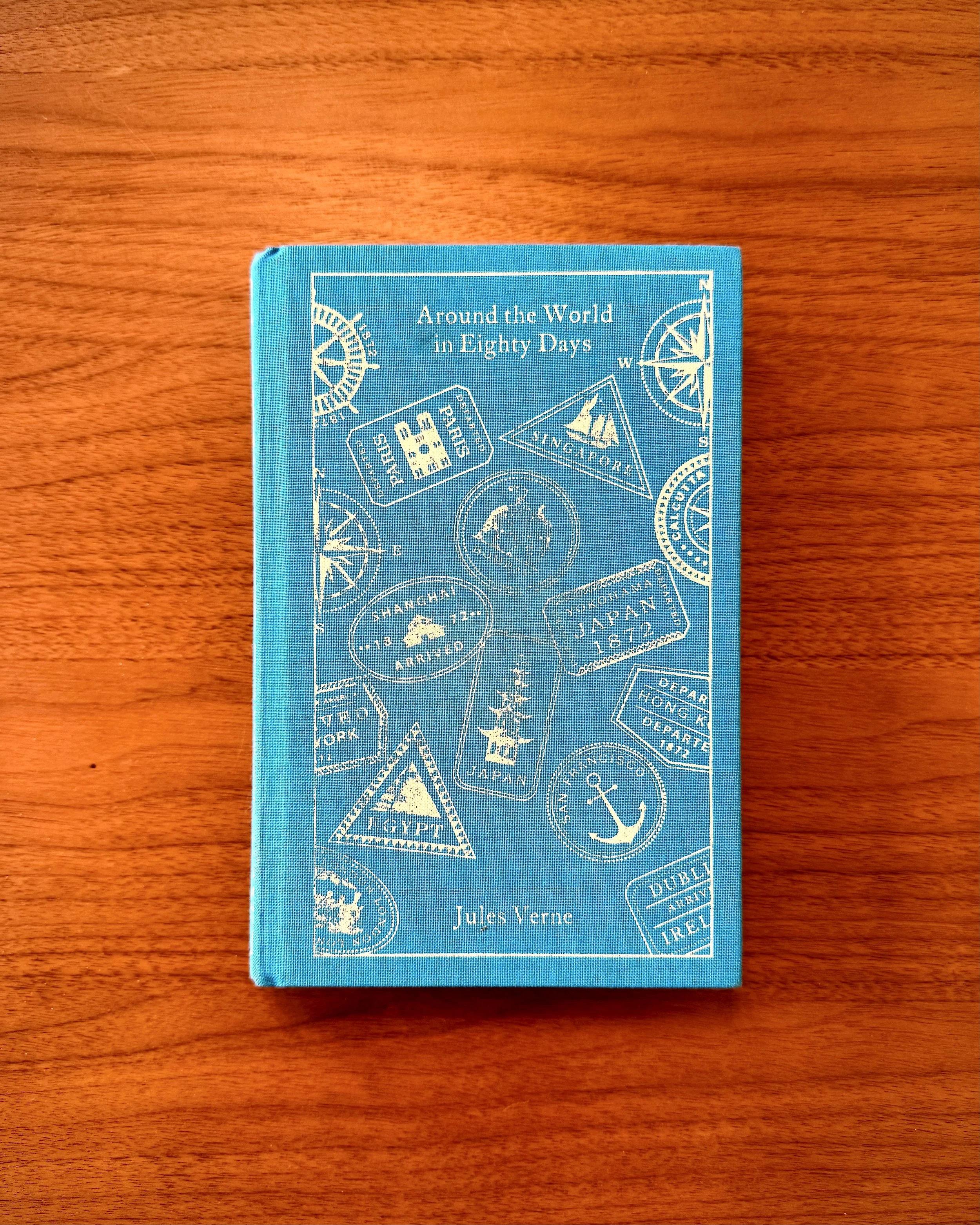
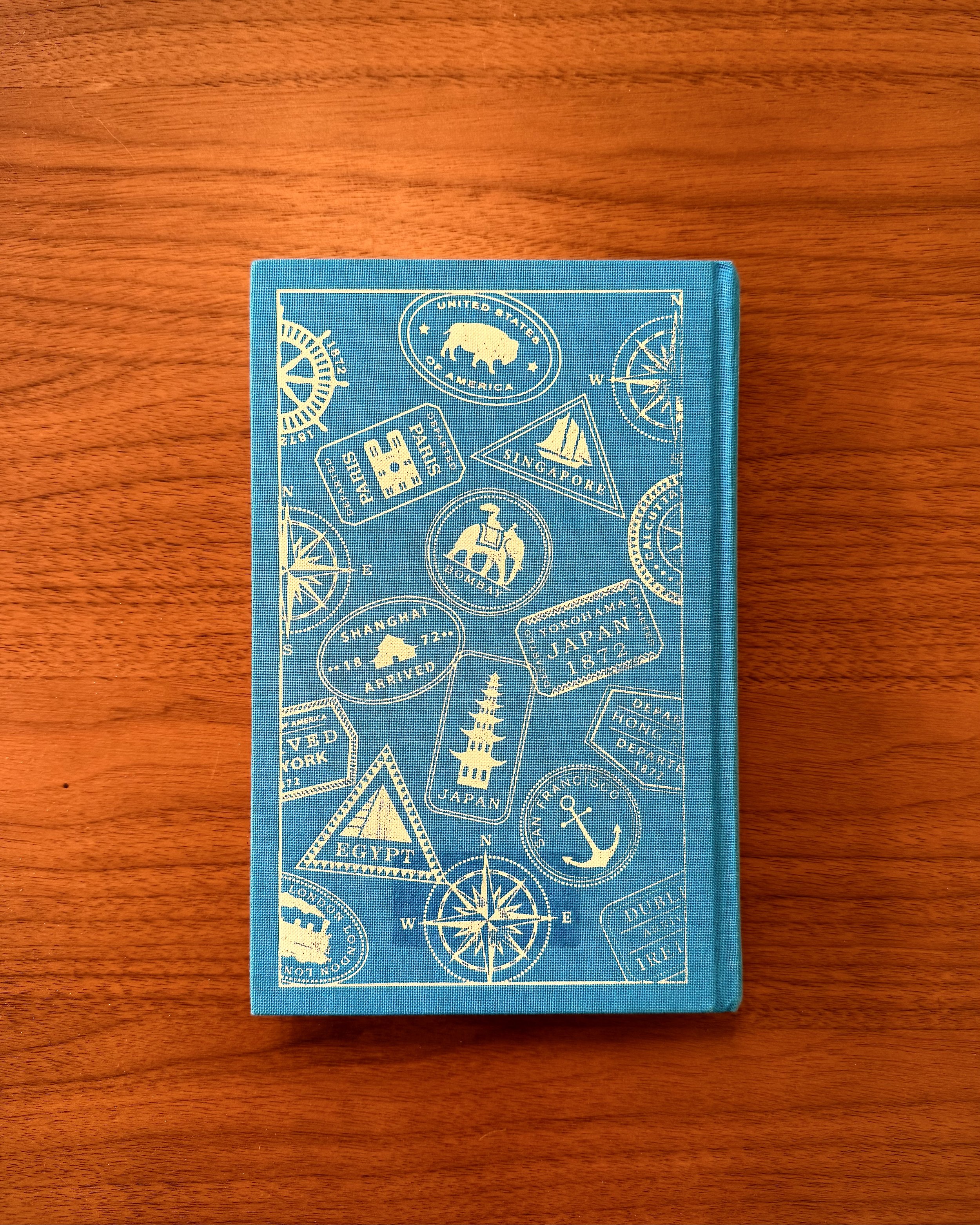
Jules Verne’s Around the World in Eighty Days follows the unflappable English gentleman Phileas Fogg, who wagers that he can circumnavigate the globe in just eighty days—a feat nearly impossible in 1872. With his loyal but chaotic valet Passepartout, Fogg races across continents by train, steamer, elephant, and anything else he can commandeer, all while being tailed by a detective convinced he’s a bank robber. Verne blends adventure, humor, and technological wonder into a fast‑paced classic about determination, ingenuity, and the thrill of a world rapidly shrinking through innovation.
Michael’s Review: This is a fun and quick read. I highly recommend it for anyone with wanderlust who likes to dream about faraway places.
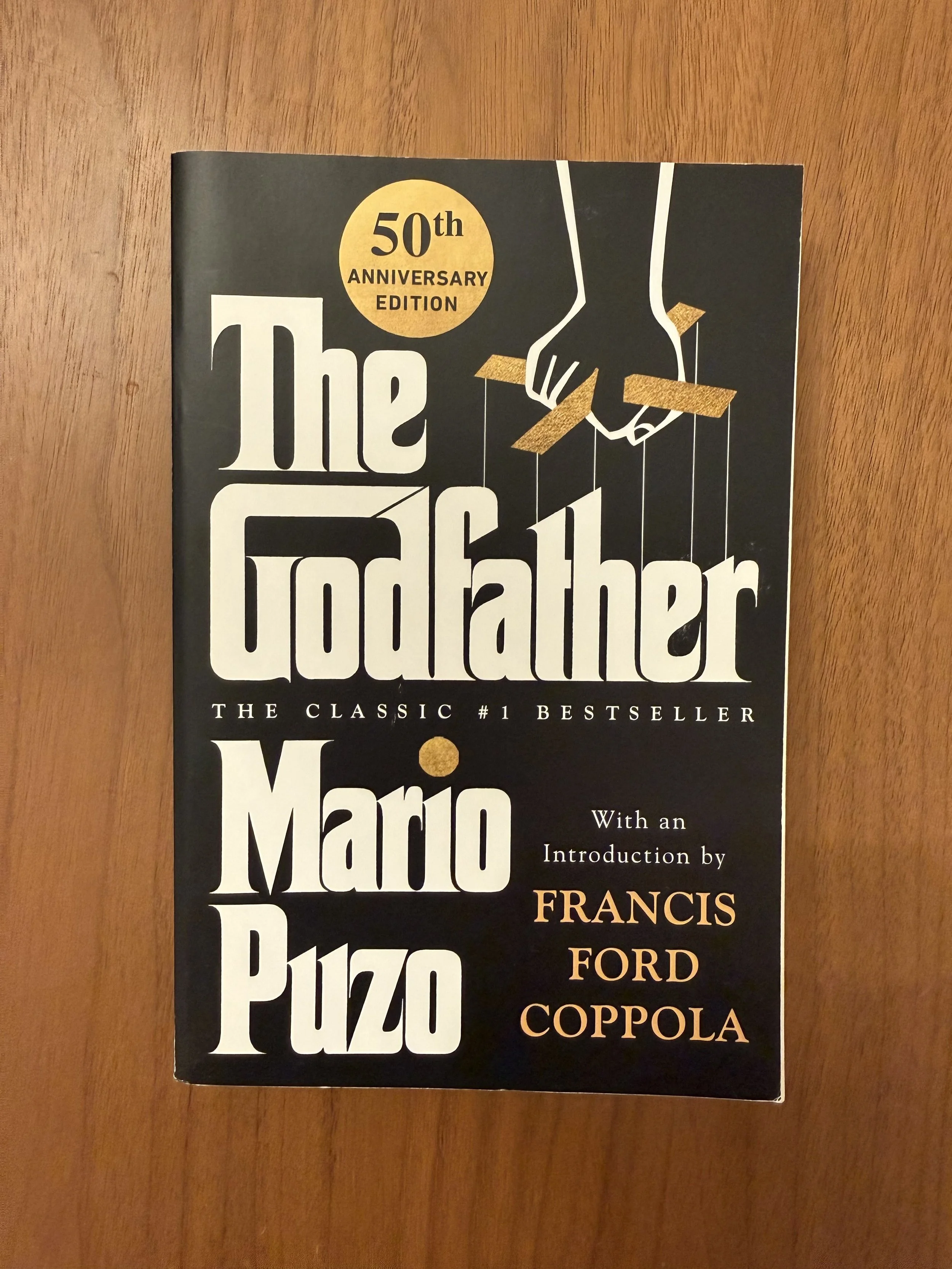
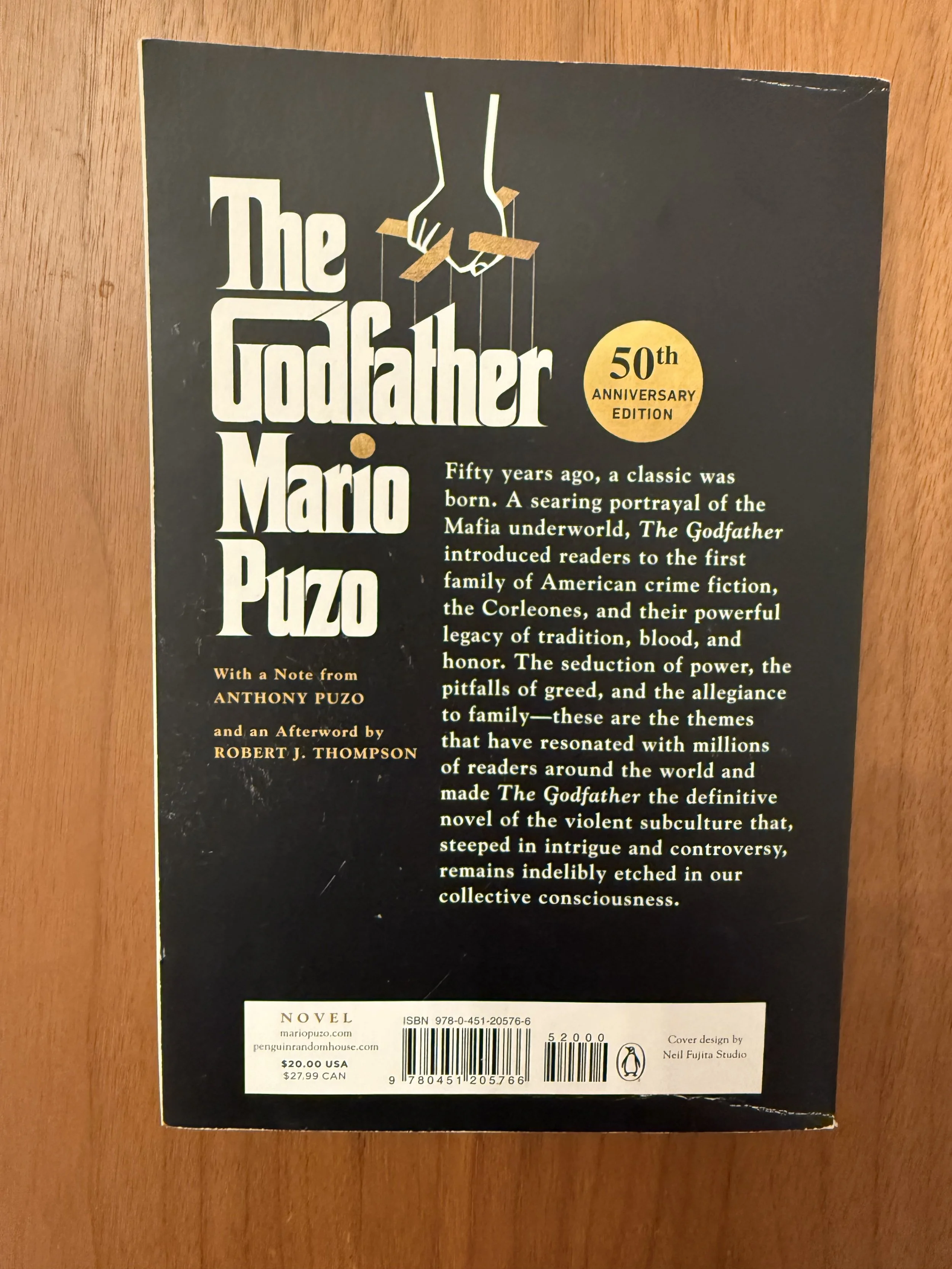
A must‑read for anyone who loves The Godfather films. Mario Puzo’s novel, published three years before the first movie, offers an even more intimate exposé of the Corleone family’s efforts to maintain its status as the most powerful family in New York. Readers gain a better understanding of how Don Vito Corleone built his empire, how eldest son Santino “Sonny” Corleone attempted to run it, and how Michael Corleone, Vito’s youngest son, transforms from a World War II veteran into a more modern version of his father—a calculated, calm but ruthless leader who will do whatever he thinks is best for the Family.
Michael’s Rating: 4.25/5
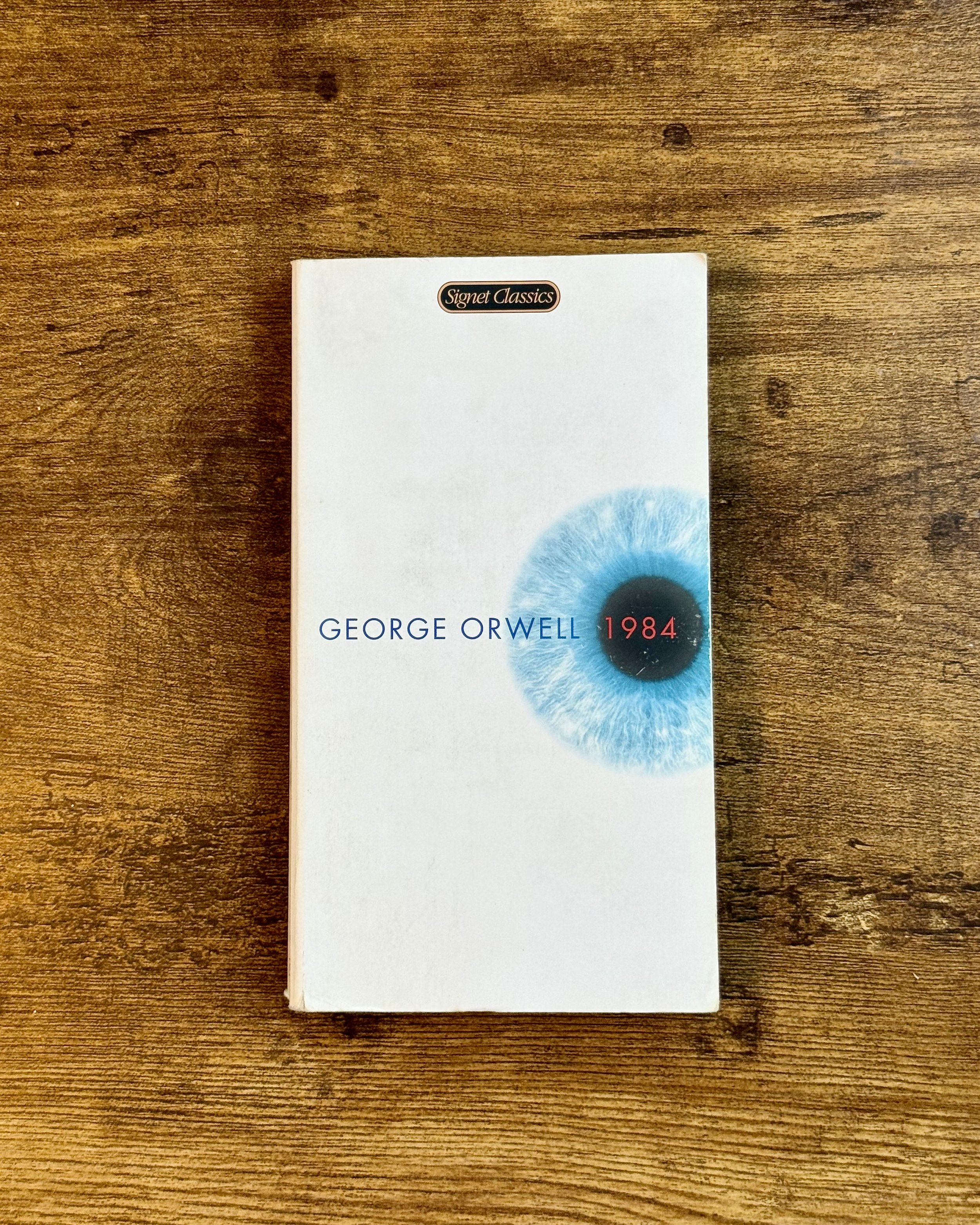
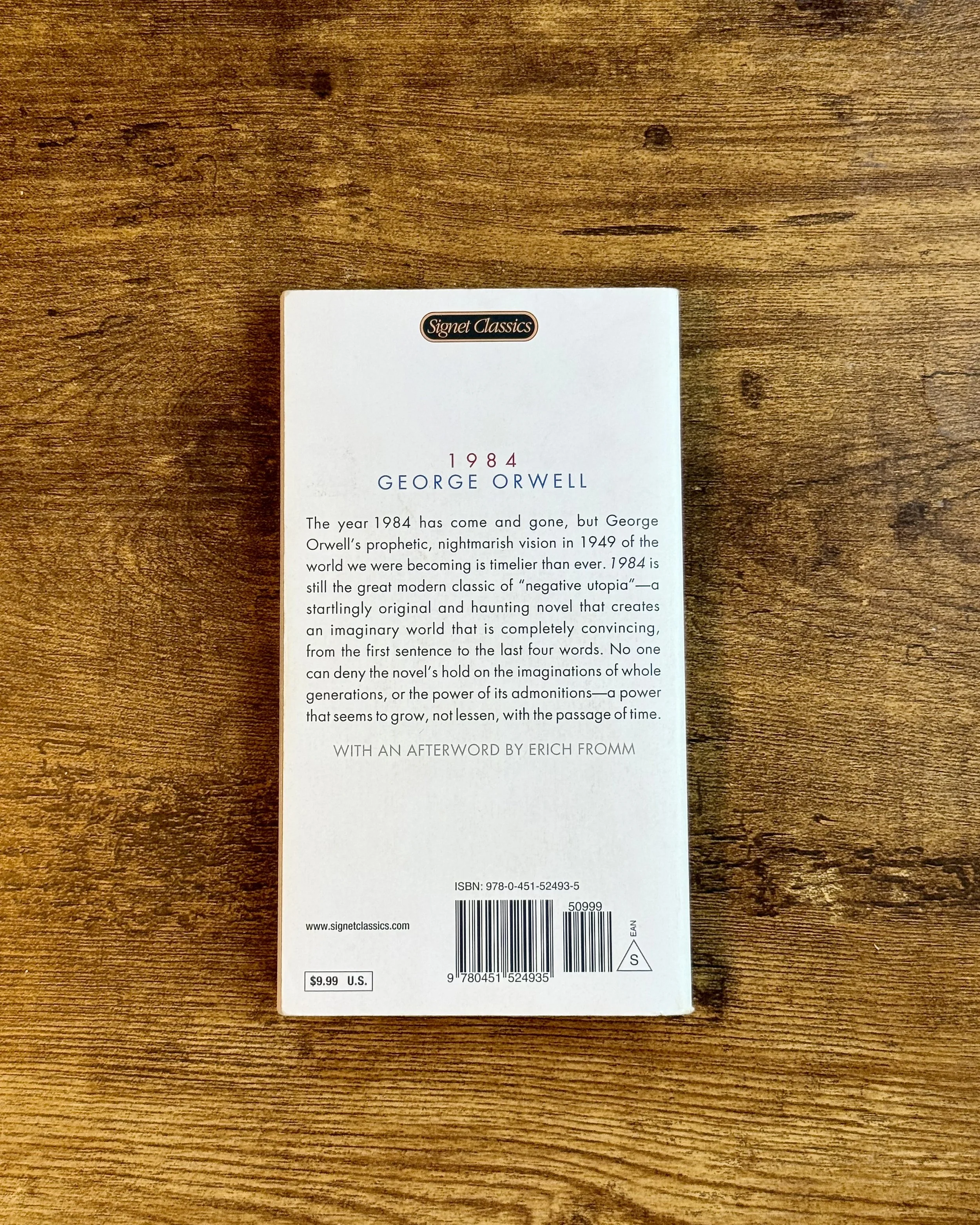
Winston Smith lives under the oppressive rule of the Party, where Big Brother’s constant surveillance and manipulated truth erase privacy and history. As a low-ranking Party member, he quietly rebels through forbidden thoughts and a furtive love affair that promise brief glimpses of freedom. Their resistance draws the attention of the state, revealing the terrifying depth of its power to control belief, language, and loyalty. In the end, 1984 by George Orwell is a bleak meditation on totalitarianism’s capacity to crush the individual and rewrite reality.
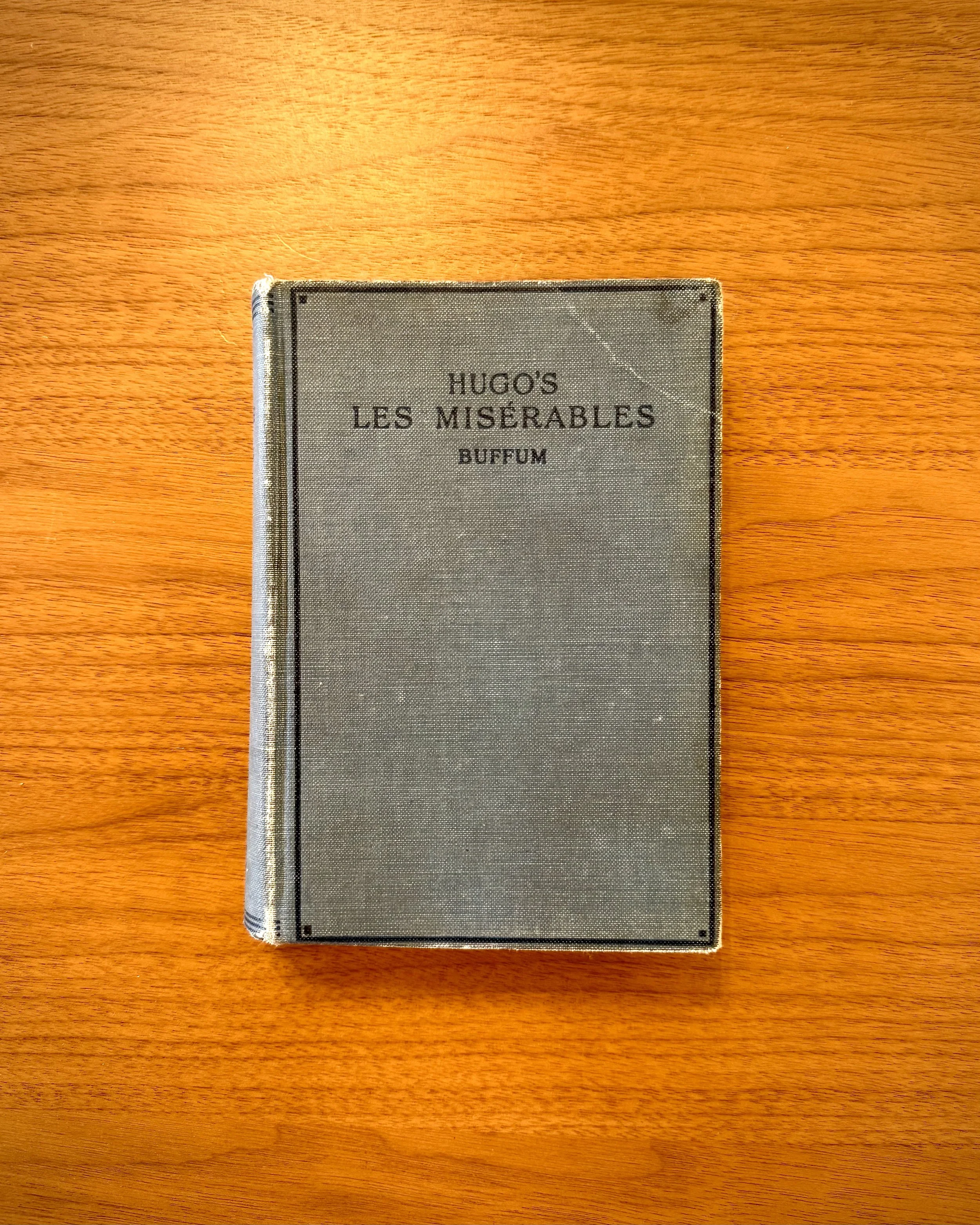

(French Langauge Version) Victor Hugo’s Les Misérables follows Jean Valjean, a former convict seeking redemption while being relentlessly pursued by Inspector Javert across a France shaken by poverty, injustice, and political upheaval. As Valjean’s life intertwines with Fantine, Cosette, Marius, and the student revolutionaries of Paris, the novel explores the collision of mercy and law, love and sacrifice, and the brutal realities of a society failing its most vulnerable. Hugo delivers an epic, emotionally sweeping story about moral transformation, human dignity, and the enduring fight for justice.
No results match your search. Try removing a few filters.