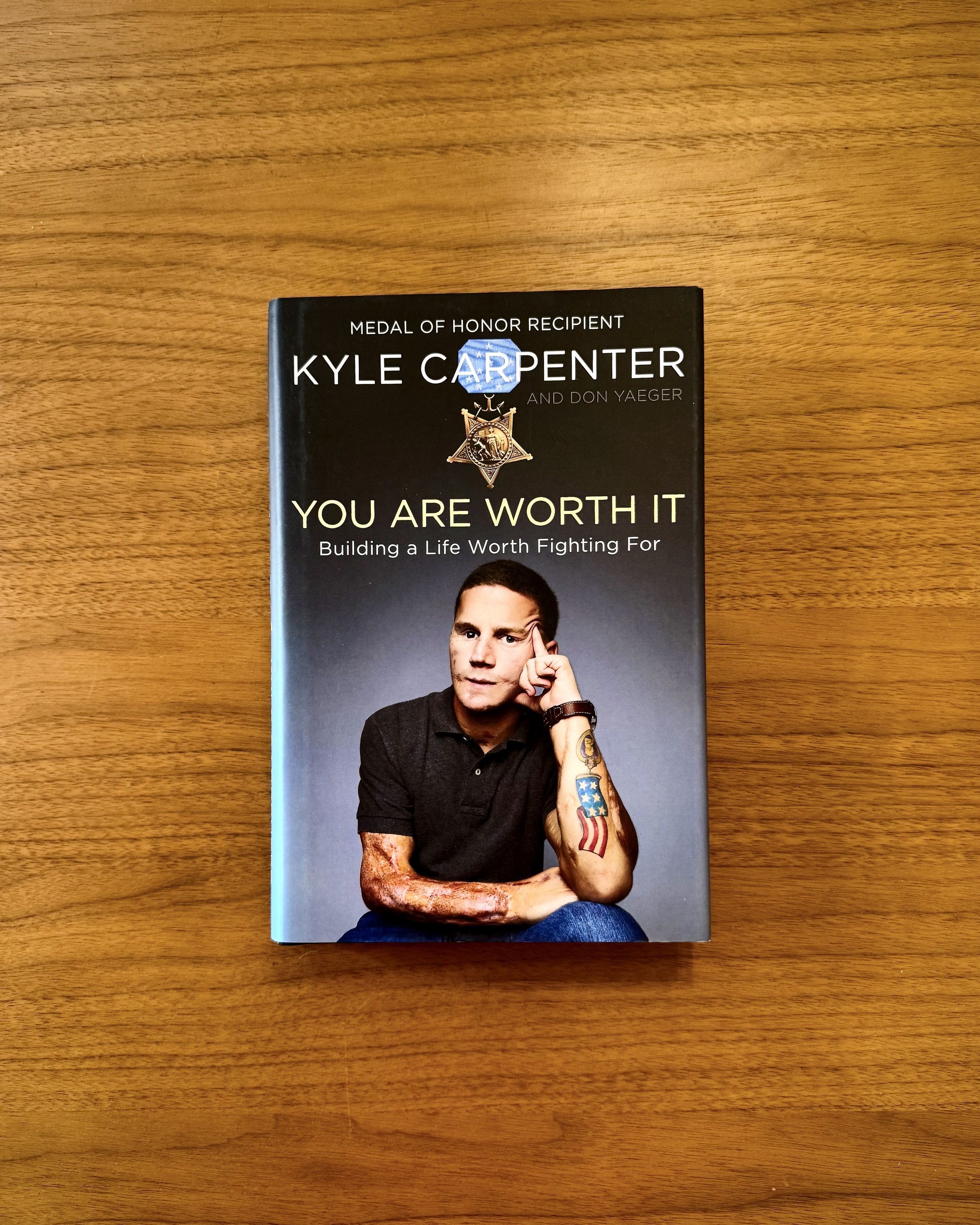
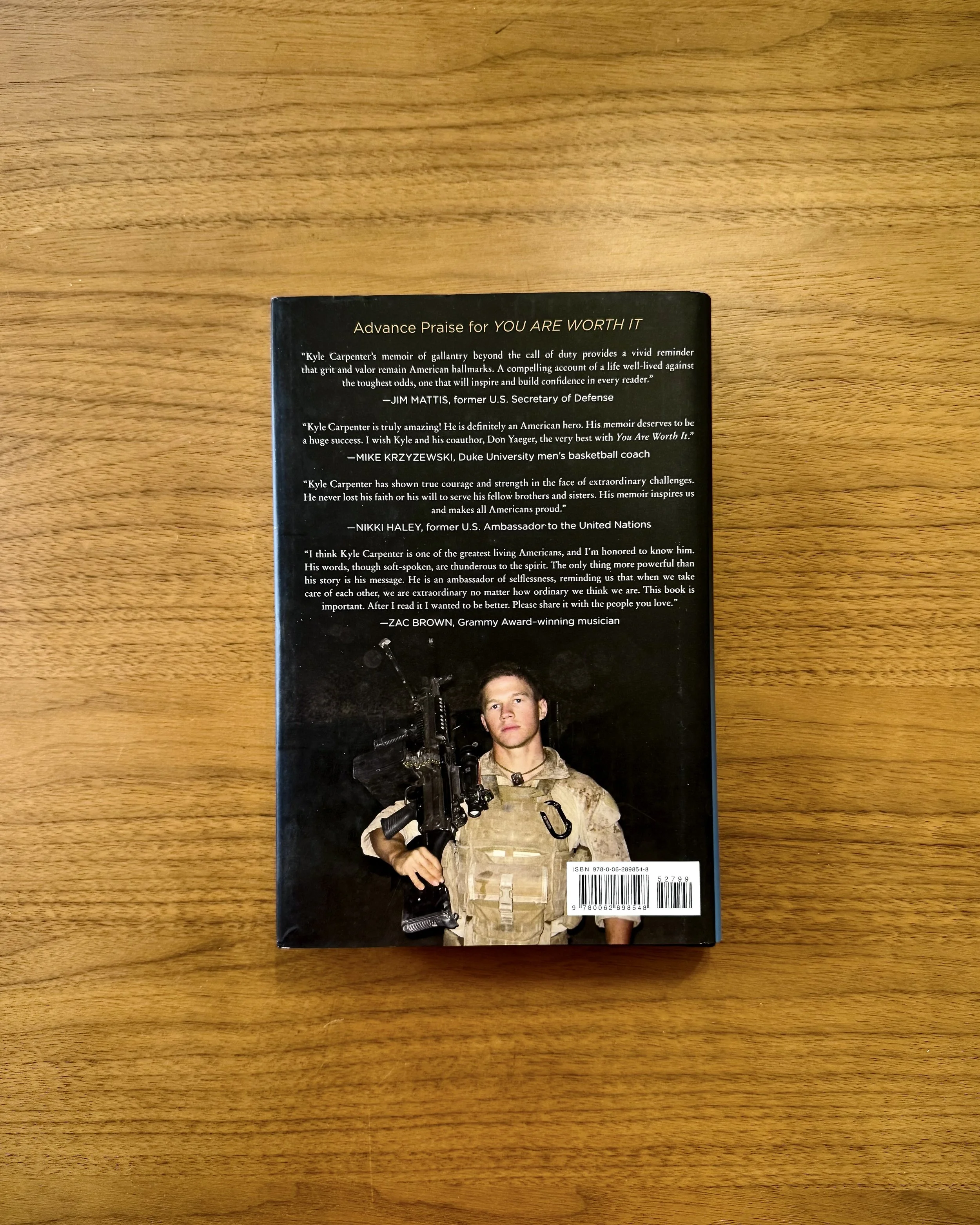
Kyle Carpenter’s You Are Worth It is a powerful, deeply human memoir that traces his journey from a catastrophic battlefield injury in Afghanistan to an extraordinary recovery shaped by resilience, gratitude, and service. Blending raw personal storytelling with reflections on sacrifice, community, and the quiet courage required to rebuild a life, Carpenter shows how choosing hope over bitterness can transform even the darkest moments. Humbling and profoundly inspiring, the book becomes a testament to the strength of the human spirit and the belief that every person’s life holds meaning worth fighting for.
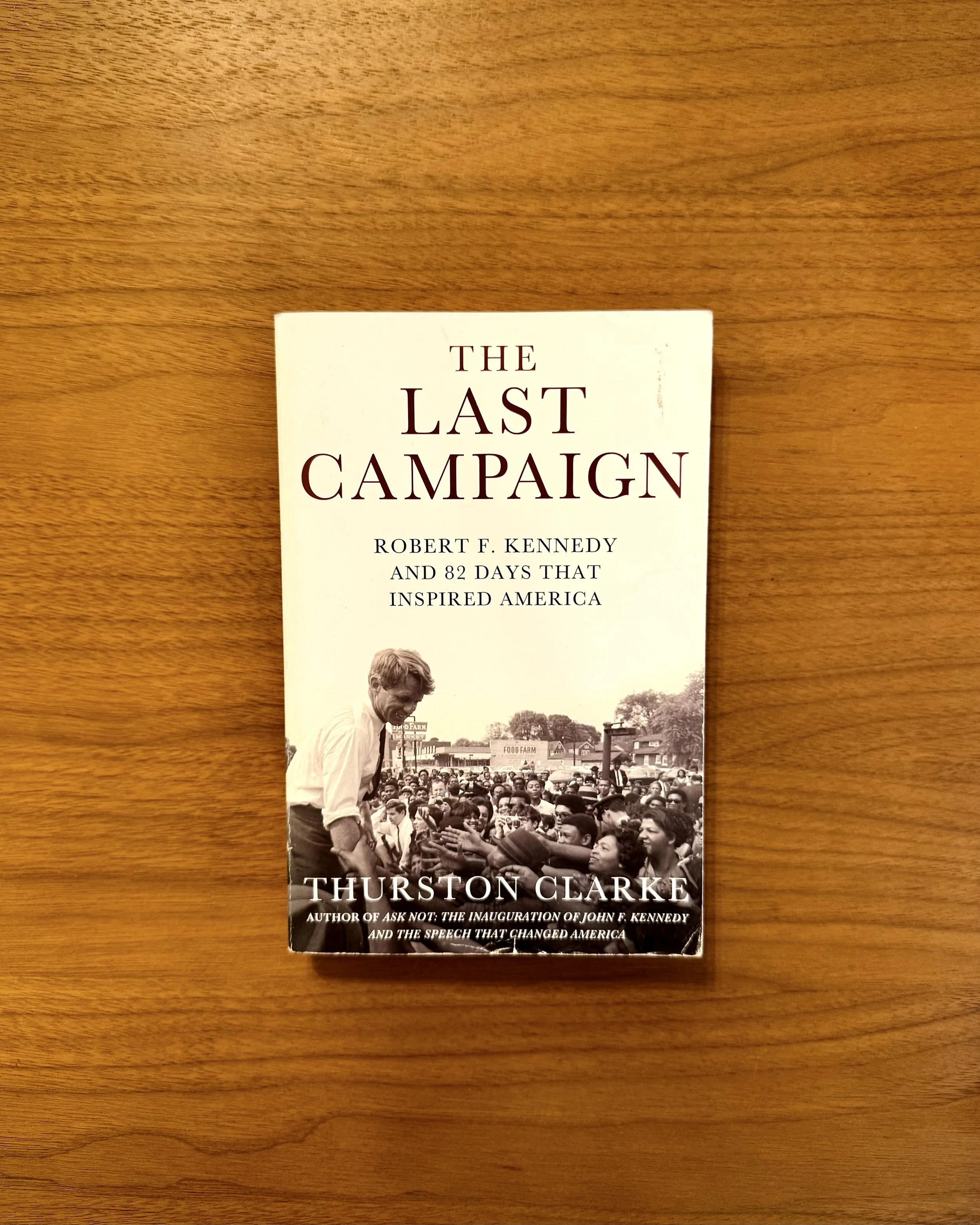
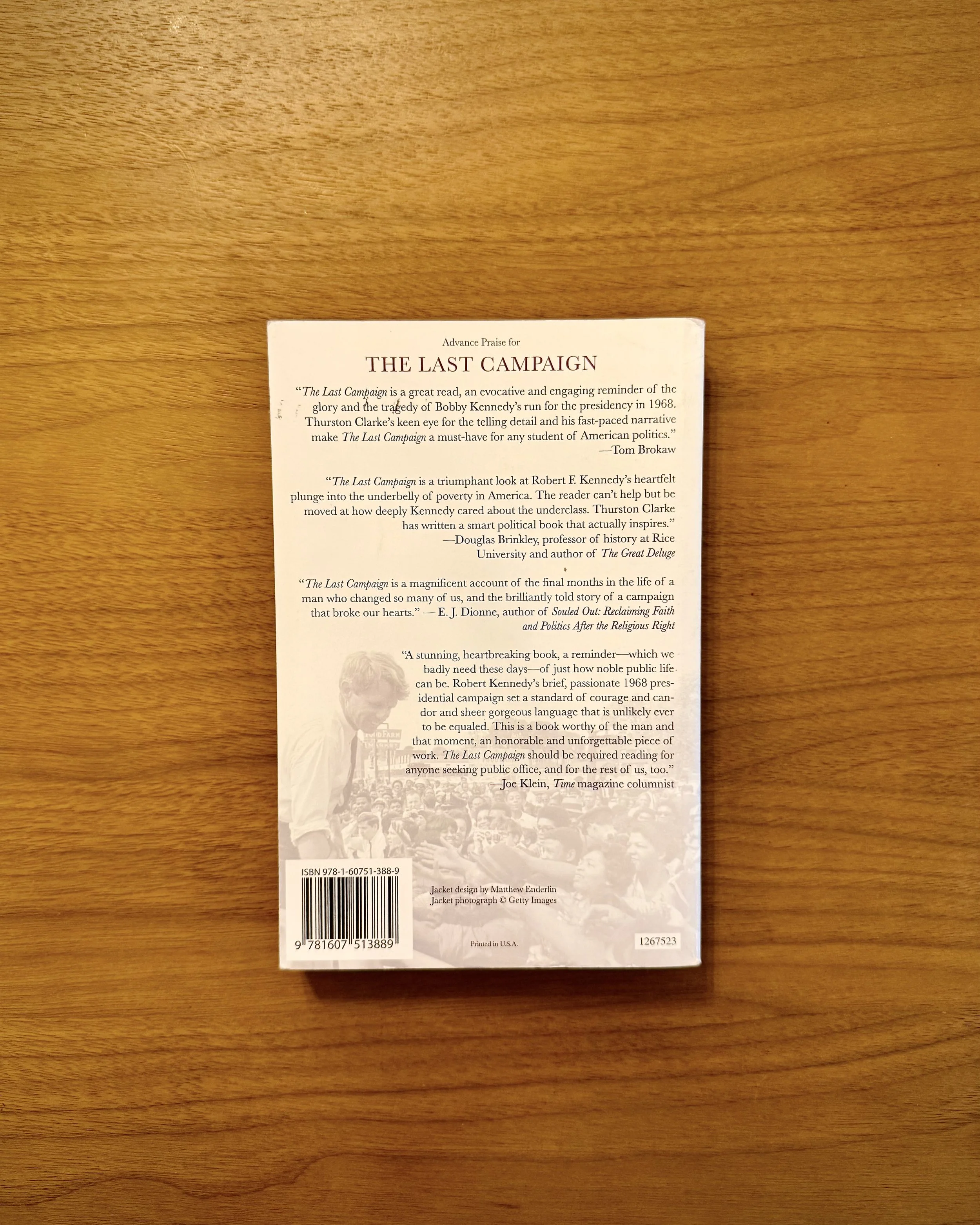
Thurston Clarke’s The Last Campaign reconstructs Robert F. Kennedy’s 1968 presidential run, tracing the eighty‑two days in which he traveled the country and ignited a rare surge of political hope. Through eyewitness accounts, speeches, and behind‑the‑scenes moments, Clarke shows how Kennedy’s message resonated across racial, economic, and generational divides. The book blends political history, biography, and narrative reportage to capture the urgency, idealism, and emotional force of a campaign cut short.
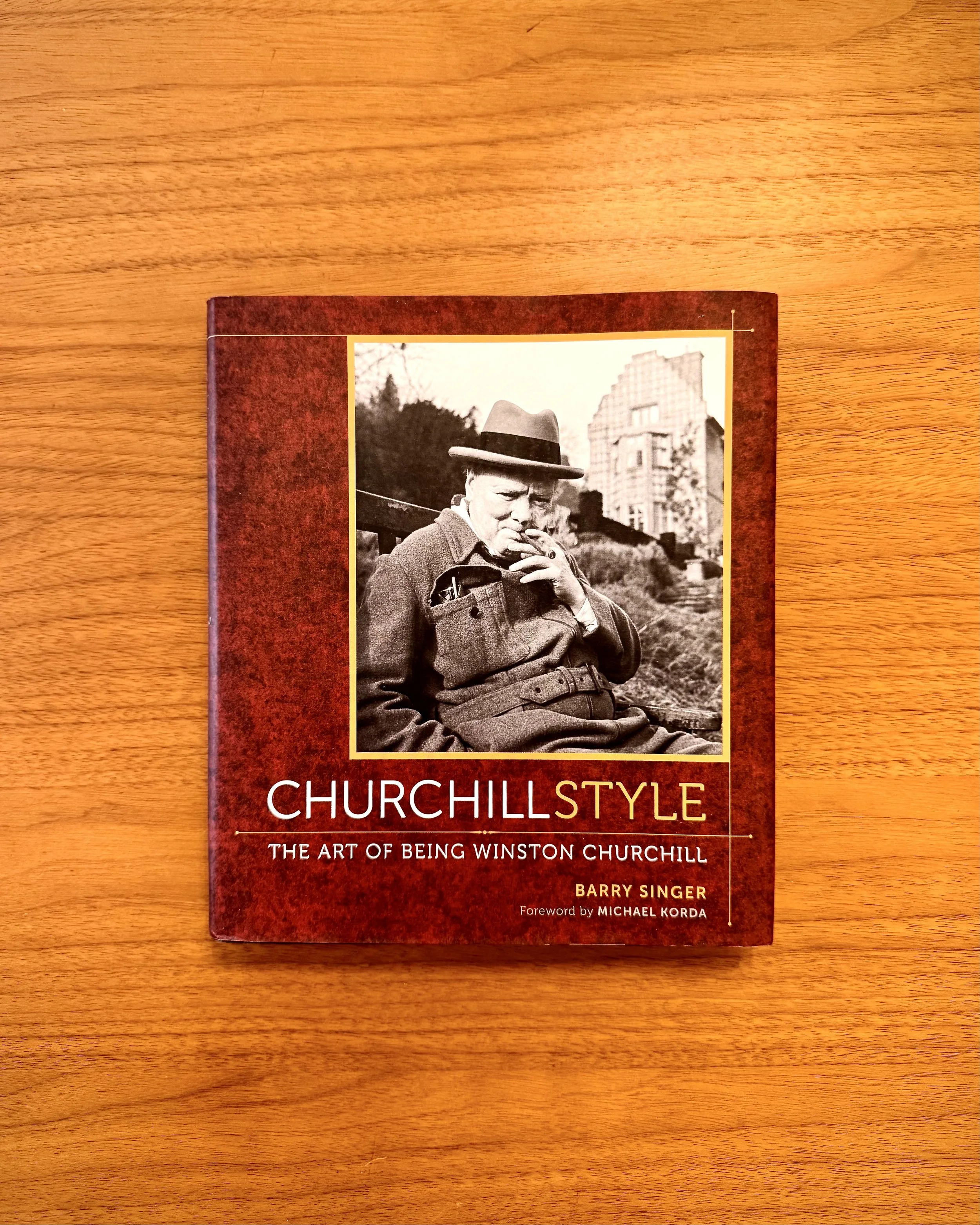
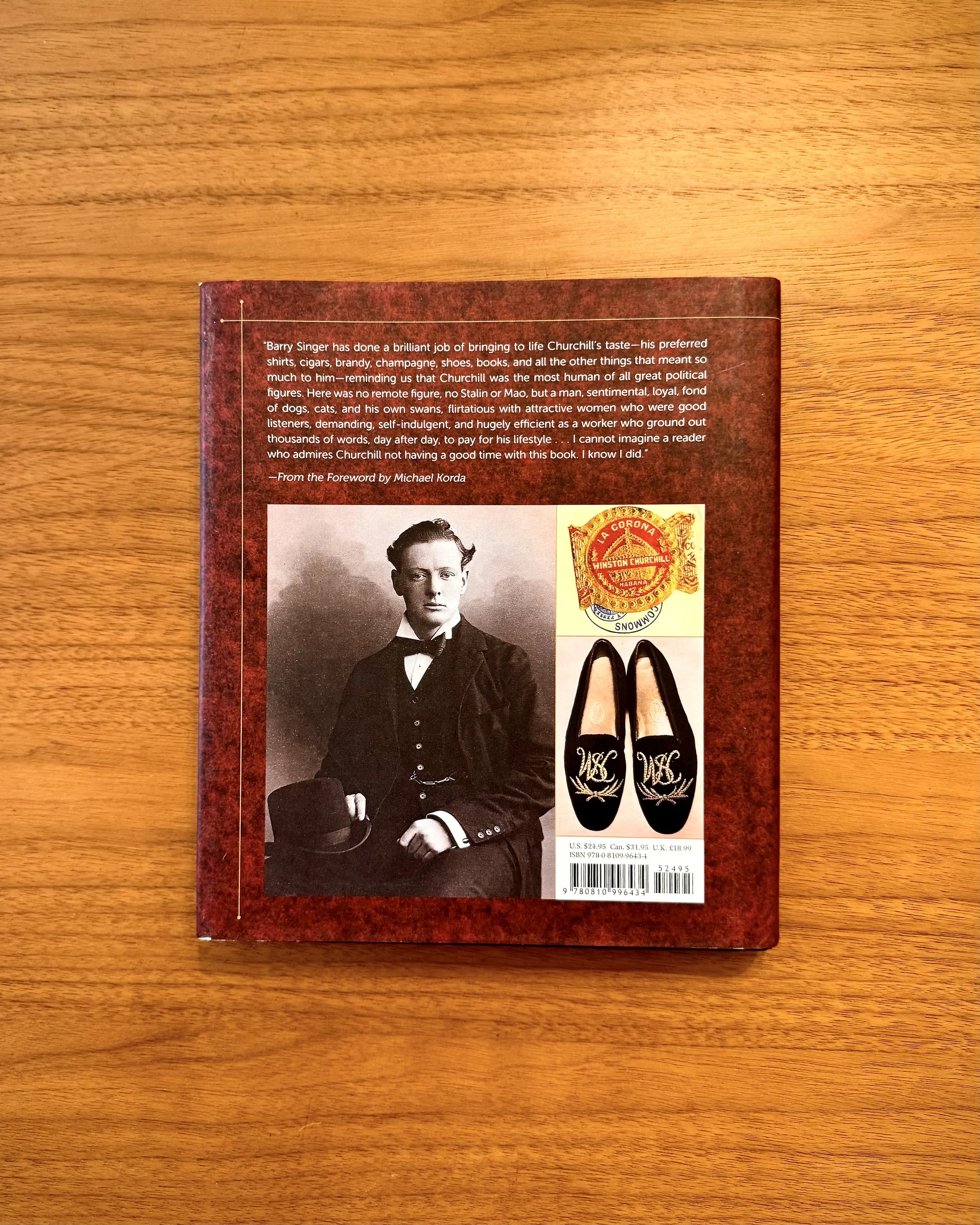
Barry Singer’s Churchill Style explores Winston Churchill’s life through the lens of his personal tastes, habits, and aesthetic choices, revealing how his clothing, food, drink, travel, and daily rituals shaped his public persona. By tracing the details of Churchill’s routines and preferences, Singer shows how style became both an extension of his character and a tool of leadership. The book blends biography, cultural history, and vivid anecdote to illuminate the man behind the statesman.
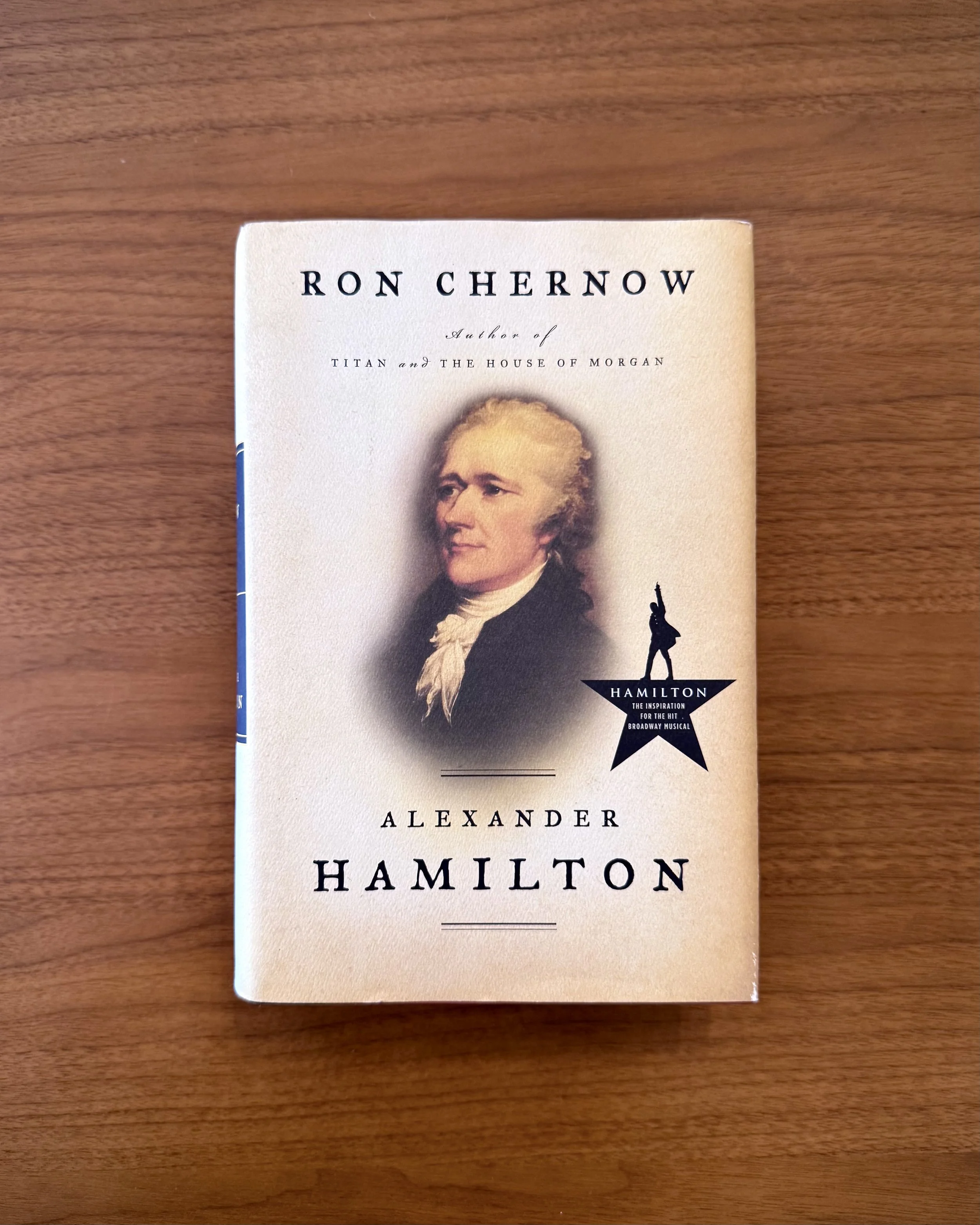
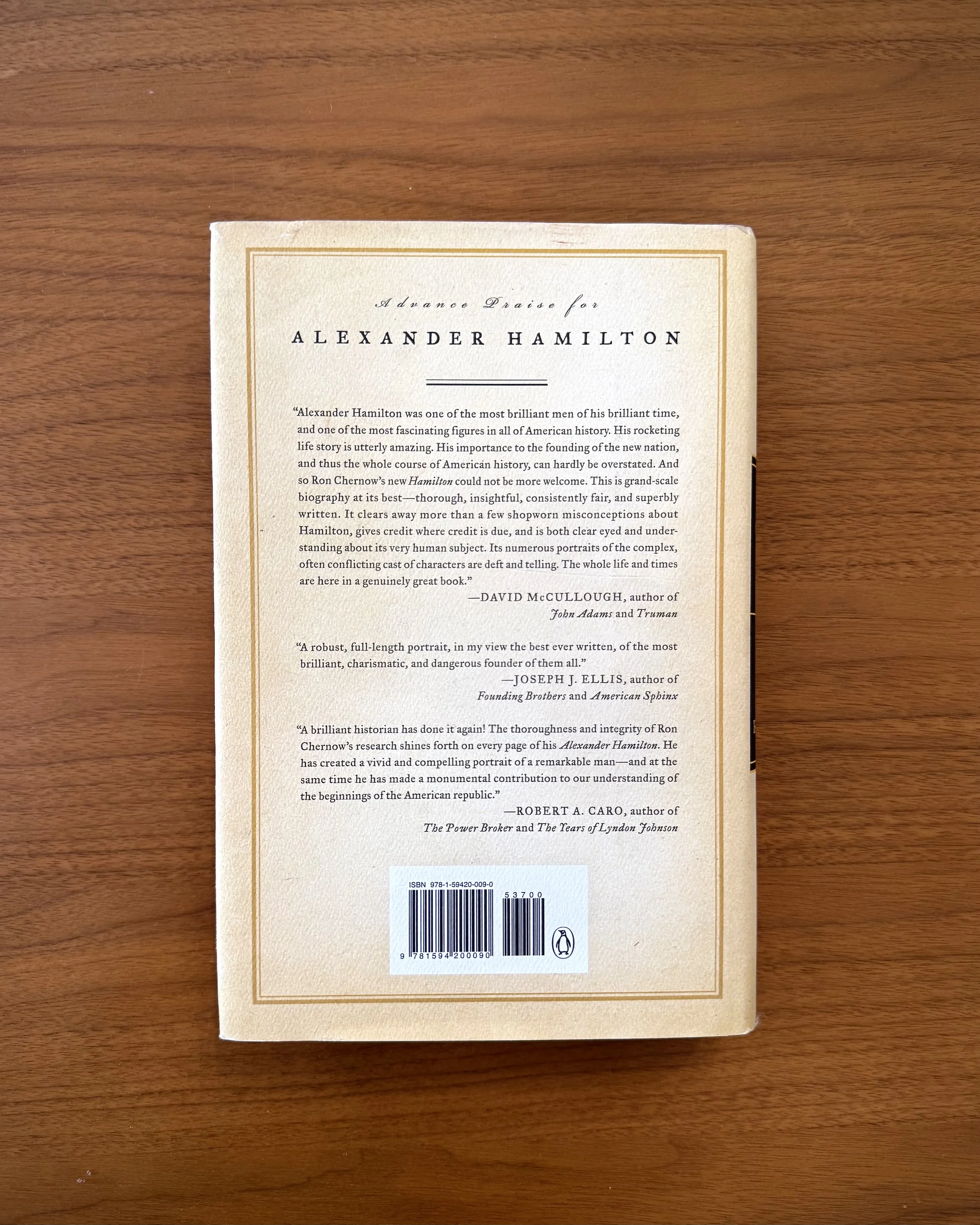
Ron Chernow’s Alexander Hamilton is a sweeping, deeply researched biography that follows Hamilton’s rise from a difficult childhood in the Caribbean to becoming one of the most influential architects of the United States. Chernow presents Hamilton as brilliant, driven, and often controversial—an immigrant whose intellect, ambition, and political vision helped shape the nation’s financial system, constitutional framework, and early government. The book blends personal history with the broader story of America’s founding, offering a vivid portrait of a complex statesman whose legacy continues to define the country.
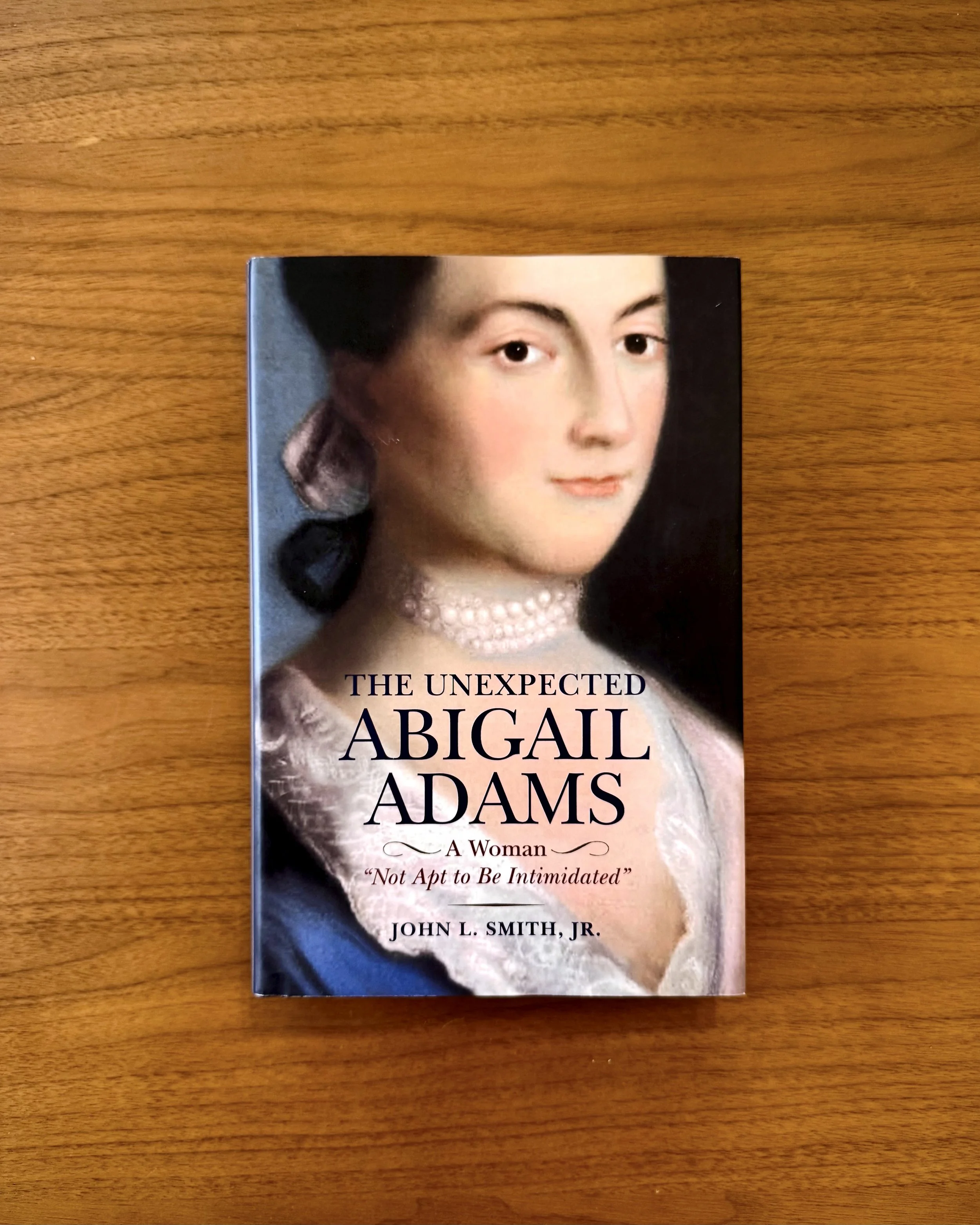
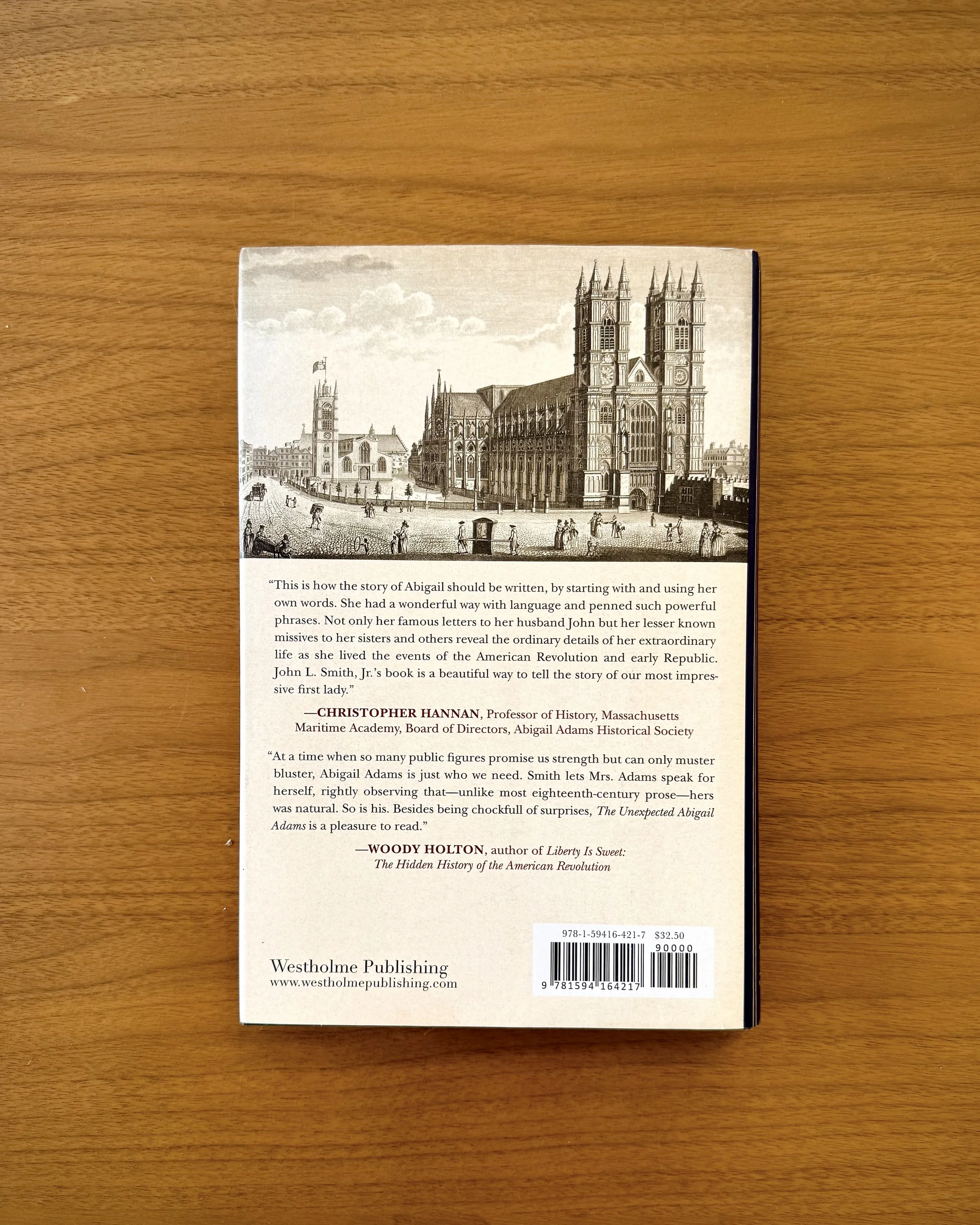
John L. Smith Jr.’s The Unexpected Abigail Adams is a deeply researched, vivid biography that reframes Abigail Adams not merely as the wife of a Founding Father but as a political thinker, shrewd manager, and influential voice in the early American republic. Drawing on more than 2,000 of her letters, Smith reconstructs Abigail’s life across five major eras—her Massachusetts upbringing, the Revolution, her diplomatic years in Europe, her time as Second Lady and First Lady, and her lasting legacy. The portrait that emerges is of a woman with formidable intellect, strong views on women’s rights and education, and a partnership with John Adams that was unusually equal for its time.
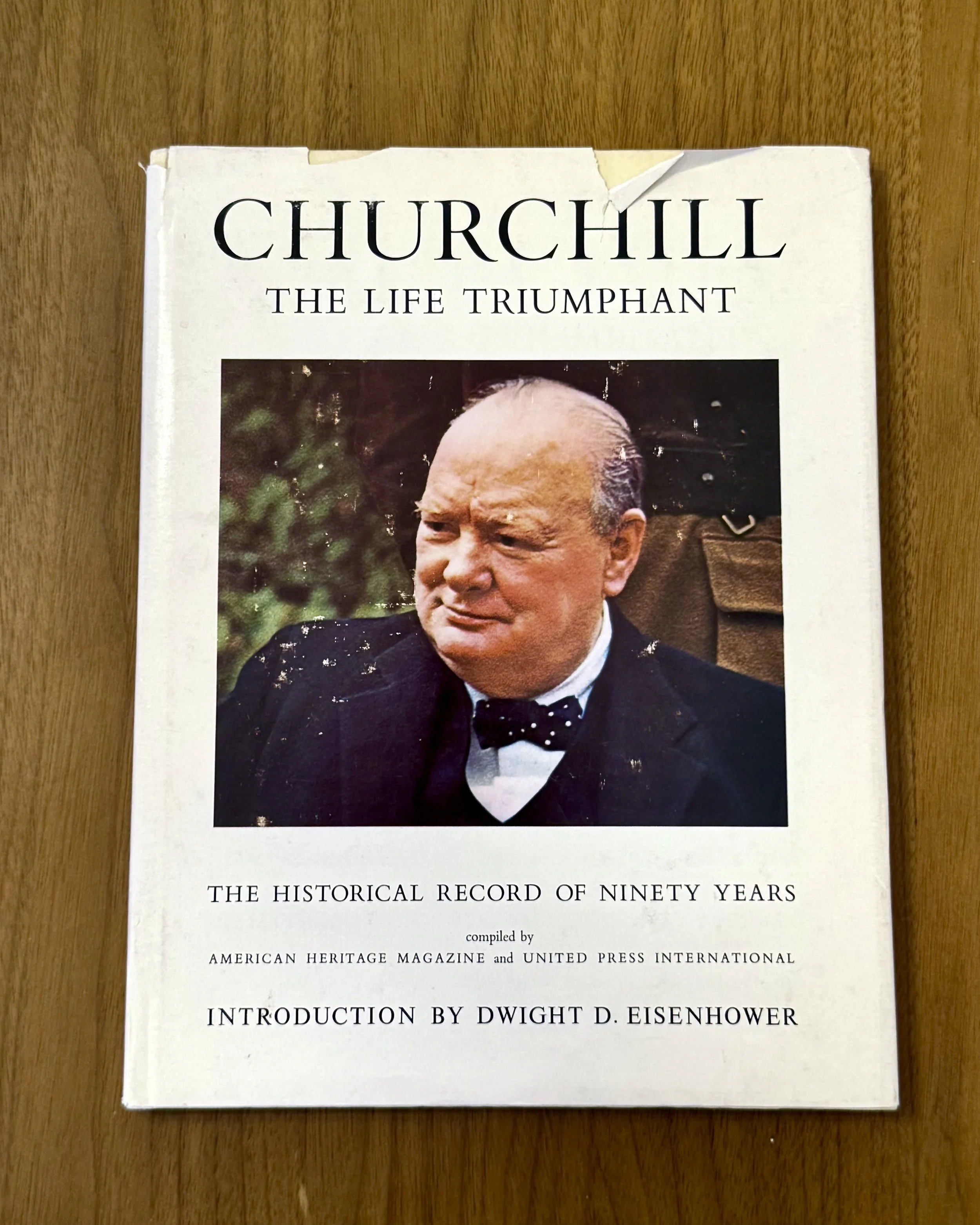
Churchill: The Life Triumphant is a concise retrospective that highlights Winston Churchill’s resilience, political instincts, and wartime leadership. Published shortly after his death in 1965, the volume presents him as a statesman whose personal courage and rhetorical brilliance shaped Britain’s survival in its darkest hours. Rather than offering deep archival revisionism, the book utilizes vivid imagery and narrative reporting to focus on Churchill’s character, strategic vision, and public presence, offering a portrait that emphasizes triumph, determination, and the making of a national hero.
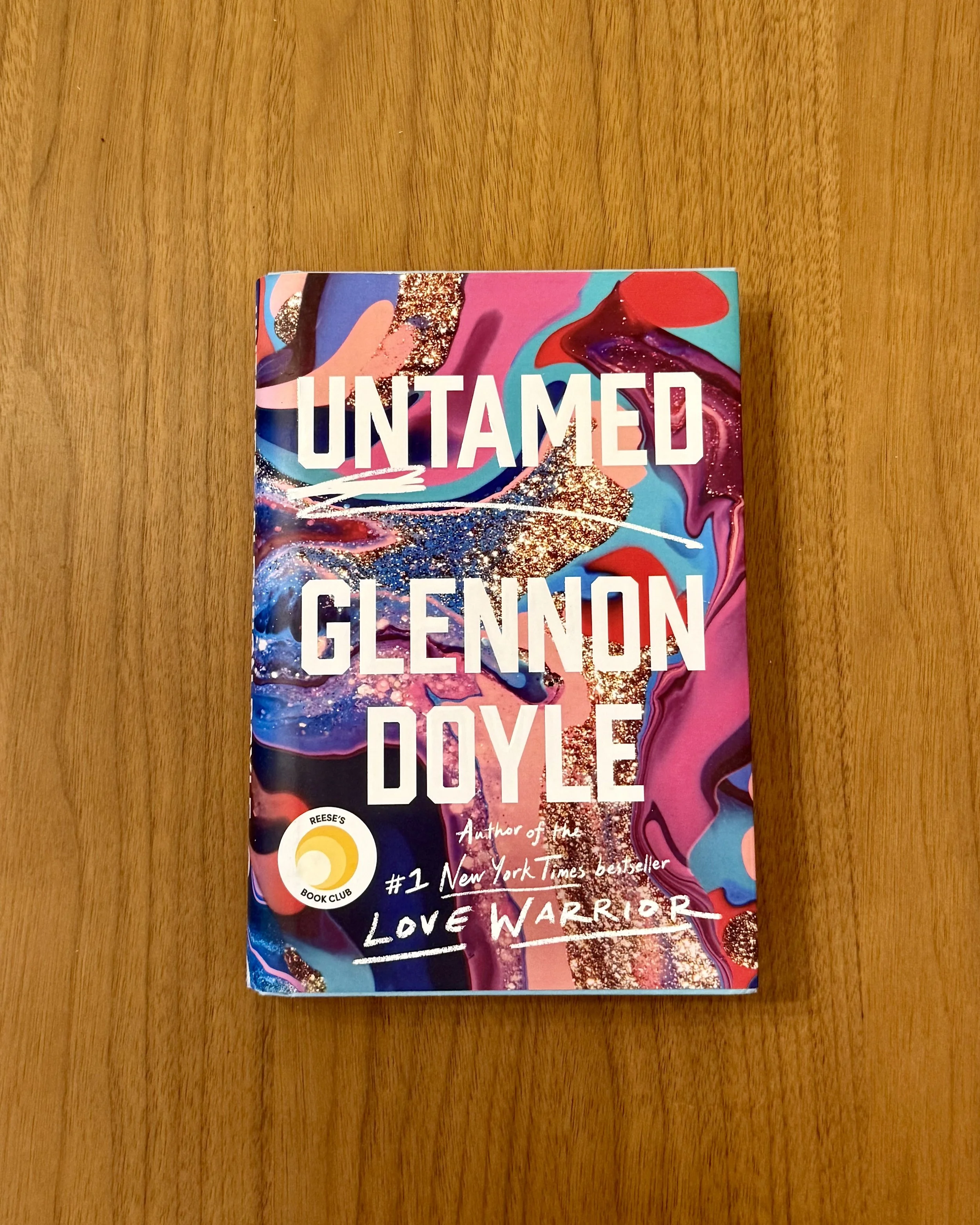
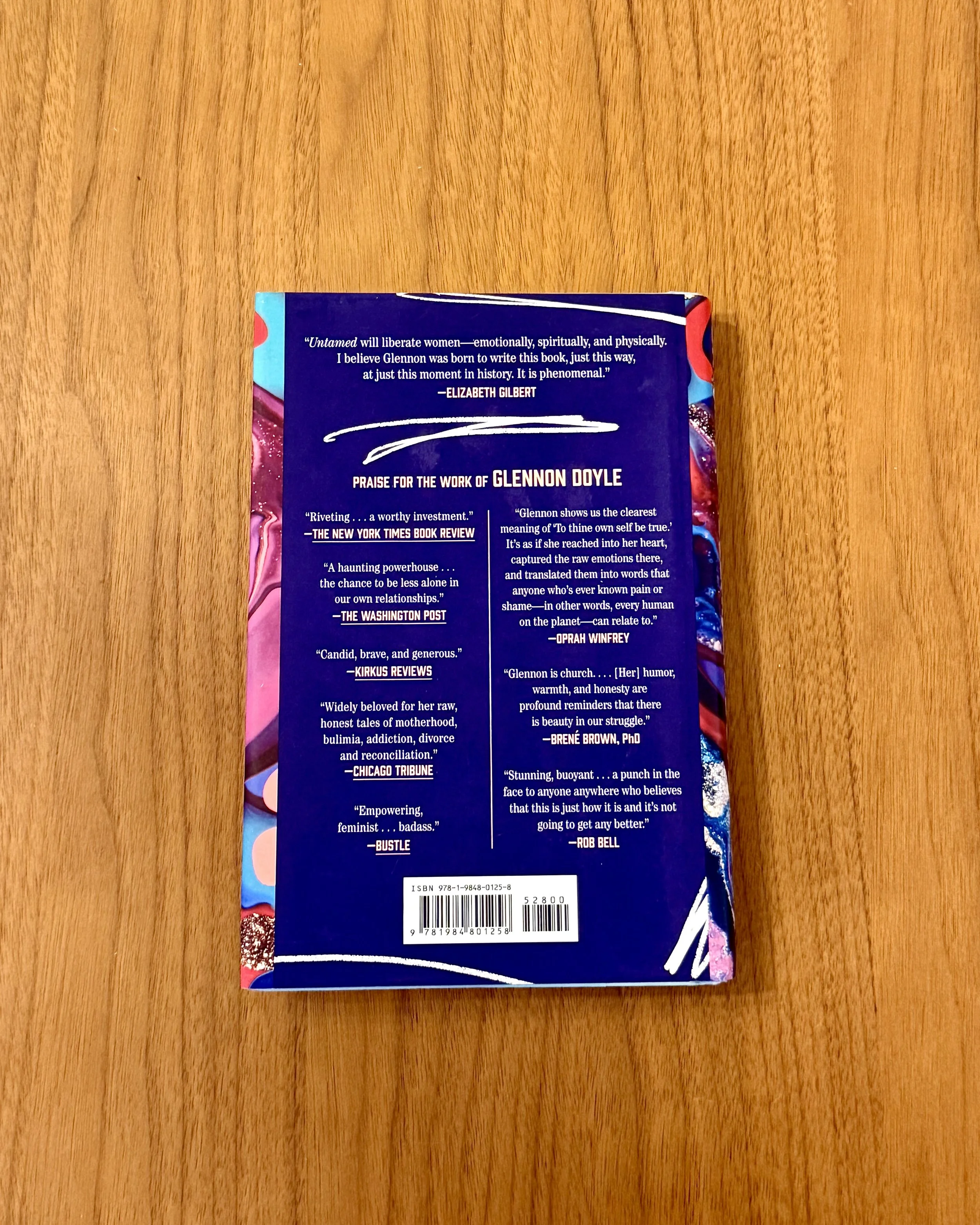
Glennon Doyle’s Untamed is a memoir‑manifesto about breaking free from the expectations, roles, and self‑silencing that women are taught to internalize, and learning instead to trust one’s own instincts, desires, and inner voice. Through personal stories, cultural critique, and sharp emotional insight, Doyle argues that much of what we call “goodness” is really social conditioning—and that a more honest, liberated life begins when we stop trying to be what the world wants and start becoming who we actually are.
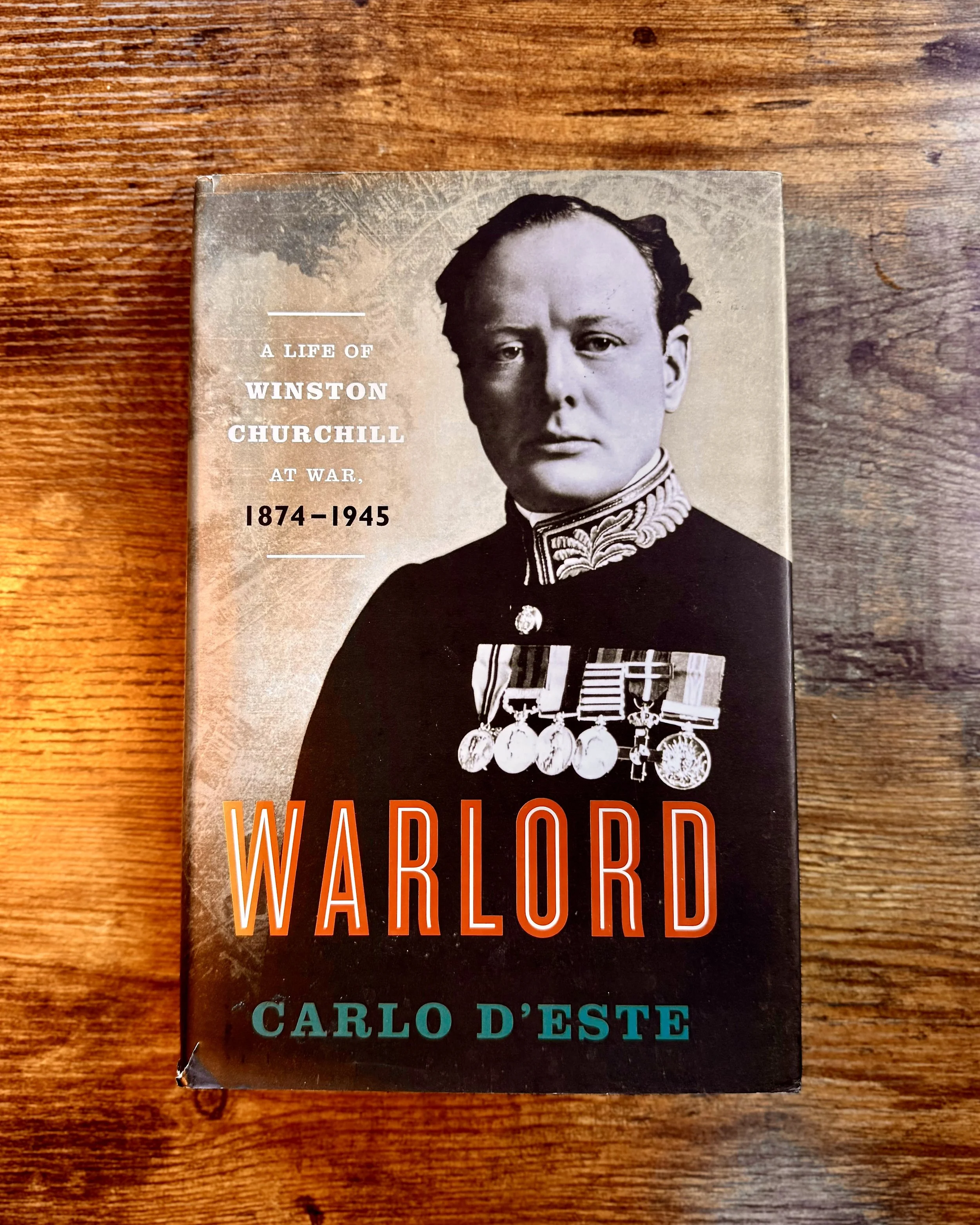
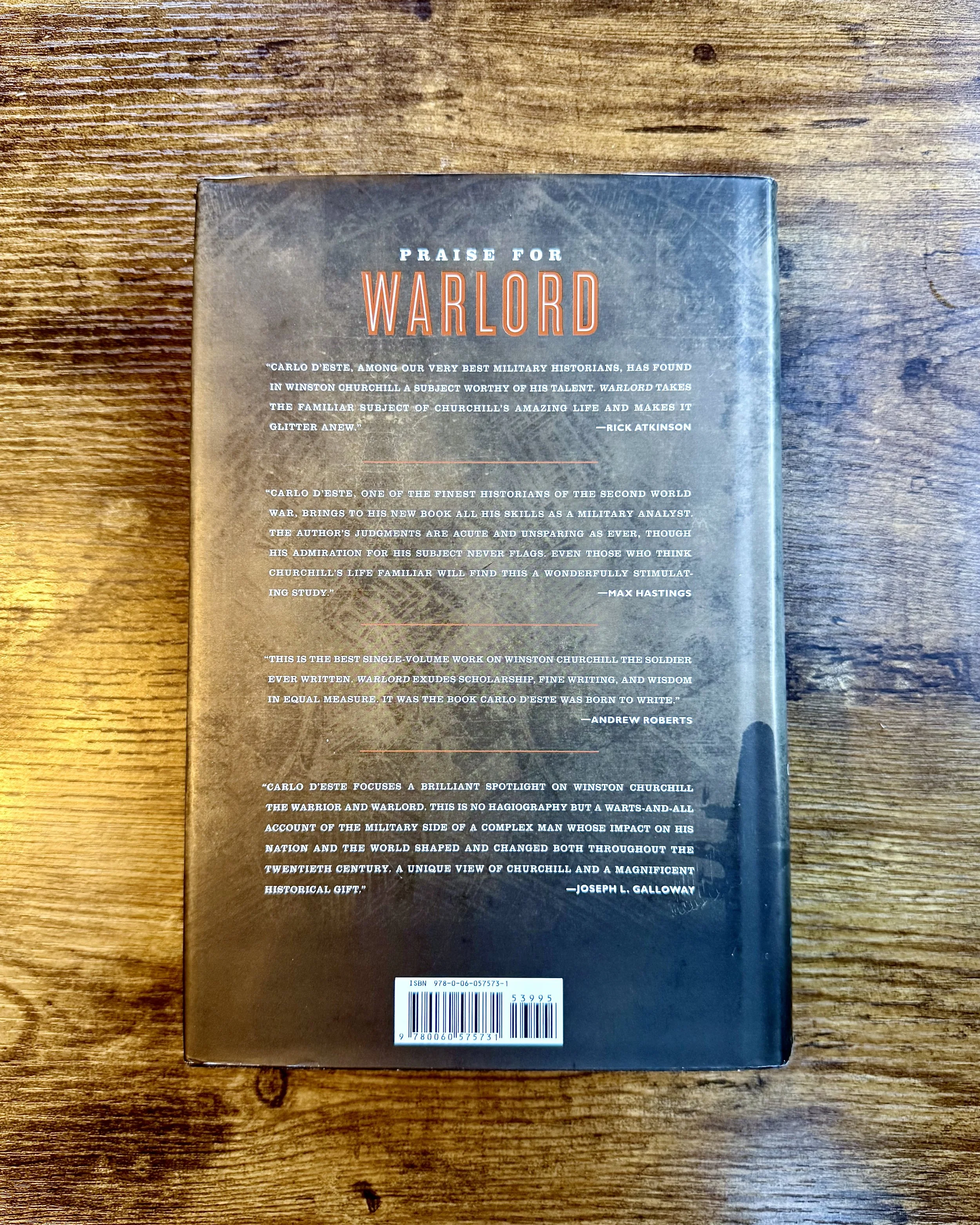
Carlos D’Este’s Warlord: A Life of Winston Churchill at War, 1874–1945 is a military‑focused biography that examines Churchill primarily through the lens of strategy, command, and wartime leadership. D’Este portrays Churchill as a brilliant but often impulsive figure whose bold ideas, deep historical knowledge, and relentless energy shaped Britain’s war effort—while also highlighting his misjudgments, strategic gambles, and the tensions he created with generals and allies. The result is a portrait of Churchill as a complex, force‑driven wartime leader rather than a conventional political statesman.
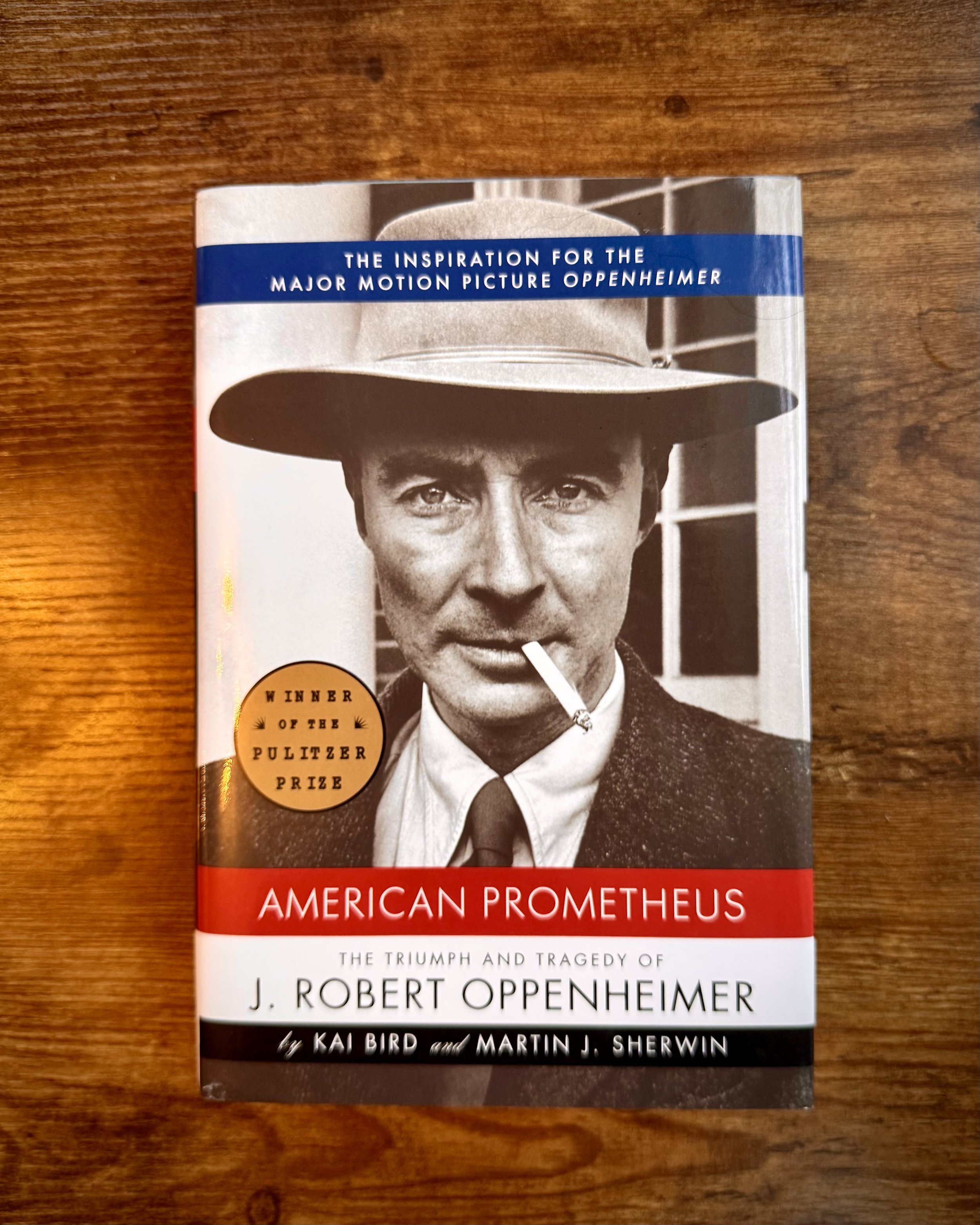
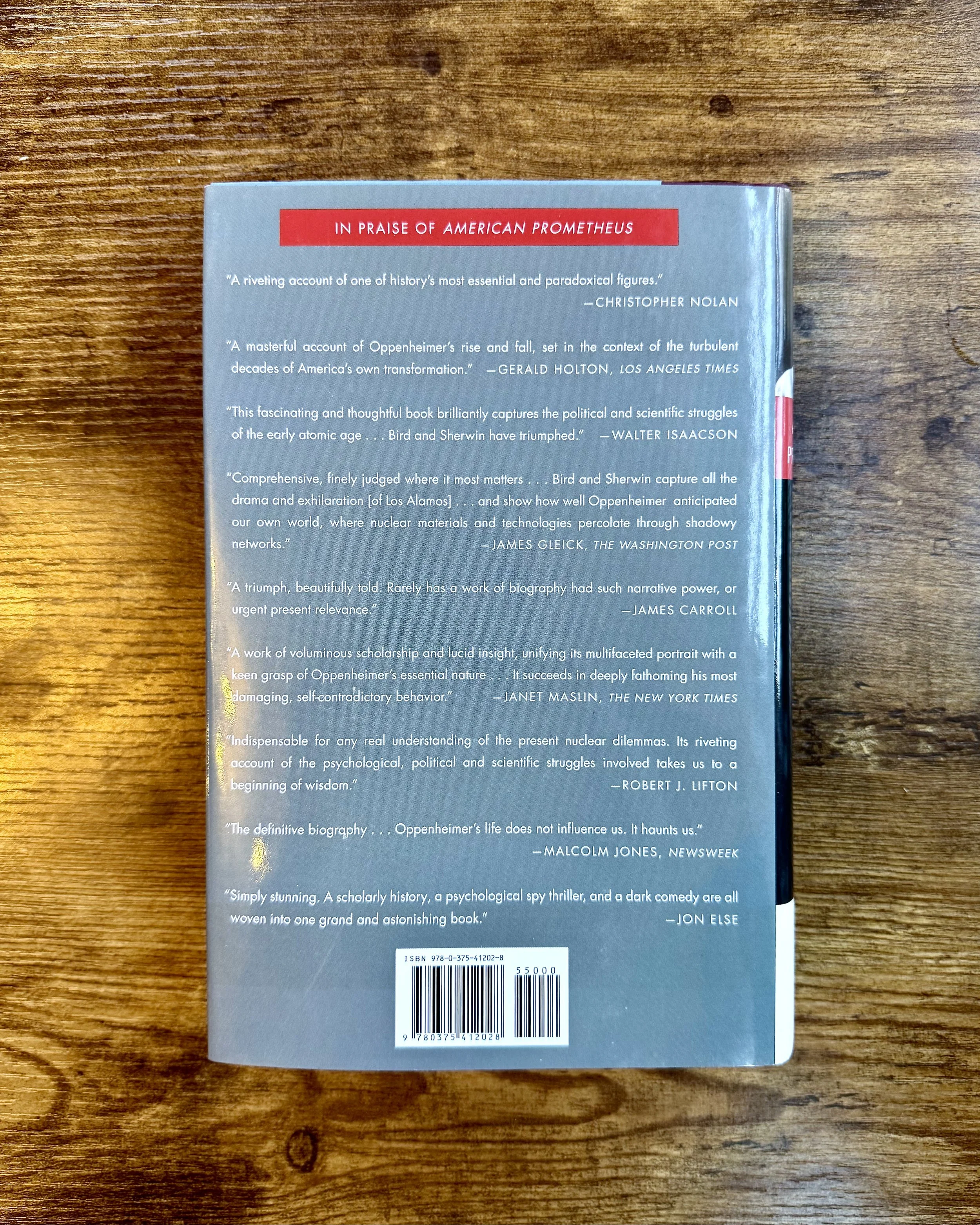
Kai Bird and Martin J. Sherwin’s American Prometheus: The Triumph and Tragedy of J. Robert Oppenheimer is a sweeping, deeply researched biography tracing Oppenheimer’s rise as a brilliant physicist, his leadership of the Manhattan Project, and his eventual political downfall during the Red Scare. Drawing on decades of archival work, the authors portray him as a gifted, conflicted figure—both the architect of the atomic bomb and a man haunted by its consequences.
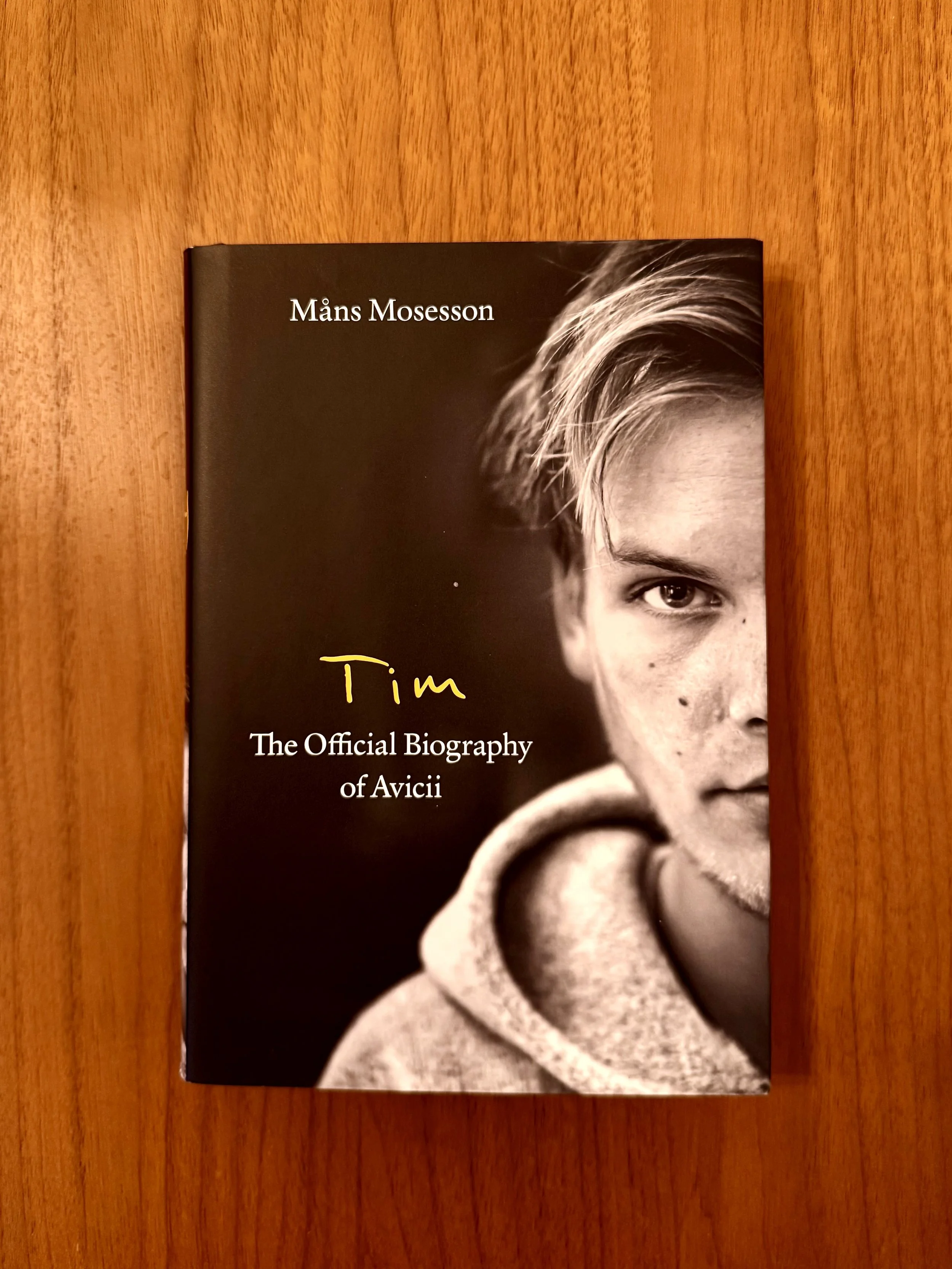
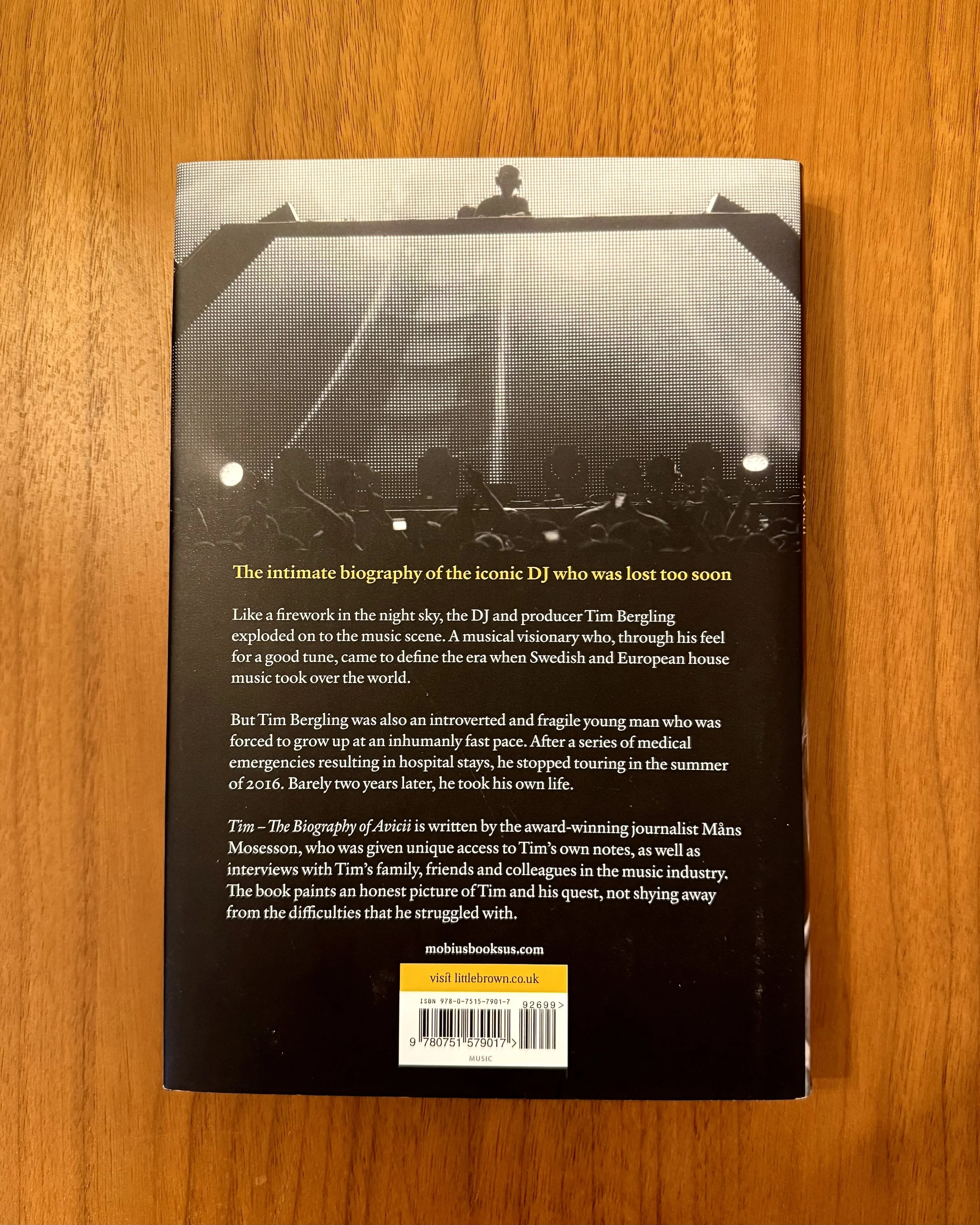
Tim by Måns Mosesson is a deeply reported portrait of Tim Bergling (Avicii), tracing his musical innovation, rapid rise, and personal struggles. Through interviews and Bergling’s own notes, Mosesson offers a compassionate look at a brilliant artist under immense pressure.
Michael’s Review: This brief biography provides rare insights into what made Avicii (1) an innovative artist but also (2) someone who struggled deeply with his mental health.
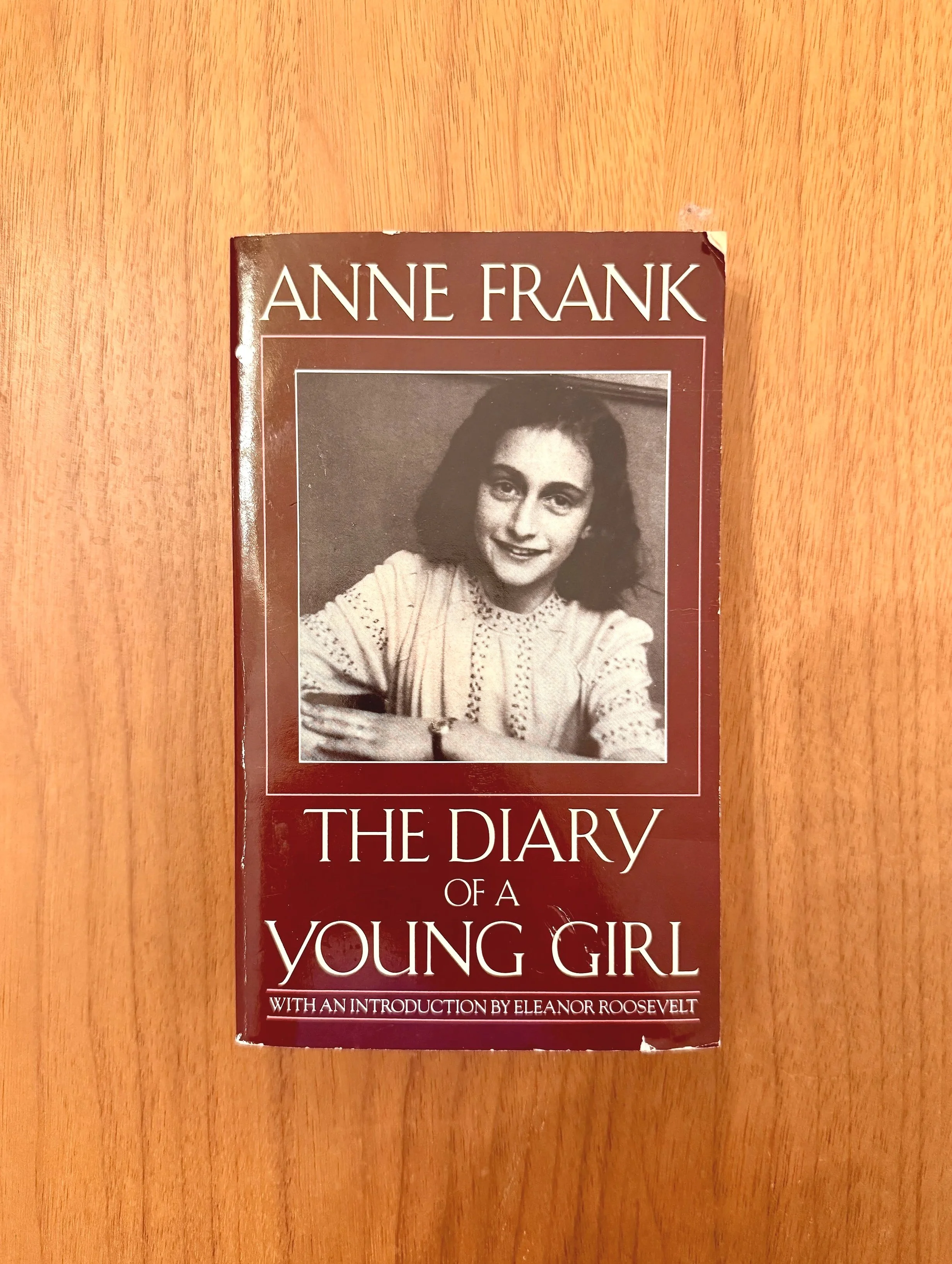
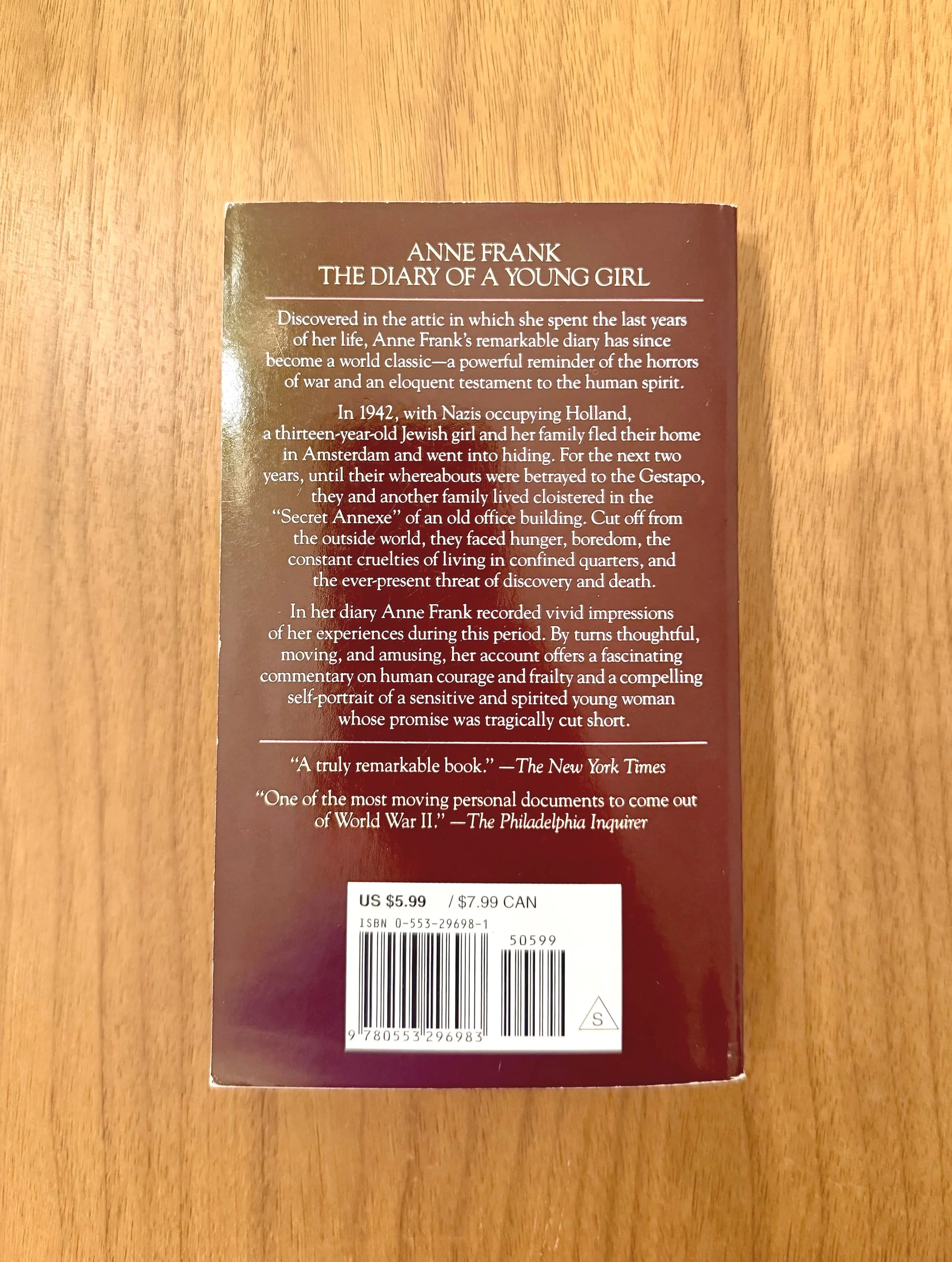
The Diary of a Young Girl by Anne Frank presents the intimate, day‑to‑day reflections of a Jewish teenager hiding with her family in an Amsterdam attic during the Nazi occupation. Through her sharp observations, fears, hopes, and moments of unexpected humor, Anne captures the resilience of a young mind determined to find meaning in a world collapsing around her. Her diary endures as a powerful testament to courage, humanity, and the cost of hatred.
No results match your search. Try removing a few filters.
My Body by Emily Ratajkowski is a candid, incisive collection of essays in which Emily Ratajkowski examines the forces that have shaped her relationship to beauty, power, and self‑worth. Moving between personal history and cultural critique, she unpacks the complexities of being celebrated, commodified, and scrutinized in the public eye. Her reflections explore autonomy, desire, exploitation, and the uneasy bargains women are often asked to make. A compelling pick for readers interested in sharp, intimate writing about identity, feminism, and the cost of visibility.