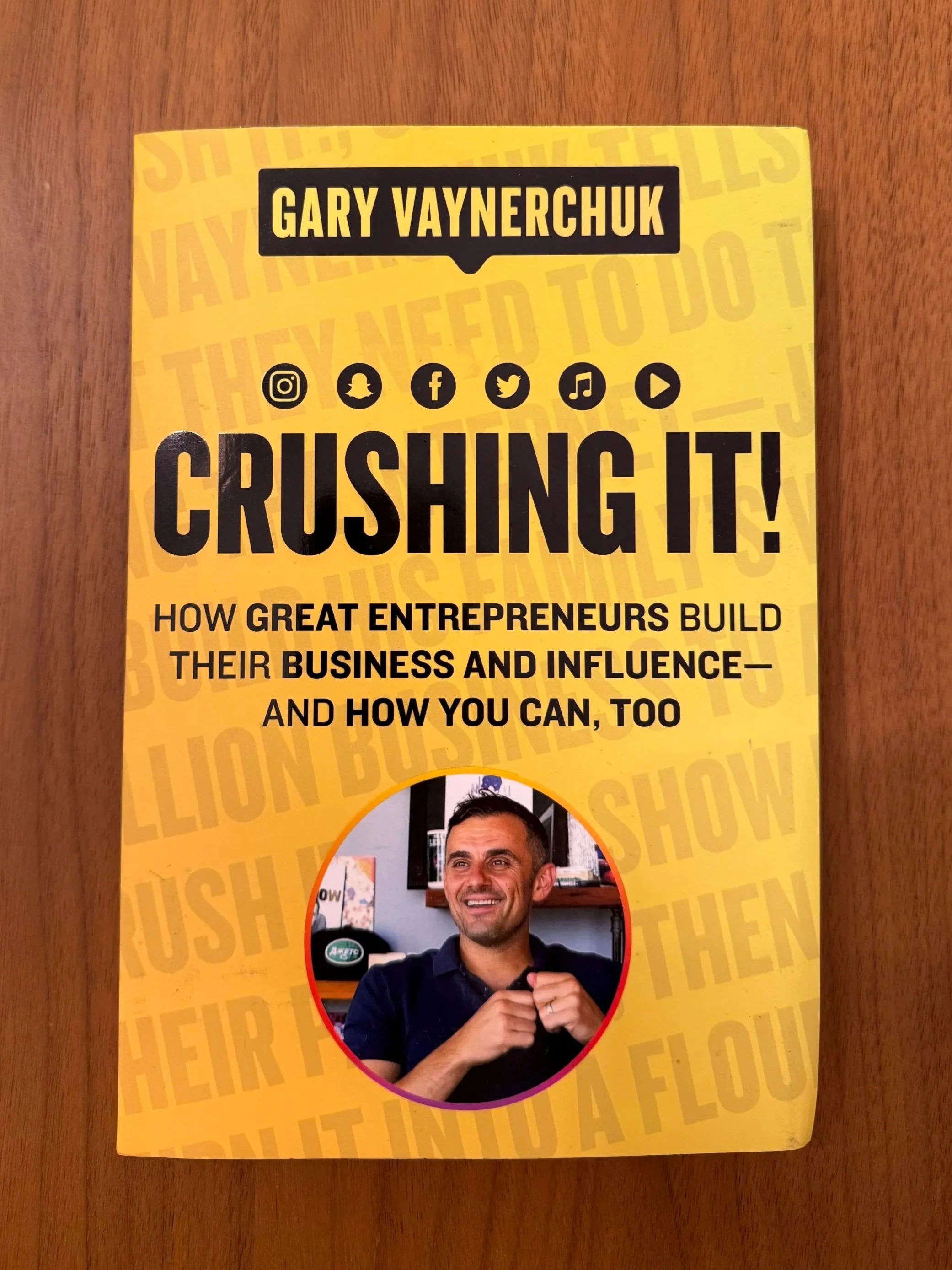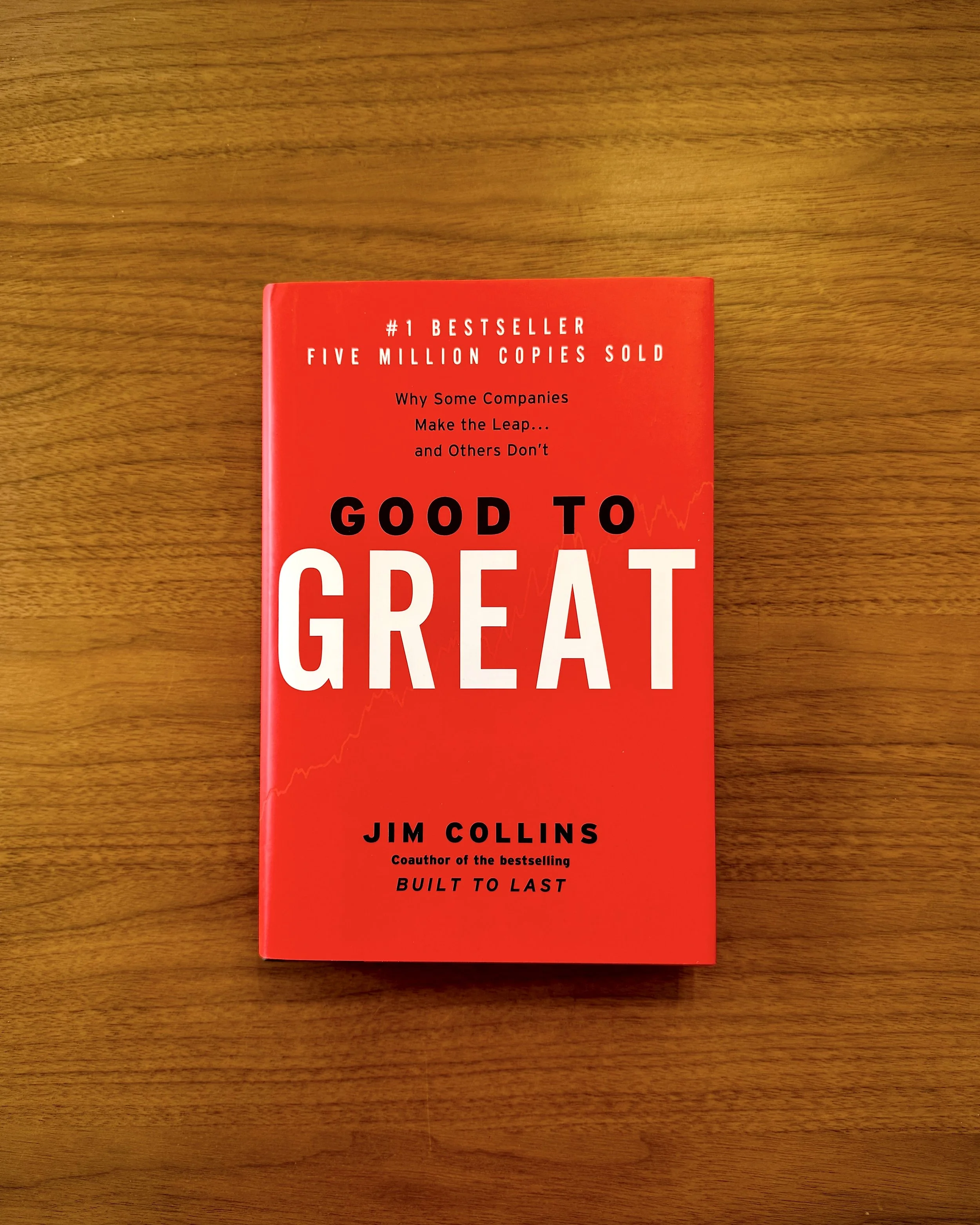
Jim Collins’s Good to Great is a landmark management study that investigates why a handful of companies make the rare leap from long‑term mediocrity to sustained excellence. Drawing on a five‑year research project comparing “great” companies to their merely “good” counterparts, Collins identifies the disciplined leadership, strategic focus, and cultural rigor that consistently separate breakthrough performers from the rest. Both analytical and deeply practical, the book distills these findings into a clear framework that has become one of the most influential playbooks for organizational transformation.
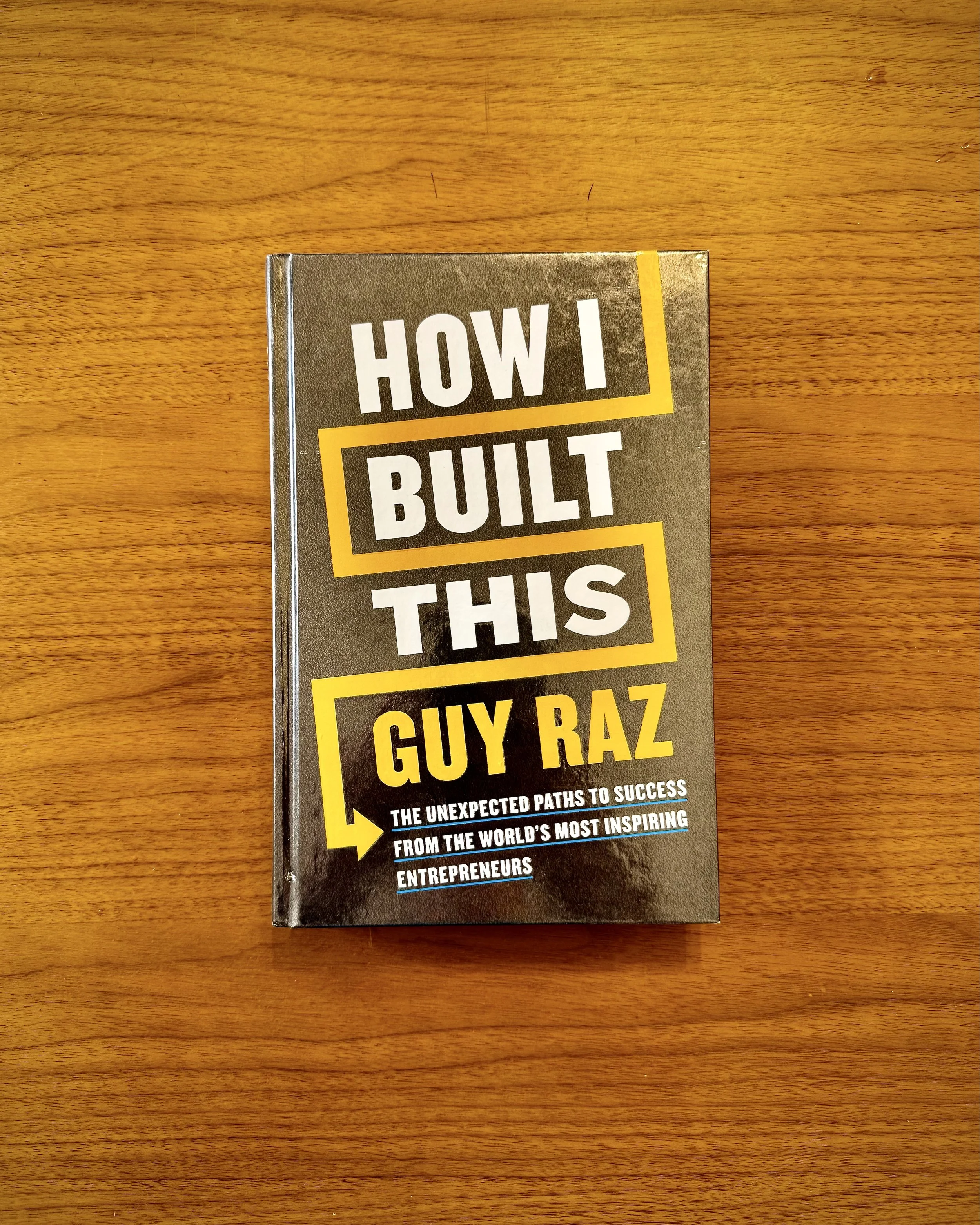
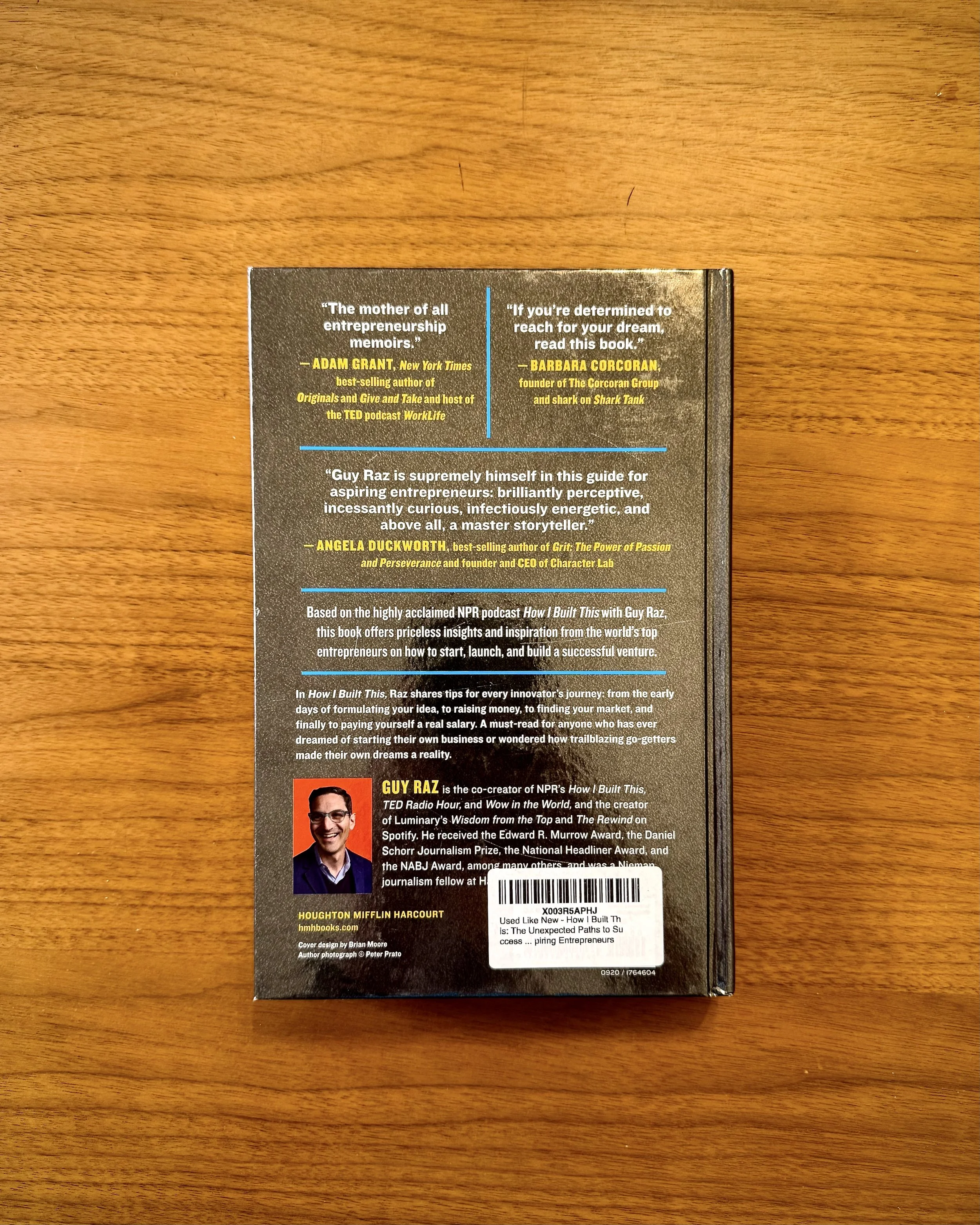
Guy Raz’s How I Built This distills lessons from hundreds of interviews with entrepreneurs who turned ideas into influential companies, revealing the patterns, mindsets, and turning points that shaped their journeys. Through stories of risk, resilience, and unexpected breakthroughs, Raz highlights how founders navigate uncertainty, failure, and the messy realities behind success. The book offers an accessible blueprint for creative problem‑solving and entrepreneurial thinking, grounded in real‑world experience rather than theory.
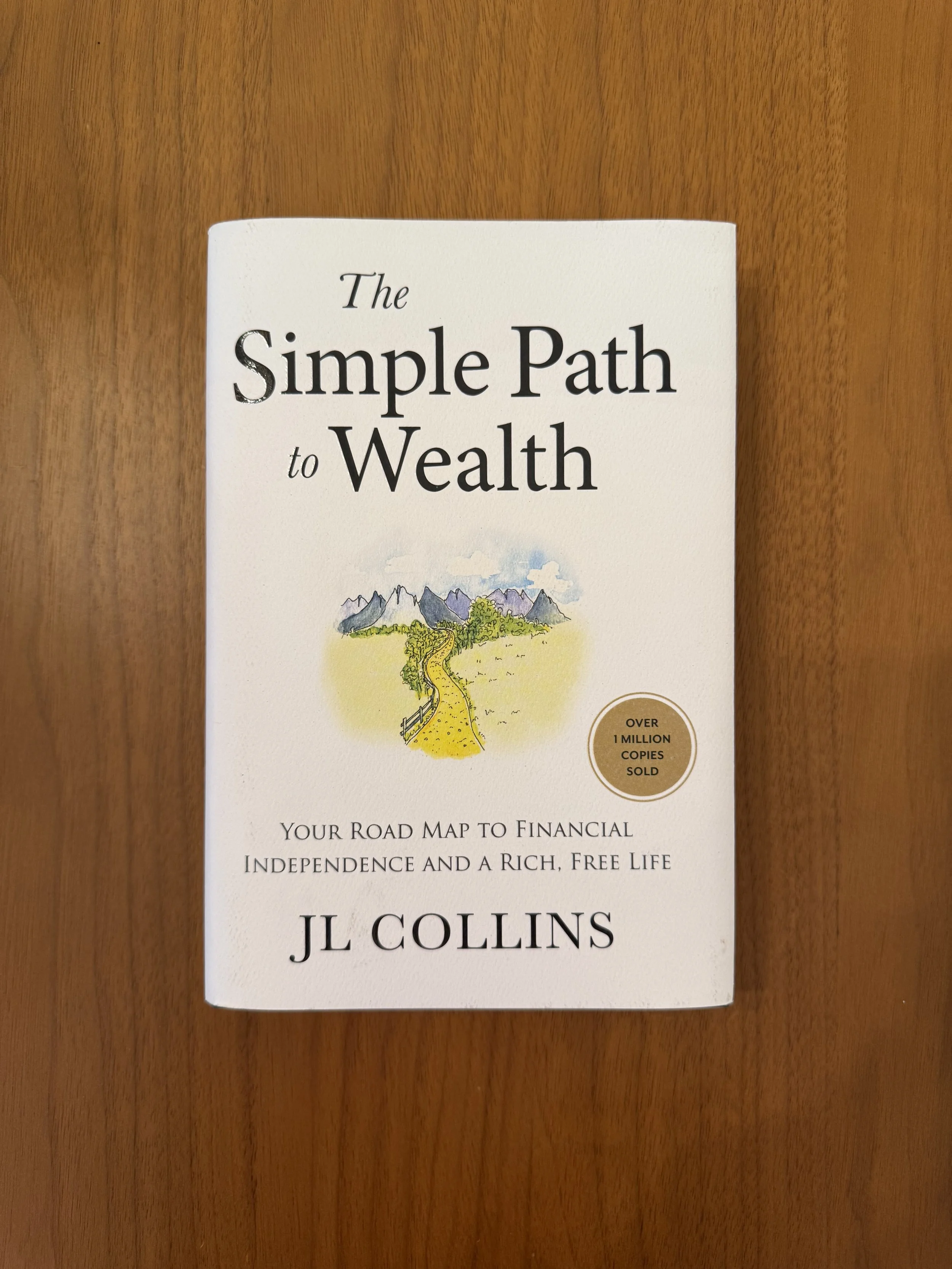
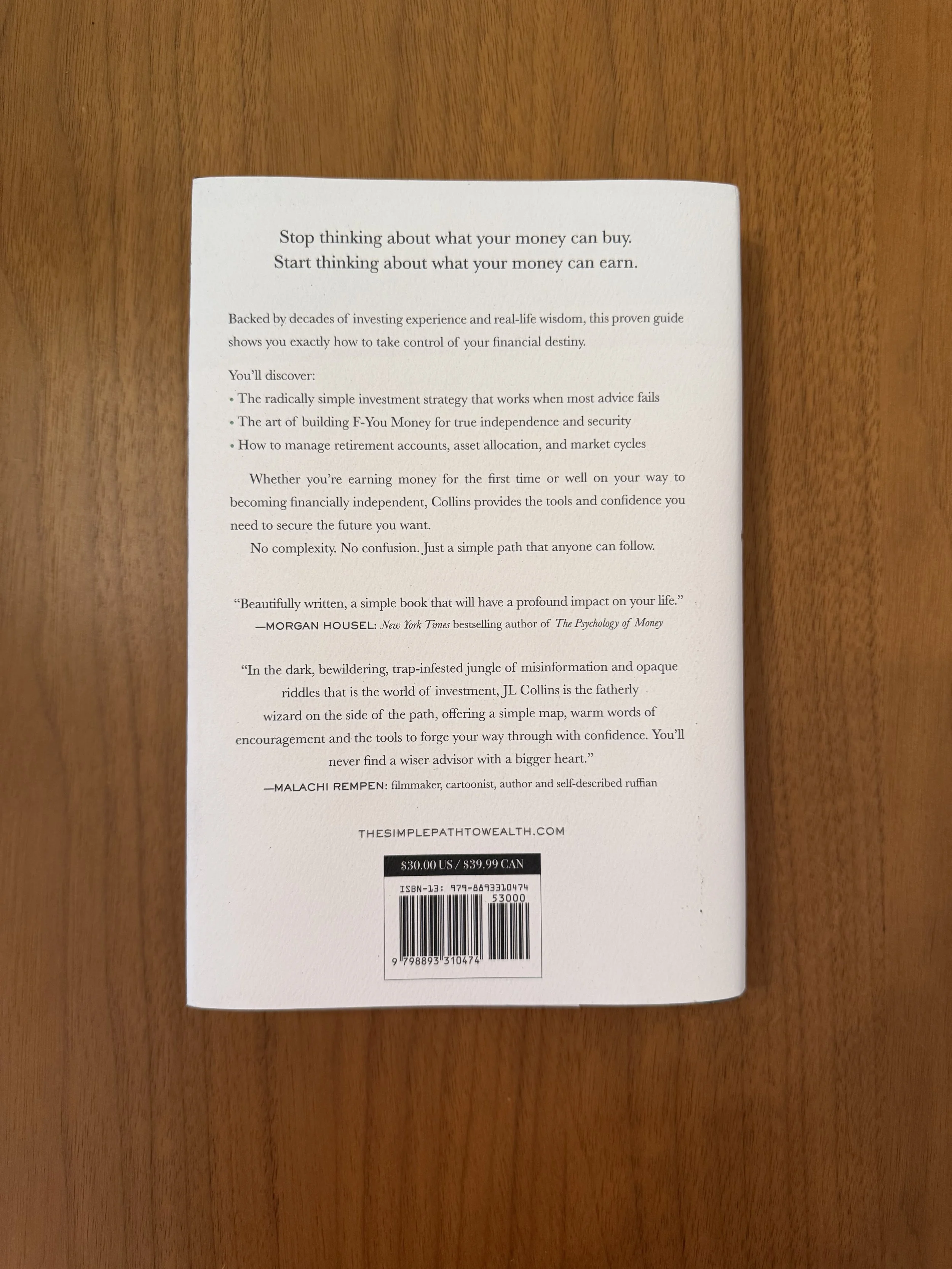
JL Collins’s The Simple Path to Wealth distills decades of investing experience into a clear, no‑nonsense roadmap for building financial independence. Written as a series of letters to his daughter, the book argues that long‑term wealth comes from living below your means, avoiding debt, and investing consistently in broad‑based index funds. Collins explains why the stock market is a powerful wealth‑building engine, how to think about risk, why fees quietly destroy returns, and how simplicity beats complexity in nearly every financial scenario. The result is a calm, practical guide to achieving freedom through disciplined, low‑cost investing.
Michael’s Review: The Simple Path to Wealth by JL Collins provides brief, easy-to-follow investment advice to grow personal wealth. This book is particularly helpful for recent college graduates who are beginning their investment journey.
Stars: 3.5/5
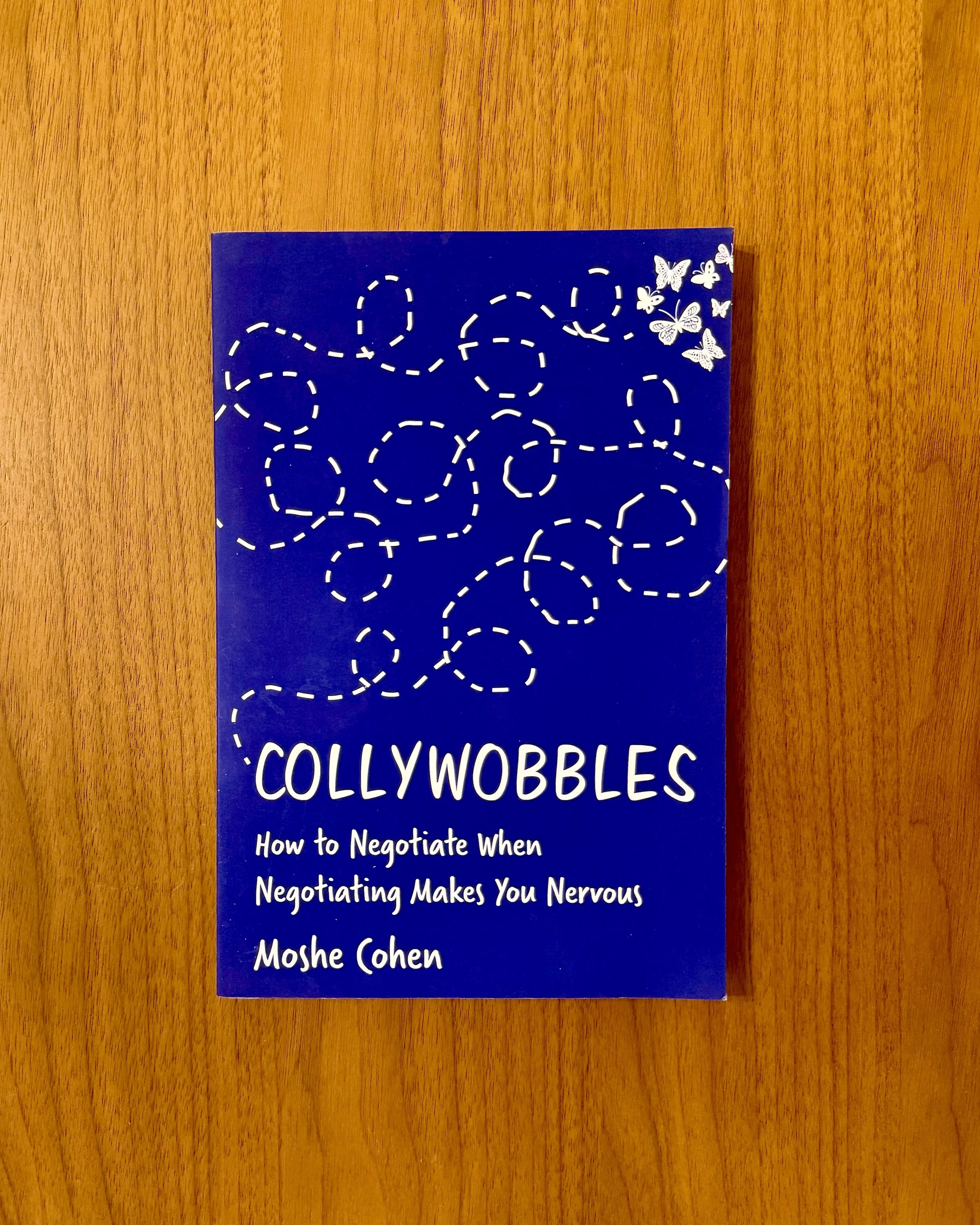
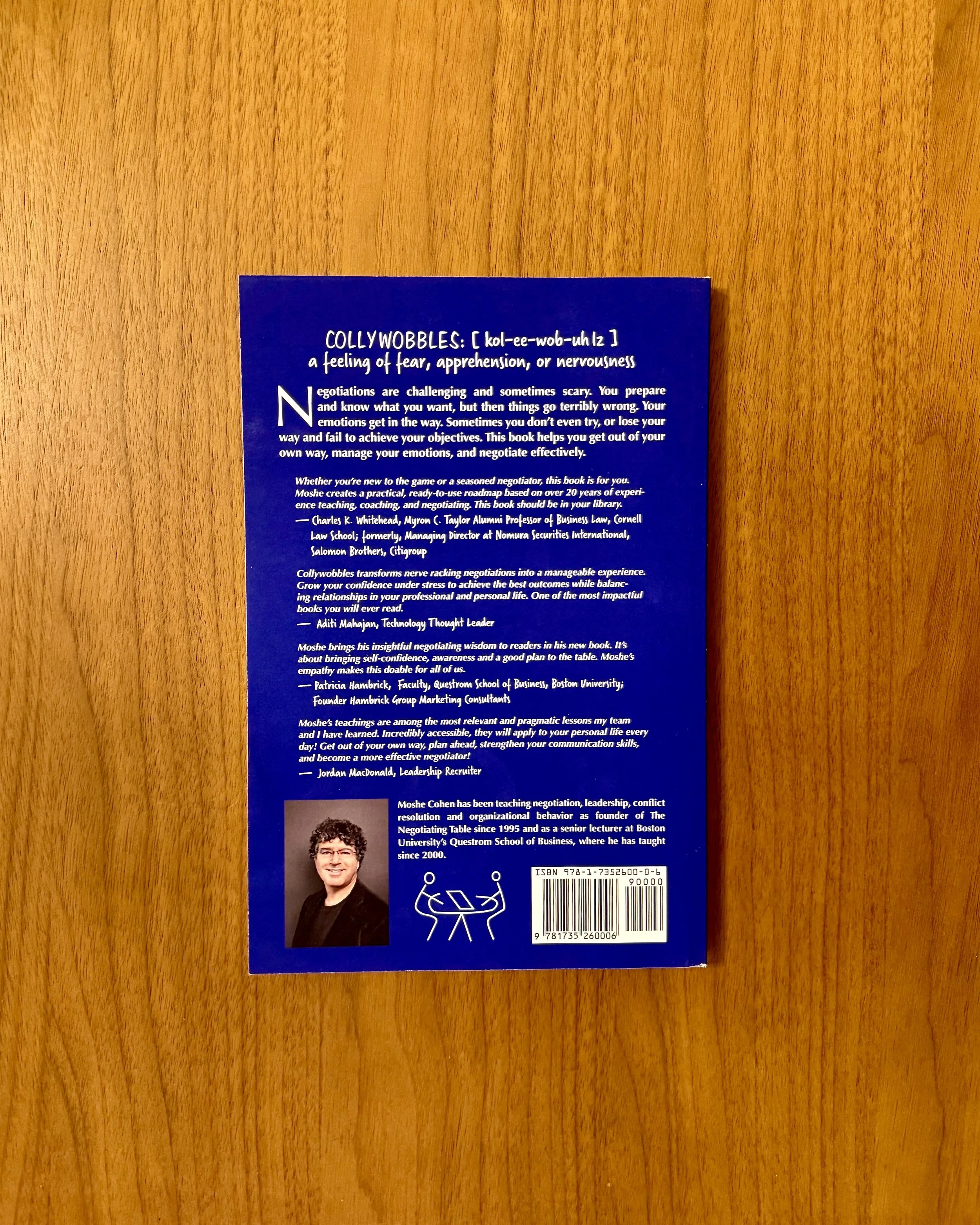
Collywobbles: How to Negotiate When Negotiation Makes You Nervous by Moshe Cohen is a practical, psychology‑driven guide for people who feel anxious, intimidated, or overwhelmed in negotiation settings. Cohen breaks down why negotiation triggers physical and emotional discomfort, then offers clear, repeatable strategies for preparing, managing nerves, communicating effectively, and staying grounded under pressure. Blending behavioral science with real‑world examples, the book helps readers build confidence, reduce fear, and approach negotiations with calm, clarity, and a sense of control.
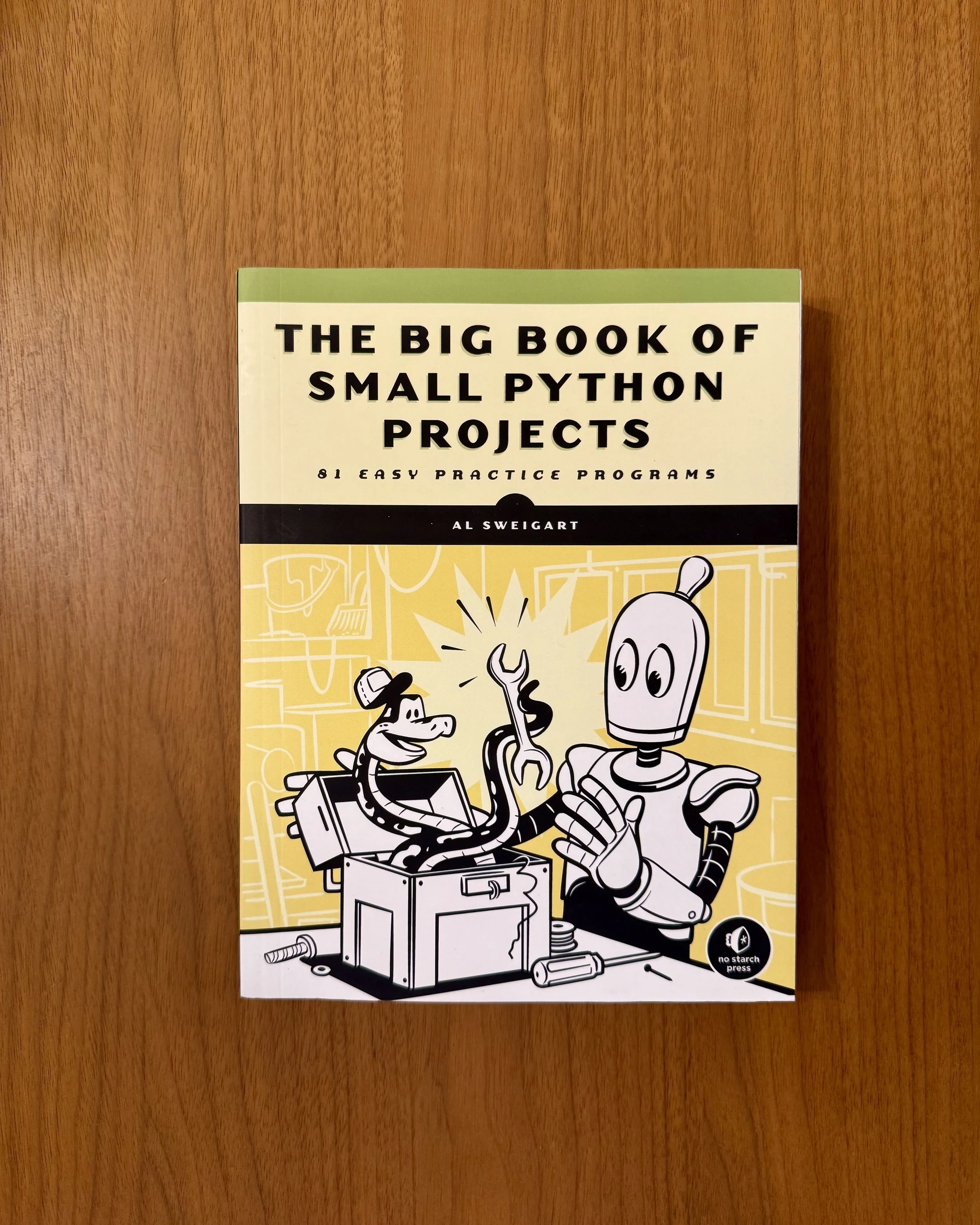
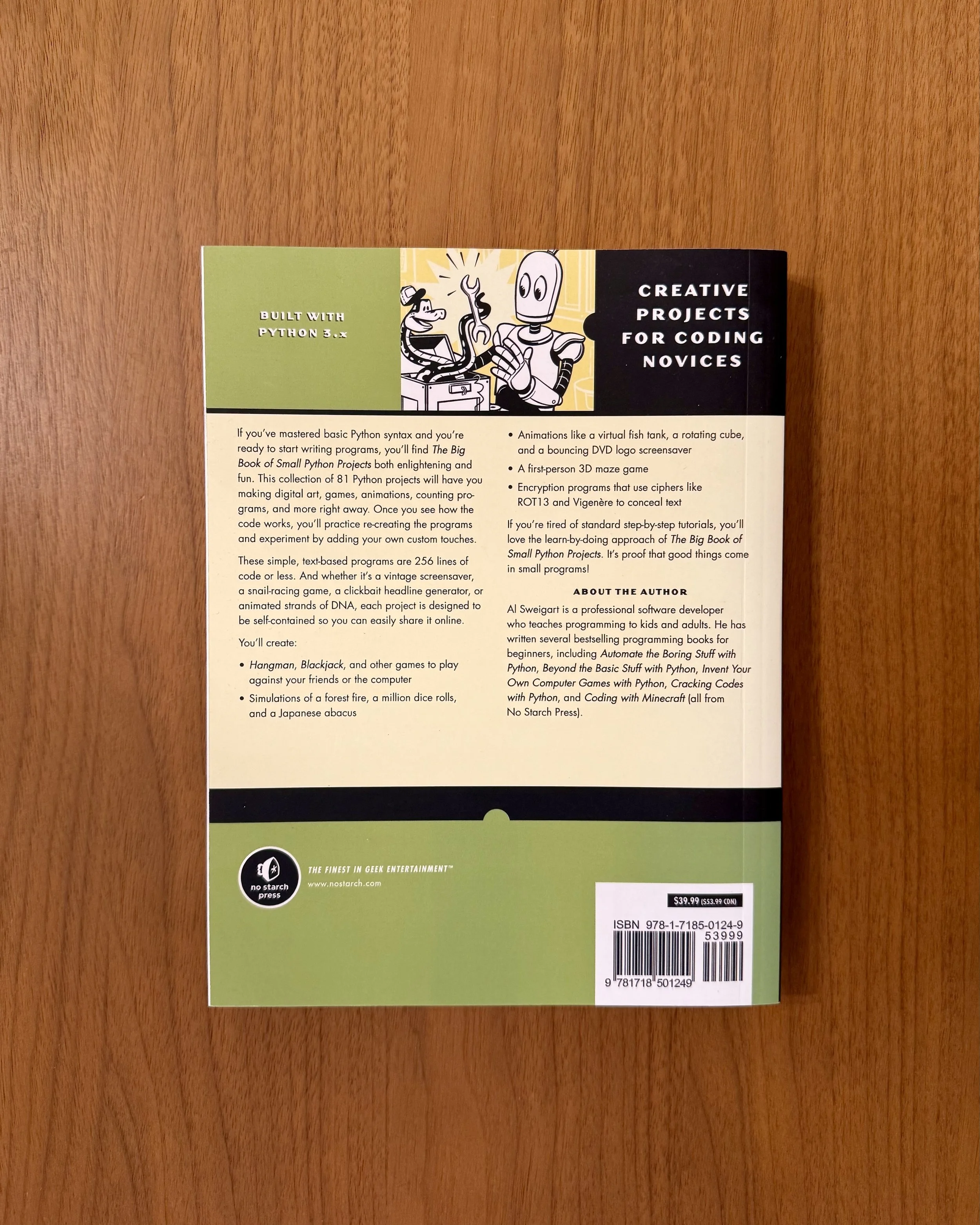
The Big Book of Small Python Projects by Al Sweigart is a hands-on collection of 81 practical, beginner-friendly Python programs designed to teach coding through tinkering and experimentation. Rather than utilizing traditional step-by-step tutorials, the book provides complete, self-contained source code (under 256 lines each) for games, simulations, animations, and text utilities. By practicing copying, running, and modifying these real, working applications, new programmers can strengthen core concepts, improve problem-solving abilities, and gain confidence through a pure learn-by-doing approach.
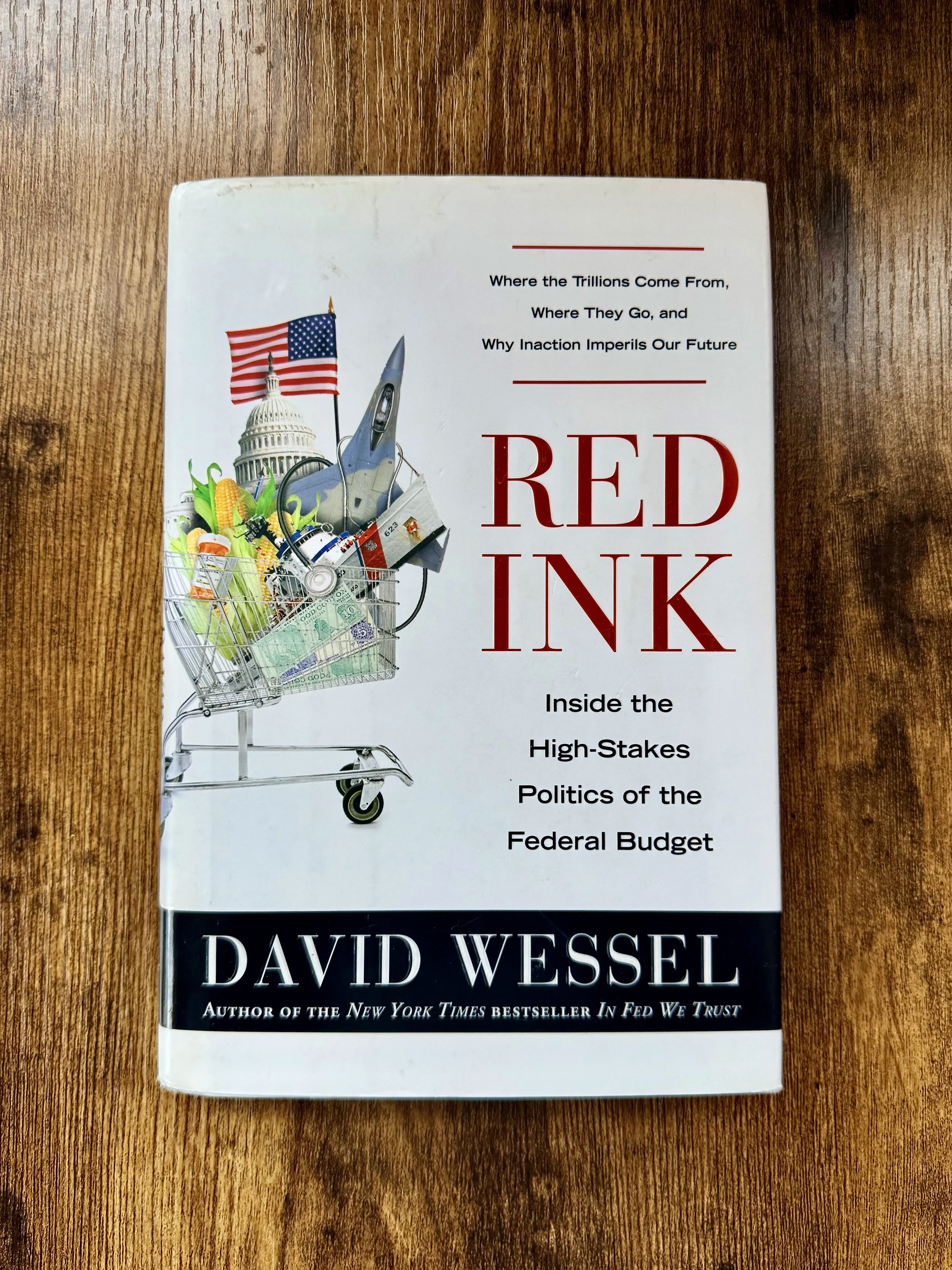
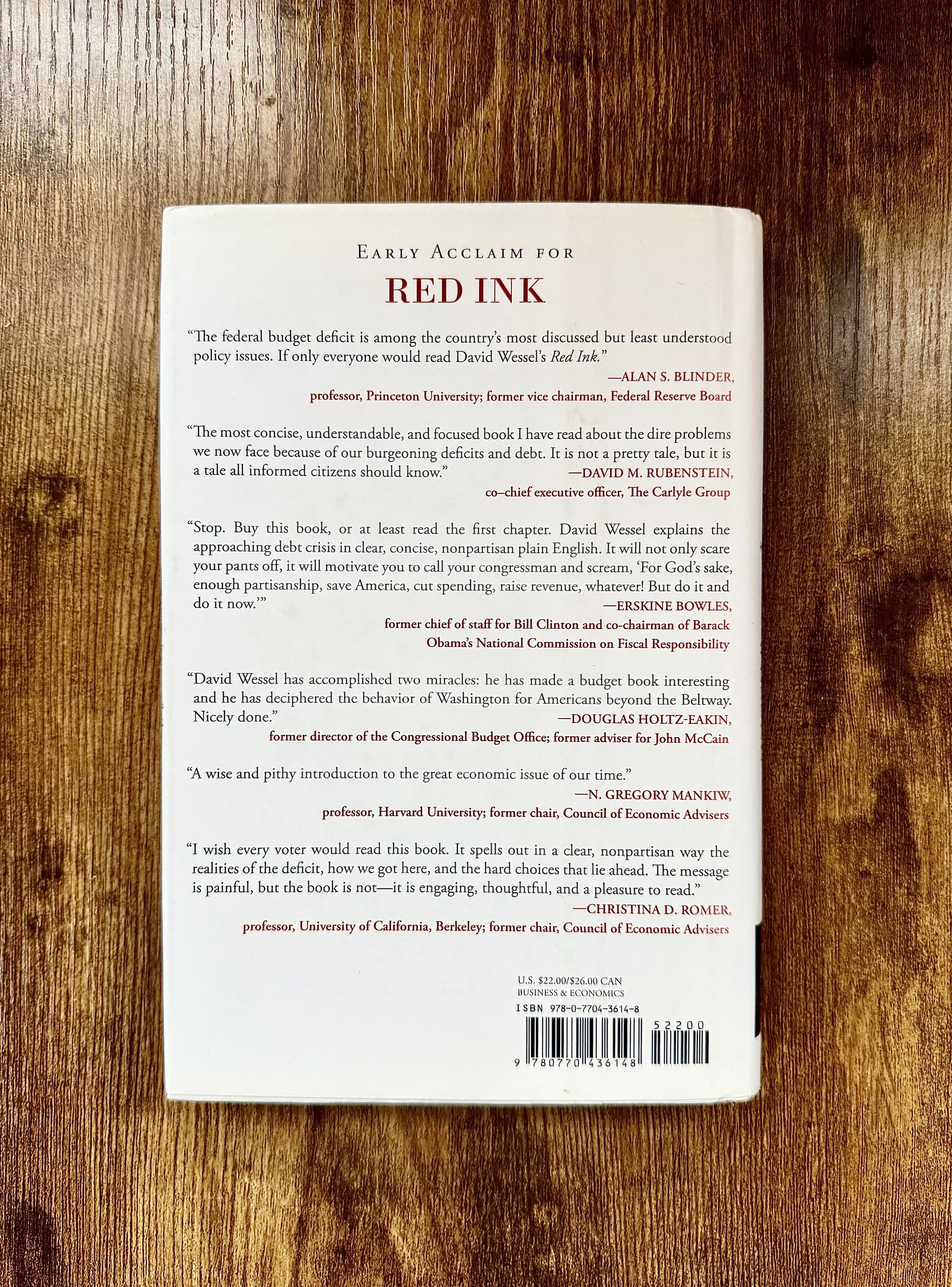
Red Ink: Inside the High‑Stakes Politics of the Federal Budget by David Wessel examines how the U.S. federal budget actually works—who shapes it, what drives its growth, and why reform is so politically fraught. Through clear explanations and vivid reporting, Wessel breaks down major spending categories, the structural forces behind deficits, and the political incentives that keep meaningful change elusive. The book offers a grounded, accessible look at the fiscal choices that define American governance and the trade‑offs that policymakers continually confront.
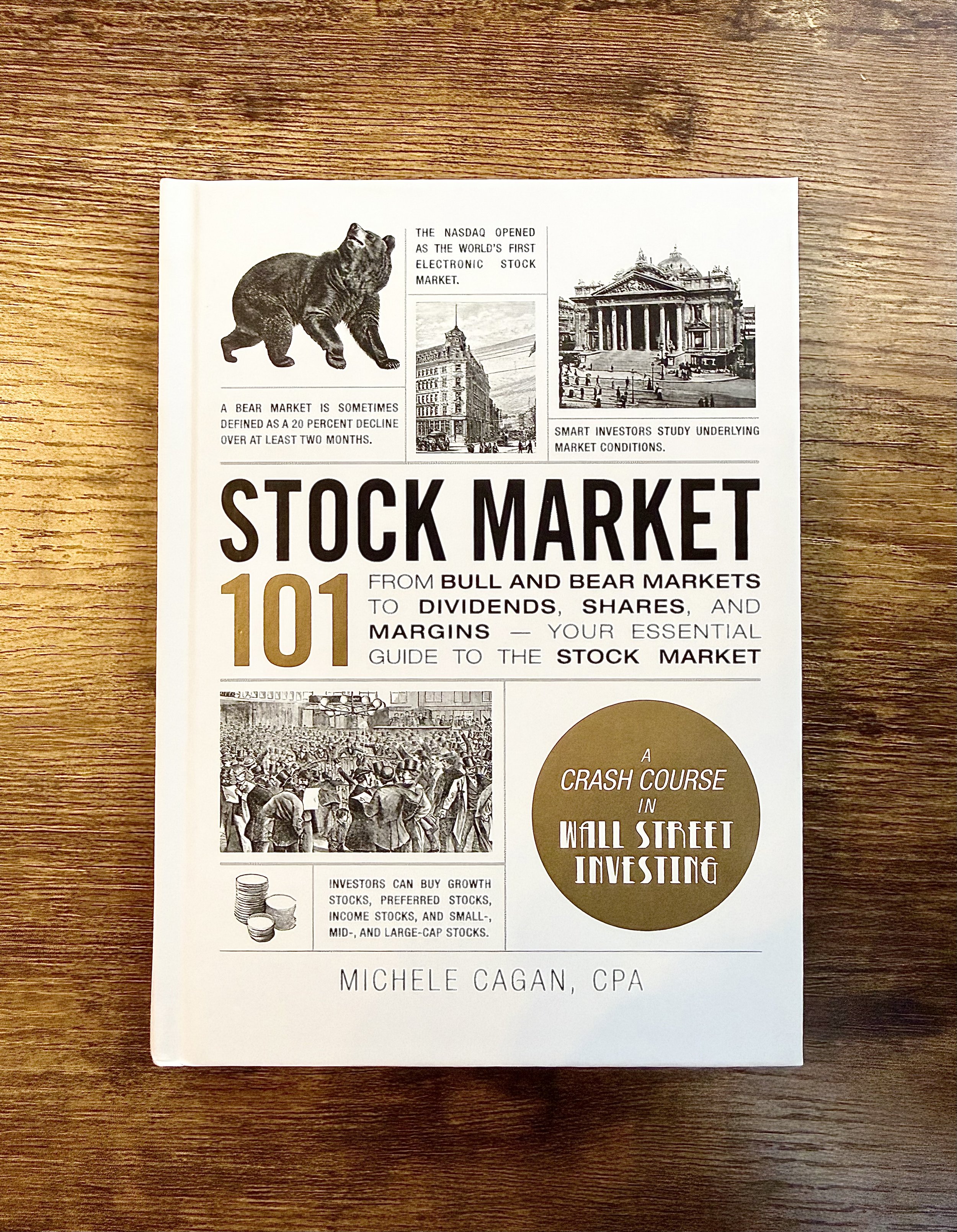
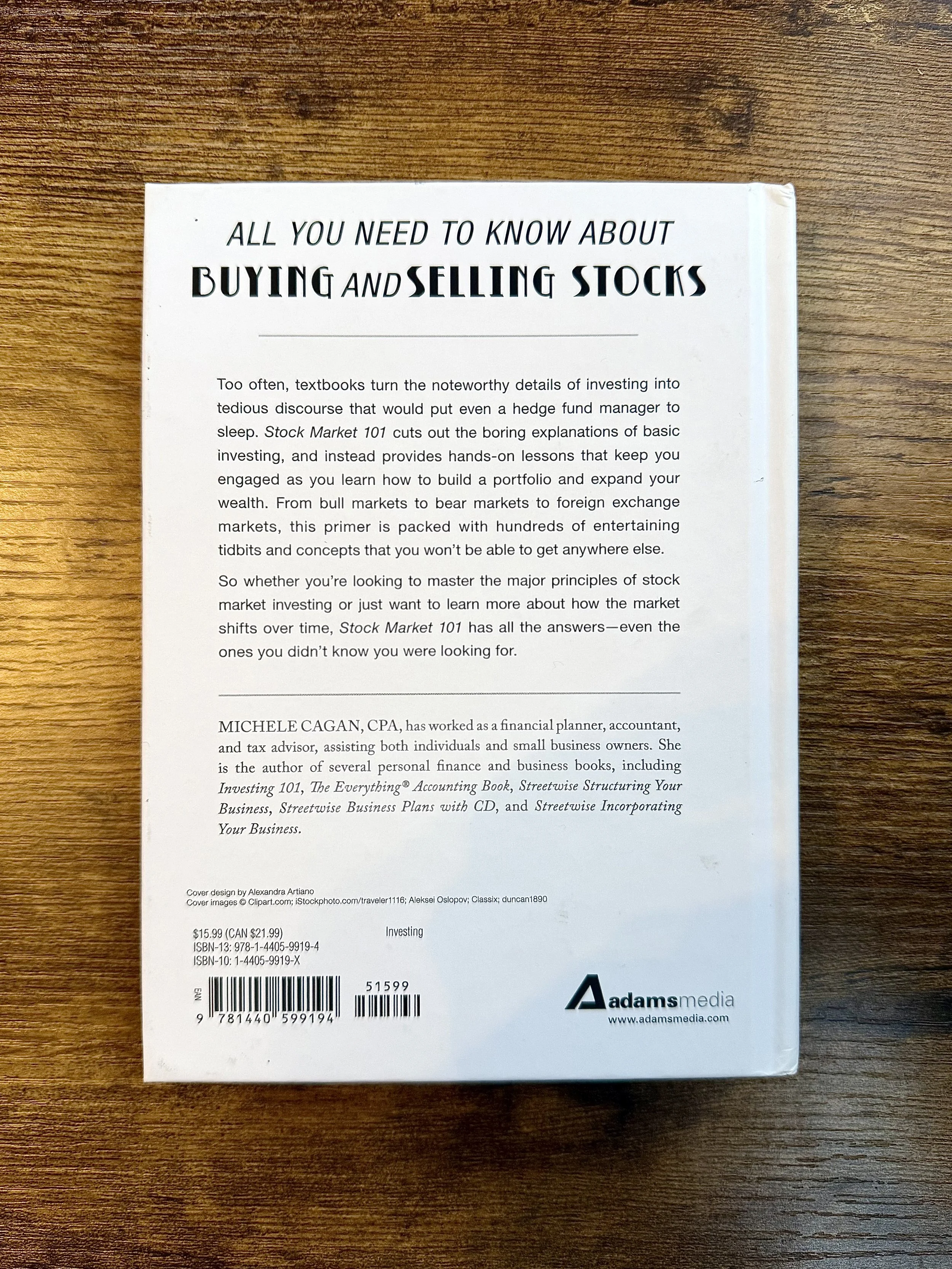
Stock Market 101 by Michele Cagan is a clear, beginner‑friendly introduction to how the stock market works, breaking down concepts like stocks, bonds, ETFs, diversification, risk, and market behavior in plain language. Cagan walks readers through how to read financial statements, evaluate companies, build a portfolio, and avoid common investing mistakes. Designed as a practical primer, it gives new investors the foundational knowledge needed to make confident, informed decisions.
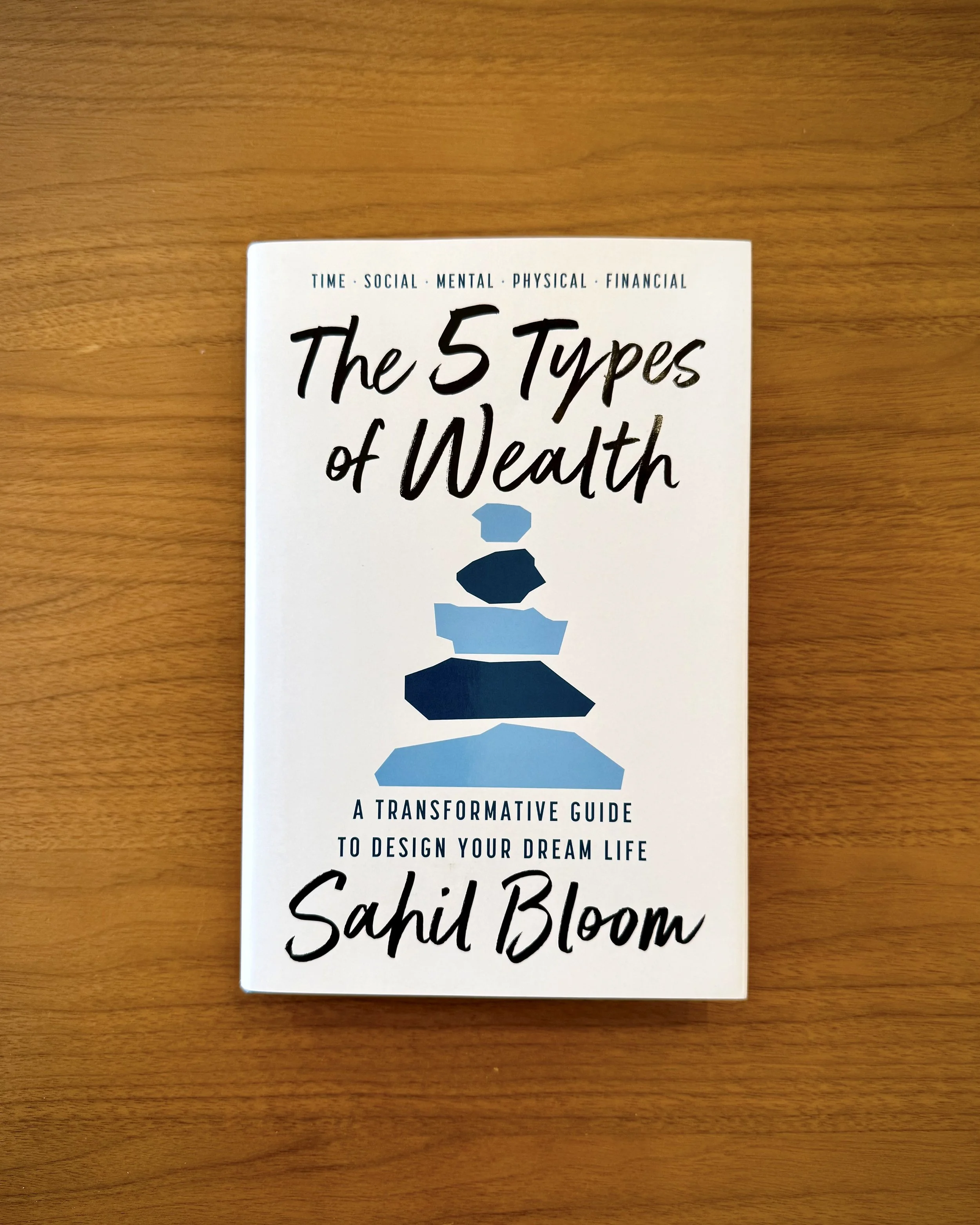

The Five Types of Wealth by Sahil Bloom reframes wealth as a multidimensional system made up of time, social, mental, physical, and financial wealth. Bloom argues that a fulfilling life comes from intentionally cultivating all five, not just accumulating money, and he offers clear, actionable strategies for building each form of wealth through habits, relationships, health, and long‑term thinking. Blending personal stories with practical frameworks, the book serves as a guide to designing a life that is rich in purpose, freedom, and resilience.
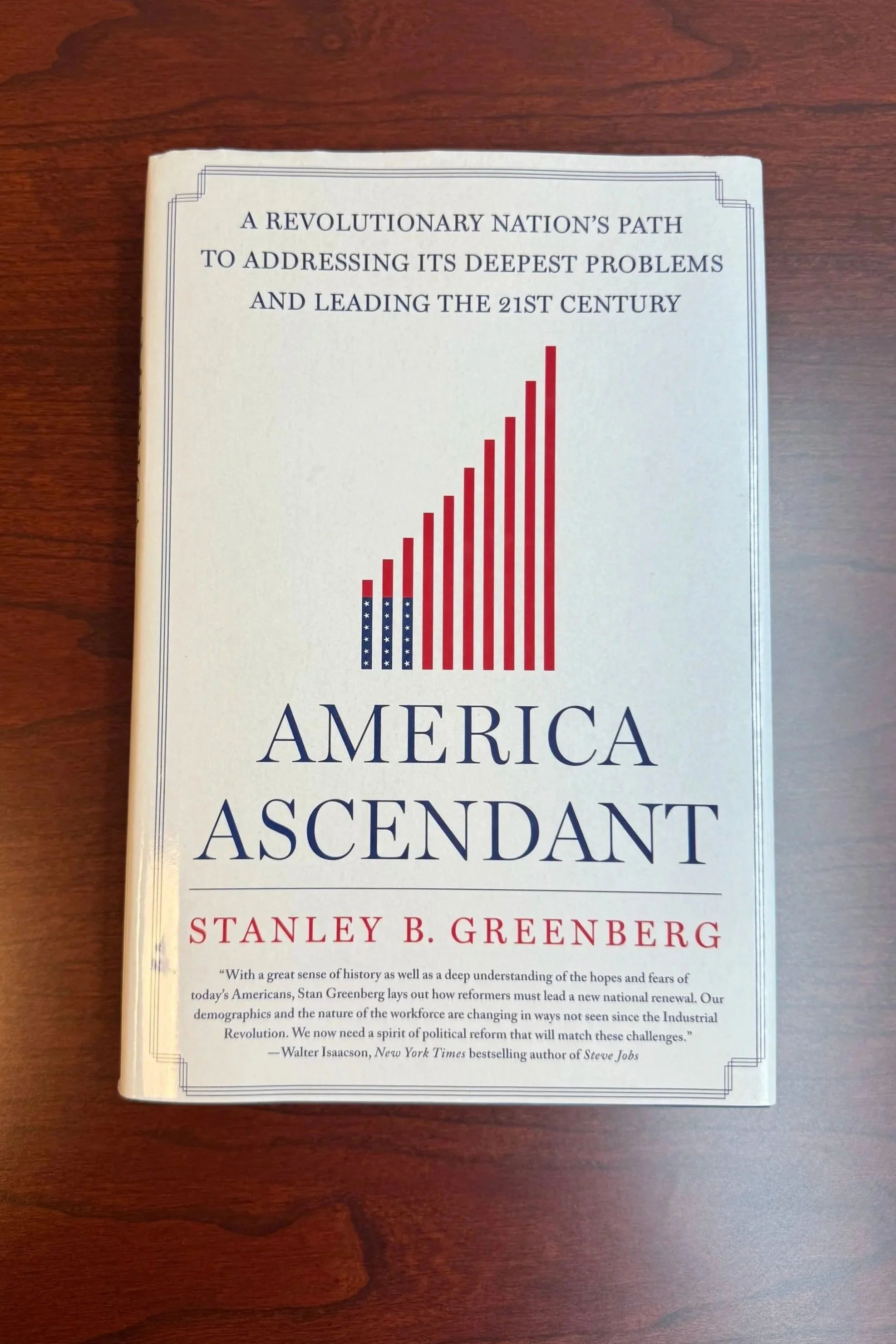
America Ascendant by Stanley Greenberg is a sharp, forward‑looking analysis of the demographic, cultural, and political forces reshaping the United States. Greenberg argues that rising diverse, urban, and socially progressive coalitions are redefining the nation’s priorities—and challenging long‑dominant power structures. Blending data, history, and on‑the‑ground research, he traces how these shifts are transforming elections, policy debates, and the country’s sense of identity. A compelling pick for readers interested in political change, social trends, and the future of American democracy.
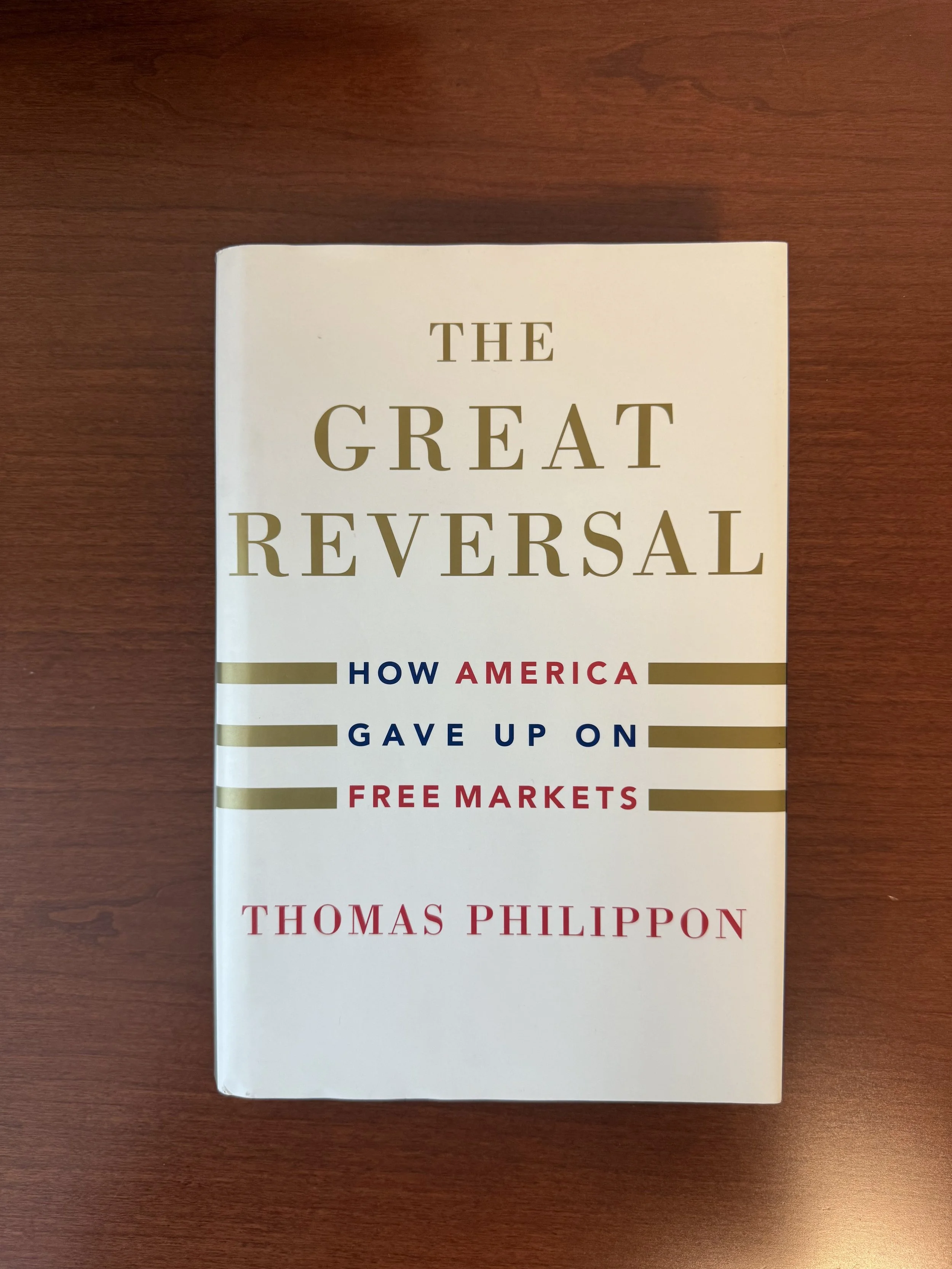
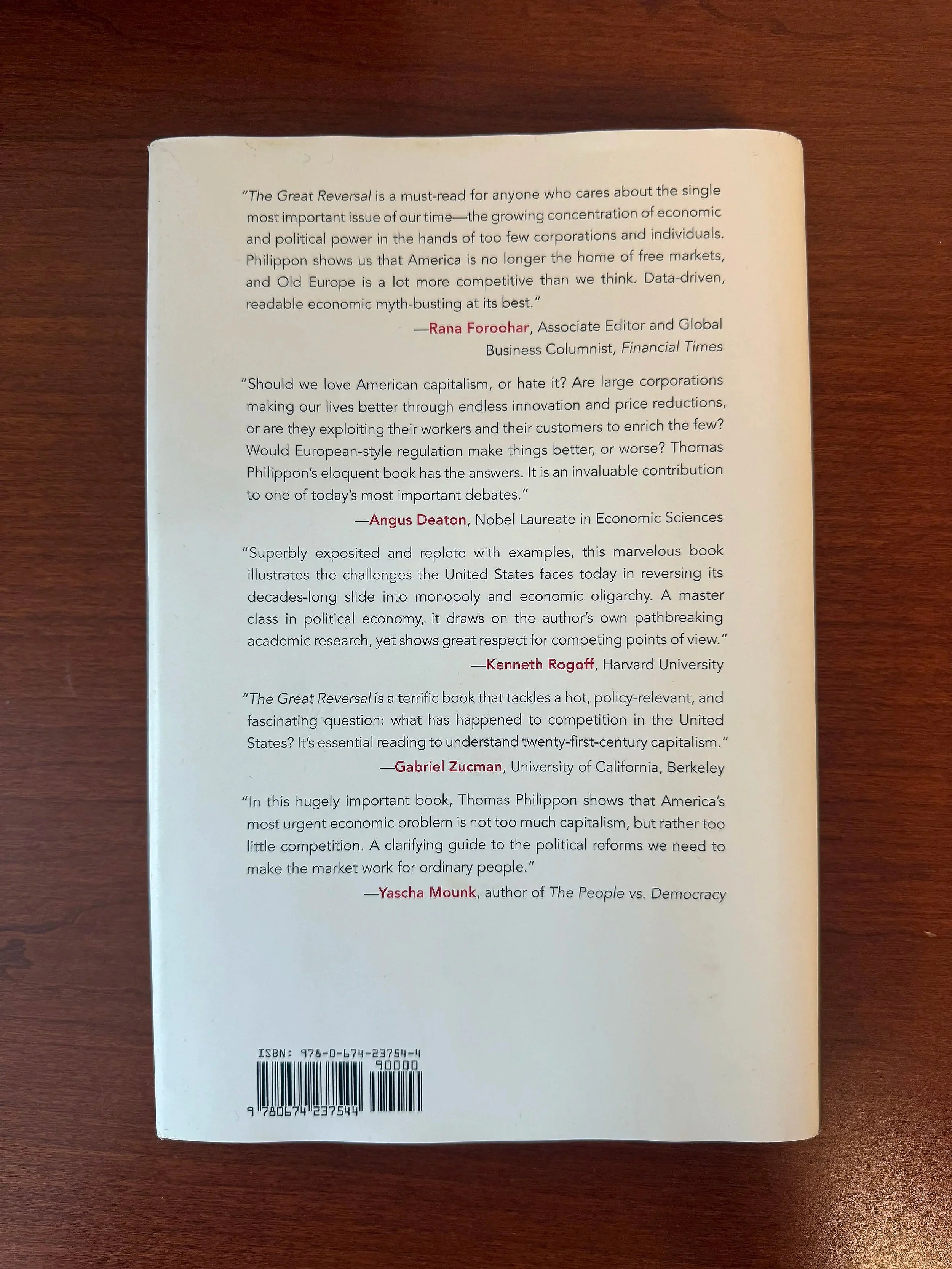
The Great Reversal by Thomas Philippon is a sharp, data‑driven exploration of how the United States—once a global champion of competition—slowly drifted toward concentrated corporate power. Philippon traces the policy choices, regulatory shifts, and market dynamics that allowed industries to consolidate, prices to rise, and innovation to stagnate. Clear, compelling, and rigorously argued, the book challenges readers to rethink what a truly competitive economy should look like. A standout pick for anyone interested in economics, public policy, or the future of American markets.
Michael’s Review: Thomas Philippon undersells the contributions modern technology companies have made to the U.S. economy. Nonetheless, he convincingly argues that these companies do not generate the same level of broad societal benefits as their forerunners did. For example, he highlights that these companies employ fewer individuals than the historically leading U.S. companies (e.g., General Electric). While employing fewer individuals is economically efficient, Philippon notes that this means these companies directly employ fewer people.
Michael’s Rating: 3/5 Stars
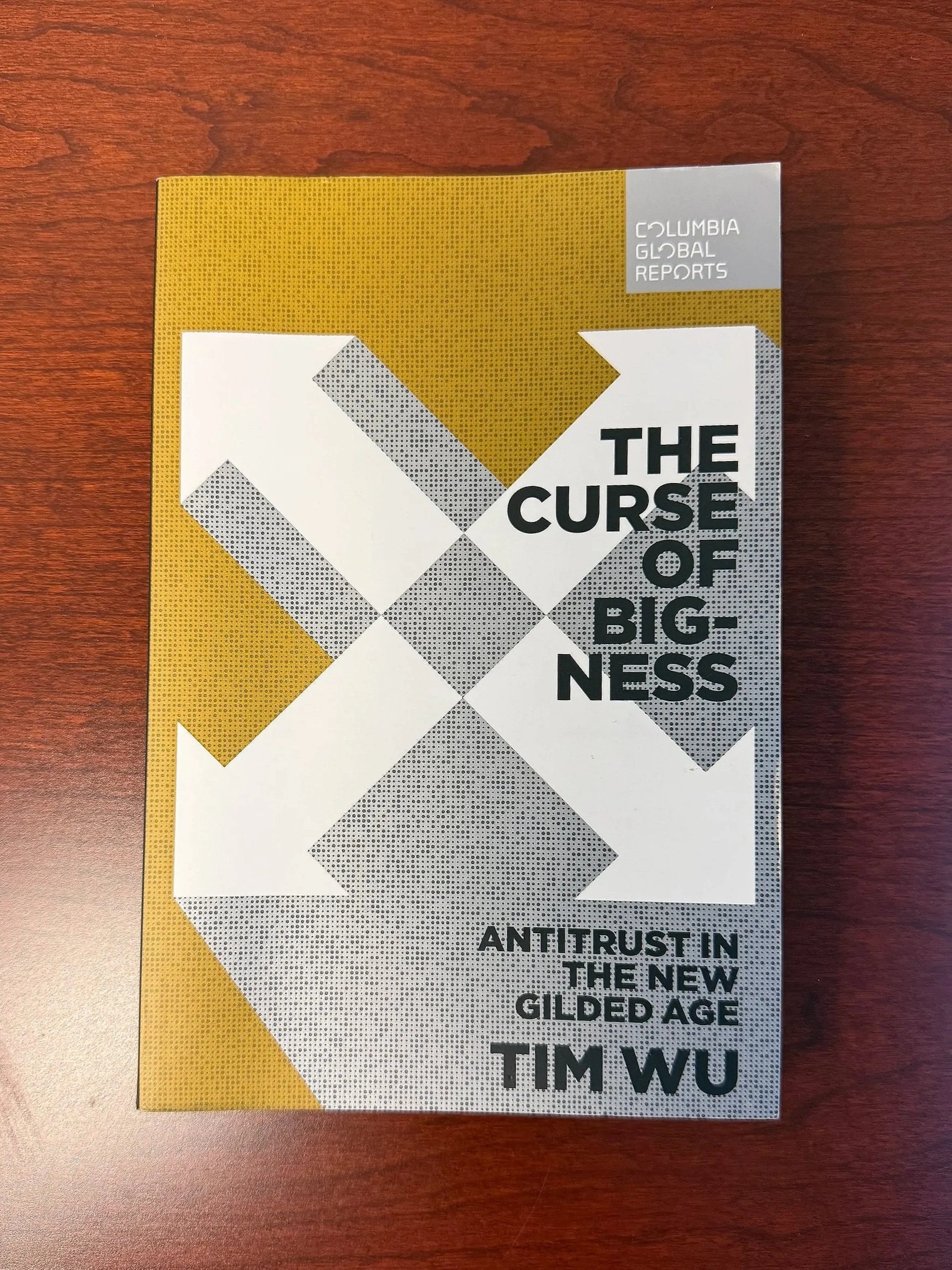

The Curse of Bigness by Tim Wu is a sharp, accessible examination of how concentrated corporate power threatens democracy, innovation, and economic fairness. Drawing on history—from the Gilded Age to modern tech giants—Wu shows how unchecked monopolies distort markets and weaken the institutions meant to protect the public. With clarity and urgency, he argues for a renewed commitment to antitrust enforcement as a safeguard for both economic opportunity and democratic stability. A compelling pick for readers interested in law, economics, and the future of competitive markets.
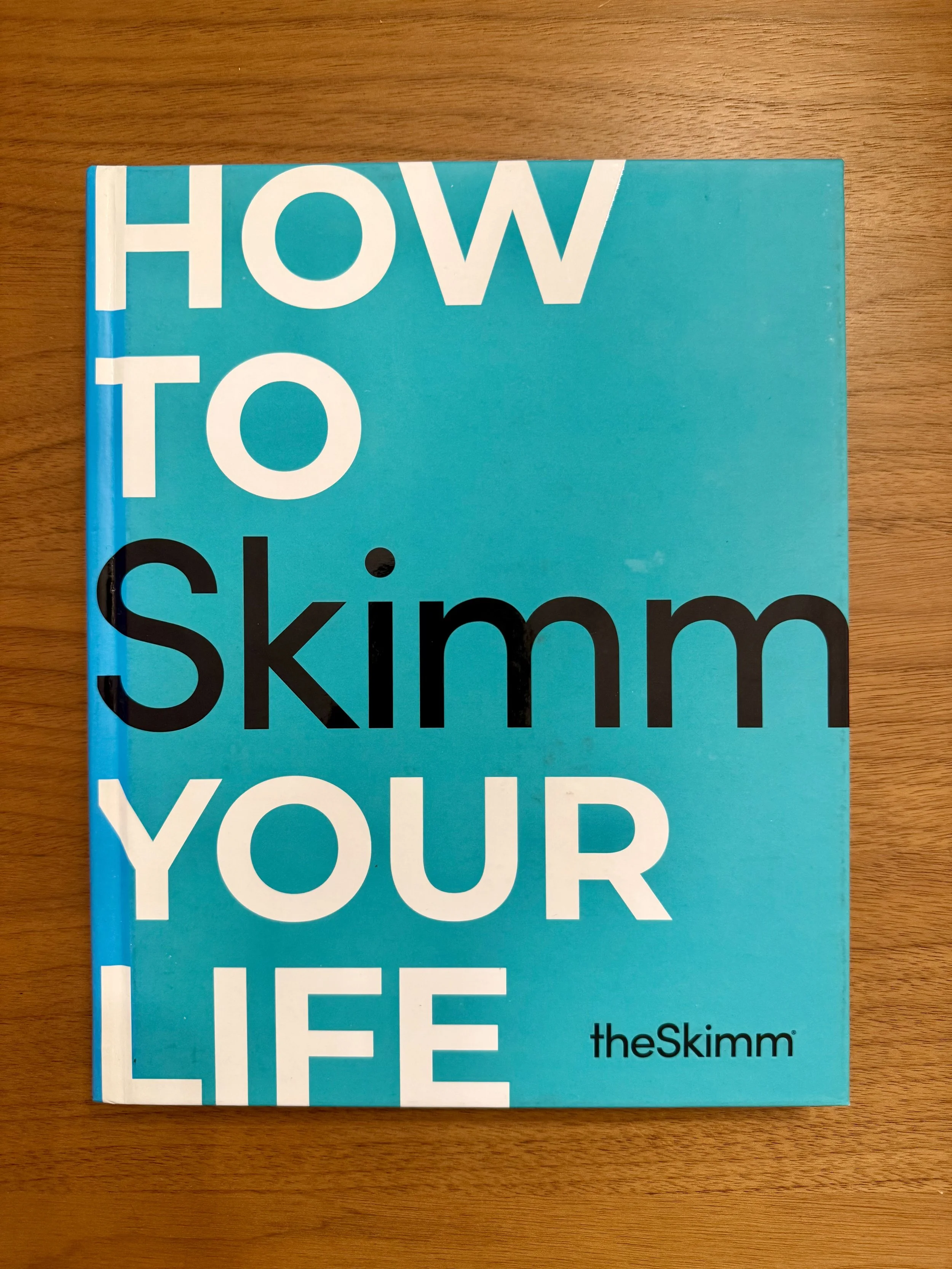

How to Skimm Your Life by The Skimm breaks down the practical, everyday skills adults are expected to know but are rarely taught—from managing money and negotiating at work to organizing your home, navigating healthcare, and building habits that actually stick. With clear explanations, checklists, and real‑world examples, it turns overwhelming “life admin” into simple, doable steps.
No results match your search. Try removing a few filters.