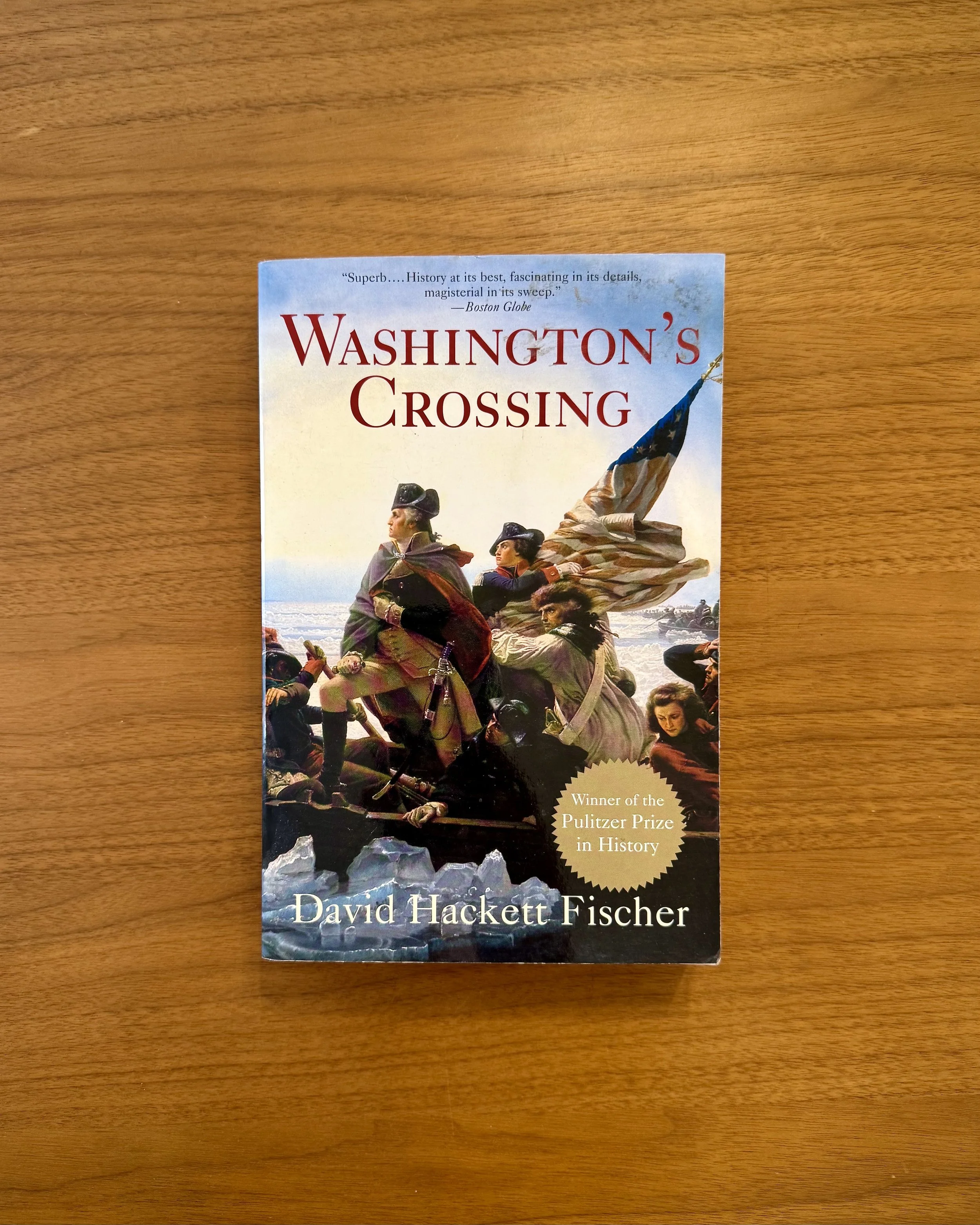
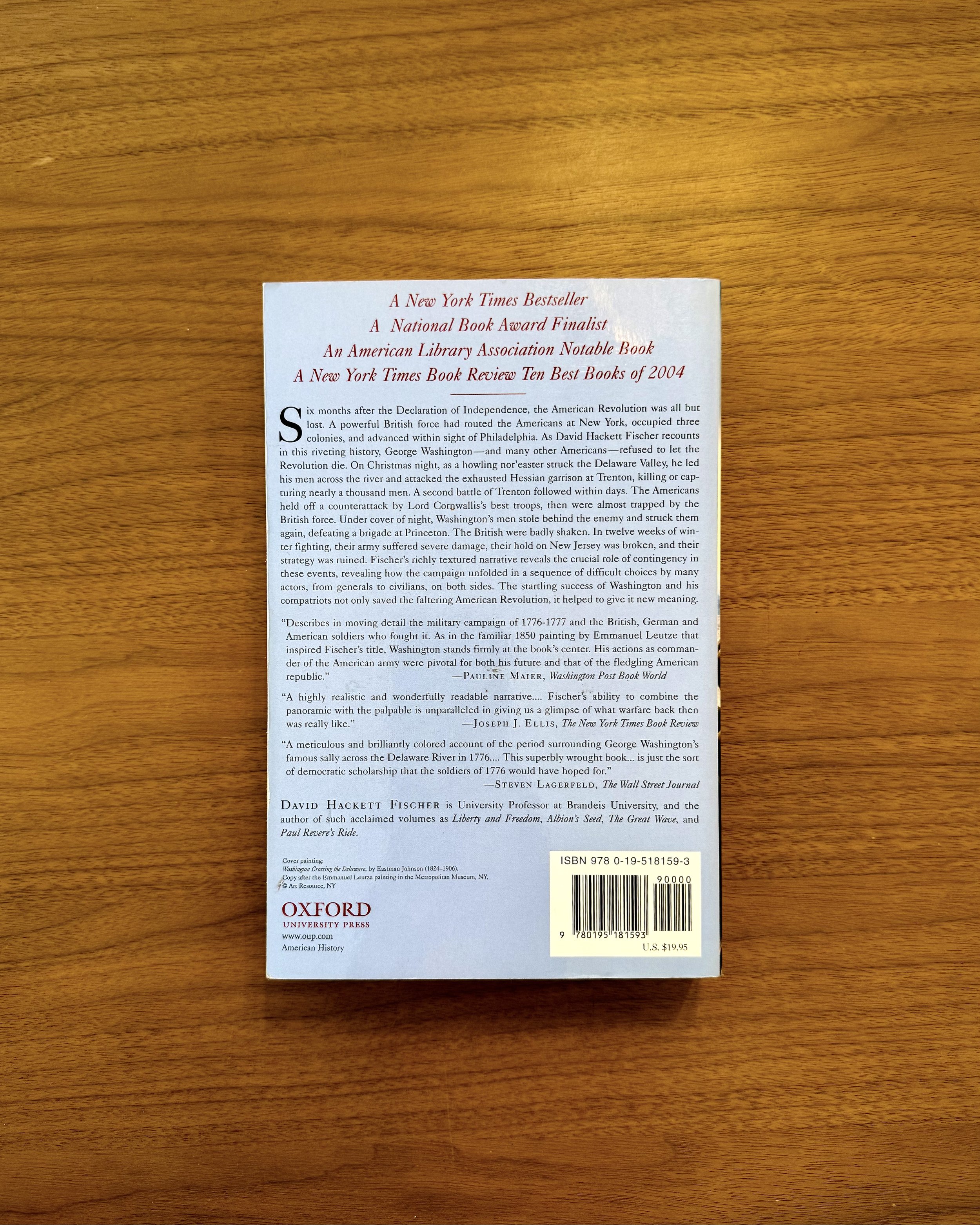
David Hackett Fischer’s Washington’s Crossing is a richly researched narrative that recounts George Washington’s daring 1776 winter campaign, beginning with the famous crossing of the Delaware River and culminating in the pivotal victories at Trenton and Princeton. Through detailed military analysis and vivid character portraits, Fischer shows how Washington’s leadership, the resilience of the Continental Army, and a series of bold strategic decisions reversed the Revolution’s early collapse and reshaped the war’s trajectory. Balanced, accessible, and deeply human, the book becomes a definitive account of how a moment of improvisation and resolve helped secure the survival of the American cause.
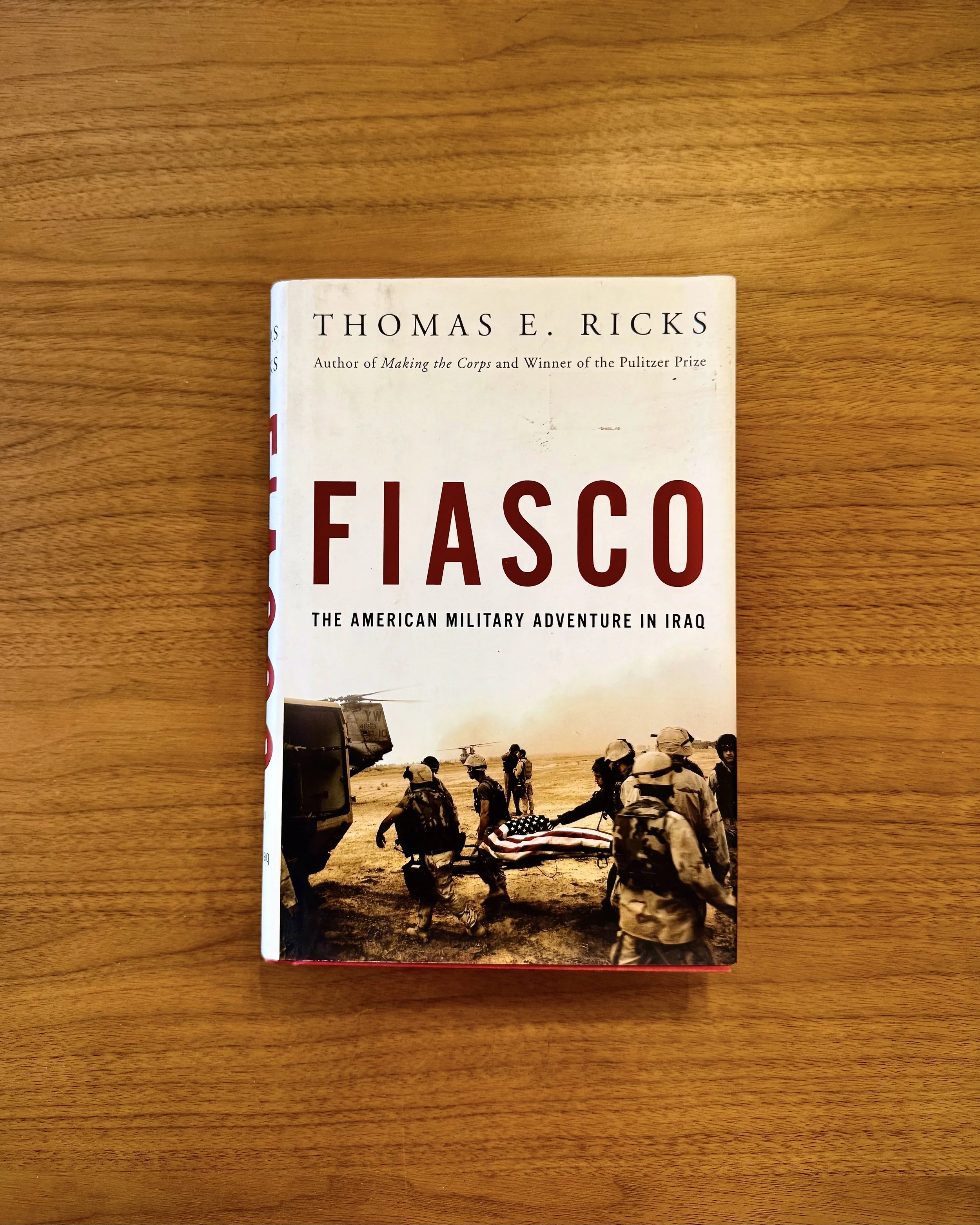
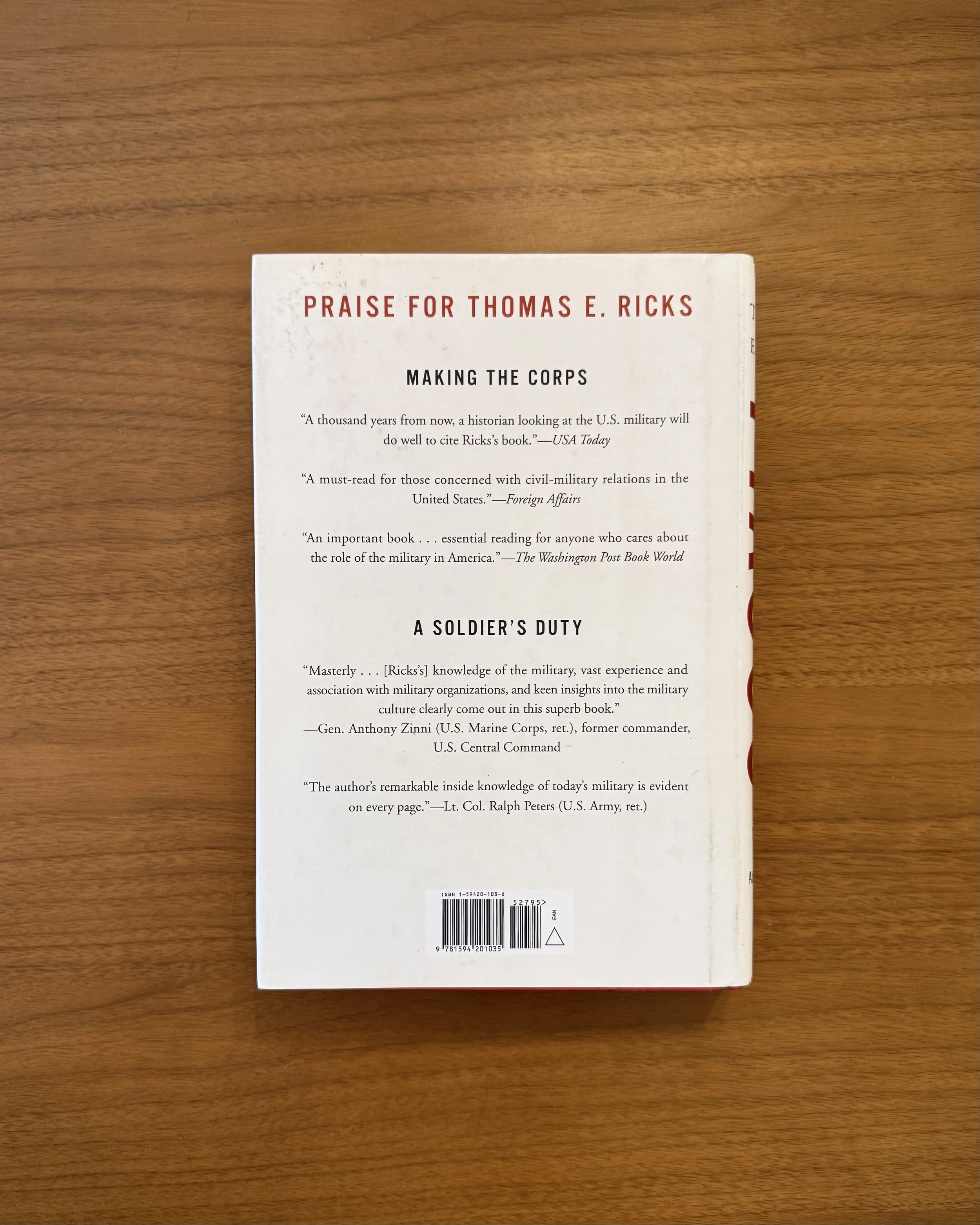
Thomas E. Ricks’s Fiasco is a deeply reported examination of how the United States entered and executed the Iraq War, tracing the strategic misjudgments, bureaucratic failures, and optimistic assumptions that shaped the conflict from 2003 onward. Drawing on military documents, interviews, and on‑the‑ground reporting, Ricks shows how flawed planning, inadequate postwar preparation, and internal disagreements within the Pentagon and military leadership contributed to escalating violence and a deteriorating occupation. Sobering, meticulous, and sharply analytical, the book becomes a definitive account of how a modern war can unravel when political aims, military strategy, and ground realities diverge.
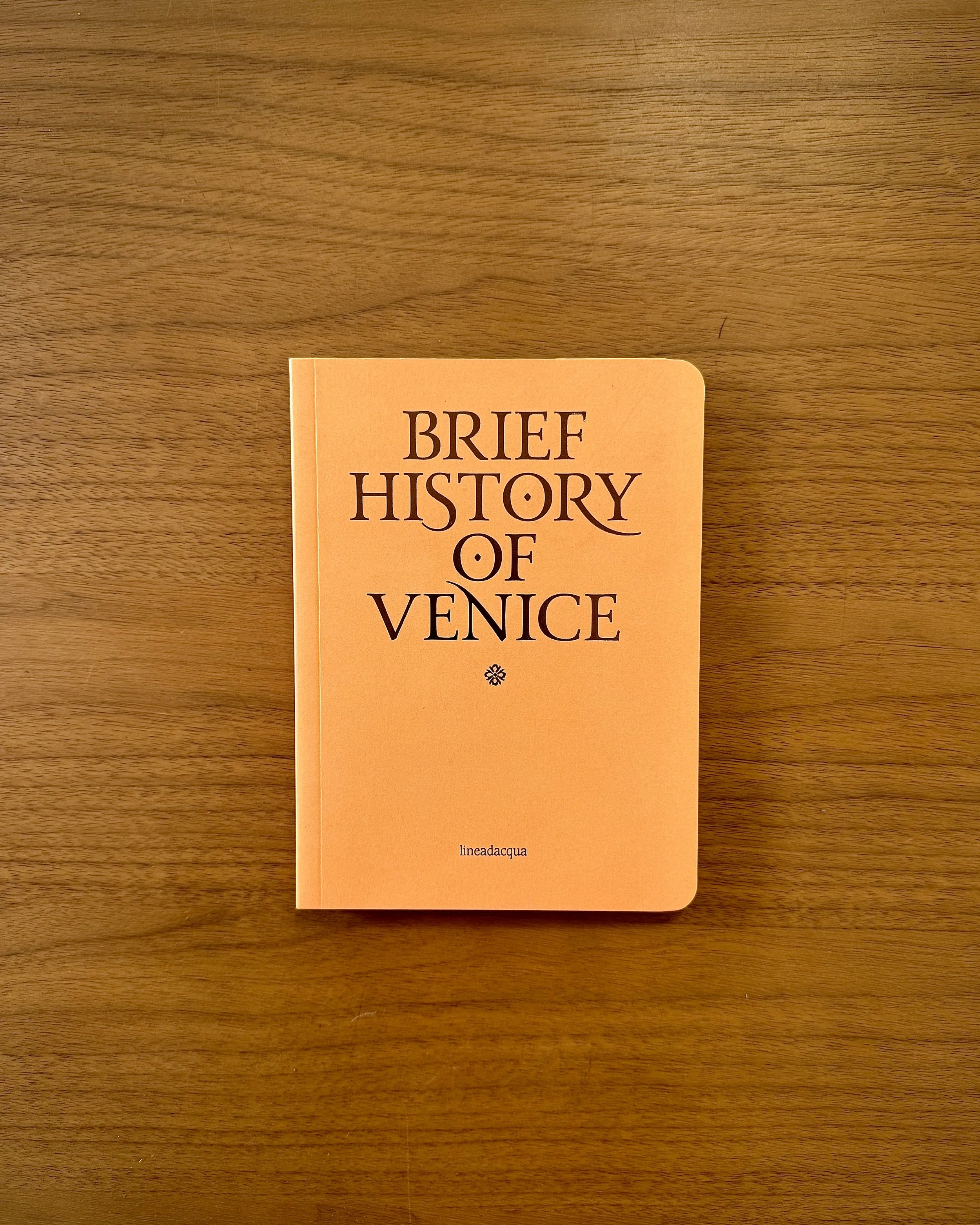
Linea d’Acqua’s A Brief History of Venice is a compact, accessible introduction to the city’s evolution from its early lagoon settlements to its rise as a powerful maritime republic. Tracing Venice’s political institutions, commercial networks, artistic achievements, and complex relationship with both the Byzantine and Western worlds, the book offers a clear, chronological understanding of how the city shaped—and was shaped by—Mediterranean history. Concise, well‑illustrated, and designed for travelers and curious readers alike, it becomes a reliable guide to the key events, figures, and forces that defined Venice across more than a millennium.
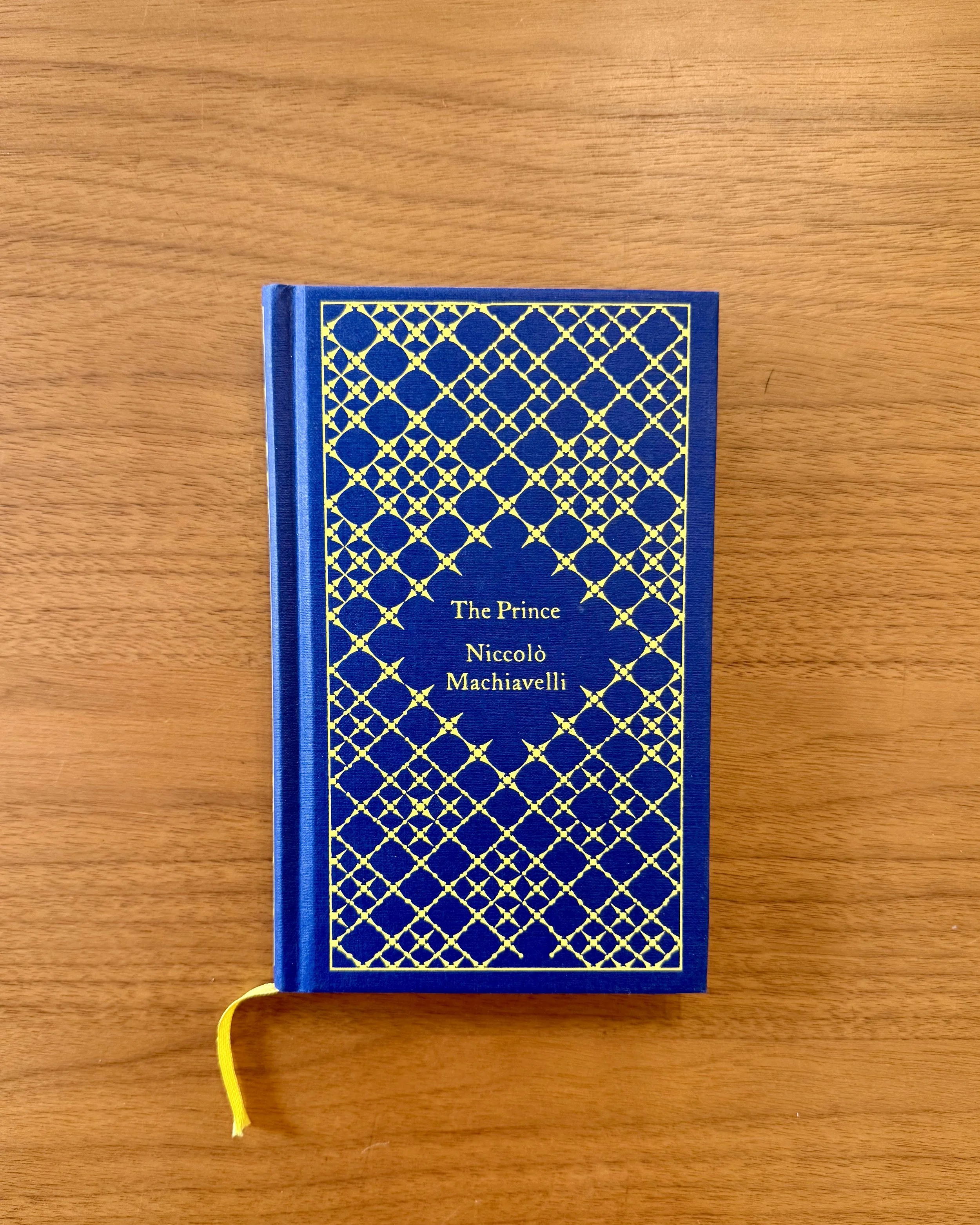
Niccolò Machiavelli’s The Prince is a concise, unsentimental guide to political power, outlining how rulers gain, maintain, and consolidate authority by focusing on practical realities rather than moral ideals. Drawing on examples from ancient and Renaissance leaders, Machiavelli argues that effective princes must master warfare, understand human nature, and be willing to use force, deception, and calculated ruthlessness when necessary to secure their states. Clear‑eyed and provocative, the treatise remains a foundational work of political thought, offering a stark examination of leadership stripped of illusion.
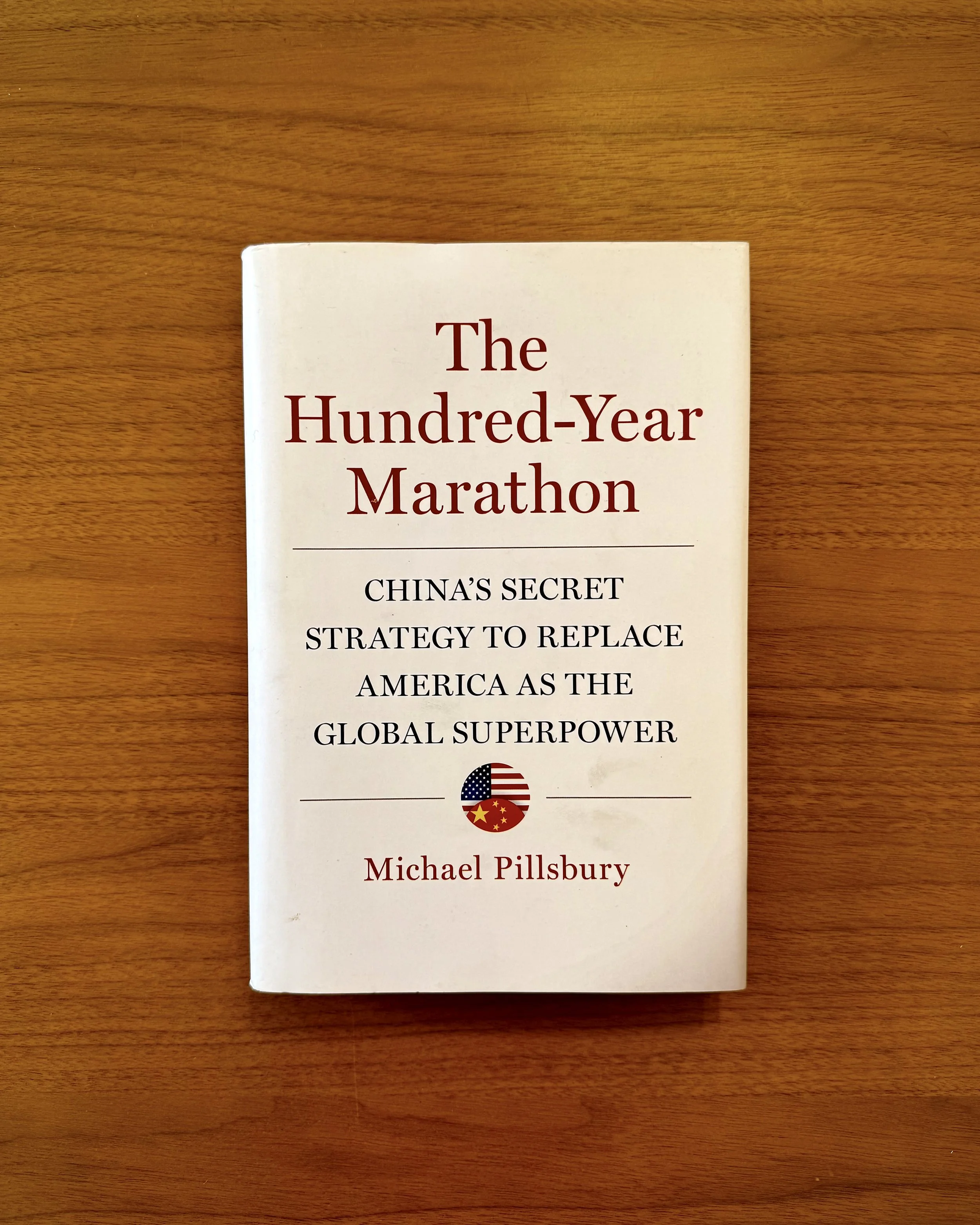
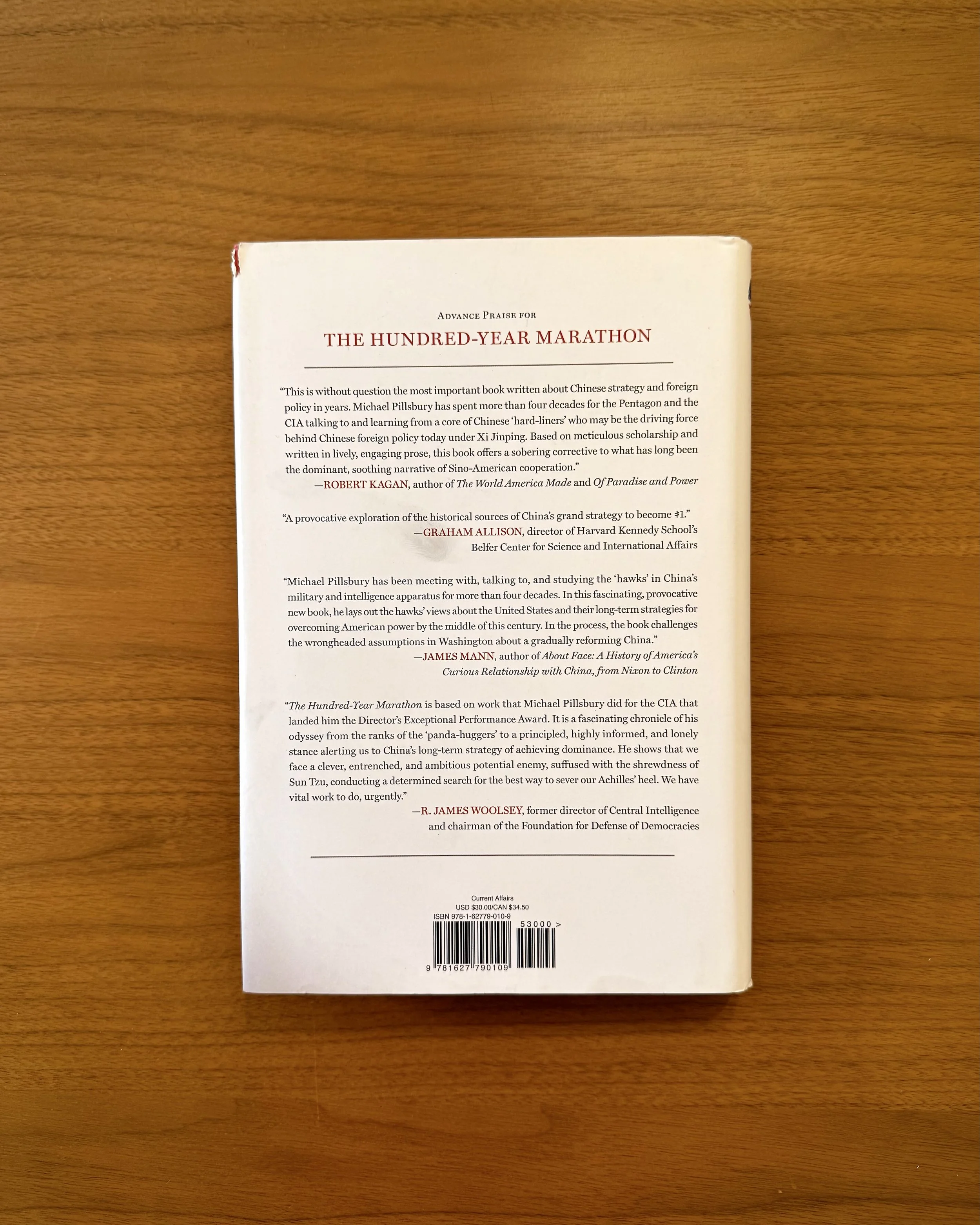
Michael Pillsbury’s The Hundred‑Year Marathon is a provocative, deeply researched account arguing that China has pursued a long‑term, strategically patient plan to surpass the United States and reshape the global order. Drawing on decades of intelligence work, internal Chinese sources, and historical analysis, Pillsbury reveals how misread signals, wishful Western assumptions, and carefully crafted deception have allowed Beijing to advance its ambitions largely unnoticed. Urgent, unsettling, and sharply argued, the book becomes a powerful examination of how great‑power competition unfolds in slow motion—and what the U.S. must understand to avoid being overtaken.
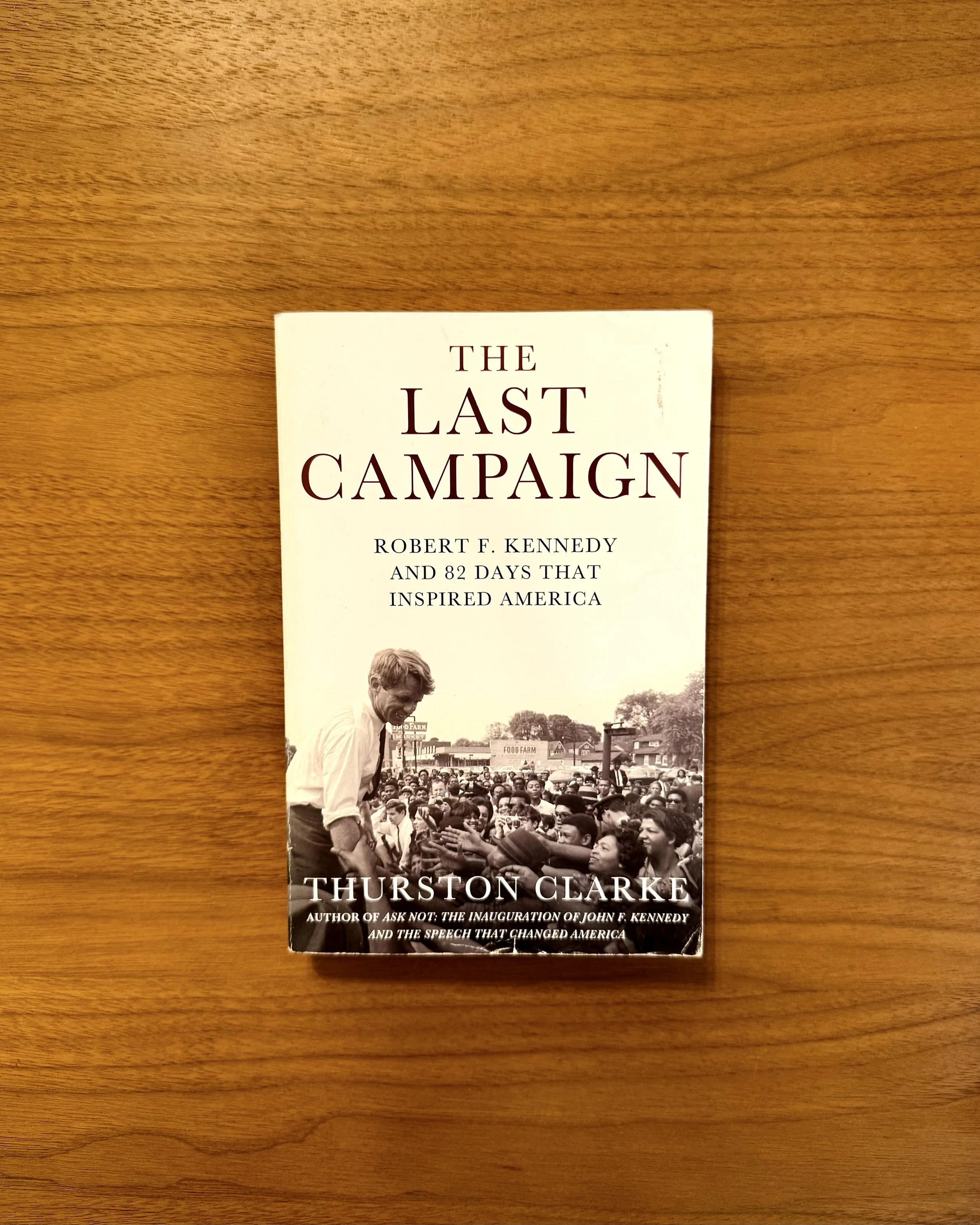
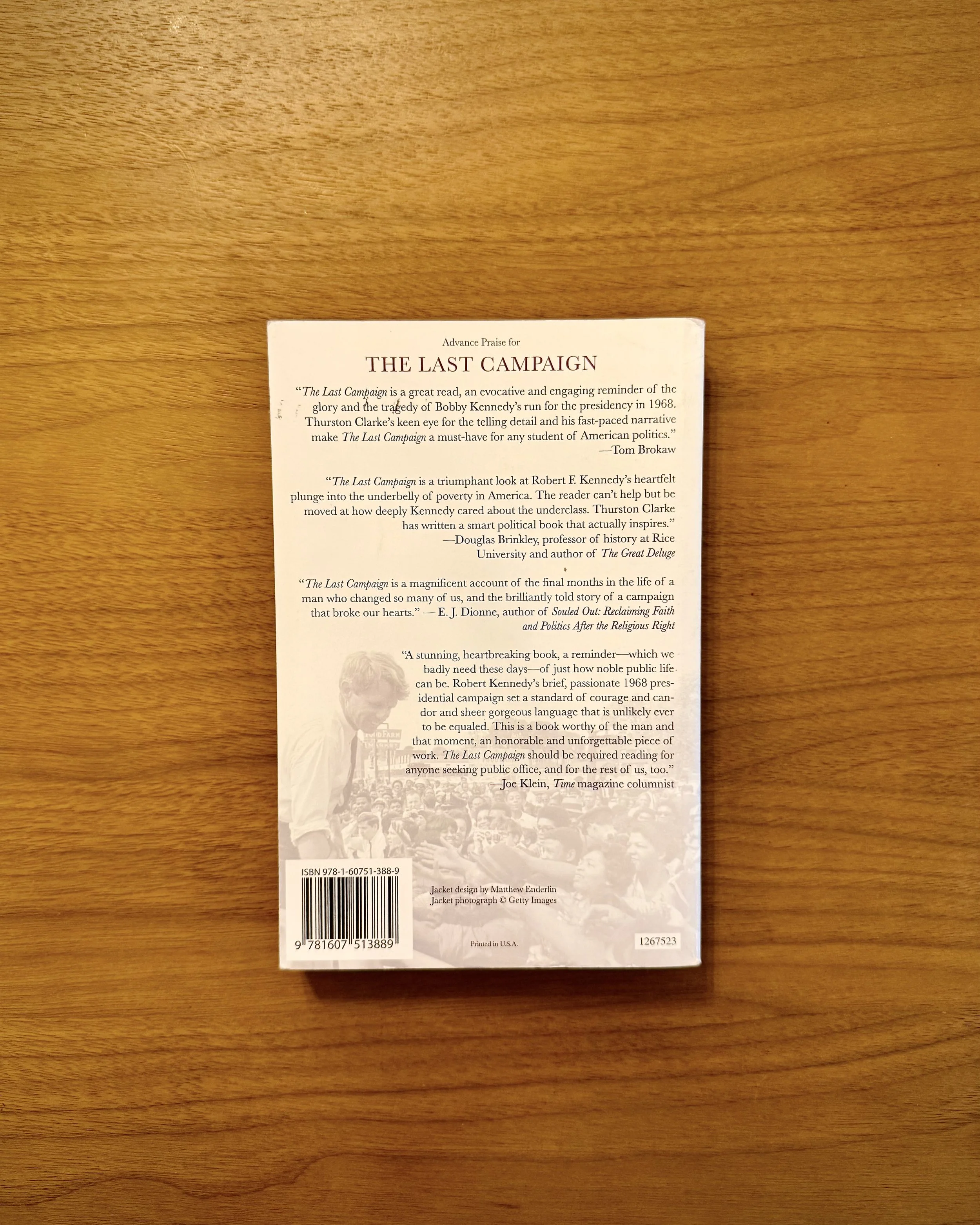
Thurston Clarke’s The Last Campaign reconstructs Robert F. Kennedy’s 1968 presidential run, tracing the eighty‑two days in which he traveled the country and ignited a rare surge of political hope. Through eyewitness accounts, speeches, and behind‑the‑scenes moments, Clarke shows how Kennedy’s message resonated across racial, economic, and generational divides. The book blends political history, biography, and narrative reportage to capture the urgency, idealism, and emotional force of a campaign cut short.
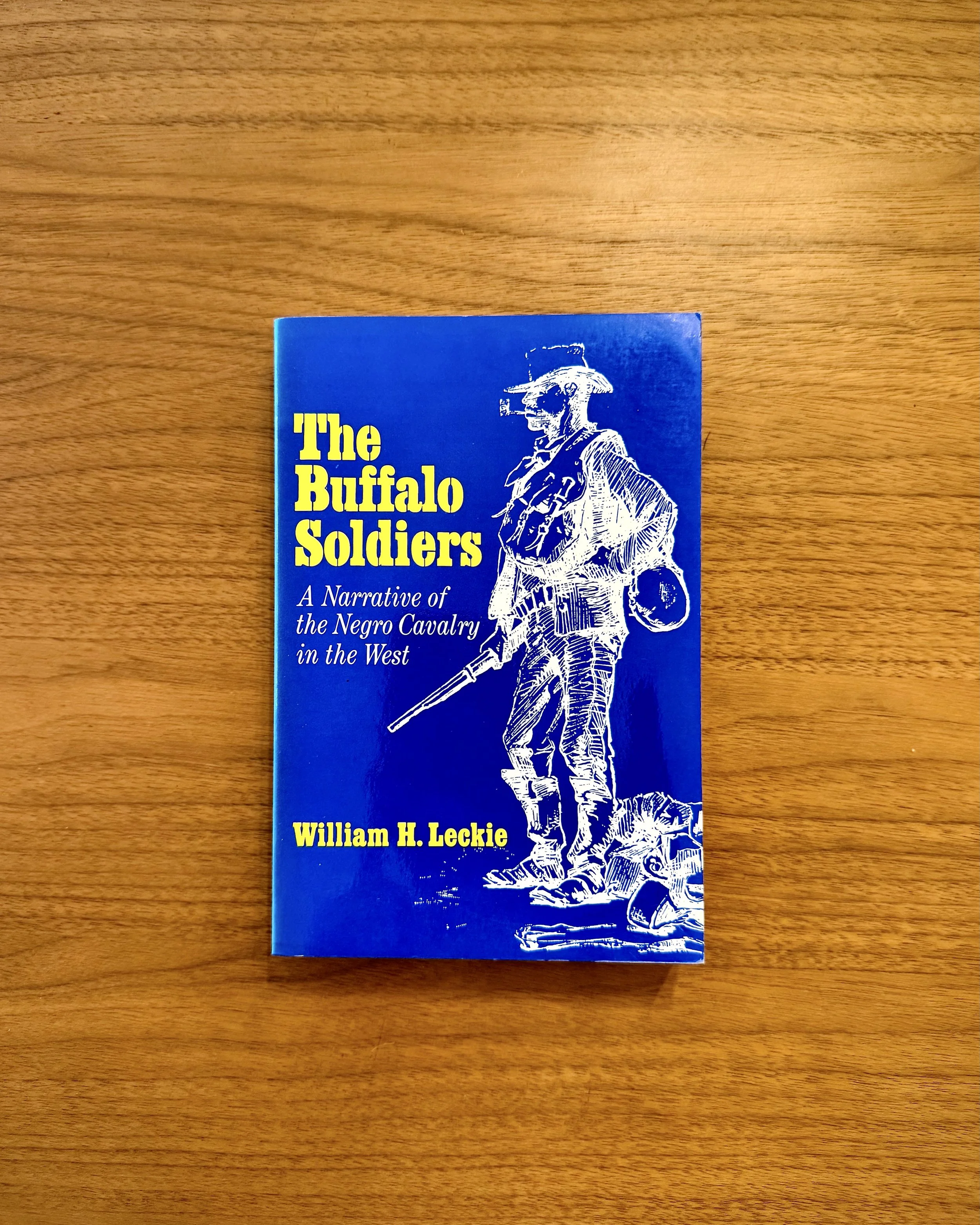
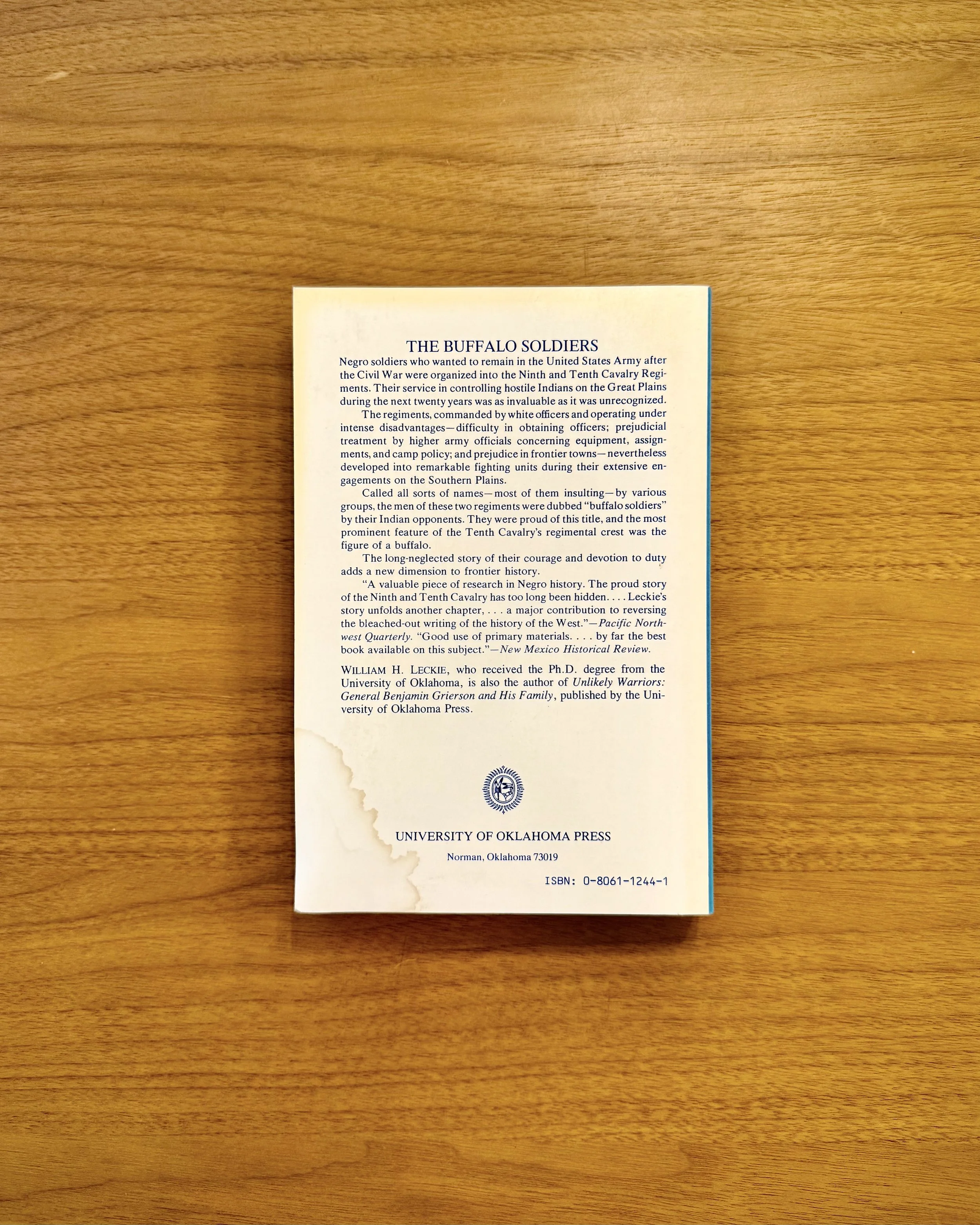
William H. Leckie’s The Buffalo Soldiers traces the experiences of the Black cavalry regiments formed after the Civil War, following the men of the 9th and 10th Cavalry as they navigated danger, discrimination, and duty on the western frontier. Through vivid historical detail and personal accounts, Leckie highlights how these soldiers balanced exemplary military service with the harsh realities of racism in the Army and the nation they defended. The book blends military history, biography, and cultural analysis to illuminate the legacy and lasting impact of the Buffalo Soldiers across American history.
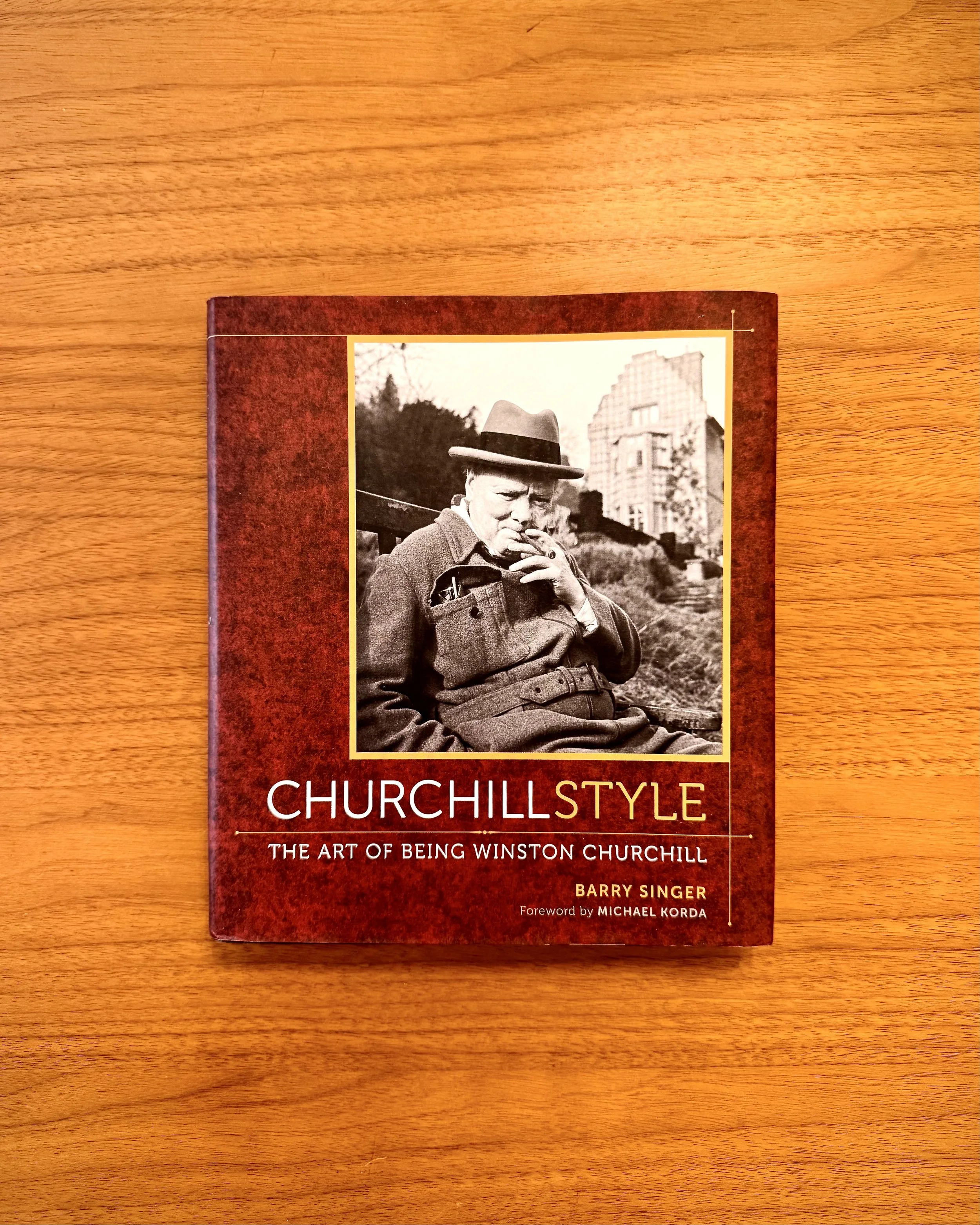
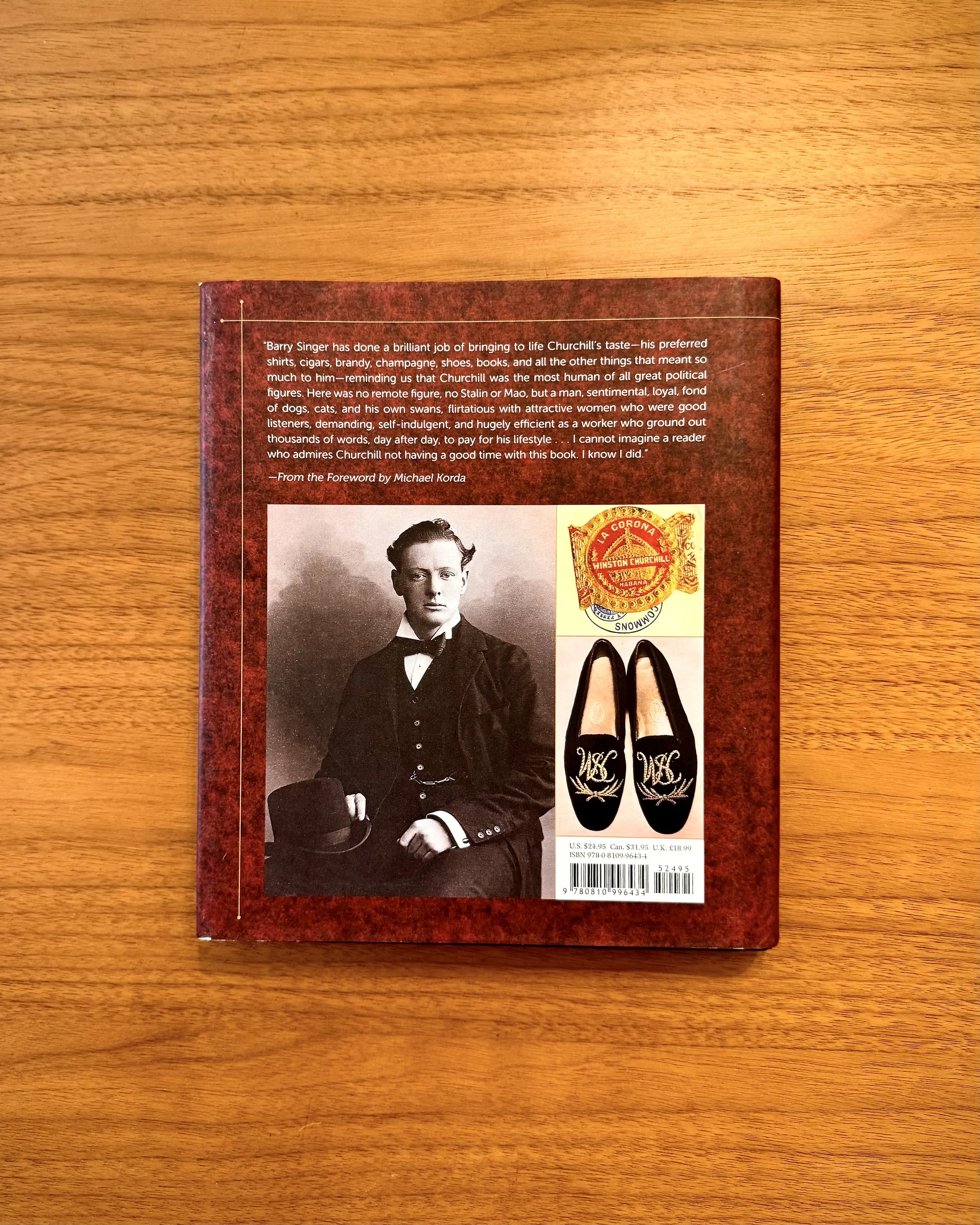
Barry Singer’s Churchill Style explores Winston Churchill’s life through the lens of his personal tastes, habits, and aesthetic choices, revealing how his clothing, food, drink, travel, and daily rituals shaped his public persona. By tracing the details of Churchill’s routines and preferences, Singer shows how style became both an extension of his character and a tool of leadership. The book blends biography, cultural history, and vivid anecdote to illuminate the man behind the statesman.
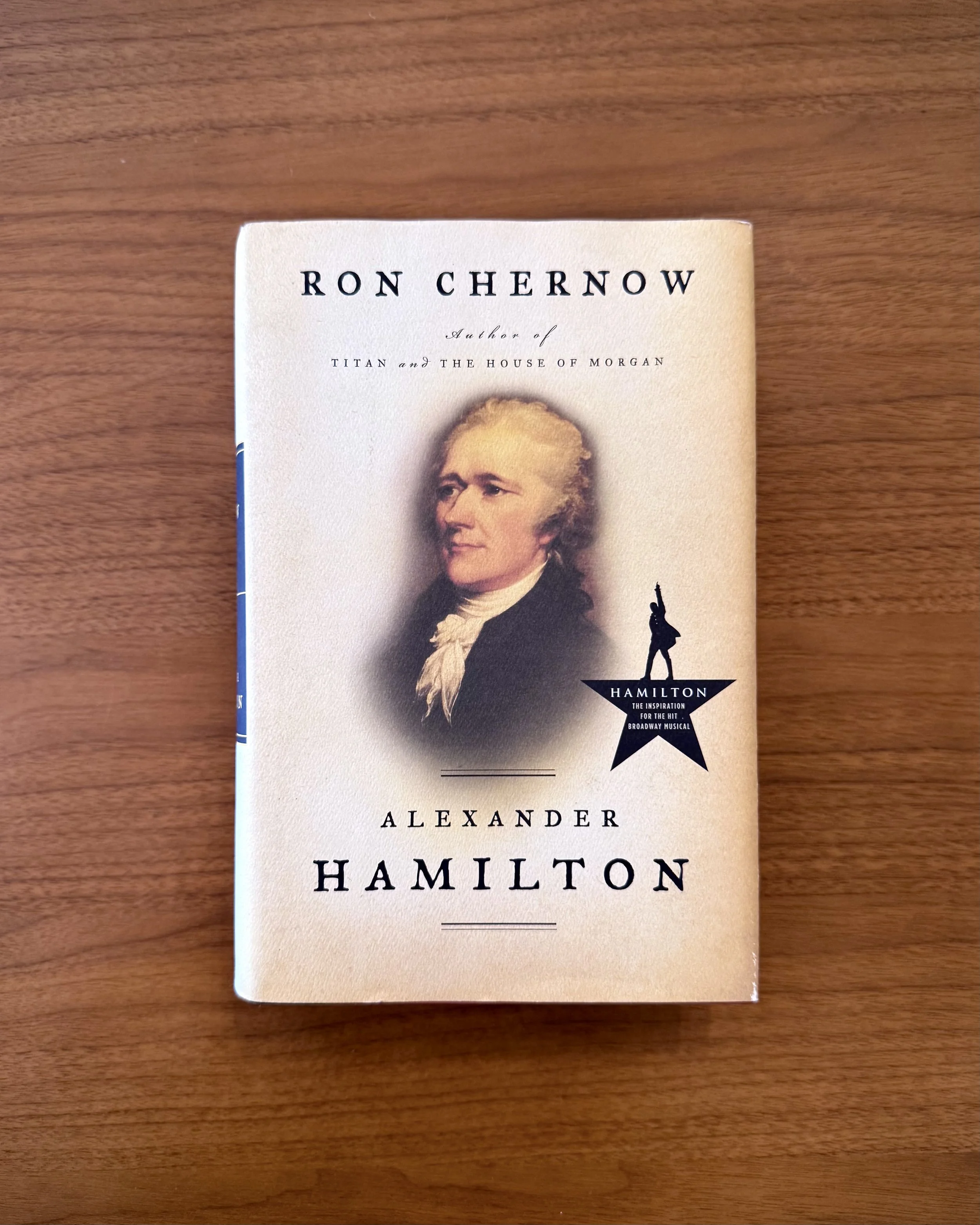
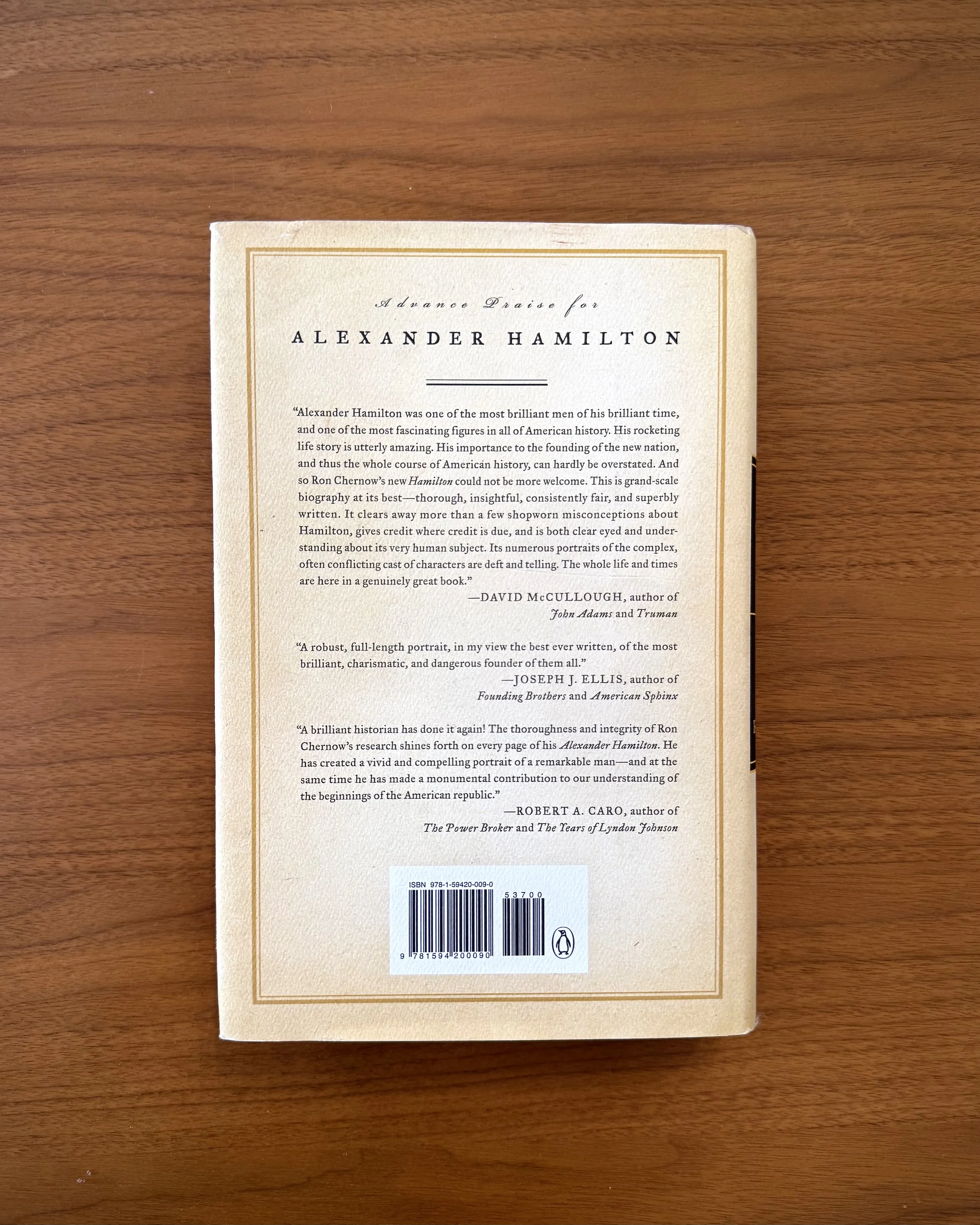
Ron Chernow’s Alexander Hamilton is a sweeping, deeply researched biography that follows Hamilton’s rise from a difficult childhood in the Caribbean to becoming one of the most influential architects of the United States. Chernow presents Hamilton as brilliant, driven, and often controversial—an immigrant whose intellect, ambition, and political vision helped shape the nation’s financial system, constitutional framework, and early government. The book blends personal history with the broader story of America’s founding, offering a vivid portrait of a complex statesman whose legacy continues to define the country.
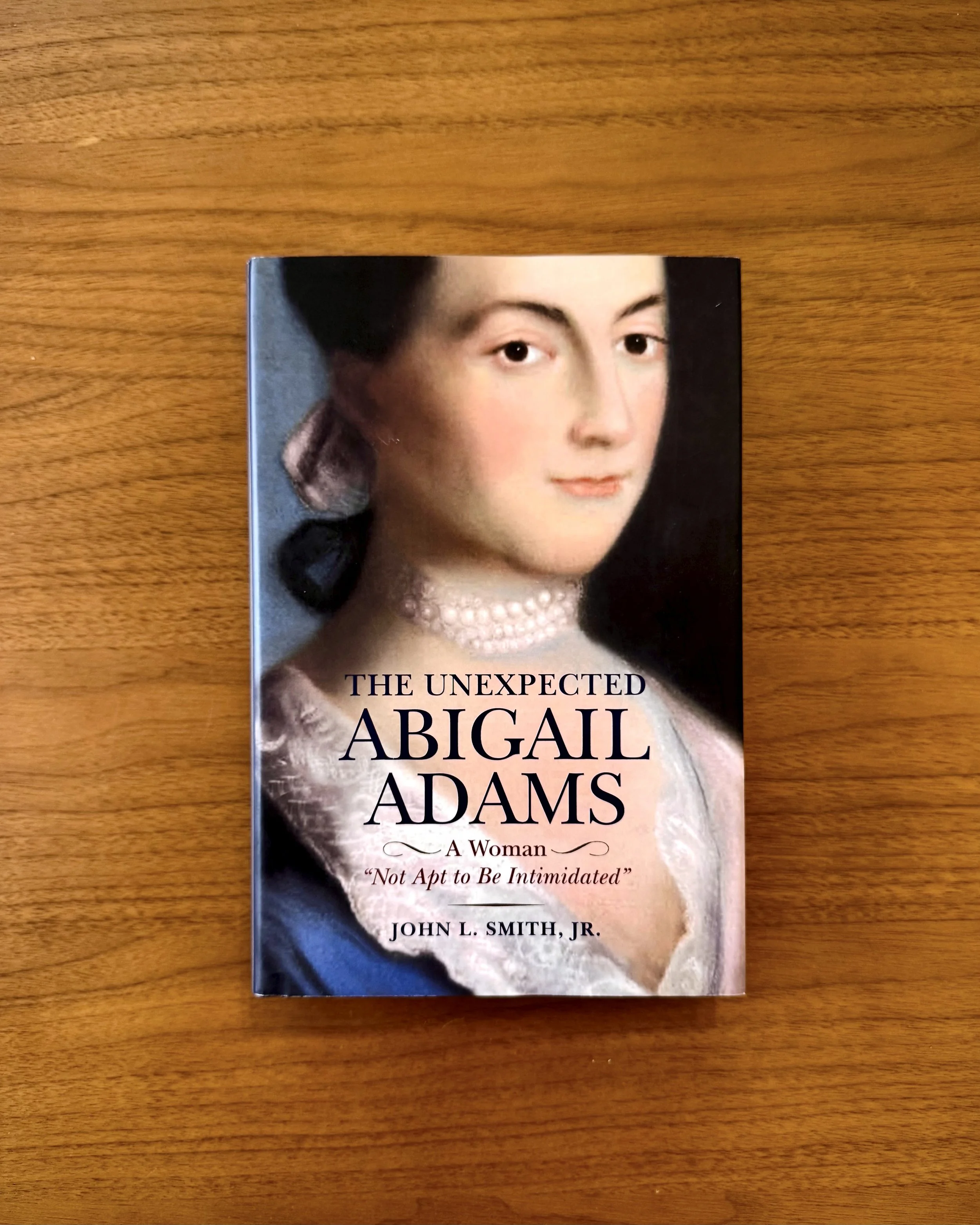
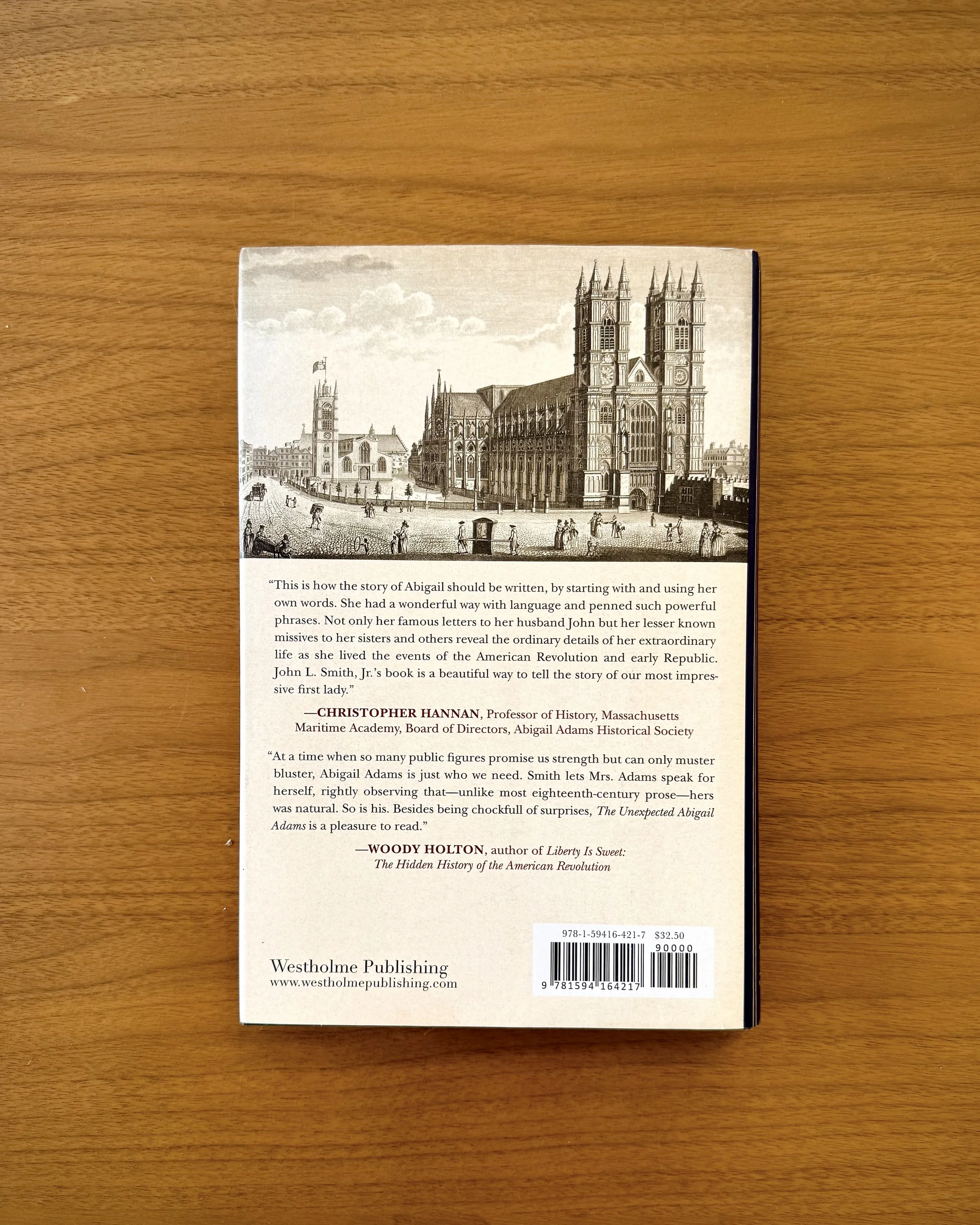
John L. Smith Jr.’s The Unexpected Abigail Adams is a deeply researched, vivid biography that reframes Abigail Adams not merely as the wife of a Founding Father but as a political thinker, shrewd manager, and influential voice in the early American republic. Drawing on more than 2,000 of her letters, Smith reconstructs Abigail’s life across five major eras—her Massachusetts upbringing, the Revolution, her diplomatic years in Europe, her time as Second Lady and First Lady, and her lasting legacy. The portrait that emerges is of a woman with formidable intellect, strong views on women’s rights and education, and a partnership with John Adams that was unusually equal for its time.
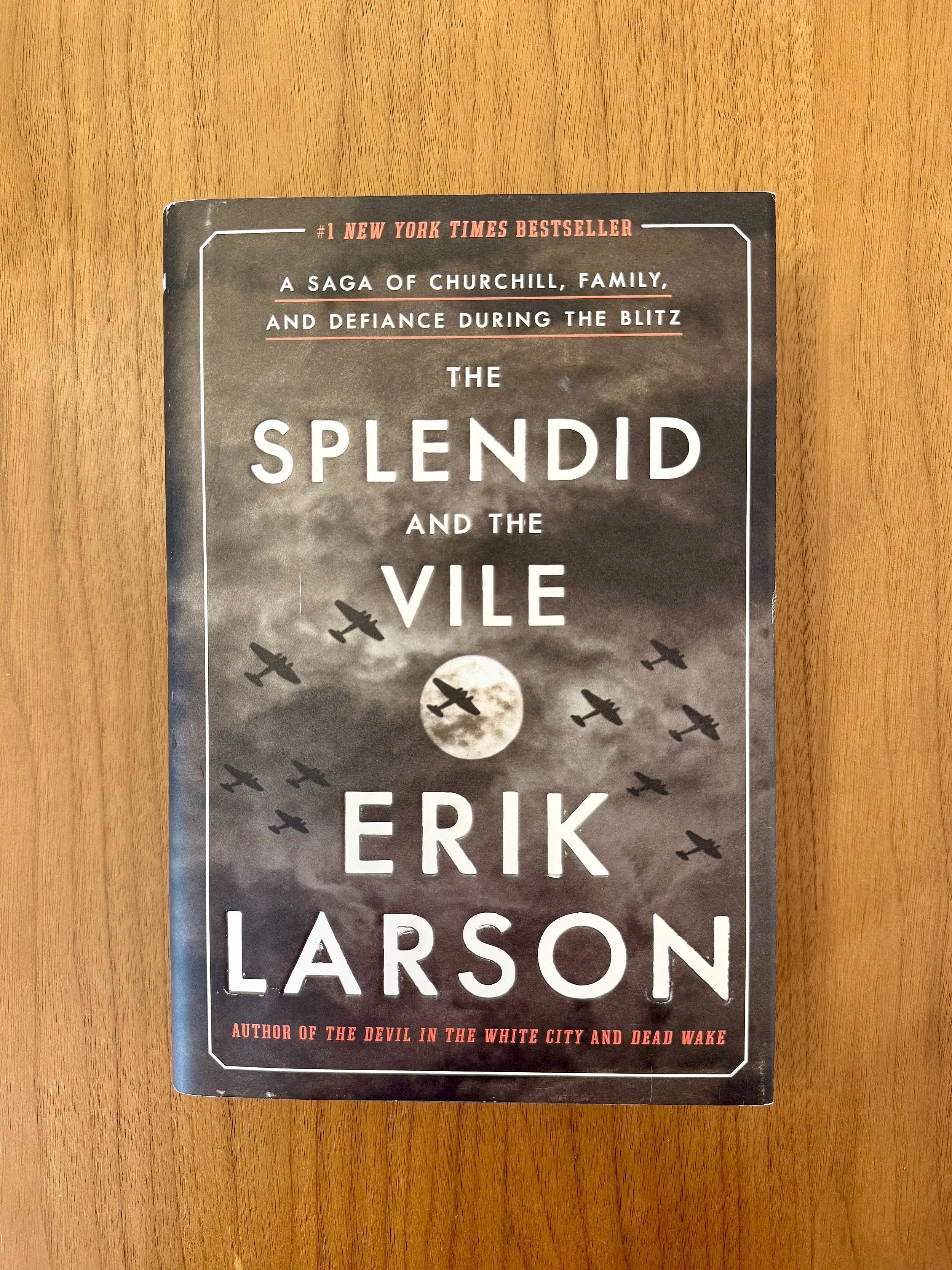
The Splendid and the Vile by Erik Larson follows Winston Churchill and his inner circle through the first year of World War II, capturing the Blitz as lived from the halls of power and the streets of London. Drawing on diaries, letters, and newly released archival material, Larson paints an intimate portrait of leadership under unimaginable pressure—Churchill rallying a nation, families navigating nightly bombings, and ordinary citizens finding resilience in the face of terror. A gripping, character‑driven narrative about courage, strategy, and the human cost of war.
Michael’s Rating: 4.5 stars. It is close a must-read for anyone interested in the England’s role in World War II.
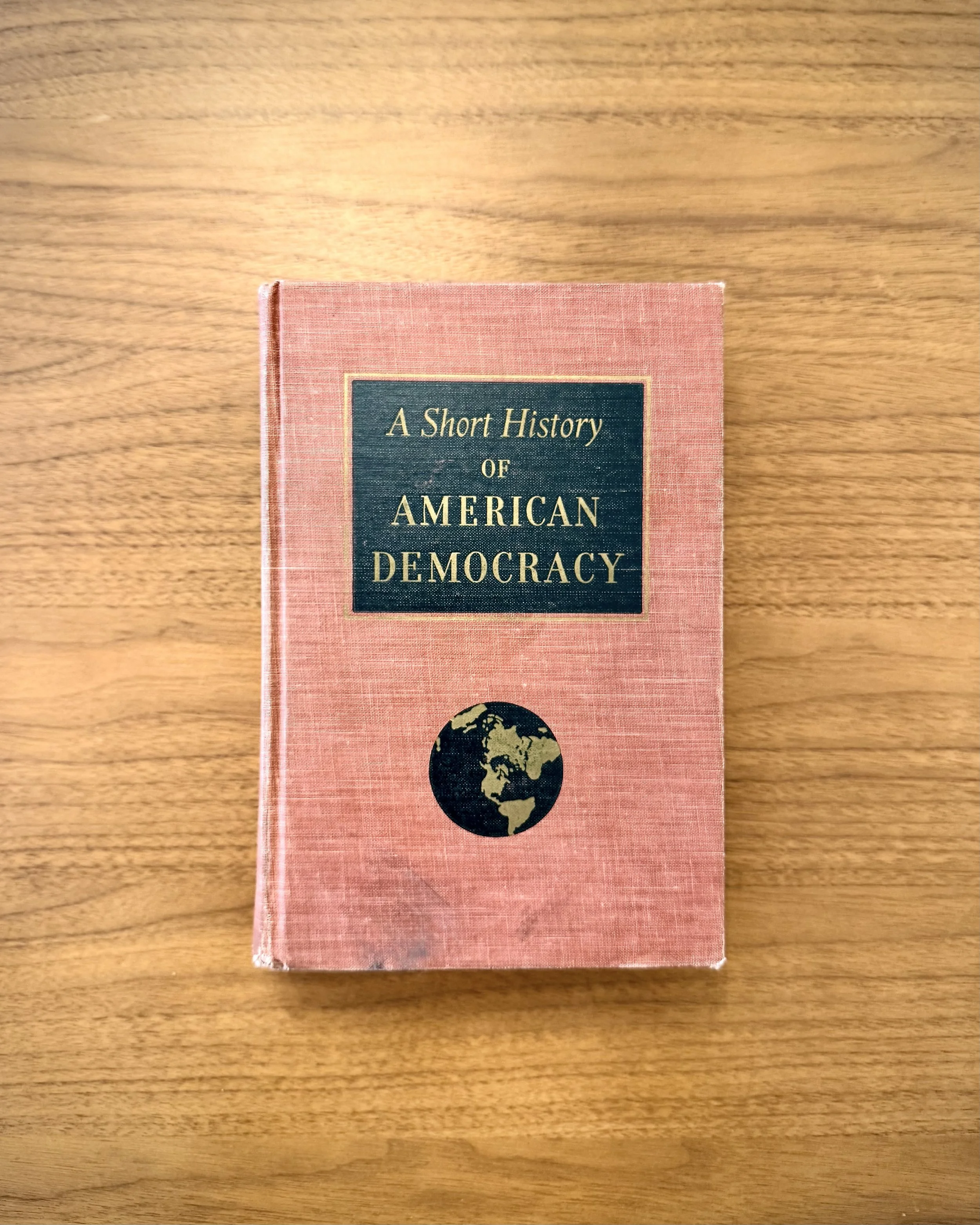

John D. Hicks and George Edwin Mowry’s A Short History of American Democracy is a comprehensive survey of the political, social, and economic forces that shaped the United States from the colonial era through the mid‑20th century. The book traces the evolution of American political institutions, the expansion of civil liberties, the rise of capitalism, the struggle over slavery, Reconstruction, industrialization, and America’s emergence as a world power. Structured chronologically, it presents democracy as a constantly contested project—expanded, restricted, reimagined, and fought over across generations.
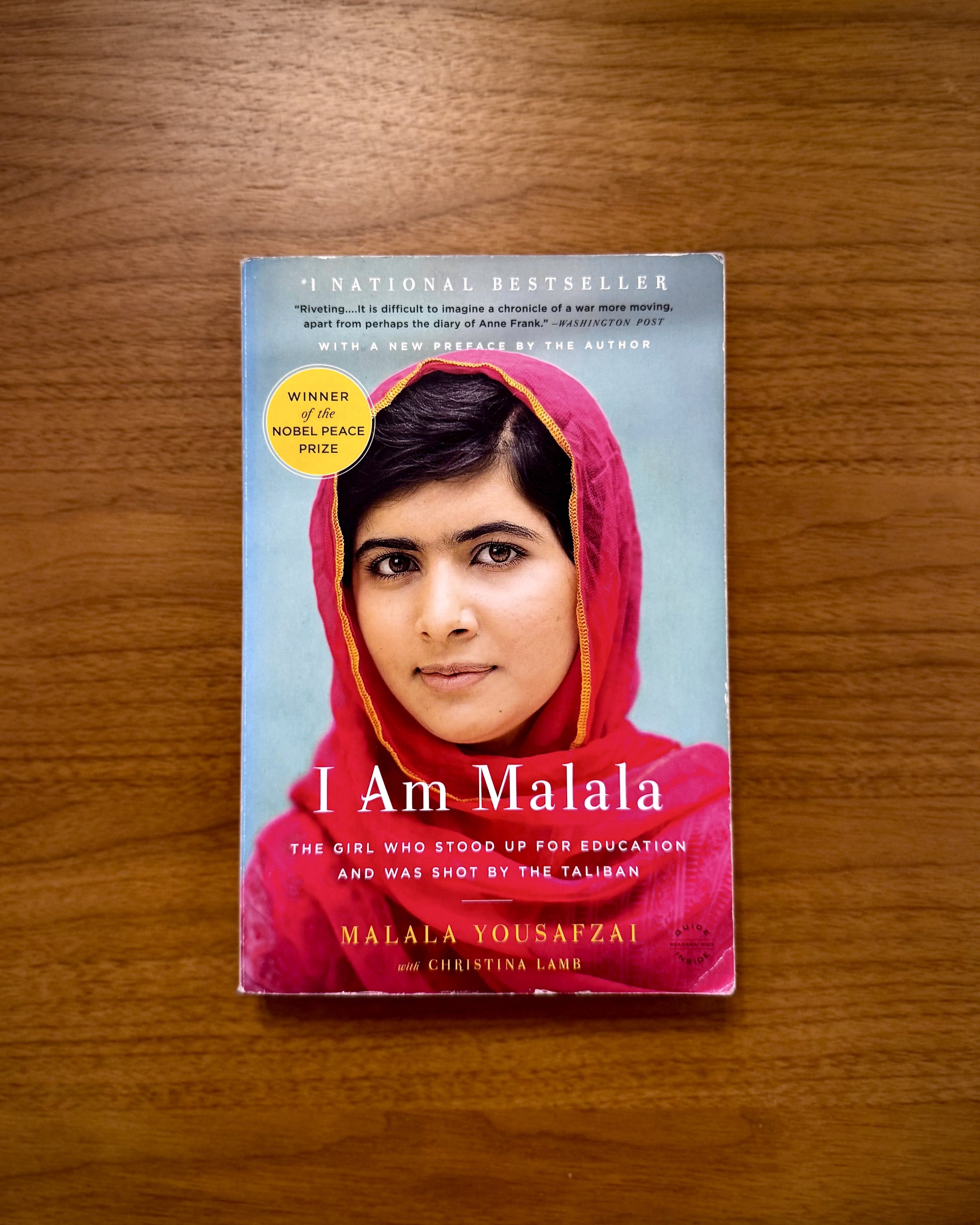
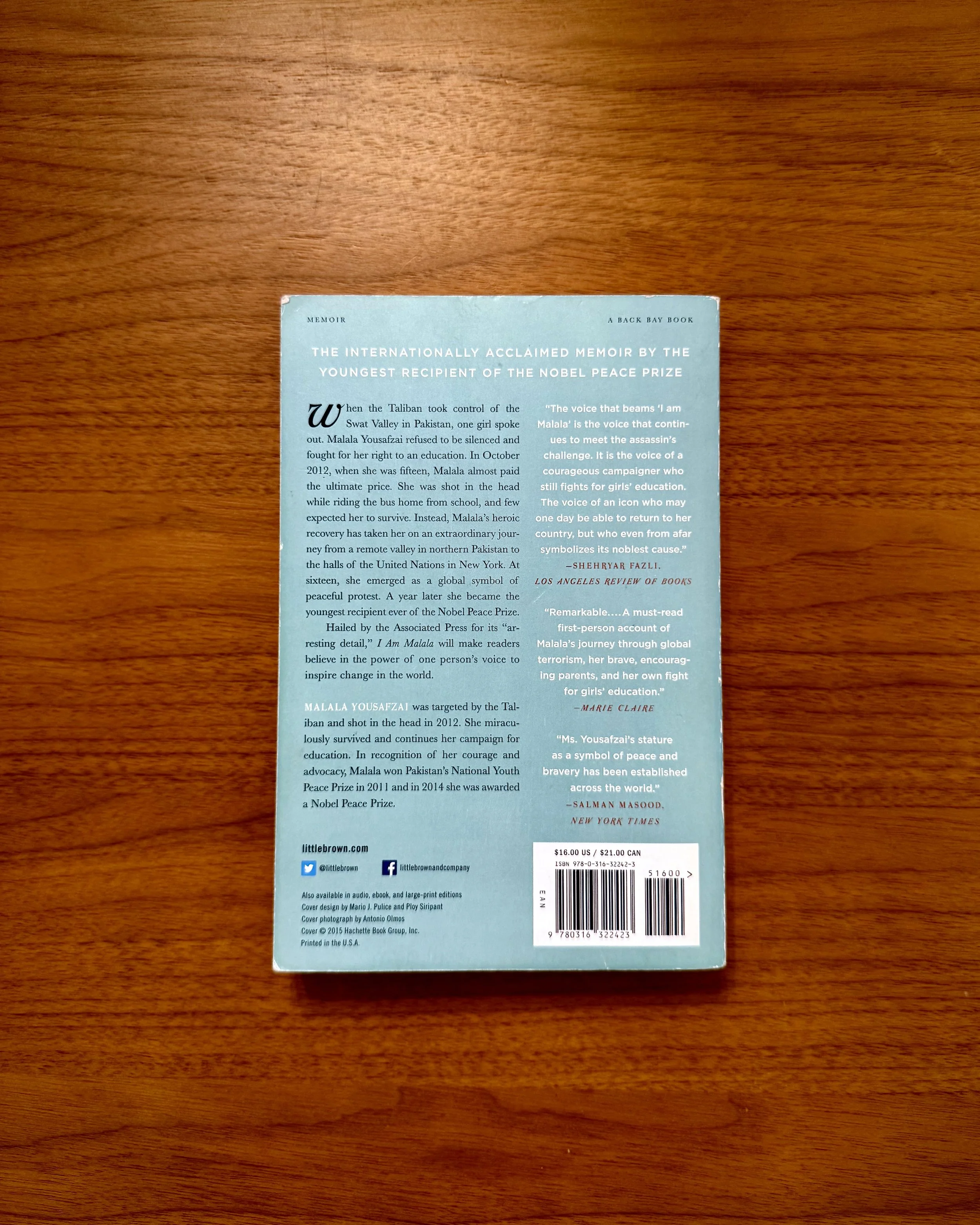
Malala Yousafzai’s I Am Malala is a powerful memoir about a Pakistani girl who refuses to be silenced when the Taliban bans girls’ education in the Swat Valley. Malala continues speaking out, becomes a target, survives an assassination attempt at age fifteen, and ultimately turns her recovery into a global movement for girls’ rights. It’s direct, courageous, and grounded in both personal story and political reality.
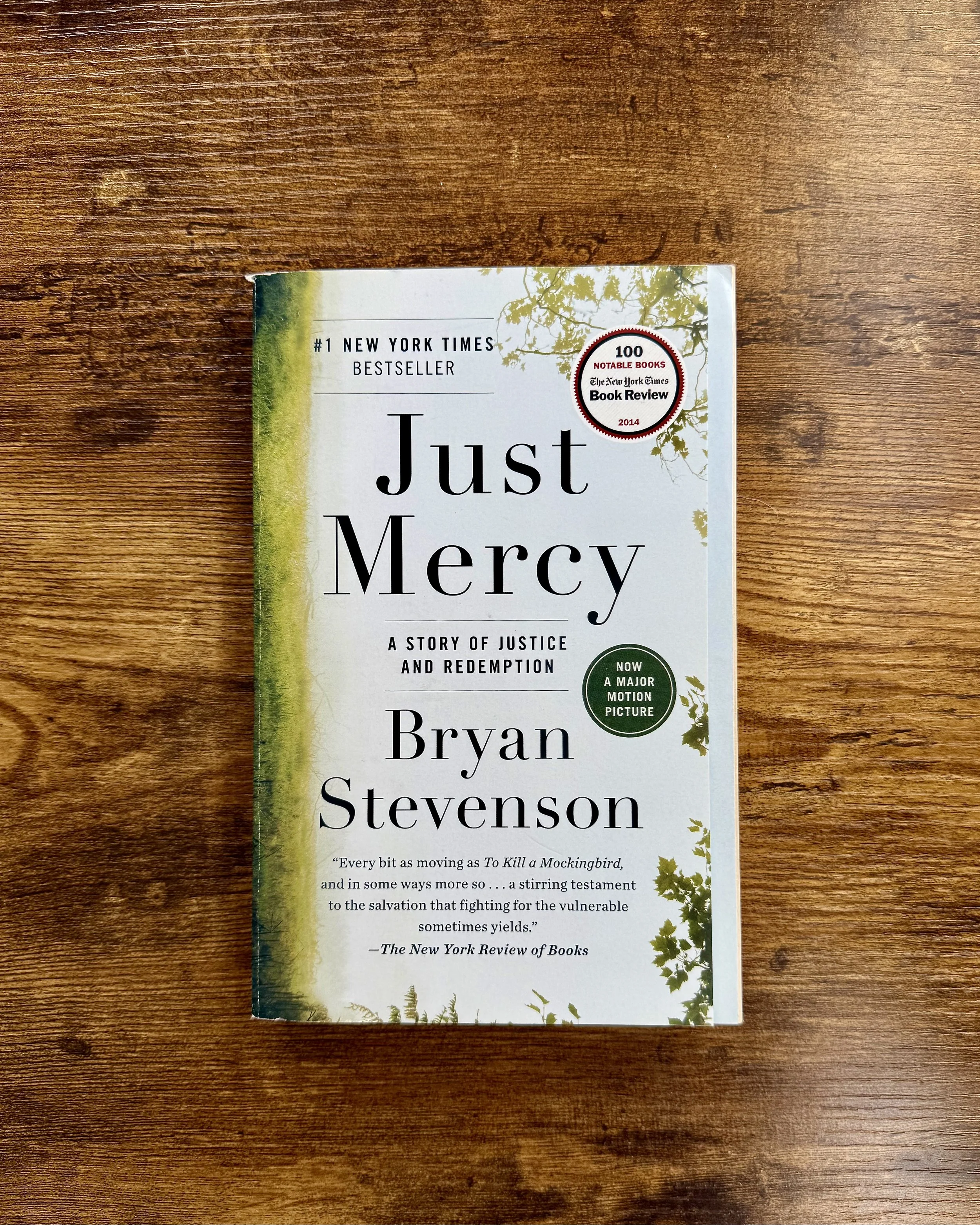
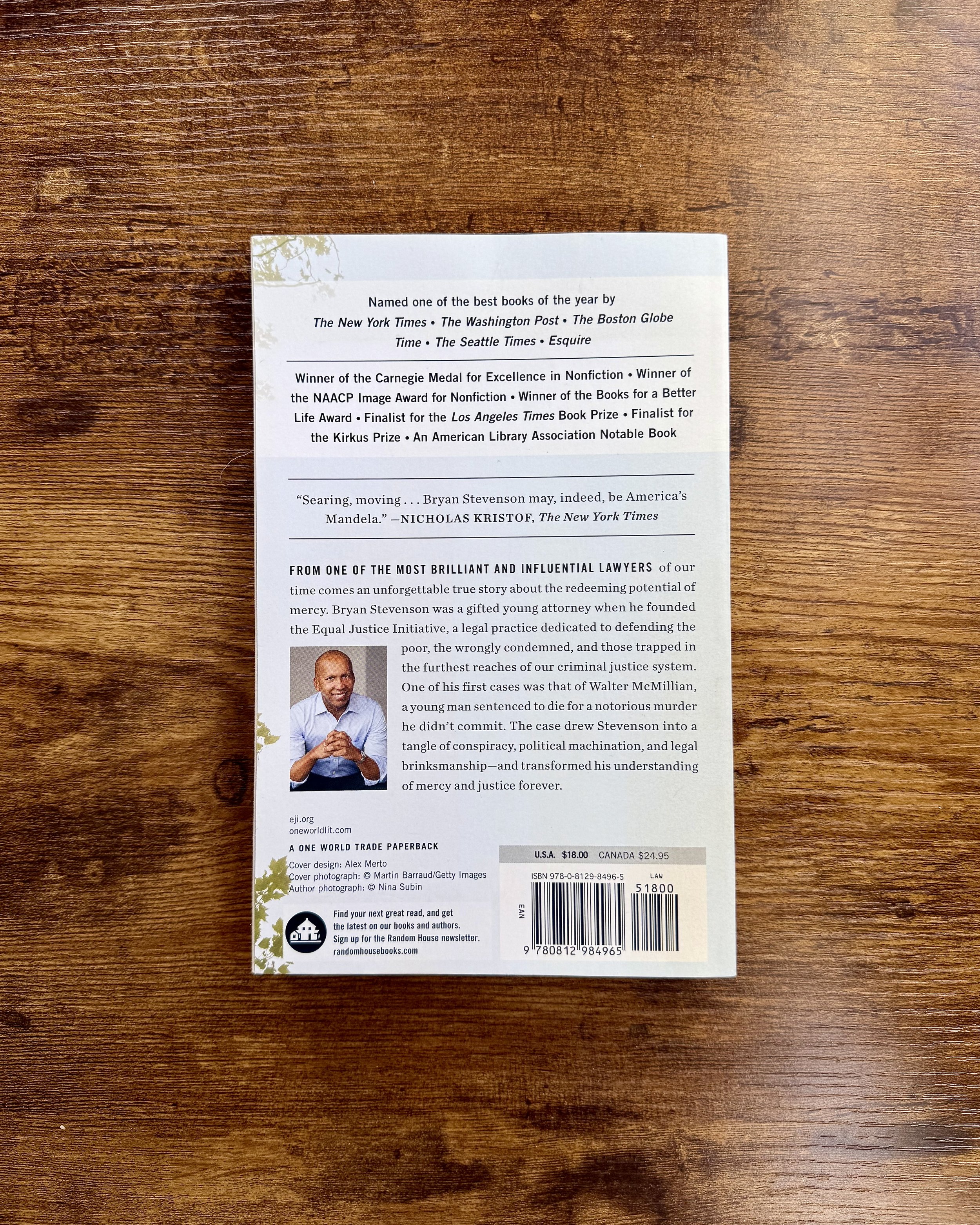
Bryan Stevenson’s Just Mercy: A Story of Justice and Redemption is a powerful, deeply moving narrative that combines a personal memoir with a sweeping critique of the American mass incarceration system. The book anchors its systemic analysis in the real-world case of Walter McMillian, a Black man wrongfully sentenced to death row for a murder he did not commit. Through McMillian's fight for freedom and glimpses into other cases involving juveniles, the poor, and the mentally ill, Stevenson exposes how poverty and racial bias compromise the legal system—delivering an urgent call for systemic reform, empathy, and a truer standard of justice.
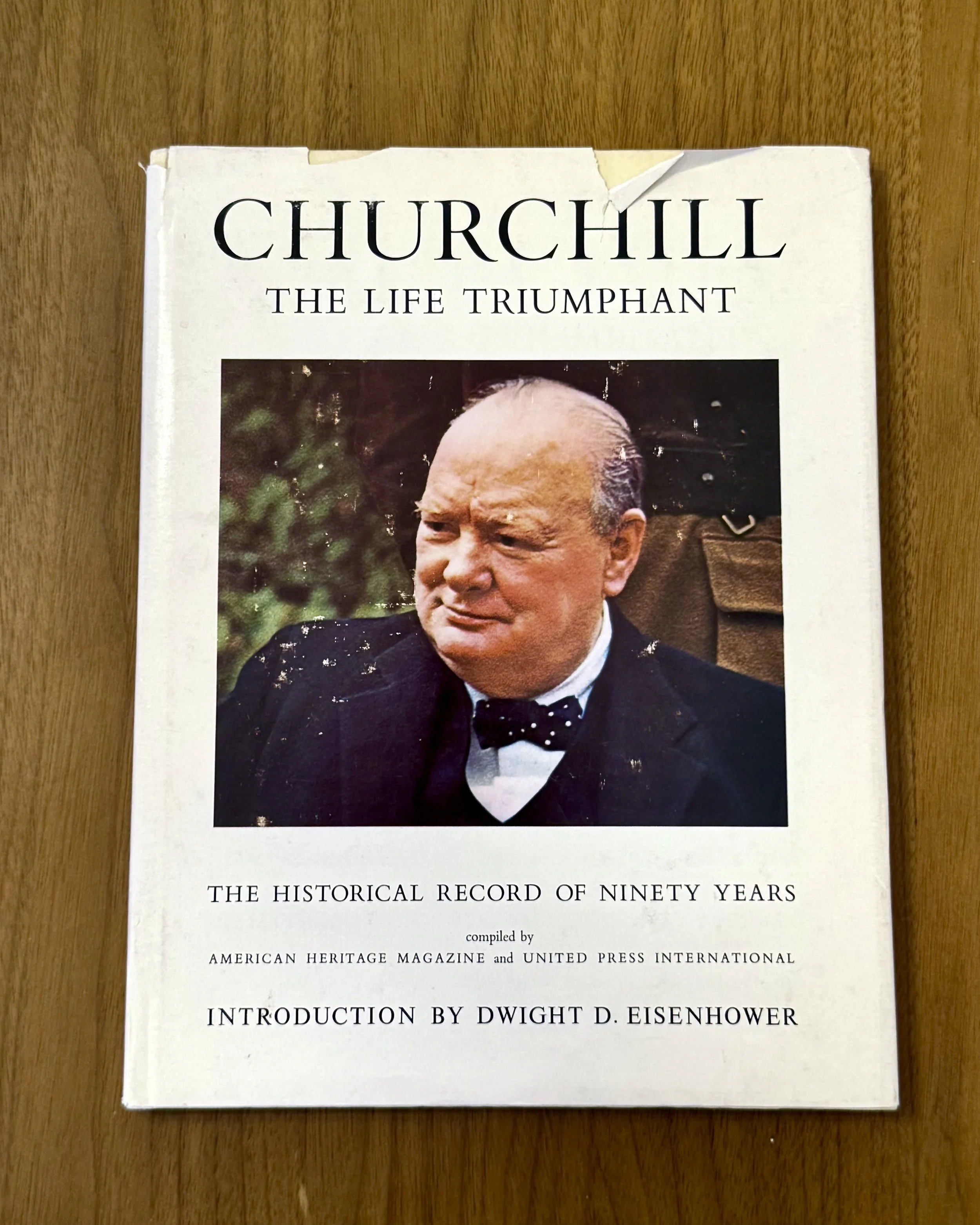
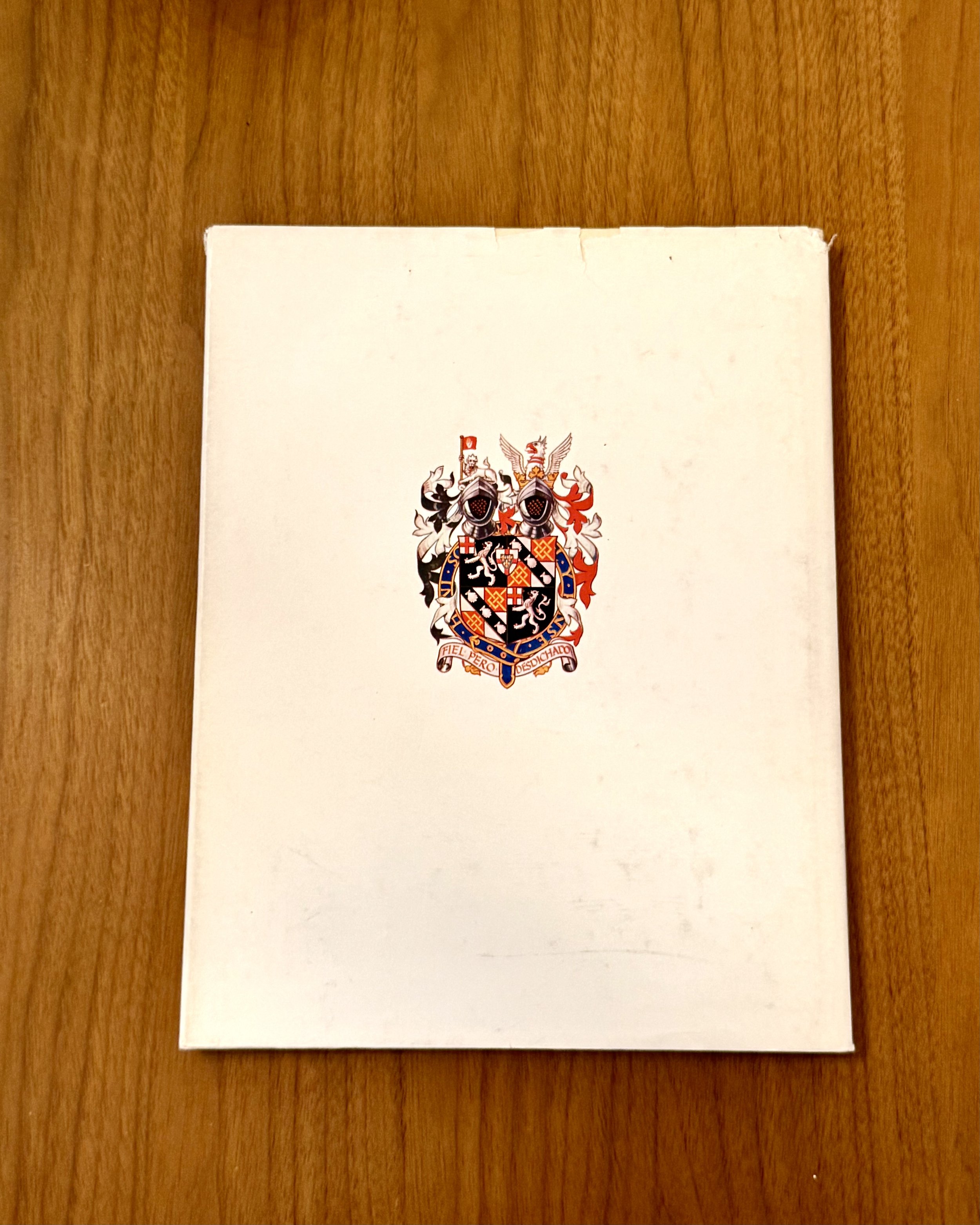
Churchill: The Life Triumphant is a concise retrospective that highlights Winston Churchill’s resilience, political instincts, and wartime leadership. Published shortly after his death in 1965, the volume presents him as a statesman whose personal courage and rhetorical brilliance shaped Britain’s survival in its darkest hours. Rather than offering deep archival revisionism, the book utilizes vivid imagery and narrative reporting to focus on Churchill’s character, strategic vision, and public presence, offering a portrait that emphasizes triumph, determination, and the making of a national hero.
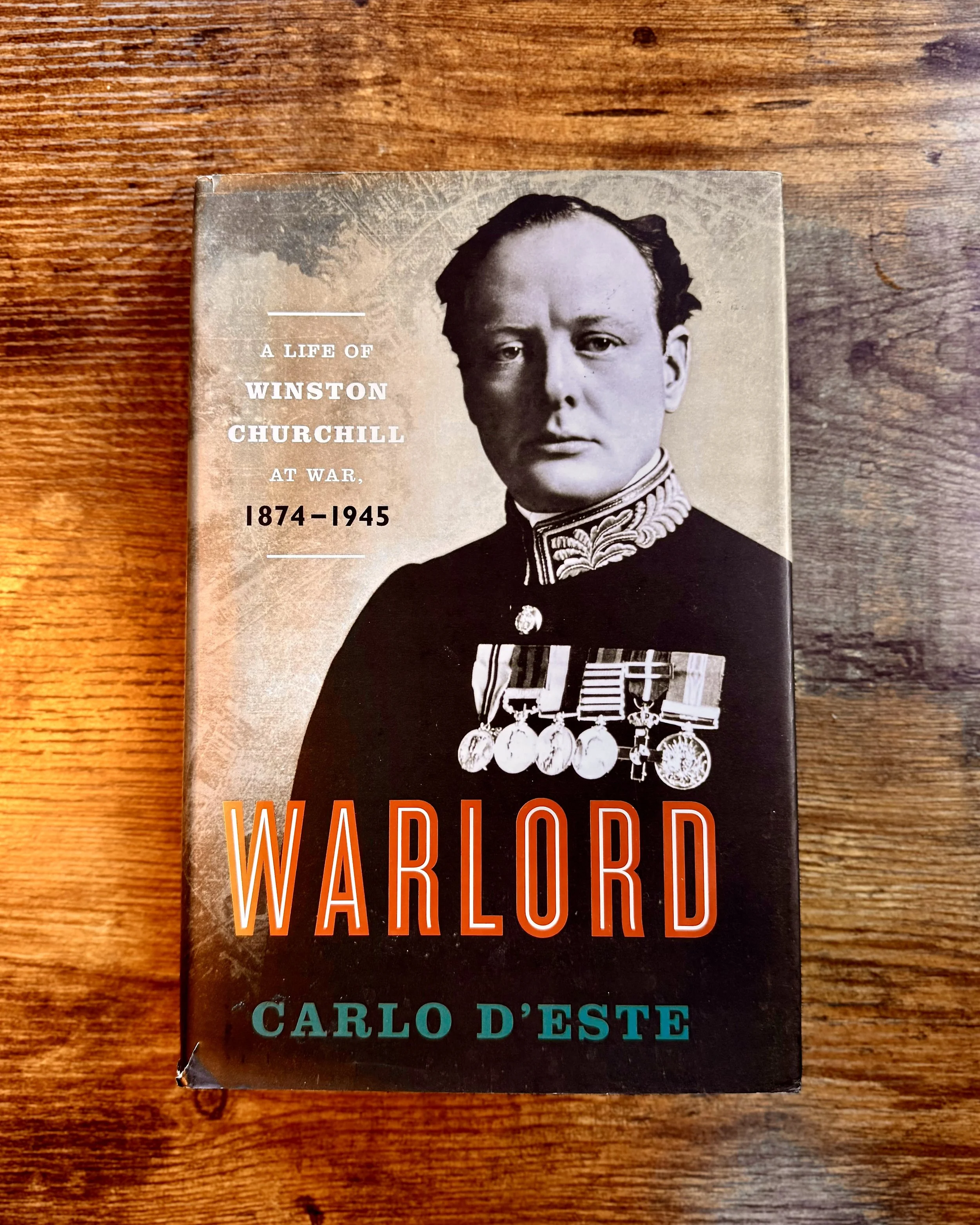
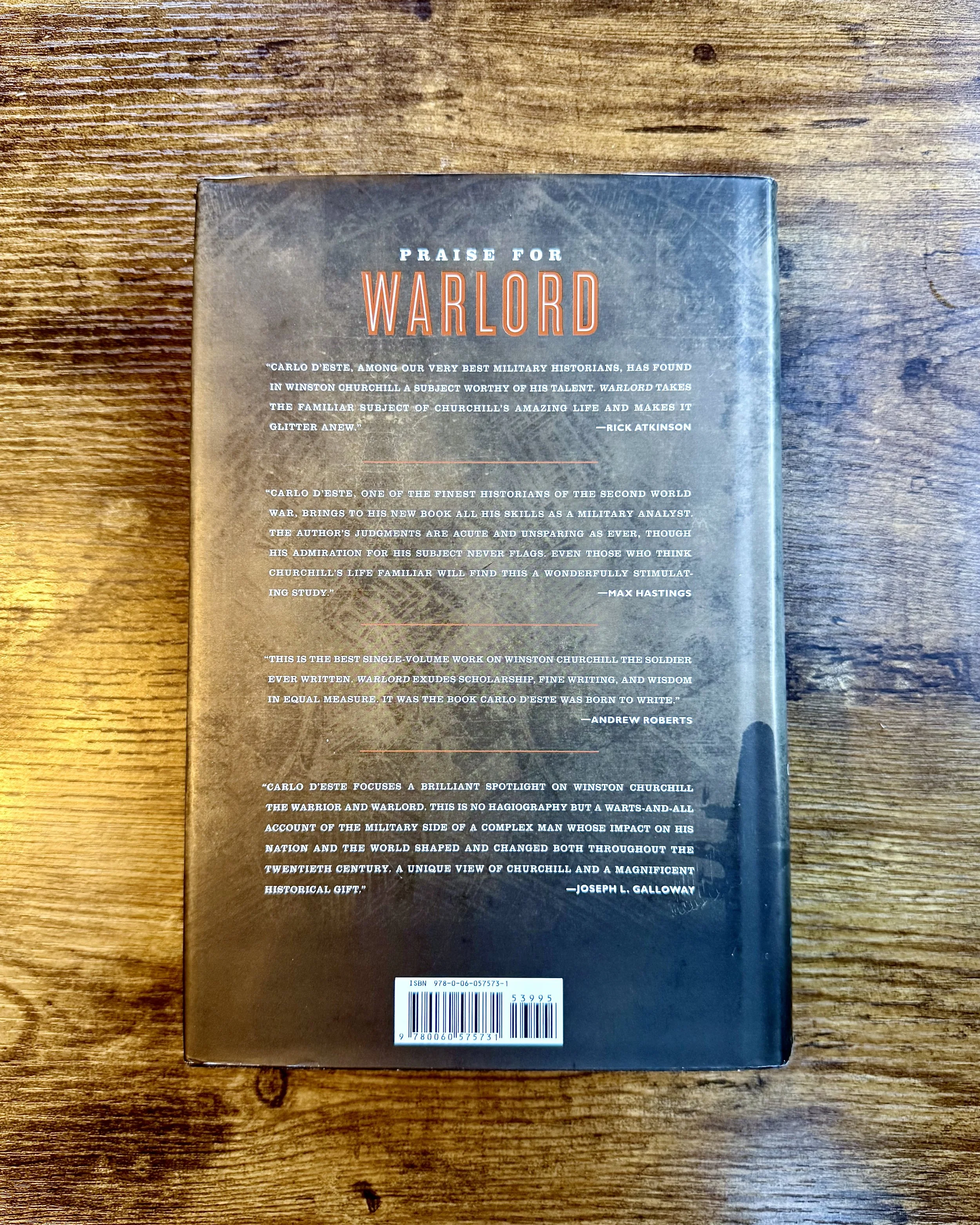
Carlos D’Este’s Warlord: A Life of Winston Churchill at War, 1874–1945 is a military‑focused biography that examines Churchill primarily through the lens of strategy, command, and wartime leadership. D’Este portrays Churchill as a brilliant but often impulsive figure whose bold ideas, deep historical knowledge, and relentless energy shaped Britain’s war effort—while also highlighting his misjudgments, strategic gambles, and the tensions he created with generals and allies. The result is a portrait of Churchill as a complex, force‑driven wartime leader rather than a conventional political statesman.
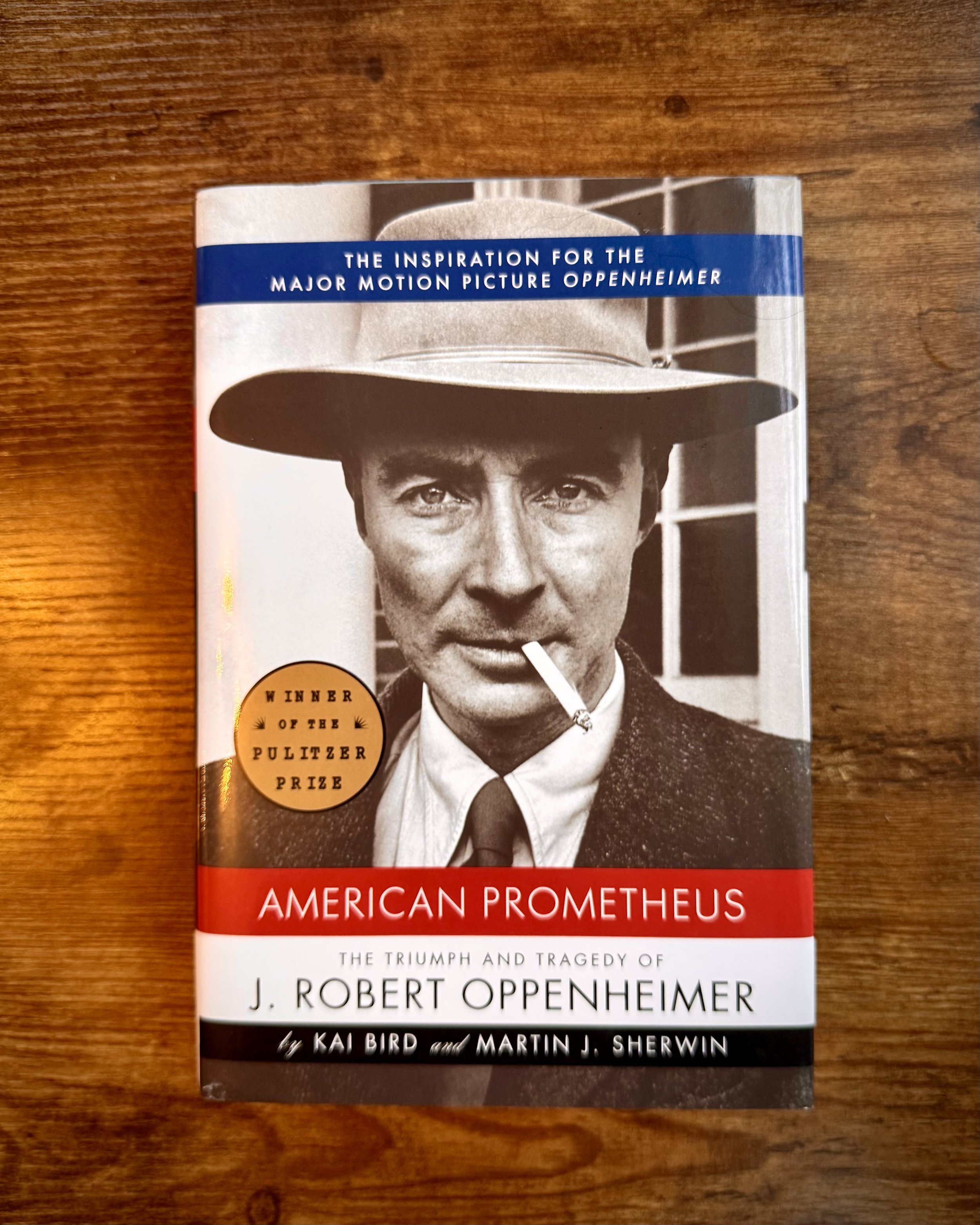
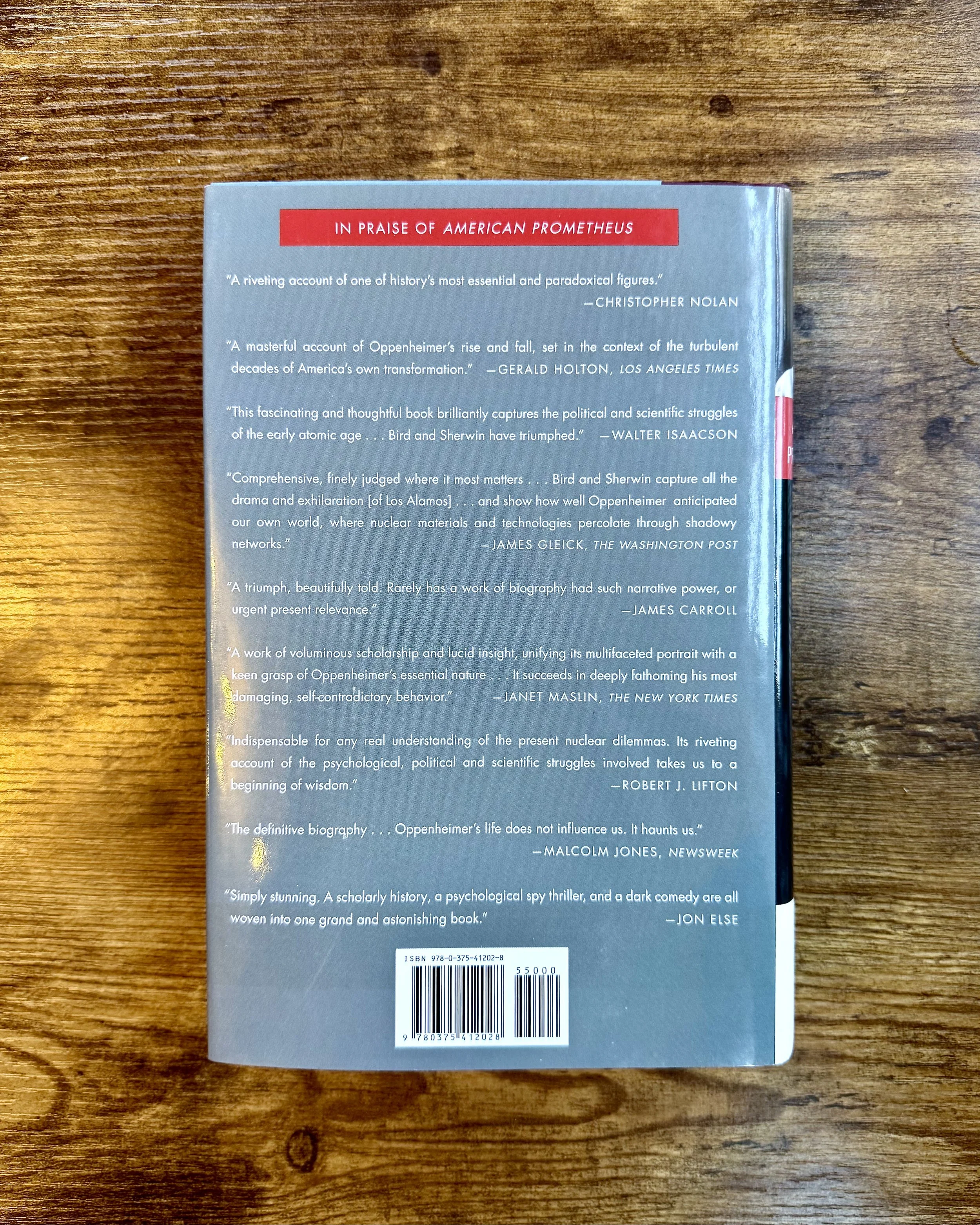
Kai Bird and Martin J. Sherwin’s American Prometheus: The Triumph and Tragedy of J. Robert Oppenheimer is a sweeping, deeply researched biography tracing Oppenheimer’s rise as a brilliant physicist, his leadership of the Manhattan Project, and his eventual political downfall during the Red Scare. Drawing on decades of archival work, the authors portray him as a gifted, conflicted figure—both the architect of the atomic bomb and a man haunted by its consequences.
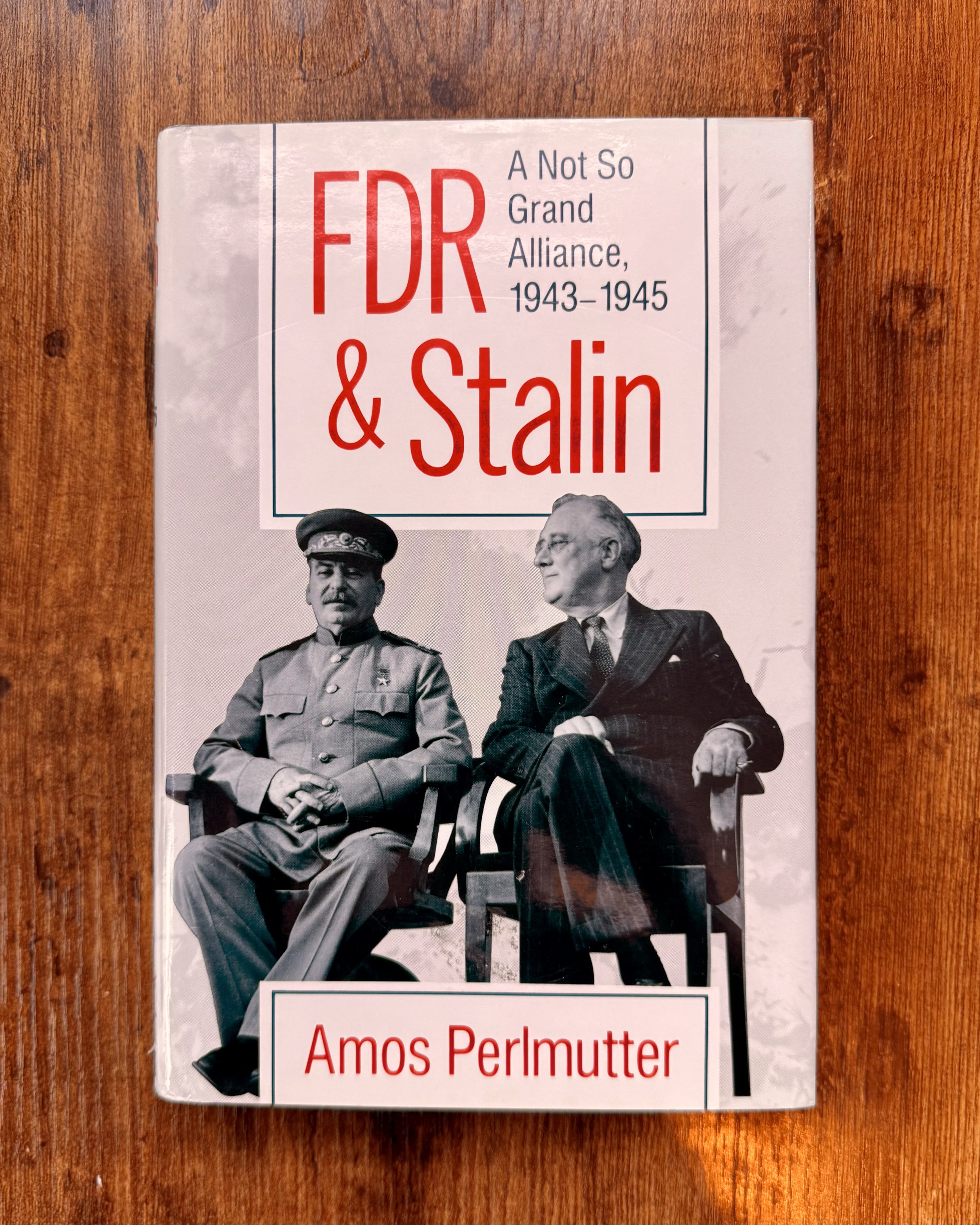
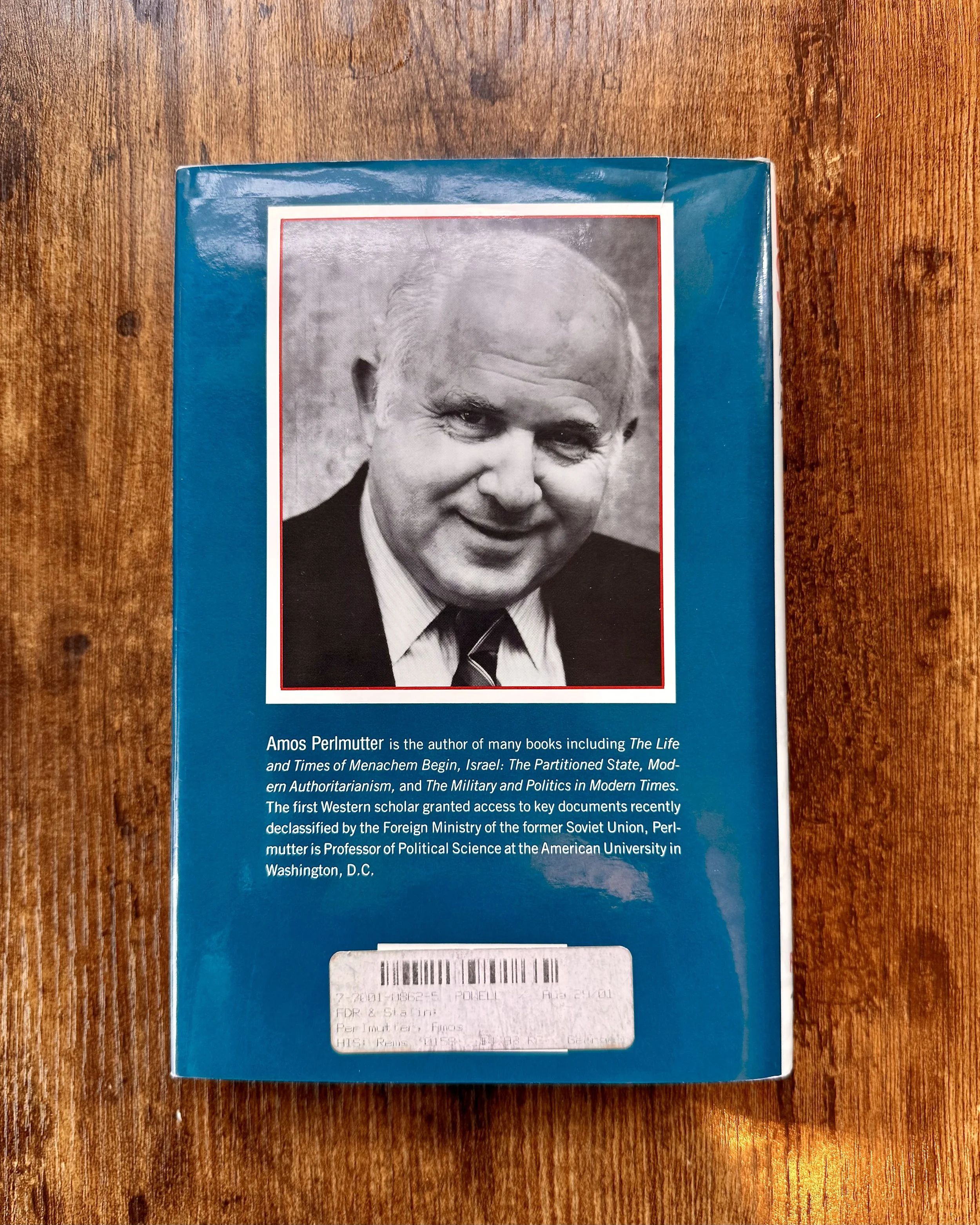
Amos Perlmutter offers a revisionist account of Roosevelt’s wartime diplomacy, arguing that FDR badly misread Stalin’s long‑term ambitions and conceded too much in key negotiations over Eastern Europe, Germany, and the postwar order. Drawing on newly available Soviet and U.S. archival material, he portrays the alliance as “not so grand”: a partnership that helped win the war but, in his view, strengthened Soviet power and contributed to the shape of the Cold War.
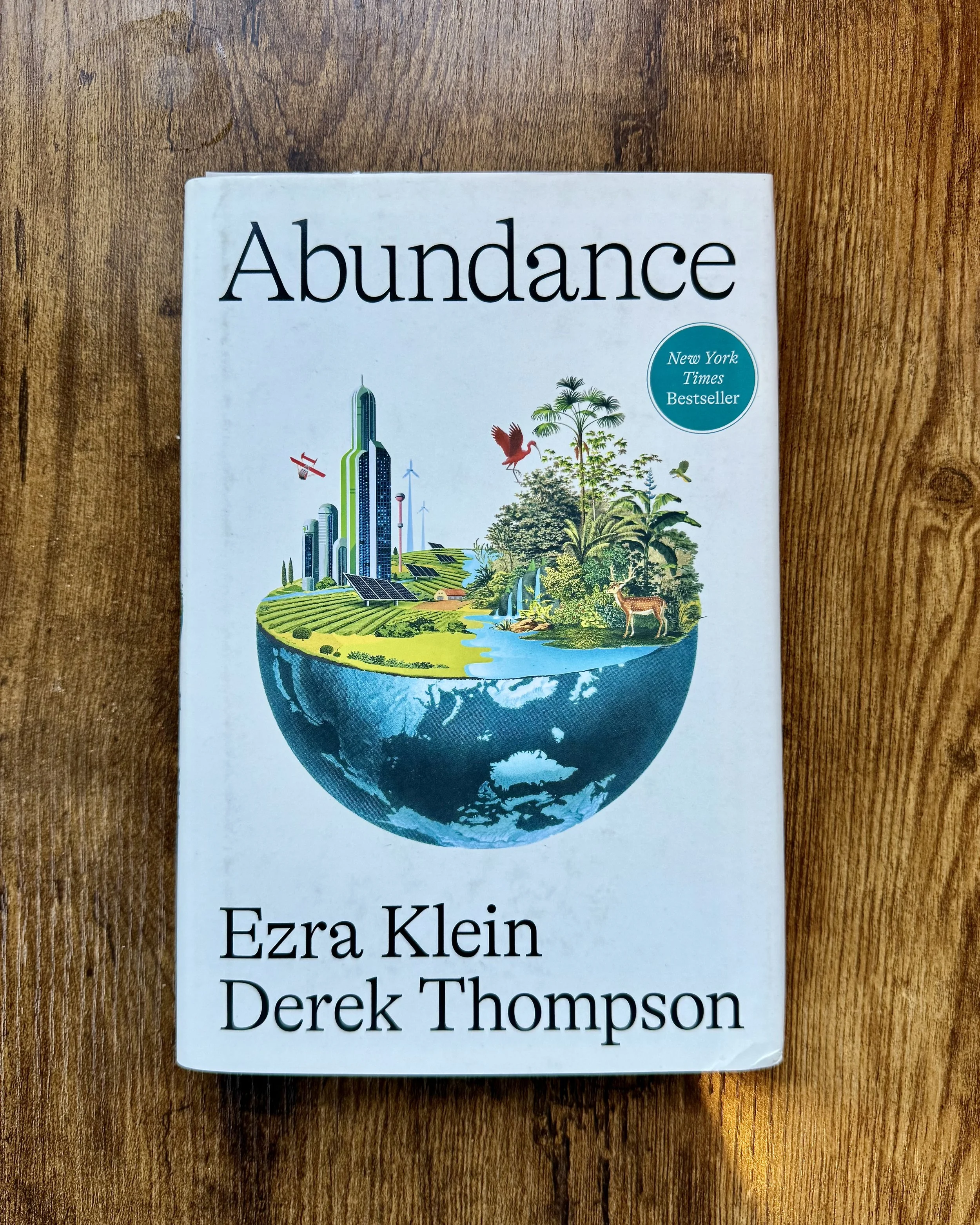
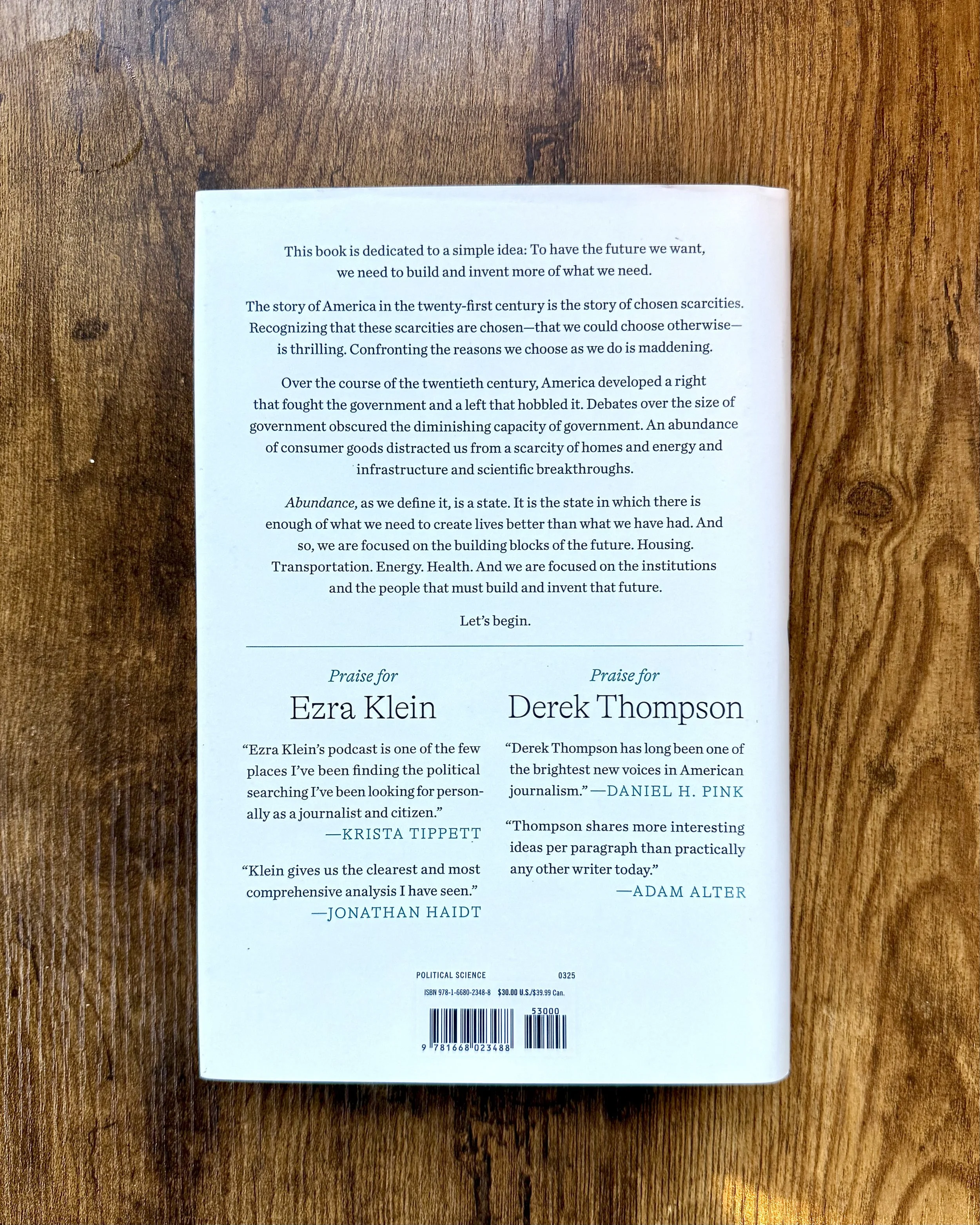
In Abundance, Ezra Klein and Derek Thompson argue that many of America’s biggest challenges — from housing shortages to slow infrastructure, clean‑energy bottlenecks, and stagnant innovation — stem from artificial scarcity created by outdated rules and political caution. They outline an “abundance agenda” that calls for reforming the systems that make it hard to build, and for shifting from a defensive, process‑heavy politics to one focused on expanding capacity, opportunity, and shared prosperity.
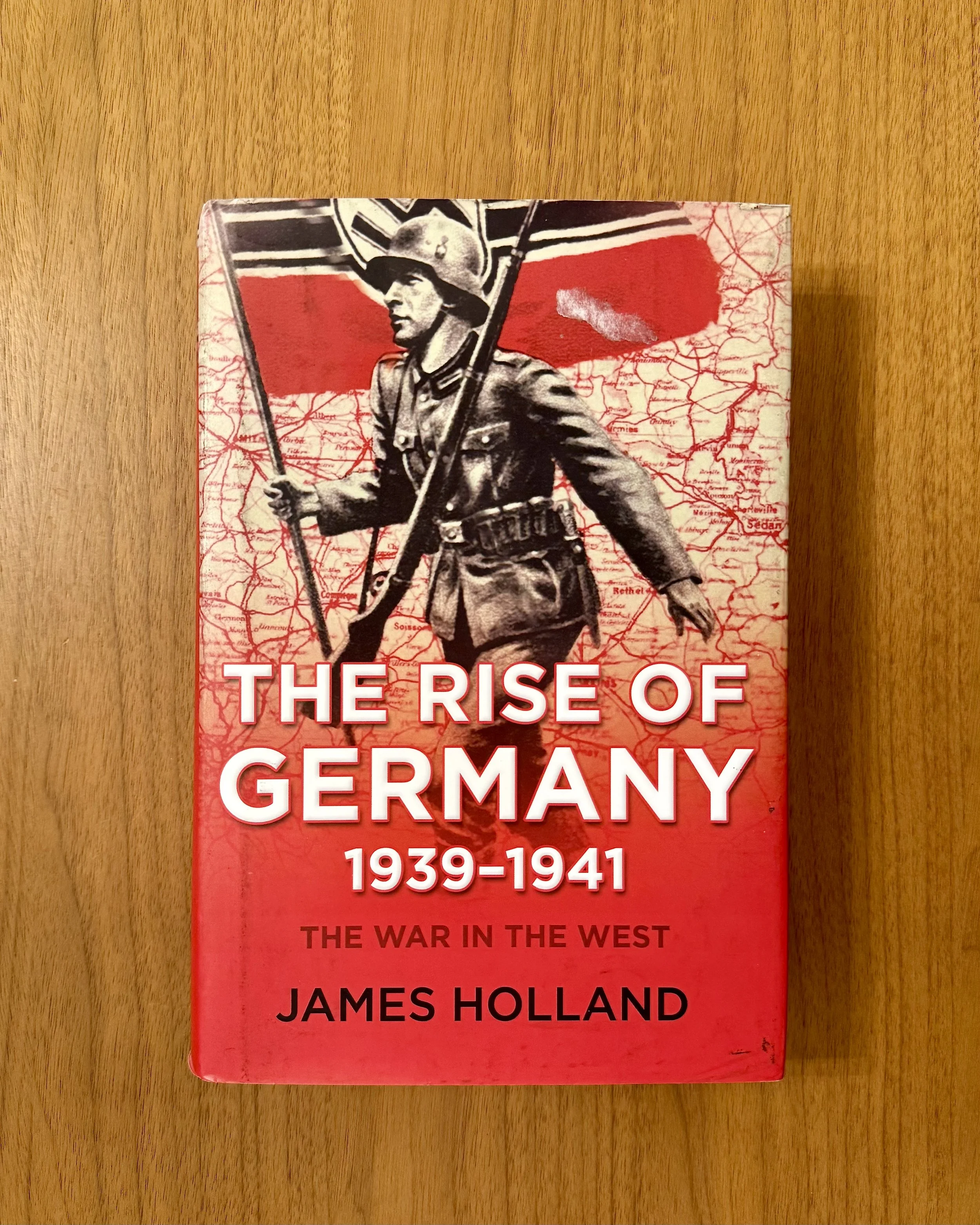
The Rise of Germany by James Holland is a fast‑paced, deeply researched account of the opening years of World War II, covering 1939–1941 as Nazi Germany unleashes its military machine across Europe. Holland blends strategic analysis with ground‑level perspectives from soldiers, civilians, and commanders, showing how early German successes were driven not by invincibility but by improvisation, risk‑taking, and a fragile logistical system. The book reframes the early war as a far more chaotic, contingent struggle than traditional narratives suggest.
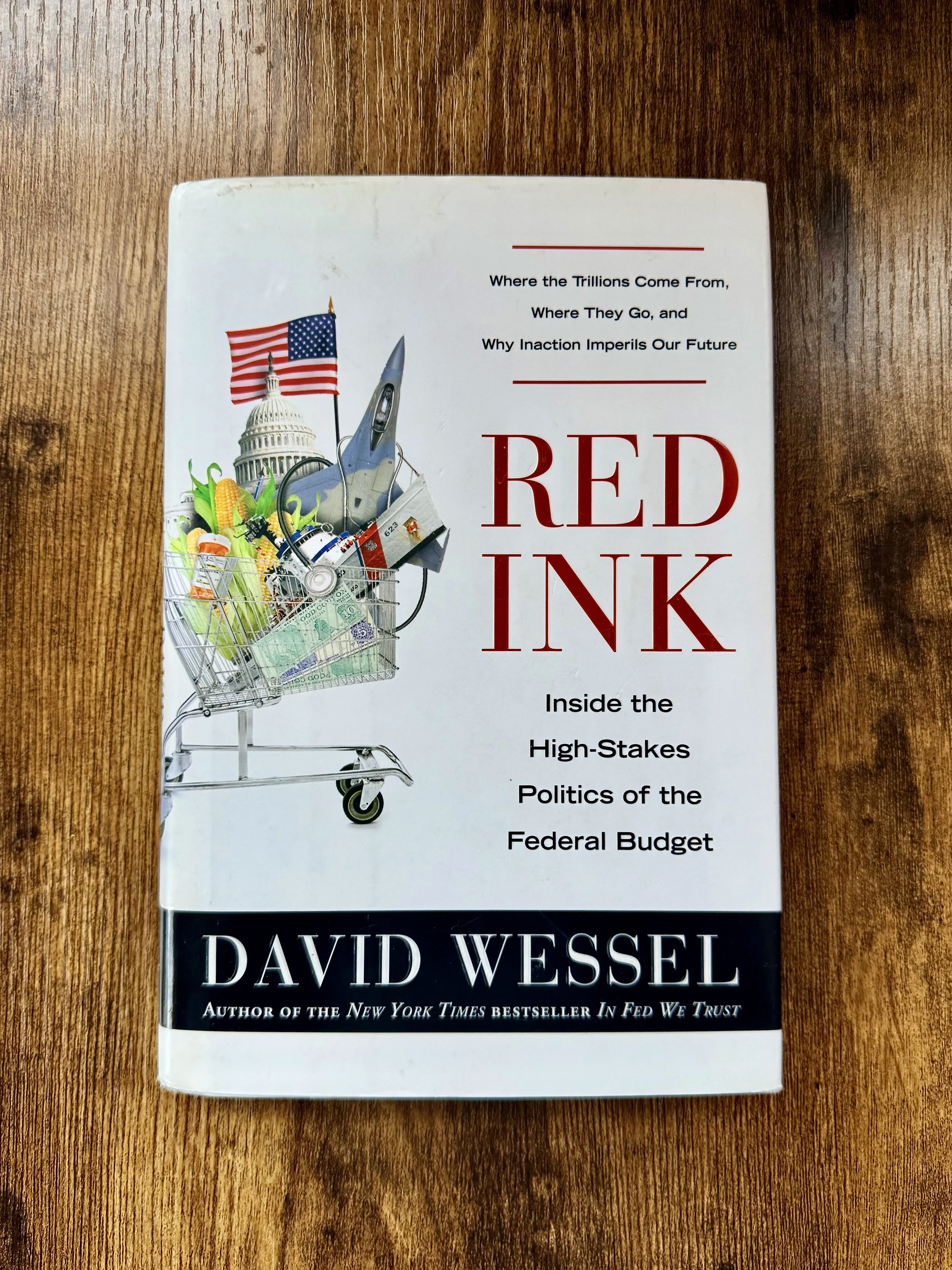
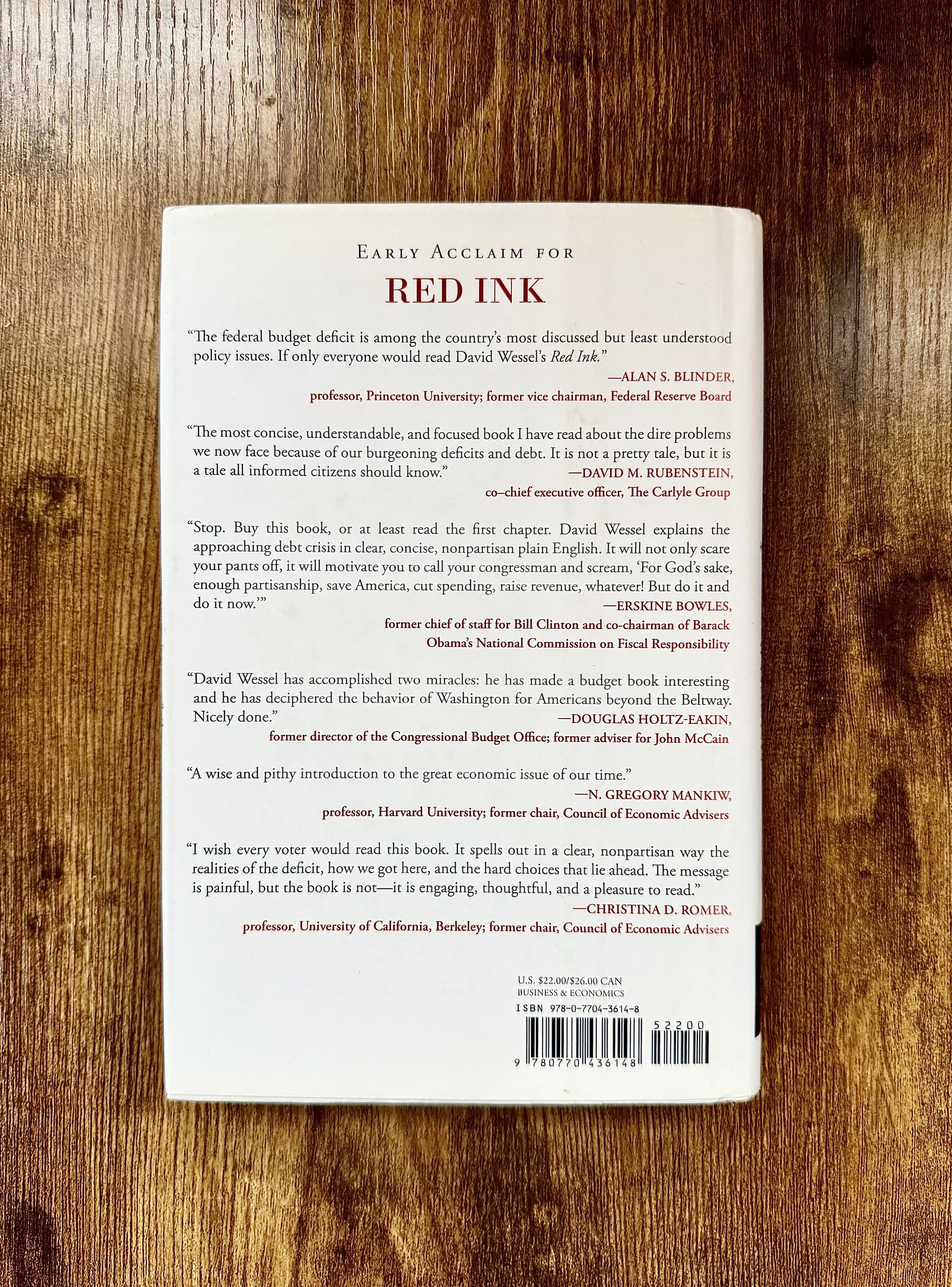
Red Ink: Inside the High‑Stakes Politics of the Federal Budget by David Wessel examines how the U.S. federal budget actually works—who shapes it, what drives its growth, and why reform is so politically fraught. Through clear explanations and vivid reporting, Wessel breaks down major spending categories, the structural forces behind deficits, and the political incentives that keep meaningful change elusive. The book offers a grounded, accessible look at the fiscal choices that define American governance and the trade‑offs that policymakers continually confront.
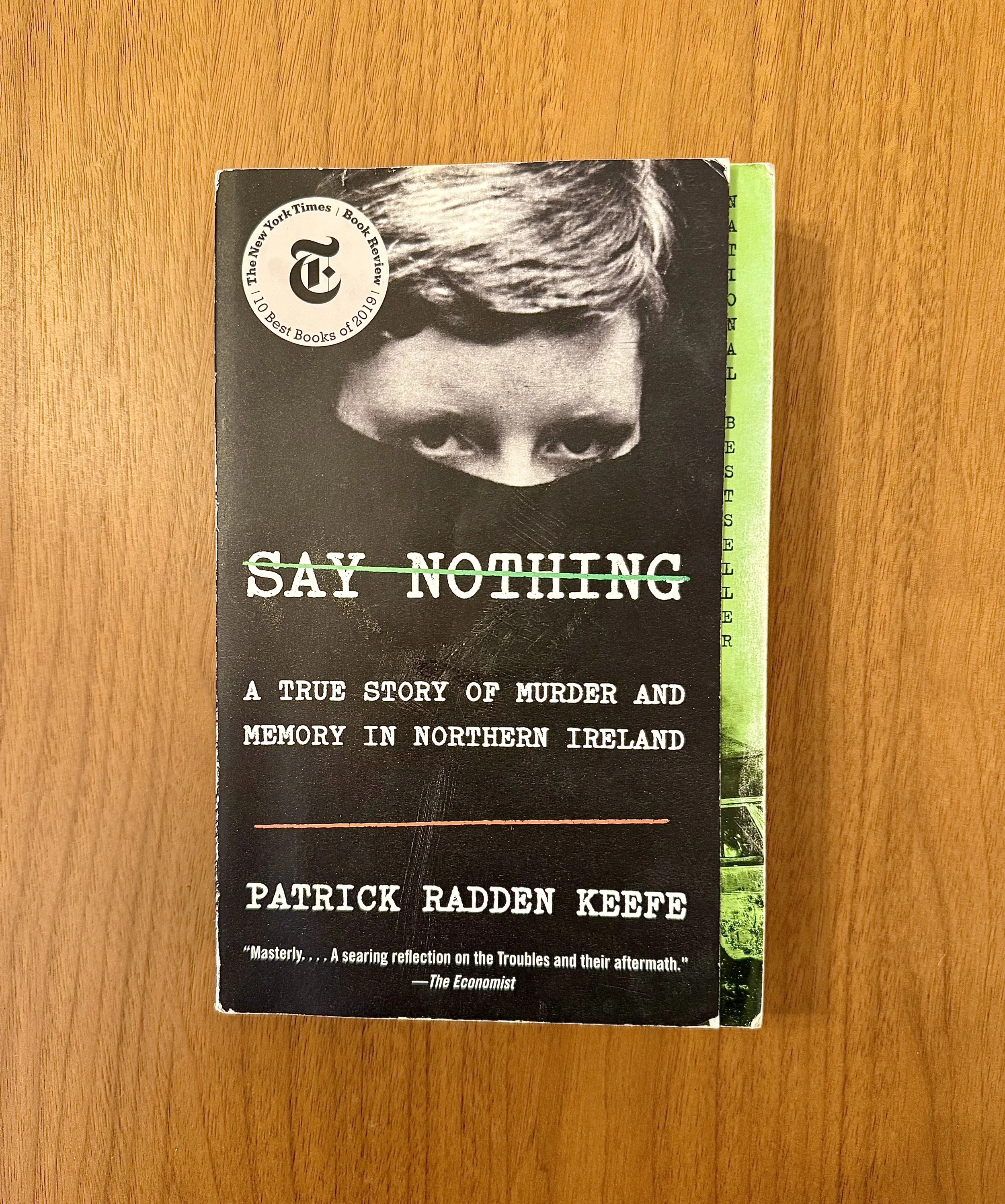
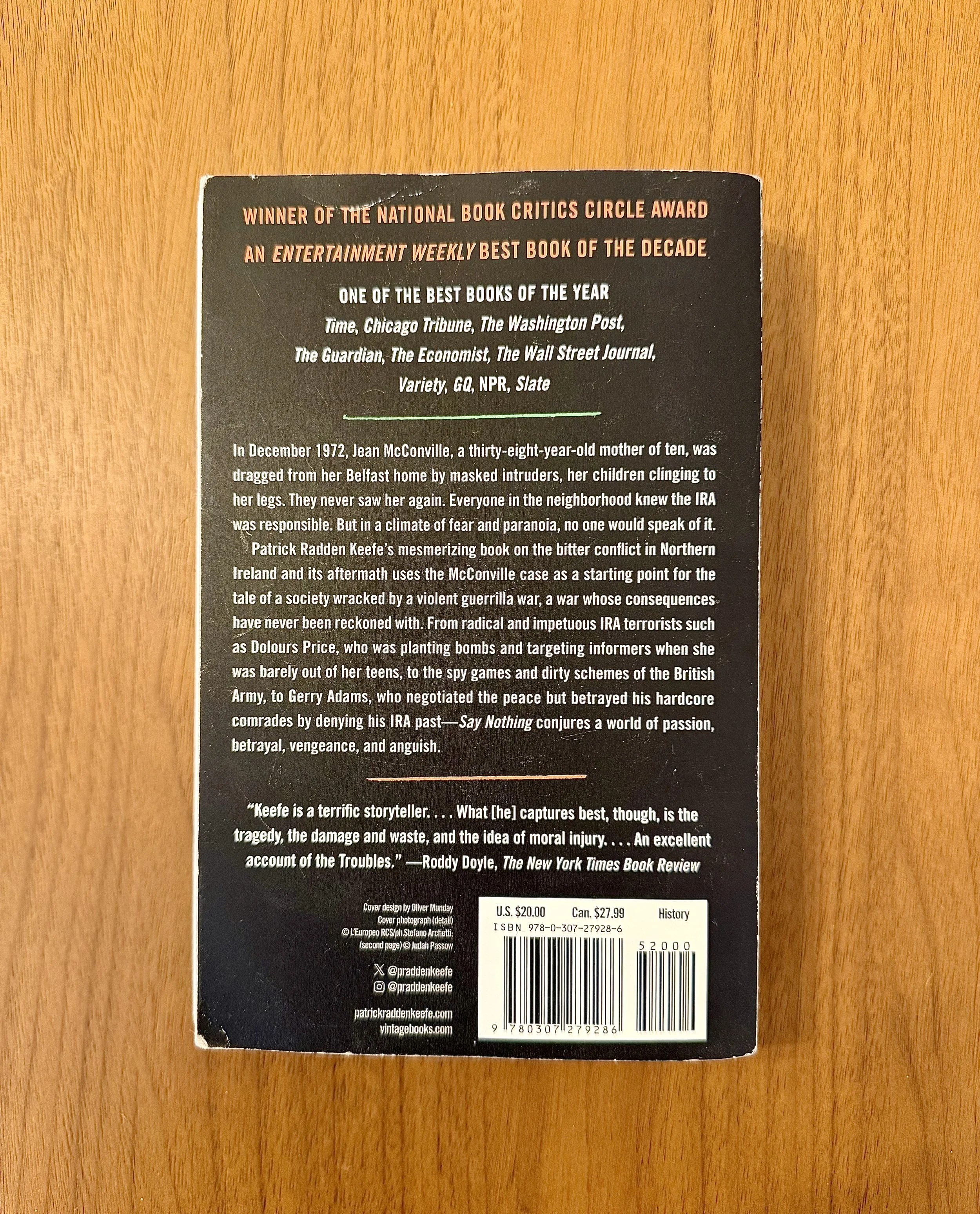
Say Nothing: A True Story of Murder and Memory in Northern Ireland by Patrick Radden Keefe is a gripping narrative history centered on the 1972 disappearance of Jean McConville, a widowed mother of ten, and the violent, tangled world of the Troubles. Through meticulous reporting and deeply human storytelling, Keefe traces the lives of IRA members, activists, and ordinary citizens pulled into decades of conflict, secrecy, and trauma. The book becomes both a true‑crime investigation and a sweeping portrait of a society struggling with the weight of memory, loyalty, and unresolved grief.
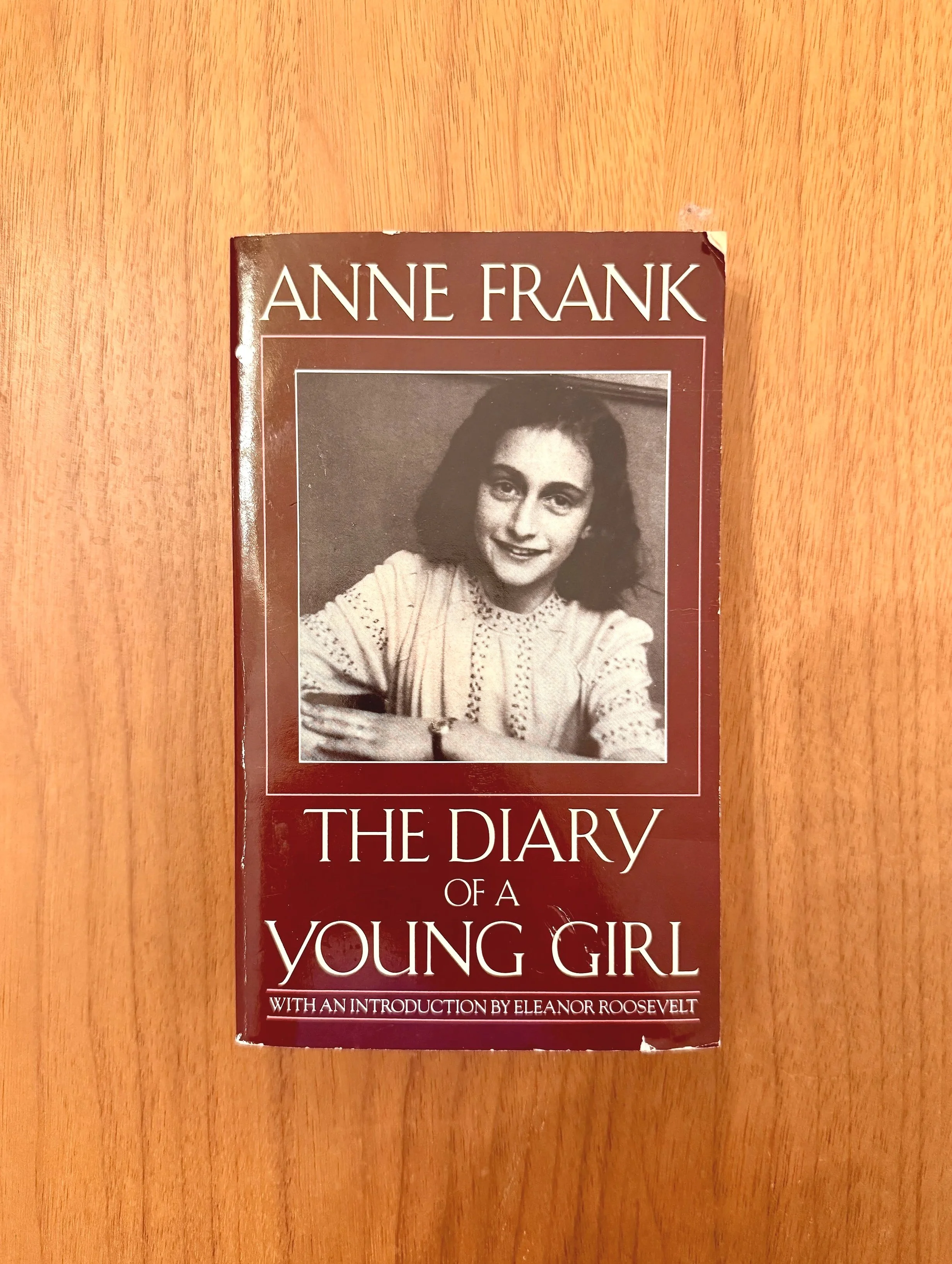
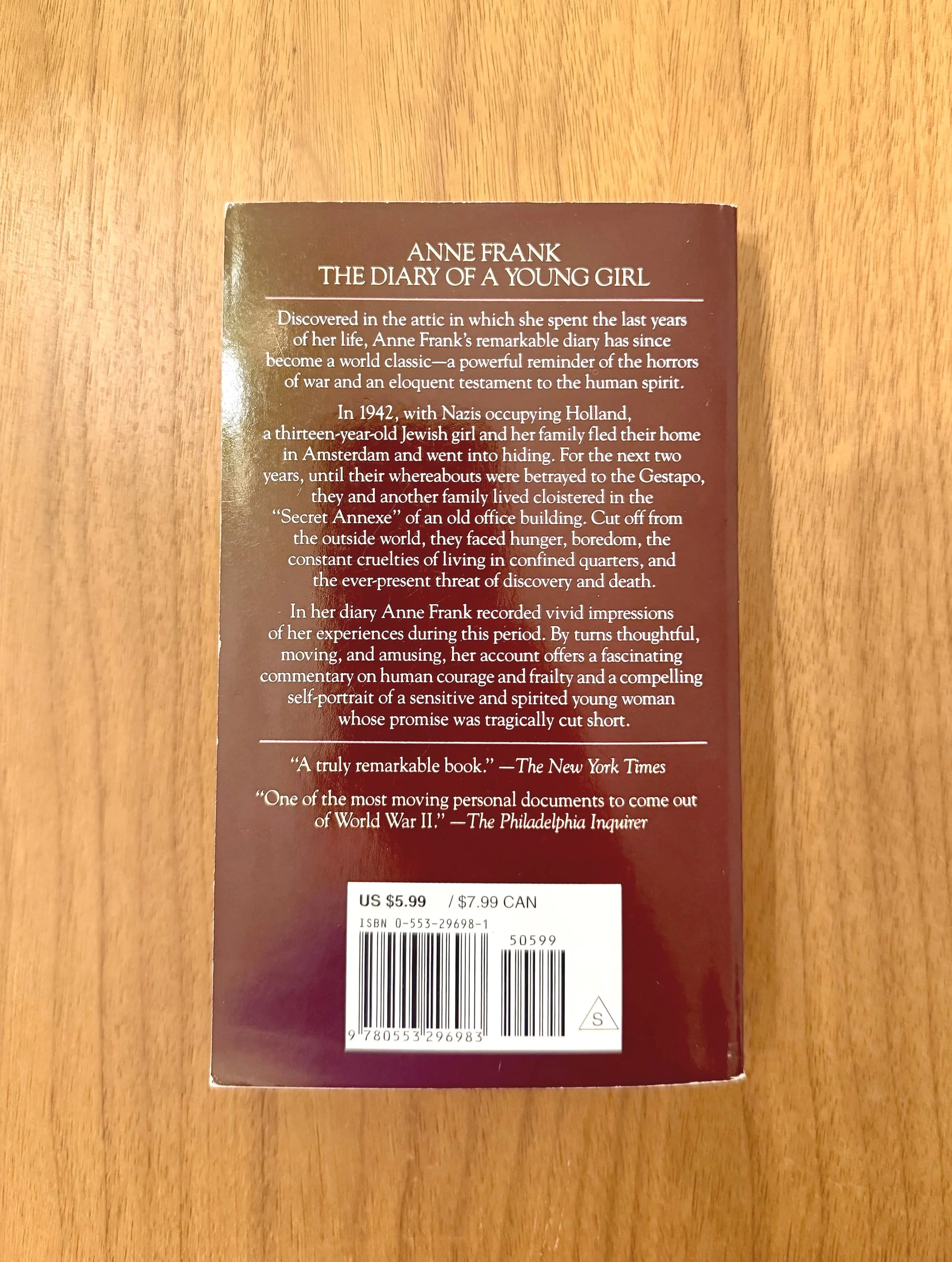
The Diary of a Young Girl by Anne Frank presents the intimate, day‑to‑day reflections of a Jewish teenager hiding with her family in an Amsterdam attic during the Nazi occupation. Through her sharp observations, fears, hopes, and moments of unexpected humor, Anne captures the resilience of a young mind determined to find meaning in a world collapsing around her. Her diary endures as a powerful testament to courage, humanity, and the cost of hatred.
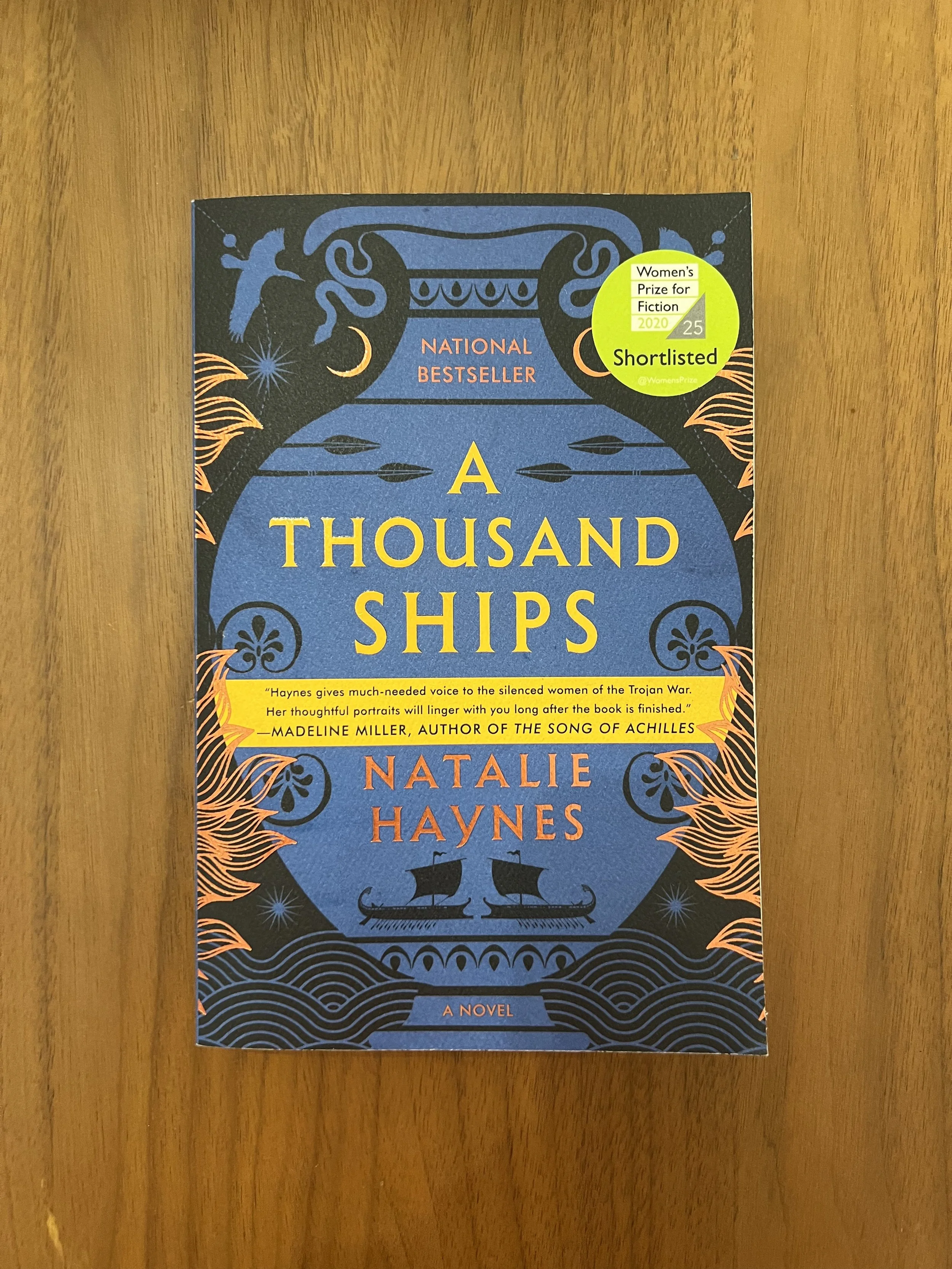
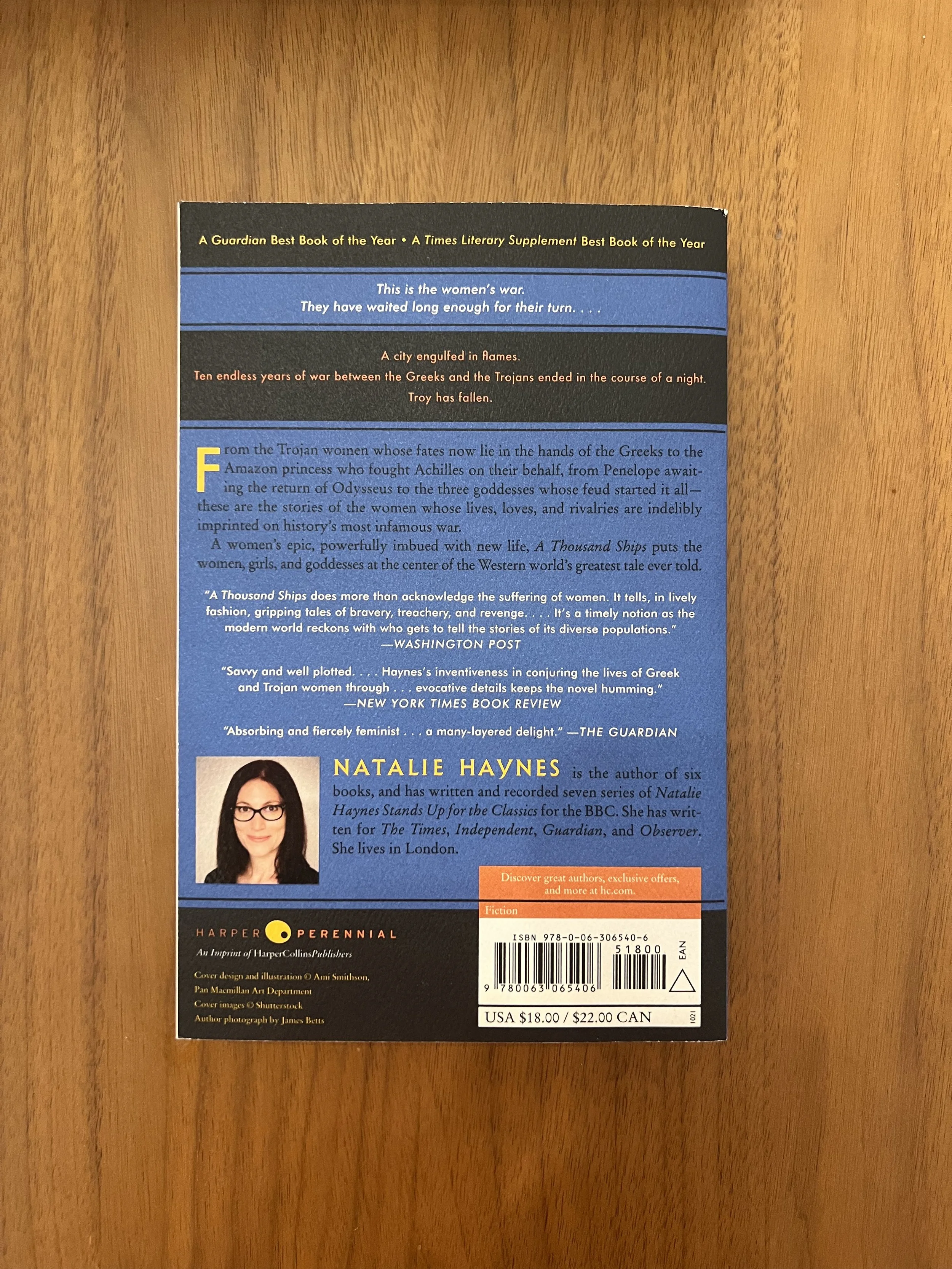
A Thousand Ships by Natalie Haynes is a powerful retelling of the Trojan War, shifting the focus from the well-known male heroes to the women affected by the conflict. Told through multiple perspectives—including queens, slaves, goddesses, and survivors—the novel explores the devastation, resilience, and untold stories of those left in the war’s wake. Calliope, the Muse of Epic Poetry, serves as a framing voice, challenging traditional narratives and ensuring that the women’s experiences are heard. With lyrical prose and a fresh perspective, A Thousand Ships reimagines an ancient tale through the lens of those history often overlooks
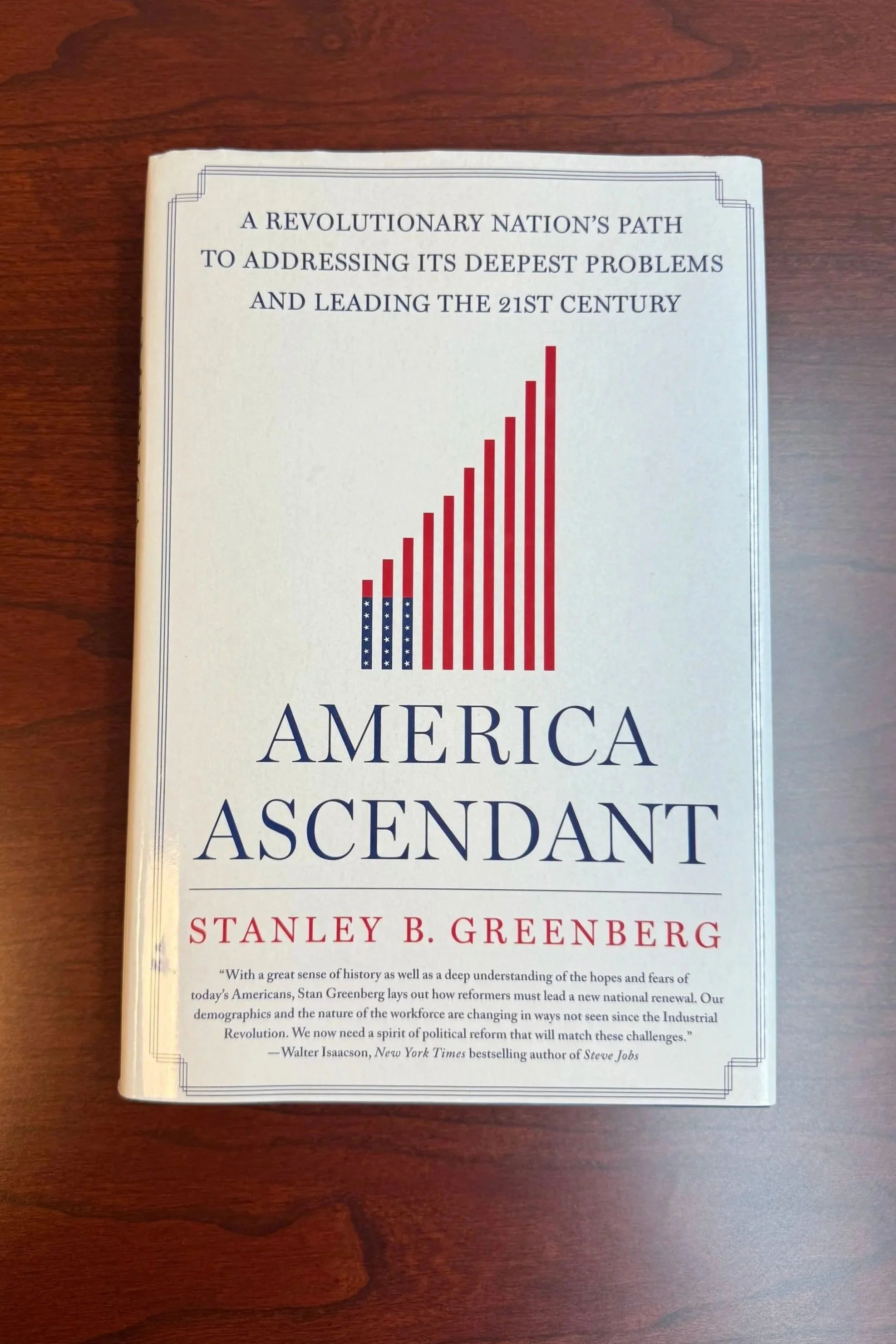
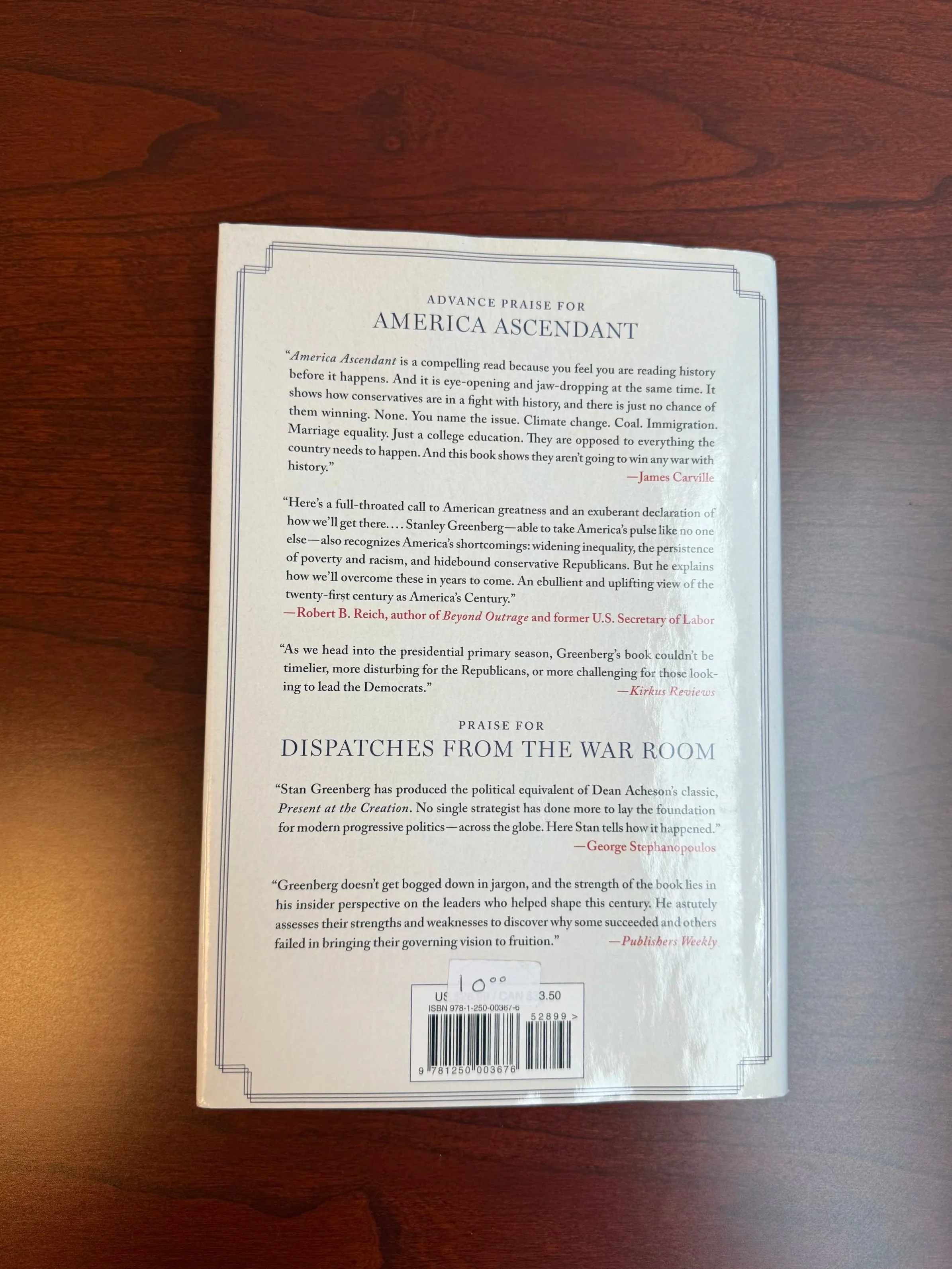
America Ascendant by Stanley Greenberg is a sharp, forward‑looking analysis of the demographic, cultural, and political forces reshaping the United States. Greenberg argues that rising diverse, urban, and socially progressive coalitions are redefining the nation’s priorities—and challenging long‑dominant power structures. Blending data, history, and on‑the‑ground research, he traces how these shifts are transforming elections, policy debates, and the country’s sense of identity. A compelling pick for readers interested in political change, social trends, and the future of American democracy.
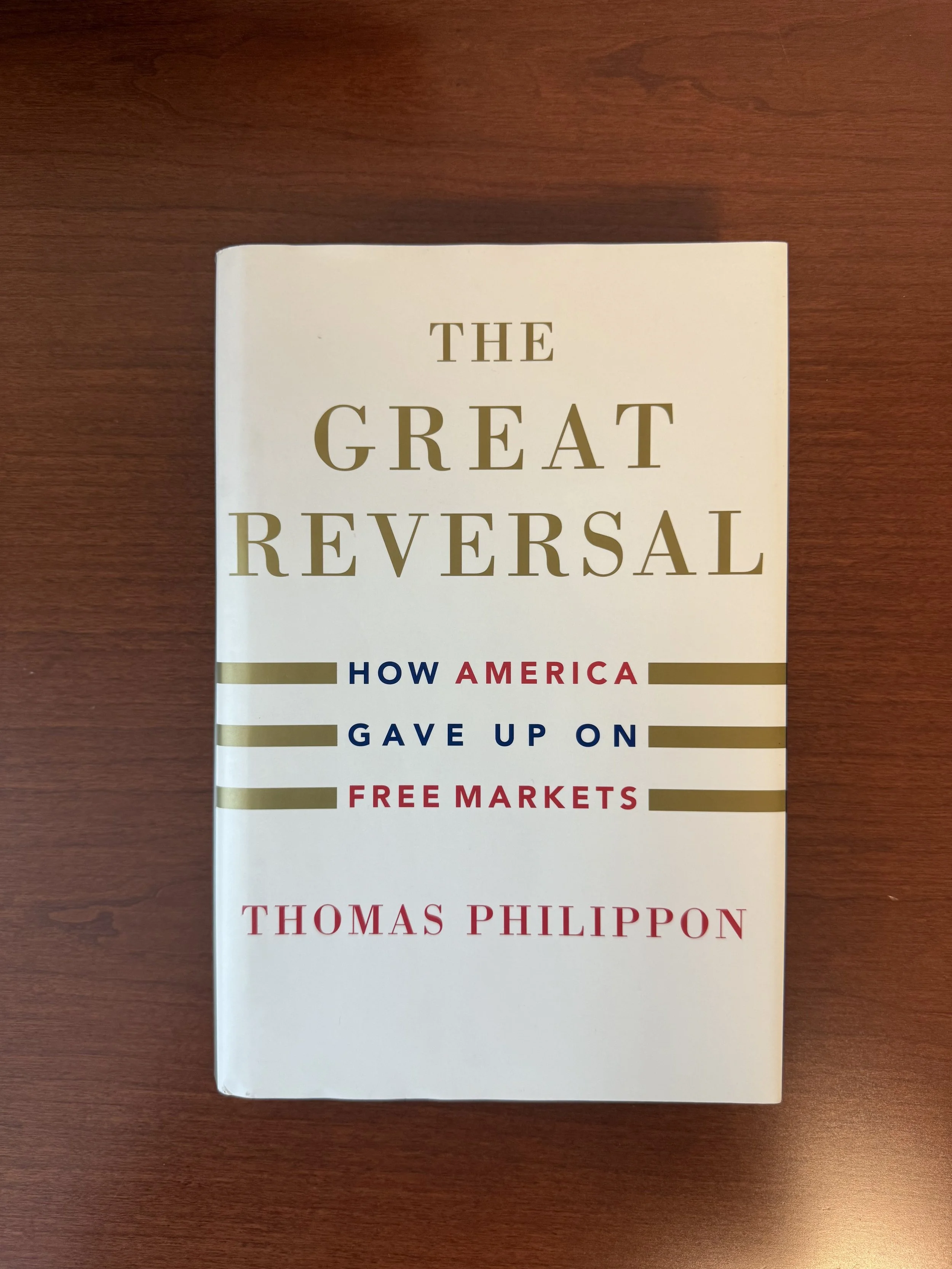
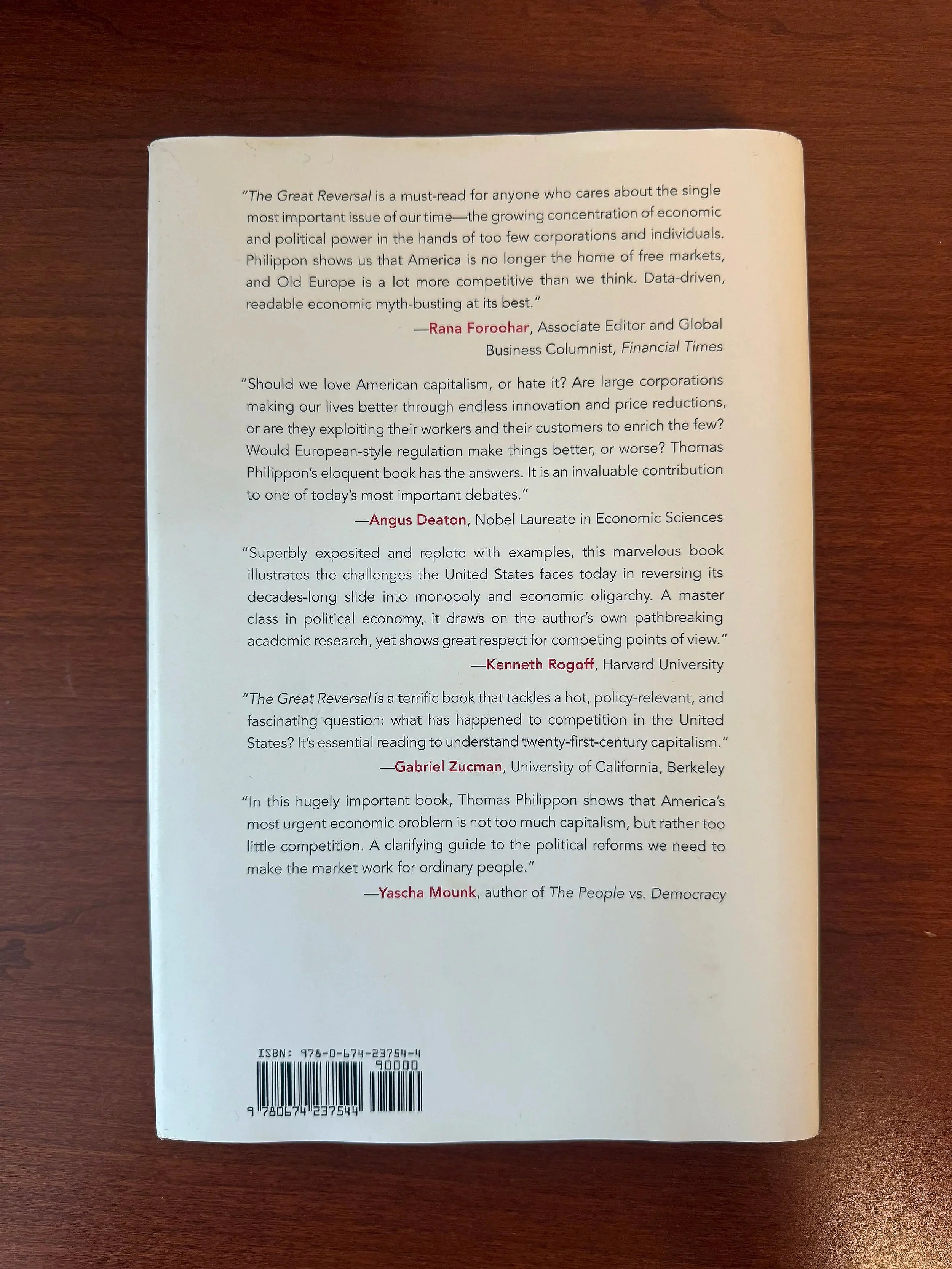
The Great Reversal by Thomas Philippon is a sharp, data‑driven exploration of how the United States—once a global champion of competition—slowly drifted toward concentrated corporate power. Philippon traces the policy choices, regulatory shifts, and market dynamics that allowed industries to consolidate, prices to rise, and innovation to stagnate. Clear, compelling, and rigorously argued, the book challenges readers to rethink what a truly competitive economy should look like. A standout pick for anyone interested in economics, public policy, or the future of American markets.
Michael’s Review: Thomas Philippon undersells the contributions modern technology companies have made to the U.S. economy. Nonetheless, he convincingly argues that these companies do not generate the same level of broad societal benefits as their forerunners did. For example, he highlights that these companies employ fewer individuals than the historically leading U.S. companies (e.g., General Electric). While employing fewer individuals is economically efficient, Philippon notes that this means these companies directly employ fewer people.
Michael’s Rating: 3/5 Stars
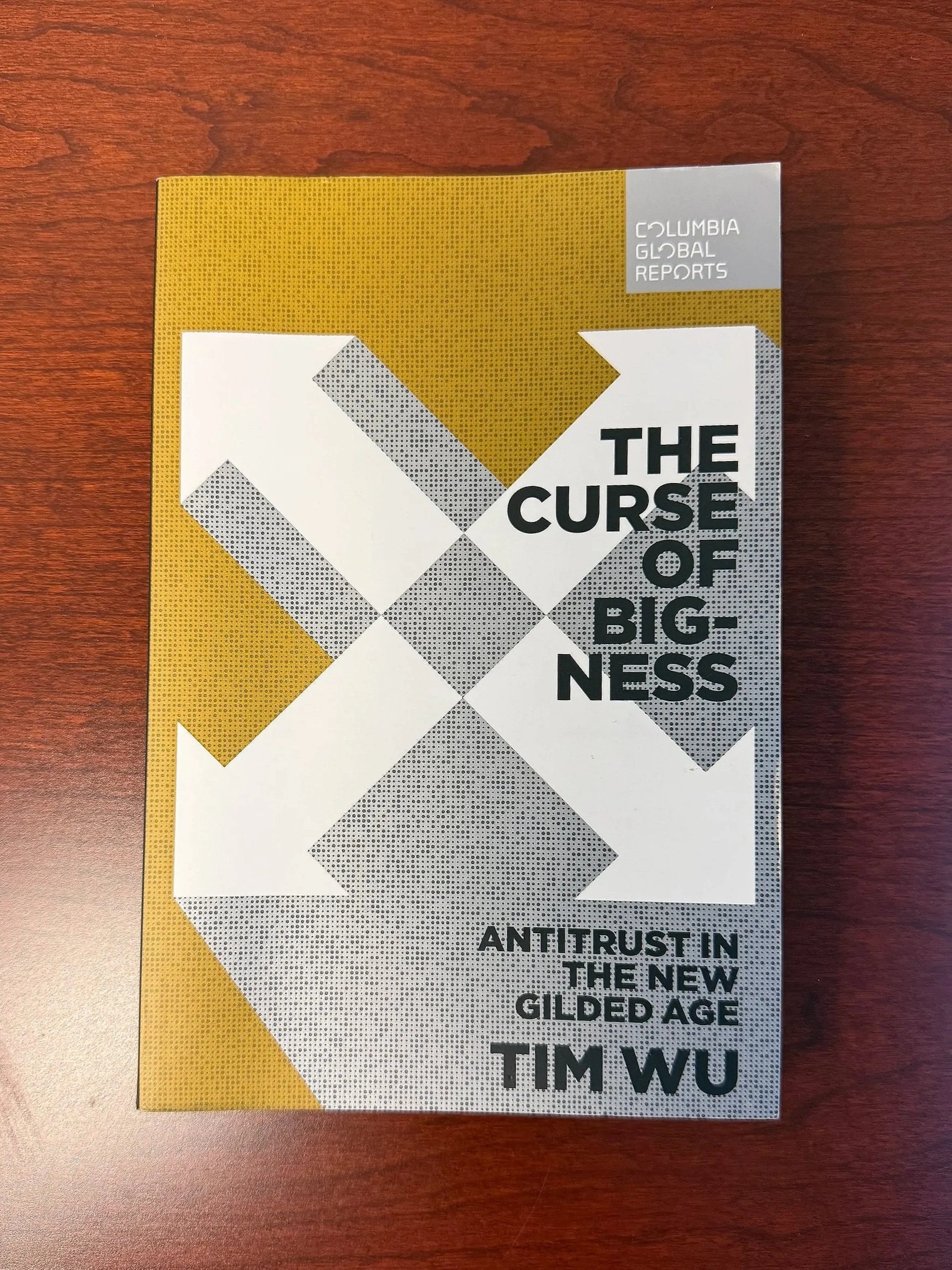
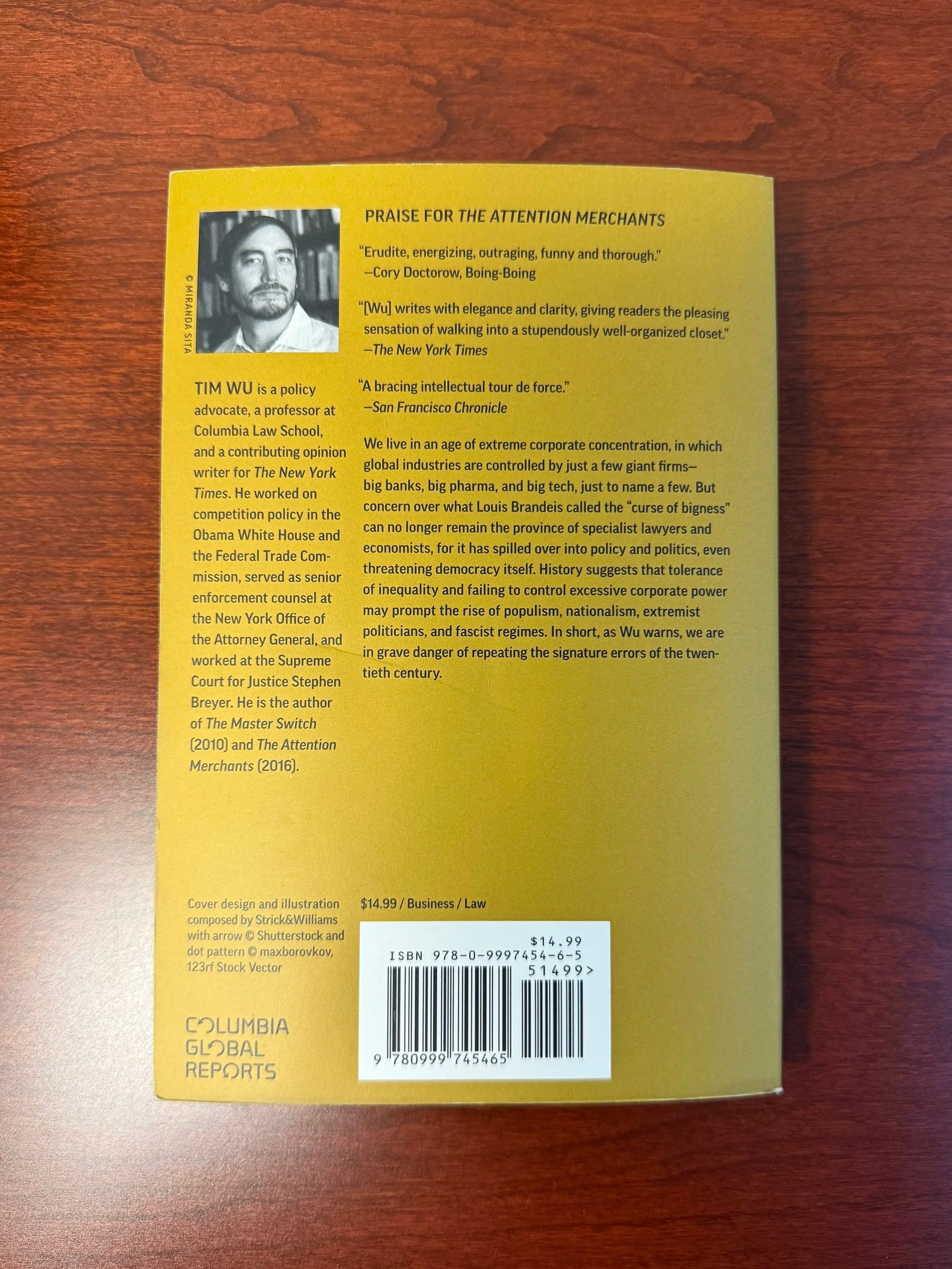
The Curse of Bigness by Tim Wu is a sharp, accessible examination of how concentrated corporate power threatens democracy, innovation, and economic fairness. Drawing on history—from the Gilded Age to modern tech giants—Wu shows how unchecked monopolies distort markets and weaken the institutions meant to protect the public. With clarity and urgency, he argues for a renewed commitment to antitrust enforcement as a safeguard for both economic opportunity and democratic stability. A compelling pick for readers interested in law, economics, and the future of competitive markets.
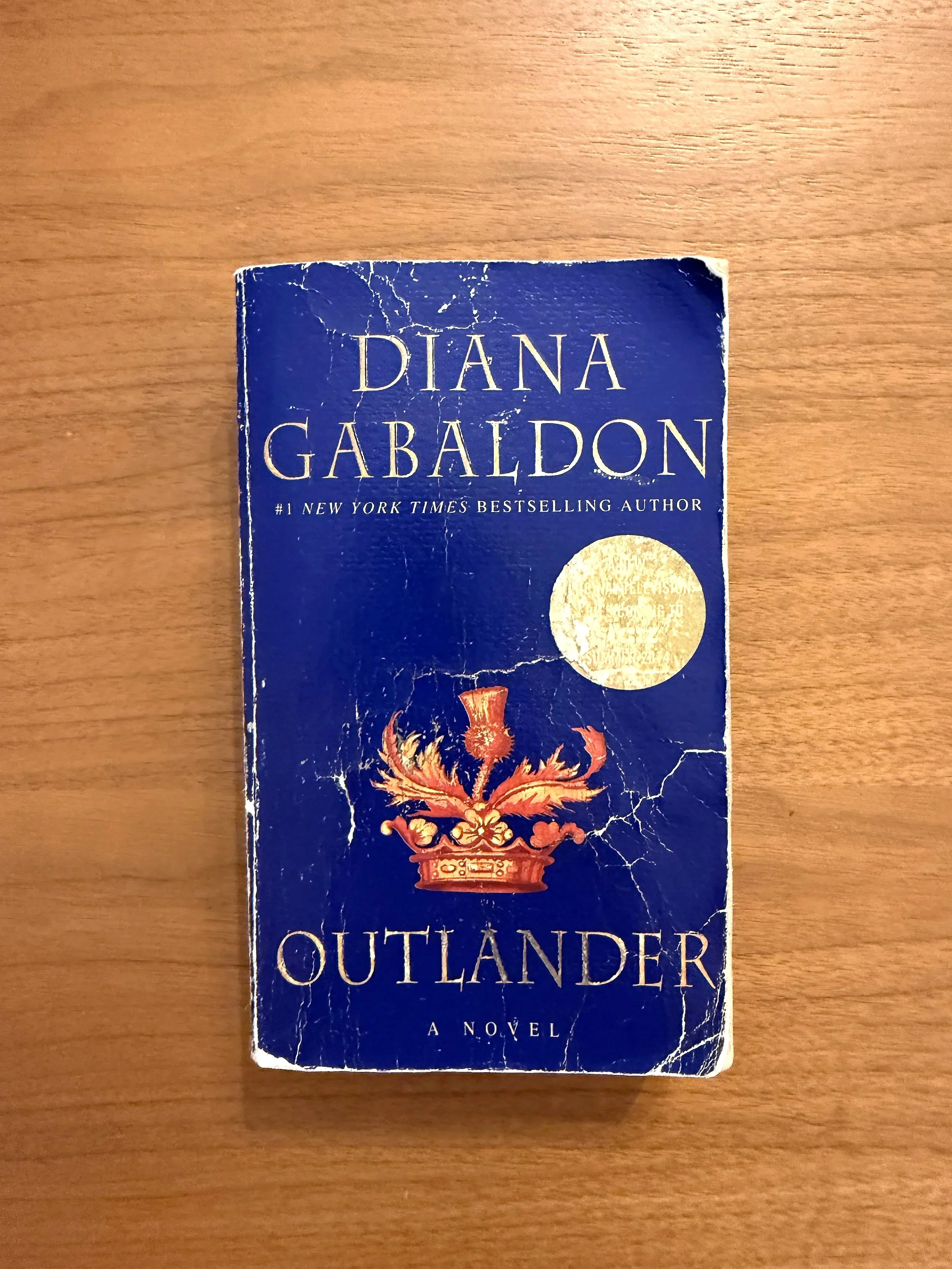
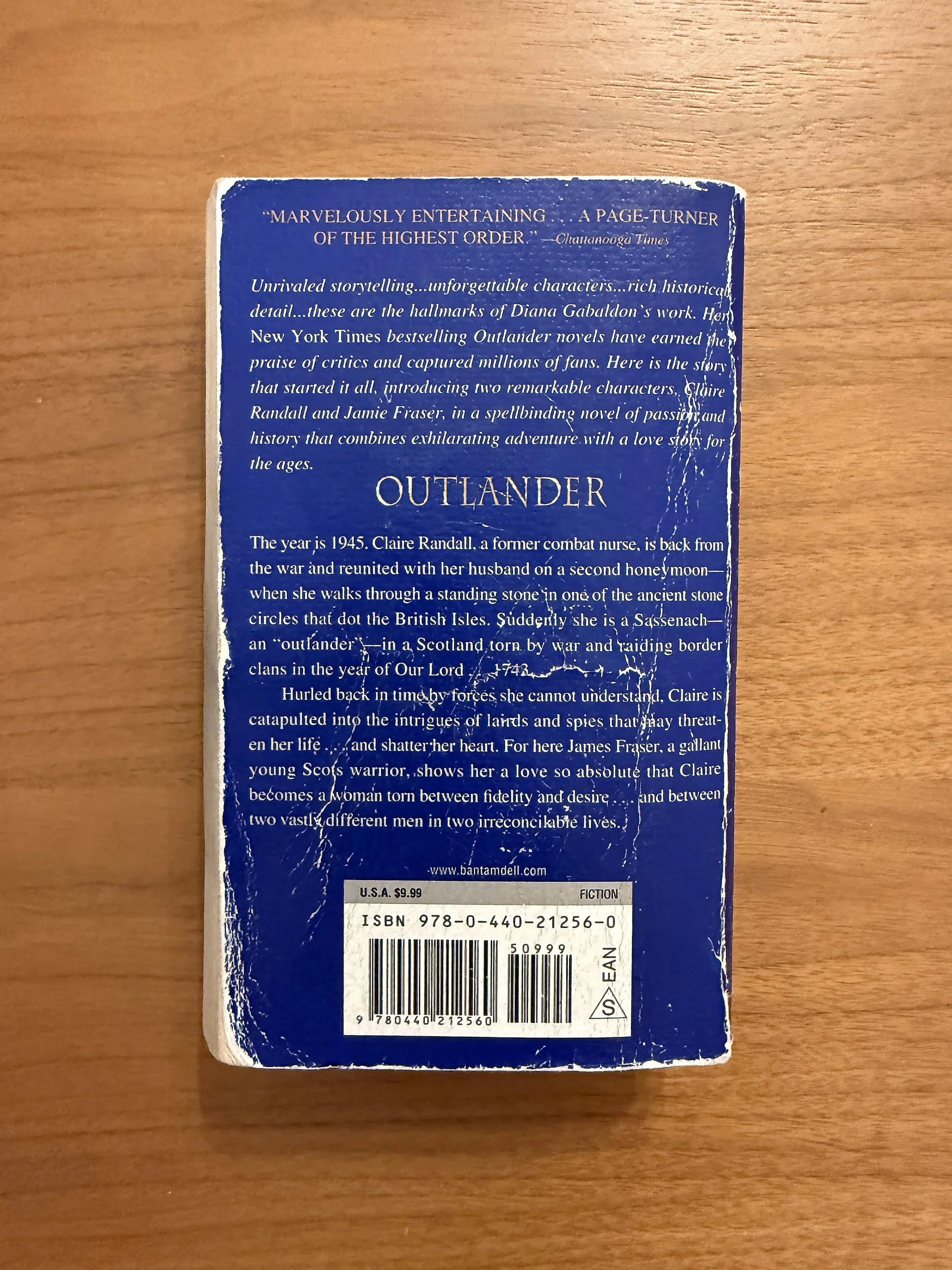
Outlander by Diana Gabaldon follows Claire Randall, a World War II nurse who is mysteriously swept back in time to 1743 Scotland while on a second‑honeymoon trip with her husband. Thrust into a world of clan politics, danger, and rebellion, Claire must navigate a past that is both brutal and breathtaking. Her fate becomes entwined with Jamie Fraser, a young Highland warrior whose loyalty and passion challenge everything she thought she knew about love and home. Sweeping, romantic, and richly atmospheric, it’s a perfect pick for readers who love historical fiction with adventure, heart, and time‑travel twists.
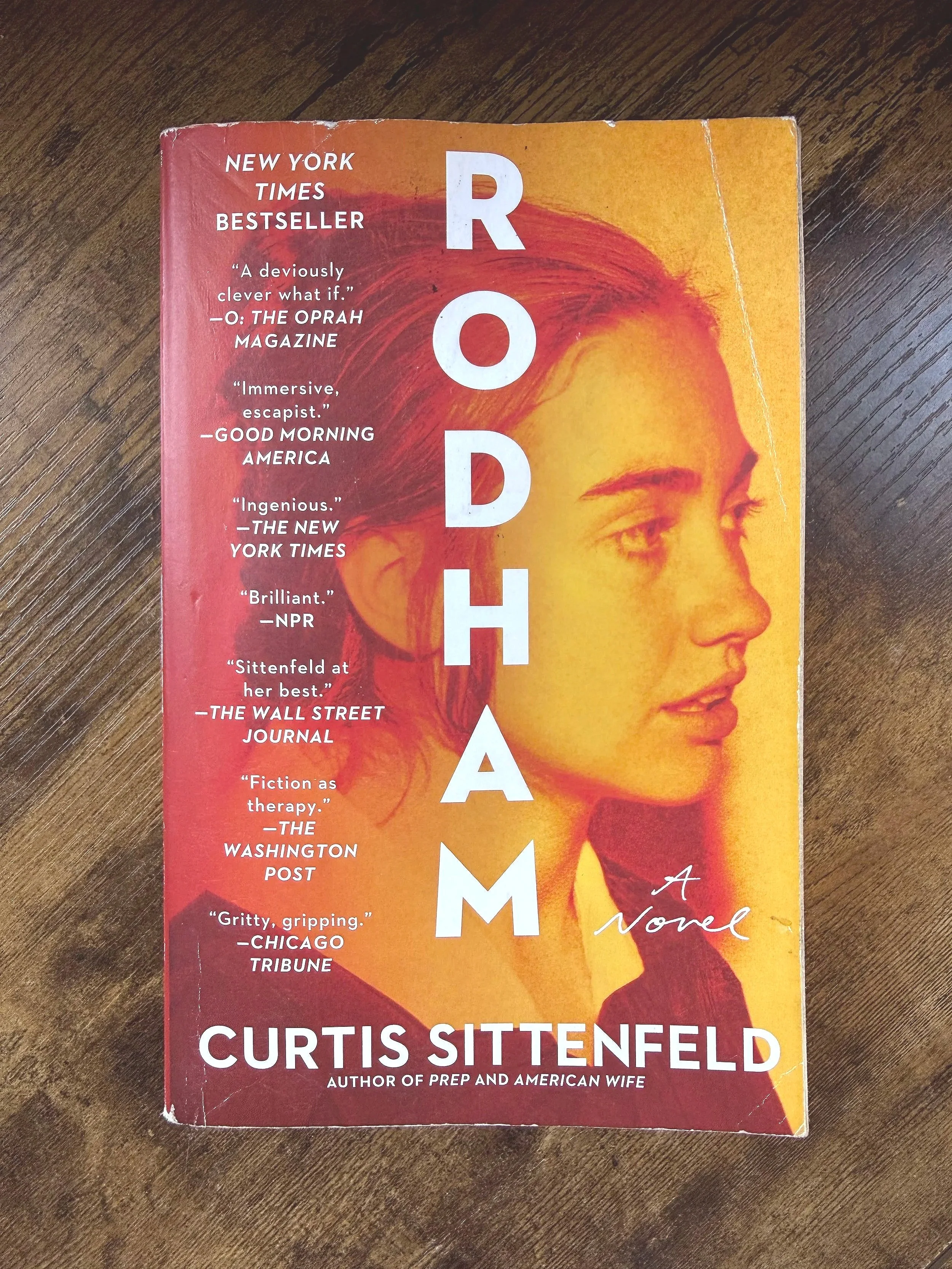
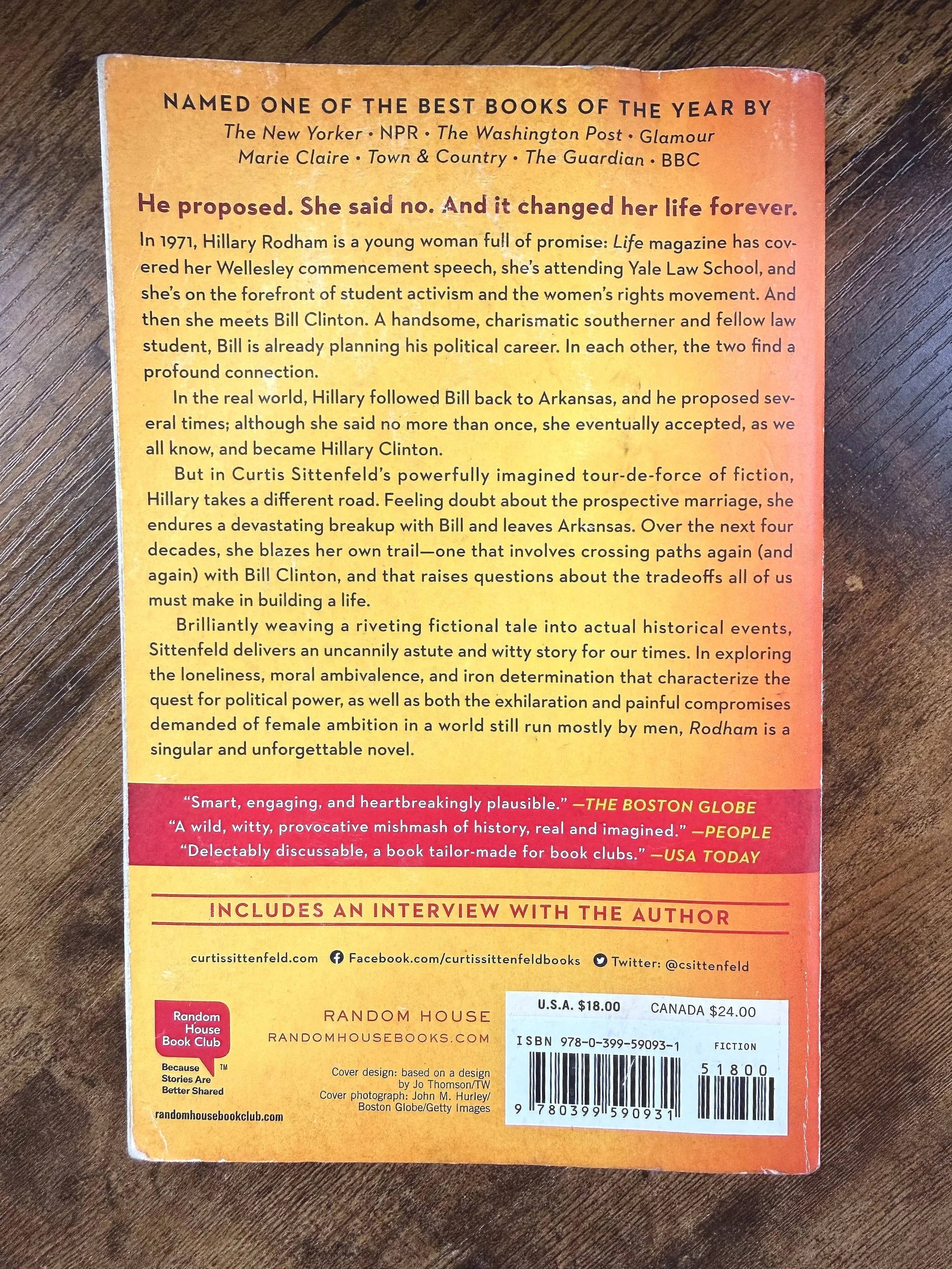
Rodham by Curtis Sittenfeld is an imaginative re‑telling of Hillary Rodham’s life—one that asks what might have happened if she had never married Bill Clinton. Following her from her early ambitions through decades of political and personal reinvention, Sittenfeld crafts a portrait of a woman determined to define herself on her own terms. A compelling pick for readers who enjoy character‑driven fiction that reimagines history.
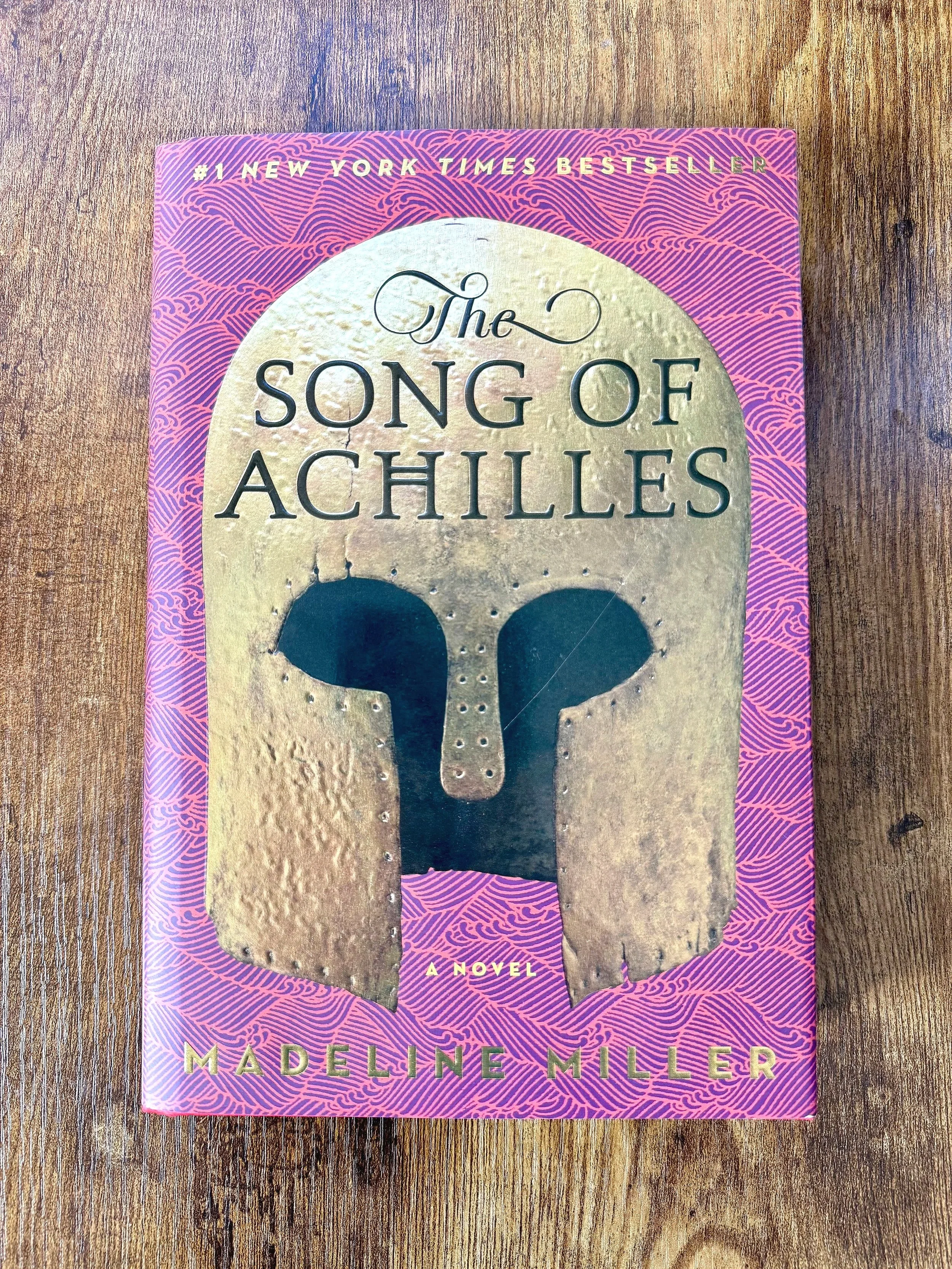
The Song of Achilles by Madeline Miller is a lyrical, deeply emotional retelling of the Iliad, told through the eyes of Patroclus as he grows from an exiled prince into the devoted companion of Achilles. As the two boys train under Chiron and their bond deepens, the looming Trojan War threatens everything they’ve built together. On the battlefield, destiny, pride, and prophecy collide, forcing both men to confront the brutal cost of glory.
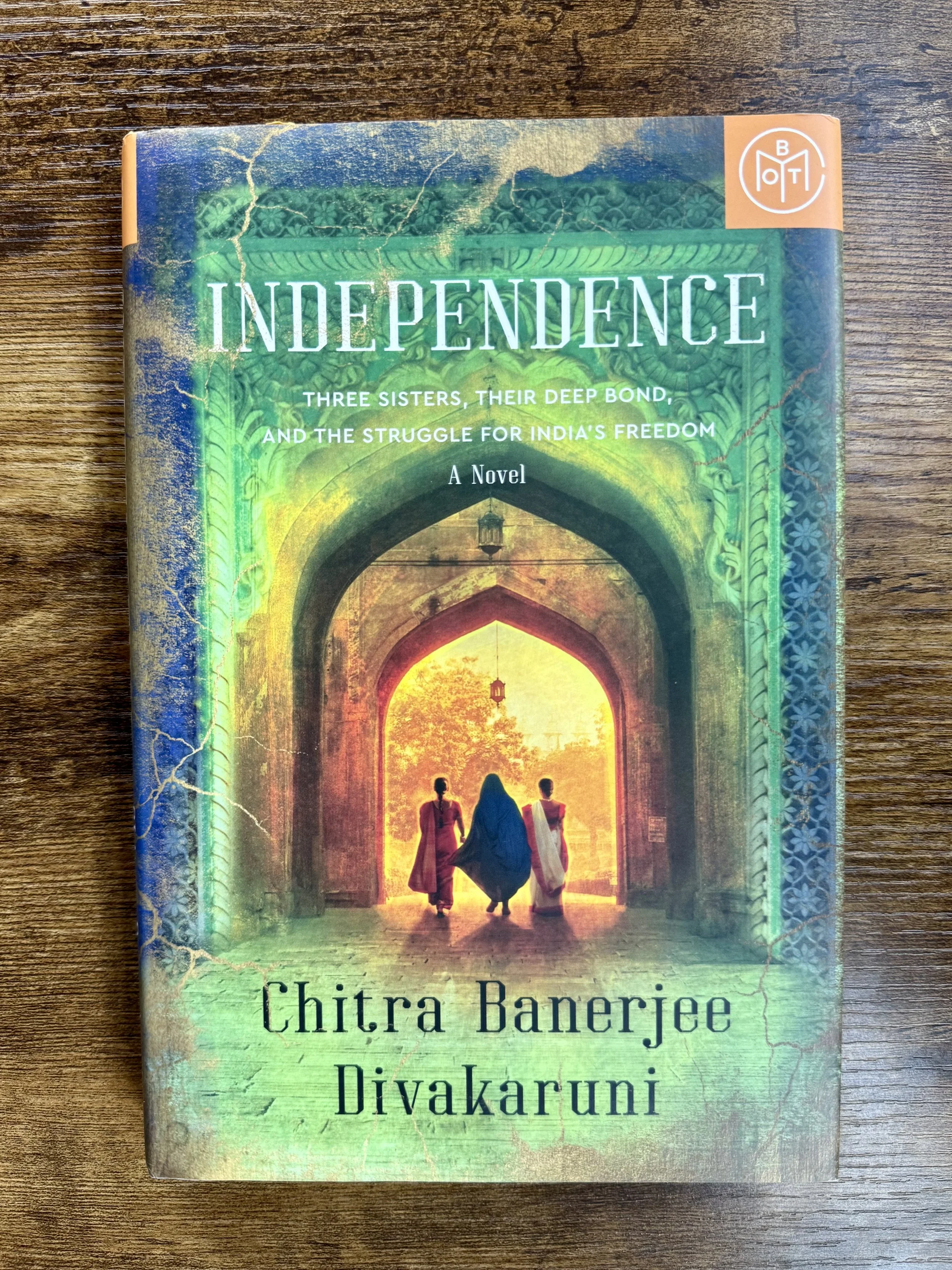

Independence by Chitra Banerjee Divakaruni follows three sisters—Priya, Deepa, and Jamini—whose lives are upended as India hurtles toward Partition in 1947. Each woman is forced onto her own path as political violence, personal sacrifice, and shifting loyalties reshape everything they know. Bound by love but separated by circumstance, the sisters navigate a world where survival demands courage and the future depends on the choices they make.
No results match your search. Try removing a few filters.